



Parámetros
- 416 páginas
- 15 horas de lectura
Más información sobre el libro
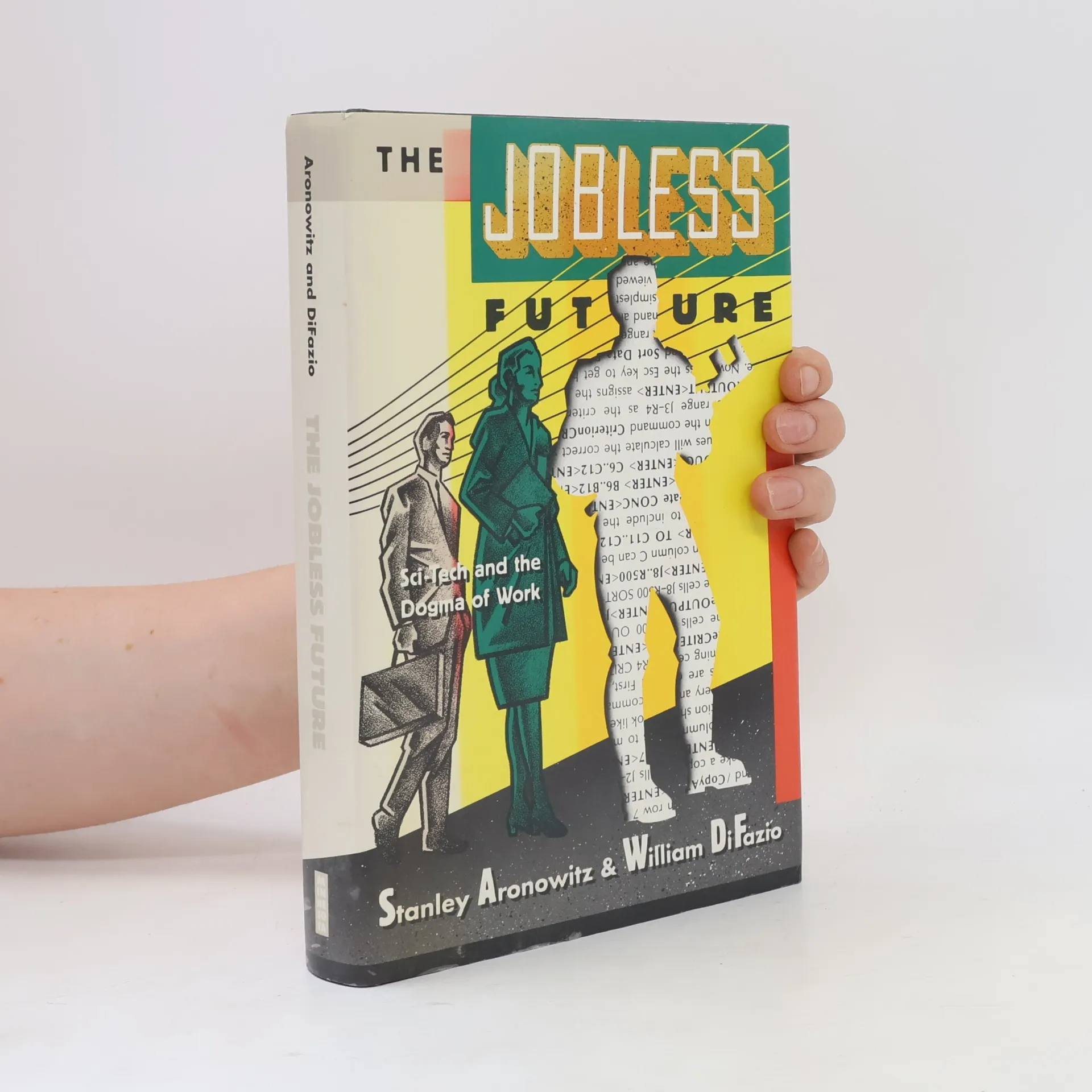
The Jobless Future challenges beliefs in the utopian promise of a knowledge-based, high-technology economy. Reviewing a vast body of encouraging literature about the postindustrial age, Aronowitz and DiFazio conclude that neither theory, history, nor contemporary evidence warrants optimism about a technological economic order. Instead, they demonstrate the shift toward a massive displacement of employees at all levels and a large-scale degradation of the labor force. As they clearly chart a major change in the nature, scope, and amount of paid work, the authors suggest that notions of justice and the good life based on full employment must change radically as well. They close by proposing alternatives to our dying job culture that might help us sustain ourselves and our well-being in a science- and technology-based economic future. One alternative discussed is reducing the workday to fewer hours without reducing pay.
Compra de libros
The Jobless Future, Stanley Aronowitz, William DiFazio
- Idioma

- Publicado en
- 1994
- product-detail.submit-box.info.binding
- (Tapa dura),
- Estado del libro
- Bueno
- Precio
- 6,99 €
Métodos de pago
Nadie lo ha calificado todavía.
- Título
- The Jobless Future
- Subtítulo
- Sci-Tech and the Dogma of Work
- Idioma
- Inglés
- Autores
- Stanley Aronowitz, William DiFazio
- Editorial
- University of Minnesota Press
- Publicado en
- 1994
- Formato
- Tapa dura
- Páginas
- 416
- ISBN10
- 0816621934
- ISBN13
- 9780816621934
- Serie
- Etiquetas
- No ficción
- Descripción
- The Jobless Future challenges beliefs in the utopian promise of a knowledge-based, high-technology economy. Reviewing a vast body of encouraging literature about the postindustrial age, Aronowitz and DiFazio conclude that neither theory, history, nor contemporary evidence warrants optimism about a technological economic order. Instead, they demonstrate the shift toward a massive displacement of employees at all levels and a large-scale degradation of the labor force. As they clearly chart a major change in the nature, scope, and amount of paid work, the authors suggest that notions of justice and the good life based on full employment must change radically as well. They close by proposing alternatives to our dying job culture that might help us sustain ourselves and our well-being in a science- and technology-based economic future. One alternative discussed is reducing the workday to fewer hours without reducing pay.