

Parámetros
- 298 páginas
- 11 horas de lectura
Más información sobre el libro
This book intends to systematically overcome the received practice of treating religion and politics as wholly separate and independent domains. It studies power and meaning in their “antagonistic interdependencies” rather than approaching religion purely as a realm of meaning without reference to issues of power, or dealing with politics as the province of power without raising questions of meaning. Religion and politics are thus seen in relation to one another, and attention is focused on the disputes about how political and religious regimes should be formed.Religious Regimes and State Formation will convince the reader that god and politics have much in common and offers surprising new perspectives on old problems.


Compra de libros
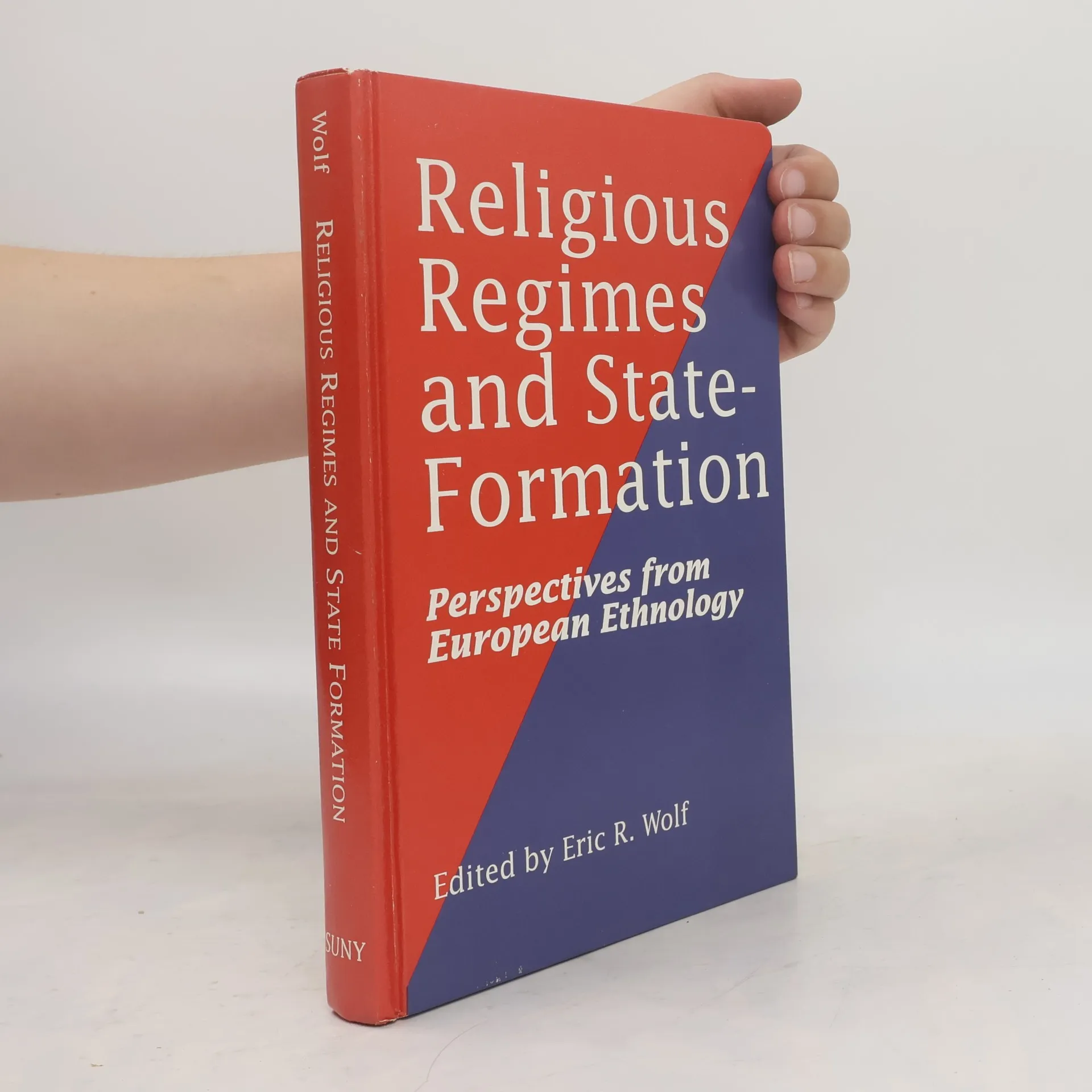
Religious Regimes and State Formation, Eric R. Wolf
- Idioma

- Publicado en
- 1991
- Encuadernación
- (Tapa dura)
Métodos de pago
Nadie lo ha calificado todavía.
- Título
- Religious Regimes and State Formation
- Subtítulo
- Perspectives from European Ethnology
- Idioma
- Inglés
- Autores
- Eric R. Wolf
- Editorial
- State University of New York Press
- Publicado en
- 1991
- Formato
- Tapa dura
- Páginas
- 298
- ISBN10
- 0791406504
- ISBN13
- 9780791406502
- Serie
- Etiquetas
- Descripción
- This book intends to systematically overcome the received practice of treating religion and politics as wholly separate and independent domains. It studies power and meaning in their “antagonistic interdependencies” rather than approaching religion purely as a realm of meaning without reference to issues of power, or dealing with politics as the province of power without raising questions of meaning. Religion and politics are thus seen in relation to one another, and attention is focused on the disputes about how political and religious regimes should be formed.Religious Regimes and State Formation will convince the reader that god and politics have much in common and offers surprising new perspectives on old problems.