

Más información sobre el libro
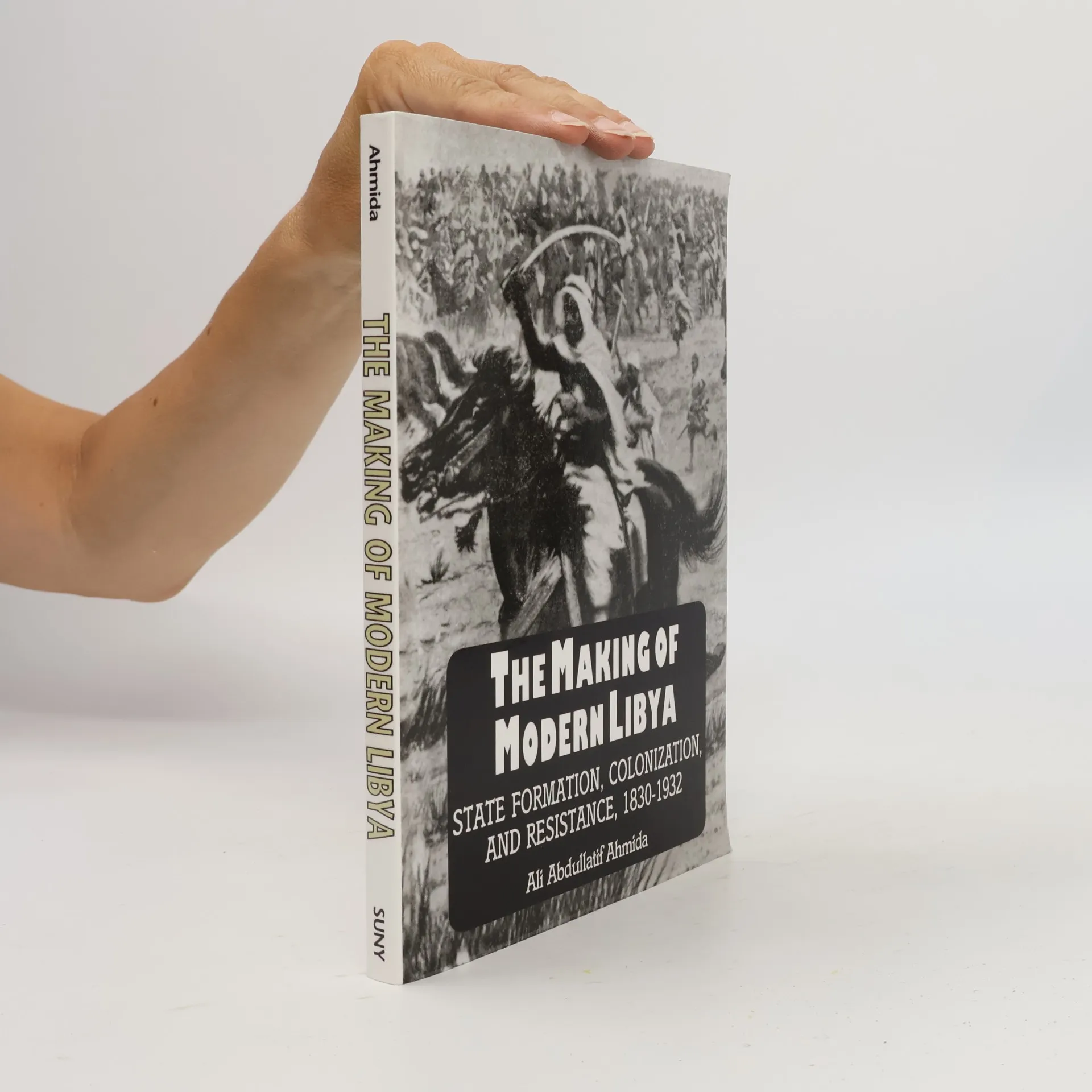
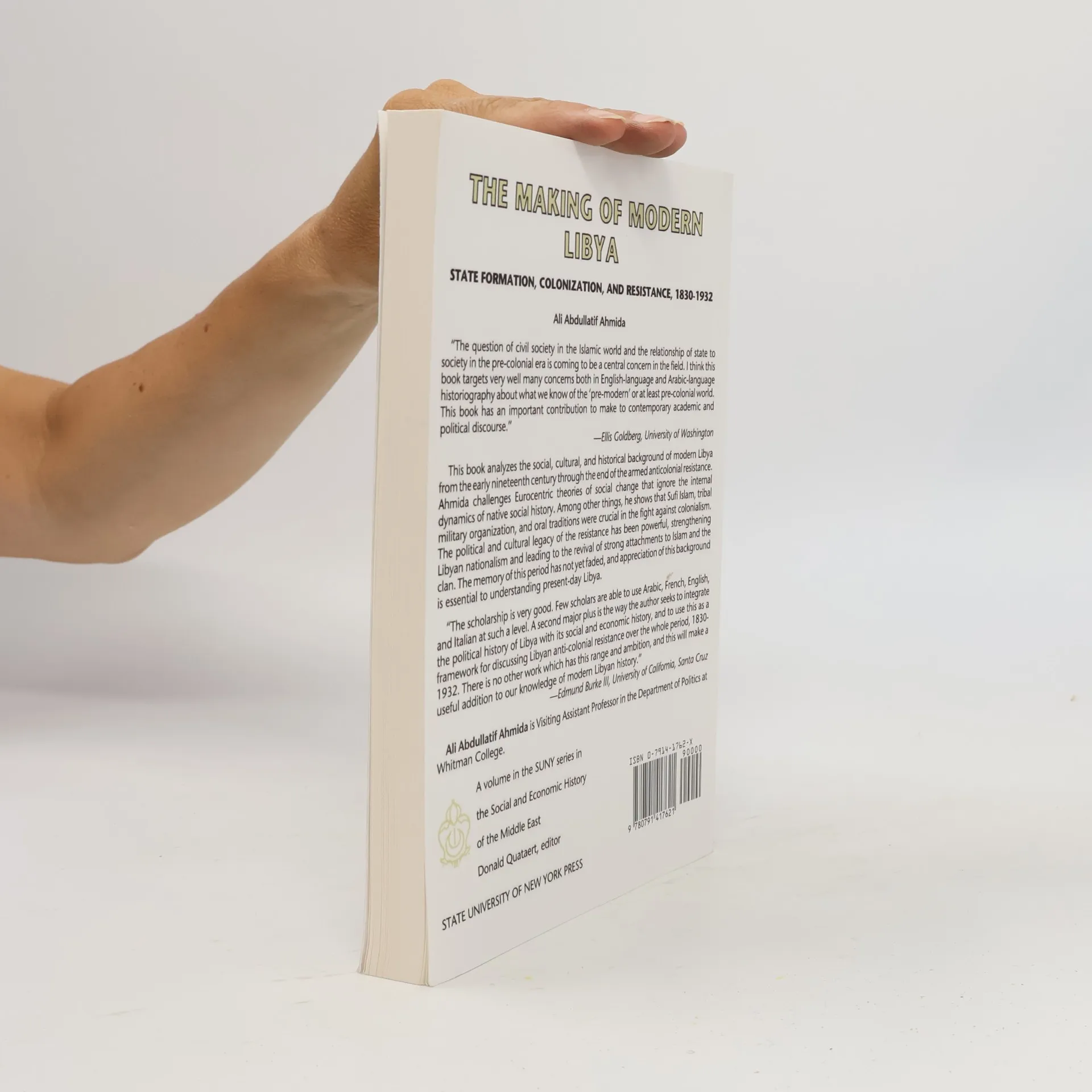
This book analyzes the social, cultural, and historical background of modern Libya from the early nineteenth century through the end of the armed anticolonial resistance. Ahmida challenges Eurocentric theories of social change that ignore the internal dynamics of native social history. Among other things, he shows that Sufi Islam, tribal military organization, and oral traditions were crucial in the fight against colonialism. The political and cultural legacy of the resistance has been powerful, strengthening Libyan nationalism and leading to the revival of strong attachments to Islam and the clan. The memory of this period has not yet faded, and appreciation of this background is essential to understanding present-day Libya.
Compra de libros
The Making of Modern Libya, Ali Abdullatif Ahmida
- Idioma

- Publicado en
- 1994
- Encuadernación
- (Tapa blanda)
Métodos de pago
Nadie lo ha calificado todavía.
- Título
- The Making of Modern Libya
- Subtítulo
- State Formation, Colonization, and Resistance, 1830-1932
- Idioma
- Inglés
- Autores
- Ali Abdullatif Ahmida
- Editorial
- State University of New York Press
- Publicado en
- 1994
- Formato
- Tapa blanda
- Páginas
- 222
- ISBN10
- 079141762X
- ISBN13
- 9780791417621
- Serie
- Categorías
- Etiquetas
- Tema histórico, Comercio, África, Historia social, Historia Económica, Libia
- Descripción
- This book analyzes the social, cultural, and historical background of modern Libya from the early nineteenth century through the end of the armed anticolonial resistance. Ahmida challenges Eurocentric theories of social change that ignore the internal dynamics of native social history. Among other things, he shows that Sufi Islam, tribal military organization, and oral traditions were crucial in the fight against colonialism. The political and cultural legacy of the resistance has been powerful, strengthening Libyan nationalism and leading to the revival of strong attachments to Islam and the clan. The memory of this period has not yet faded, and appreciation of this background is essential to understanding present-day Libya.