


Más información sobre el libro
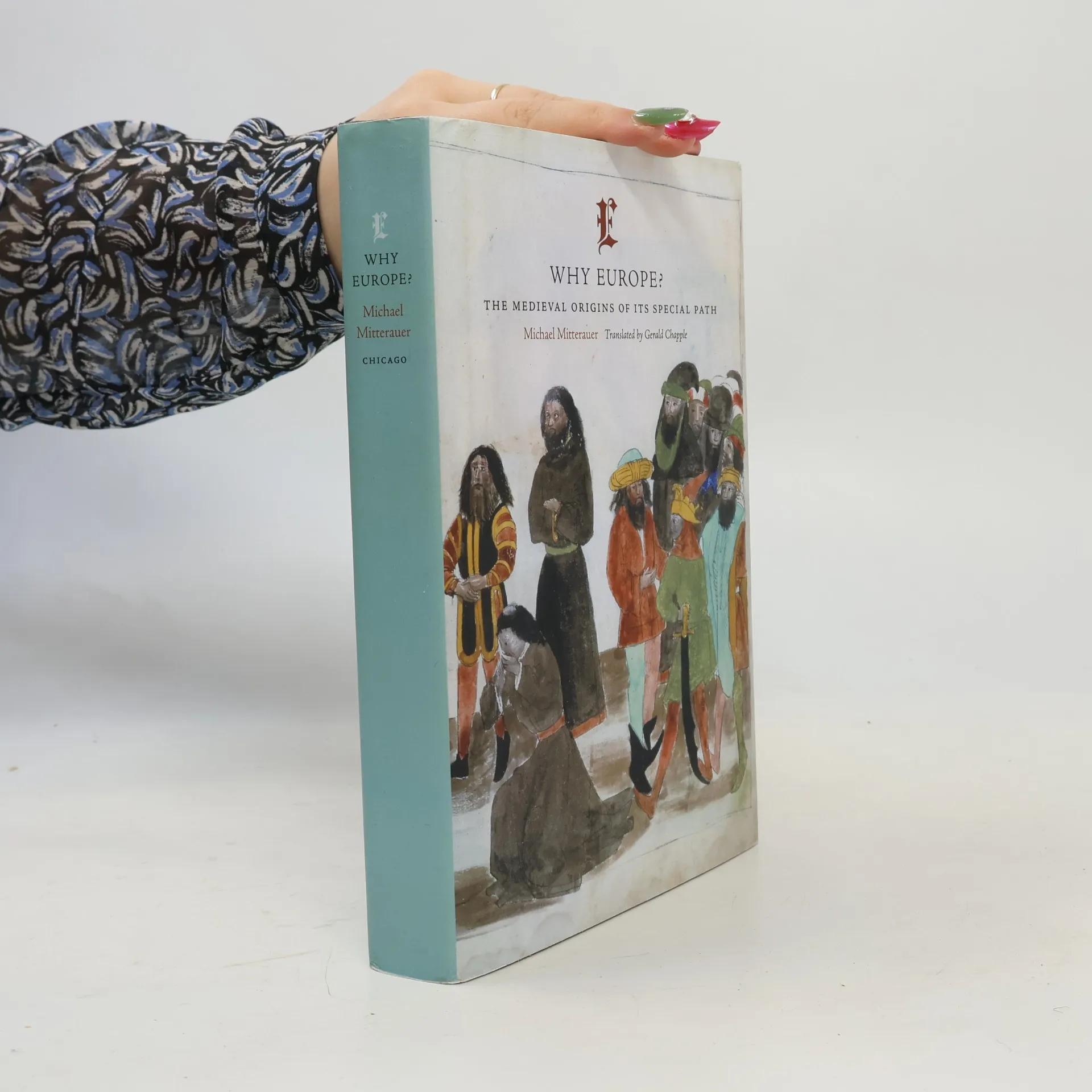
Why did capitalism and colonialism arise in Europe and not elsewhere? Why were parliamentarian and democratic forms of government founded there? What factors led to Europe’s unique position in shaping the world? Thoroughly researched and persuasively argued, Why Europe? tackles these classic questions with illuminating results. Michael Mitterauer traces the roots of Europe’s singularity to the medieval era, specifically to developments in agriculture. While most historians have located the beginning of Europe’s special path in the rise of state power in the modern era, Mitterauer establishes its origins in rye and oats. These new crops played a decisive role in remaking the European family, he contends, spurring the rise of individualism and softening the constraints of patriarchy. Mitterauer reaches these conclusions by comparing Europe with other cultures, especially China and the Islamic world, while surveying the most important characteristics of European society as they took shape from the decline of the Roman empire to the invention of the printing press. Along the way, Why Europe? offers up a dazzling series of novel hypotheses to explain the unique evolution of European culture.

Compra de libros
Why Europe?, Michael Mitterauer, Gerald Chapple
- Idioma

- Publicado en
- 2010
- Encuadernación
- (Tapa dura),
- Estado del libro
- Bueno
- Precio
- 9,39 €
Métodos de pago
Nos falta tu reseña aquí
- Título
- Why Europe?
- Idioma
- Inglés
- Autores
- Michael Mitterauer, Gerald Chapple
- Editorial
- The University of Chicago Press
- Publicado en
- 2010
- Formato
- Tapa dura
- Páginas
- 400
- ISBN10
- 0226532534
- ISBN13
- 9780226532530
- Serie
- Etiquetas
- Tema histórico, Comercio
- Calificación
- 3,8 de 5
- Descripción
- Why did capitalism and colonialism arise in Europe and not elsewhere? Why were parliamentarian and democratic forms of government founded there? What factors led to Europe’s unique position in shaping the world? Thoroughly researched and persuasively argued, Why Europe? tackles these classic questions with illuminating results. Michael Mitterauer traces the roots of Europe’s singularity to the medieval era, specifically to developments in agriculture. While most historians have located the beginning of Europe’s special path in the rise of state power in the modern era, Mitterauer establishes its origins in rye and oats. These new crops played a decisive role in remaking the European family, he contends, spurring the rise of individualism and softening the constraints of patriarchy. Mitterauer reaches these conclusions by comparing Europe with other cultures, especially China and the Islamic world, while surveying the most important characteristics of European society as they took shape from the decline of the Roman empire to the invention of the printing press. Along the way, Why Europe? offers up a dazzling series of novel hypotheses to explain the unique evolution of European culture.