

Parámetros
- 189 páginas
- 7 horas de lectura
Más información sobre el libro
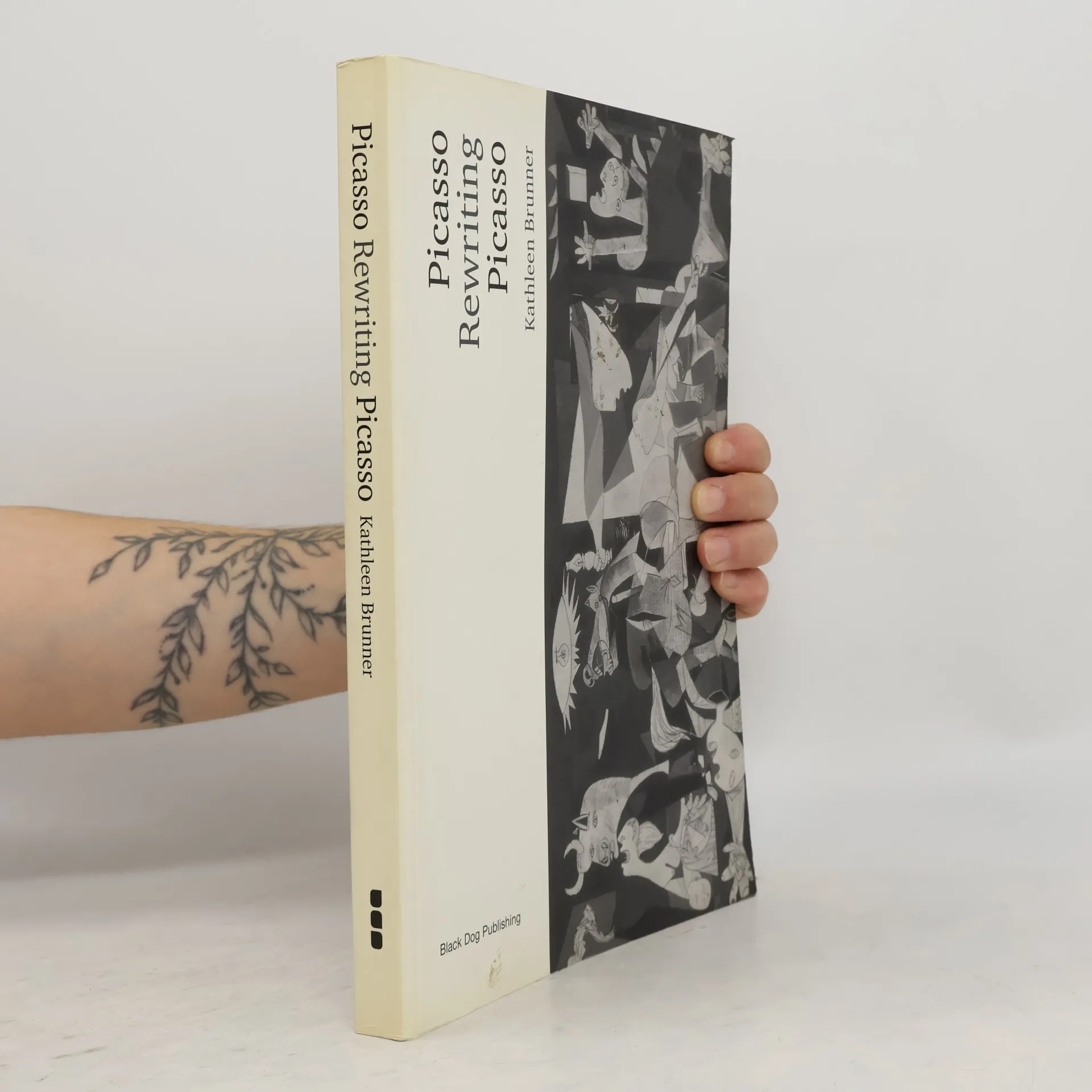
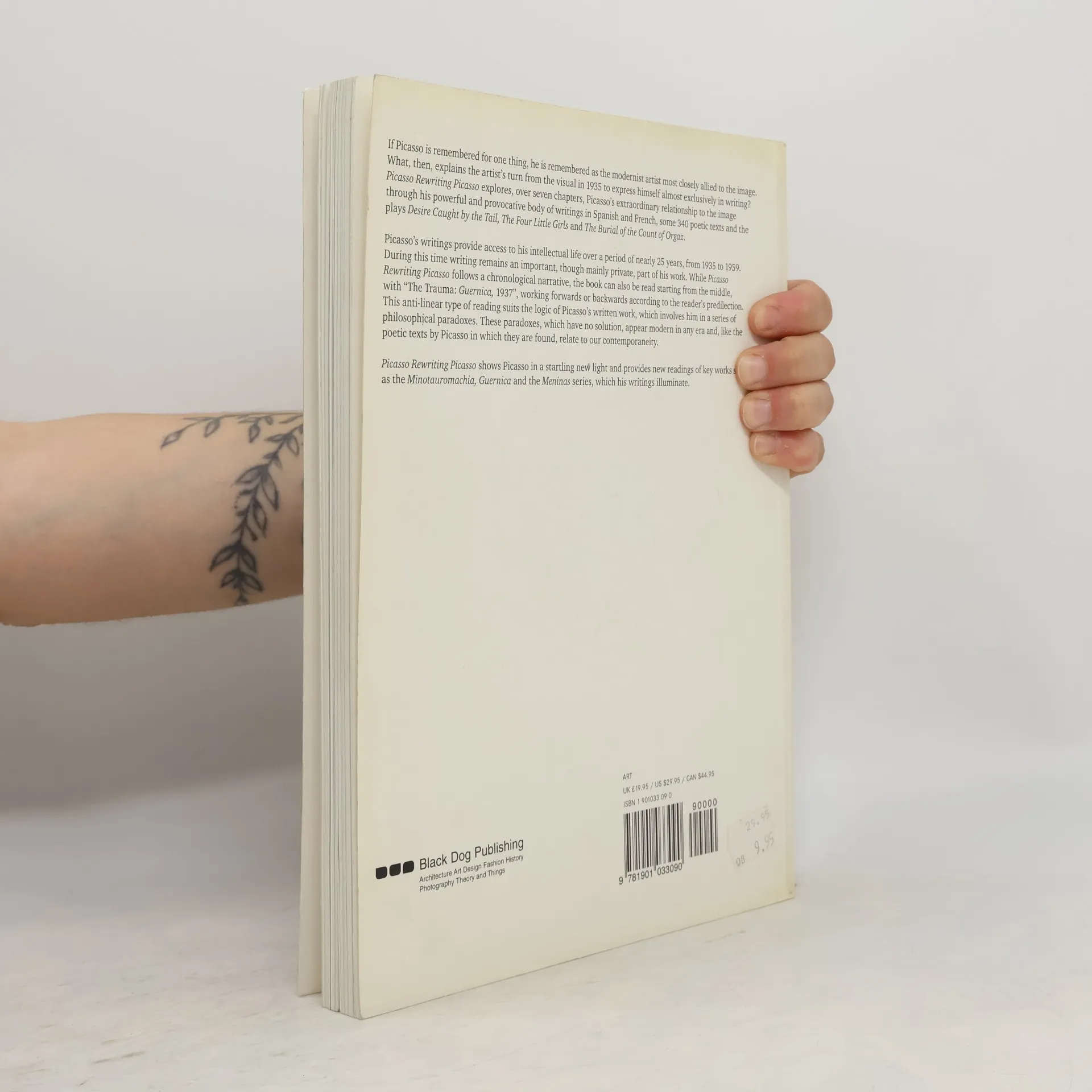
If Picasso is remembered for one thing, he is remembered as the modernist artist most closely allied to the image. What, then, explains the artist's turn from the visual in 1935 to express himself almost exclusively in writing? Picasso Rewriting Picasso explores, over seven chapters, Picasso's extraordinary relationship to the image through his powerful and provocative body of writings in Spanish and French, some 340 poetic texts and the plays Desire Caught by the Tail, The Four Little Girls and The Burial of the Count of Orgaz.Picasso's writings provide access to his intellectual life over a period of nearly 25 years, from 1935 to 1959. During this time writing remains an important, though mainly private, part of his work. While Picasso Rewriting Picasso follows a chronological narrative, the book can also be read starting from the middle, with "The Guernica, 1937", working forwards or backwards according to the reader's predilection. This anti-linear type of reading suits the logic of Picasso's written work, which involves him in a series of philosophical paradoxes. These paradoxes, which have no solution, appear modern in any era and, like the poetic texts by Picasso in which they are found, relate to our contemporaneity.Picasso Rewriting Picasso shows Picasso in a startling new light and provides new readings of key works such as the Minotauromachia, Guernica and the Meninas series, which his writings illuminate.
Compra de libros
Picasso Rewriting Picasso, Kathleen Brunner
- Idioma

- Publicado en
- 2003
- Encuadernación
- (Tapa blanda)
Métodos de pago
Nadie lo ha calificado todavía.
- Título
- Picasso Rewriting Picasso
- Idioma
- Inglés
- Autores
- Kathleen Brunner
- Editorial
- Black Dog Publishing
- Publicado en
- 2003
- Formato
- Tapa blanda
- Páginas
- 189
- ISBN10
- 1901033090
- ISBN13
- 9781901033090
- Serie
- Etiquetas
- Descripción
- If Picasso is remembered for one thing, he is remembered as the modernist artist most closely allied to the image. What, then, explains the artist's turn from the visual in 1935 to express himself almost exclusively in writing? Picasso Rewriting Picasso explores, over seven chapters, Picasso's extraordinary relationship to the image through his powerful and provocative body of writings in Spanish and French, some 340 poetic texts and the plays Desire Caught by the Tail, The Four Little Girls and The Burial of the Count of Orgaz.Picasso's writings provide access to his intellectual life over a period of nearly 25 years, from 1935 to 1959. During this time writing remains an important, though mainly private, part of his work. While Picasso Rewriting Picasso follows a chronological narrative, the book can also be read starting from the middle, with "The Guernica, 1937", working forwards or backwards according to the reader's predilection. This anti-linear type of reading suits the logic of Picasso's written work, which involves him in a series of philosophical paradoxes. These paradoxes, which have no solution, appear modern in any era and, like the poetic texts by Picasso in which they are found, relate to our contemporaneity.Picasso Rewriting Picasso shows Picasso in a startling new light and provides new readings of key works such as the Minotauromachia, Guernica and the Meninas series, which his writings illuminate.