



Parámetros
- 278 páginas
- 10 horas de lectura
Más información sobre el libro
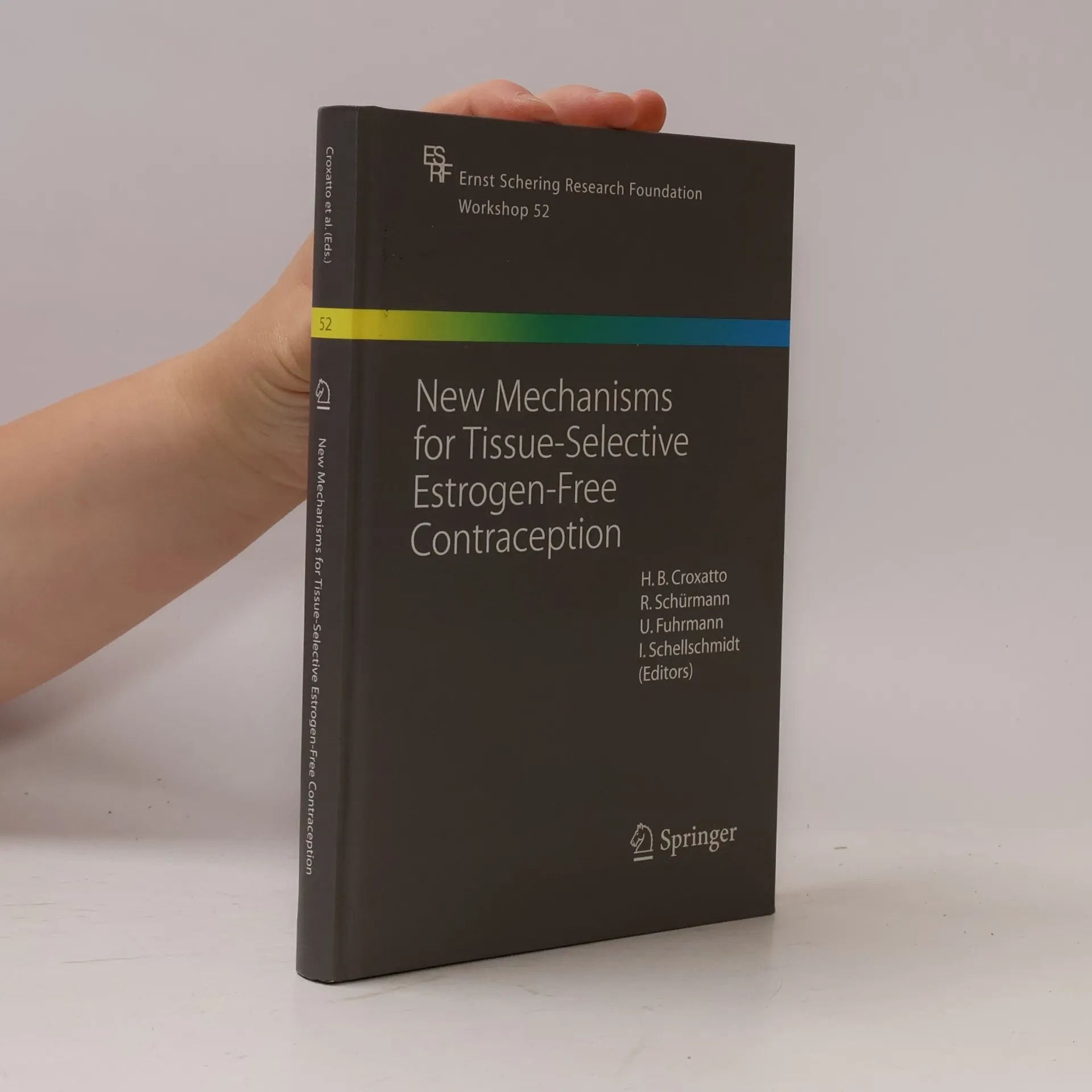
Combined oral contraceptives are the most convenient and accepted method of hormonal contraception. Nevertheless, the medical community and consumers constantly demand innovation, additional benefits during use and lower hormonal load despite the high safety profile of available products. At the Ernst Schering Research Foundation Workshop 52, new perspectives and mechanisms for tissue-selective, estrogen-free contraception were discussed. The aim of the workshop was to bring together experts in the field of molecular and pharmacodynamic action of progestins with clinicians and medical experts to discuss potential medical endpoints, physiological reactions and (bio)marker useful describing the tissue selectivity and the contraceptive action of new progestins in different target organs. A major factor for successful realization of these new concepts is a deeper understanding of local pharmacological responses to progestins in general and to new progestins in particular.
Compra de libros
New mechanisms for tissue selective estrogen free contraception, Horacio B. Croxatto
- Idioma

- Publicado en
- 2005
- Encuadernación
- (Tapa dura),
- Estado del libro
- Bueno
- Precio
- 20,49 €
Métodos de pago
Nadie lo ha calificado todavía.
- Título
- New mechanisms for tissue selective estrogen free contraception
- Idioma
- Inglés
- Autores
- Horacio B. Croxatto
- Editorial
- Springer
- Publicado en
- 2005
- Formato
- Tapa dura
- Páginas
- 278
- ISBN10
- 3540230890
- ISBN13
- 9783540230892
- Serie
- Etiquetas
- Salud & Medicina
- Descripción
- Combined oral contraceptives are the most convenient and accepted method of hormonal contraception. Nevertheless, the medical community and consumers constantly demand innovation, additional benefits during use and lower hormonal load despite the high safety profile of available products. At the Ernst Schering Research Foundation Workshop 52, new perspectives and mechanisms for tissue-selective, estrogen-free contraception were discussed. The aim of the workshop was to bring together experts in the field of molecular and pharmacodynamic action of progestins with clinicians and medical experts to discuss potential medical endpoints, physiological reactions and (bio)marker useful describing the tissue selectivity and the contraceptive action of new progestins in different target organs. A major factor for successful realization of these new concepts is a deeper understanding of local pharmacological responses to progestins in general and to new progestins in particular.