

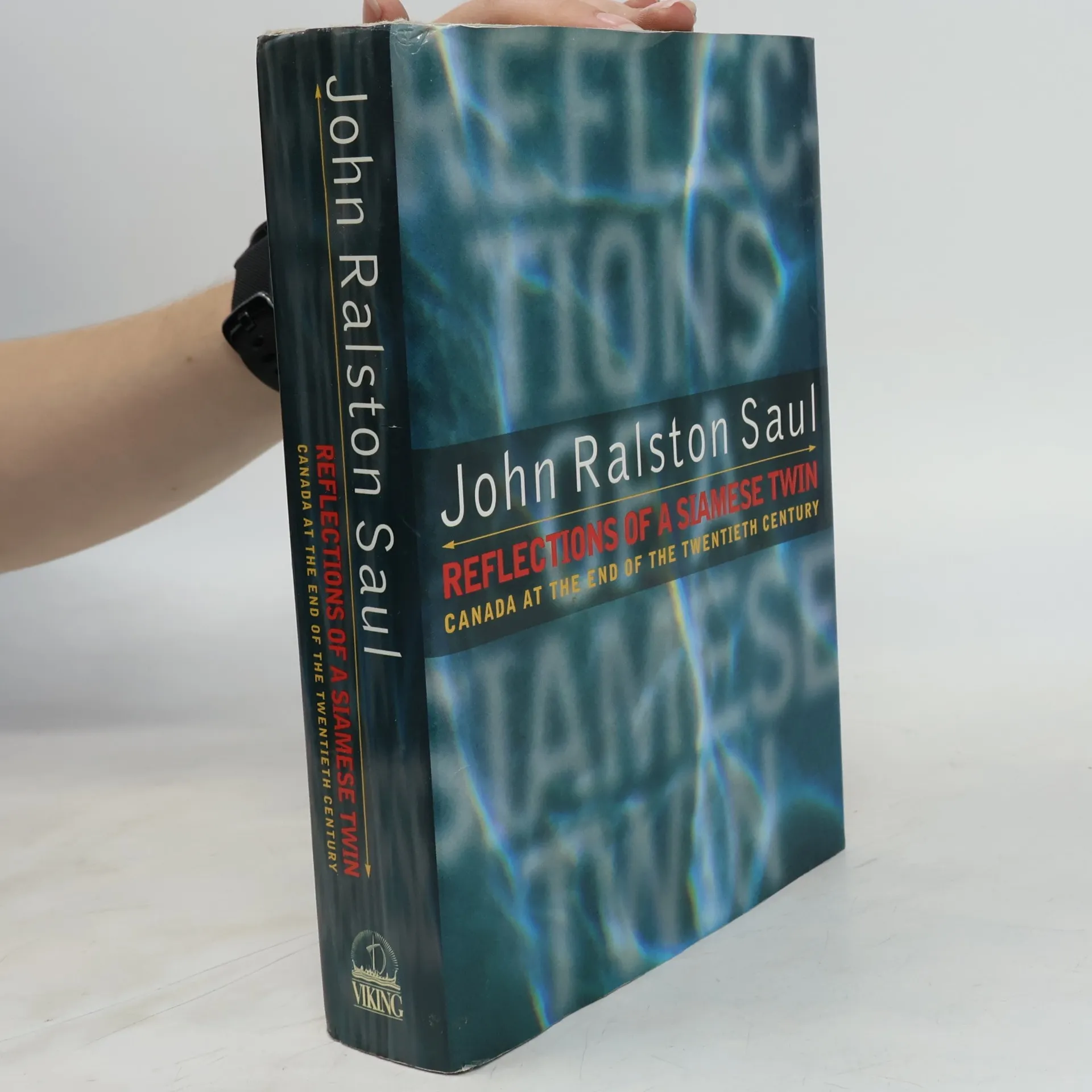
Más información sobre el libro
In Reflections of a Siamese Twin , Saul turns his eye from a reinterpretation of the Western world to an examination of Canada itself. Caught up in crises—political, economic, and social—Canada continues to flounder, unable to solve or even really identify its problems. Instead, we assert absolute differences between ourselves: we are English or we are French; Natives or Europeans; early immigrants or newly arrived; from the east or from the west. Or we bow to ideologies and deny all differences in the name of nationalism, unity, or equality. In a startling exercise in reorientation, John Ralston Saul makes sense of Canadian myths—real, false, denied—and reconciles them with the reality of today's politics, culture, and economics.
Compra de libros
Reflections of a Siamese twin, John Ralston Saul
- Idioma

- Publicado en
- 1997
- Encuadernación
- (Tapa dura)
Métodos de pago
Nadie lo ha calificado todavía.
- Título
- Reflections of a Siamese twin
- Subtítulo
- Canada at the end of the twentieth century
- Idioma
- Inglés
- Autores
- John Ralston Saul
- Editorial
- Viking Penguin
- Publicado en
- 1997
- Formato
- Tapa dura
- Páginas
- 546
- ISBN10
- 0670870994
- ISBN13
- 9780670870998
- Serie
- Descripción
- In Reflections of a Siamese Twin , Saul turns his eye from a reinterpretation of the Western world to an examination of Canada itself. Caught up in crises—political, economic, and social—Canada continues to flounder, unable to solve or even really identify its problems. Instead, we assert absolute differences between ourselves: we are English or we are French; Natives or Europeans; early immigrants or newly arrived; from the east or from the west. Or we bow to ideologies and deny all differences in the name of nationalism, unity, or equality. In a startling exercise in reorientation, John Ralston Saul makes sense of Canadian myths—real, false, denied—and reconciles them with the reality of today's politics, culture, and economics.