

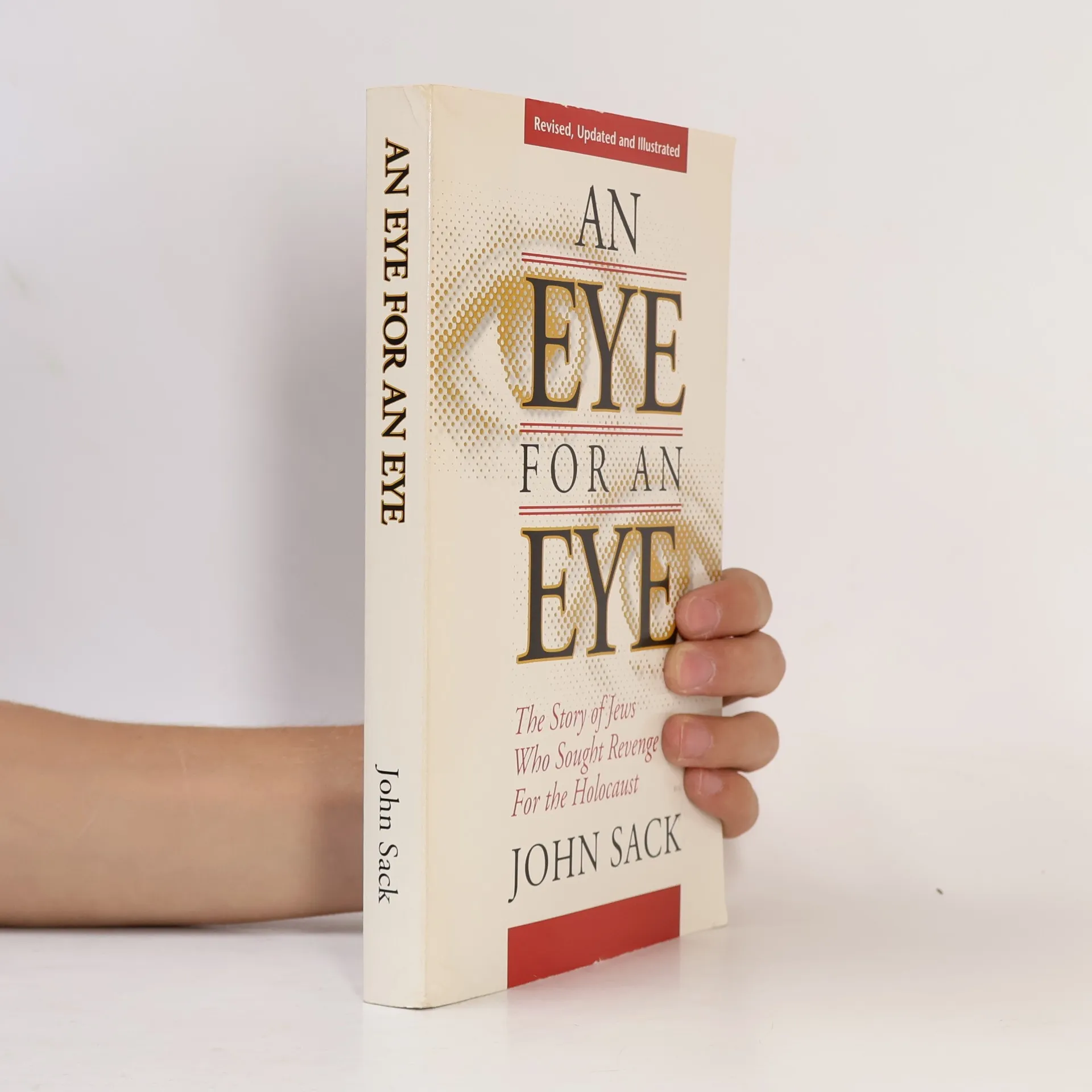


An Eye for an Eye
The Story of Jews Who Sought Revenge for the Holocaust - Revised, Updated and Illustrated
Autores
Valoración del libro
Más información sobre el libro
The worst fate for some Holocaust survivors was becoming like their oppressors. This book explores how and why this transformation occurred, along with the eventual cessation of such actions. It reveals a narrative of Jewish revenge and redemption, detailing the harrowing events at the end of World War II. In 1945, the Soviet Union, which occupied parts of Germany and Poland, created the Office of State Security, recruiting Holocaust survivors to enforce de-Nazification. This office targeted German civilians—99 percent of whom were innocent—rounding them up and sending them to prisons and concentration camps, where conditions were dire, leading to the deaths of 60,000 to 80,000 Germans. The author, John Sack, examines the motivations behind individuals who, after enduring immense suffering, inflicted similar horrors on others. He highlights figures like Lola, a young woman who became a prison commandant seeking vengeance for her family, and Pinek, her childhood friend who oversaw security but turned a blind eye to atrocities. Shlomo, another commandant, boasted of his brutal efficiency, revealing the chilling reality of the time. This compelling narrative is the result of seven years of research and interviews across multiple countries, shedding light on a largely untold story.


Compra de libros
An Eye for an Eye, John R. Sack
- Idioma

- Publicado en
- 2000
- Encuadernación
- (Tapa blanda),
- Estado del libro
- Muy Bueno
- Precio
- 11,99 €
Métodos de pago
Nos falta tu reseña aquí
- Título
- An Eye for an Eye
- Subtítulo
- The Story of Jews Who Sought Revenge for the Holocaust - Revised, Updated and Illustrated
- Idioma
- Inglés
- Autores
- John R. Sack
- Editorial
- John Sack
- Publicado en
- 2000
- Formato
- Tapa blanda
- Páginas
- 276
- ISBN10
- 0967569109
- ISBN13
- 9780967569109
- Serie
- Categorías
- Etiquetas
- Periodismo narrativo, Época de posguerra, Alemanes, Genocidio
- Primera publicación
- 1993
- Título original
- An Eye For An Eye
- Calificación
- 4,2 de 5
- Descripción
- The worst fate for some Holocaust survivors was becoming like their oppressors. This book explores how and why this transformation occurred, along with the eventual cessation of such actions. It reveals a narrative of Jewish revenge and redemption, detailing the harrowing events at the end of World War II. In 1945, the Soviet Union, which occupied parts of Germany and Poland, created the Office of State Security, recruiting Holocaust survivors to enforce de-Nazification. This office targeted German civilians—99 percent of whom were innocent—rounding them up and sending them to prisons and concentration camps, where conditions were dire, leading to the deaths of 60,000 to 80,000 Germans. The author, John Sack, examines the motivations behind individuals who, after enduring immense suffering, inflicted similar horrors on others. He highlights figures like Lola, a young woman who became a prison commandant seeking vengeance for her family, and Pinek, her childhood friend who oversaw security but turned a blind eye to atrocities. Shlomo, another commandant, boasted of his brutal efficiency, revealing the chilling reality of the time. This compelling narrative is the result of seven years of research and interviews across multiple countries, shedding light on a largely untold story.