


Más información sobre el libro
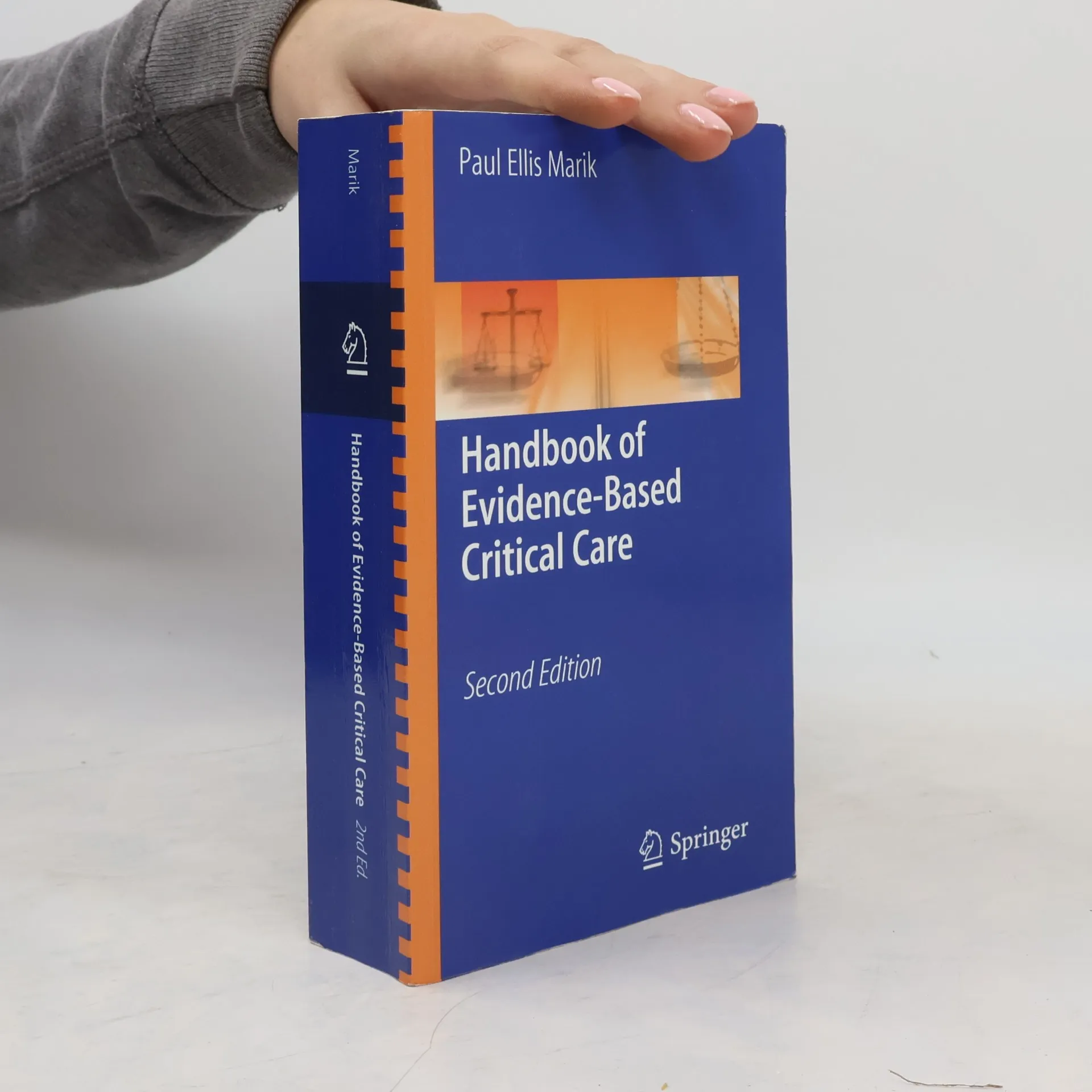
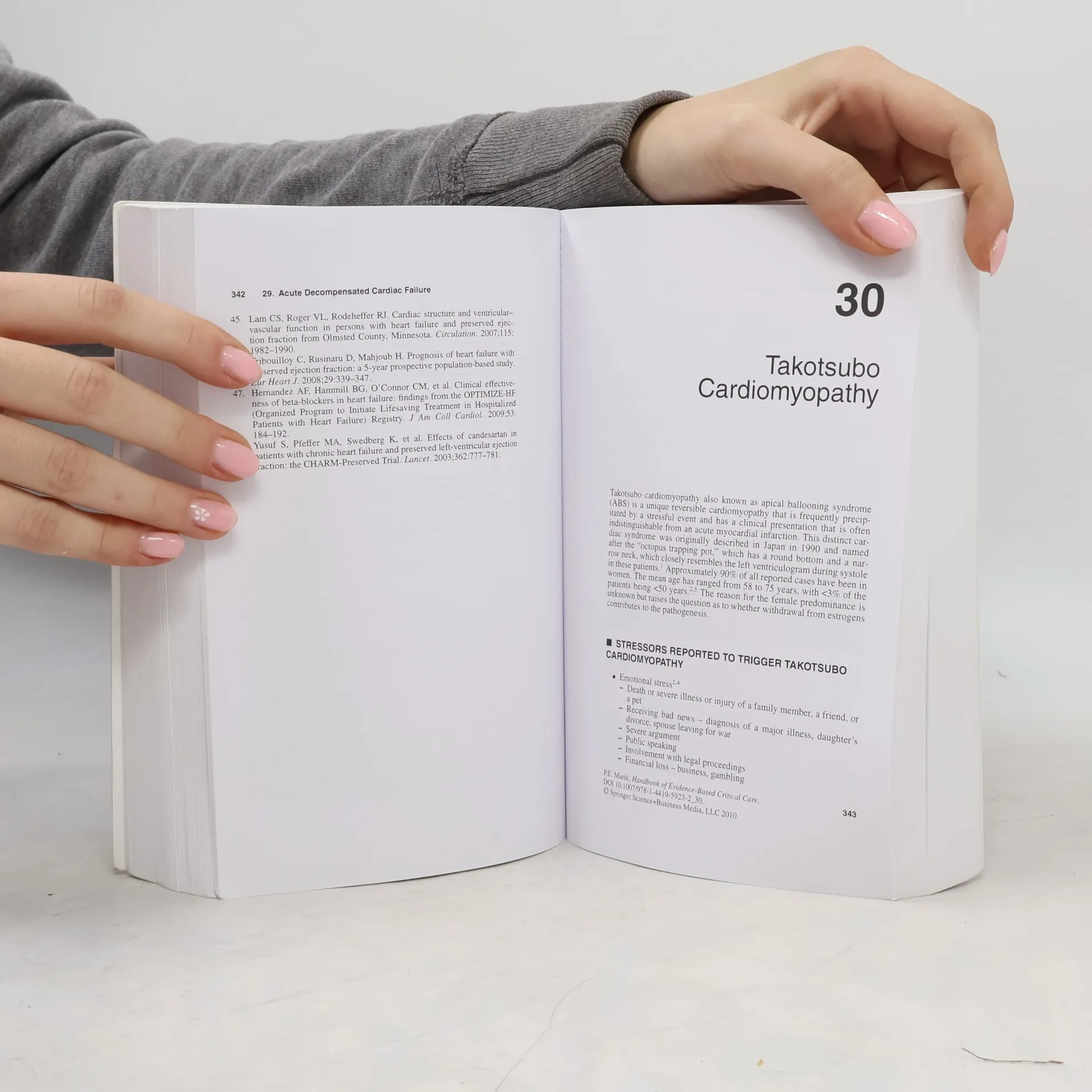
This updated and revised edition of the classic bedside pocket reference remains the gold standard in critical care medicine. The new edition maintains Dr. Marik's trademark humor and engaging writing style, while adding numerous references to make this book the most current and thorough treatment of evidence-based critical care available. The handbook enables the clinician to find the evidence to support or refute an intervention and to help choose the most appropriate, cost-effective treatment. The analysis of treatment strategies is presented by organ system, and the handbook also covers miscellaneous ICU topics (such as sedation, toxicology, radiology, and sepsis) based on the most frequently found and difficult to solve problems in ICU patient management.
Compra de libros
Handbook of Evidence-Based Critical Care: Second Edition, Paul Ellis Marik
- Idioma

- Publicado en
- 2010
- Encuadernación
- (Tapa blanda),
- Estado del libro
- Bueno
- Precio
- 6,49 €
Métodos de pago
Nadie lo ha calificado todavía.
- Título
- Handbook of Evidence-Based Critical Care: Second Edition
- Idioma
- Inglés
- Autores
- Paul Ellis Marik
- Editorial
- Springer New York
- Publicado en
- 2010
- Formato
- Tapa blanda
- Páginas
- 520
- ISBN10
- 144195922X
- ISBN13
- 9781441959225
- Serie
- Etiquetas
- Medicina, Medicina Interna, Medicina de urgencias, Anestesiología
- Descripción
- This updated and revised edition of the classic bedside pocket reference remains the gold standard in critical care medicine. The new edition maintains Dr. Marik's trademark humor and engaging writing style, while adding numerous references to make this book the most current and thorough treatment of evidence-based critical care available. The handbook enables the clinician to find the evidence to support or refute an intervention and to help choose the most appropriate, cost-effective treatment. The analysis of treatment strategies is presented by organ system, and the handbook also covers miscellaneous ICU topics (such as sedation, toxicology, radiology, and sepsis) based on the most frequently found and difficult to solve problems in ICU patient management.