

Más información sobre el libro
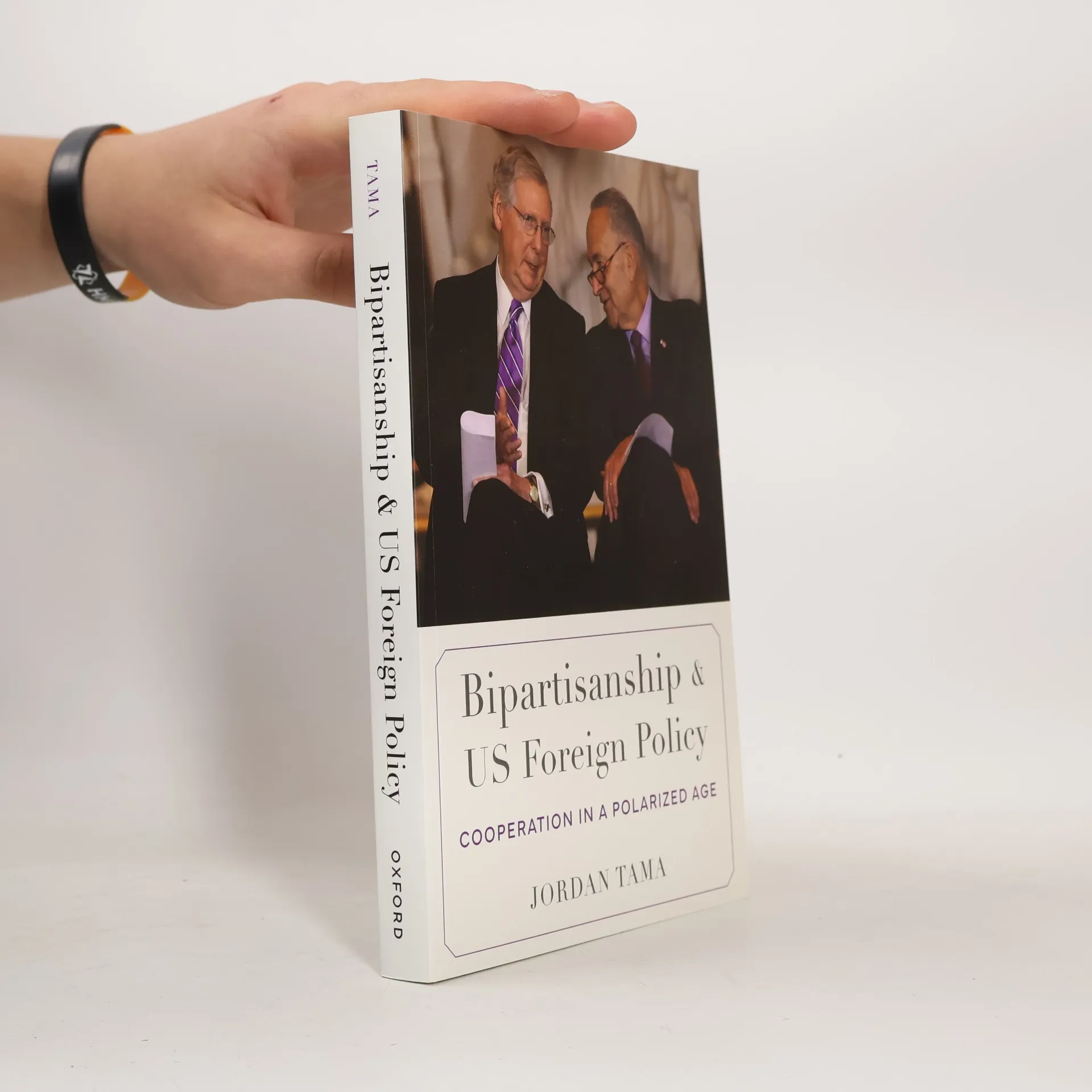
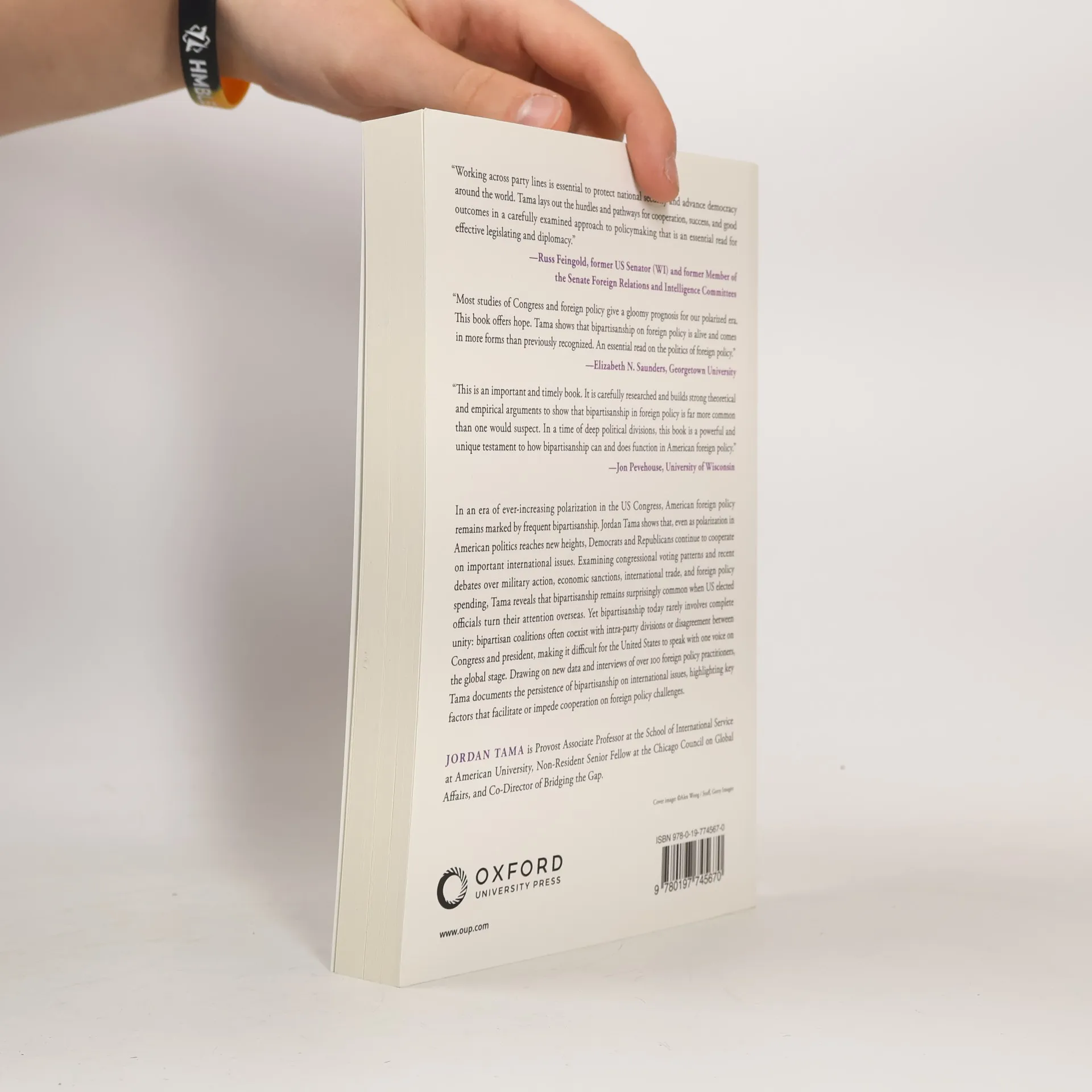
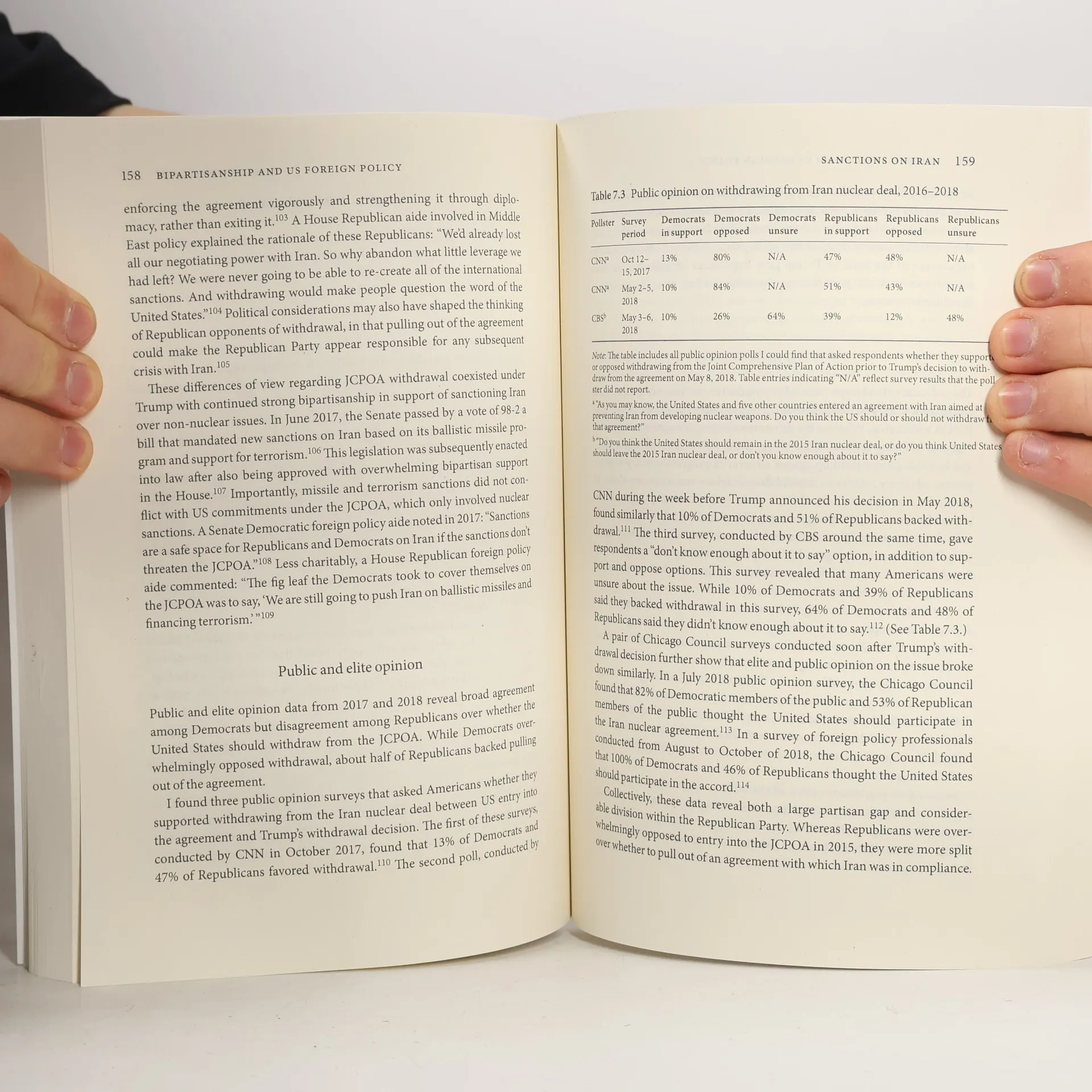
In an era of ever-increasing polarization in the US Congress, American foreign policy remains marked by frequent bipartisanship. In Bipartisanship and US Foreign Policy, Jordan Tama shows that, even as polarization in American politics reaches new heights, Democrats and Republicans in Washington continue to cooperate on important international issues. Looking closely at congressional voting patterns and recent debates over military action, economic sanctions, international trade, and foreign policy spending, Tama reveals that bipartisanship remains surprisingly common when US elected officials turn their attention overseas. Yet bipartisanship today rarely involves complete unity. Instead, bipartisan coalitions spanning members of both parties often coexist with intra-party divisions or disagreement between Congress and the president, making it difficult for the United States to speak with one voice on the global stage. Drawing on new data and interviews of more than 100 foreign policy practitioners, this book documents the persistence of bipartisanship on international issues and highlights key factors that facilitate or impede cooperation on foreign policy challenges.
Compra de libros
Bipartisanship and US Foreign Policy, Jordan Tama
- Idioma

- Publicado en
- 2023
- Encuadernación
- (Tapa blanda),
- Estado del libro
- Bueno
- Precio
- 22,99 €
Métodos de pago
Nadie lo ha calificado todavía.
- Título
- Bipartisanship and US Foreign Policy
- Subtítulo
- Cooperation in a Polarized Age
- Idioma
- Inglés
- Autores
- Jordan Tama
- Editorial
- Oxford University Press Inc
- Publicado en
- 2023
- Formato
- Tapa blanda
- Páginas
- 336
- ISBN10
- 0197745679
- ISBN13
- 9780197745670
- Serie
- Etiquetas
- Viajes, Política, EE.UU., Educación, Teorías Políticas, Relaciones Internacionales, Geopolítica, Toma de Decisiones
- Descripción
- In an era of ever-increasing polarization in the US Congress, American foreign policy remains marked by frequent bipartisanship. In Bipartisanship and US Foreign Policy, Jordan Tama shows that, even as polarization in American politics reaches new heights, Democrats and Republicans in Washington continue to cooperate on important international issues. Looking closely at congressional voting patterns and recent debates over military action, economic sanctions, international trade, and foreign policy spending, Tama reveals that bipartisanship remains surprisingly common when US elected officials turn their attention overseas. Yet bipartisanship today rarely involves complete unity. Instead, bipartisan coalitions spanning members of both parties often coexist with intra-party divisions or disagreement between Congress and the president, making it difficult for the United States to speak with one voice on the global stage. Drawing on new data and interviews of more than 100 foreign policy practitioners, this book documents the persistence of bipartisanship on international issues and highlights key factors that facilitate or impede cooperation on foreign policy challenges.