



Más información sobre el libro
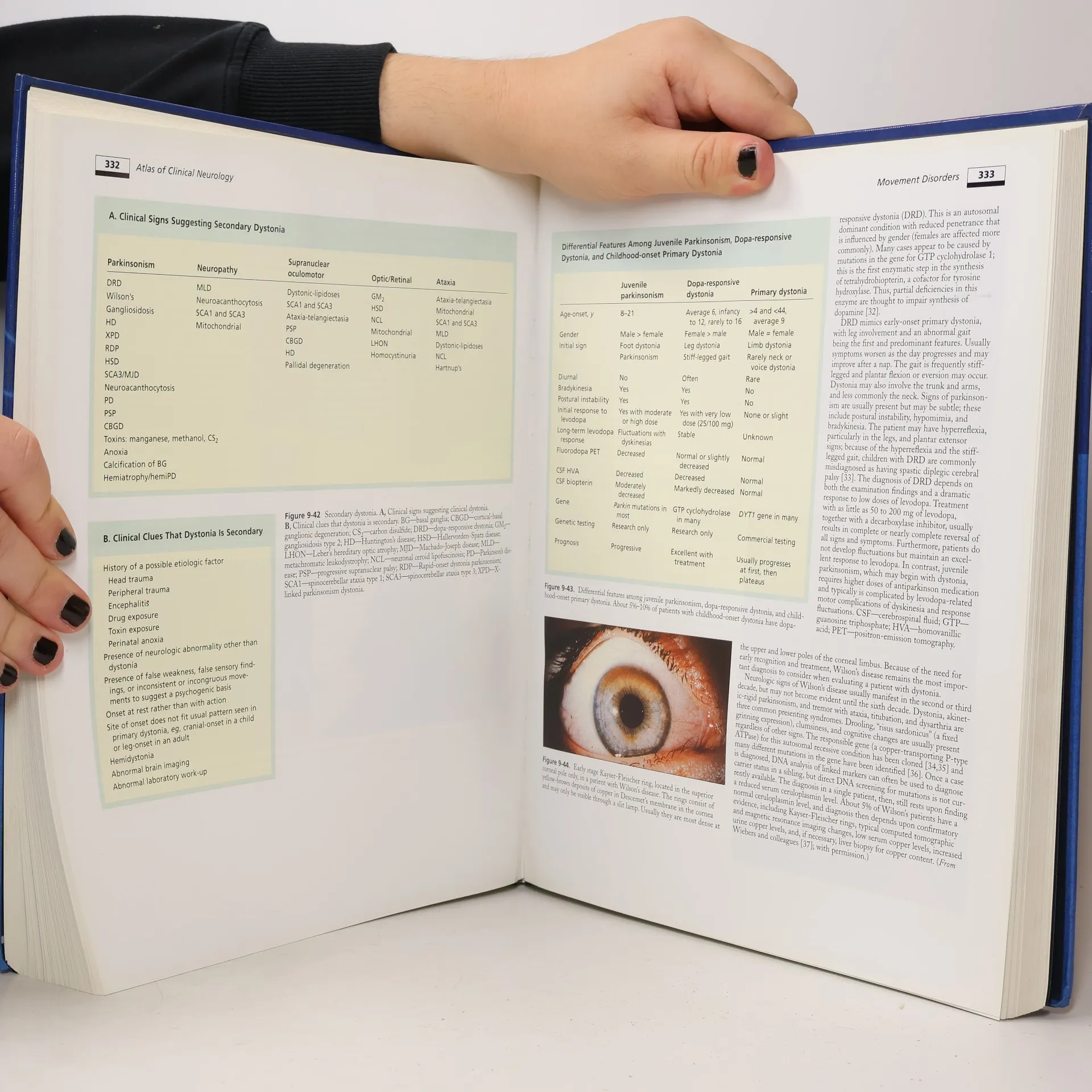
'--- - ---------------. . . . . . . . . -. . . . . . . . . . . . . . . . . . . -. . . . . . . . . . . . . . . . . . . . . . . . . 41 . . . . . . . . . . . . . . . . . . . . . . . . . . . . . . . . . . . . . . . . . . . . . . . . . . . . . . . . . . . . . . . . . . . . . . . . . . . . . . . . . . . . ------- he year 2001 marks the beginning of a new millenium, and (chromosome 1) result in dominantly inherited AD. A major risk T the second edition of the Atlas of Clinical Neurology high- factor for AD is the presence of the E4 allele of apolipoprotein E lights and underscores the enormous strides being made in (chromosome 19). Additional detailed images related to the the biologic understanding of neurologic disease. Neurology is a dementias are included in the second edition of the Atlas. These highly visual specialty. The neurologic examination, magnetic reso- clinical-molecular correlations are all very recent and attest to the nance imaging, electroencephalography, positron-emission tomo- scientific vigor of current neuroscientific research. It is my view that graphic (PET) and functional magnetic resonance (fMRI) scan- these new data will lead in the near future to effective new therapy ning, and light- and electron-microscopy are examples of visual for AD that will slow its rate of progress and reduce significantly images that define neurologic disease and normal brain functions. the incidence of this major, debilitating disease. Positron-emission This Atlas of Clinical Neurology has been designed to provide a pic- tomographic and fMRI brain scanning have effectively defined torial comprehensive visual exposition and integration of all aspects regional brain areas for behaviors.
Compra de libros
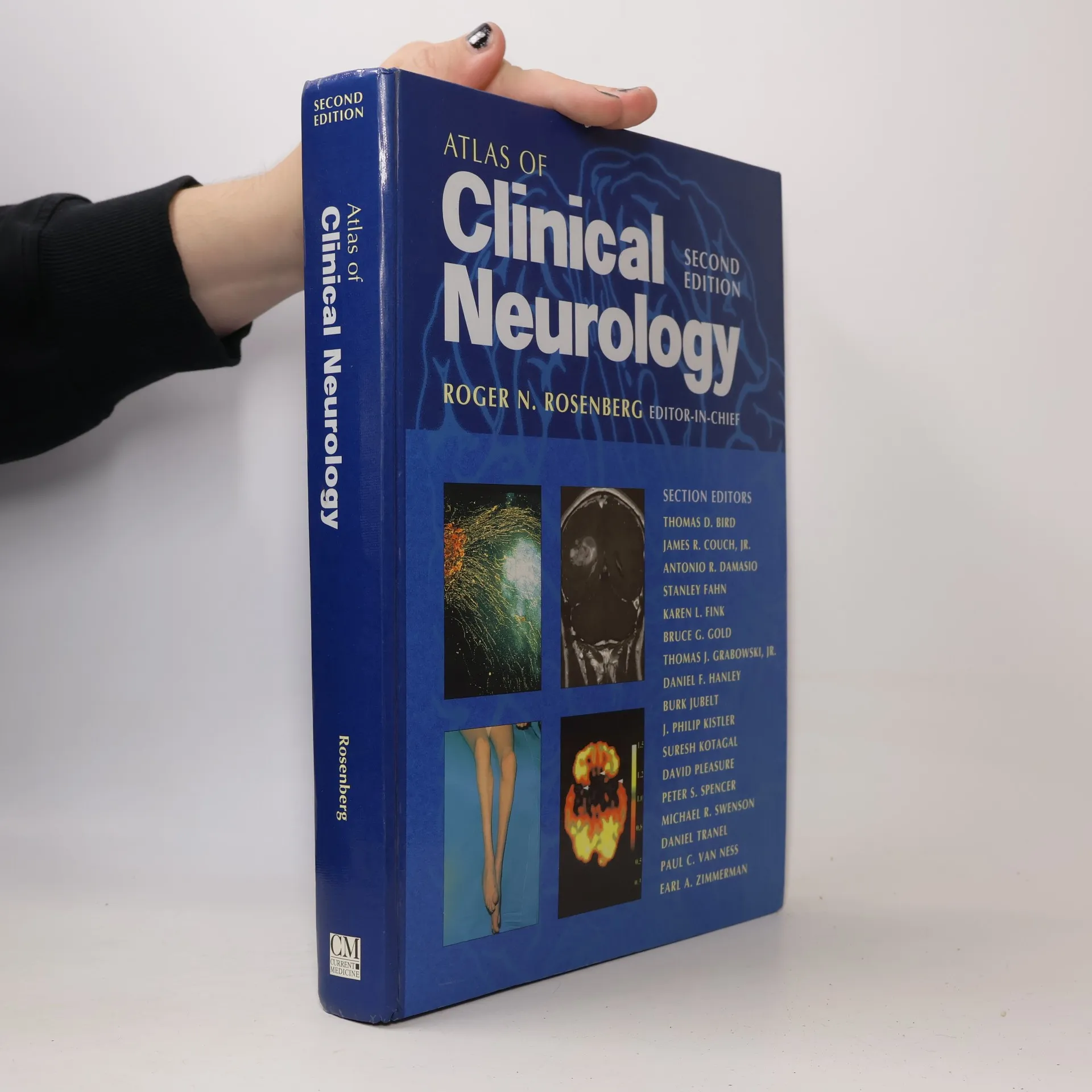
Atlas of Clinical Neurology - Second Edition, Roger N. Rosenberg, Thomas D. Bird, James R. Couch, Jr., Antonio R. Damasio, Stanley Fahn, Karen L. Fink, Bruce G. Gold, Thomas J. Grabowski, Jr., Daniel F. Hanley, Burk Jubelt, J. Philip Kistler, Suresh Kotagal, David Pleasure, Peter S. Spencer, Michael R. Swenson, Daniel Tranel, Paul C. Van Ness, Earl A. Zimmerman
- Idioma

- Publicado en
- 2003
- Encuadernación
- (Tapa dura),
- Estado del libro
- Muy Bueno
- Precio
- 76,39 €
Métodos de pago
Nadie lo ha calificado todavía.
- Título
- Atlas of Clinical Neurology - Second Edition
- Idioma
- Inglés
- Autores
- Roger N. Rosenberg, Thomas D. Bird, James R. Couch, Jr., Antonio R. Damasio, Stanley Fahn, Karen L. Fink, Bruce G. Gold, Thomas J. Grabowski, Jr., Daniel F. Hanley, Burk Jubelt, J. Philip Kistler, Suresh Kotagal, David Pleasure, Peter S. Spencer, Michael R. Swenson, Daniel Tranel, Paul C. Van Ness, Earl A. Zimmerman
- Editorial
- Current Medicine Group
- Publicado en
- 2003
- Formato
- Tapa dura
- Páginas
- 572
- ISBN10
- 1573401757
- ISBN13
- 9781573401753
- Serie
- Categorías
- Etiquetas
- EE.UU., Medicina, Literatura especializada, Enfermedades, Atlas, Neurología, Sistema Nervioso, Epilepsia
- Descripción
- '--- - ---------------. . . . . . . . . -. . . . . . . . . . . . . . . . . . . -. . . . . . . . . . . . . . . . . . . . . . . . . 41 . . . . . . . . . . . . . . . . . . . . . . . . . . . . . . . . . . . . . . . . . . . . . . . . . . . . . . . . . . . . . . . . . . . . . . . . . . . . . . . . . . . . ------- he year 2001 marks the beginning of a new millenium, and (chromosome 1) result in dominantly inherited AD. A major risk T the second edition of the Atlas of Clinical Neurology high- factor for AD is the presence of the E4 allele of apolipoprotein E lights and underscores the enormous strides being made in (chromosome 19). Additional detailed images related to the the biologic understanding of neurologic disease. Neurology is a dementias are included in the second edition of the Atlas. These highly visual specialty. The neurologic examination, magnetic reso- clinical-molecular correlations are all very recent and attest to the nance imaging, electroencephalography, positron-emission tomo- scientific vigor of current neuroscientific research. It is my view that graphic (PET) and functional magnetic resonance (fMRI) scan- these new data will lead in the near future to effective new therapy ning, and light- and electron-microscopy are examples of visual for AD that will slow its rate of progress and reduce significantly images that define neurologic disease and normal brain functions. the incidence of this major, debilitating disease. Positron-emission This Atlas of Clinical Neurology has been designed to provide a pic- tomographic and fMRI brain scanning have effectively defined torial comprehensive visual exposition and integration of all aspects regional brain areas for behaviors.