

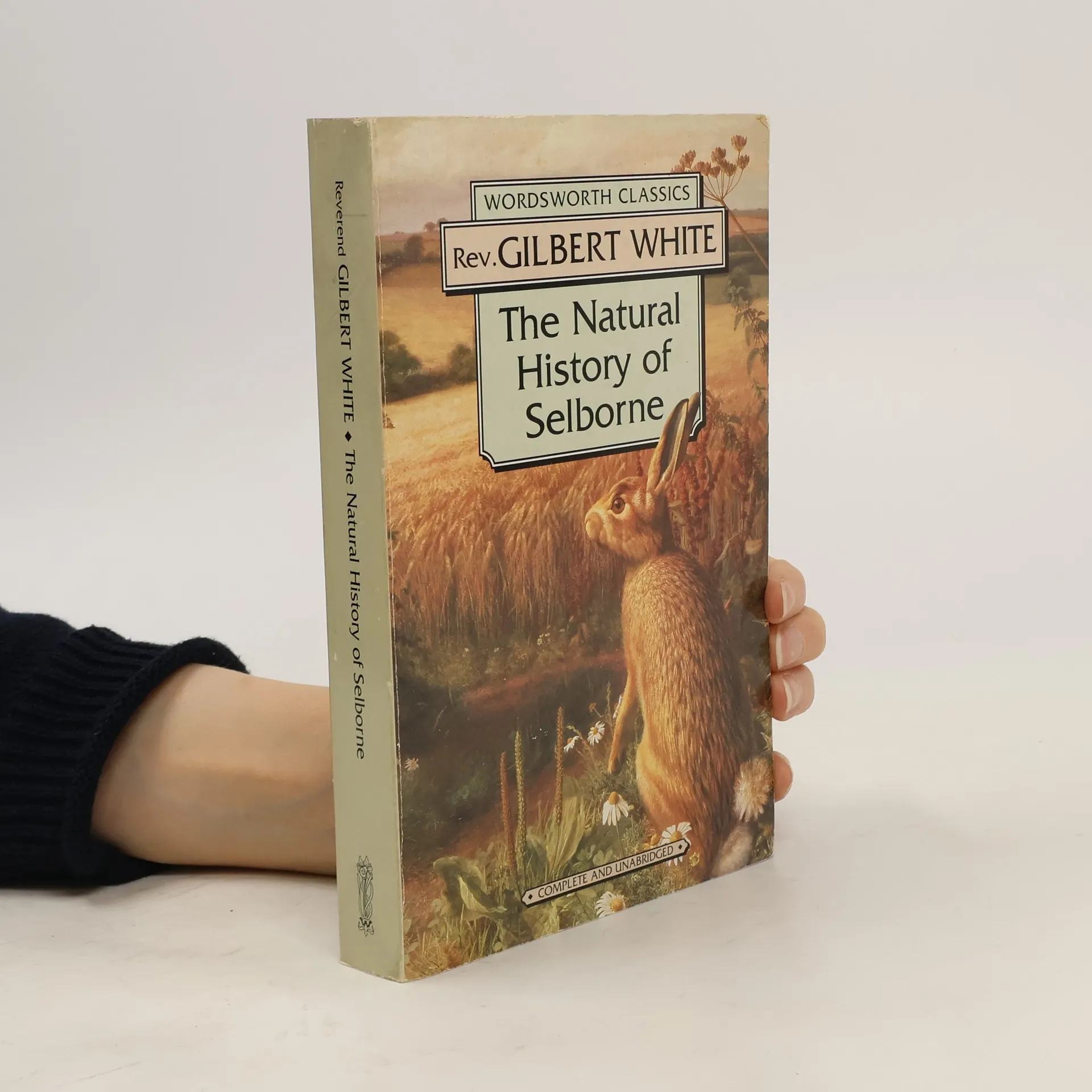
The Natural History of Selborne (1789) is the distillation of a lifetime of observing nature, and ranges far beyond White's immediate neighbourhood noted in the title. Written during a turbulent time in world history, it is a celebration of the endeavours of both human beings and animals to survive. White's main aims were to induce readers to pay more attention to the wonders around them, and to advance their knowledge of the variety of life: his success has made this book a classic, and has made his name one of the most revered among British naturalists.
Cambridge Library Collection - Zoología Serie
Esta colección revisita obras fundamentales de la zoología que moldearon nuestra comprensión del reino animal. Ofrece una fascinante visión de la historia de las ciencias naturales, detallando desde estudios anatómicos hasta hábitats diversos. Los libros cubren una amplia gama de criaturas y ecosistemas, reflejando el auge de la investigación sistemática durante los siglos XVIII y XIX. Son un recurso invaluable para estudiantes y entusiastas de la naturaleza que buscan comprender la evolución de nuestro conocimiento sobre la biodiversidad y la vida en la Tierra.


Viaje al archipiélago malayo
- 315 páginas
- 12 horas de lectura
Durante 20 años, Charles Darwin trabajó en su teoría de la selección natural, cuando en el verano de 1858 recibió un manuscrito de Alfred Russel Wallace, quien formuló la teoría de manera clara. La primera expedición de Wallace a Sudamérica terminó en desastre, ya que su barco se hundió y perdió los resultados de cuatro años de trabajo. Sin embargo, planeó un nuevo viaje al poco conocido archipiélago malayo, que parecía un destino lucrativo. En 1854, partió y recorrió aproximadamente 20,000 km en ocho años. La extensa colección que reunió sigue siendo material para numerosas investigaciones, y sus hallazgos sobre evolución y biogeografía son aún relevantes. Su obra "Viaje al archipiélago malayo" se convirtió en uno de los trabajos científicos más populares del siglo XIX. La expedición de Wallace es considerada la más exitosa empresa de un solo hombre en el campo de la naturaleza.
Wanderings in South America
- 224 páginas
- 8 horas de lectura
Focused on preserving literary heritage, this book is part of the TREDITION CLASSICS series, which aims to republish public domain works in print. Driven by a passion for literature, TREDITION collaborates with non-profit projects to bring these timeless texts back to readers. By purchasing this book, readers contribute to the mission of safeguarding significant works of world literature from being forgotten.
The Philosophy of Zoology
- 500 páginas
- 18 horas de lectura
Published in 1822, this two-volume work explores the philosophical aspects of zoology, offering insights that influenced the young Charles Darwin during his studies. The text delves into the nature of animals, their behaviors, and the broader implications for understanding life. Its significance lies in its impact on evolutionary thought and the development of biological sciences, making it a notable historical reference in the field of philosophy and zoology.
A Preliminary Discourse on the Study of Natural History
- 480 páginas
- 17 horas de lectura
Focusing on zoological research, this treatise highlights the significance of classification and taxonomy in understanding animal diversity. It serves as a crucial precursor to Darwin's theories, laying the groundwork for evolutionary biology by exploring the systematic organization of species.
This two-volume work, published in 1793, presents an intricate classification of mammals, enriched with beautiful illustrations. Its significance is highlighted by its readership, including the renowned naturalist Charles Darwin, who likely drew inspiration from its detailed insights into mammalian diversity and taxonomy. The book serves as an important historical reference in the study of zoology and the evolution of scientific thought.