Bookbot

Crónicas del Imperio

Esta saga épica profundiza en el auge y la caída de un imperio estadounidense ficticio. Entrelaza intrincadamente las vidas privadas de dos familias inventadas con las carreras públicas de figuras históricas y eventos cruciales. La narrativa ofrece una exploración amplia de la ambición, el poder y los paisajes cambiantes de una nación. Desde su amanecer hasta su eventual declive, proporciona una perspectiva convincente y crítica sobre la trayectoria histórica de un país.

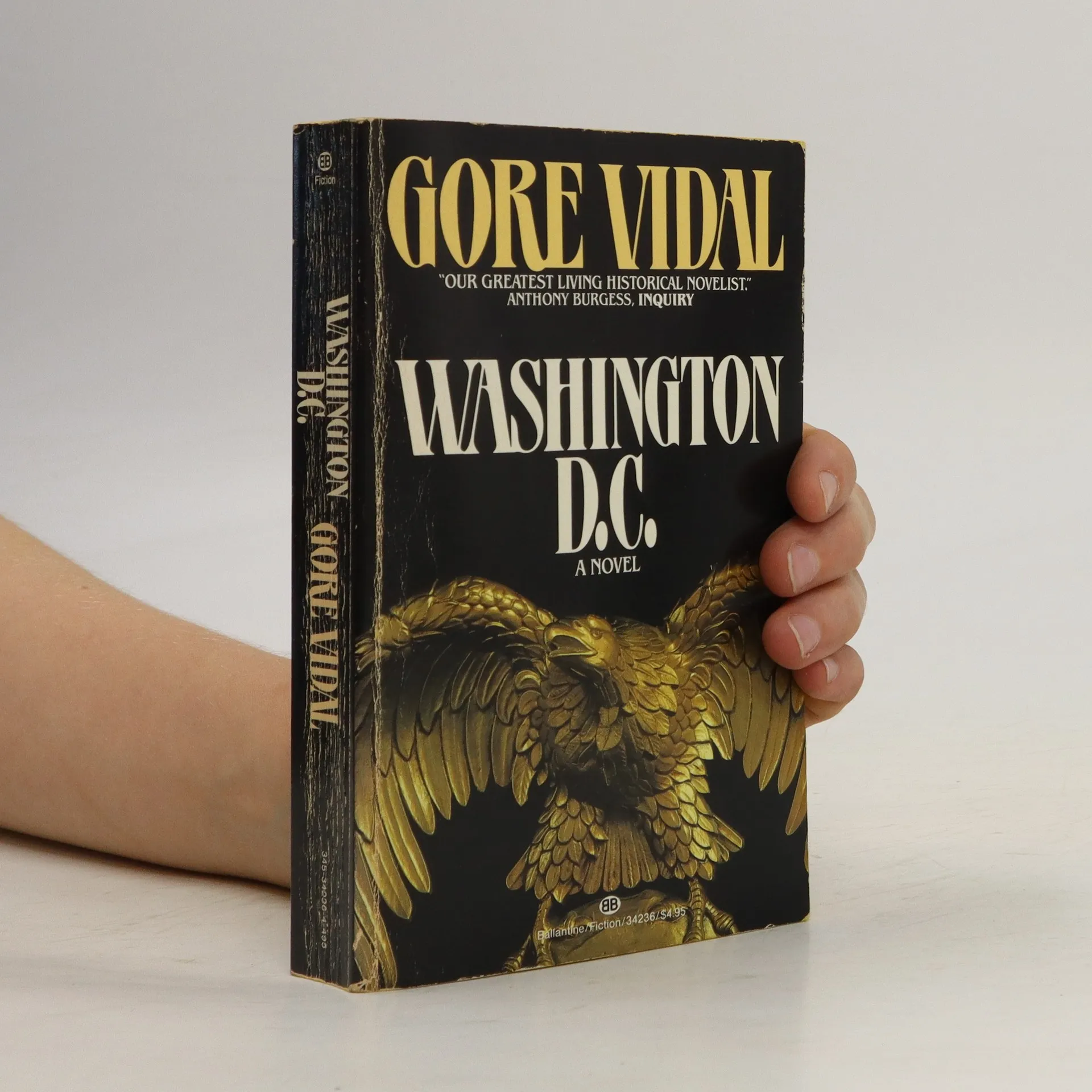
Washington, D. C.
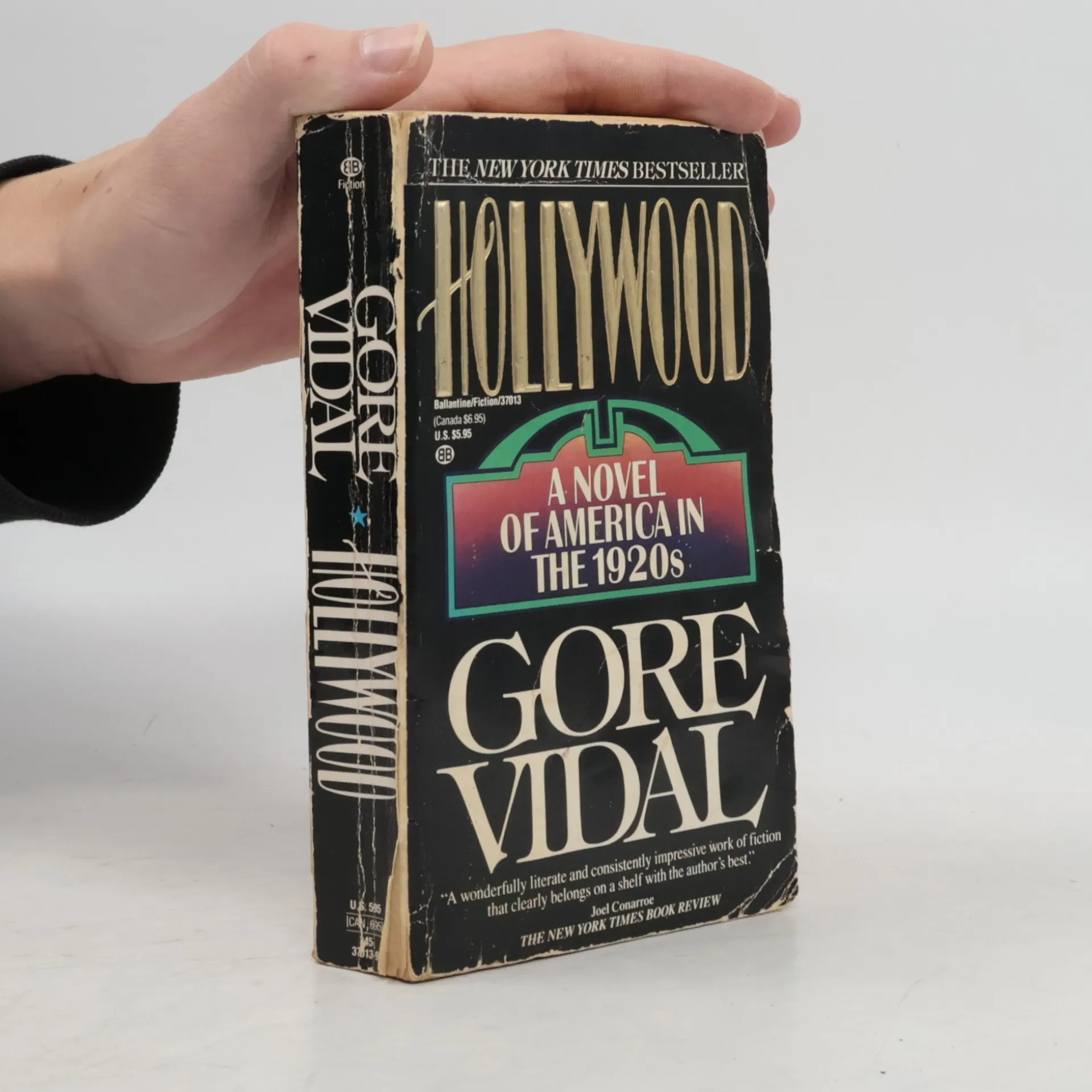
Hollywood: A novel of America in the 1920s
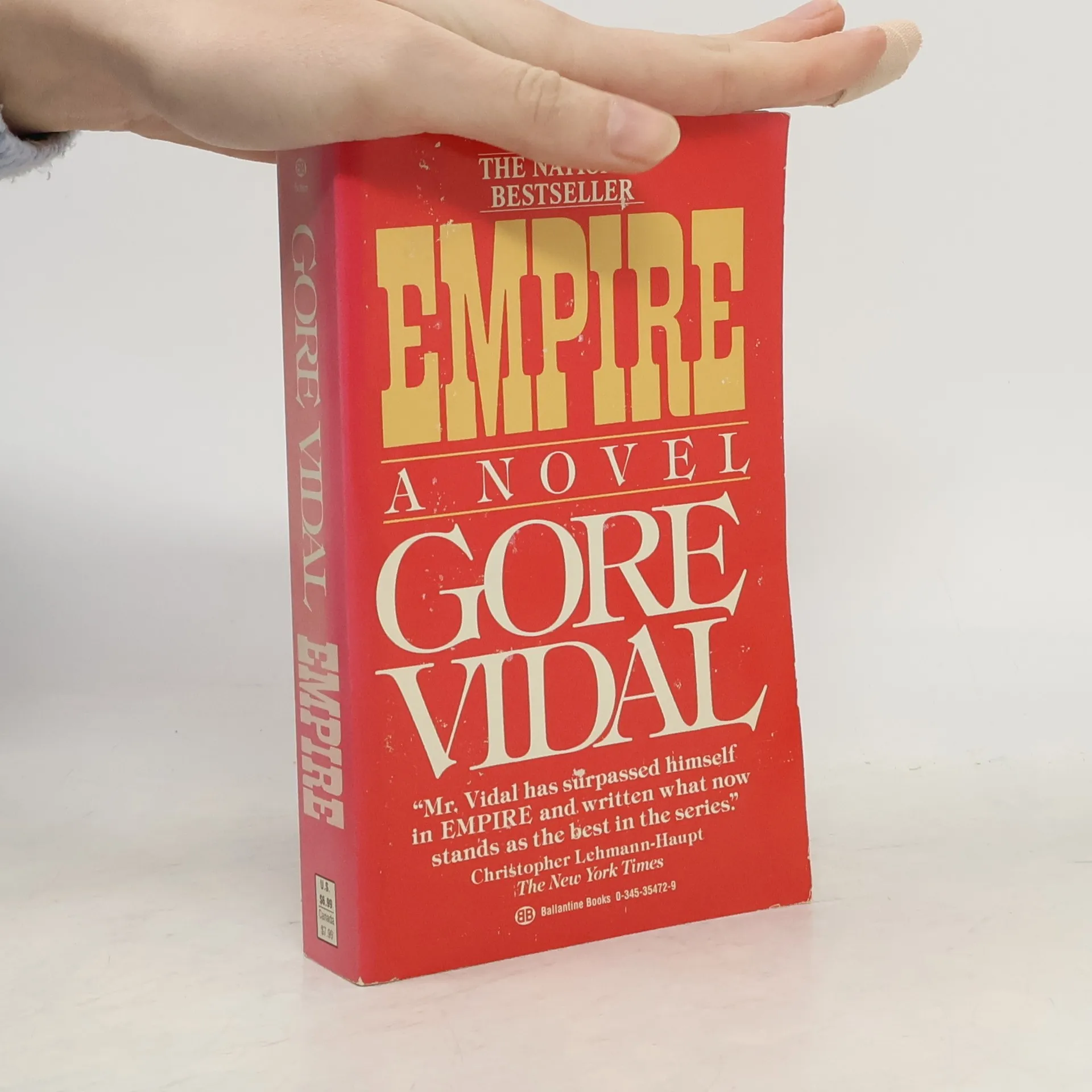
Empire
1876
Lincoln
Burr

Orden recomendado de lectura

  1. Burr

    • 512 páginas
    • 18 horas de lectura

    Gore Vidal's classic novel of Aaron Burr - the man who shot Alexander Hamilton. In 1804, Colonel Aaron Burr, Vice-President of the United States, shot and killed Alexander Hamilton in a duel. Three years later, on the order of President Thomas Jefferson, he was tried for treason: for plotting to dismember the United States. Gore Vidal, romping iconoclastically through American history, debunks, in this historical novel of Burr's life, the common and casually held notion of the man as a scoundrel and an adventurer. Instead he appears as one of the 'host of choice spirits' forced to live among coarse, materialistic, hypocritical people, among them Jefferson and Hamilton. Here, the latter appears as a power-hungry 'parvenu' from the West Indies and the former as a semi-literate slave-owning tyrant. American politics, suggests Vidal, had a penchant for the vulgar. Even then. Veering backwards to the revolution and the early days of the republic, stopping at dinner-parties on the way, and reaching forward to the future, Burr is a novel about treason, both the particular and in general. For what, asks Vidal, really belongs to whom? What properly belongs to the Constitution, to the nation, to the family even, intriguingly, to novelists and historians?
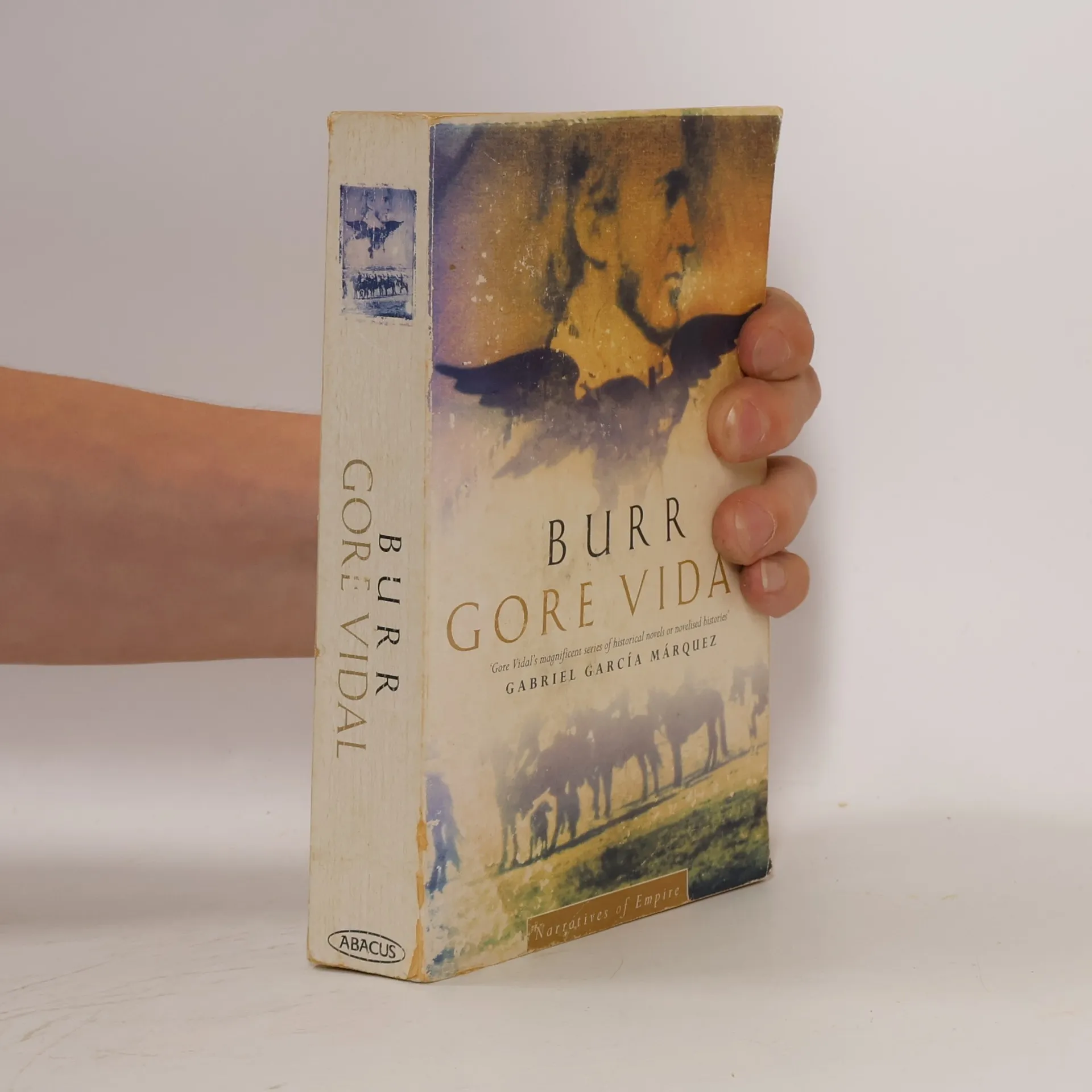
    Burr1
    4,1
  2. Lincoln

    • 735 páginas
    • 26 horas de lectura

    La serie Narrativas del Imperio de Gore Vidal abarca la historia de los Estados Unidos desde la Revolución hasta los años posteriores a la Segunda Guerra Mundial. Con un amplio panorama y un gran elenco de personajes ficticios e históricos, las novelas de esta serie presentan un panorama de la experiencia política e imperial estadounidense, interpretada por uno de sus observadores más cultos, conocedores e irónicos. Para la mayoría de los estadounidenses, Abraham Lincoln es una figura monolítica, el Gran Emancipador y Salvador de la Unión, querido por todos. En Lincoln de Gore Vidal, conocemos al Lincoln hombre y al Lincoln político, el presidente que entró en una capital sitiada donde la mayoría de la población apoyaba al Sur y donde incluso aquellos que favorecían a la Unión tenían serias dudas sobre si el hombre de Illinois podría salvarla. Lejos de ser firme en su aborrecimiento de la esclavitud, Lincoln agoniza sobre el mejor curso de acción y toma su gran decisión solo cuando todo parece fallar. Mientras la Guerra Civil devasta su nación, Lincoln debe enfrentar una profunda agitación personal, la pérdida de su querido hijo y las críticas de una esposa vista como traidora por sus conexiones sureñas. Concebido brillantemente y ejecutado magistralmente, Lincoln de Gore Vidal permite que el hombre vuelva a respirar.

    Lincoln2
    4,3
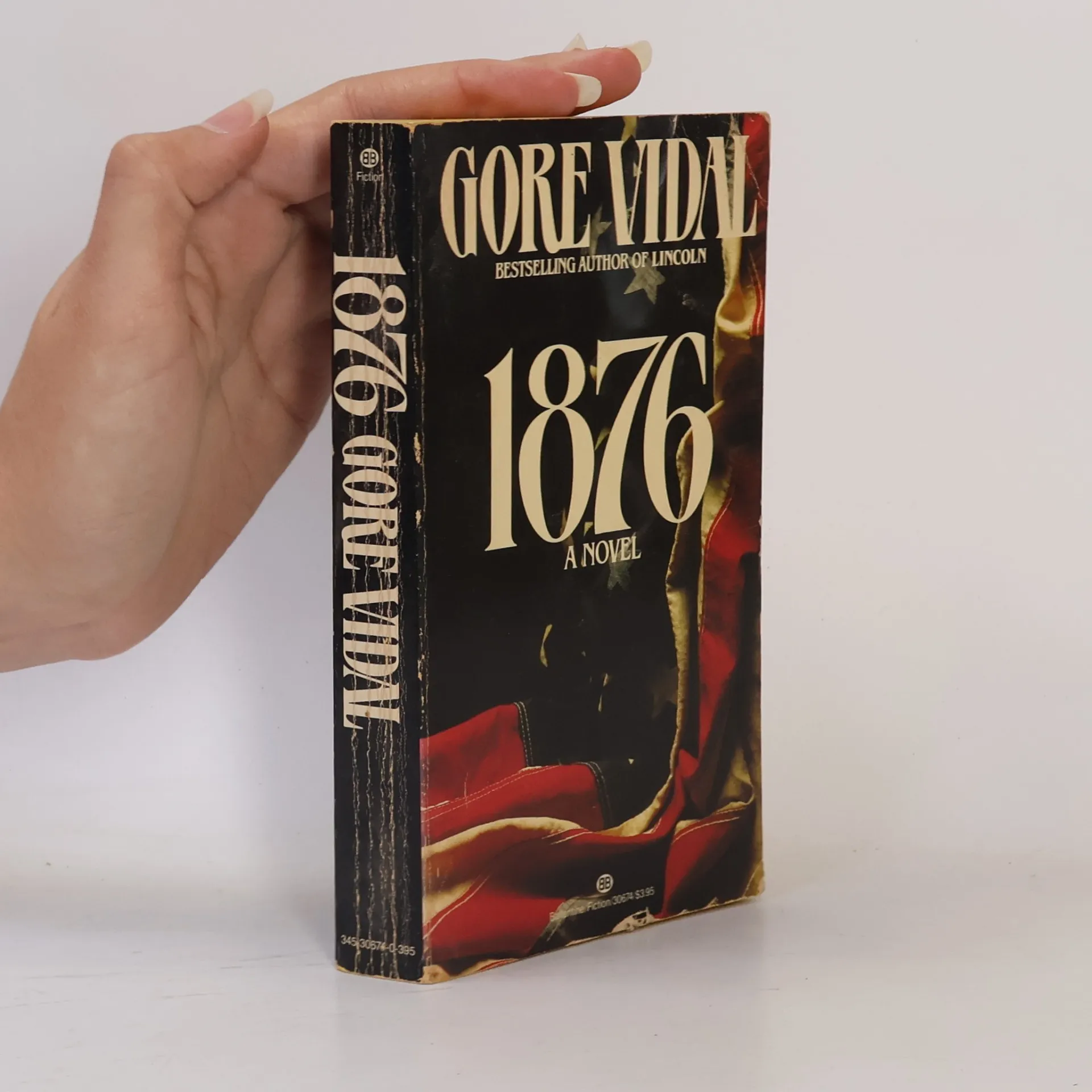
  3. 1876

    A Novel

    • 439 páginas
    • 16 horas de lectura

    The third volume of Gore Vidal's magnificent series of historical novels aimed at demythologizing the American past, 1876 chronicles the political scandals and dark intrigues that rocked the United States in its centennial year. ------Charles Schermerhorn Schuyler, Aaron Burr's unacknowledged son, returns to a flamboyant America after his long, self-imposed European exile. The narrator of Burr has come home to recoup a lost fortune by arranging a suitable marriage for his beautiful daughter, the widowed Princess d'Agrigente, and by ingratiating himself with Samuel Tilden, the favored presidential candidate in the centennial year. With these ambitions and with their own abundant charms, Schuyler and his daughter soon find themselves at the centers of American social and political power at a time when the fading ideals of the young republic were being replaced by the excitement of empire. ------A glorious piece of writing, said Jimmy Breslin in Harper's. Vidal can take history and make it powerful and astonishing. Time concurred: Vidal has no peers at breathing movement and laughter into the historical past. ------With a new Introduction by the author. From the Hardcover edition.

    18763
    3,9
  4. Empire

    • 480 páginas
    • 17 horas de lectura

    The brilliant successor to Burr and Lincoln, a stunning historical novel of Theodore Roosevelt's Washington, America's Gilded Age and the expanding American empire, seen through the eyes and minds of the remarkable men and women who ruled it.

    Empire4
    3,9
  5. This stunning and illuminating portrait of national politics from the New Deal to the McCarthy era superbly blends historical figures with fictional characters. We follow the lives of Blaise Sanford, the ruthless Washington newspaper tycoon; his son, Peter, a liberal editor both fascinated and repelled by the imperial city; Peter's beautiful and self-destructive sister Enid; her husband, Clay Overbury, a charismatic and ambitious politician; and James Burden Day, the powerful conservative senator. With characteristic wit and insight, Vidal chronicles life in the nation's capital at a time when these men and others transformed America into "possibly the last empire on earth".

    Washington, D. C.6
    3,8
  6. The Golden Age

    • 467 páginas
    • 17 horas de lectura

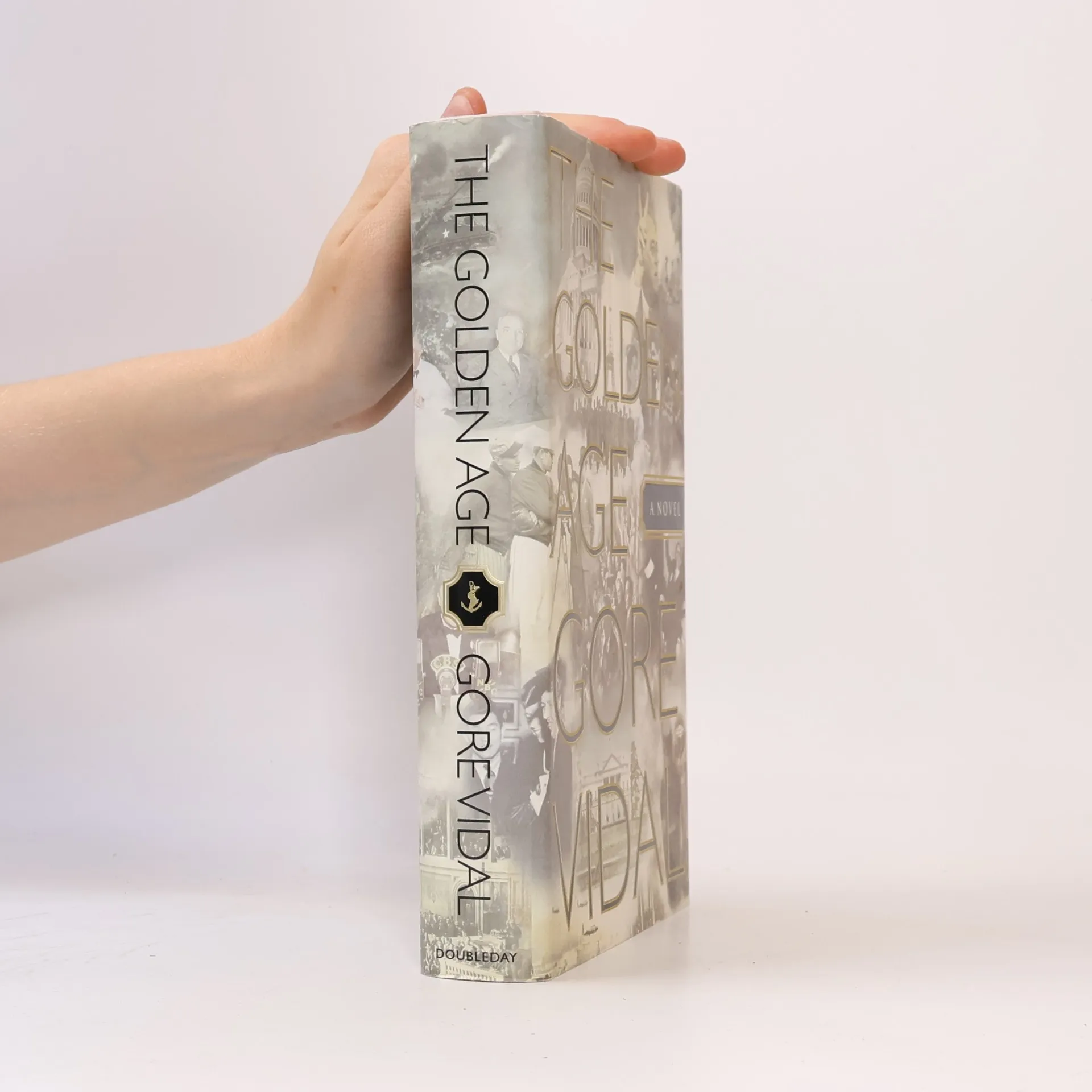
    The concluding volume in Gore Vidal's American empire novels presents a vibrant tapestry of American political and cultural life from 1939 to 1954, capturing the transformation of the nation from a republic into an empire amid the tumult of World War Two and the Cold War. Central to the narrative are Caroline Sanford, a D.C. newspaper publisher turned Hollywood producer, and her nephew Peter Sanford, who publishes the independent journal The American Idea. They witness Franklin Roosevelt's skillful efforts to draw a reluctant nation into World War Two, followed by Harry Truman's commitment to a prolonged struggle against Communism. Despite their skepticism about these developments, they observe the emergence of an American global empire. The story unfolds primarily in Washington, D.C., while also highlighting the influential Hollywood film industry and New York's cultural scene. Alongside historical figures such as Eleanor Roosevelt, Harry Hopkins, and Wendell Wilkie, Vidal himself appears vividly in the narrative, enriching the exploration of this pivotal era in American history.

    The Golden Age7
    3,7