

Bookbot

El Imperio de Isher

Esta serie se sumerge en las profundidades de un imperio vasto y aparentemente invencible que, sin embargo, se enfrenta a una amenaza enigmática. Sigue la lucha de una organización clandestina que lucha por la libertad y la dignidad humanas, empleando armas ingeniosamente diseñadas con voluntad propia. La narrativa se desarrolla como una saga apasionante llena de giros inesperados, conceptos tecnológicos originales e intrigas a escala cósmica. Es una aventura en el corazón de la ciencia ficción pulp que conserva su potente impacto hasta el día de hoy.

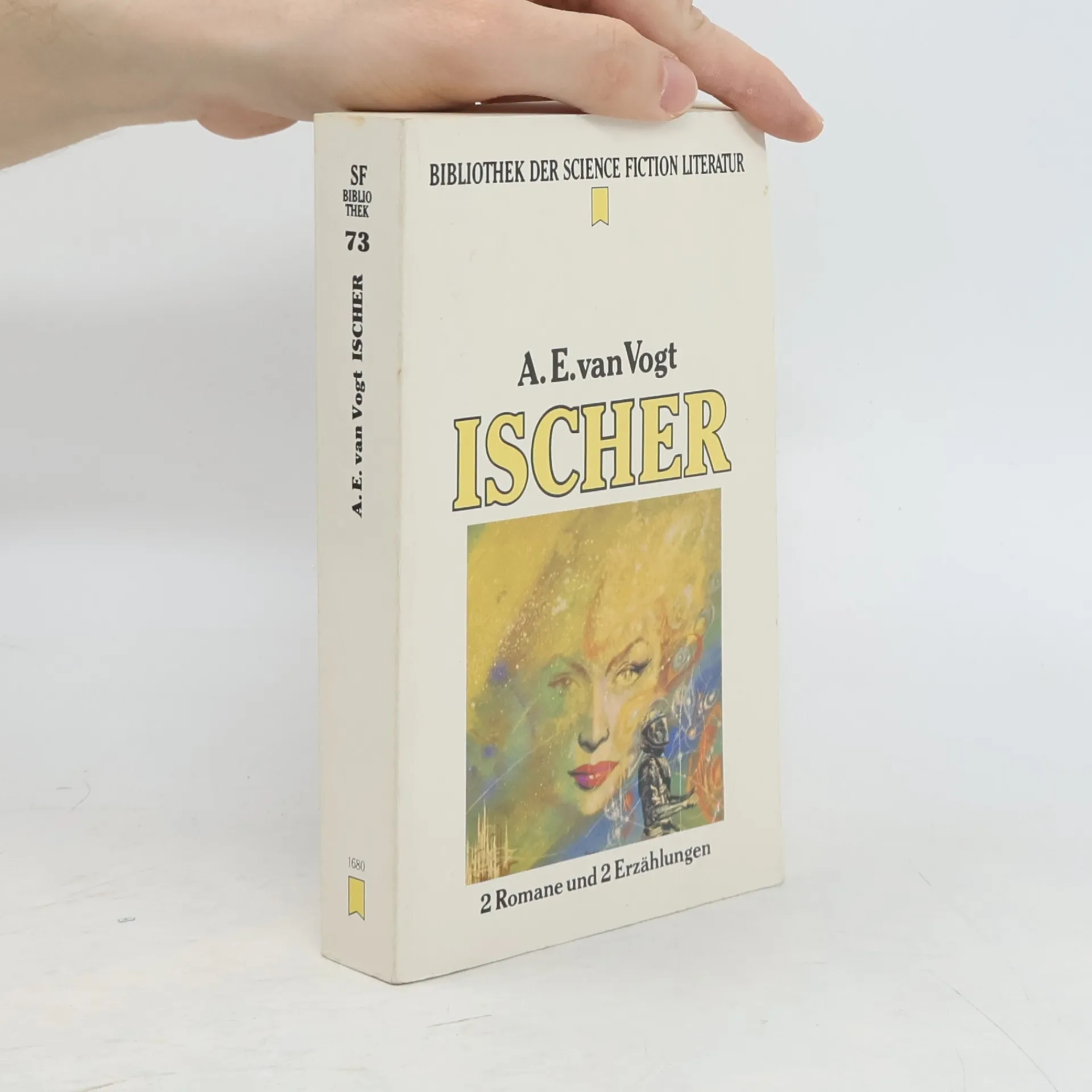
Ischer
De wapensmeden
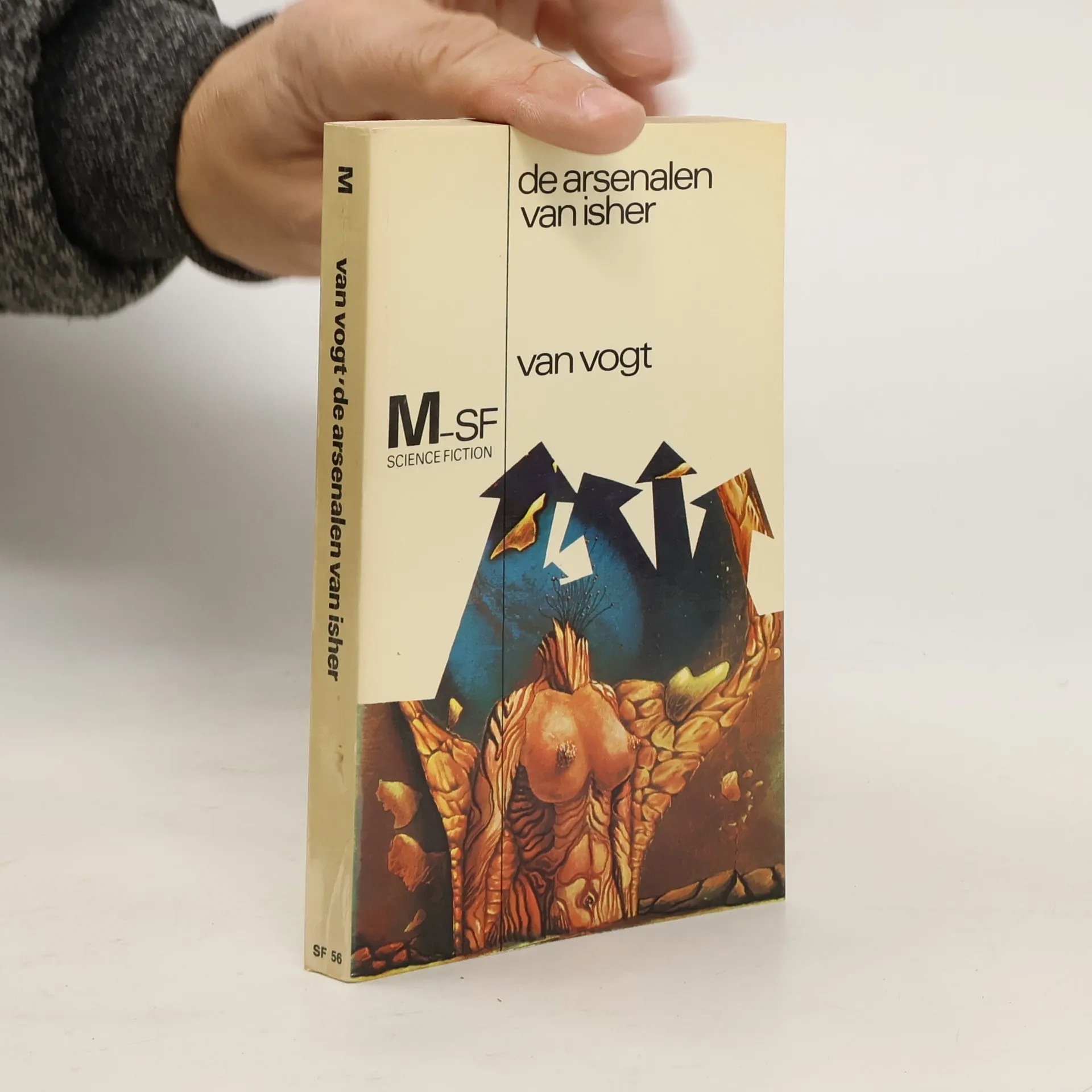
M-SF - 56: De arsenalen van Isher

Orden recomendado de lectura

  1. With the publication, in the July 1941 issue of Astounding Science Fiction magazine, of the story Seesaw, van Vogt began unfolding the complex tale of the oppressive Empire of Isher and the mysterious Weapon Shops. This volume, The Weapon Shops of Isher, includes the first three parts of the saga and introduces perhaps the most famous political slogan of science fiction: The Right to Buy Weapons is the Right to Be Free. Born at the height of Nazi conquest, the Isher stories suggested that an oppressive government could never completely subjugate its own citizens if they were well armed. The audience appeal was immediate and has endured long beyond other stories of alien invasion, global conflict and post war nuclear angst.

    M-SF - 56: De arsenalen van Isher1
    4,2
  2. De wapensmeden

    • 196 páginas
    • 7 horas de lectura

    Following the success of the stories that formed The Weapon Shops of Isher, van Vogt wrote the novel, The Weapon Makers, in 1943, to enlarge the story of human immortality, the conflict between a controlling government, The House of Isher, the mysterious Weapon Shops and man's place in the universe. The promise of the Weapon Shops' slogan, The Right to Buy Weapons is the Right to Be Free, is described thus: "Many of these weapons still carried the old names. “Guns” they were called, or “revolvers,” or “rifles,” but there the resemblance ended. These “guns” did not shoot bullets, they discharged energy in many forms and quantities. Some of them could kill or destroy at a thousand miles if necessary, and yet they were controlled by the same sensitive elements as the Weapon Shop door. Just as the door refused to open for police officers, Imperial soldiers or people unfriendly to the Shops, so these guns had been set to fire only in self-defense, and against certain animals during open season. They also had other special qualities, particularly as to defense and speed of operation."

    De wapensmeden2
    3,9

Libros relacionados