

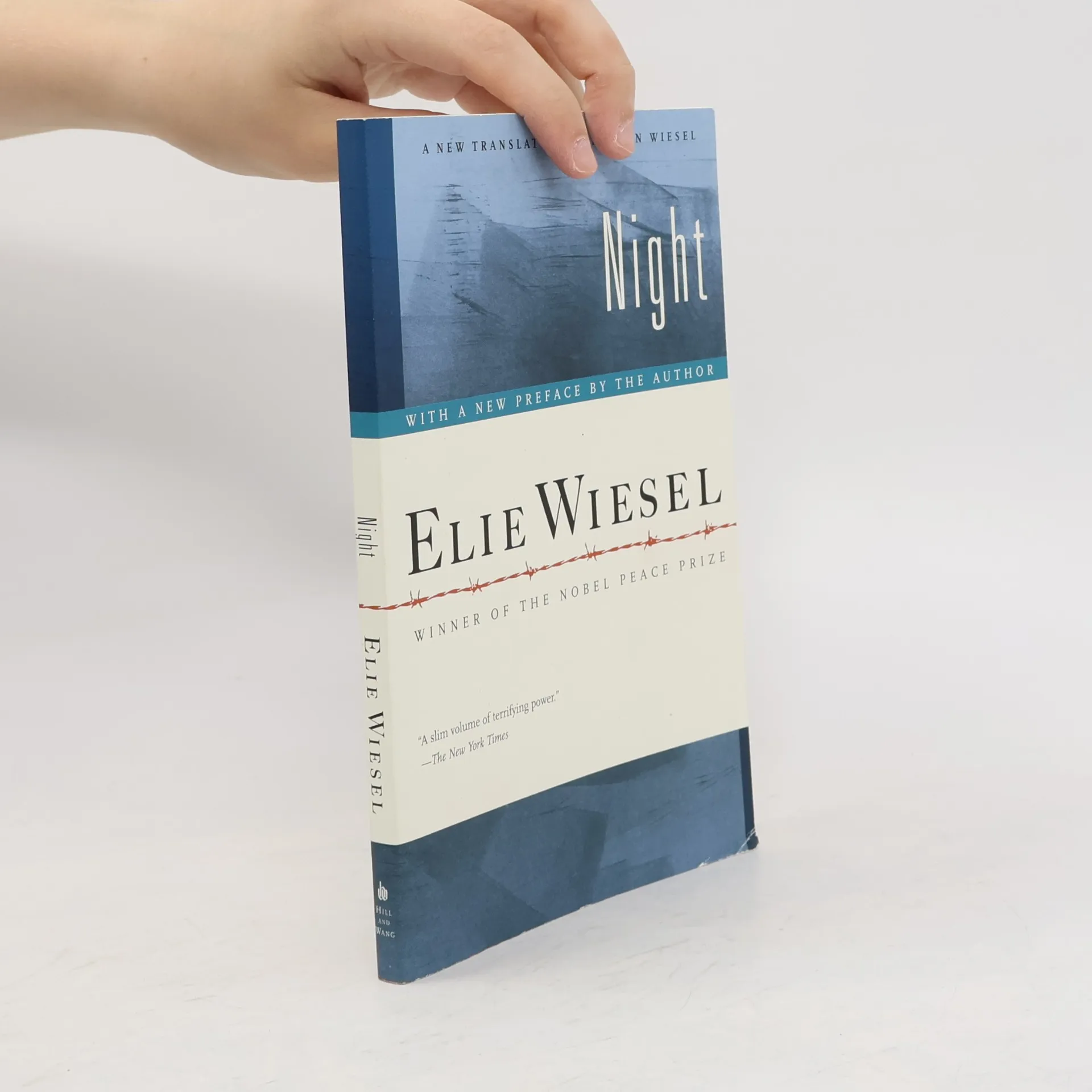
A New Translation From The French By Marion Wiesel Night is Elie Wiesel's masterpiece, a candid, horrific, and deeply poignant autobiographical account of his survival as a teenager in the Nazi death camps. This new translation by Marion Wiesel, Elie's wife and frequent translator, presents this seminal memoir in the language and spirit truest to the author's original intent. And in a substantive new preface, Elie reflects on the enduring importance of Night and his lifelong, passionate dedication to ensuring that the world never forgets man's capacity for inhumanity to man. Night offers much more than a litany of the daily terrors, everyday perversions, and rampant sadism at Auschwitz and Buchenwald; it also eloquently addresses many of the philosophical as well as personal questions implicit in any serious consideration of what the Holocaust was, what it meant, and what its legacy is and will be.
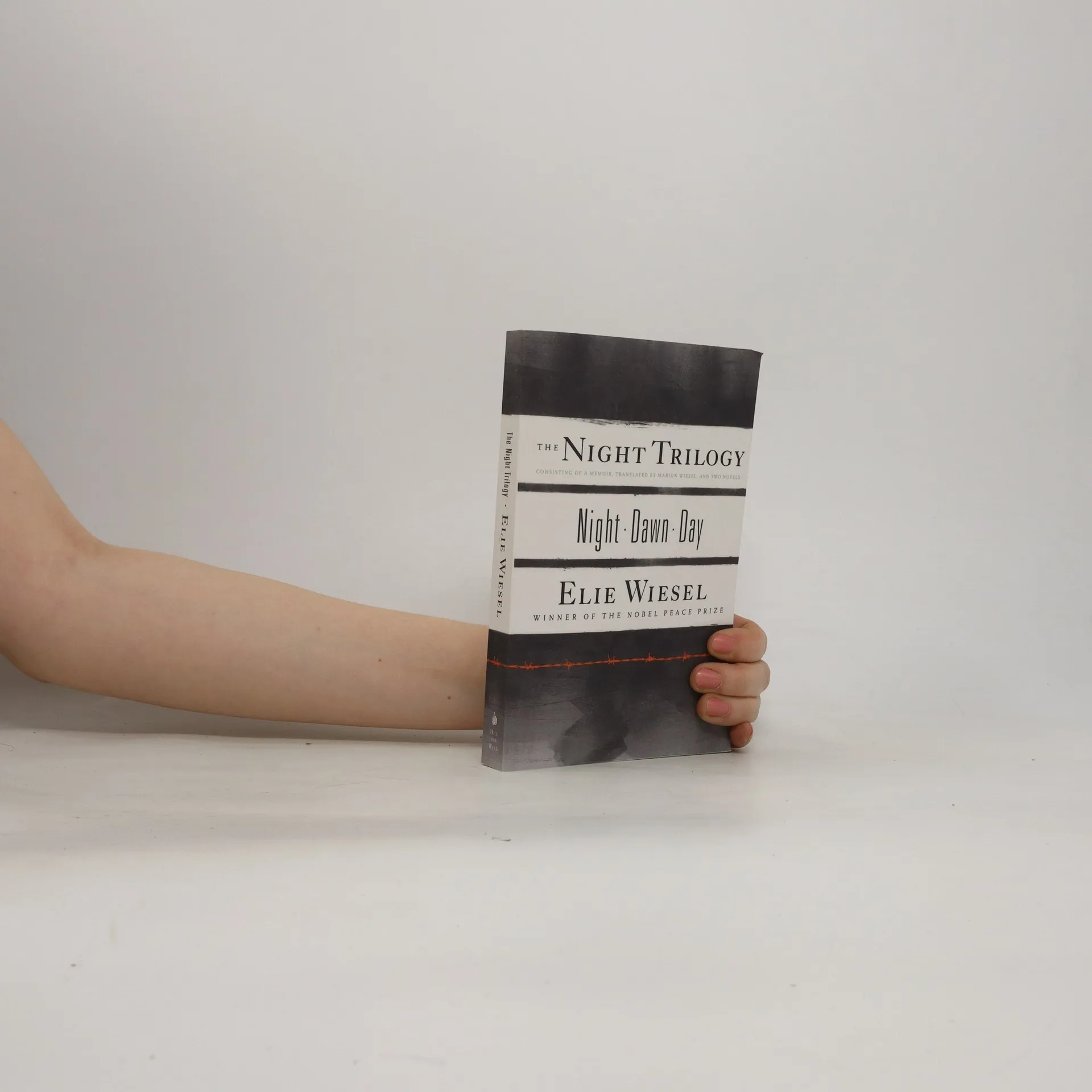
La Trilogía de la Noche Serie
Esta evocadora trilogía se adentra en los aspectos más oscuros de la experiencia humana durante uno de los períodos más desgarradores de la historia. La serie explora la resiliencia del espíritu humano frente a un sufrimiento y una pérdida inimaginables. Ofrece una perspectiva profundamente personal sobre los horrores del Holocausto, al tiempo que examina la chispa de esperanza que puede perdurar incluso en la desesperación más profunda. Estas obras son un poderoso testimonio de supervivencia y de la naturaleza indomable del espíritu humano.

Orden recomendado de lectura
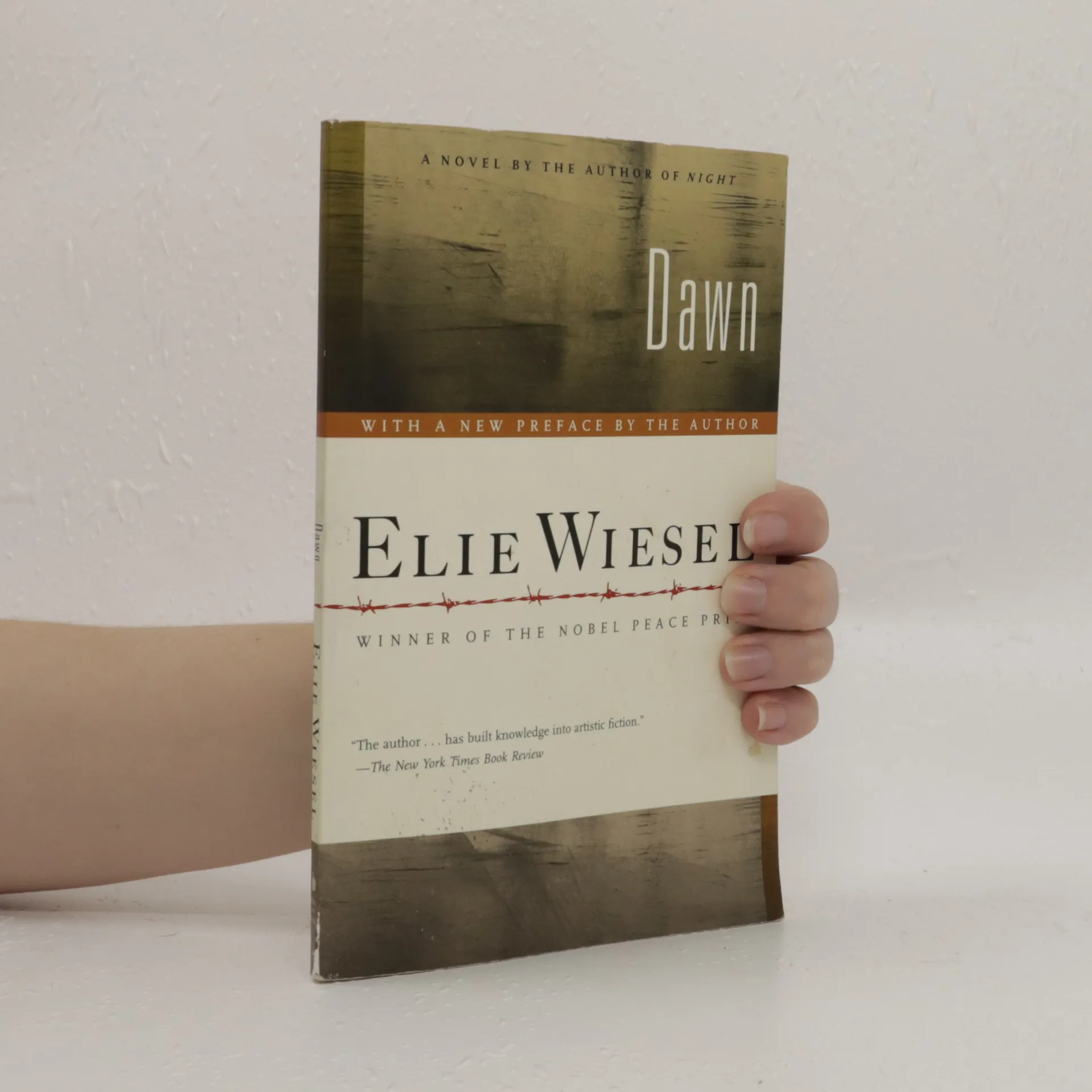
Dawn
- 96 páginas
- 4 horas de lectura
Deals with the conflicts and thoughts of a young Jewish concentration-camp veteran as he prepares to assassinate a British hostage in occupied Palestine.
Day
- 128 páginas
- 5 horas de lectura
"Not since Albert Camus has there been such an eloquent spokesman for man." --The New York Times Book ReviewThe publication of Day restores Elie Wiesel's original title to the novel initially published in English as The Accident and clearly establishes it as the powerful conclusion to the author's classic trilogy of Holocaust literature, which includes his memoir Night and novel Dawn. "In Night it is the ‘I' who speaks," writes Wiesel. "In the other two, it is the ‘I' who listens and questions."In its opening paragraphs, a successful journalist and Holocaust survivor steps off a New York City curb and into the path of an oncoming taxi. Consequently, most of Wiesel's masterful portrayal of one man's exploration of the historical tragedy that befell him, his family, and his people transpires in the thoughts, daydreams, and memories of the novel's narrator. Torn between choosing life or death, Day again and again returns to the guiding questions that inform Wiesel's trilogy: the meaning and worth of surviving the annihilation of a race, the effects of the Holocaust upon the modern character of the Jewish people, and the loss of one's religious faith in the face of mass murder and human extermination.
Libros relacionados
Three works deal with a concentration camp survivor, a hostage holder in Palestine, and a recovering accident victim.