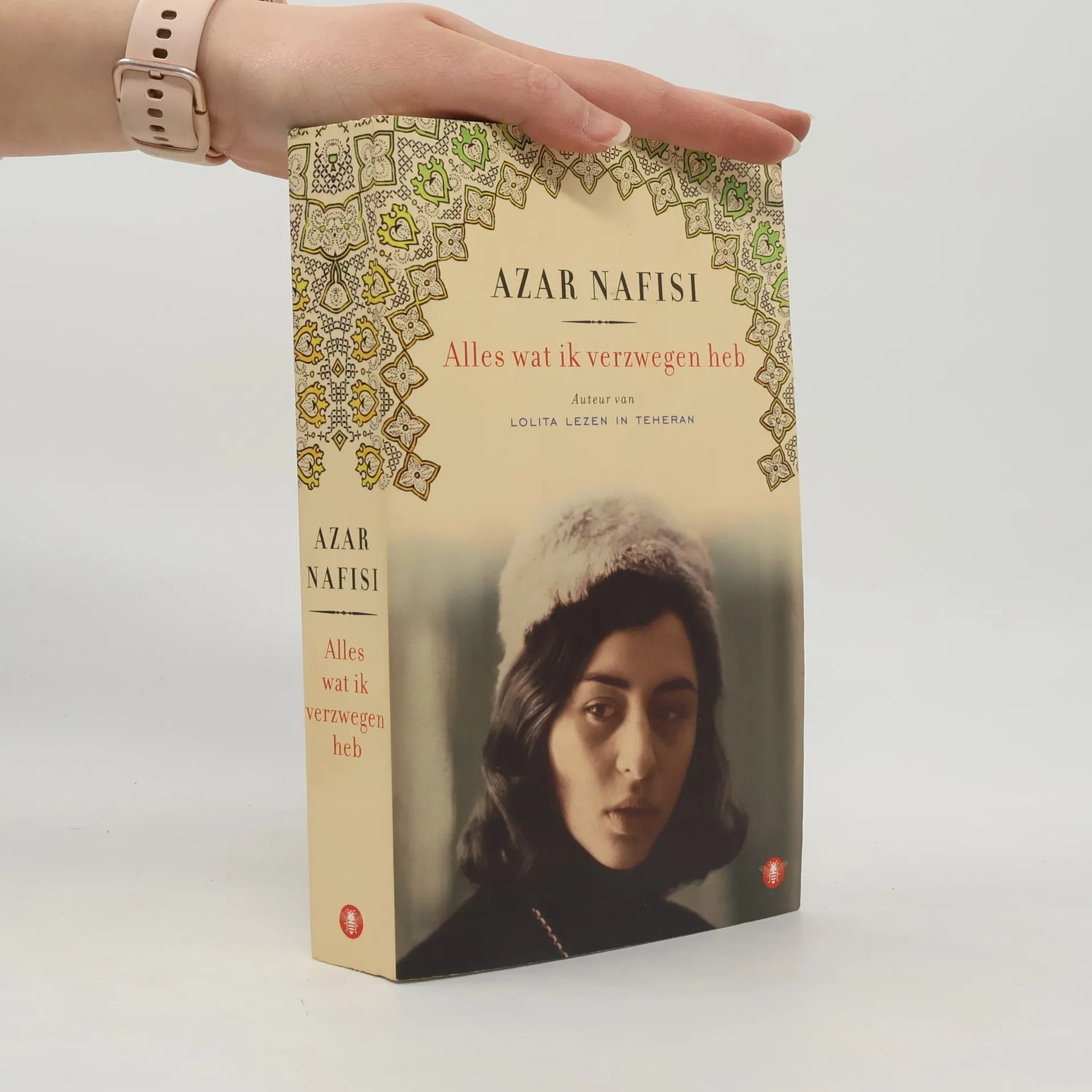
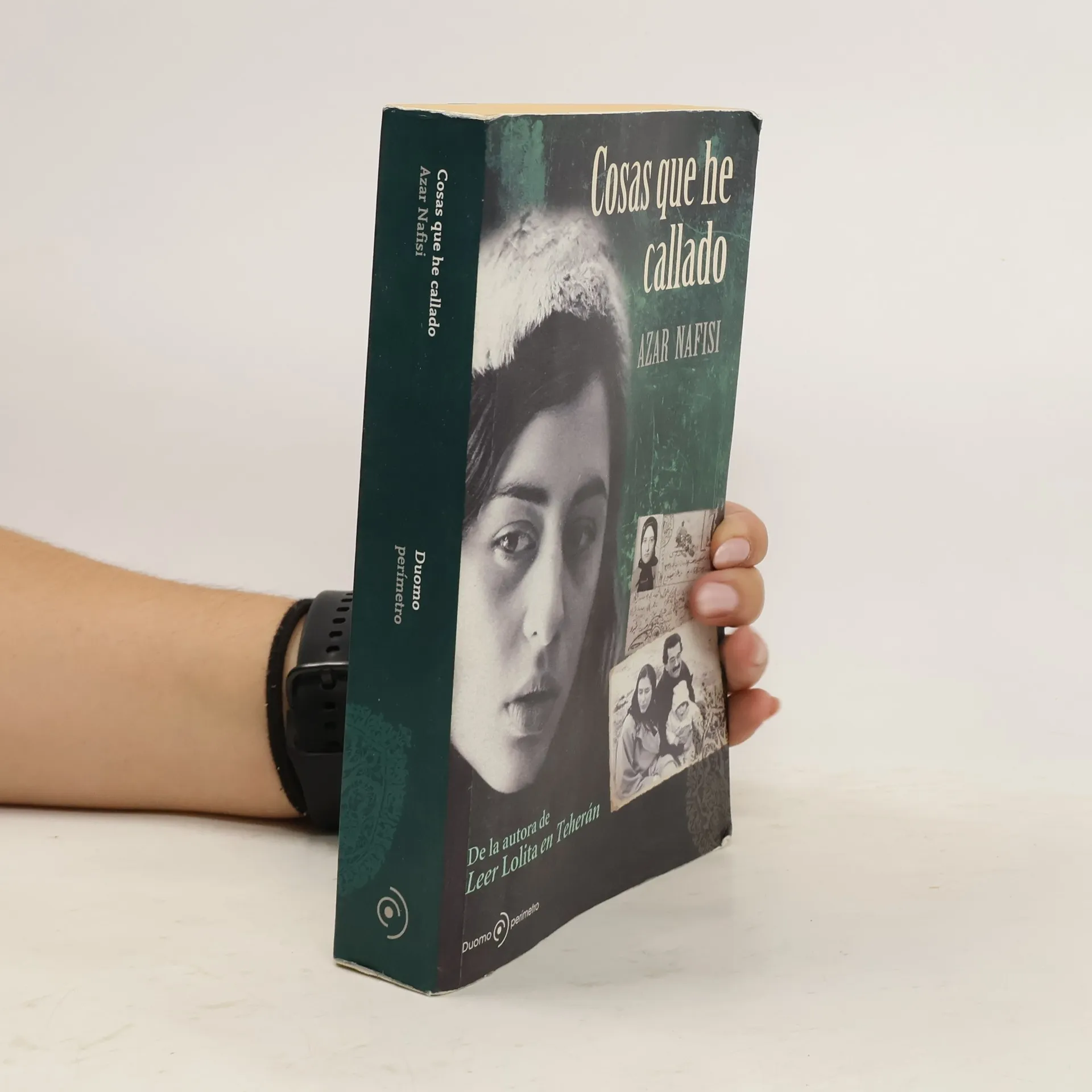
Cosas que he callado, una memoria personal en la que Azar compone un catártico retrato de una familia excepcional y, a la vez, universal. Empezando por su difícil infancia, su primer matrimonio fallido, sus encontronazos con la injusticia y el despertar de su activismo político en la República Islámica de Irán, analiza los acontecimientos y las personalidades que la llevaron a ser una mujer valiente, comprometida e insubordinada. Desde su domicilio estadounidense, Azar reflexiona sobre el poder de los silencios y chantajes sobre los que se sustentan todas las dictaduras y algunas familias, como el más perfecto de los sistemas totalitarios.
Azar Nafisi Libros
Azar Nafisi utiliza la literatura como un lente para explorar las complejidades de la vida, particularmente en el contexto de Irán. Su obra profundiza en el poder de la narración y su impacto en las percepciones individuales y colectivas de la realidad. A través de su escritura, a menudo reflexiona sobre la búsqueda de la libertad intelectual y la expresión artística frente a las restricciones sociales. Nafisi invita a los lectores a descubrir la profunda conexión entre la literatura y la experiencia personal.




Cada jueves por la mañana a lo largo de dos años, Azar Nafisi, una valiente y brillante profesora iraní, reúne clandestinamente en el salón de su casa a siete de sus alumnas más aventajadas a fin de leer libros prohibidos: obras de Jane Austen, Henry James, Scott Fitzgerald y, por supuesto, de Vladimir Nabokov, el autor de Lolita. Mientras las jóvenes poco a poco se expresan a través de los libros, se dan cuenta de como sus propias vidas se van transformando y mezclando con la trama de las obras a las que se entregan.
The great national epic of Persia is presented in the most complete English-language edition and definitive translation by Dick Davis, available in a deluxe edition by Penguin Classics. The stories of the Shahnameh have deeply influenced cultures wherever Persian influence has spread, evident in works like The Kite Runner and the poetry of Rumi and Hafez. Composed by Ferdowsi in the late tenth century, this monumental narrative recounts the pre-Islamic history of Iran, from the mythic creation to the Arab invasion of the seventh century. Its grandeur and psychological depth are remarkable, featuring classic tales such as the tragedy of Rostam and Sohrab. Dick Davis, described as “our pre-eminent translator from the Persian” (Washington Post), offers a comprehensive translation that beautifully combines prose and verse, allowing the poetry to resonate while providing modern readers with clear explanations. For over seventy years, Penguin has led in publishing classic literature in English, offering more than 1,700 titles that form a global bookshelf of history's best works. Readers rely on this series for authoritative texts, enhanced by introductions and notes from distinguished scholars and contemporary authors, along with up-to-date translations by award-winning translators.
Read Dangerously
- 256 páginas
- 9 horas de lectura
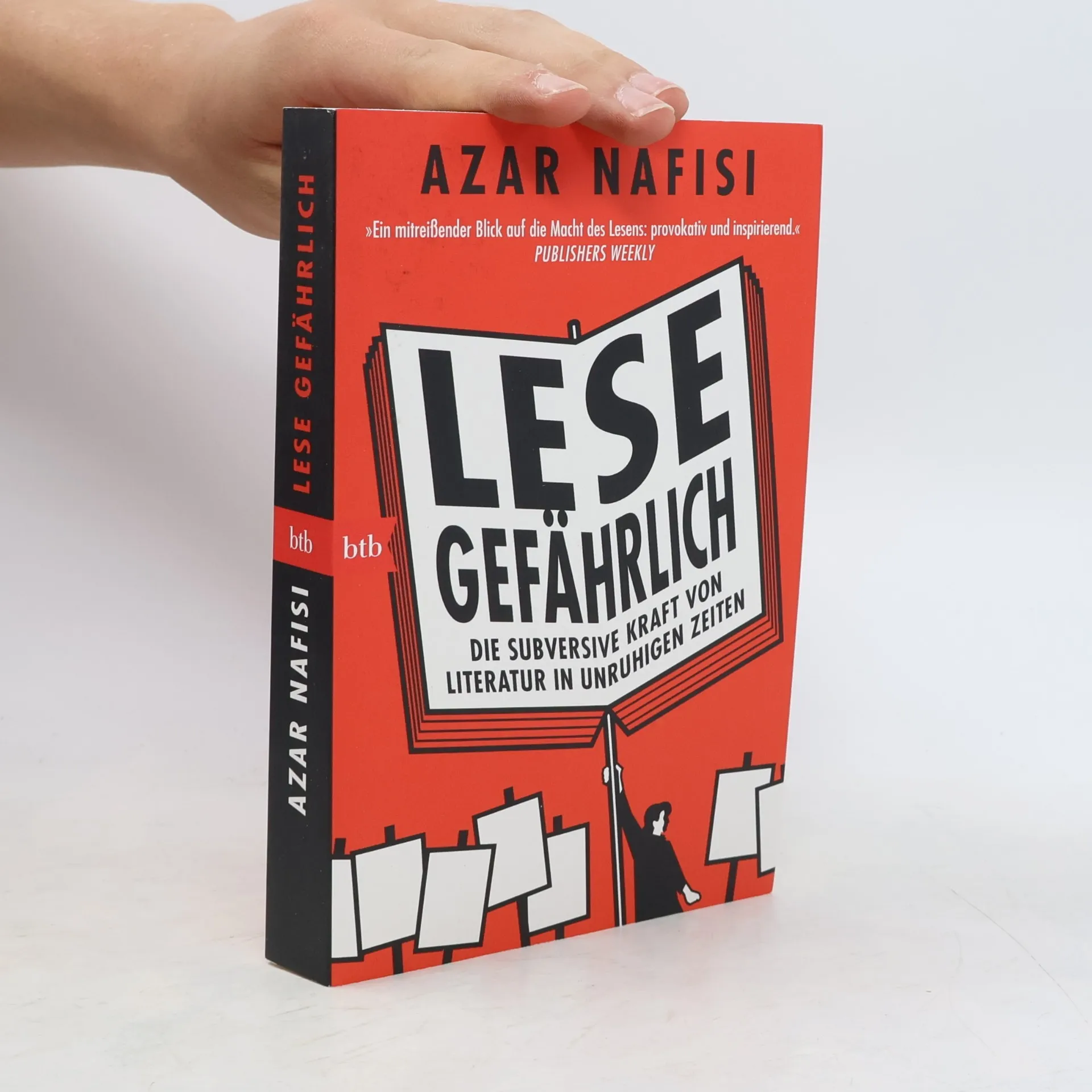
The New York Times bestselling author of Reading Lolita in Tehran returns with a guide to the power of literature in turbulent times, arming readers with a resistance reading list, ranging from James Baldwin to Zora Neale Hurston to Margaret Atwood.What is the role of literature in an era when the president wages war on writers and the press? What is the connection between political strife in our daily lives, and the way we meet our enemies on the page in fiction? How can literature, through its free exchange, affect politics?In this galvanizing guide to resistance literature, Nafisi seeks to answer these questions. Drawing on her experiences as a woman and voracious reader living in the Islamic Republic of Iran, her life as an immigrant in the United States, and her role as literature professor in both countries, she crafts an argument for why, in a genuine democracy, we must engage with the enemy, and how literature can be a vehicle for doing so.Structured as a series of letters to her father, Baba, who taught her as a child about how literature can rescue us in times of trauma, Nafisi explores the most probing questions of our time through the works of Toni Morrison, Salman Rushdie, James Baldwin, Margaret Atwood, and more.
My Sister, Guard Your Veil; My Brother, Guard Your Eyes
Uncensored Iranian Voices
- 132 páginas
- 5 horas de lectura
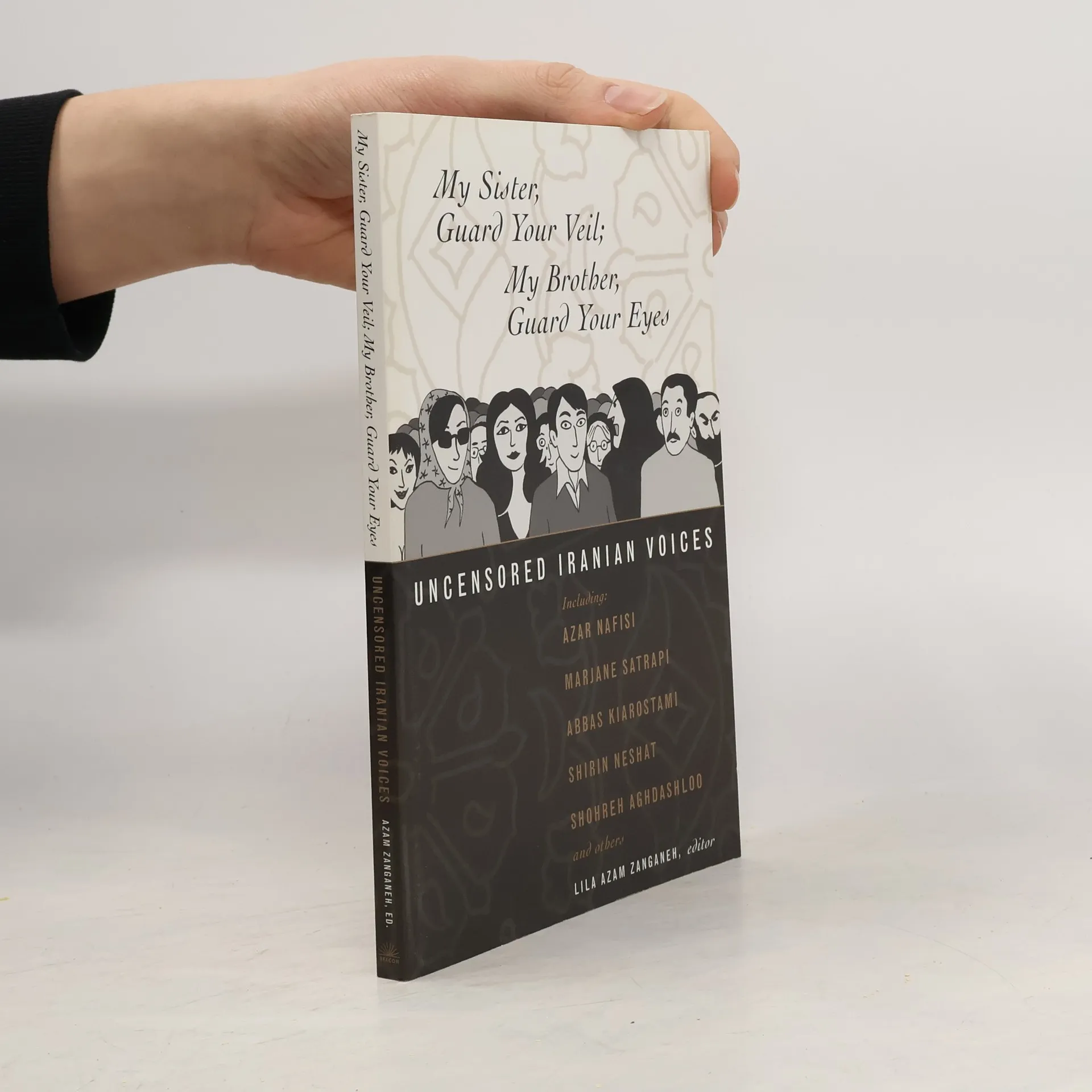
In this groundbreaking anthology, Lila Azam Zanganeh explores the complexities of Iran, challenging the simplistic narratives that dominate American perceptions. Contributors like Azar Nafisi and Marjane Satrapi present a multifaceted view of a nation often misrepresented as either a member of the "axis of evil" or a place of youthful rebellion. This collection aims to dismantle cultural and political clichés, featuring diverse topics such as feminism, sexuality, and political dissent under the Islamic Republic. Reza Aslan clarifies that Iran is better described as a "mullahcracy" than a theocracy, while Mehrangiz Kar discusses how the Iranian Revolution sparked a feminist movement. Azadeh Moaveni uncovers Tehran's underground parties and sexual culture, and Gelareh Asayesh addresses the racial identity of Iranians in America. Naghmeh Zarbafian reflects on the experience of reading censored literature, and Roya Hakakian reminisces about the joyful past of Iranian Jews. With a compelling introduction by Zanganeh, this collection seeks to reshape understanding of Iran, revealing the intricate realities of its society—caught between political Islam, modern media, and stark social inequalities.
The Republic of Imagination
- 352 páginas
- 13 horas de lectura
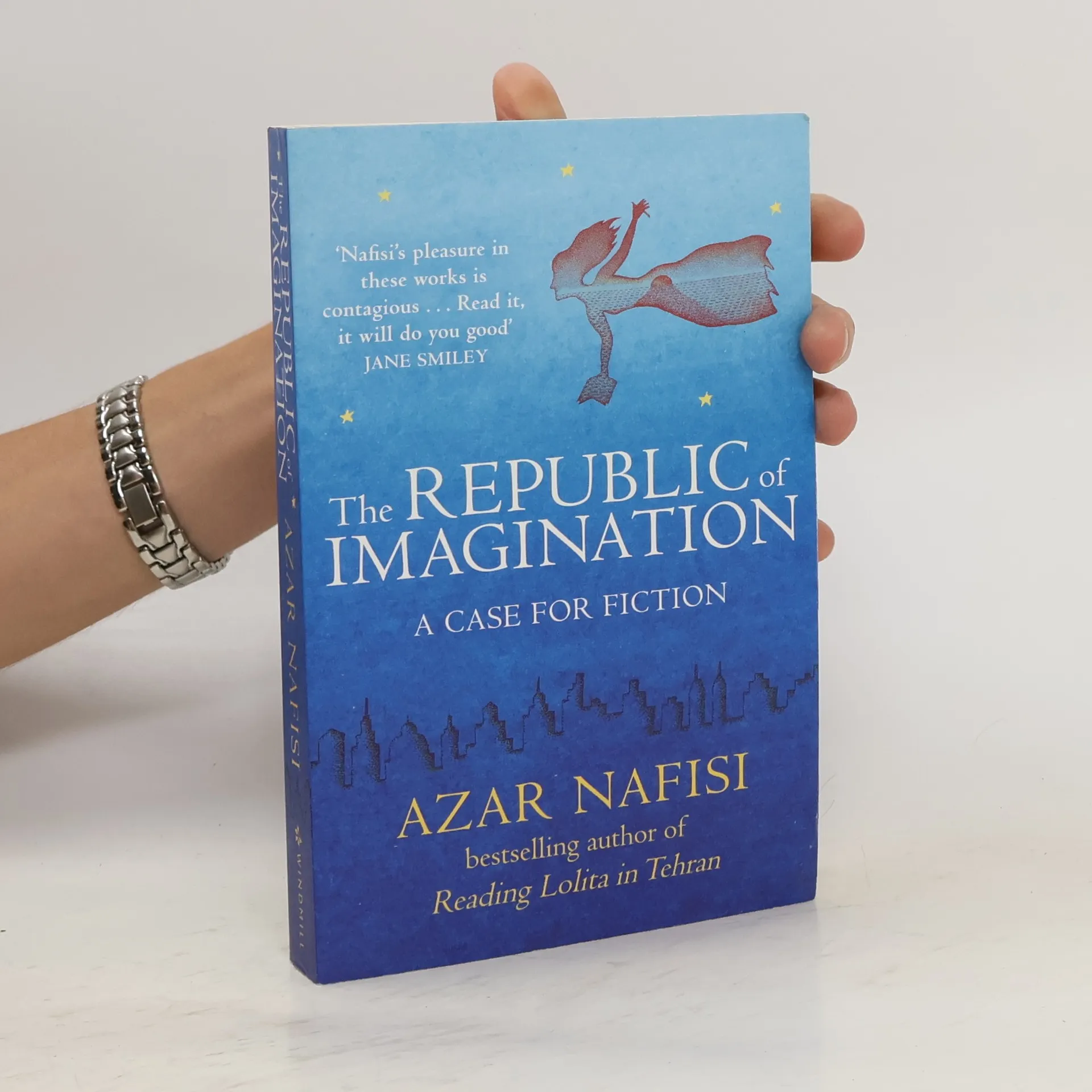
From the author of the bestselling memoir Reading Lolita in Tehran comes a powerful and passionate case for the vital role of fiction today. Ten years ago, Azar Nafisi electrified readers with her million-copy bestseller, Reading Lolita in Tehran, which told the story of how, against the backdrop of morality squads and executions, she taught The Great Gatsby and other classics to her eager students in Iran. In this exhilarating follow-up, Nafisi has written the book her fans have been waiting for: an impassioned, beguiling and utterly original tribute to the vital importance of fiction in a democratic society. Taking her cue from a challenge thrown to her at a reading, she energetically responds to those who say fiction has nothing to teach us today. Blending memoir and polemic with close readings of her favourite novels, she invites us to join her as citizens of her 'Republic of Imagination', a country where the villains are conformity, and orthodoxy and the only passport to entry is a free mind and a willingness to dream.
Ein kämpferischer Appell für Literatur als Mittel des Widerstands und Empowerment: New-York-Times-Bestsellerautorin Azar Nafisi (»Lolita lesen in Teheran«) mit einem aufrüttelnden Text über die Macht der Bücher. In Form von Briefen an ihren verstorbenen Vater (früherer Bürgermeister von Teheran und politischer Gefangener des Schah-Regimes), der ihr in ihrer Kindheit die Augen dafür öffnete, wie Literatur uns in Zeiten der Krise retten kann, stellt Nafisi die brennenden Fragen unserer Zeit – mit ihrer Lektüreliste bewaffnet Nafisi die Leser*Innen für den Widerstand. Sie greift dabei auf ihre persönlichen Erfahrungen als Frau, als Leser*in und Lehrende in Teheran zurück, die von der Universität verwiesen wurde, als sie sich weigerte, den Schleier zu tragen, und schließlich in die USA emigrierte, wo sie als Professorin Literatur unterrichtete. Nafisi ist überzeugt: Für das Überleben der Demokratie weltweit ist das Lesen unabdingbar. Ob James Baldwin oder Margret Atwood, ob Platon oder Salman Rushdie, Lektüre ist immer ein Weg in Richtung Freiheit: persönlich und politisch.
Alles wat ik verzwegen heb
- 399 páginas
- 14 horas de lectura