
Bookbot

Bořivoj Prusík

    Na dně : obrazy ve čtyřech jednáních
    Ledová sfinx. Díl II.
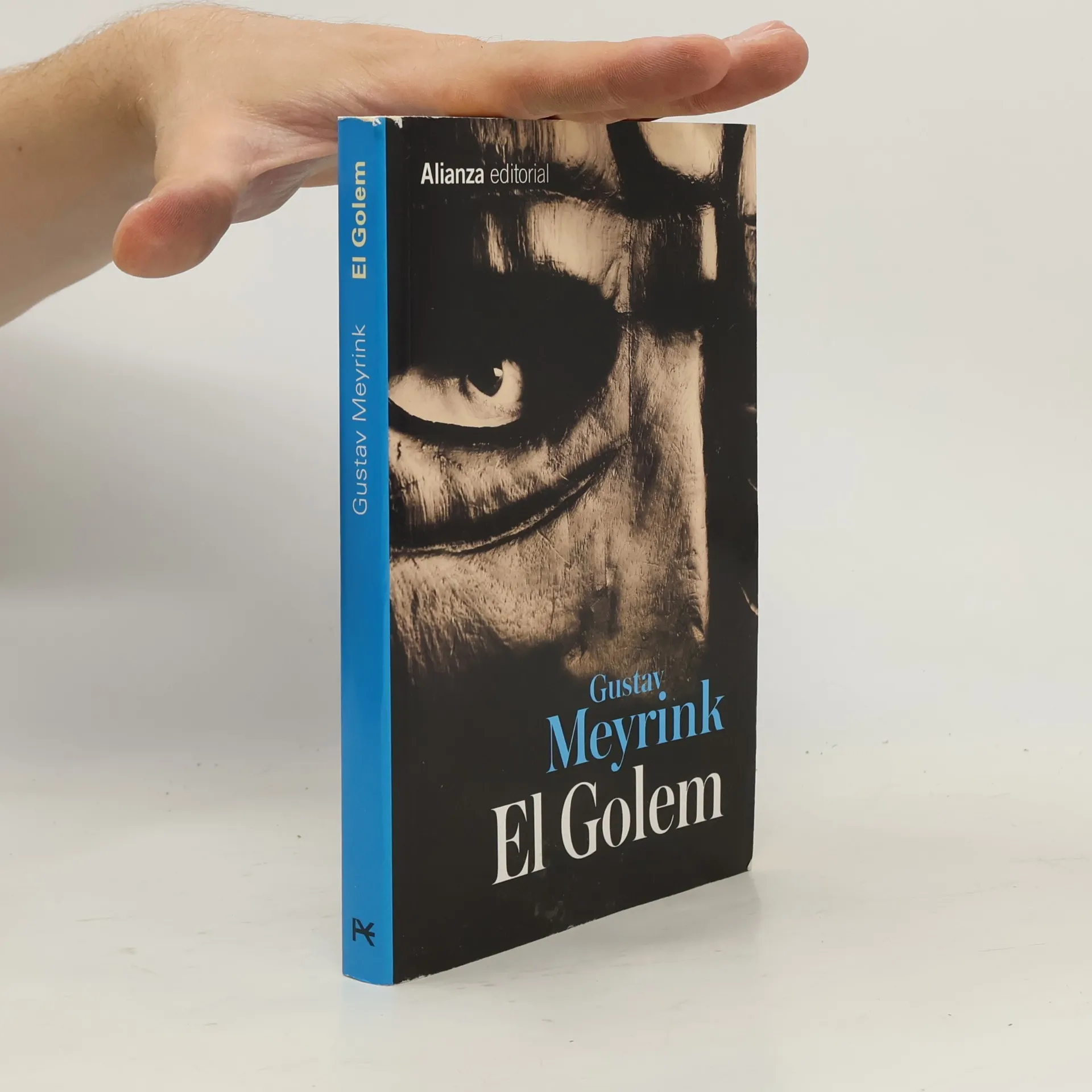
    The Golem
    V stínu Akropole
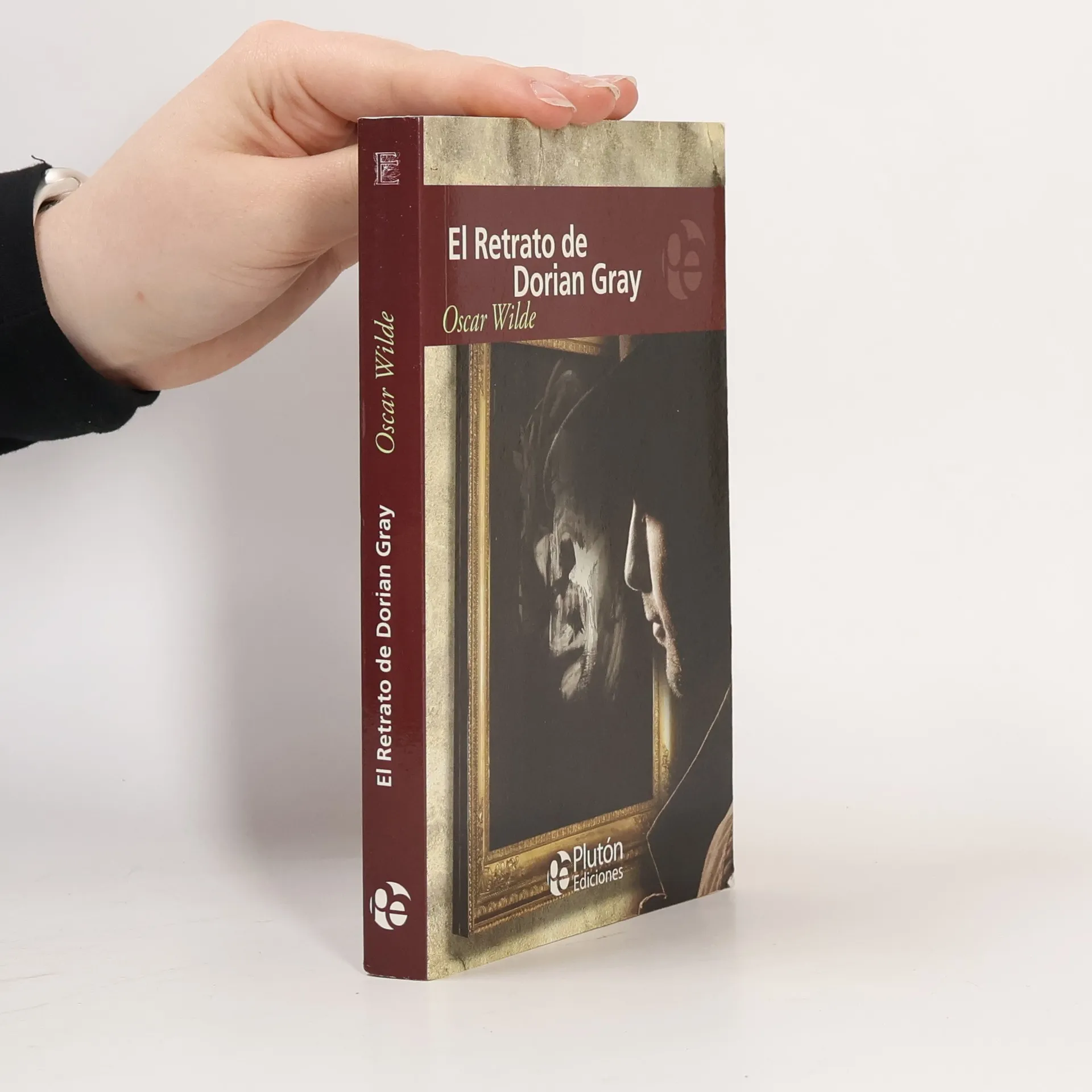
    El retrato de Dorian Gray
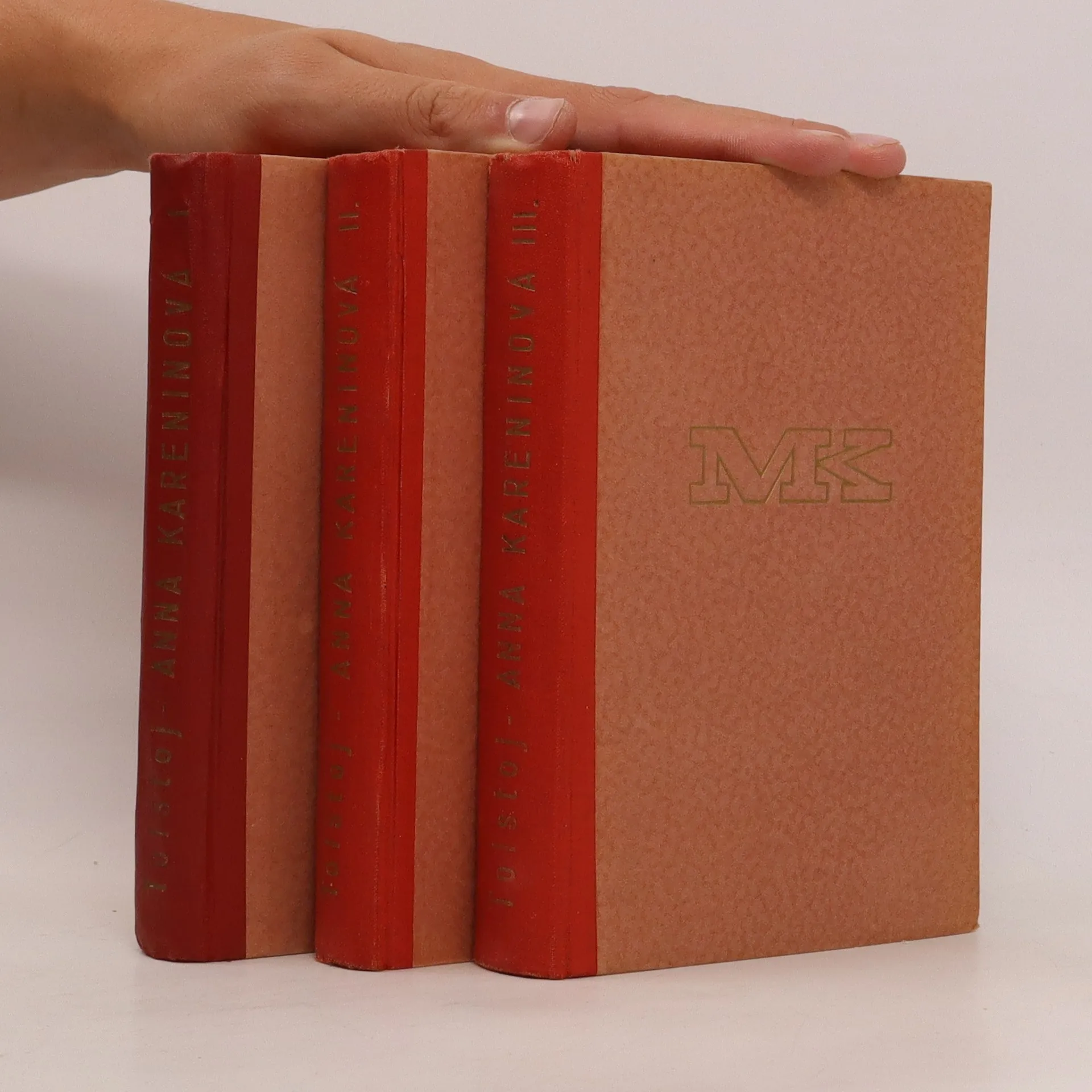
    Ana Karenina
    • 2020

      Joven agraciado y bellísimo, dotado de 'toda la pasión del espíritu romántico y toda la perfección de lo griego', Dorian Gray es, cuando lo retrata el distinguido pintor Basil Hallward, la encarnación de la armonía vital incorrupta. Sin embargo, inevitablemente, las pasiones, la maldad, el impetuoso torrente de la vida, irrumpen en su existencia. Para su asombro, Gray descubre que es su retrato quien va asumiendo su deterioro físico y moral, protegiendo, en apariencia, su inmaculada imagen.

      El retrato de Dorian Gray
    • 1923
    • 1923

      Anna Karenina es, junto con la monumental Guerra y paz, una de las obras clave Lev Tolstoi, en la que vemos todas las señas de identidad del gran realismo ruso: fina crítica social y multitud de personajes con una profundidad psicológica asombrosa. Las desventuras de Anna Karenina y su afán por integrarse en una sociedad hipócrita que la margina por adúltera, pero perdona los desmanes de su amante, nos hacen reflexionar sobre la invisibilización de la mujer a la par que nos ofrecen un fresco monumental de la Rusia decimonónica y todas sus contradicciones. Together with the monumental War and Peace, Anna Karenina is one of Leo Tolstoy's most important works and a classic of Russian realism. It contains all the hallmarks of that genre, from pointed social critique to psychologically complex characters. Anna Karenina's misadventures and eagerness to integrate into a hypocritical society that condemns her for adultery, but pardons her lover's excesses, offer a portrait of nineteenth-century Russia in all its contradictions. It also encourages us to reflect on the way women are invisibilized in society.

      Ana Karenina
    • 1917

      The Golem

      • 272 páginas
      • 10 horas de lectura

      First published in serial form as Der Golem in the periodical Die weissen Blätter in 1913–14, The Golem is a haunting Gothic tale of stolen identity and persecution, set in a strange underworld peopled by fantastical characters. The red-headed prostitute Rosina; the junk-dealer Aaron Wassertrum; puppeteers; street musicians; and a deaf-mute silhouette artist. Lurking in its inhabitants’ subconscious is the Golem, a creature of rabbinical myth. Supposedly a manifestation of all the suffering of the ghetto, it comes to life every 33 years in a room without a door. When the jeweller Athanasius Pernath, suffering from broken dreams and amnesia, sees the Golem, he realises to his terror that the ghostly man of clay shares his own face. . . . The Golem, though rarely seen, is central to the novel as a representative of the ghetto's own spirit and consciousness, brought to life by the suffering and misery that its inhabitants have endured over the centuries. Perhaps the most memorable figure in the story is the city of Prague itself, recognisable through its landmarks such as the Street of the Alchemists and the Castle.

      The Golem