Compra 10 libros por 10 € aquí!
Bookbot

John R. Searle

    31 de julio de 1932

    John Searles crea novelas que profundizan en las intrincadas profundidades de la psicología humana y las complejidades de las relaciones. Su estilo narrativo se caracteriza por una aguda habilidad para explorar las facetas más oscuras de la naturaleza humana y las misteriosas circunstancias que dan forma a las vidas de sus personajes. Searles construye magistralmente el suspense y ofrece revelaciones sorprendentes, atrayendo a los lectores a historias cautivadoras llenas de giros inesperados. Su talento para crear personajes creíbles y retratar sus luchas internas lo establece como una voz distintiva en la ficción contemporánea.

    John R. Searle
    Her Last Affair LP
    Money, Social Ontology and Law
    Small Privatization
    Libertad y neurobiología
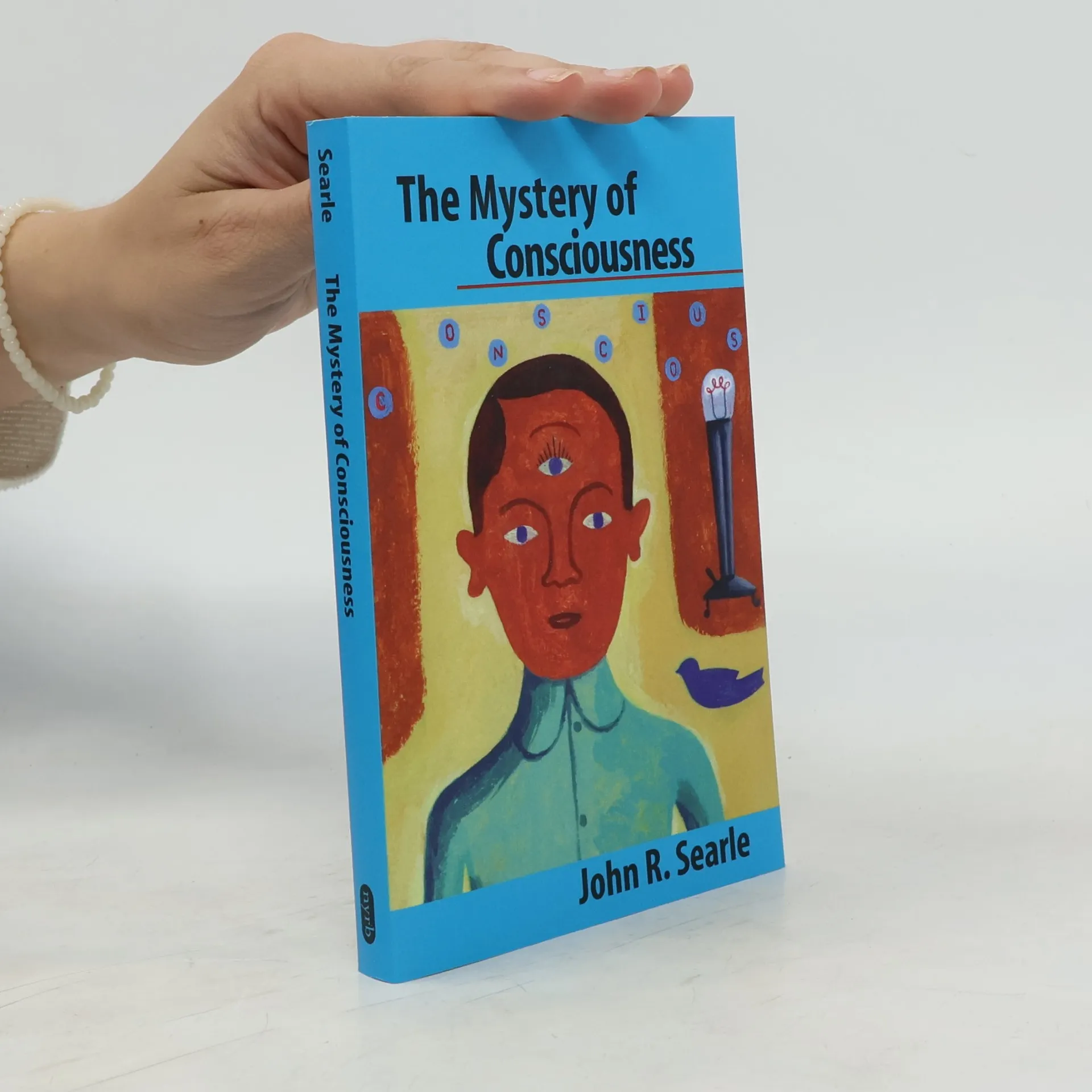
    El misterio de la conciencia
    La revolución de Chomsky en lingüística
    • Libertad y neurobiología

      reflexiones sobre el libre albedrío, el lenguaje y el poder político

      • 124 páginas
      • 5 horas de lectura

      El filósofo norteamericano John R. Searle debe su renombre internacional a sus trabajos sobre el lenguaje y la mente. En este texto prosigue su labor en el campo de la filosofía práctica, retomando desde su propia perspectiva algunas cuestiones fundamentales, a saber, las de la libertad y el poder político. ¿En qué consiste ser libre? Si acudimos a los logros de la investigación contemporánea en el ámbito de las ciencias cognitivas y de la neurobiología, debemos reconocer una determinada relación con la hipótesis del determinismo. La pregunta, entonces, es: ¿cuál ha de ser la naturaleza de la mente, como hecho físico, para que la libertad sea posible?
      Libertad y neurobiología
    • Small Privatization

      • 332 páginas
      • 12 horas de lectura

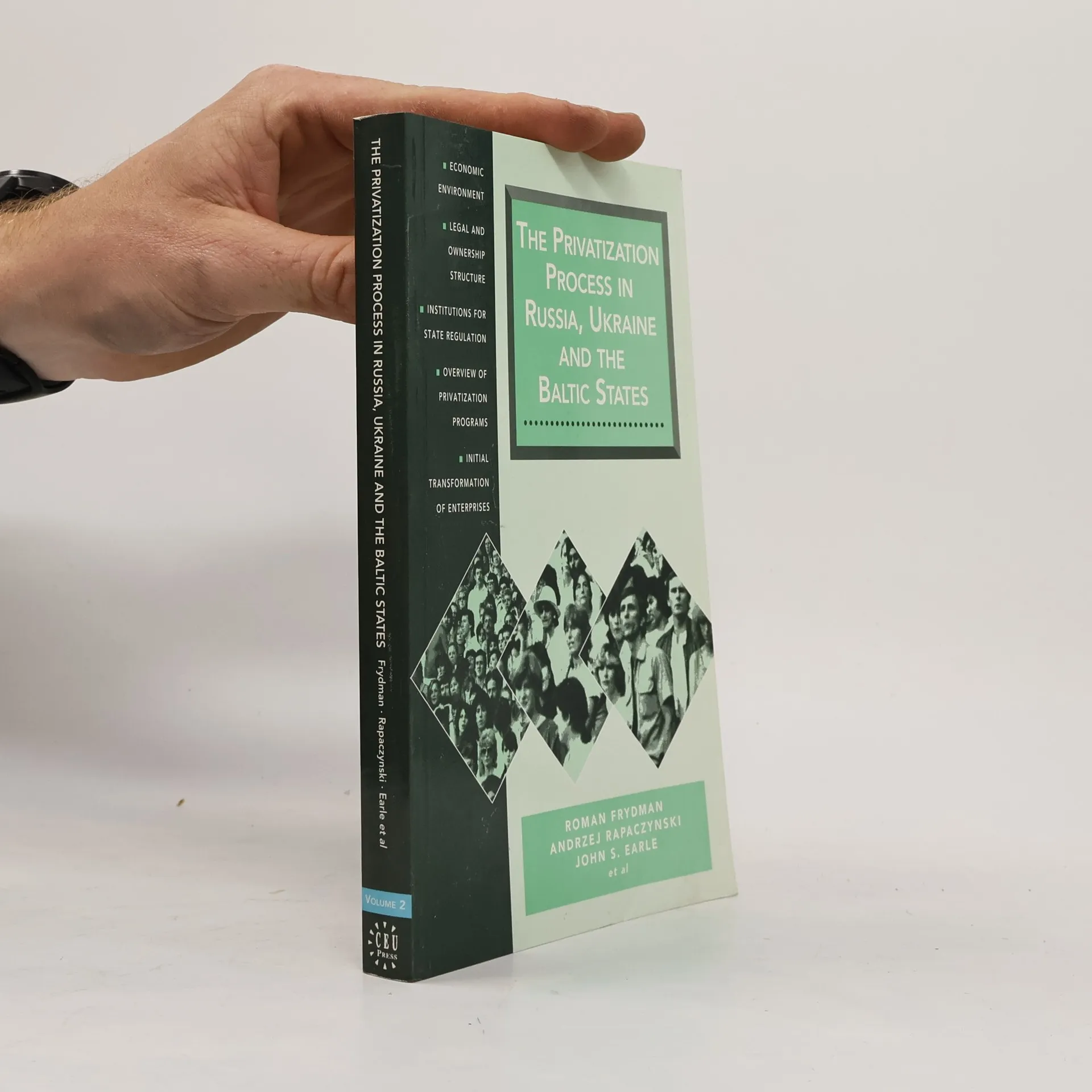
      In this important study, the authors use new material to augment their earlier contributions to understanding the economic and political transformations now taking place in Poland, Hungary, and the Czech Republic.

      Small Privatization
    • Money, Social Ontology and Law

      • 80 páginas
      • 3 horas de lectura

      Focusing on the intersection of law and philosophy, this collection of essays examines the criteria that attribute value to objects such as paper currency and digital signals. It delves into the conceptual frameworks that underpin our understanding of money and its significance in society.

      Money, Social Ontology and Law
    • Her Last Affair LP

      • 432 páginas
      • 16 horas de lectura

      Tense and terrifying, the narrative features unforgettable characters whose lives intersect in shocking ways. The story unfolds with unexpected twists that keep readers on edge, ensuring a gripping experience that lingers long after the last page.

      Her Last Affair LP
    • 'This small but tightly packed volume is easily the most substantial discussion of speech acts since John Austin's How To Do Things With Words and one of the most important contributions to the philosophy of language in recent decades.'--Philosophical Quarterly

      Speech acts. An essay in the philosophy of language
    • Mind

      • 240 páginas
      • 9 horas de lectura

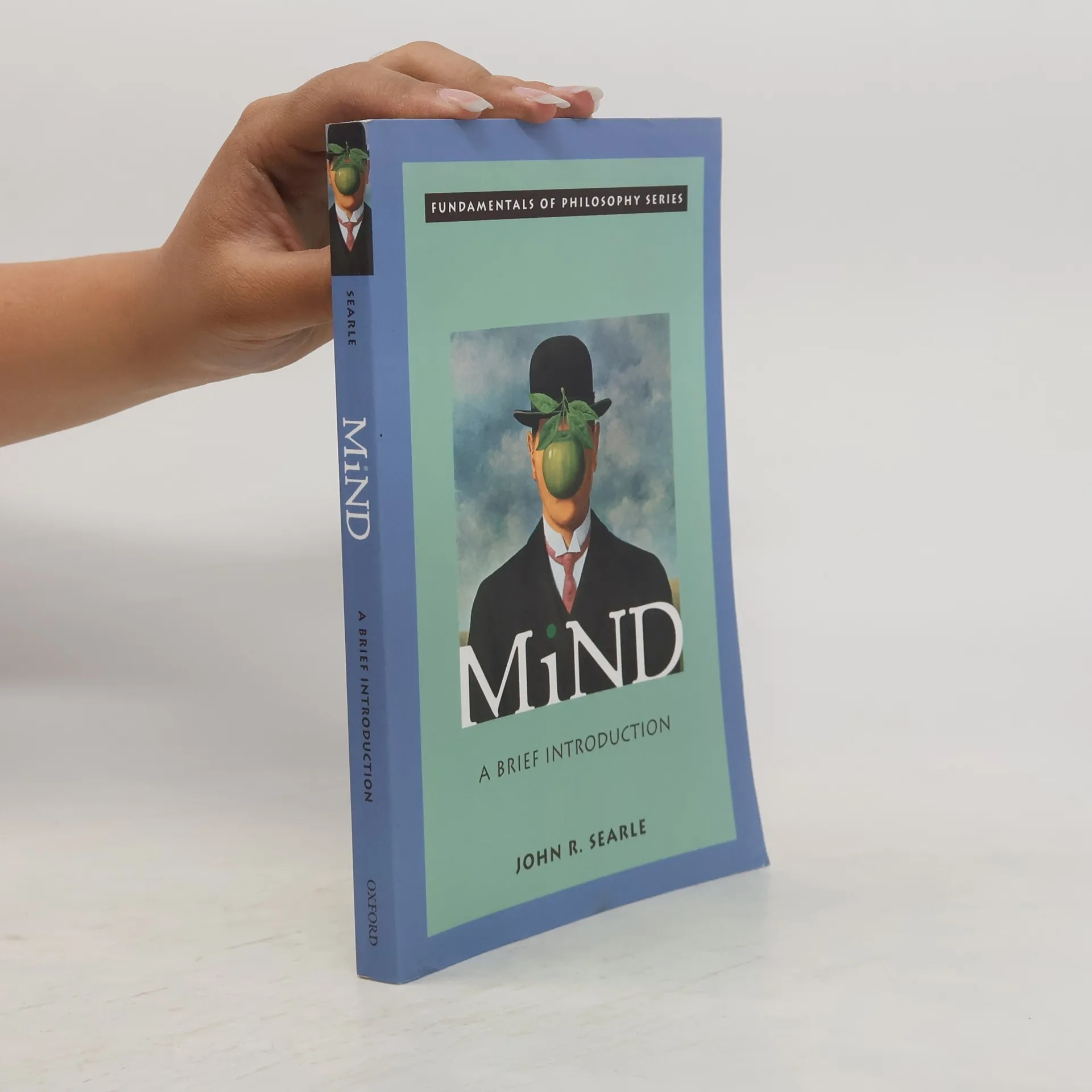
      Offers a general introduction to the philosophy of the mind. Giving a survey of the major issues, including philosophical issues in cognitive science and neurobiology, the author argues for his own distinctive point of view. He leads the reader through a variety of theories that reduce the mind to aspects that can be fully explained by physics.

      Mind
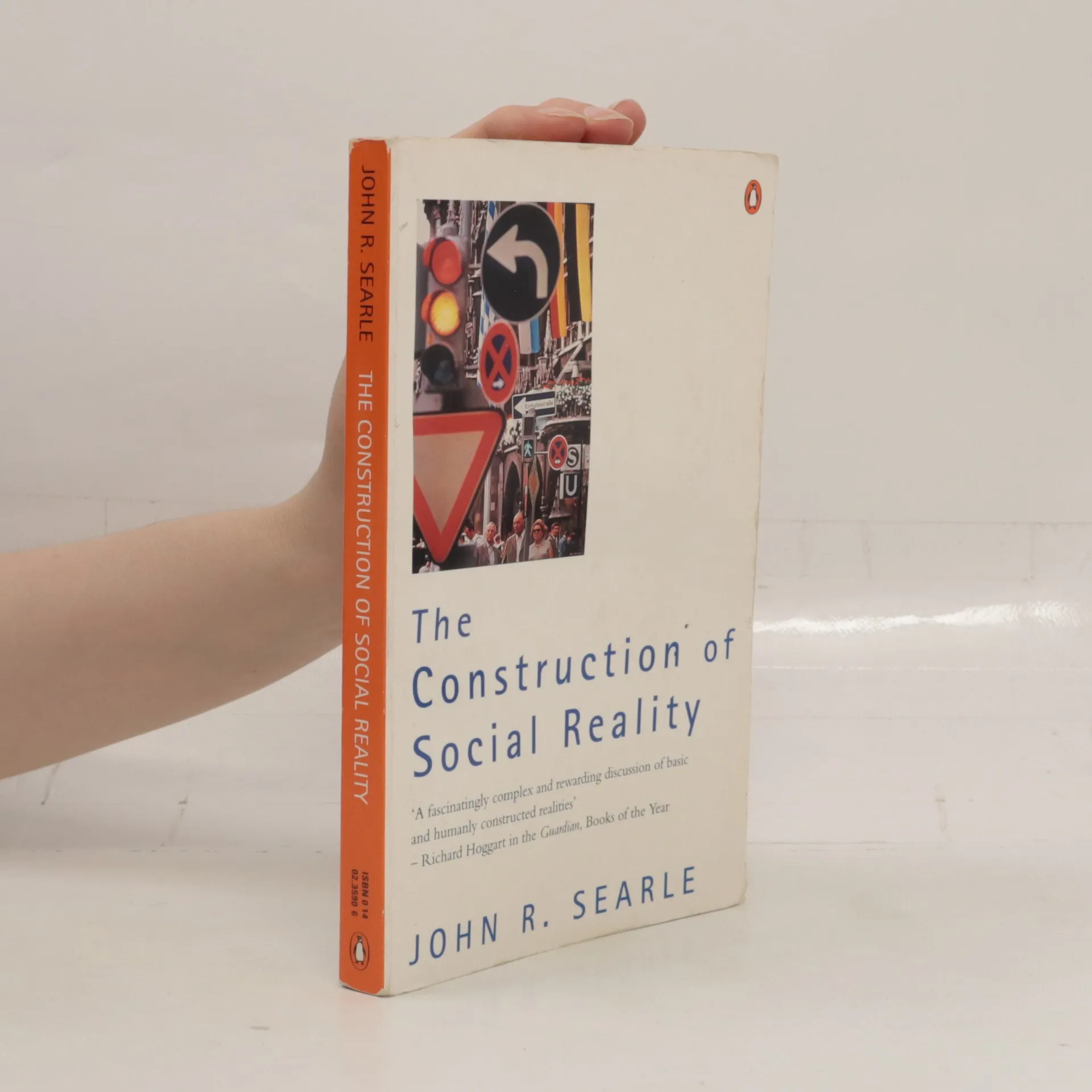
    • In this fascinating, provocative account, eminent philosopher John Searle shows how our everyday actions and cultural knowledge are of a metaphysical complexity that is truely staggering. He explores the charecter of the structures of our daily work that exist by human agreement and from this, the nature of objective reality. For example, how can it be completely objective fact that coins are money, if something is money only because we belive it is money? And what is the role of language constitutiing such facts? In examining the difference between what can and what cannot be socially constructed, he also shows how biology, which offers facts that are independant of human opinion and is often seen in opposition to the social sciences, forms the basis of these cultural and consititutional forms.

      The construction of social reality