Compra 10 libros por 10 € aquí!
Bookbot

Arthur Schopenhauer

    22 de febrero de 1788 – 21 de septiembre de 1860
    Arthur Schopenhauer
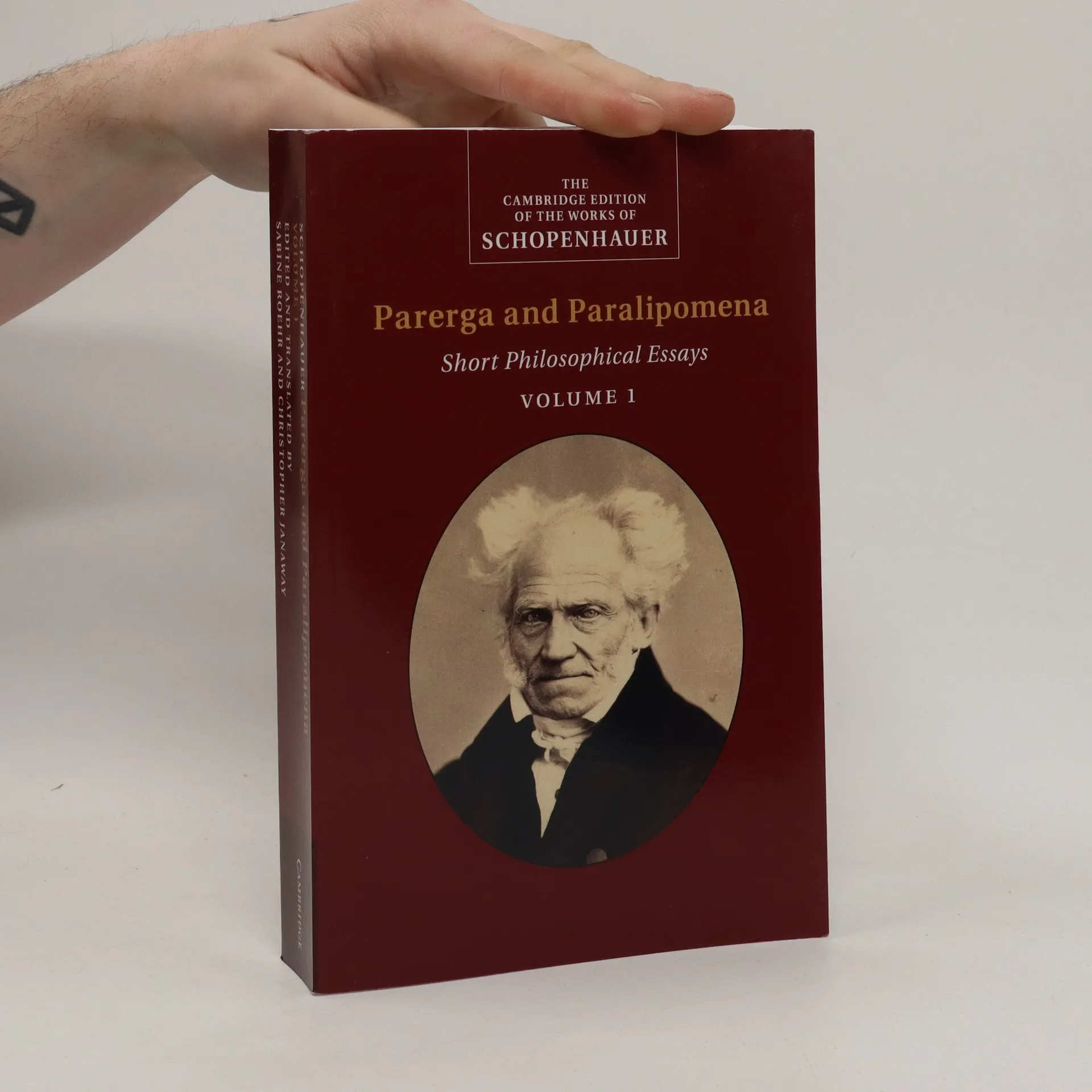
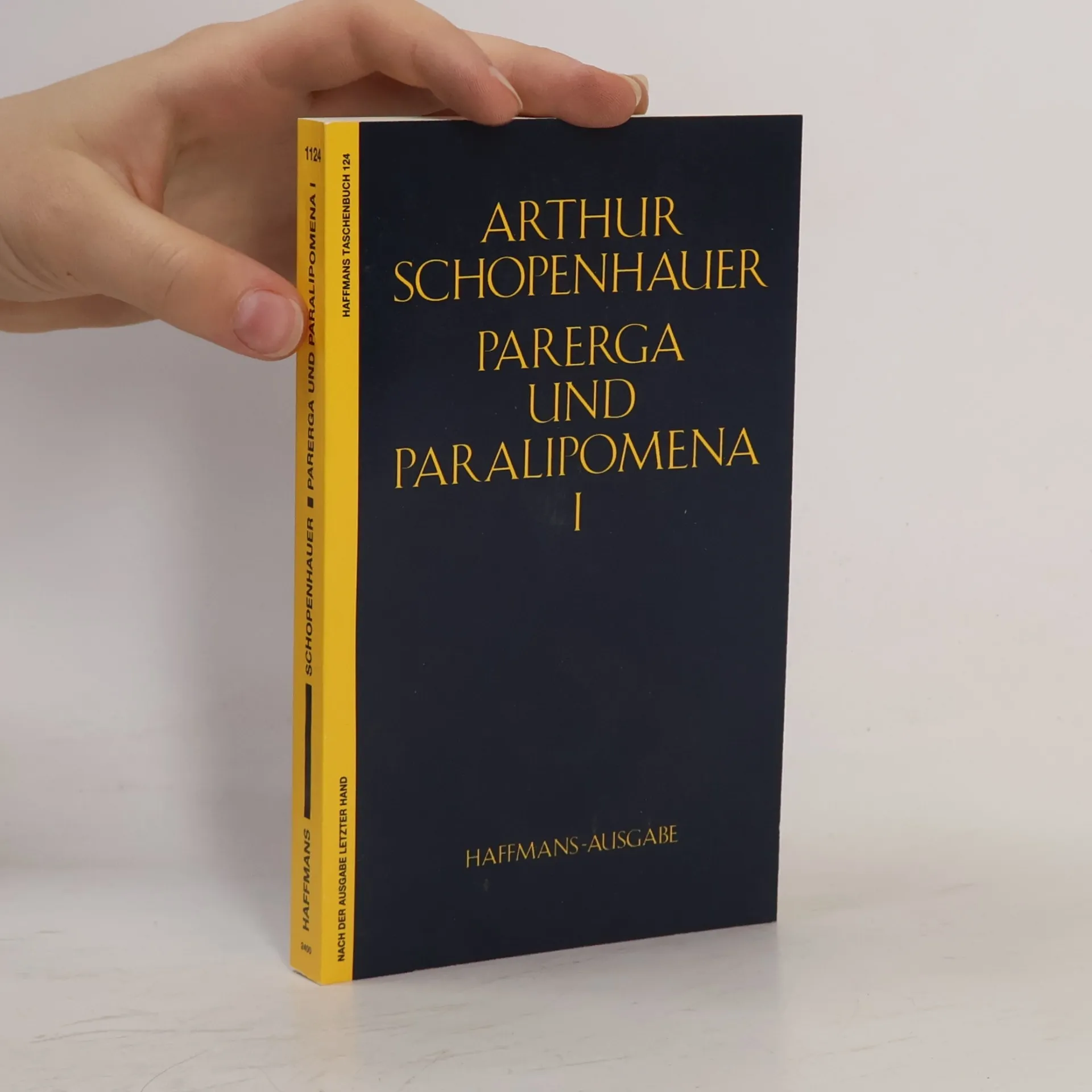
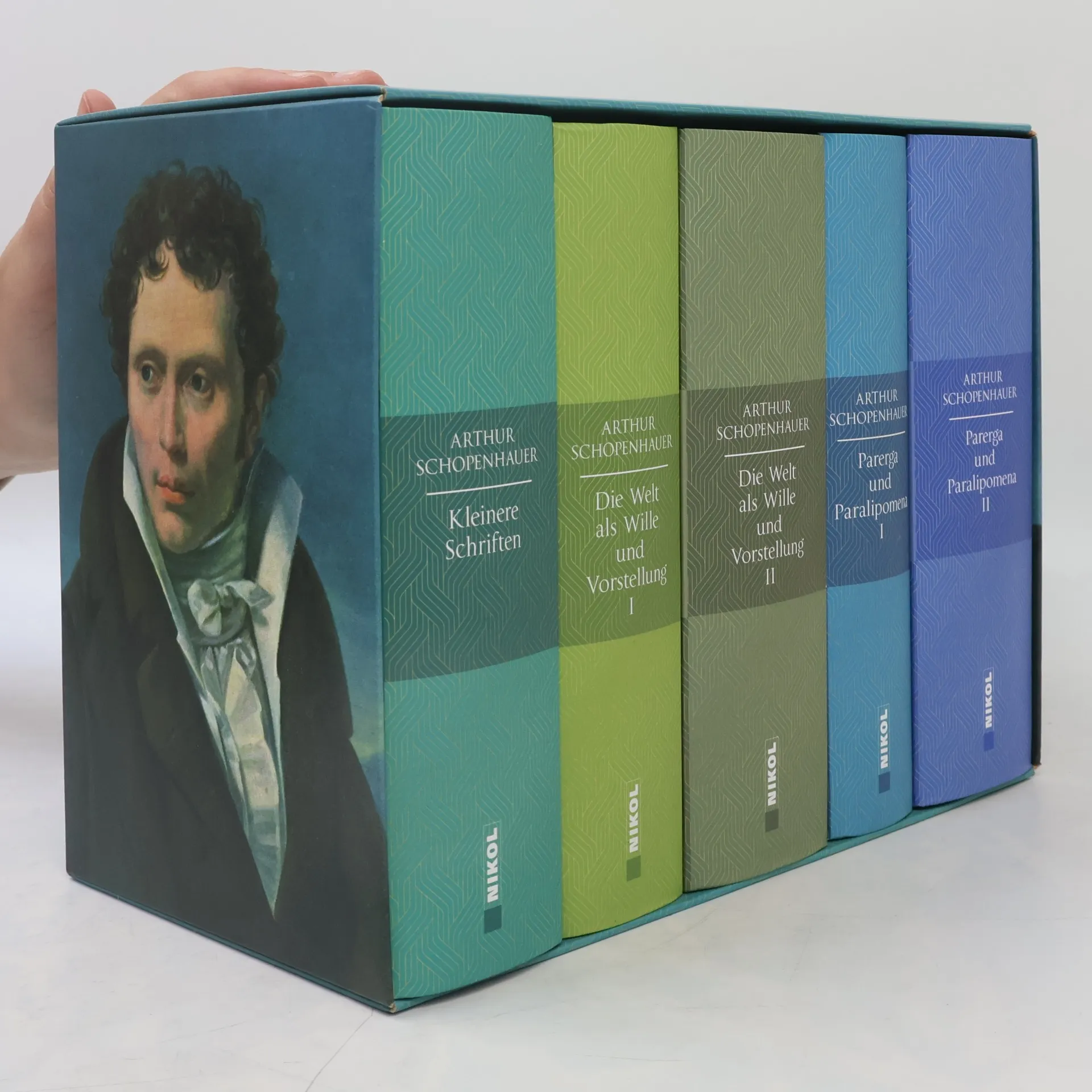
    Parerga und Paralipomena: Short philosophical essays. Volume 1
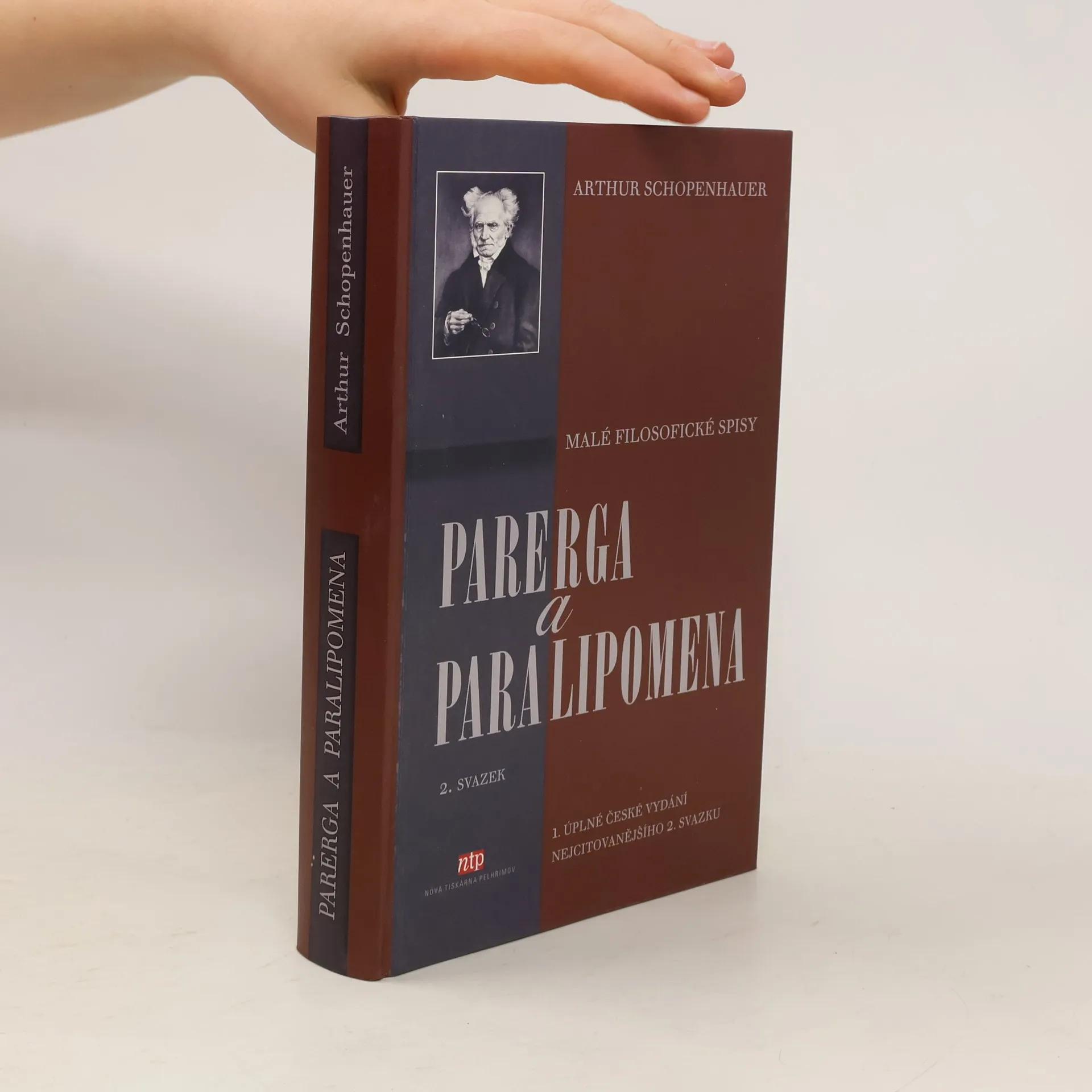
    Parerga and Paralipomena: Short philosophical essays. Volume 2
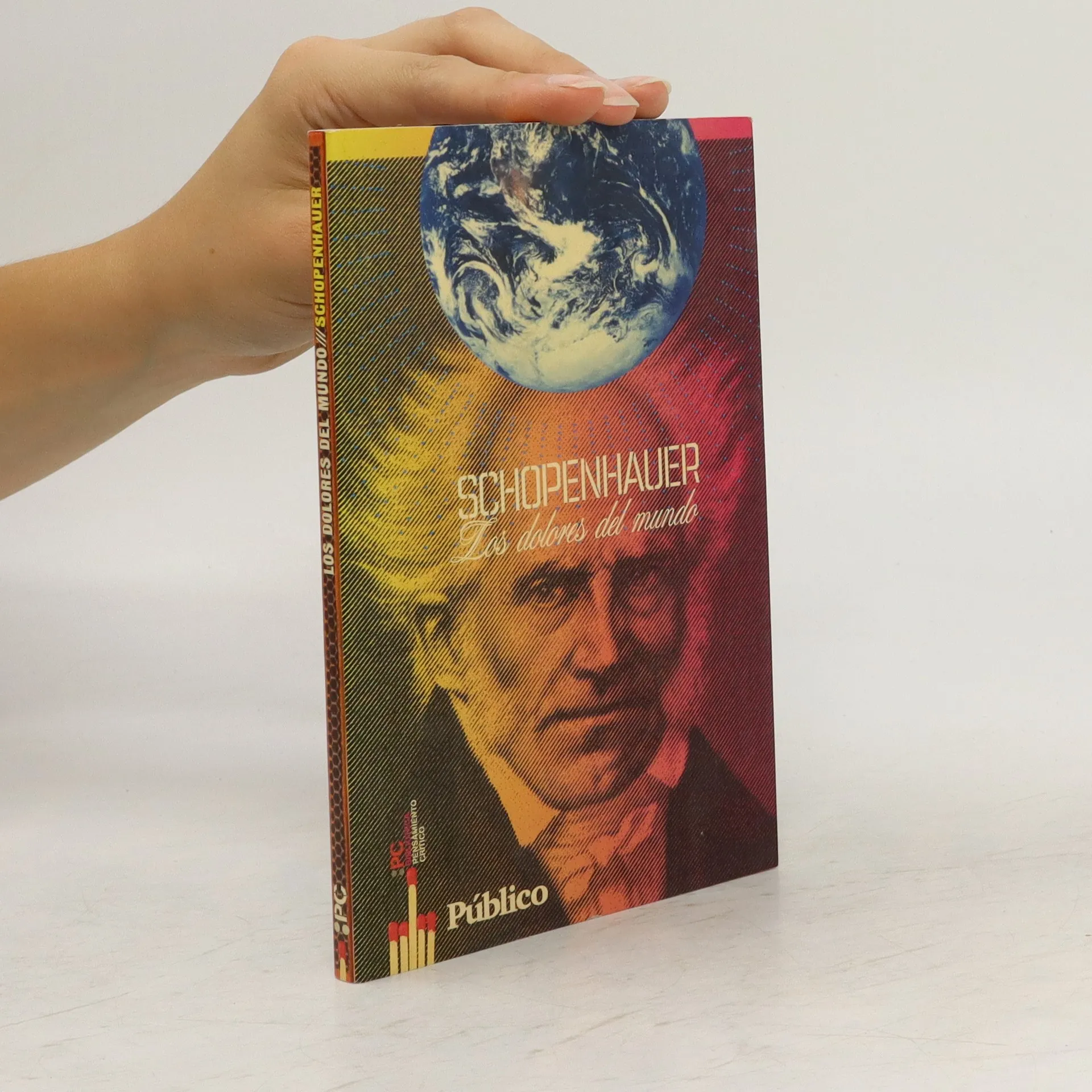
    Los dolores del mundo
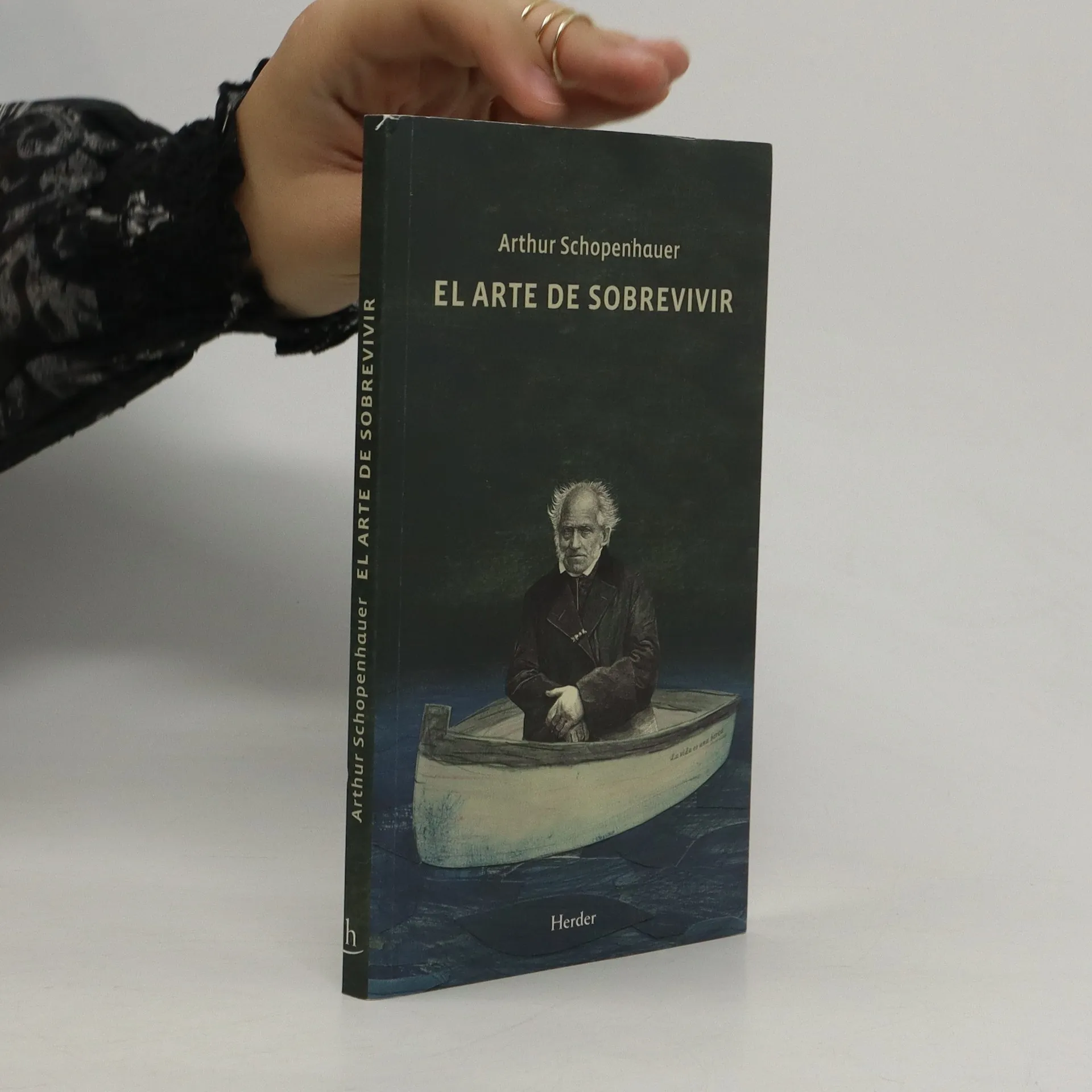
    El arte de sobrevivir
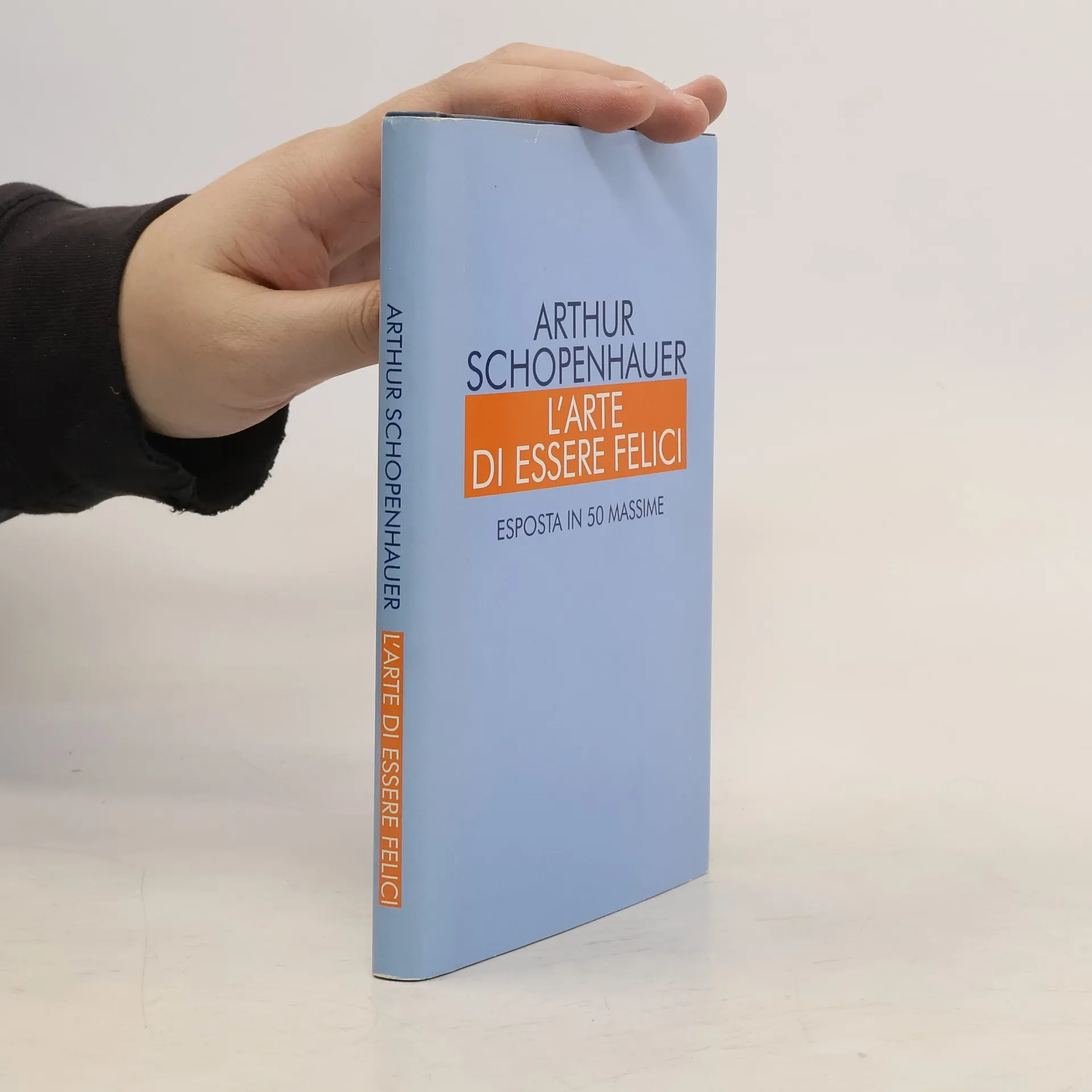
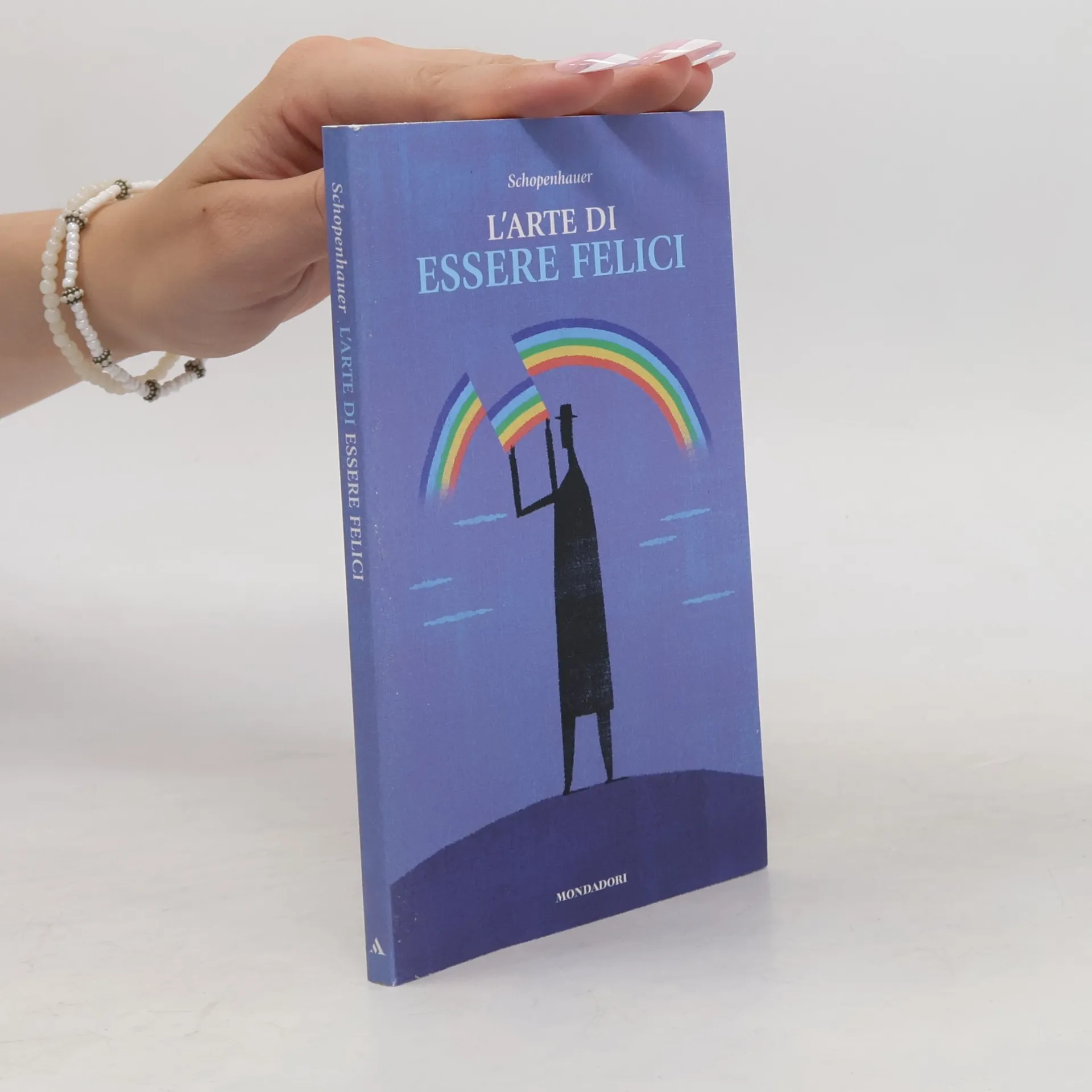
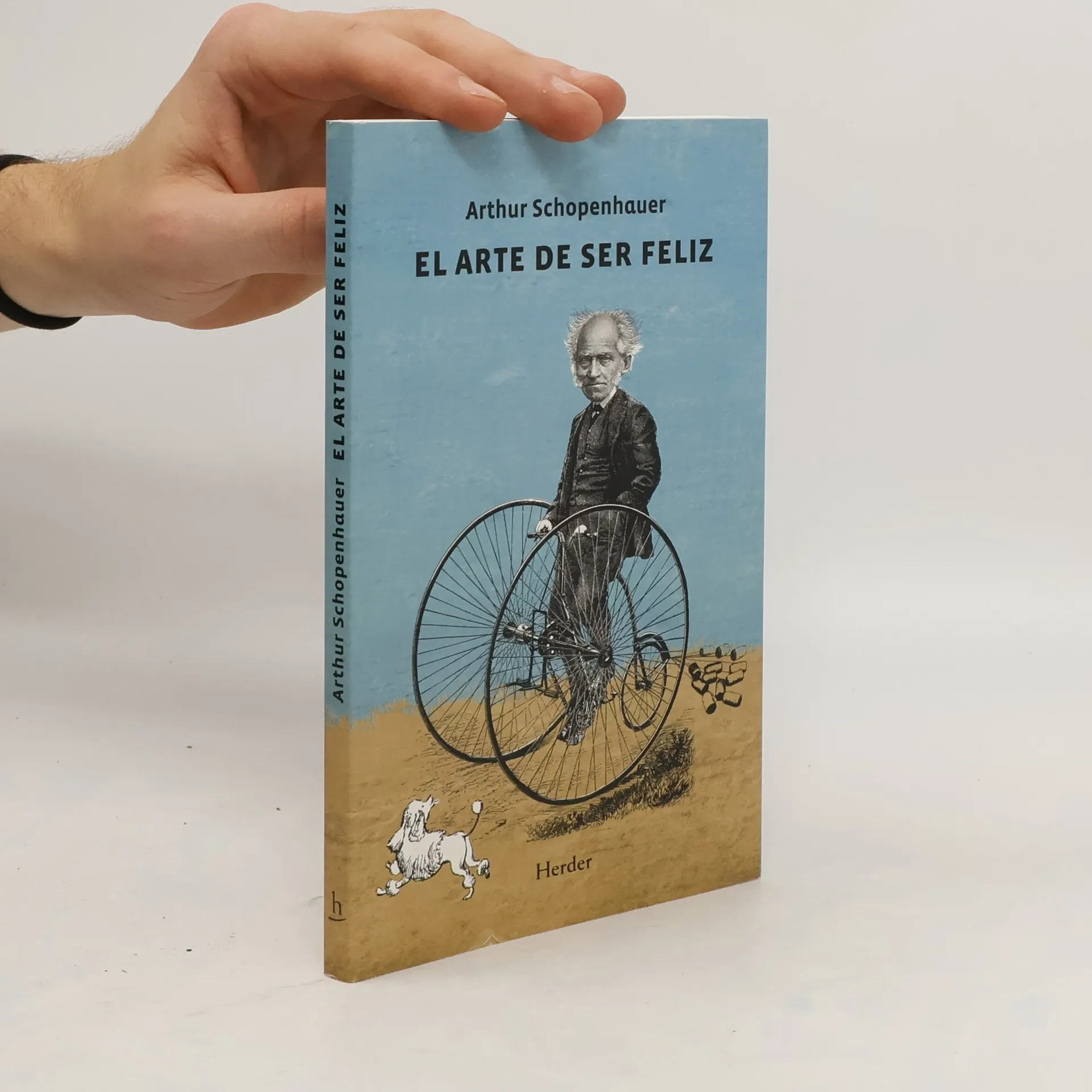
    El Arte de Ser Feliz
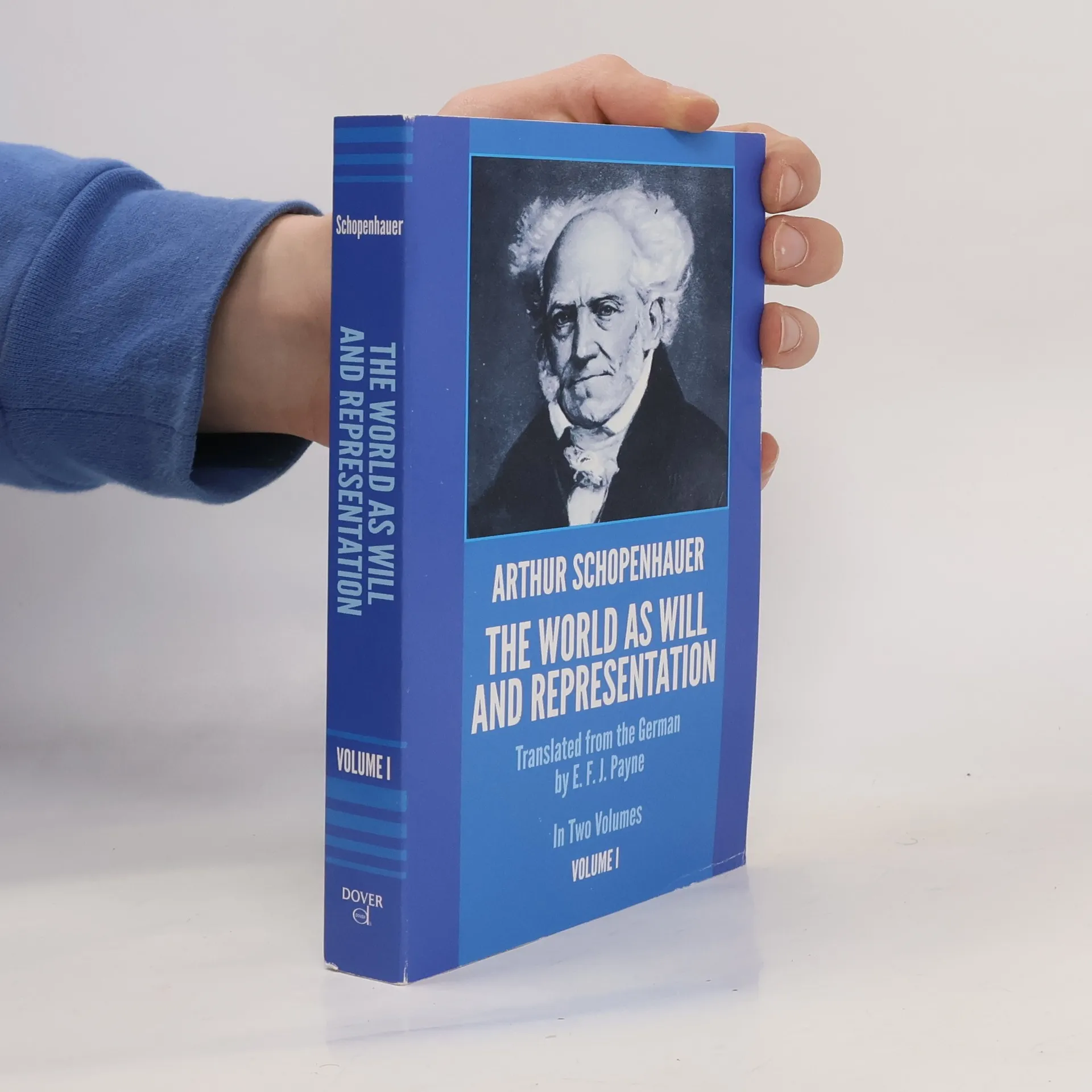
    El mundo como voluntad y representación
    • El Arte de Ser Feliz

      • 164 páginas
      • 6 horas de lectura

      "El arte de ser feliz es una pequeña joya literaria y un valioso libro de cabecera, que reúne cincuenta reglas para la vida que cualquier persona puede aplicar. Arthur Schopenhauer solía dedicarse a la redacción de pequeños tratados como este, a los que concebía como textos para su uso práctico personal. Gracias a la intensa dedicación a los clásicos griegos y latinos, a los grandes filósofos de todos los tiempos y al estudio de la sabiduría india, llegó a apreciar la filosofía no solo como saber teorético, sino también como forma de vida y ejercicio mental; no solo como conocimiento puro y separado del mundo, sino también como enseñanza práctica y sabiduría para la vida. Pero, Èqué tipo de consejos sobre la felicidad puede brindarnos el filósofo que ha pasado a la historia como maestro del pesimismo? Se trata de encontrar reglas de conducta y de vida que nos ayuden a evitar las penurias y los golpes del destino, con la esperanza de que, si bien la felicidad perfecta es inalcanzable, podamos llegar a esa felicidad relativa que consiste en la ausencia del dolor"--amazon.com.

      El Arte de Ser Feliz
    • Las reflexiones de Schopenhauer sobre el amor, la mujer, el matrimonio o el dolor se suelen leer ahora como aforismos edificantes o graciosos. Son en verdad, trágicos e ingratos. Aunque el siglo XX convirtió en moneda corriente este tipo de enunciados a comienzos del siglo XIX, los aforismos de Schopenhauer eran inaudibles e insoportables, y en parte, aún lo son, por cuanto no siempre se atiende a su significado originario.
      Los dolores del mundo
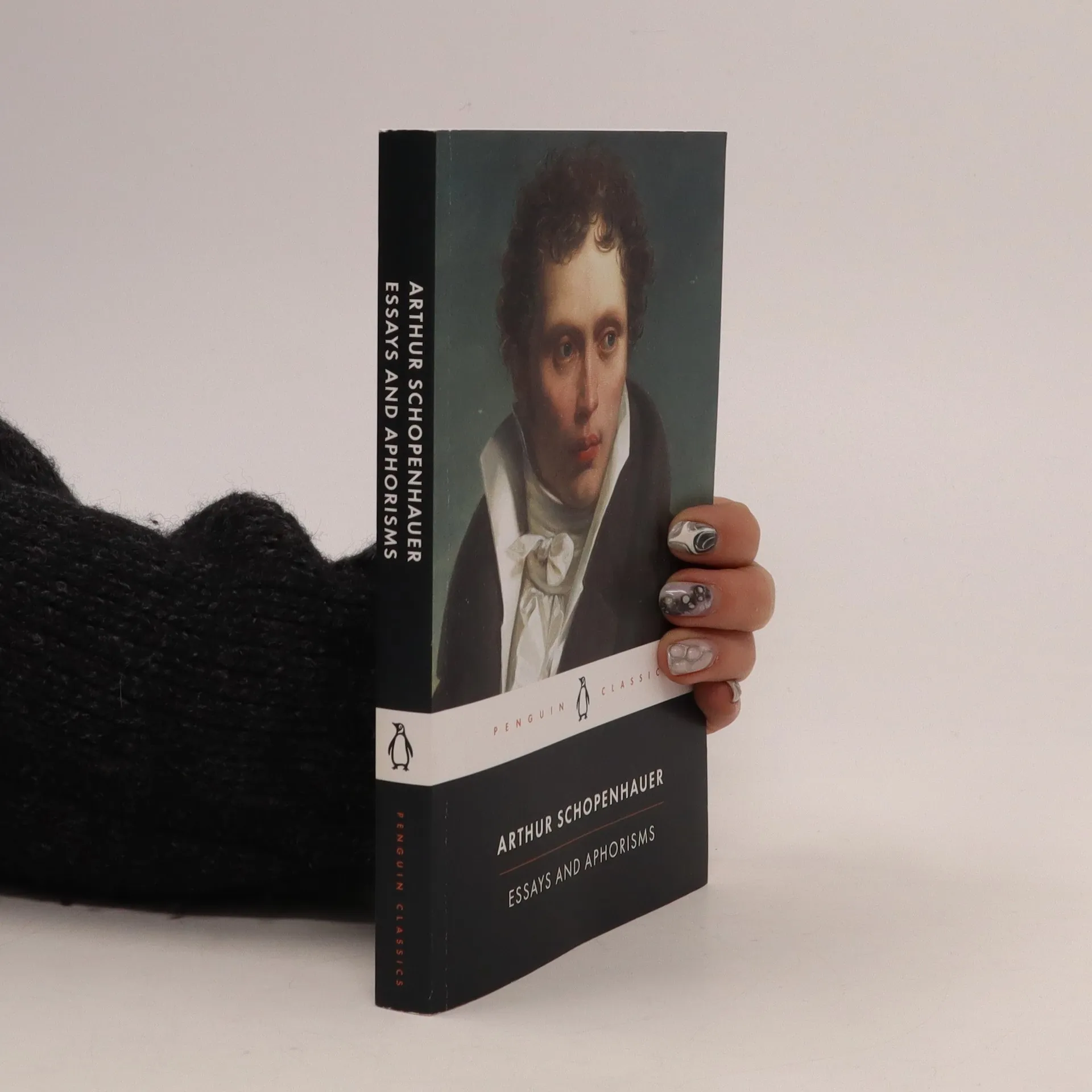
    • With the publication of Parerga and Paralipomena in 1851, there finally came some measure of the fame that Schopenhauer thought was his due. Described by Schopenhauer himself as 'incomparably more popular than everything up till now', Parerga is a miscellany of essays addressing themes that complement his work The World as Will and Representation, along with more divergent, speculative pieces. It includes essays on method, logic, the intellect, Kant, pantheism, natural science, religion, education, and language. The present volume offers a new translation, a substantial introduction explaining the context of the essays, and extensive editorial notes on the different published versions of the work. This readable and scholarly edition will be an essential reference for those studying Schopenhauer, the history of philosophy, and nineteenth-century German philosophy.

      Parerga and Paralipomena: Short philosophical essays. Volume 2
    • With the publication of the Parerga and Paralipomena in 1851, there finally came some measure of the fame that Schopenhauer thought was his due. Described by Schopenhauer himself as 'incomparably more popular than everything up till now', the Parerga is a miscellany of essays addressing themes that complement his work The World as Will and Representation, along with more divergent, speculative pieces. It includes his 'Aphorisms on the Wisdom of Life', reflections on fate and clairvoyance, trenchant views on the philosophers and universities of his day, and an enlightening survey of the history of philosophy. The present volume offers a new translation, a substantial introduction explaining the context of the essays, and extensive editorial notes on the different published versions of the work. This readable and scholarly edition will be an essential reference for those studying Schopenhauer, the history of philosophy, and nineteenth-century German philosophy.

      Parerga und Paralipomena: Short philosophical essays. Volume 1
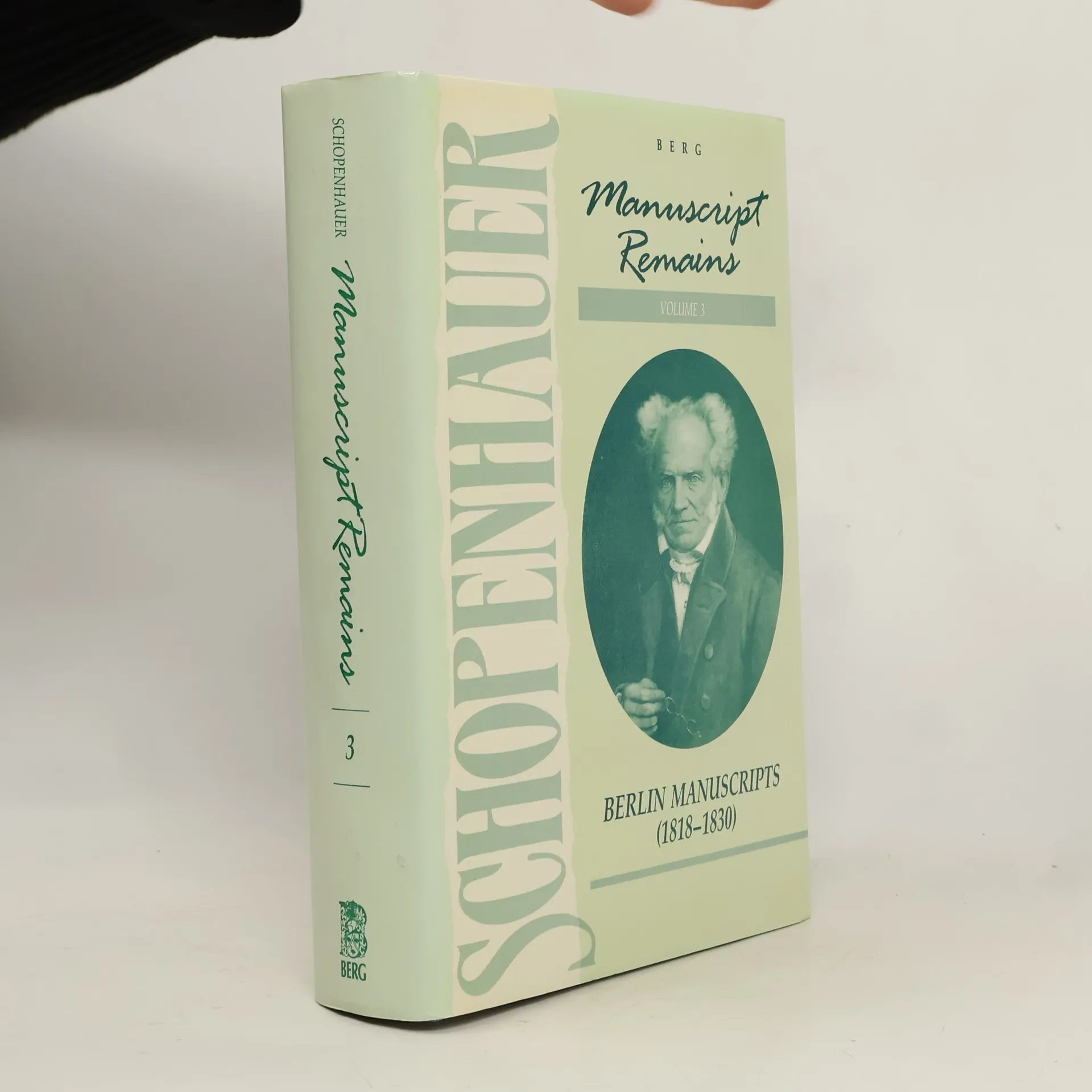
    • This historico-critical edition of Schopenhauer's manuscript remains contains Schopenhauer's entire surviving philosophical notes, from his university years until his death in 1860. Translated here into English for the first time, it provides a fascinating insight into the workings of Schopenhauer's mind and an important key to his philosophical work. Translated by E.F.J. Payne

      Manuscript remains 3
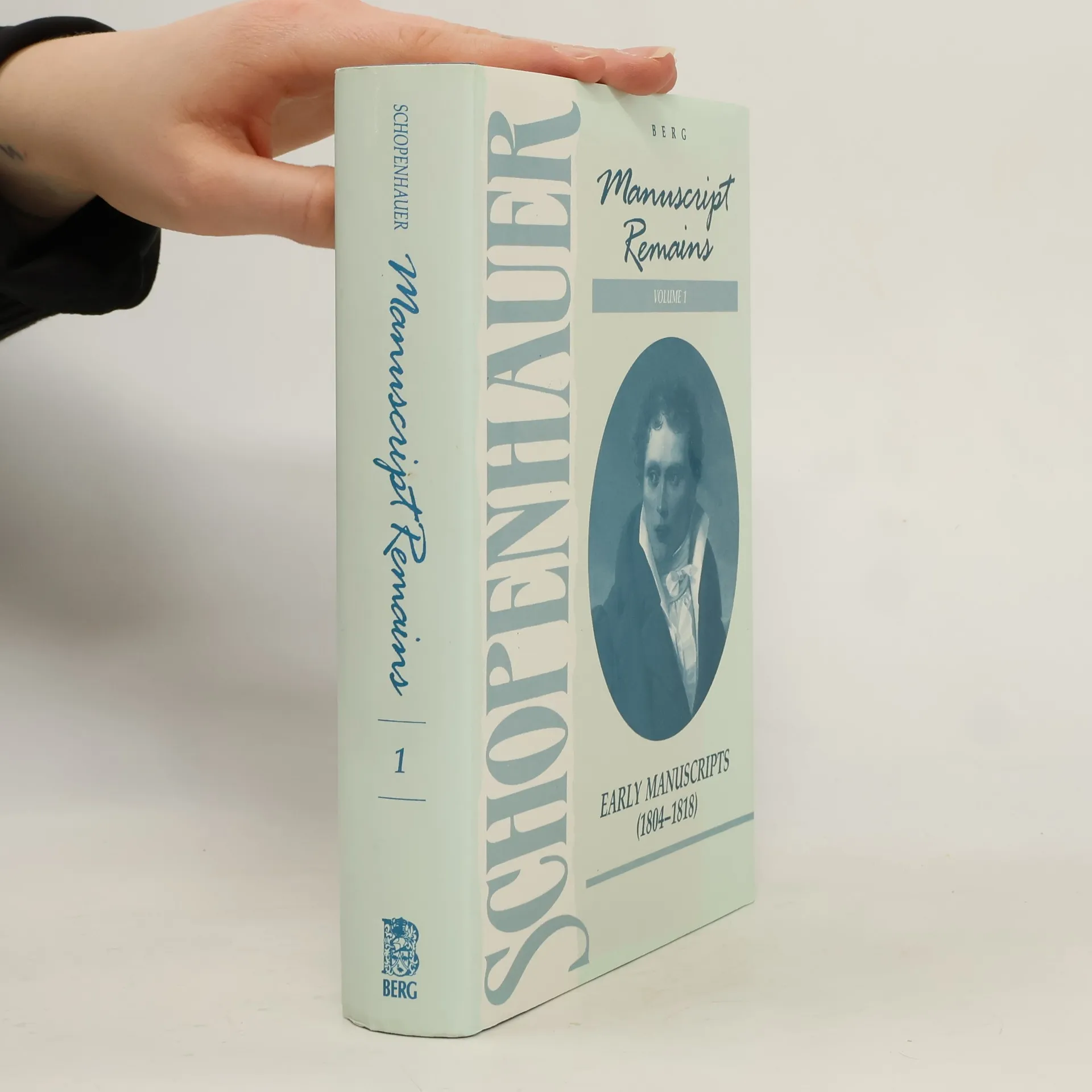
    • This historico-critical edition of Schopenhauer's manuscript remains contains Schopenhauer's entire surviving philosophical notes, from his university years until his death in 1860. Translated here into English for the first time, it provides a fascinating insight into the workings of Schopenhauer's mind and an important key to his philosophical work.Translated by E.F.J. Payne.

      Manuscript remains 1
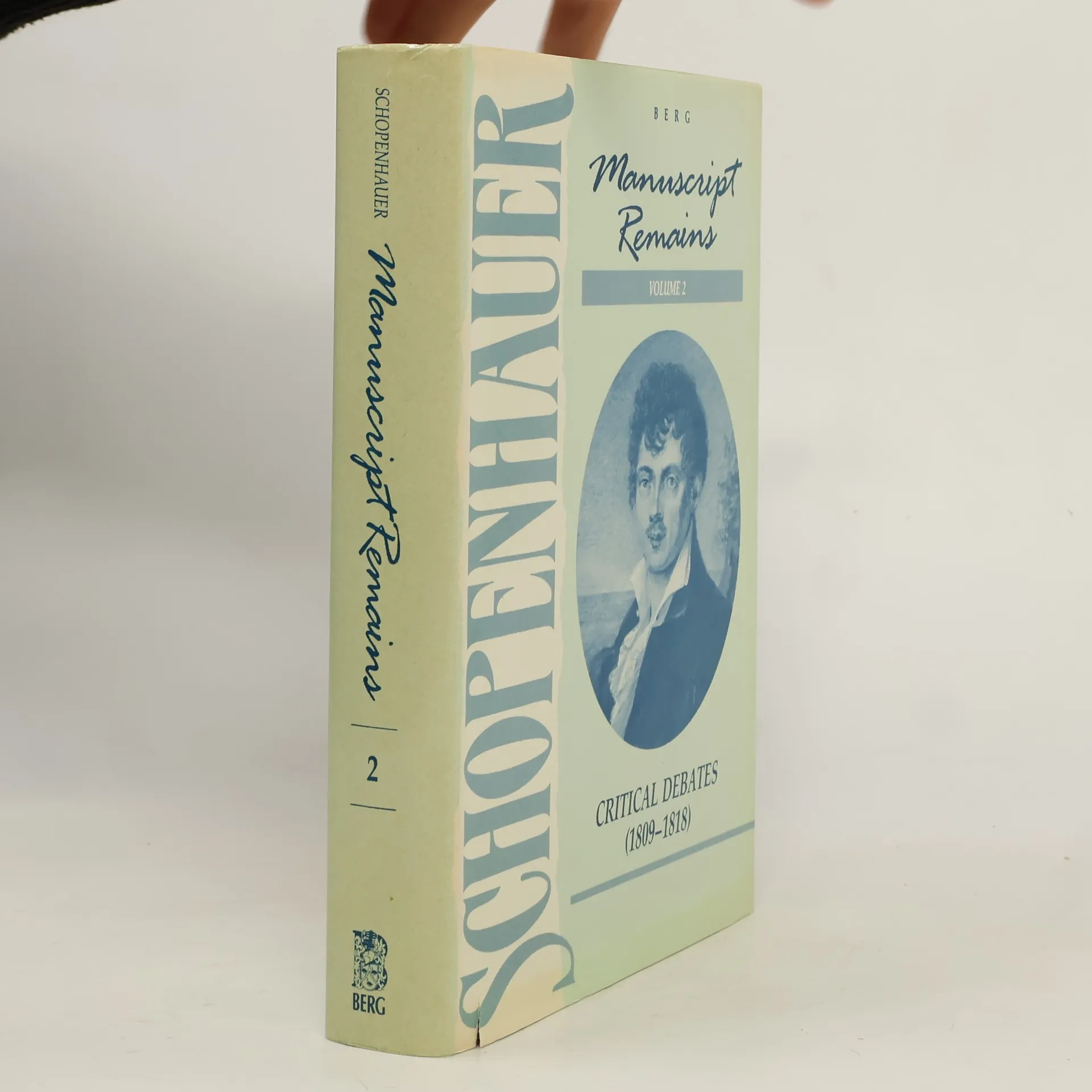
    • This historico-critical edition of Schopenhauer's manuscript remains contains Schopenhauer's entire suviving philosophical notes, from his university years until his death in 1860. Translated here into English for the first time, it provides a fascinating insight into the workings of Schopenhauer's mind and an important key to his philosophical work.

      Manuscript remains 2
    • The Wisdom of Life; & Counsels and Maxims

      • 160 páginas
      • 6 horas de lectura

      Exploring profound themes such as possessions, reputation, and the nature of desire, Arthur Schopenhauer presents a candid analysis of the human condition in his works. He introduces the concept of "will" as a driving force that leads to suffering through relentless desires. Schopenhauer argues that true happiness can only be achieved by renouncing these impulses, offering a pragmatic solution to life's challenges. His engaging writing style and sharp wit make these philosophical insights accessible and thought-provoking.

      The Wisdom of Life; & Counsels and Maxims