
Bookbot

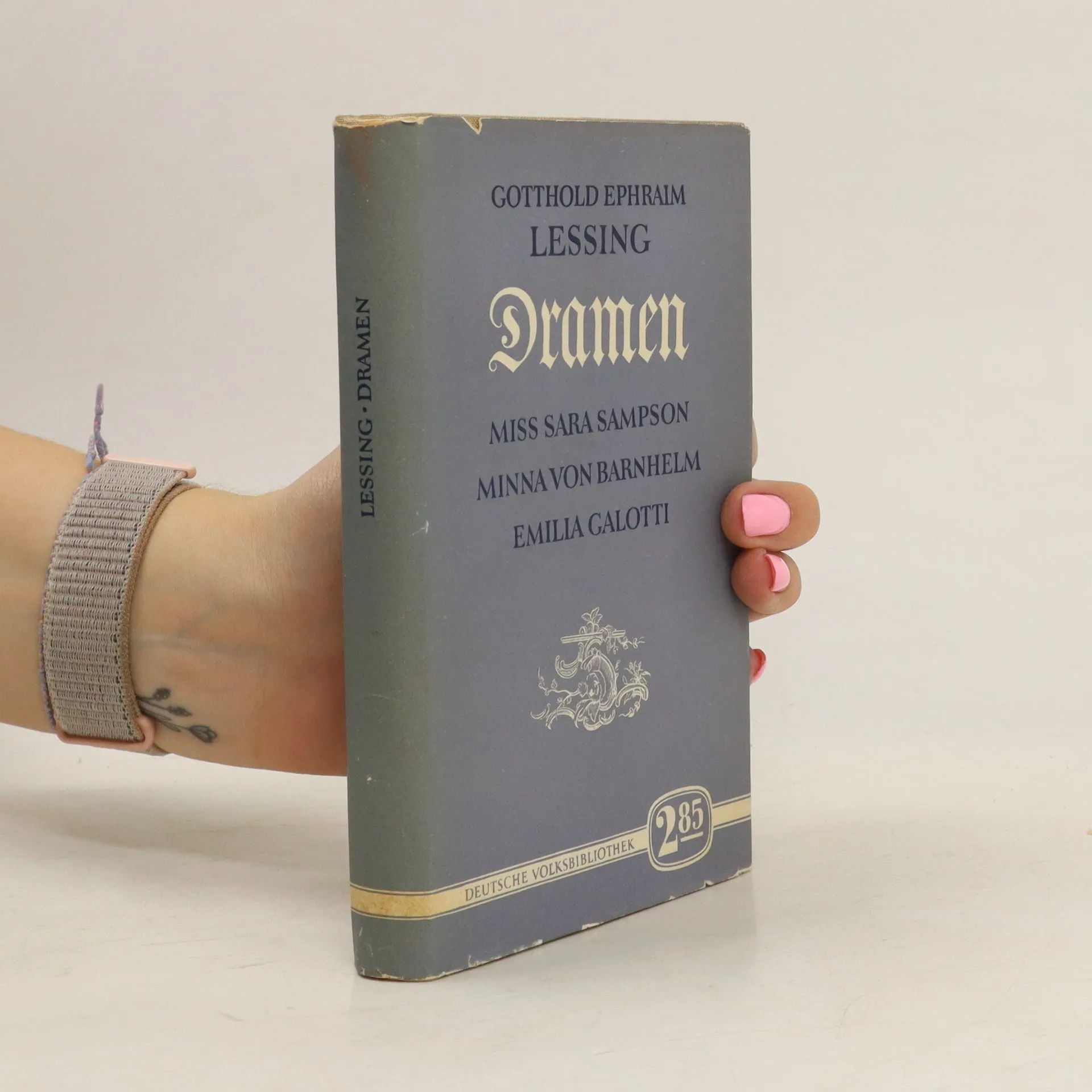
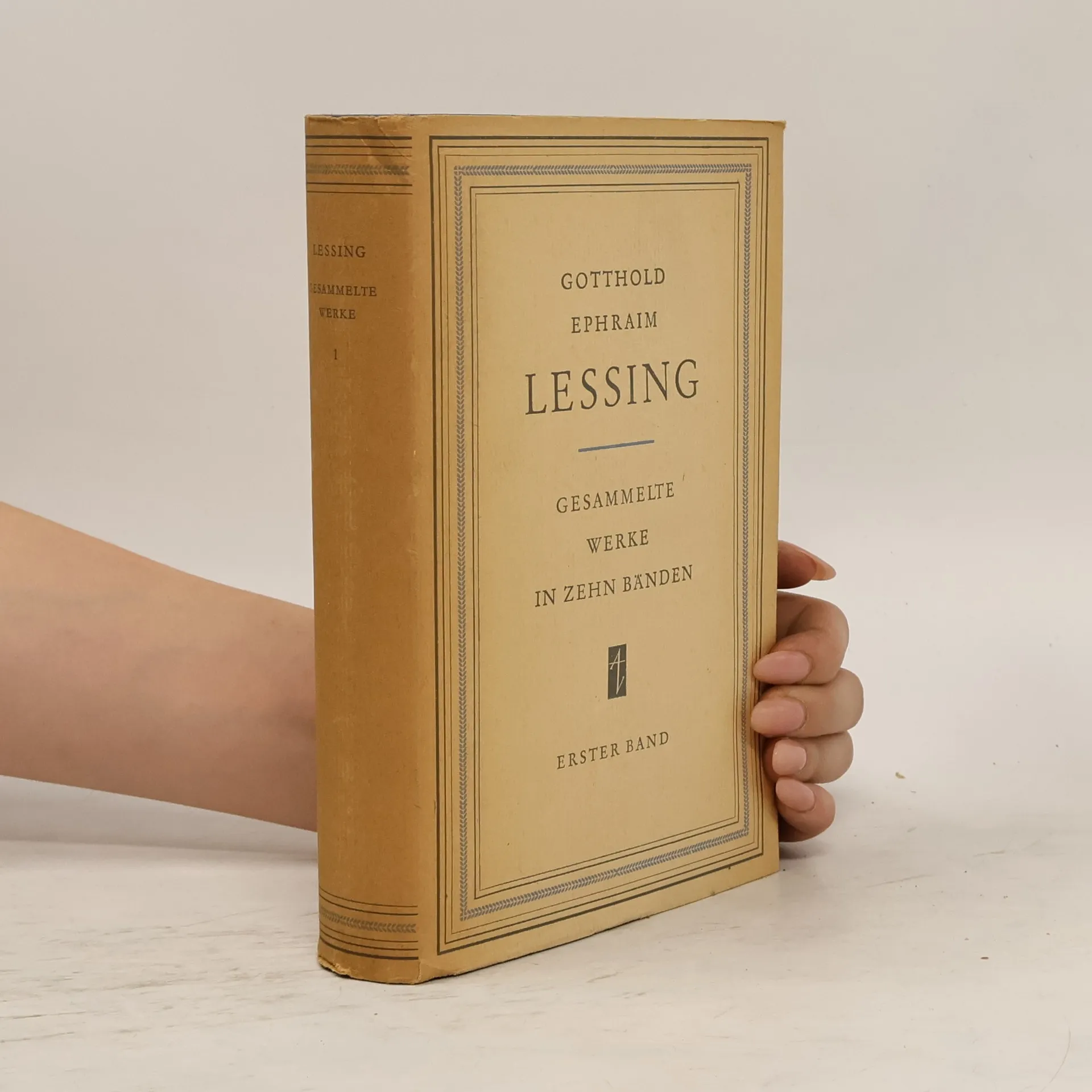
Gotthold Ephraim Lessing

    22 de enero de 1729 – 15 de febrero de 1781

    Gotthold Ephraim Lessing fue una figura clave de la Ilustración alemana, dejando una marca indeleble en la literatura y la filosofía. Sus obras de teatro y escritos teóricos, caracterizados por el ingenio y la ironía, influyeron profundamente en el desarrollo del drama alemán. Lessing empleó magistralmente el diálogo para explorar ideas desde múltiples perspectivas, considerando la verdad como un proceso continuo de aproximación. Defendió la evolución del teatro burgués, y sus obras siguen siendo arquetipos del drama alemán posterior.

    Gotthold Ephraim Lessing
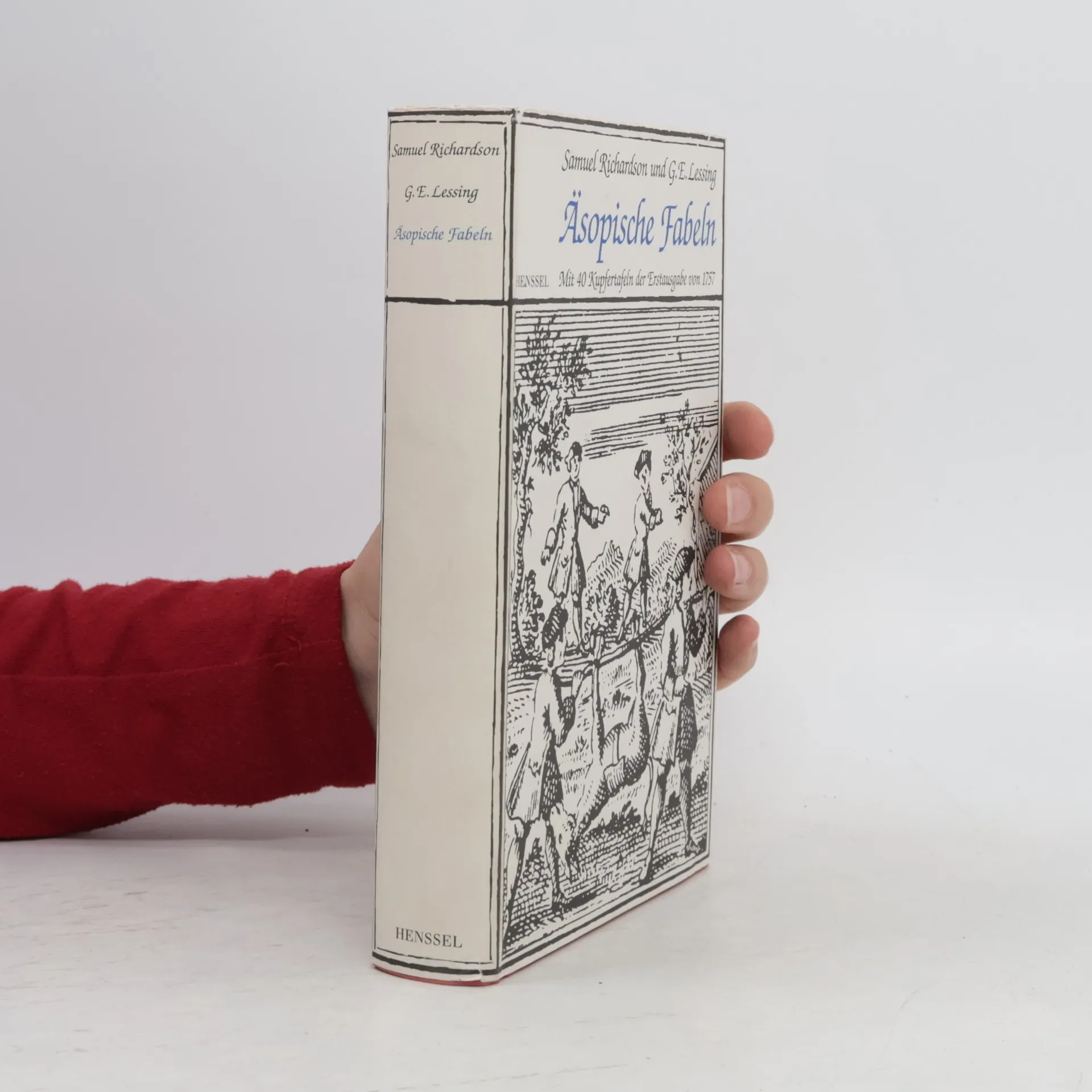
    Lessing's Fables
    Laocoön; Nathan the Wise & Minna Von Barnhelm
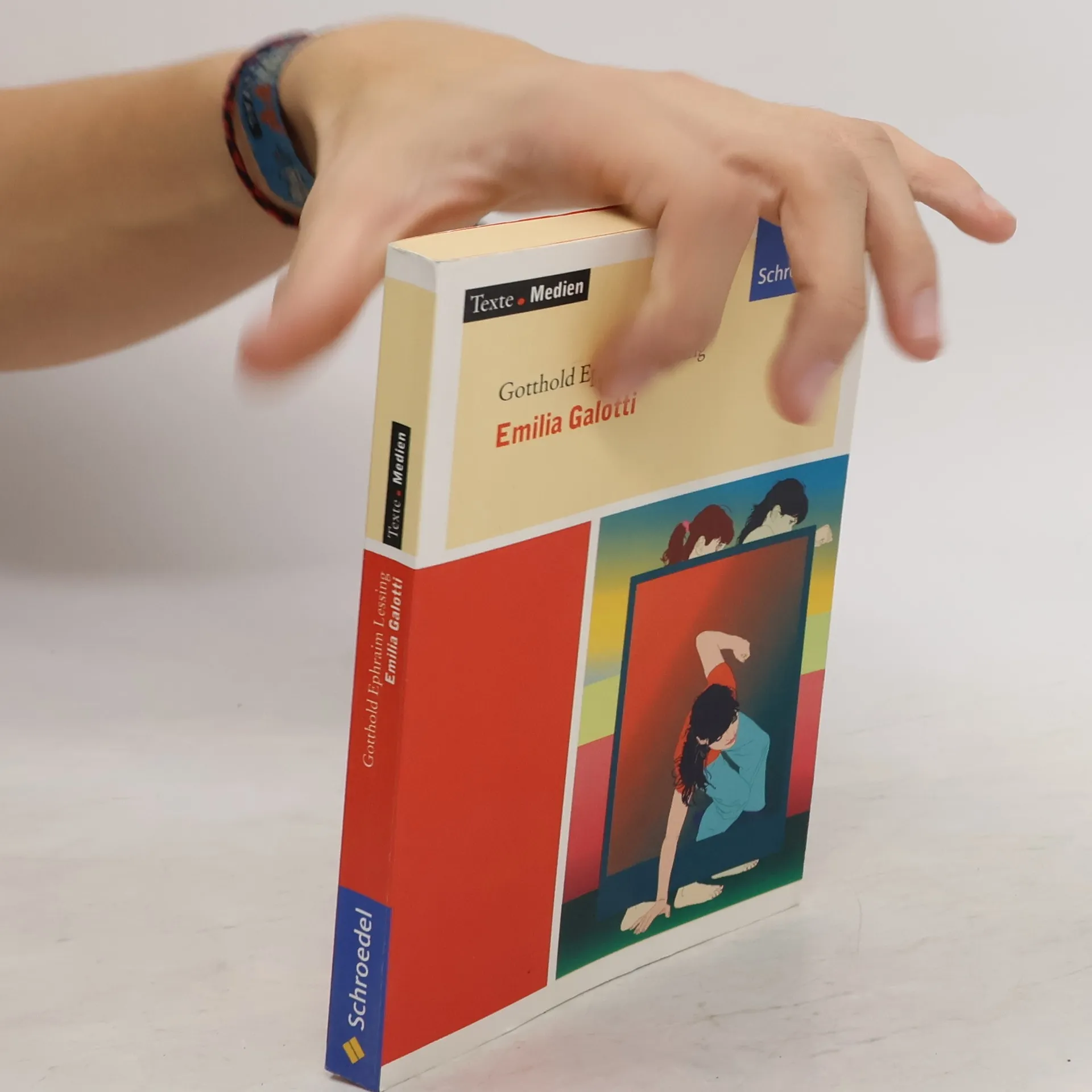
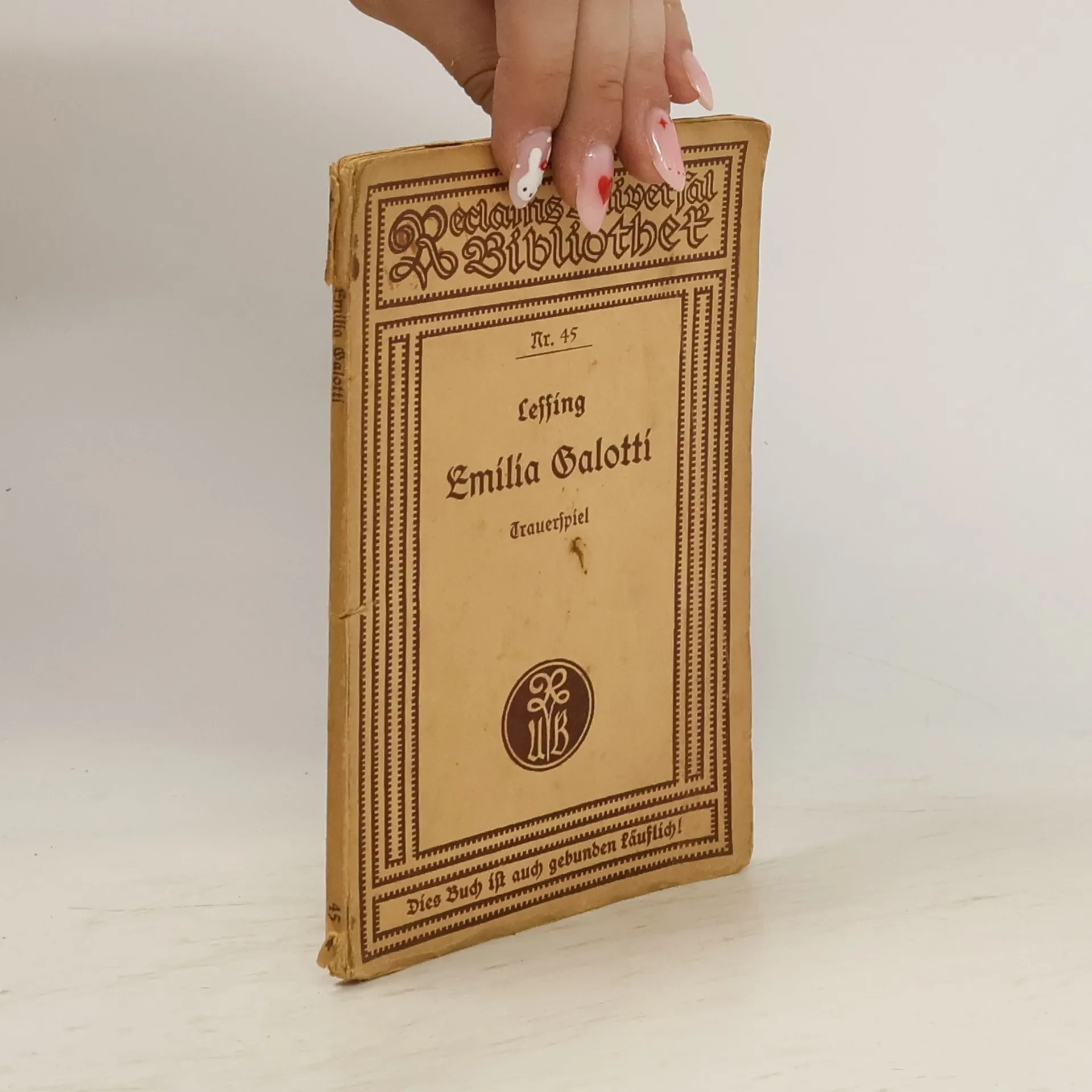
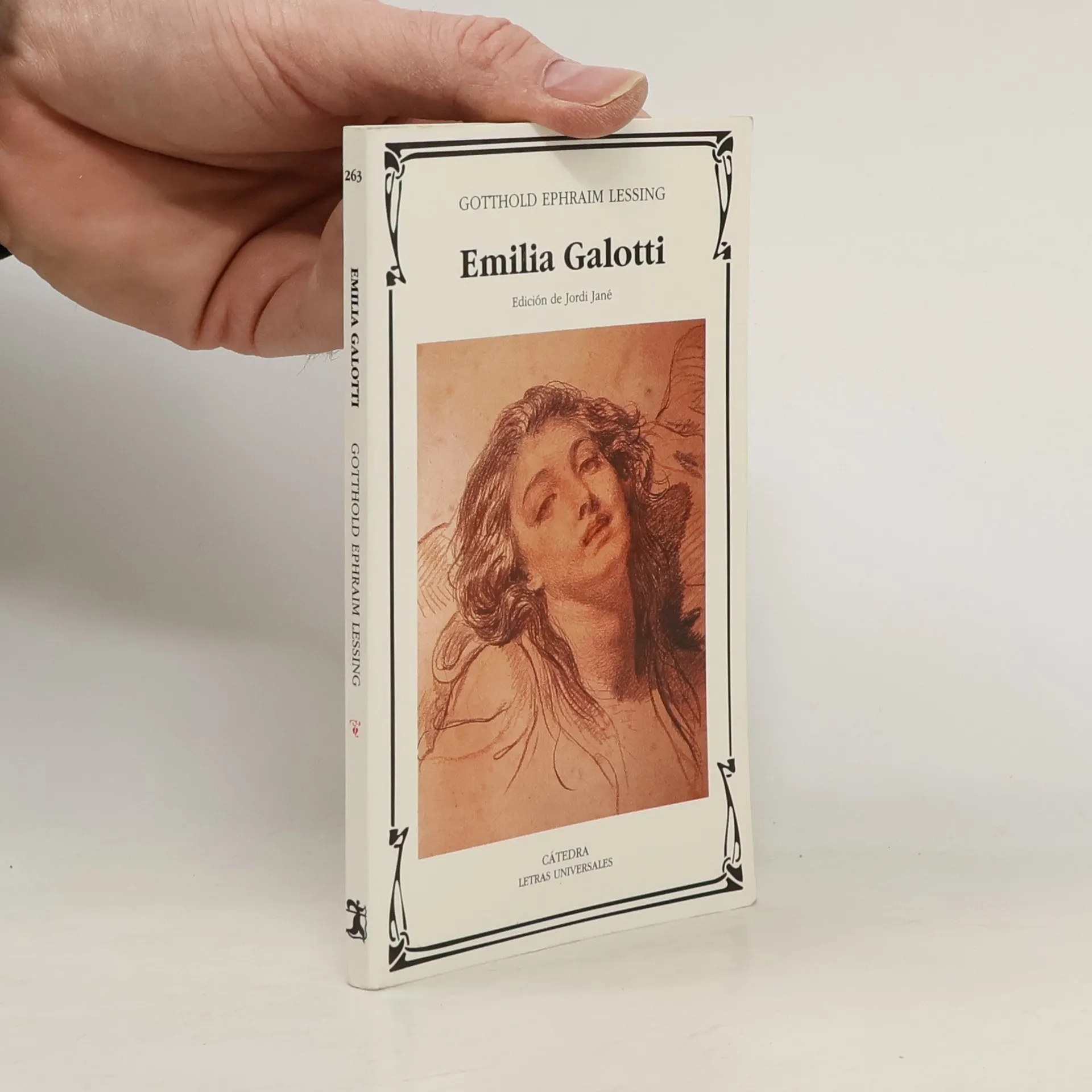
    Emilia Galotti
    Laocoon : an essay upon the limits of painting and poetry
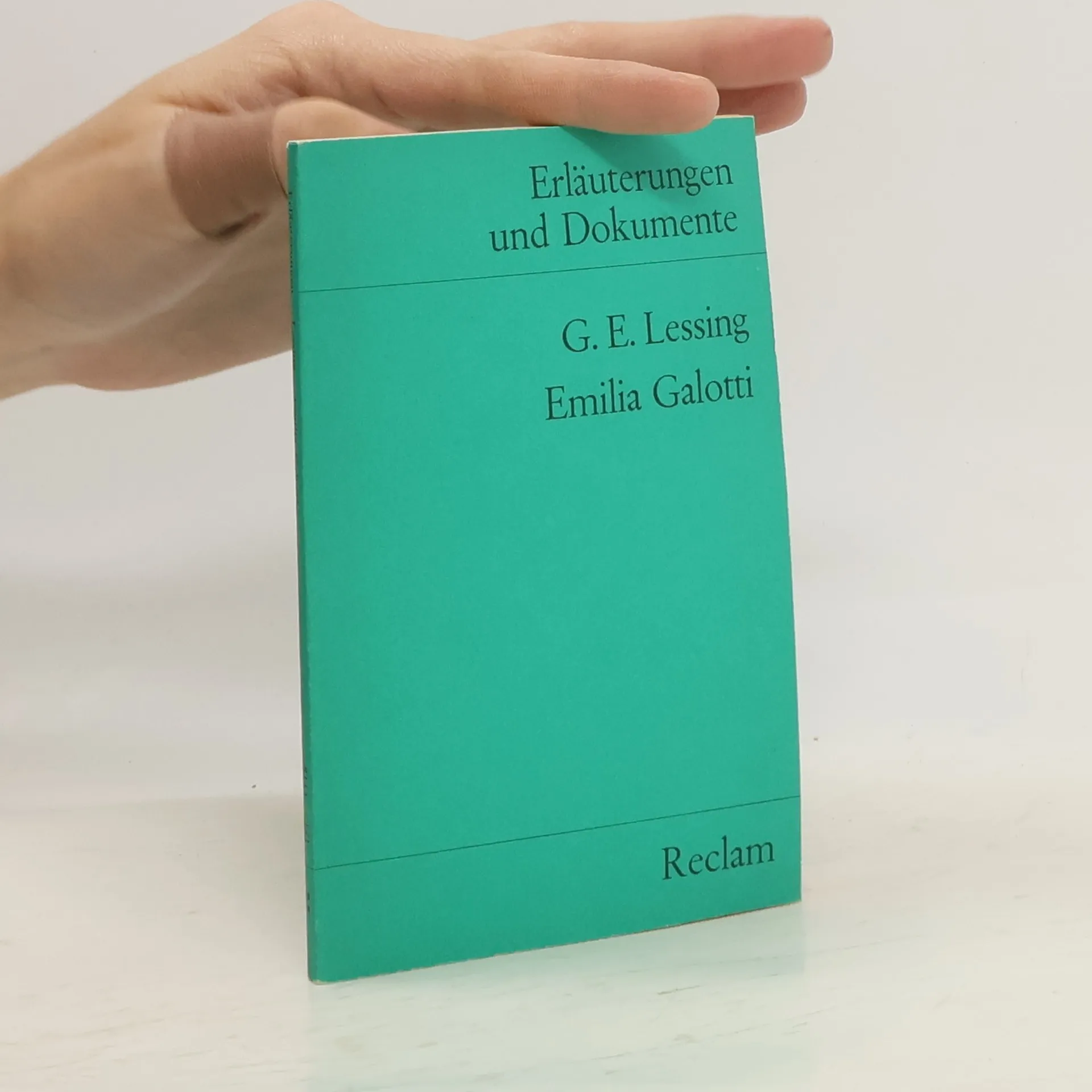
    Letras Universales: Emilia Galotti
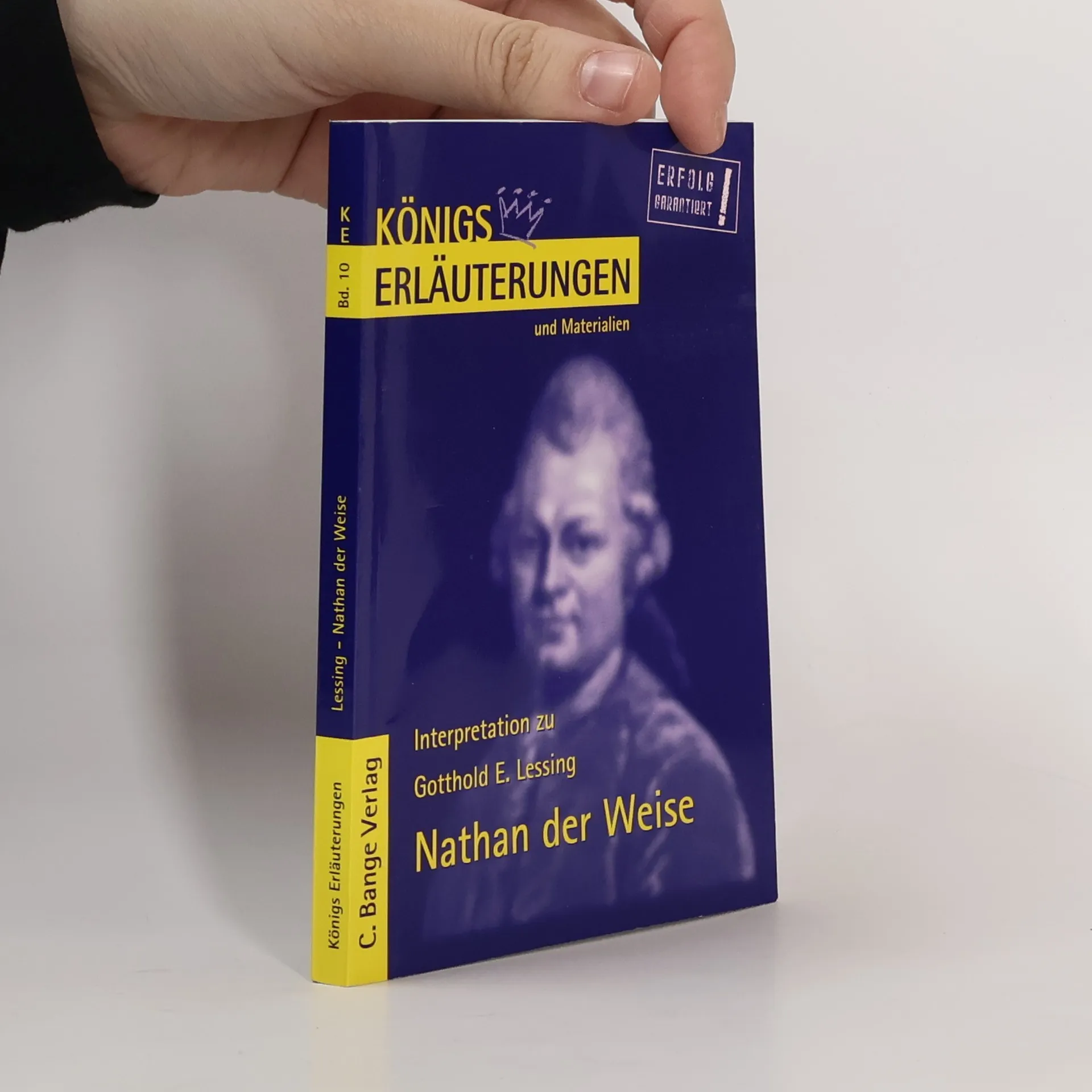
    Nathan el sabio
    • Nathan el sabio

      • 160 páginas
      • 6 horas de lectura

      Nueva traducción de una de las grandes obras de la literatura alemana de la Ilustración, cuyo mensaje de tolerancia sigue manteniendo toda su vigencia.

      Nathan el sabio
      2,7
    • Letras Universales: Emilia Galotti

      • 165 páginas
      • 6 horas de lectura

      Mit dem 1772 erschienenen und uraufgeführten Drama Emilia Galotti schuf Gotthold Ephraim Lessing eines der bedeutendsten Beispiele für die Gattung des bürgerlichen Trauerspiels. Das Stück, das zu den Schlüsselwerken der Aufklärung und Empfindsamkeit gehört sowie als eines der ersten politischen Dramen der deutschen Literatur gilt, übt scharfe Kritik an der Willkürherrschaft des Adels. Dieser Macht kann das Bürgertums nur seine höhere Moral entgegensetzen. Die geplante Hochzeit der bürgerlichen Emilia Galotti mit dem ehrenhaften Grafen Appiani wird von Hettore Gonzaga, dem regierenden Prinzen von Guastalla, hintertrieben; nicht nur für Emilia endet die Intrige schließlich tödlich. In Emilia Galotti verzichtete Lessing –anders als noch in Miss Sara Sampson – auf allzu viel Emotionen und rührselige Elemente. Nachdenklich, nicht (nur) gerührt, soll das Publikum das Theater verlassen.
      Letras Universales: Emilia Galotti
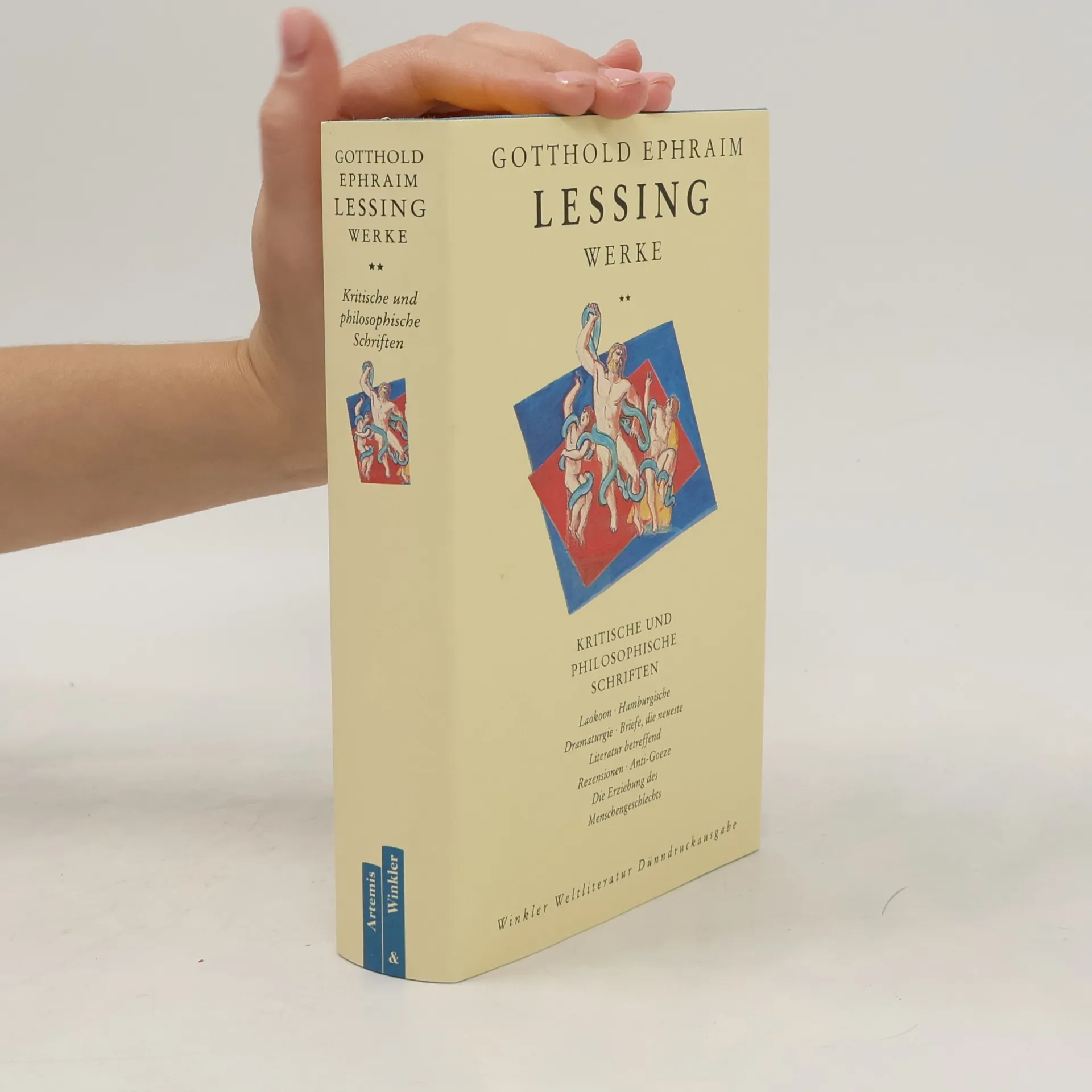
    • According to Greek mythology, Laocoon was a Trojan priest who, along with his two sons, offended the gods. As punishment, the three were strangled by sea serpents. The discovery in 1506 of an ancient Greek sculpture showing the three figures in their death agony not only gave rise to renewed interest in the classical period but also created repercussions in the art world. It was this work of art that German dramatist and critic Gotthold Lessing used as a point of reference for his essay Laocoon. Originally published in 1766, Lessing's inspired meditation on the distinguishing characteristics of painting and poetry became a turning point in the study of Western art. His essay on the origins, forms, and influences of these art forms aided in framing modern conceptions of the artistic medium and helped establish modernist views of the uniqueness of the individual arts. A breakthrough vision in aesthetics, Laocoon is essential reading for anyone interested in poetry, art history, and the fine arts.

      Laocoon : an essay upon the limits of painting and poetry
      3,8
    • Laocoön; Nathan the Wise & Minna Von Barnhelm

      • 326 páginas
      • 12 horas de lectura

      Selected for its cultural significance, this work contributes to the foundational knowledge of civilization. It is recognized by scholars for its importance in understanding historical and societal contexts, making it a valuable resource for those interested in the evolution of human thought and culture.

      Laocoön; Nathan the Wise & Minna Von Barnhelm
    • Lessing's Fables

      In Prose And Verse (1887)

      • 140 páginas
      • 5 horas de lectura

      Featuring 112 fables that convey moral lessons, this collection showcases the storytelling talents of Gotthold Ephraim Lessing through both prose and verse. The narratives, populated by animal characters, explore themes of life, morality, and human behavior, making them timeless classics in German literature. Originally published in 1887, this facsimile reprint preserves the cultural significance of the work while aiming to make it accessible to modern readers. Ideal for those interested in fables and morality tales, it remains a valuable resource for study and enjoyment.

      Lessing's Fables
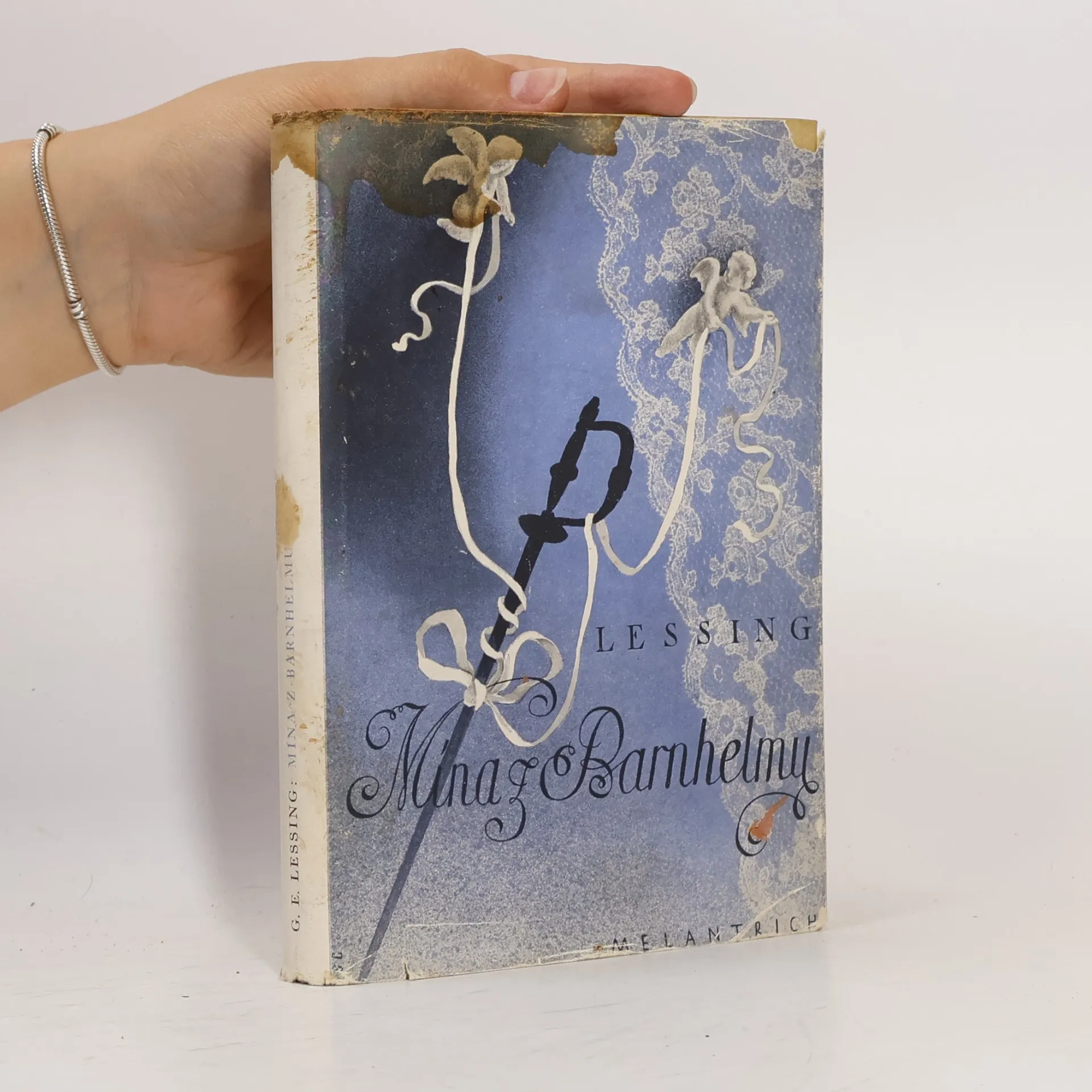
    • Minna Von Barnhelm

      in large print

      • 220 páginas
      • 8 horas de lectura

      This publication focuses on making historical works accessible to individuals with impaired vision through large print. Megali, the publishing house behind this initiative, specializes in reproducing these significant texts, ensuring that important literature remains available to a wider audience.

      Minna Von Barnhelm
      3,3
    • This edition of the drama is based on the last reprint published during the poet's lifetime, designated as 1772 d, following three earlier versions from the same year. Notably, a manuscript in the poet's handwriting, held at the Royal Library in Berlin, offers a superior text in four instances, which the editor has incorporated. The manuscript features the phrase "non etwab anherm," while the reprint states "non' etmae anbem." Additionally, the manuscript uses "tie jungen Beute," contrasting with the reprint's "hie innge Route." The manuscript's form "netbirbt" is preferred over the reprint's "oerberbt," which has since been replaced by "verbitbt." Lastly, the manuscript reads "ibn mifien Iafien," while the reprint opts for the now-obsolete "ibm." Other significant variant readings from the manuscript are noted throughout the text. Forgotten Books publishes numerous rare and classic works, utilizing advanced technology to digitally reconstruct texts and preserve original formats while addressing imperfections. Although some flaws from the original may appear in this edition, most are repaired to maintain the integrity of these historical works.

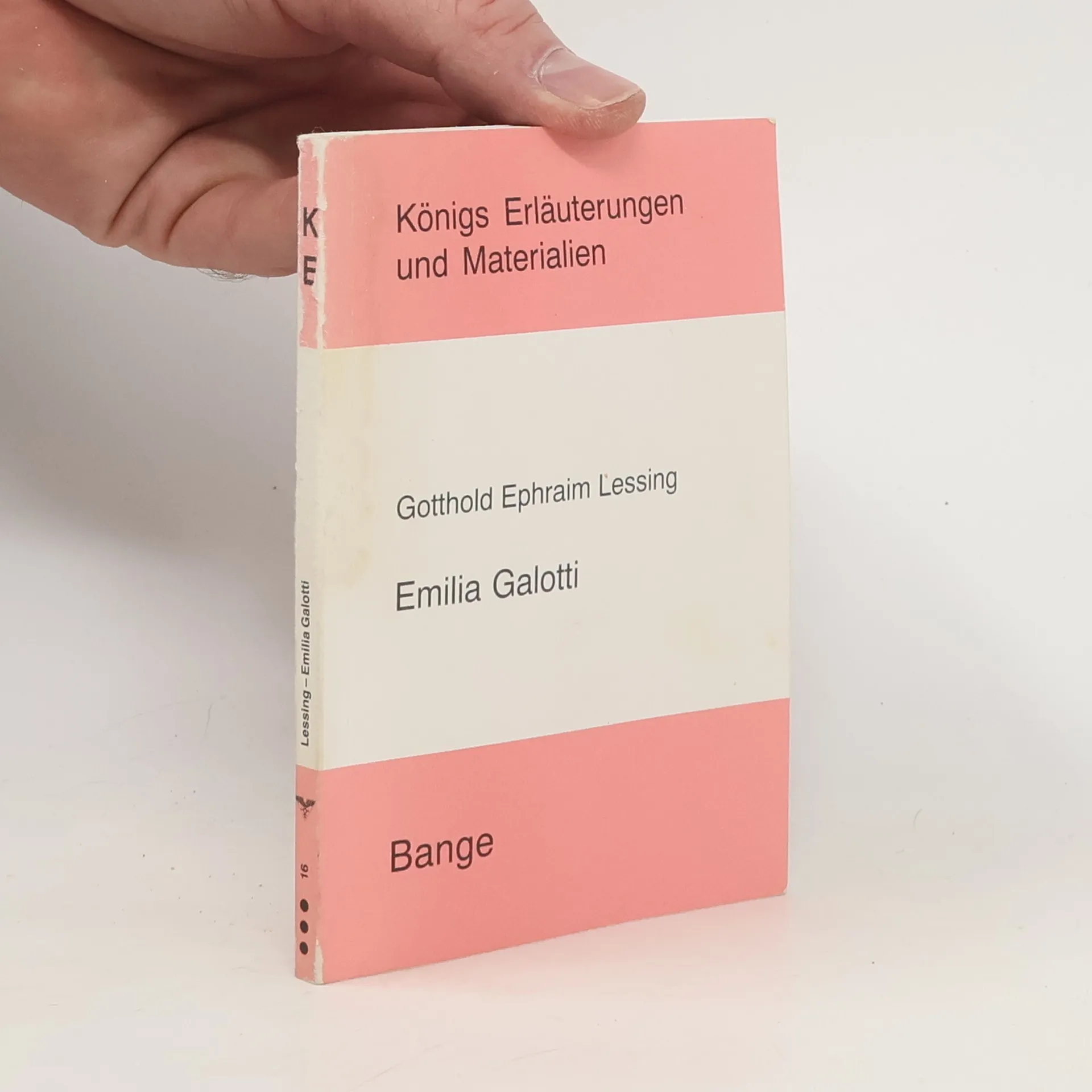
      Königs Erläuterungen und Materialien - 16: Emilia Galotti
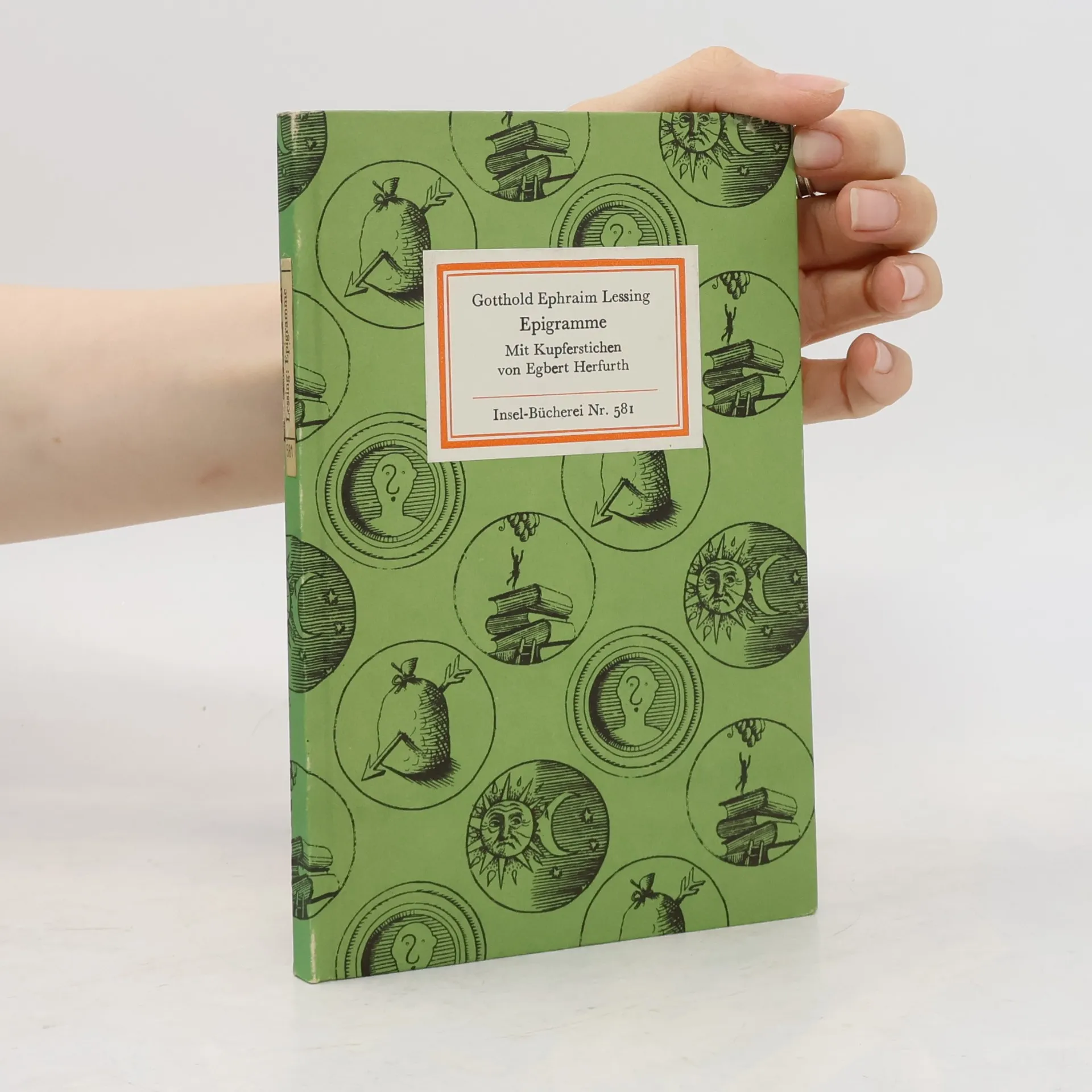
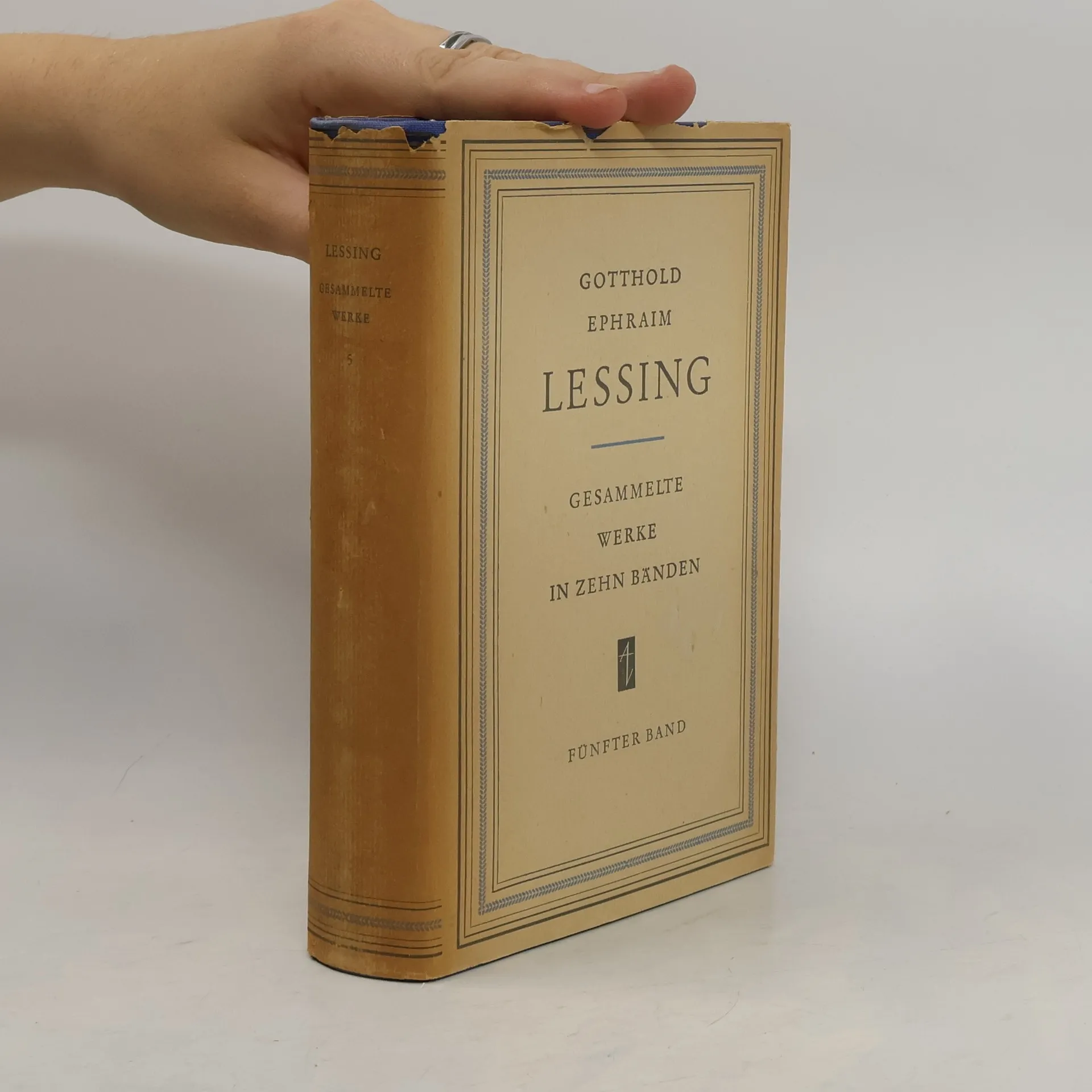
    • Die Sinngedichte thematisieren die Beziehung zwischen dem Leser und dem Autor, wobei der Autor Klopstock lobt und gleichzeitig die Frage aufwirft, ob dessen Werke tatsächlich von allen gelesen werden. Es wird ein Wunsch geäußert, weniger erhaben, dafür zugänglicher und ansprechender für die Leser zu sein. Die Gedichte reflektieren somit über die Literatur und die Erwartungen an Autoren und Leser in einem anregenden Dialog.
      Sinngedichte
      5,0