Compra 10 libros por 10 € aquí!
Bookbot

Pierre Bourdieu

    1 de agosto de 1930 – 23 de enero de 2002

    Pierre Bourdieu fue un sociólogo fundamental que investigó las dinámicas de poder y las relaciones sociales a través de marcos innovadores. Sus conceptos pioneros, como capital cultural, social y simbólico, habitus y campo, proporcionan herramientas para comprender cómo se construyen las cosmovisiones y operan las estructuras sociales. Bourdieu rechazó la noción del intelectual como profeta, integrando en cambio el análisis teórico con datos empíricos para conciliar la interacción entre las estructuras sociales externas y la experiencia individual.

    Pierre Bourdieu
    On the State
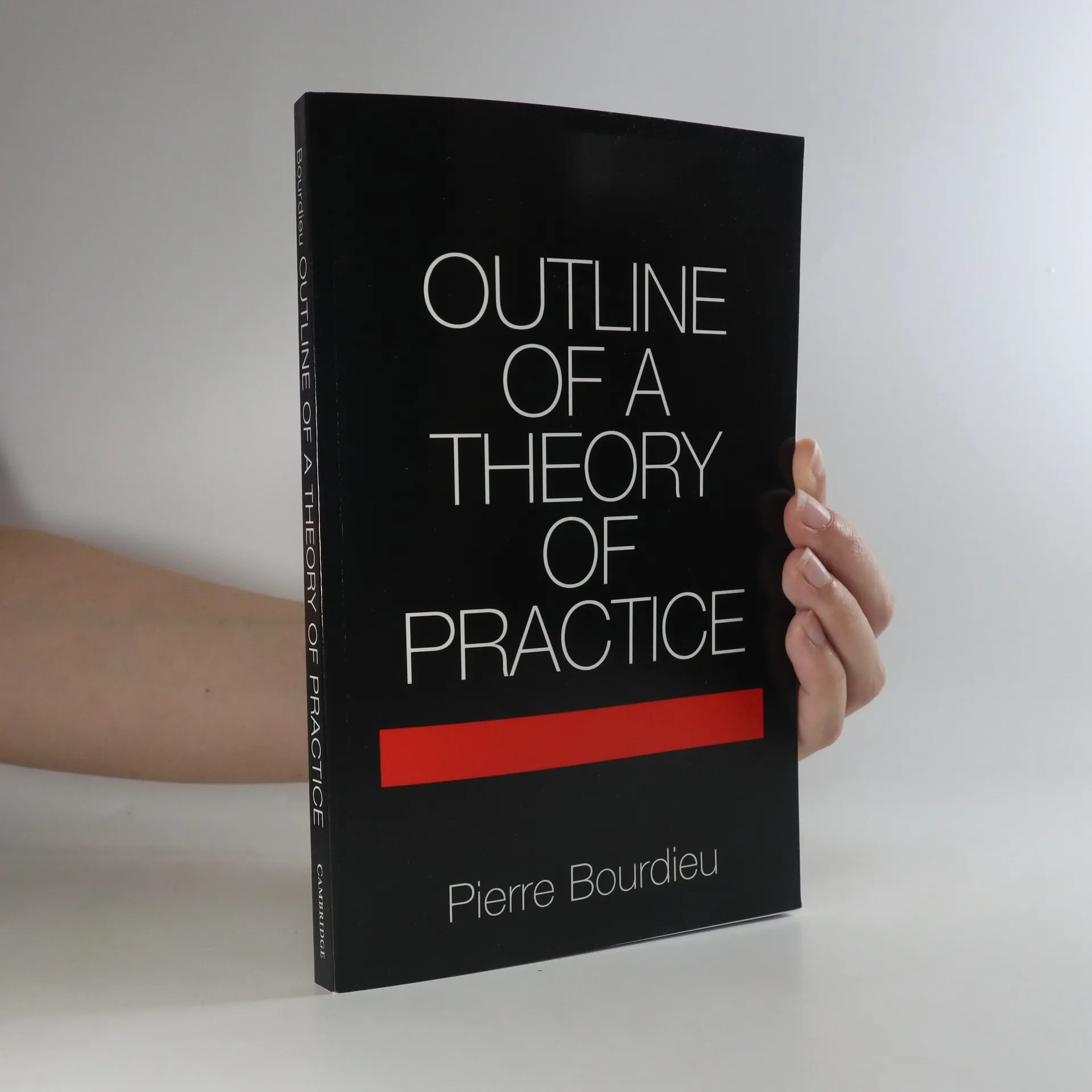
    The Logic of Practice
    Manet
    Pascalian Meditations
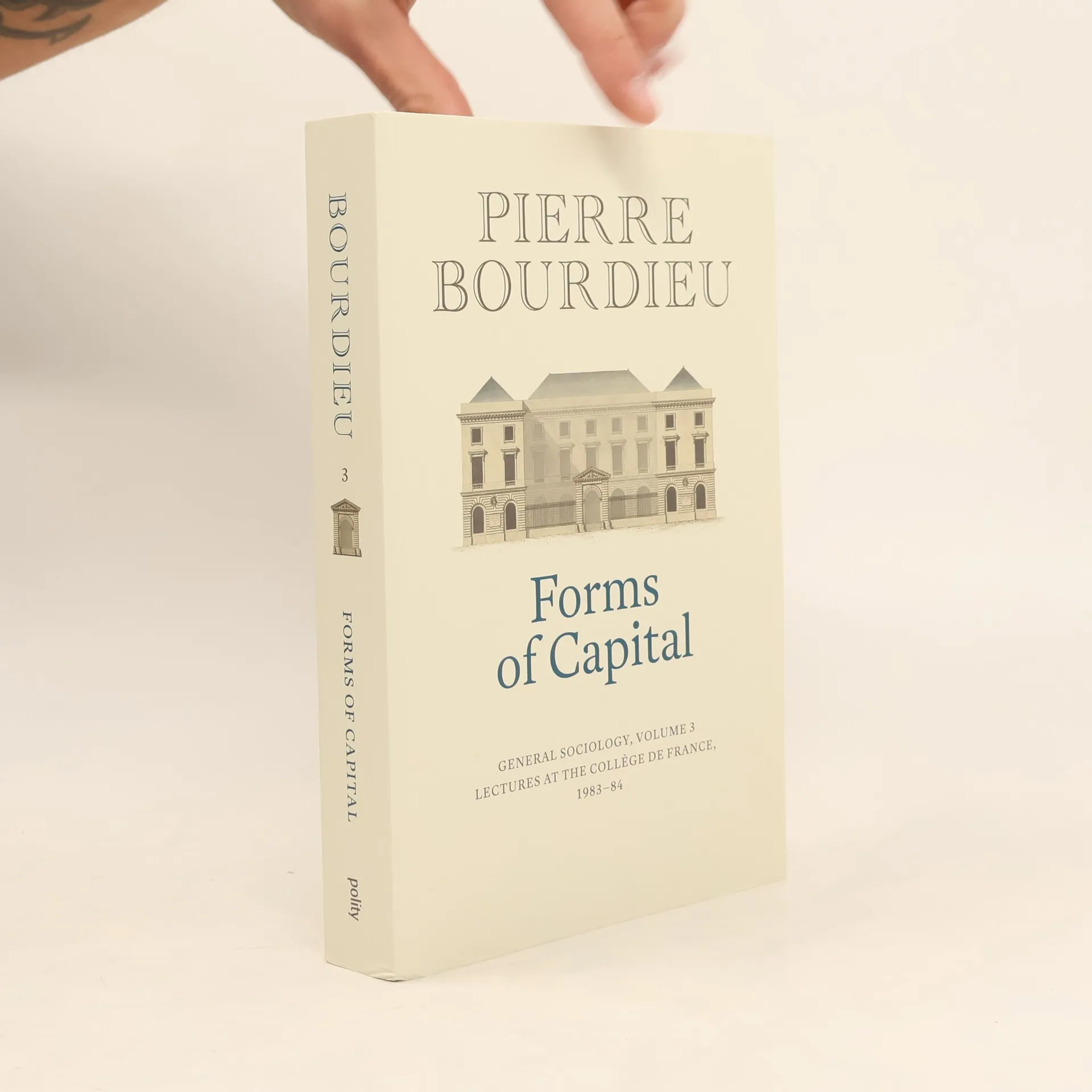
    Forms of Capital
    Sobre la televisión
    • Sobre la televisión

      • 144 páginas
      • 6 horas de lectura

      "On Television" exposes the invisible mechanisms of manipulation and censorship that determine what appears on the small screen. Bourdieu shows how the ratings game has transformed journalism -- and hence politics -- and even such seemingly removed fields as law, science, art, and philosophy. Bourdieu had long been concerned with the role of television in cultural and political life when he bypassed the political and commercial control of the television networks and addressed his country's viewers from the television station of the College de France. "On Television," which expands on that lecture, not only describes the limiting and distorting effect of television on journalism and the world of ideas, but offers the blueprint for a counterattack.

      Sobre la televisión
    • aeoA major new work by Bourdieu containing one of his most important and systematic theoretical statements. aeoThe book develops a powerful critique of scholarly reason, as a form of thought which is rooted in the special conditions of scholasticism. schovat popis

      Pascalian Meditations
    • Manet

      • 586 páginas
      • 21 horas de lectura

      What is a 'symbolic revolution'? What happens when a symbolic revolutions occurs, how can it succeed and prevail and why is it so difficult to understand? Using the exemplary case of Edouard Manet, Pierre Bourdieu began to ponder these questions as early as the 1980s, before making it the focus of his lectures in his last years at the College de France. This volume of Bourdieu's previously unpublished lectures provides his most sustained contribution to the sociology of art and the analysis of cultural fields. It is also a major contribution to our understanding of impressionism and the works of Manet. Bourdieu treats the paintings of Manet as so many challenges to the conservative academicism of the pompier painters, the populism of the Realists, the commercial eclecticism of genre painting, and even the 'Impressionists', showing that such a revolution is inseparable from the conditions that allow fields of cultural production to emerge. At a time when the Academy was in crisis and when the increase in the number of painters challenged the role of the state in defining artistic value, the break that Manet inaugurated revolutionised the aesthetic order.0

      Manet
    • New in paperback. The hardback sold well. This is Bourdieu's most important and systematic statement of his general theoretical approach. All of his key concepts are presented, defined and illustrated. Bourdieu has international renown as one of the most original theorists in the social sciences.

      The Logic of Practice
    • On the State

      • 480 páginas
      • 17 horas de lectura

      "What is the nature of the modern state? How did it come into being and what are the characteristics of this distinctive field of power that has come to play such a central role in the shaping of all spheres of social, political and economic life? In this major work the great sociologist Pierre Bourdieu addresses these fundamental questions. ..." -- From back cover

      On the State
    • This volume brings together Bourdieu's highly original writings on language and on the relations between language, power and politics. Bourdieu develops a forceful critique of traditional approaches to language, including the linguistic theories of Saussure and Chomsky and the theory of speech-acts elaborated by Austin and others.

      Language and Symbolic Power
    • � Pierre Bourdieu is one of the world's leading social theorists. � His other books have all been enthusiastically received and sold well. � This is an excellent introduction to Pierre Bourdieu's work and also includes an up- to-date bibliography.

      An Invitation to Reflexive Sociology