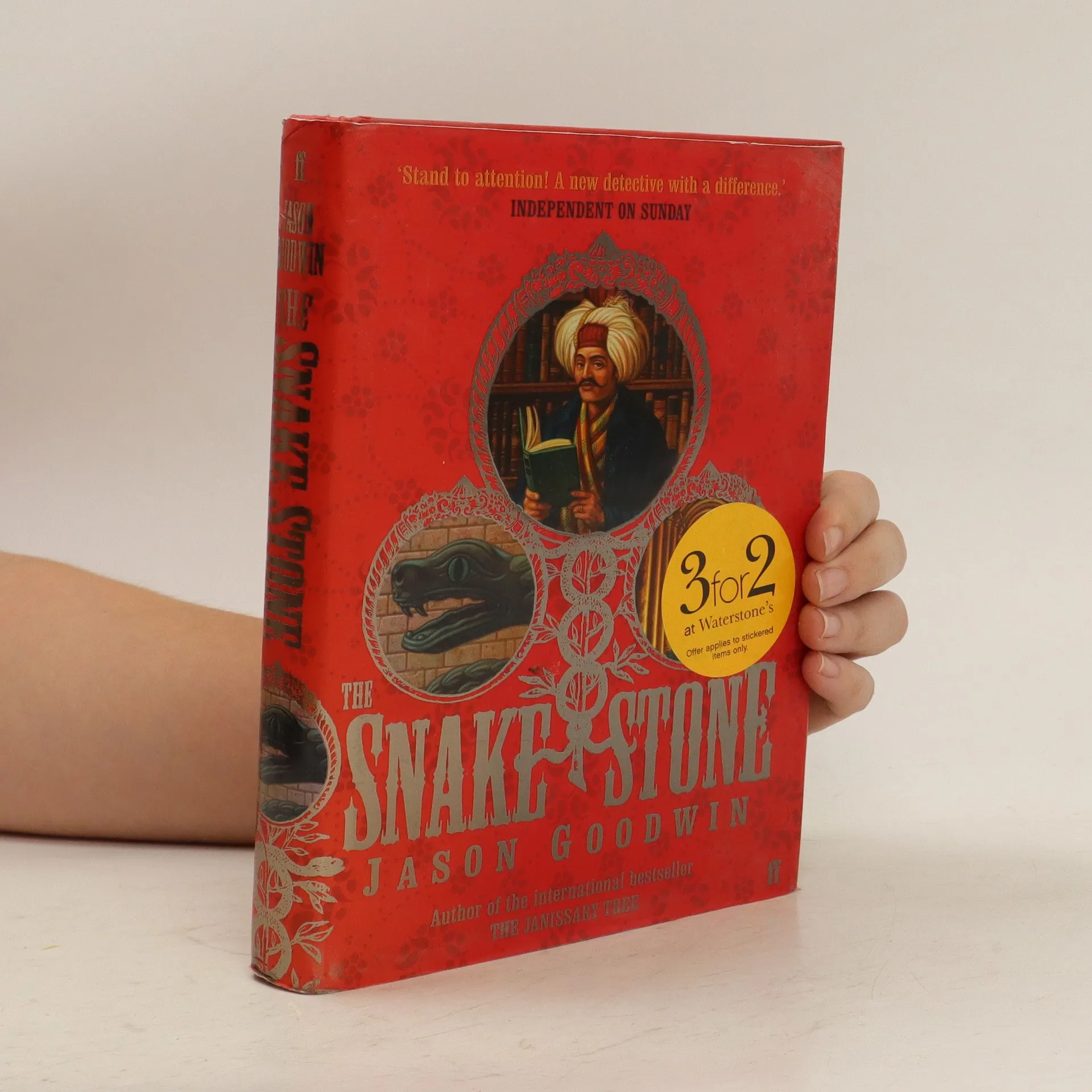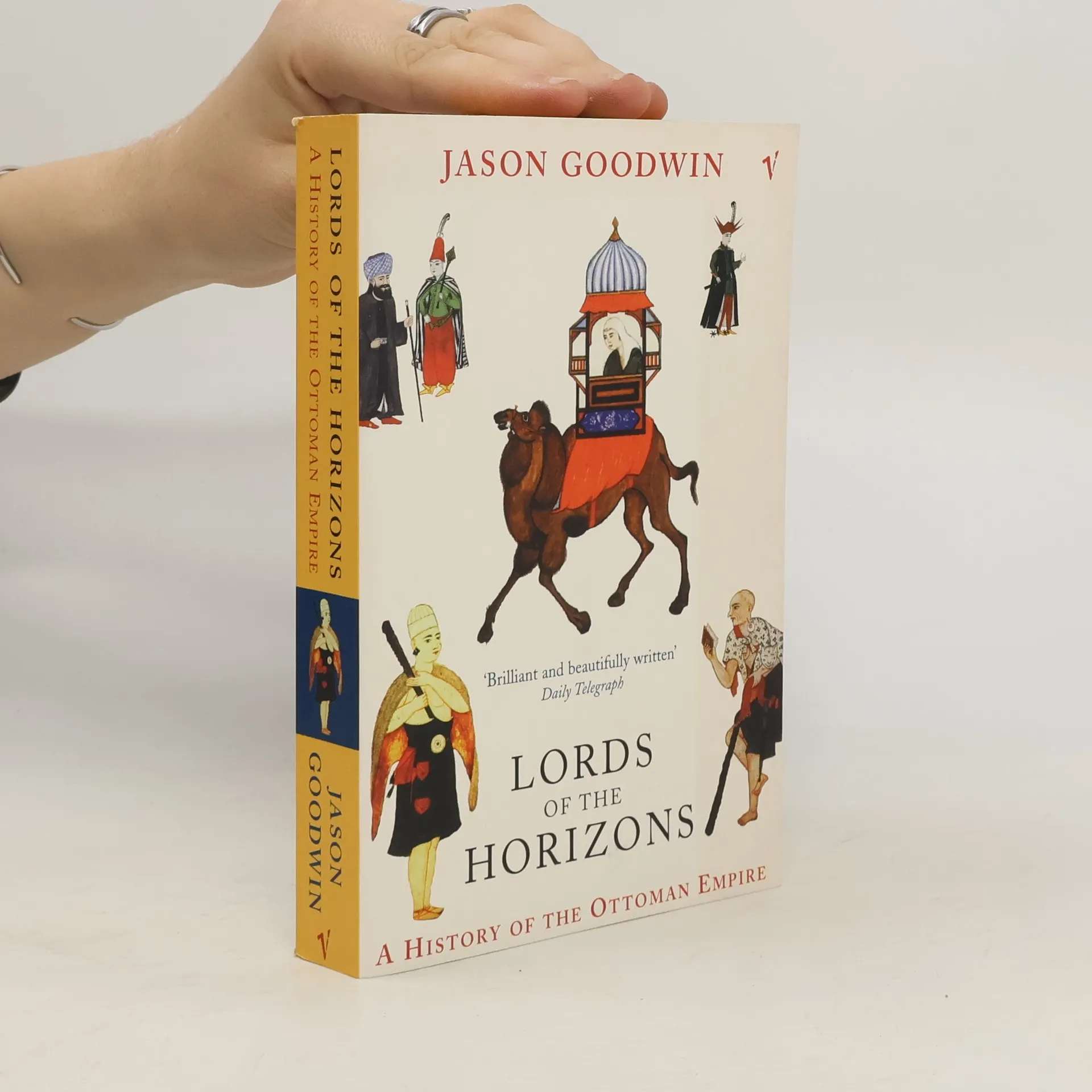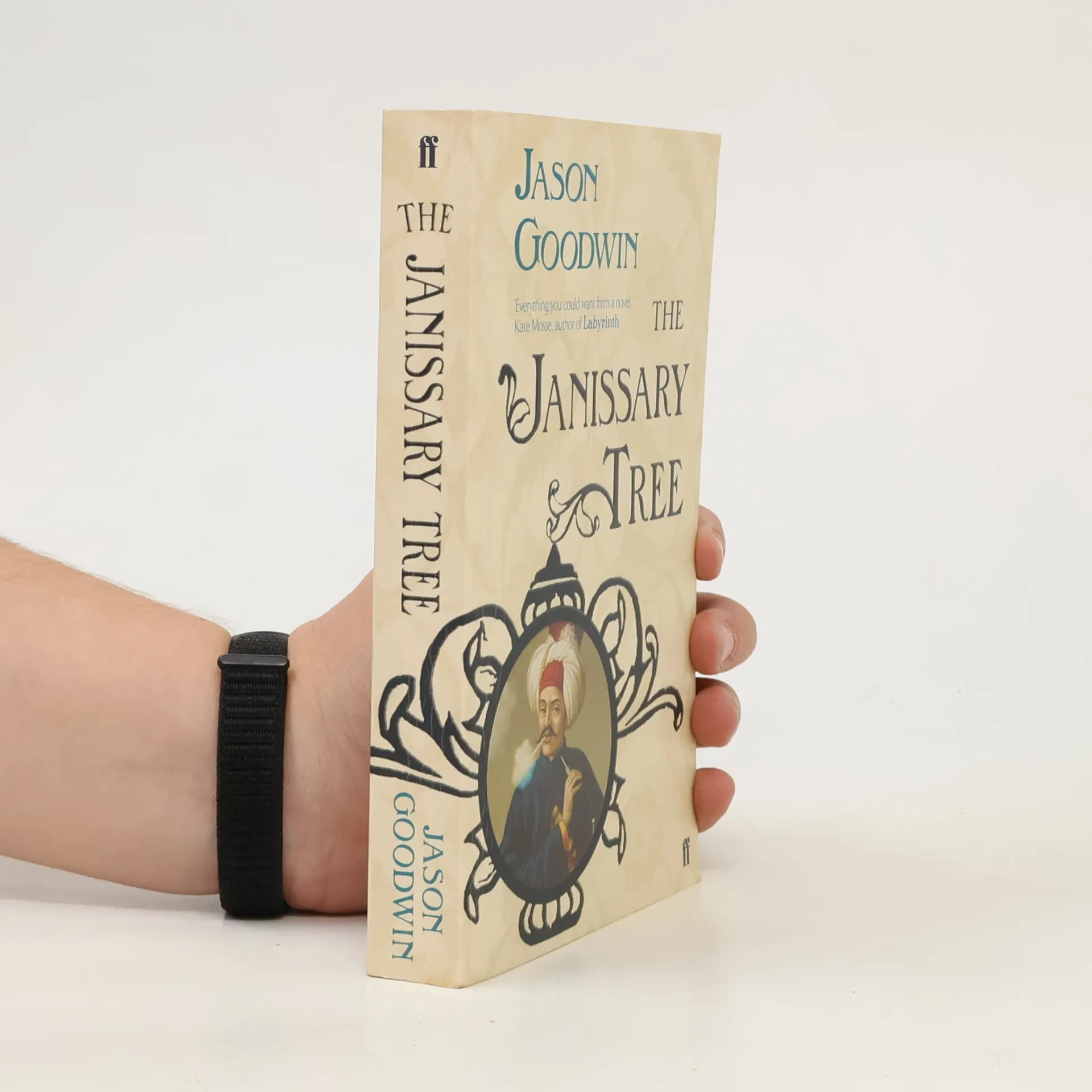


Jason Goodwin crea narrativas cautivadoras que profundizan en el rico tapiz de la historia bizantina y los paisajes culturales del Medio Oriente. Sus obras son celebradas por sus vívidas descripciones y una asombrosa habilidad para transportar a los lectores a épocas pasadas, en particular al cautivador mundo del Imperio Otomano. La prosa de Goodwin combina magistralmente la precisión histórica con el impulso narrativo, estableciéndolo como un narrador distintivo. Su serie de misterio, protagonizada por un detective en el Estambul del siglo XIX, ha obtenido reconocimiento internacional por su atmósfera evocadora y sus tramas interesantes.
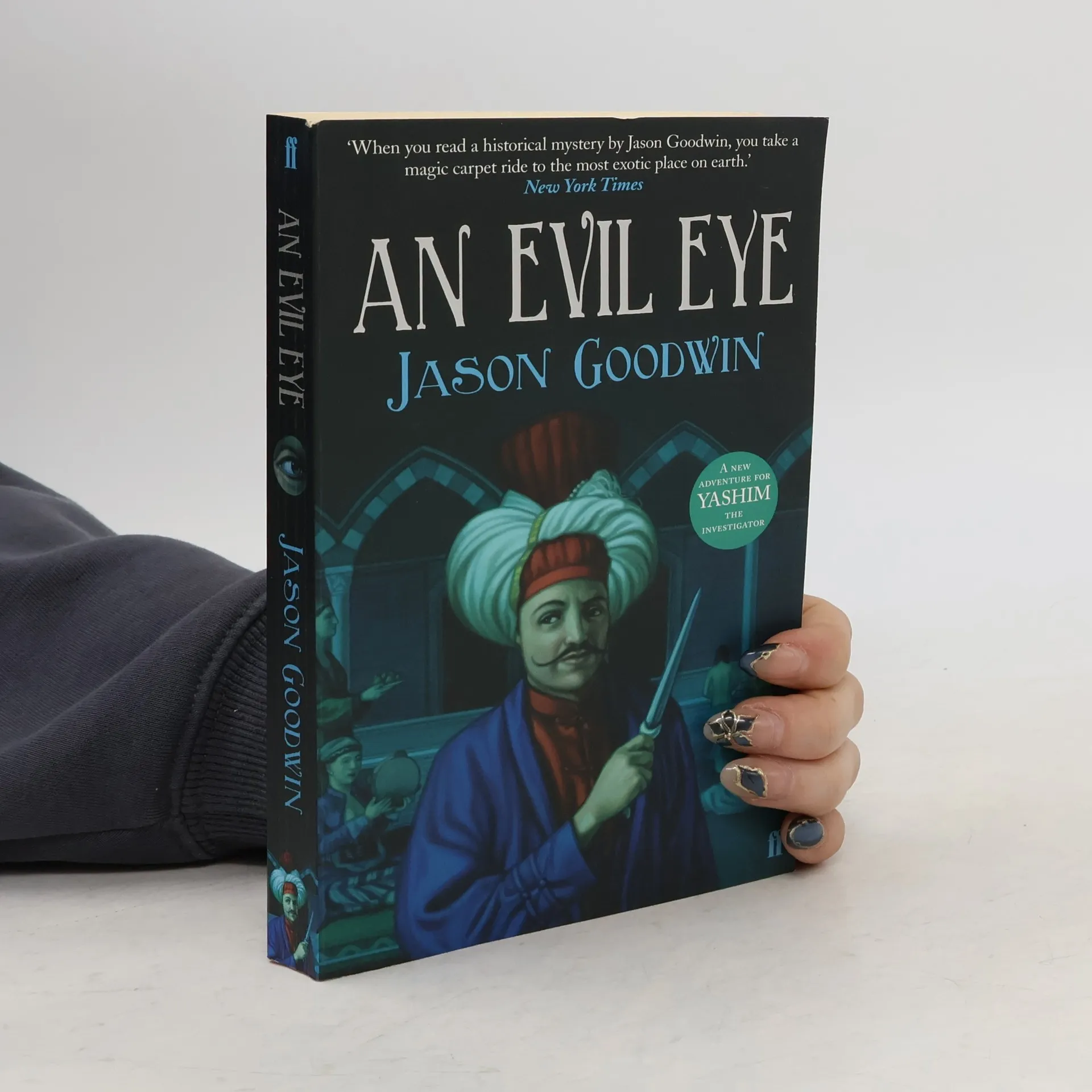
When the body of a Russian agent is found down a monastery well, Yashim knows exactly who to blame. Fevzi Ahmet Pasha, commander of the Ottoman fleet. Years ago, when Yashim first entered the sultan's service, Fevzi Ahmet was his mentor. Ruthless, cruel, and - in Yashim's eyes - ultimately ineffective, he is the only man who makes him afraid. And now Yashim must confront the secret that Fevzi Pasha has been keeping all these years, a secret whose roots lie deep in the tortured atmosphere of the sultan's harem, where normal rules are suspended, and women can simply disappear. Once again, Yashim and his friends encounter treachery and politics, played out against the backdrop of 1840s Istanbul.
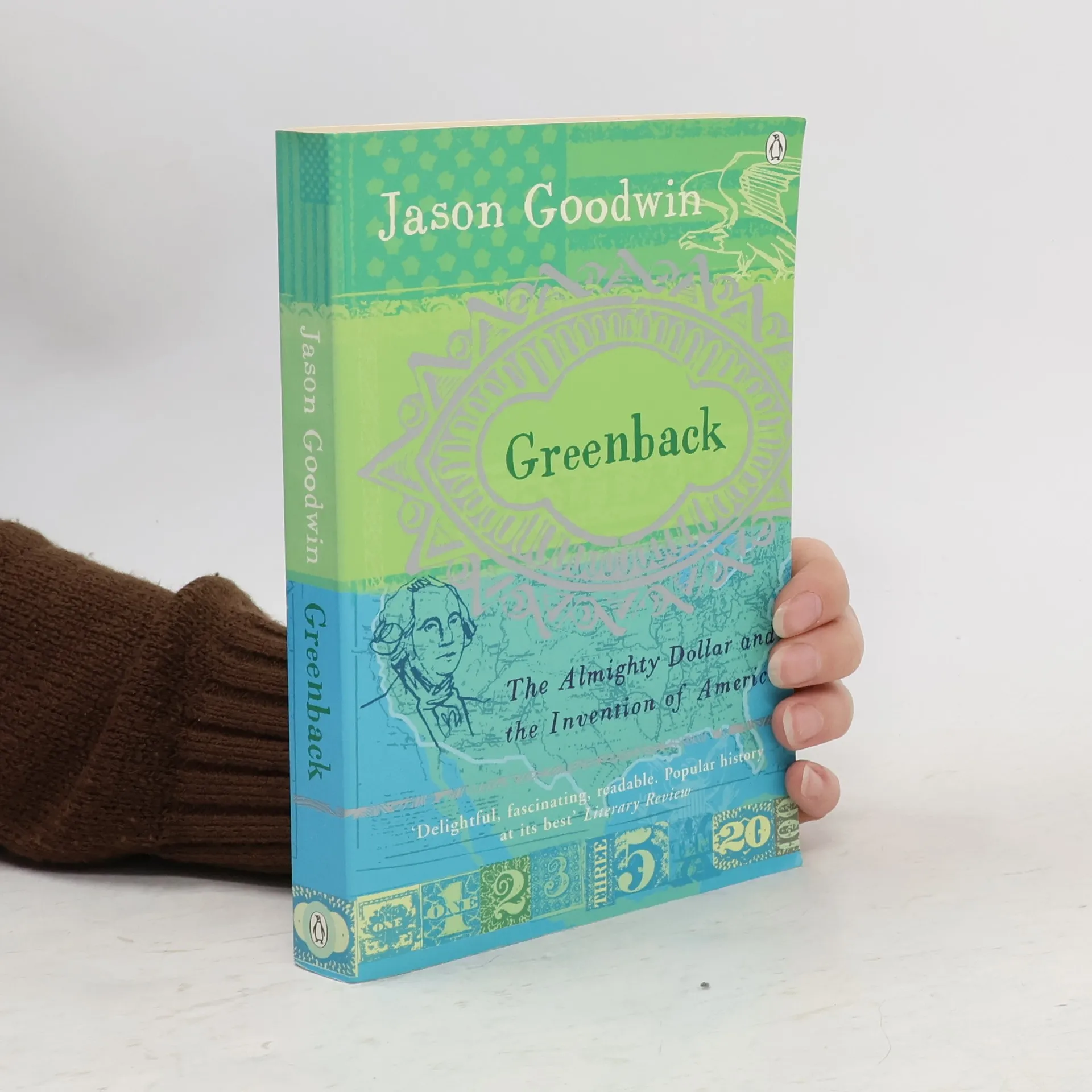
The story of the American dollar is the story of America itself, and in Greenback, Jason Goodwin tells the tale of how the country made the dollar and how the dollar helped make the country. Exploring everything from the meaning of the symbols on each greenback to how money works; from how it emerged out of a war to why it is now accepted everywhere, Goodwin packs his book with anecdotes, facts and figures, and the heroes and villains who in their own way made the dollar the most prevalent and sought after man-made object in the world today.
In nineteenth-century Istanbul, a Polish prince has been kidnapped. His assassination has been bungled and his captors have taken him to an unused farmhouse. Little do they realize that their revolutionary cell has been penetrated by their enemies, who use the code name La Piuma (the Feather). Yashim is convinced that the prince is alive. But he has no idea where, or who La Piuma is - and has become dangerously distracted by falling in love. As he draws closer to the prince's whereabouts and to the true identity of La Piuma, Yashim finds himself in the most treacherous situation of his career: can he rescue the prince along with his romantic dreams? Jason Goodwin's bestselling 'Yashim' series has been published across the globe and received huge critical acclaim. In The Baklava Club, Goodwin takes Yashim on an adventure like no other, through the stylish, sensual world of Ottoman Istanbul.
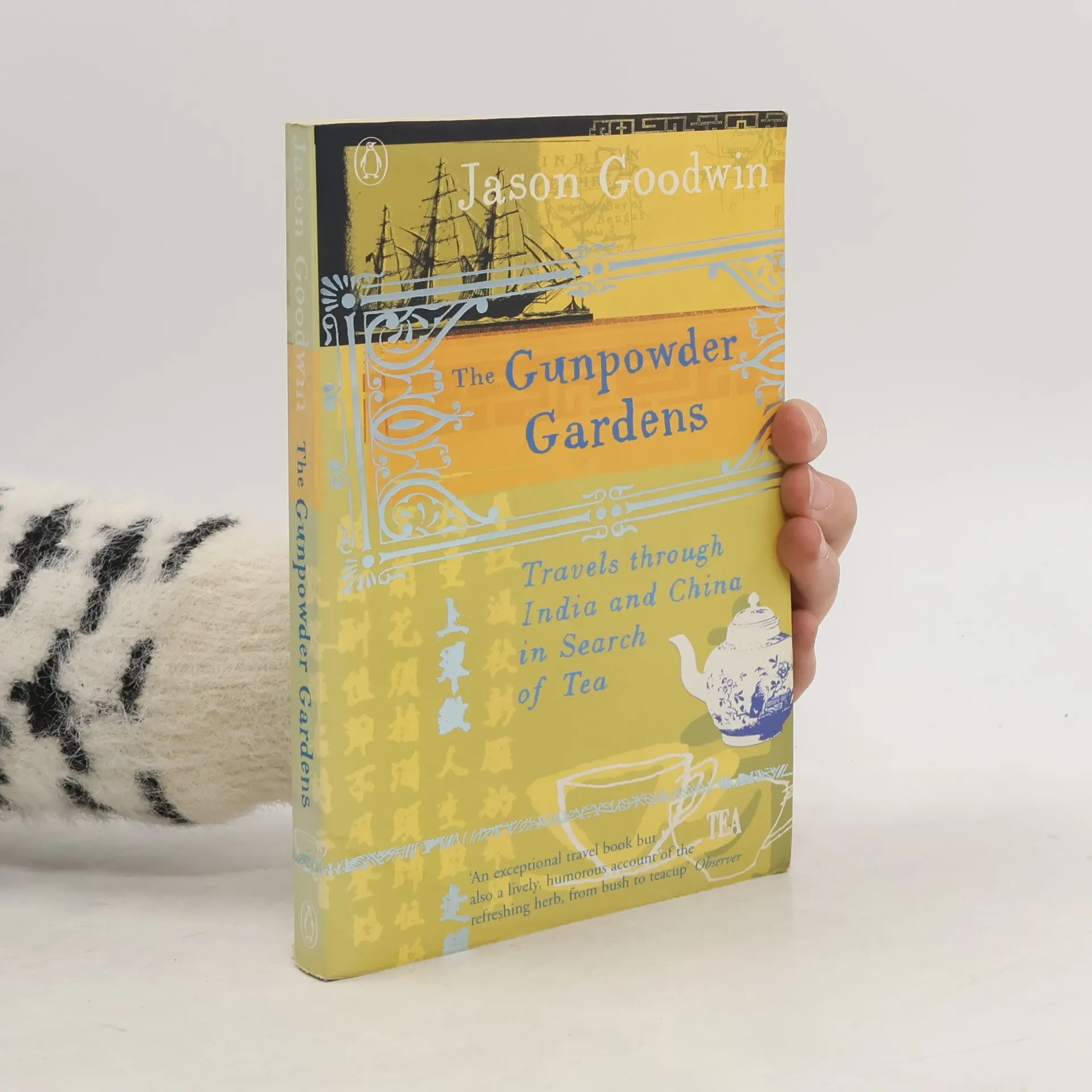
Jason Goodwin, inspired by his grandmothers who spent their lives in China and India observing the custom of afternoon tea, set off to explore the relics of this imperial age and its worldwide trade, delving into the extraordinary history of tea. Evoking a vanished world, he follows the origin of tea, its use, influence and importance, from the the Canton factories through the establishment of British India and the Opium Wars, all the way to that great tea metropolis, London.
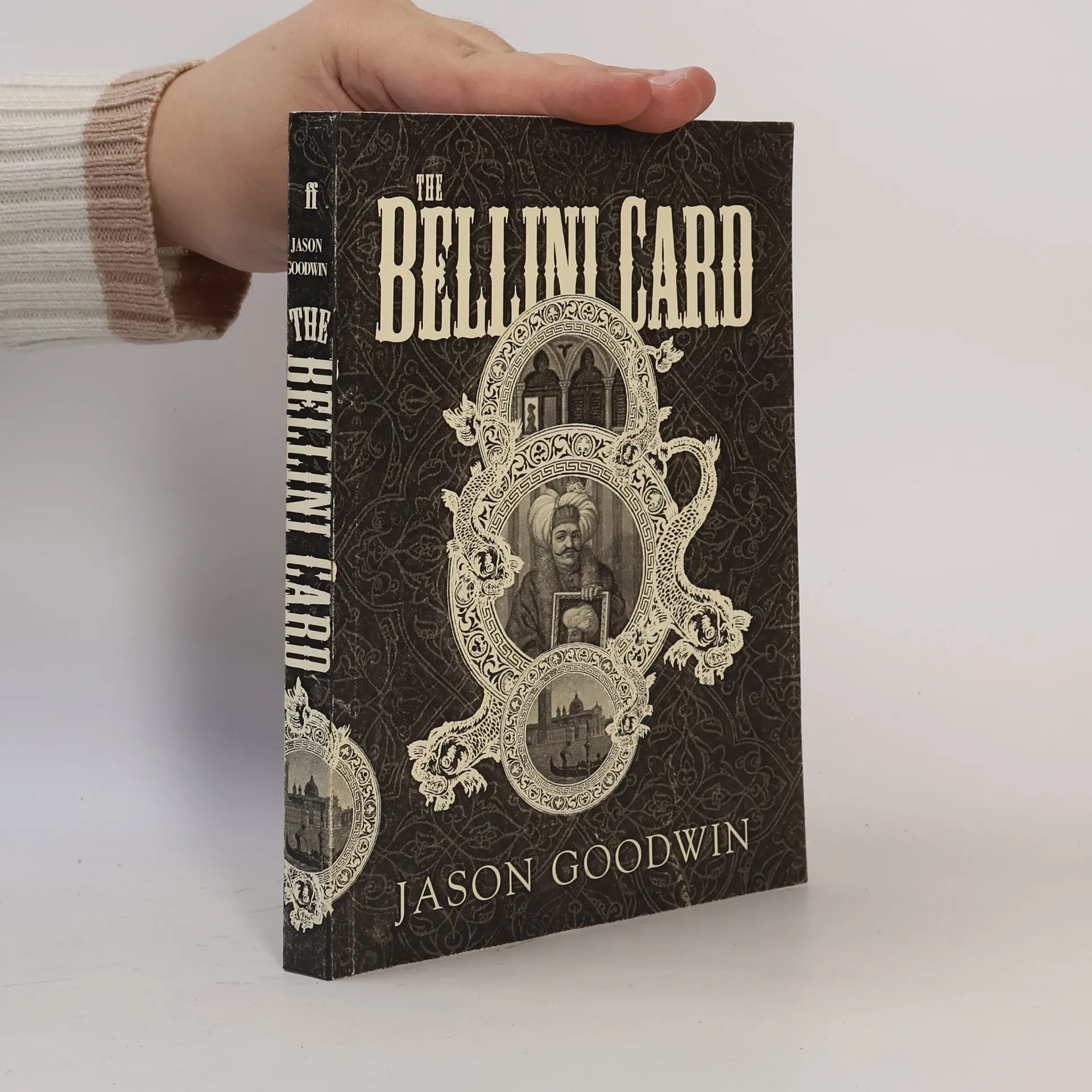
Charged by the Sultan to find a stolen painting by Bellini, Yashim the detective enlists the help of his friend Palewski, the Polish Ambassador, and goes undercover. Venice in 1840 is a city of empty palazzos and silent canals, and Palewski starts to mingle with Venetian dealers but when two bodies turn up in the canal, he realises that art in Venice is a deadly business, and it is up to Yashim to attempt to rescue his intrepid friend from forces bigger than they had ever imagined . . .
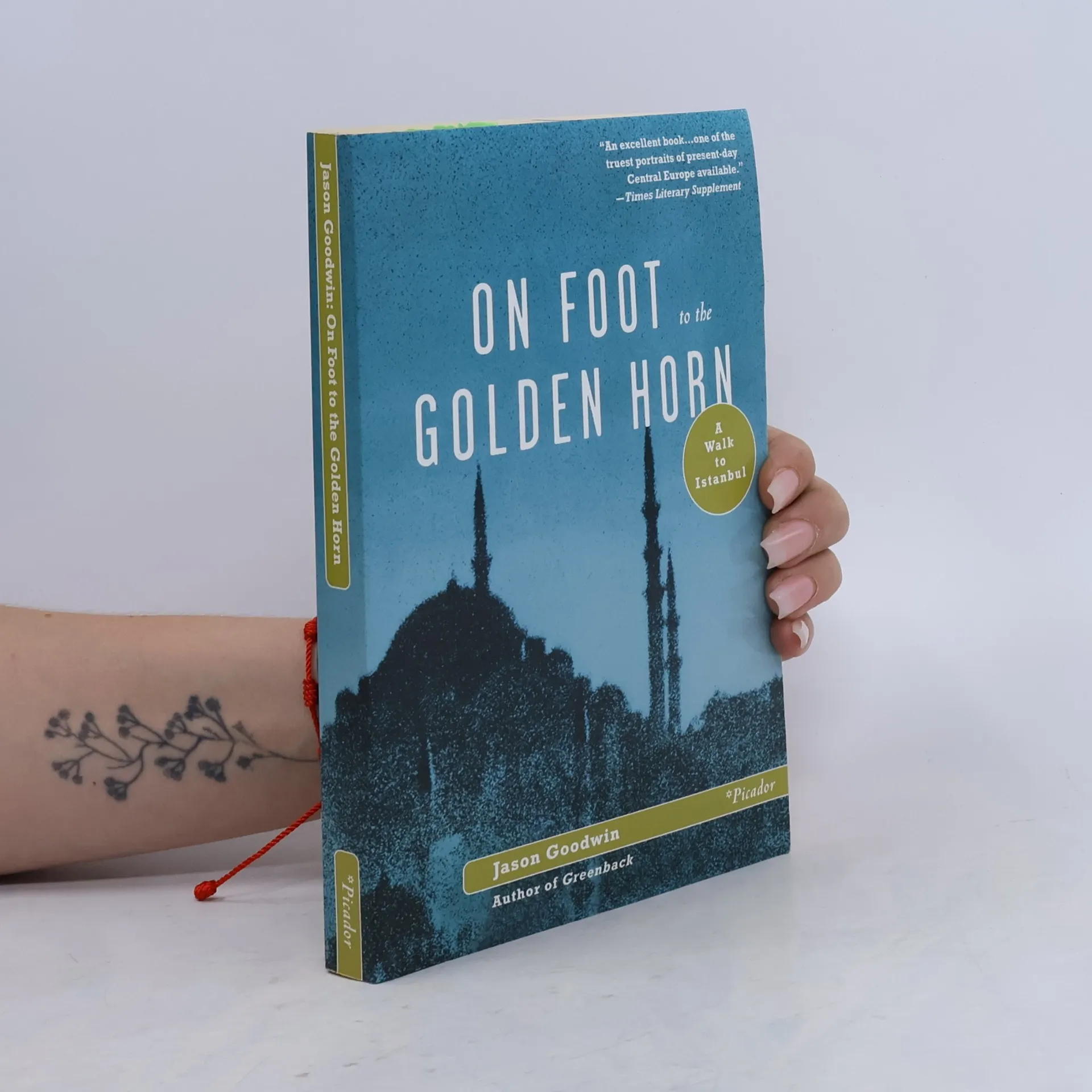
On Foot to the Golden Horn recounts Jason Goodwin's journey with two companions through Eastern Europe from the dikes and marshes of Poland's Baltic coast across to the Golden Horn in Istanbul. Along the way, they sleep in haystacks, drink with Gypsies, and play with Ceaucescu's orphans, meeting with blatant hostility and overwhelming hospitality as an older Europe tries to settle with itself, and a new one struggles to be born. It is the story of three friends' walk through some of the world's most beautiful and tragic places, and of their encounters with a varied and vivid cast of characters
Detective, polyglot, chef, eunuch---Investigator Yashim returns in this evocative Edgar Award-winning series set in Istanbul at the end of the Ottoman Empire.
At its height, the Ottoman Empire spanned from Iran to Turkey, showcasing a rich tapestry of ethnicities and nations. While Islamic, many subjects were not Muslim, and although Turkish, much of the military was composed of Balkan Slavs. The empire was characterized by Byzantine ceremonies, Persian dignity, Egyptian wealth, and Arabic literature. Jason Goodwin attributes the empire's longevity to its tolerance, flexibility, and meritocracy, rather than enforced cultural assimilation. However, it was fundamentally a military state, with every road leading to a military purpose. Horses held a revered status, sometimes more than men, and peace often led to disunity, while war was where the Ottomans excelled. Their military camps were orderly compared to the chaotic Western camps, described as "Babels of disorder." Goodwin vividly portrays 15th-century battles with cinematic flair, capturing the intensity and strategy involved. Yet, as industrialism rose in Western Europe, the martial strengths of the empire became obsolete. Nationalism emerged as a destructive force, leading to inflation and insecurity, which in turn fostered factionalism and disloyalty. The once-tolerant empire faced a decline marked by quarantine systems that mocked its foundational acceptance. Goodwin’s work is rich with imagery and concludes with a unique reflection on the history of Turkish dogs, symbolizing the empire's complex legacy.
Yashim is no ordinary detective. Yashim is a eunuch. A concubine is strangled in the Sultan's palace harem, and a young cadet is found butchered in the streets of Istanbul. Delving deep into the city's crooked alleyways, and deeper still into its tumultuous past, Yashim discovers that some people will go to any lengths to preserve the traditions of the Ottoman Empire. Brilliantly evoking Istanbul in the 1830s, The Janissary Tree is a bloody, witty and fast-paced literary thriller with a spectacular cast.
Una serie di omicidi misteriosi scuotono il Palazzo. Una giovane circassa dell'harem, quattro cadetti della Nuova Guardia che da qualche tempo ha sostituito i Giannizzeri, sciolti dopo la loro rivolta di dieci anni fa... Proprio ai Giannizzeri, alle loro tradizioni mistiche e feroci, sembra condurre l'indagine di Yashim, mentre l'incubo degli incendi torna a impaurire la grande città sul Bosforo. Eunuco di corte, Yashim apprezza la buona cucina e i libri. Ama le donne, con impeto e pudore. Con l'occhio della sua intelligenza illumina un mondo vario e cosmopolita di ambasciatori stranieri, dark ladies, assassini efferati, magnifici travestiti, artigiani, sette religiose sufi, soldati combattuti tra l'invidia dell'Occidente e la nostalgia delle vittoriose armate ottomane. Mentre la città lentamente sprofonda tra gli incubi del passato e la paura del futuro, e forse ci vuole qualcosa di grosso per risvegliarla...