Compra 10 libros por 10 € aquí!
Bookbot

Orhan Pamuk

    7 de junio de 1952

    Orhan Pamuk es celebrado como un narrador de Estambul, una ciudad que dio forma a su escritura temprana e inspiró sus posteriores ensayos autobiográficos. Su obra a menudo profundiza en temas complejos de identidad, la intersección de las culturas occidental y oriental, y los choques culturales, todo ello entrelazado a través de narrativas convincentes. El estilo de Pamuk se destaca por su naturaleza experimental, su profunda psicología de personajes y su magistral representación del pasado y presente de Turquía. Su importancia literaria radica en su capacidad para conectar la experiencia personal con verdades humanas universales, ofreciendo a los lectores una perspectiva única sobre las complejidades de la vida moderna.

    Orhan Pamuk
    El Astrólogo y el sultán
    La vida nueva
    Me llamo Rojo
    Estambul
    Las Noches de la Peste / Nights of Plague
    Una sensación extraña
    • Una sensación extraña

      • 640 páginas
      • 23 horas de lectura

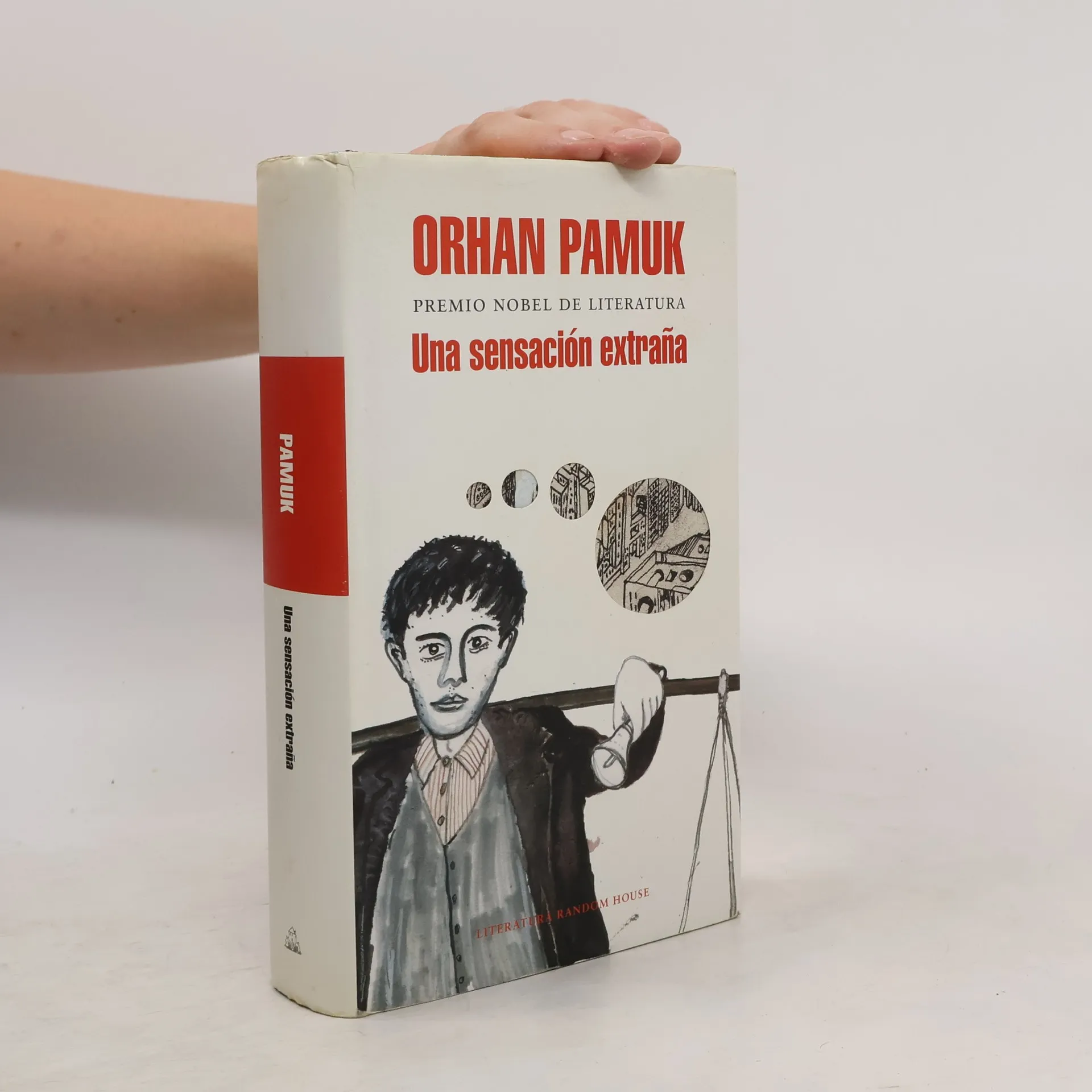
      Desde que a los doce años abandonara la aldea de Anatolia donde nació, Mevlut Karatas no hace más que fantasear sobre su vida. Instalado en Estambul, desde el primer momento se siente cautivado por la ciudad vieja, sometida a constantes transformaciones, y por la nueva metrópoli que se abre paso rápidamente en su lugar. Y es allí, en «el centro del mundo», donde le veremos crecer, enamorarse y ganarse la vida como vendedor callejero de boza, una bebida tradicional turca. Pasa el tiempo y él sueña con prosperar, pero el azar parece conspirar en su contra. Y mientras todos a su alrededor logran hacer fortuna, él sigue deambulando de noche por los callejones de la ciudad, subsistiendo a base de míseros trabajillos que no conducen a nada y con esa sensación extraña que le hace sentirse diferente a los demás. Hará falta un nuevo giro del destino para que Melvut comprenda finalmente qué es lo que lleva toda la vida anhelando. Al seguir las peripecias de Melvut, Orhan Pamuk compone a la vez un fresco de la ciudad de Estambul entre 1969 y 2012 visto a través de los ojos de numerosas personas.
      Una sensación extraña
    • Las Noches de la Peste / Nights of Plague

      • 720 páginas
      • 26 horas de lectura

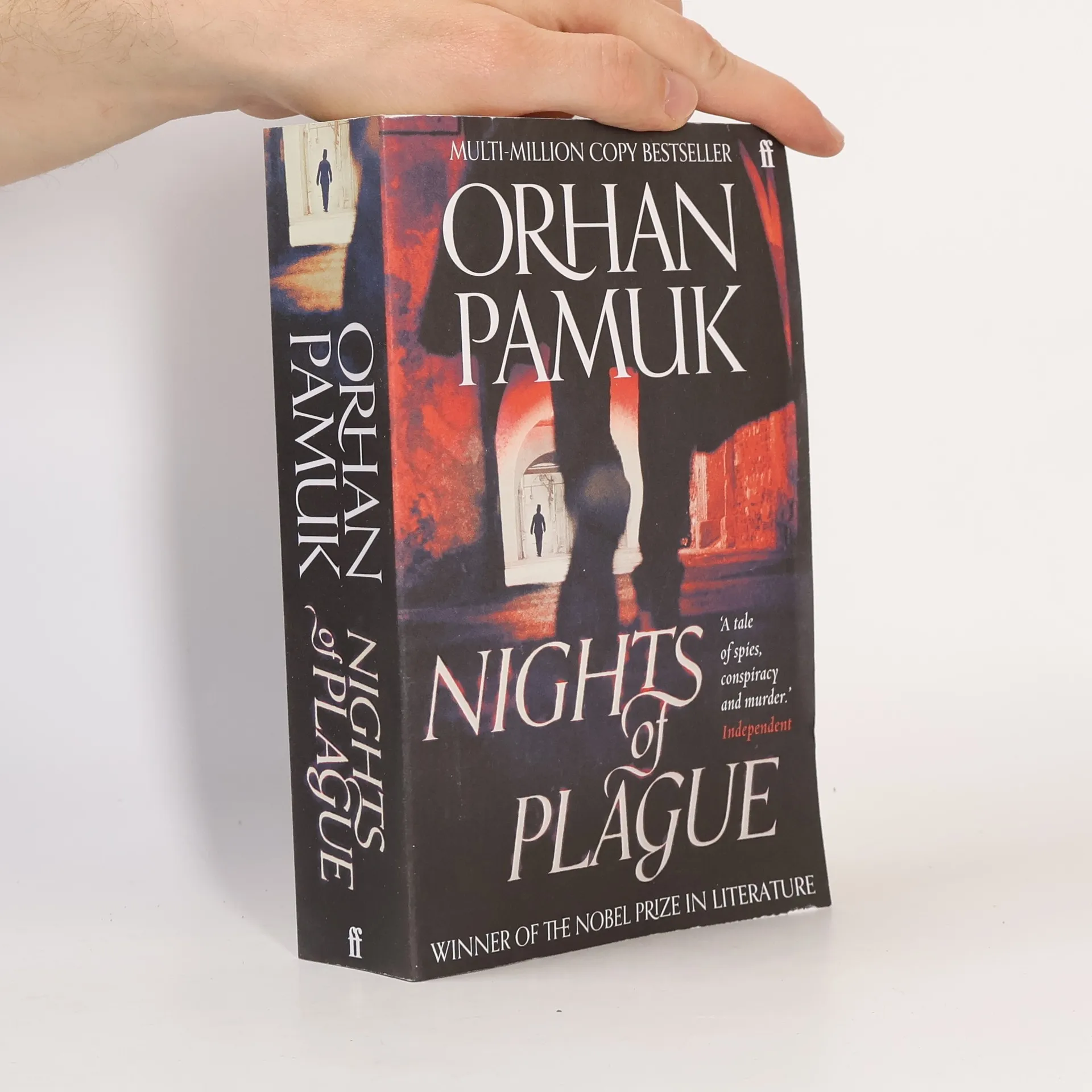
      Abril de 1901. Un barco se dirige hacia la isla de Minguer, la perla del Mediterráneo oriental. A bordo se encuentran la princesa Pakize Sultan, sobrina del sultán Abdülhamit II, y su reciente esposo, el doctor Nuri, pero también un misterioso pasajero que viaja de incógnito: el célebre inspector jefe de sanidad del Imperio otomano, encargado de confirmar los rumores de peste que han llegado hasta el continente. En las animadas calles de la capital portuaria nadie puede imaginar la amenaza, ni la revolución que está a punto de fraguarse. Desde nuestros días, una historiadora nos invita a asomarnos a los meses más turbadores que cambiaron el rumbo histórico de esta isla otomana, marcada por el frágil equilibrio entre cristianos y musulmanes, en un relato que combina historia, literatura y leyenda. En esta nueva obra del Nobel, destinada a convertirse en uno de los grandes clásicos sobre plagas, Pamuk indaga en las pandemias del pasado. Las noches de la peste es la historia de supervivencia y lucha de unos protagonistas que lidian con las prohibiciones de la cuarentena y la inestabilidad política: un apasionante relato épico de atmósfera asfixiante donde la insurrección y el asesinato conviven con las ansias de libertad, el amor y los actos heroicos

      Las Noches de la Peste / Nights of Plague
    • La vida nueva

      • 384 páginas
      • 14 horas de lectura

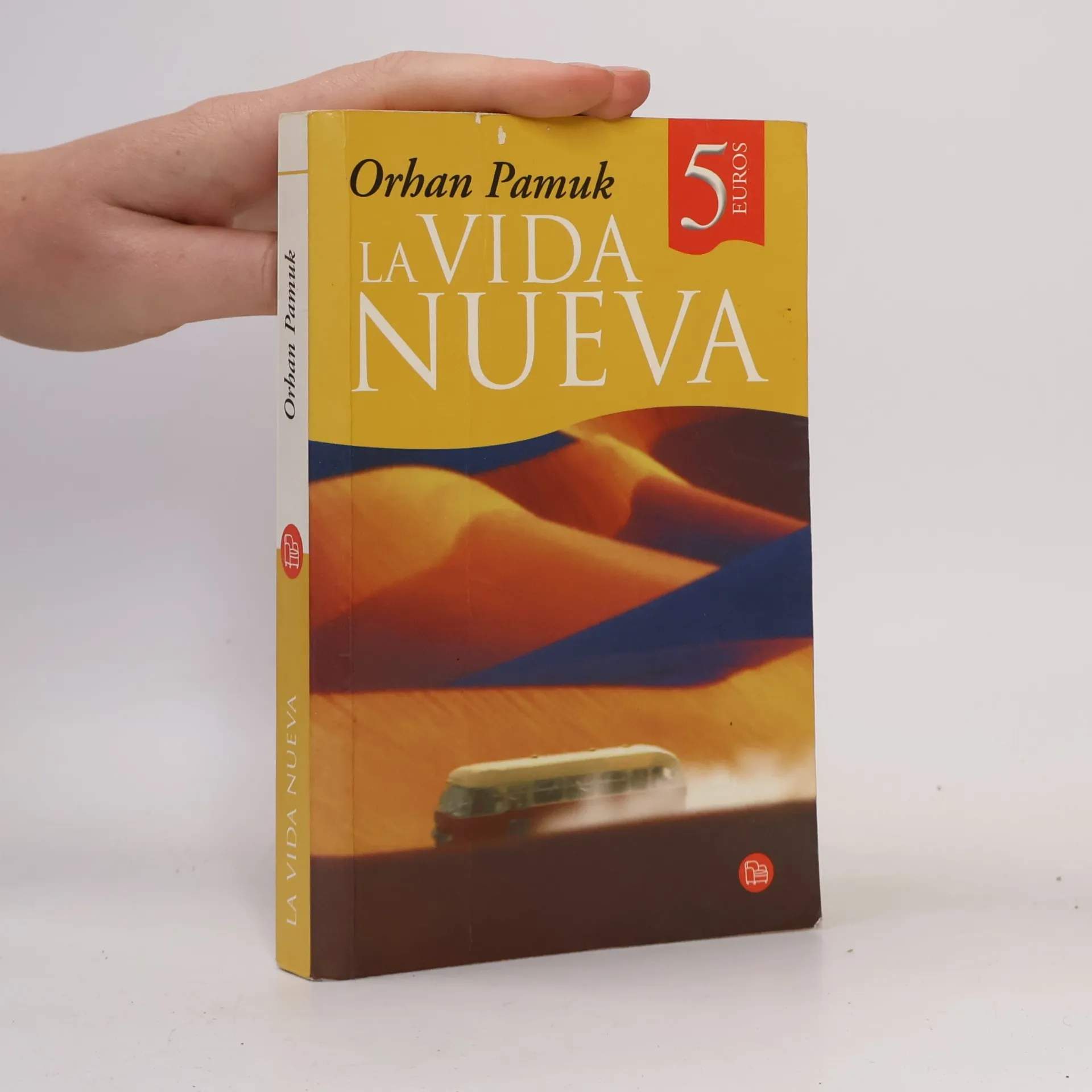
      Hasta el inesperado momento en que abrió el libro, la vida de Osman se reducía a asistir a clase de Ingeniería y regresar a la casa que compartía con su madre. La lectura y un tiroteo en las calles nevadas de Estambul convirtieron al joven héroe en un viajero nocturno cuya existencia nunca volvió a ser la misma. Osman recorre un inmenso país acompañado de una mujer que, por azar, dejó el libro sobre la mesa de un café. Una mujer que ama a otro hombre. El mismo a quien están buscando, el único que comprende el poder del libro. Orhan Pamuk, un autor comparado con Nabokov, Borges o Umberto Eco, nos aporta la creatividad y la visión de un hombre de hoy que vive y escribe en la frontera de dos mundos: Occidente y el Islam.

      La vida nueva
    • En el siglo XVII, cuando el imperio otomano vive una época de esplendor, un sabio turco adquiere a un joven esclavo de origen veneciano a sabiendas que se trata de un hombre instruido. Su idea no es otra que conocer los avances tecnológicos de los que disfrutan en Europa. El asombroso parecido físico entre amo y esclavo les permite poner sus muchos talentos e ingenio al servicio del sultán.

      El Astrólogo y el sultán
    • Other colours: essays and a story

      • 400 páginas
      • 14 horas de lectura

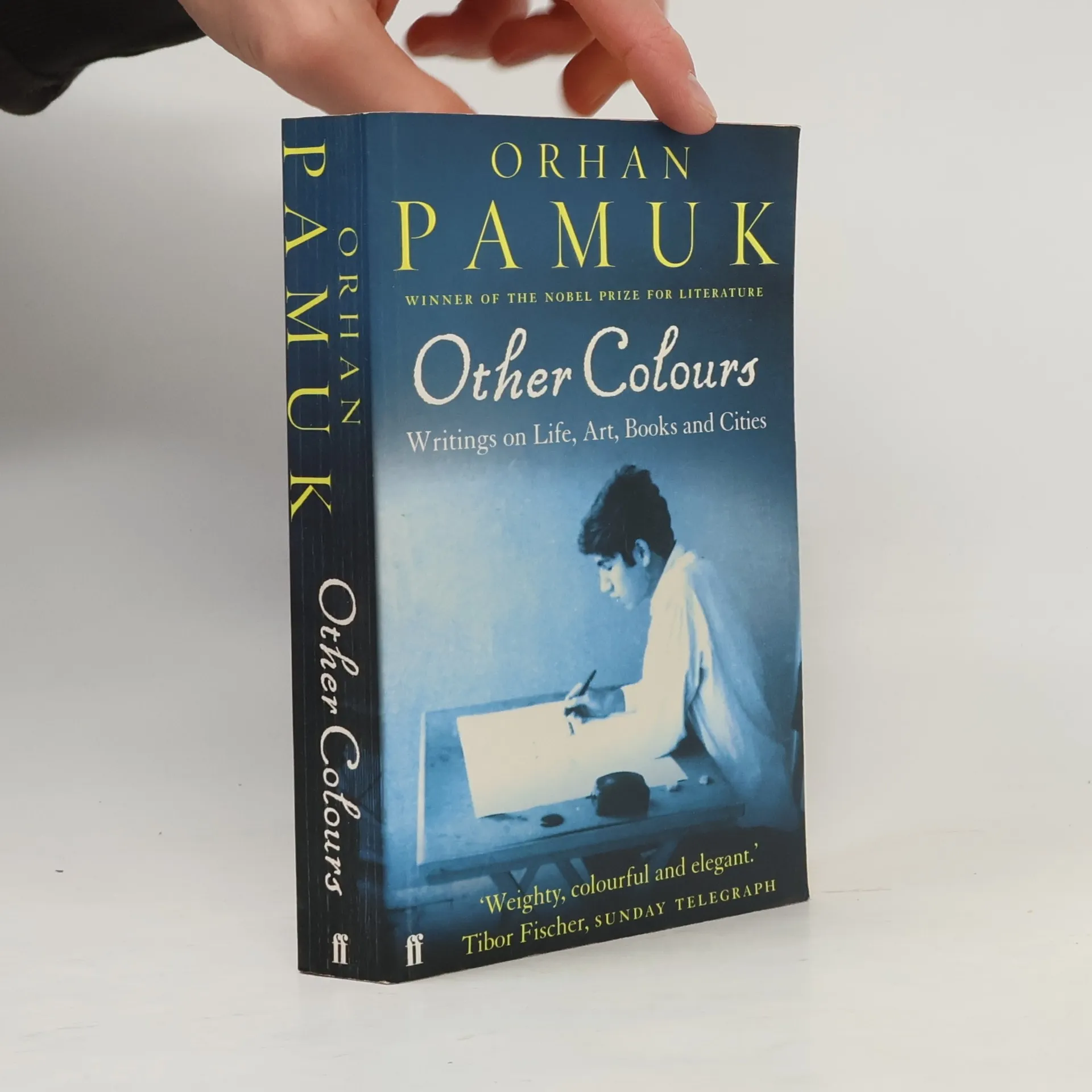
      From Orhan Pamuk, winner of the 2006 Nobel Prize in Literature, comes the best of twenty years work. A collection of immediate relevance and timeless value, Other Colours ranges from lyrical autobiography to criticism of literature and culture, from humour to political analysis, from delicate evocations of his friendship with his daughter Ruya to provocative discussions of Eastern and Western art. Reflections on Pamuk s first passport, his first trip to Europe, his father s death, his recent court case, and the Istanbul earthquake share space with pieces on writers as various as Laurence Sterne, Dostoyevsky, Kundera, Rushdie, and Patricia Highsmith. There are additional sections on Istanbul, New York where Pamuk lived for two years and on the writing of each of his novels. Interspersed among these are photographs, paintings, some of Pamuk s own black and white drawings, as well as Looking Out the Window , a short story originally published in Granta. My Father s Suitcase, Pamuk s 2006 Nobel Lecture, a brilliant illumination of what it means to be a writer, completes the selection from the figure who is now without doubt one of international literature s most eminent and popular figures.

      Other colours: essays and a story
    • A luminous essay collection about loneliness, contentment, and the books and cities that have shaped the experience of a Nobel Prize winner and the acclaimed author of My Name is Red. "One of the essential writers that both East and West can gratefully claim as their own.” —The New York Times Book Review In the three decades that Nobel prize-winning author Orhan Pamuk has devoted himself to writing fiction, he has also produced scores of witty, moving, and provocative essays and articles. He engages the work of Nabokov, Kundera, Rushdie, and Vargas Llosa, among others, and he discusses his own books and writing process. We also learn how he lives, as he recounts his successful struggle to quit smoking, describes his relationship with his daughter, and reflects on the controversy he has attracted in recent years. Here is a thoughtful compilation of a brilliant novelist's best nonfiction.

      Other Colours
    • Orhan Pamuk: Orange

      • 184 páginas
      • 7 horas de lectura

      The streetscapes of Istanbul as photographed by Nobel prize-winning novelist Orhan Pamuk in an exquisitely printed clothbound edition The dominant color in Orhan Pamuk's new book of photographs is orange. When the Nobel-Prize-winning novelist is finished with the day's writing, he takes his camera and wanders through Istanbul's various neighborhoods, visiting the backstreets of his town, areas without tourists, spaces that seem neglected and forgotten, spaces with a particular light. This is the orange light of Istanbul's windows and streetlamps that Pamuk knows so well from his childhood--from the Istanbul of 50 years ago, as he mentions in his introduction. But Pamuk also observes that the homely, cosy orange light is slowly being replaced by a new, bright and icy white light from new lightbulbs. His photographs from the backstreets of Istanbul record and preserve the cosy effect of this old, disappearing orange light, as well as the recognition of this new white vision. Whether reflected in well-trodden snow, concentrated as a glaring ball atop a lamppost or subtly present as a diffuse haze, orange literally and aesthetically gives shape to Pamuk's pictures, which reveal to us the unseen corners of his home city.

      Orhan Pamuk: Orange
    • The Museum of Innocence

      • 752 páginas
      • 27 horas de lectura

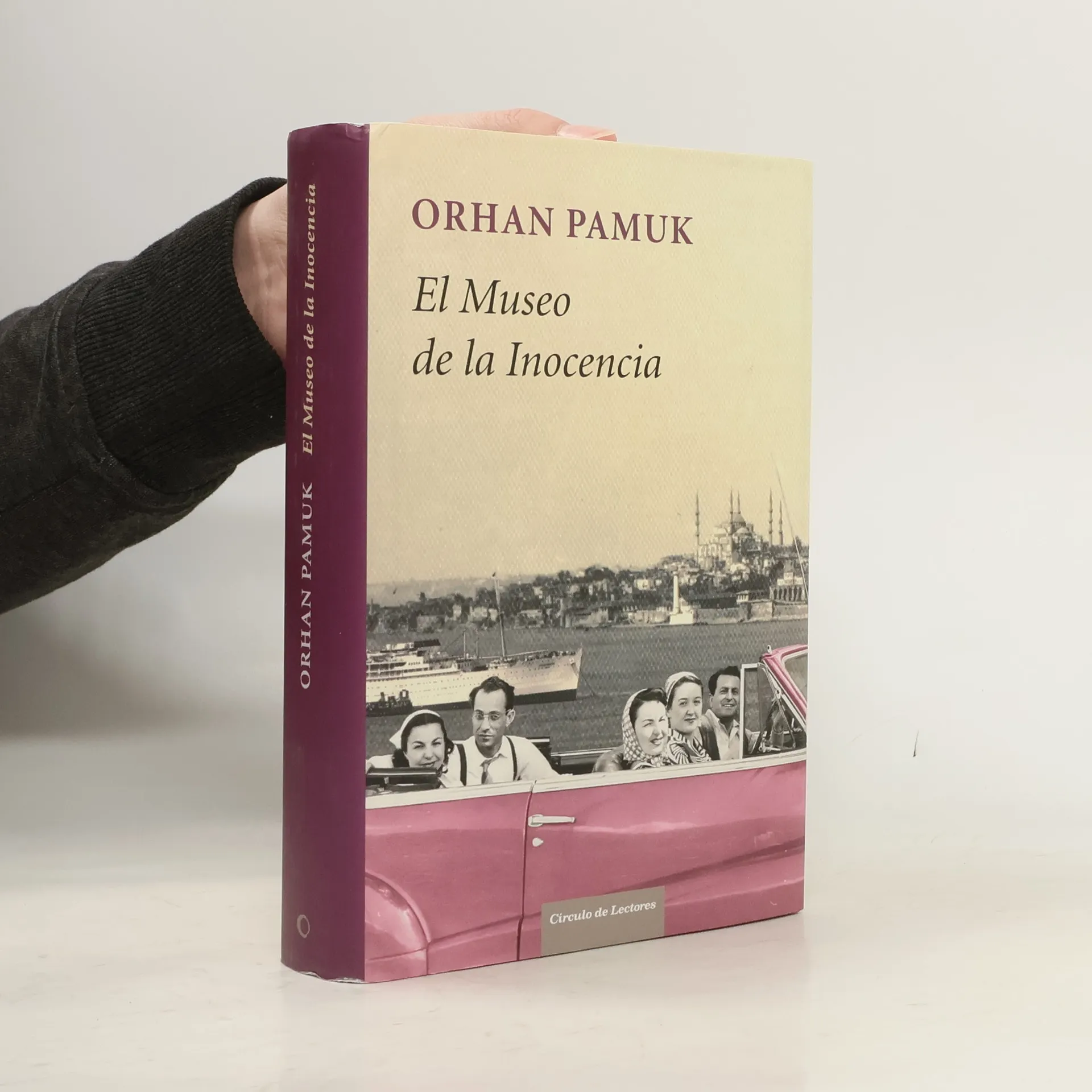
      The Museum of Innocence - set in Istanbul between 1975 and today - tells the story of Kemal, the son of one of Istanbul's richest families, and of his obsessive love for a poor and distant relation, the beautiful Fusun, who is a shop-girl in a small boutique. In his romantic pursuit of Füsun over the next eight years, Kemal compulsively amasses a collection of objects that chronicles his lovelorn progress-a museum that is both a map of a society and of his heart. The novel depicts a panoramic view of life in Istanbul as it chronicles this long, obsessive love affair; and Pamuk beautifully captures the identity crisis experienced by Istanbul's upper classes that find themselves caught between traditional and westernised ways of being. Orhan Pamuk's first novel since winning the Nobel Prize is a stirring love story and exploration of the nature of romance. Pamuk built The Museum of Innocence in the house in which his hero's fictional family lived, to display Kemal's strange collection of objects associated with Fusun and their relationship. The house opened to the public in 2012 in the Beyoglu district of Istanbul. 'Pamuk has created a work concerning romantic love worthy to stand in the company of Lolita, Madame Bovary and Anna Karenina.' --Financial Times

      The Museum of Innocence