Der Trost der Dinge
Münchner Ausgabe


Orhan Pamuk es celebrado como un narrador de Estambul, una ciudad que dio forma a su escritura temprana e inspiró sus posteriores ensayos autobiográficos. Su obra a menudo profundiza en temas complejos de identidad, la intersección de las culturas occidental y oriental, y los choques culturales, todo ello entrelazado a través de narrativas convincentes. El estilo de Pamuk se destaca por su naturaleza experimental, su profunda psicología de personajes y su magistral representación del pasado y presente de Turquía. Su importancia literaria radica en su capacidad para conectar la experiencia personal con verdades humanas universales, ofreciendo a los lectores una perspectiva única sobre las complejidades de la vida moderna.



Münchner Ausgabe
Orhan Pamuk's reflections span fourteen years, blending his daily thoughts with personal illustrations. This collection reveals his journeys, family influences, and the intricacies of his bond with Turkey, offering insights into the inspirations behind his novels. Alongside his writings, vibrant paintings showcase the landscapes that fuel his creativity. This volume serves as a captivating exploration of Pamuk's inner world, inviting readers to engage with the art, culture, and political nuances that have influenced his literary voice.
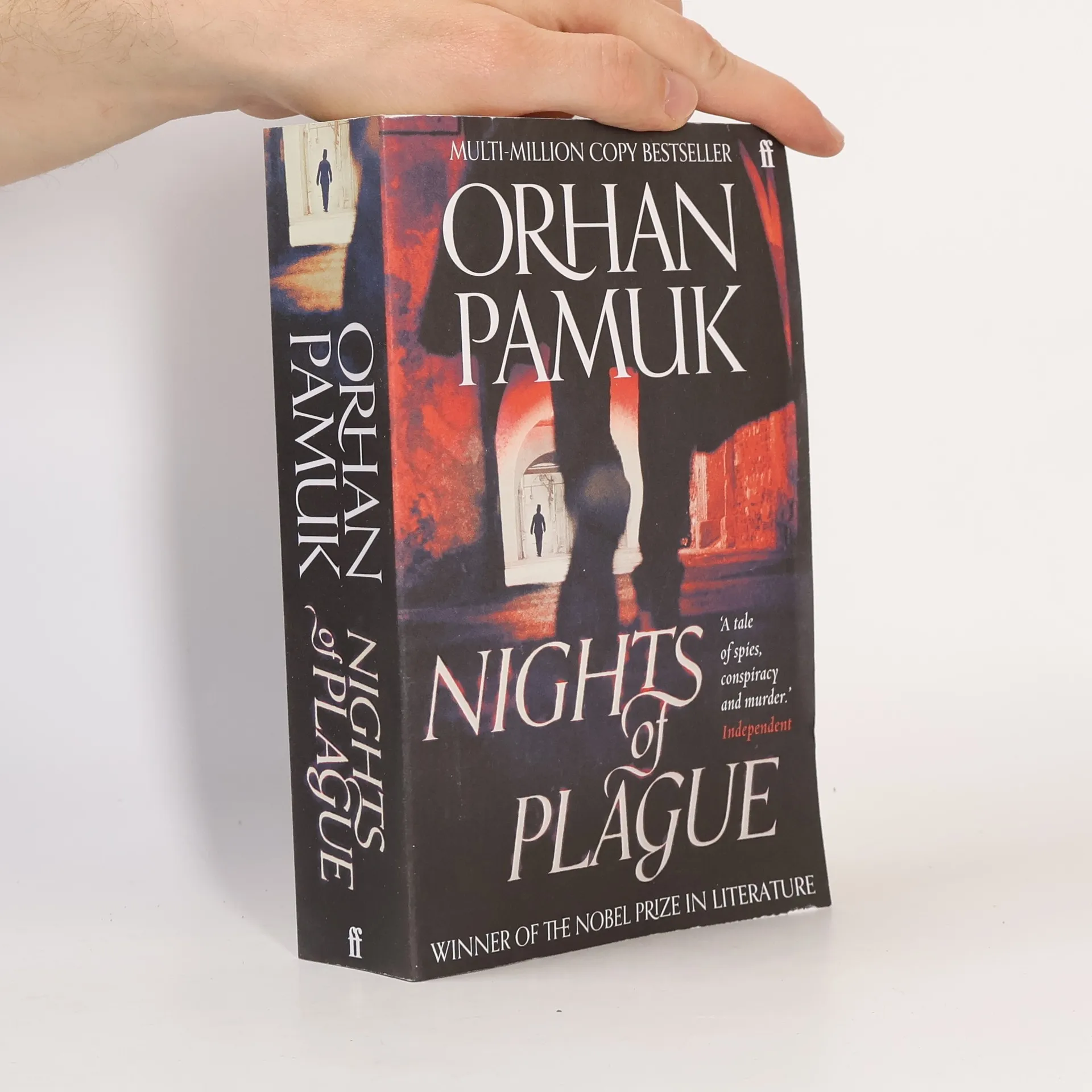
A new novel by a Nobel Prize-winning author blends detective elements with a historical epic, set against the backdrop of a fictional island in the Ottoman Empire during April 1900. On Mingeria, located in the eastern Mediterranean, tensions run high between the Muslim and Orthodox Greek populations. The arrival of a plague—possibly brought by returning Muslim pilgrims or merchant ships—ignites chaos. To combat the outbreak, Sultan Abdul Hamid II dispatches his top quarantine expert, an Orthodox Christian. However, resistance from some Muslims, including followers of a prominent religious leader, undermines the quarantine efforts, leading to the expert's murder. As the plague spreads, the sultan sends a second doctor, this time a Muslim, and enforces strict measures. Yet, local governance failures and public defiance result in the quarantine's collapse, causing the death toll to rise. With the threat of the plague reaching Istanbul, the sultan succumbs to international pressure, allowing a blockade of the island. Left to fend for themselves, the people of Mingeria must confront the epidemic. This gripping tale, rich in historical detail and suspense, resonates with contemporary themes despite its setting over a century ago.
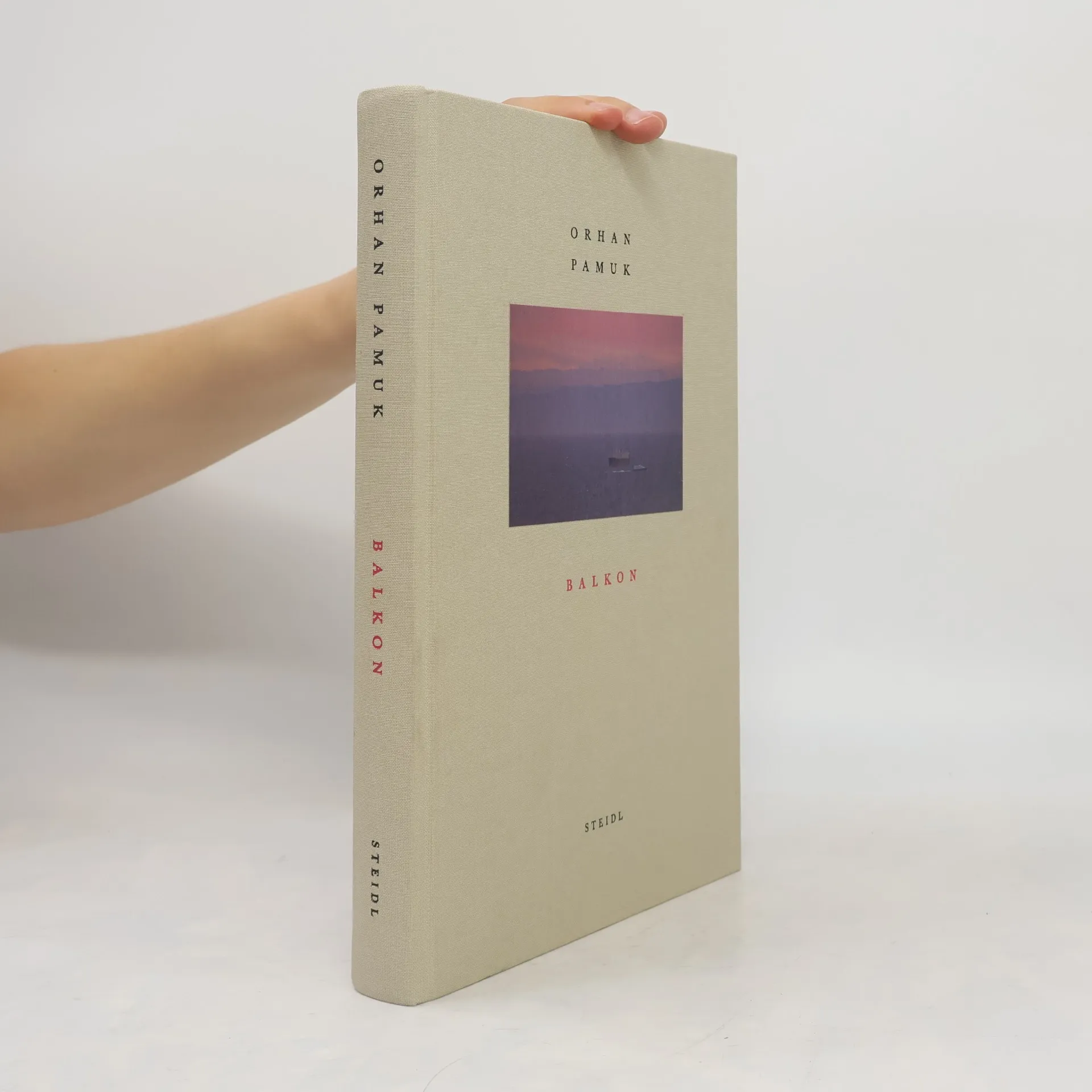
Orhan Pamuk, der Literaturnobelpreisträger, ist nicht nur ein Romanautor, sondern auch ein leidenschaftlicher Fotograf. Schon in seiner Jugend hielt er mit großer Hingabe die Schönheit seiner Heimatstadt Istanbul fest, insbesondere den Blick auf den Bosporus und die unterschiedlichen Stadtteile. In den Wintermonaten 2016/17 kehrte Pamuk zur Fotografie zurück und schuf dabei 8.500 Farbfotografien von seinem Balkon in Cihangir. Oft verließ er seinen Schreibtisch nur, um den Bewegungen der Boote und den Veränderungen der Landschaft zu folgen. Diese fotografischen Arbeiten entstanden aus dem Bedürfnis heraus, flüchtige Momente festzuhalten. Mit jeder aufgenommenen Szene stellte sich eine melancholische Stimmung ein, die ihn mit Fragen konfrontierte: Warum mache ich diese Bilder? Wie verknüpfen sich Sehen und Fotografieren? Was fasziniert uns an der Darstellung von Landschaften in Fotografie und Natur? In seiner einführenden Reflexion bietet Pamuk einen tiefsinnigen und intimen Einblick in seine Gedanken und die Kunst des Fotografierens. Die Sammlung präsentiert 486 dieser eindrucksvollen Landschafts- und Seelenbilder, die die einzigartige Perspektive des Nobelpreisträgers widerspiegeln.
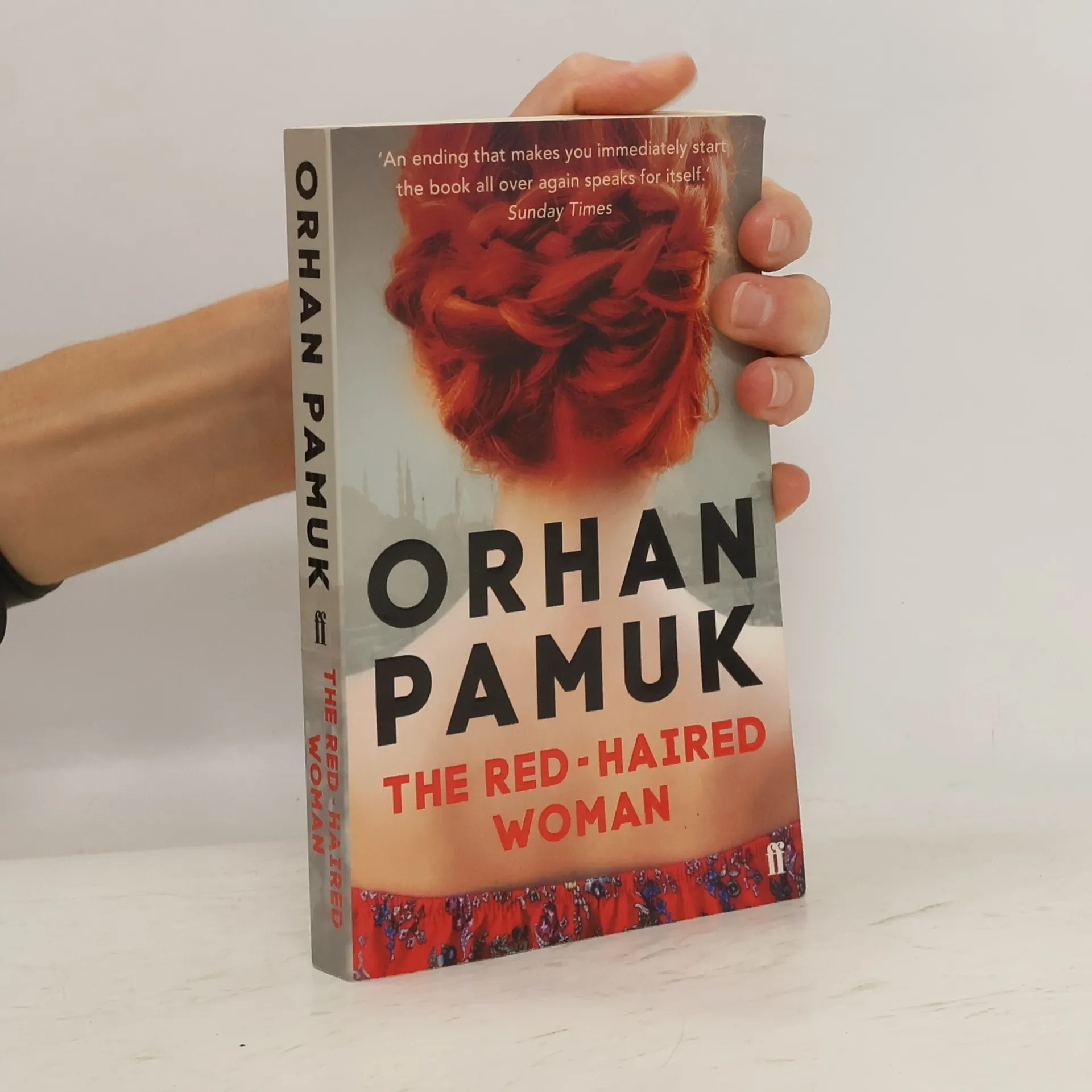
On the outskirts of a town thirty miles from Istanbul, a master well-digger and his young apprentice are hired to find water on a barren plain. As they struggle in the summer heat, excavating metre by metre, the two will develop a father-son bond that neither has known before. But in the nearby town, where they spend their evenings, the boy will find an irresistible diversion. The Red-Haired Woman, an alluring member of a travelling theatre group, catches his eye, and she seems as fascinated by him as he is by her. But in his distraction a horrible accident occurs, and he will spend his life unaware of the outcome, or who the Red-Haired Woman was, until many years later.
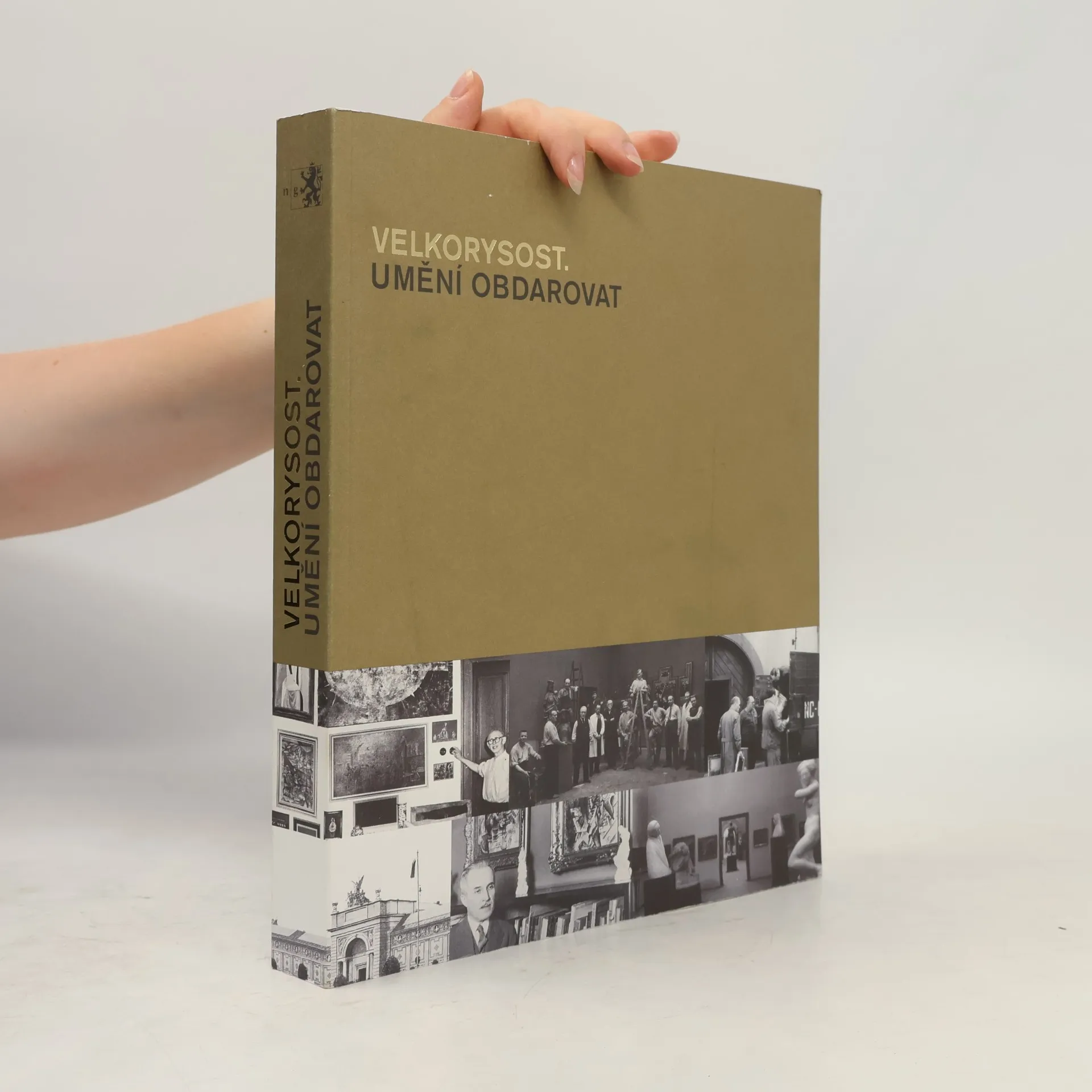
Publikace, jež vyšla k 220. výročí založení Společnosti vlasteneckých přátel umění, předchůdkyně Národní galerie v Praze, je souborem esejů představujících jakousi autobiografii Národní galerie v Praze, jejíž existence je mimo jiné založená na aktu velkorysých gest dávání a sdílení. Eseje vzdávají hold otcům zakladatelům, jednotlivým donátorům a institucím, umělcům a sběratelům, kteří galerijním sbírkám poskytli ničím nepodmíněný dar či dočasnou výpůjčku, provedli směnu nebo galerijním sbírkám – od starých mistrů přes grafiku a kresbu, umění Asie a Afriky až po umění 19. století a moderní a současné umění včetně architektury – a návštěvníkům prospěli jakýmkoli jiným způsobem. Kniha zahrnuje také texty věnované historii sběratelství a formativní roli štědrosti a velkorysosti v procesu vzniku sbírkových institucí. Komplexní obrázek dokreslují výňatky z filozofických, literárních a básnických děl, které problematiku velkorysosti zasazují do širších ideových souvislostí.
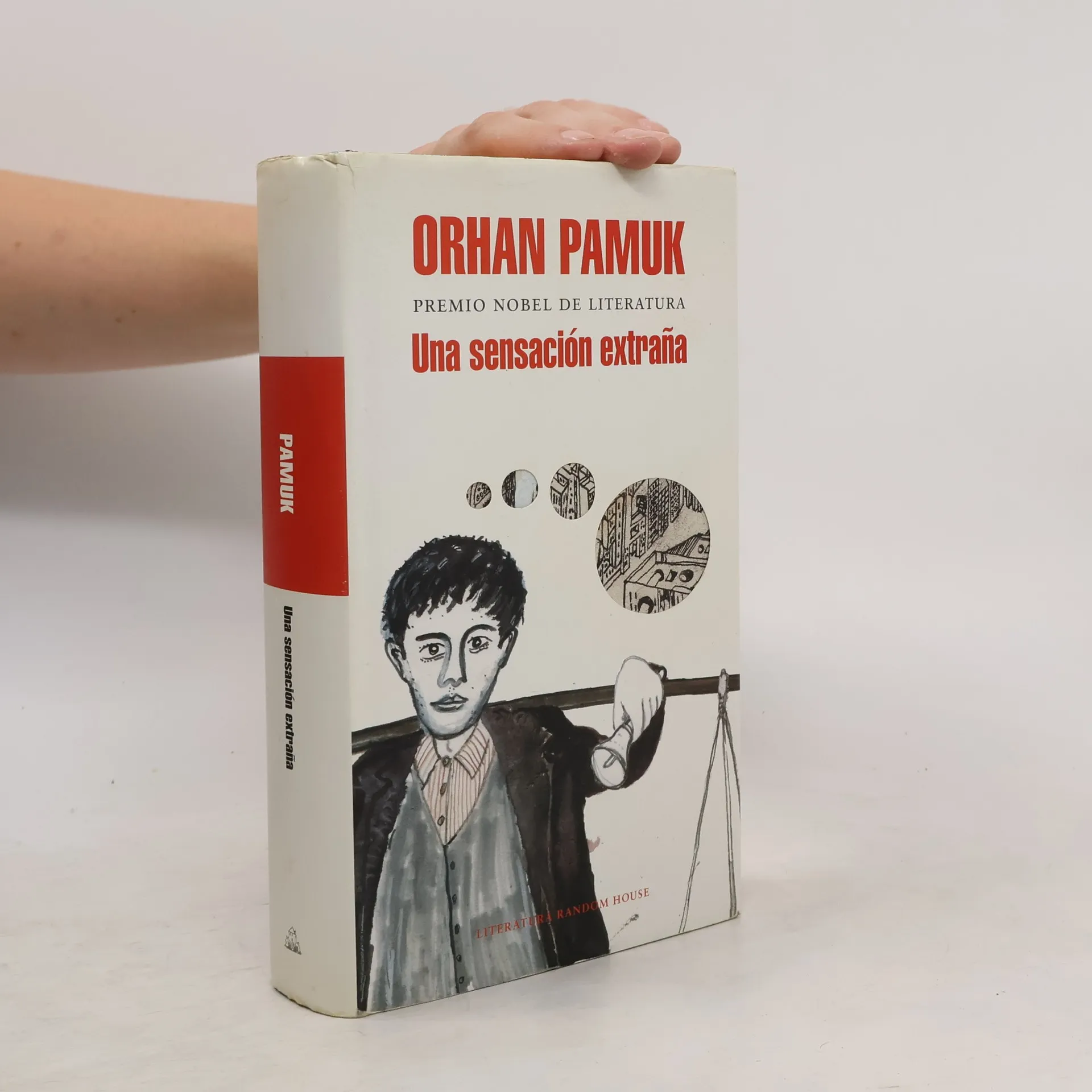
Desde que a los doce años abandonara la aldea de Anatolia donde nació, Mevlut Karatas no hace más que fantasear sobre su vida. Instalado en Estambul, desde el primer momento se siente cautivado por la ciudad vieja, sometida a constantes transformaciones, y por la nueva metrópoli que se abre paso rápidamente en su lugar. Y es allí, en «el centro del mundo», donde le veremos crecer, enamorarse y ganarse la vida como vendedor callejero de boza, una bebida tradicional turca. Pasa el tiempo y él sueña con prosperar, pero el azar parece conspirar en su contra. Y mientras todos a su alrededor logran hacer fortuna, él sigue deambulando de noche por los callejones de la ciudad, subsistiendo a base de míseros trabajillos que no conducen a nada y con esa sensación extraña que le hace sentirse diferente a los demás. Hará falta un nuevo giro del destino para que Melvut comprenda finalmente qué es lo que lleva toda la vida anhelando. Al seguir las peripecias de Melvut, Orhan Pamuk compone a la vez un fresco de la ciudad de Estambul entre 1969 y 2012 visto a través de los ojos de numerosas personas.
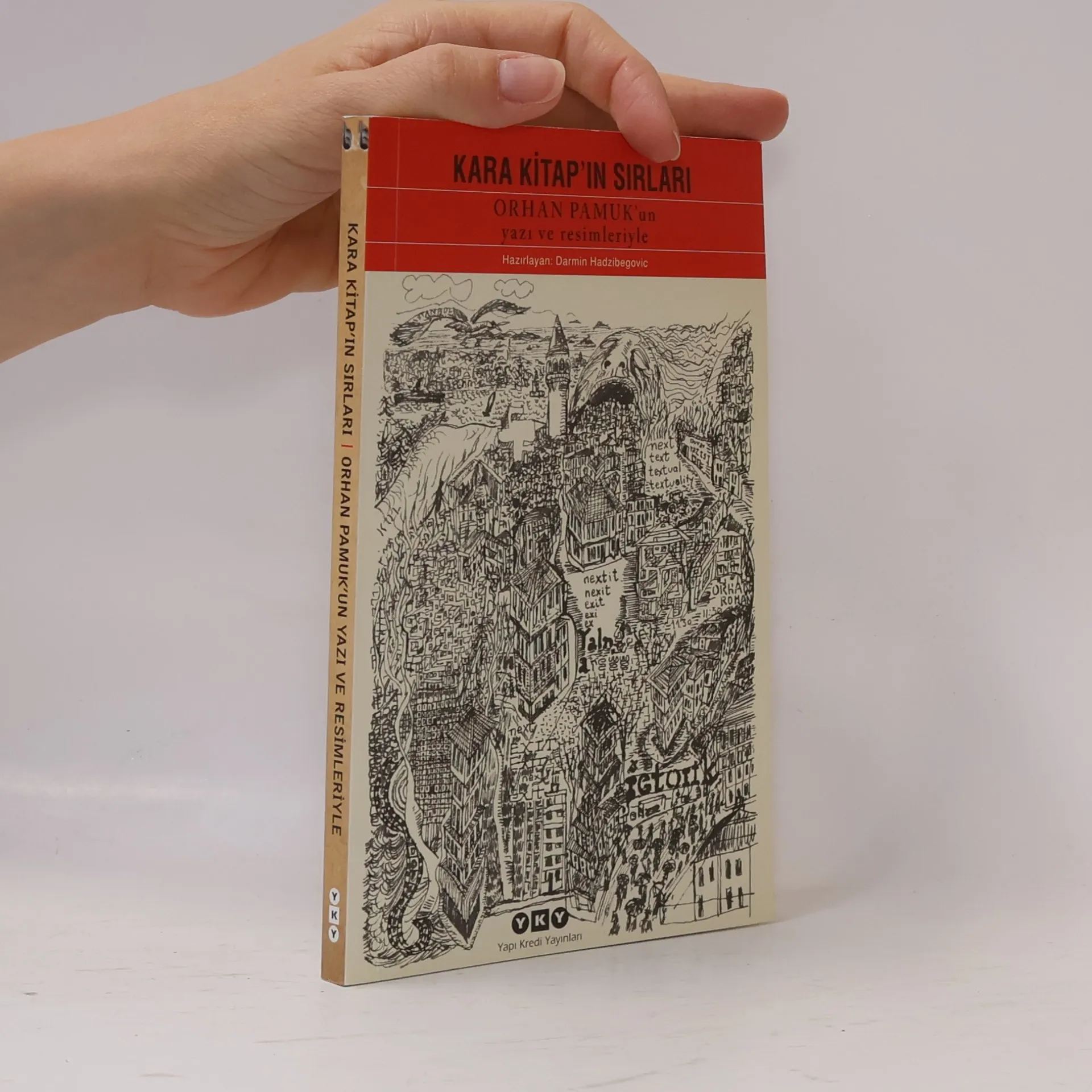
"Hayatının romanını yazacaksın." Türk Edebiyatı'nın en tuhaf, en değişik ve en özgün eserlerinden biri olan Kara Kitap'ı yazmaya hazırlanırken, böyle seslenmişti kendisine defterlerinde Orhan Pamuk; tarih, Eylül 1985'ti... Peki 1990'da yayınlanan bu "ele gelmez" metnin ne kadarı yazarın yaşamından, ne kadarı hayal gücünden, ne kadarı başka düşüncelerden ve etkilerden oluşuyordu? Kara Kitap'ın Sırları, okuyucuyu bu labirentlerle örülü "mutfağına" götürüyor: Pamuk'un atölyesinde ağırlanan okur, romanın otobiyografik ve etki kaynaklarını yakından tanıyor, yazarın "romancılık sırları"na ortak oluyor.
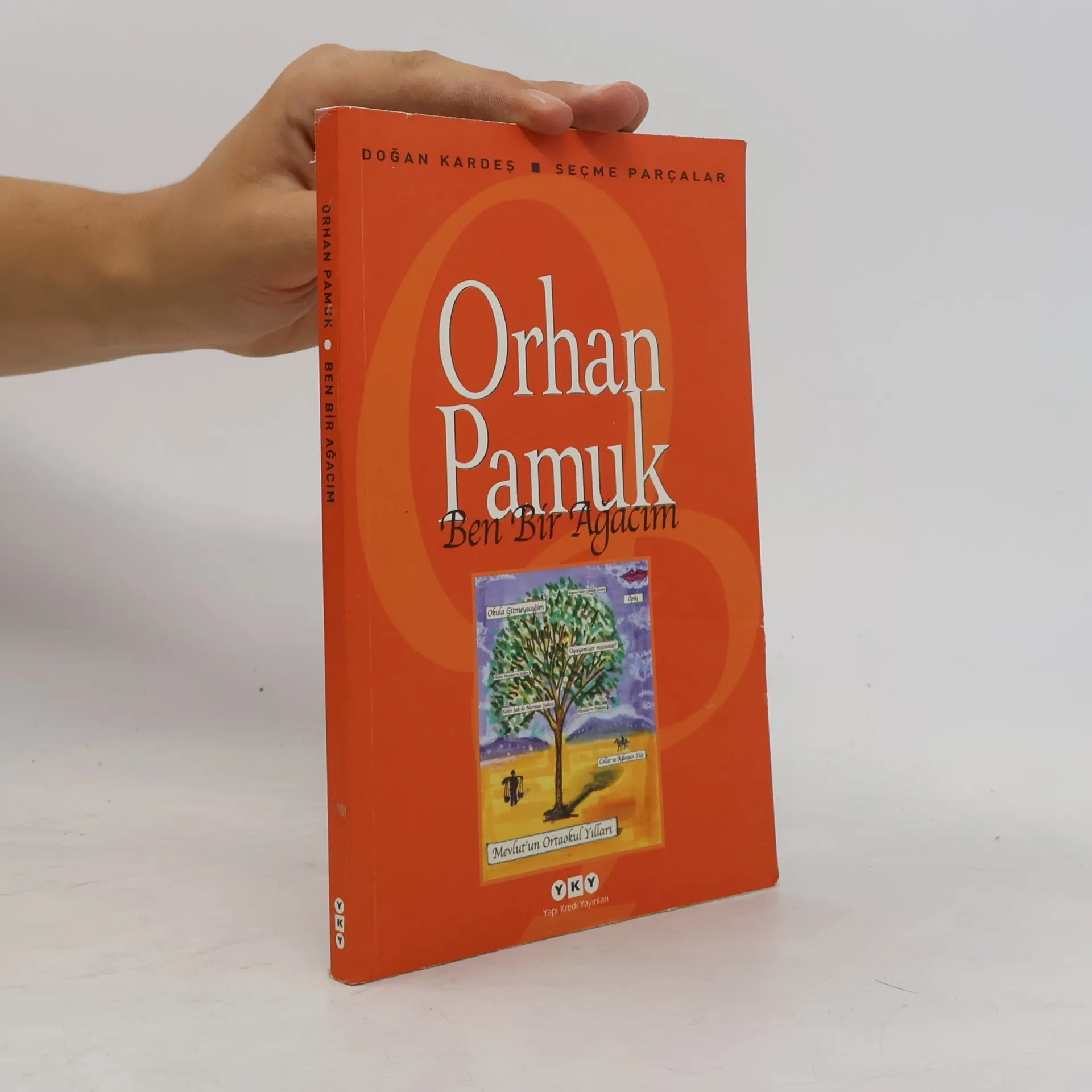
Herkes için Orhan Pamuk "Bu kitapta, şimdiye kadar yazdığım sayfalardan, en kolay anlaşılabilir ve en güçlü olanları seçmeye çalıştım." Çocukluk ve okul hikâyeleri ve tarihten sayfalar Orhan Pamuk, diğer kitaplarından bu parçaları kitaba alırken metinlere dokundu, eski yazılarını değiştirdi, cümleler, paragraflar ekledi, başlıklar koydu. Pamuk'un kırk yıllık yazarlık hayatının en güzel sayfalarından yapılan bu seçme hem onun yeni ve genç okurlarının, hem de yazarın eski takipçilerinin ilgisini çekecek. "Kitabın kalbinde, hakkında hayaller kurmaktan hoşlandığım iki konu var: Tarihin esrarlı yüzü ve çocukluk ve öğrencilik yıllarının hatıraları. Romanlarımda ve düzyazılarımda bu iki kaynağa hep geri döndüm. Her seferinde de iki konunun kafamda iç içe geçtiğini hissettim. Yani: Tarihin çocuksu yanı ile çocukluğun tarihsel yanı." Hiç yayımlanmamış bir hikâye Ben Bir Ağacım'da Pamuk, Osmanlı zamanının bir celladını, bir padişahın kıskançlığını anlatıyor, bir ağacı, bir resmi konuşturuyor ve kendi çocukluk, gençlik ve okul hatıralarını hikâye ediyor. Pamuk'un yeni romanı Kafamda Bir Tuhaflık'ın kahramanı Mevlut Karataş'ın ortaokul yıllarının hikâyesiyle...
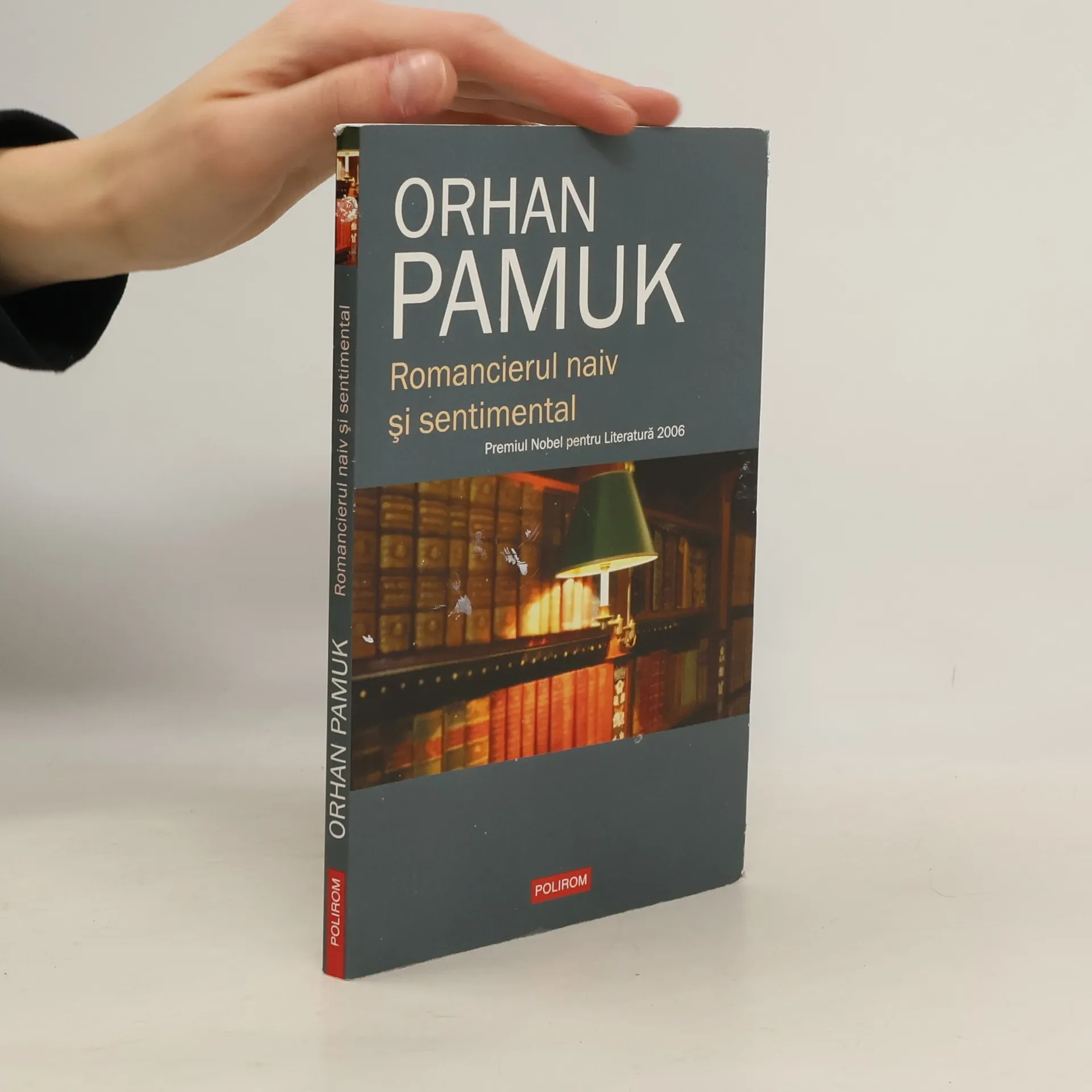
Ce se intimpla cu noi, si in noi, cind citim un roman? Cum se naste acel „efect de lectura a romanului”, atit de diferit de ceea ce simti cind privesti un tablou sau citesti o poezie? In aceasta colectie de eseuri despre literatura si despre el insusi, Orhan Pamuk ne arata cum se alcatuiesc cele doua lumi – a scrisului si a cititului – si cum ajung ele sa se uneasca. „La sfirsitul lecturii, aflam mai multe despre Pamuk insusi decit despre cum scrie Pamuk. Aflam ca e genial, ca nu inceteaza sa se priveasca mereu de aproape, ca nu-l intereseaza o teorie coerenta a romanului, ci o stare a scrisului si a cititului.” (Financial Times) „Oricine se crede romancier ar trebui sa citeasca eseurile lui Pamuk – pentru ca trebuie sa invatam de la aceia care chiar se pricep.” (The Telegraph)
Im Frühjahr 2012 wurde es endlich eröffnet - Orhan Pamuks „Museum der Unschuld“. Ausgehend von seinem großen Liebesroman gleichen Titels, in dem Gegenstände aus der Alltagskultur der Türkei eine prominente Rolle spielen, wird Pamuks Sammlung nun dauerhaft in der Istanbuler Altstadt ausgestellt. Seine einzigartigen Objekte beschreibt Pamuk in diesem Buch: Durch alte Postkarten und Filmplakate, Hunderte von hinreißenden Fotografien und skurrile Gegenstände lässt der Literaturnobelpreisträger 2006 das geliebte Istanbul seiner Jugend aufleben, das in der brummenden Metropole von heute aufgegangen ist. Alle, die in die aufregende Stadt am Bosporus reisen, sollten dieses Vademecum dabeihaben: Schöner und hingebungsvoller kann eine Stadt nicht gezeigt werden.
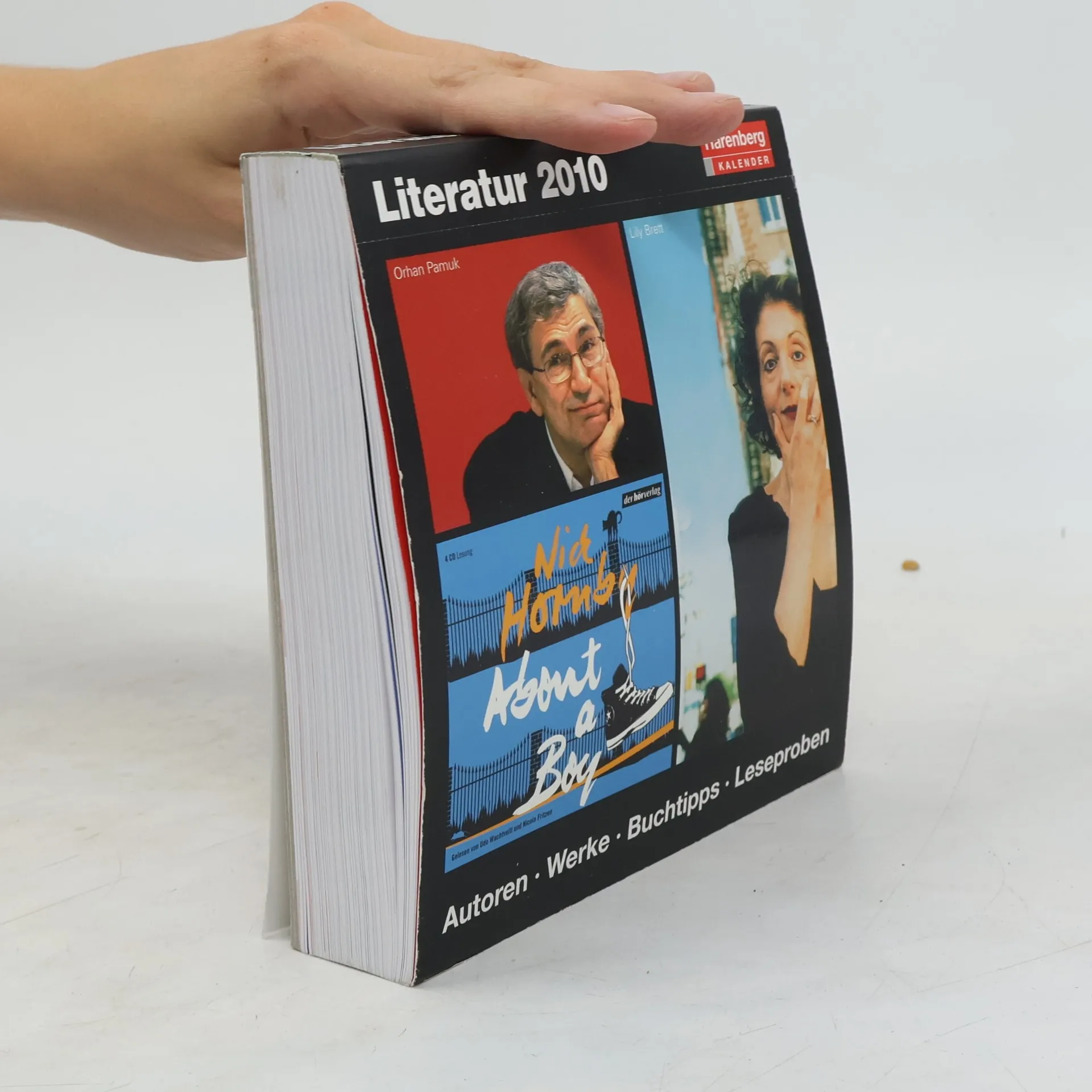
Autoren, Werke, Buchtipps, Leseproben
Anthologie verfolgter Autorinnen und Autoren
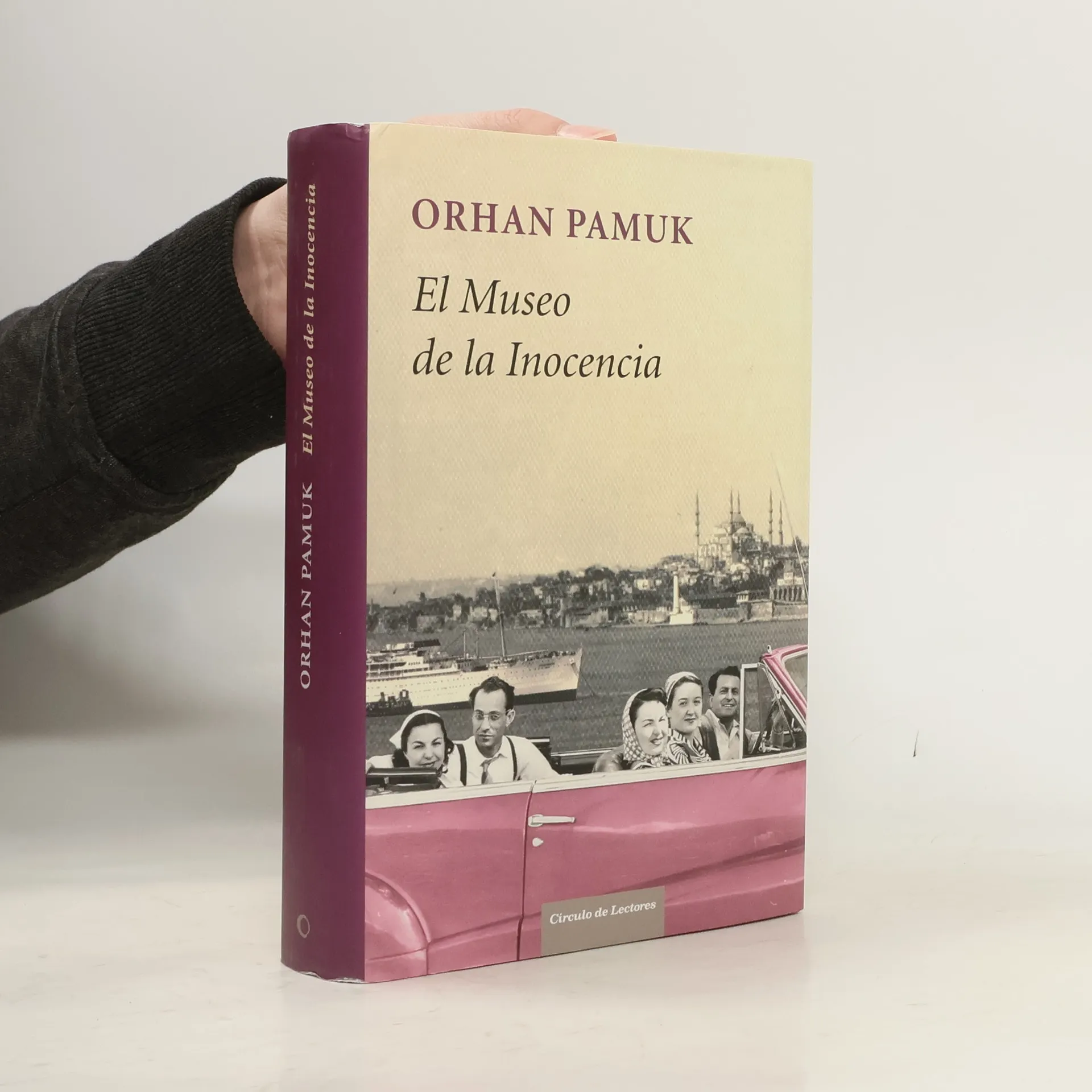
Estambul, 1975. A sus treinta años Kemal, miembro de una familia de la alta burguesía de la ciudad, cumple a la perfección los mandatos que su mundo le impone: ha estudiado en Estados Unidos, trabaja como director general en una de las empresas de su padre y está a punto de casarse con una chica perteneciente a su misma clase. Pero un día, Kemal se reencuentra por casualidad con Füsun, una pariente lejana a la que no veía desde que era una niña y convertida ahora en una atractiva muchacha de dieciocho años. Entre ambos surge una inocente y desinhibida aventura que desembocará en una pasión sin límites. Hasta el día en que Füsun desaparece, dejando a su amante sumido en una irreparable melancolía. Sin embargo, con el tiempo Kemal aprenderá a hallar un consuelo a su mal: los objetos que alguna vez pertenecieron a Füsun. Objetos que él aprenderá a conservar y a amar, convirtiéndolos en reliquias de la religión privada en que se ha convertido en su adoración por la muchacha. Su tesoro, que lo hará famoso y objeto de las burlas de la sociedad de Estambul, se convertirá en un museo particular, en el verdadero mapa de los rituales y usos de todo una sociedad, y del corazón roto de un hombre.
"J'aimais qu'il m'emmène au cinéma, j'aimais l'entendre parler à un tiers du film que nous avions vu ; j'aimais sa façon de se moquer des imbéciles, des gens creux et teigneux, comme j'aimais l'entendre parler d'une nouvelle variété de fruit, d'une ville qu'il avait visitée, d'un livre ou des dernières nouvelles, mais je voulais surtout qu'il me cajole et m'aime encore plus." Le grand écrivain turc Orhan Pamuk, Prix Nobel de littérature 2006, évoque dans une langue vibrante d'émotion la place de son père dans sa destinée d'homme et d'écrivain.
Čitaoci na srpskom jeziku imaju priliku da budu među prvima koji svedoče procesu stizanja do Nobelove nagrade turskog laureata. Dževdet-beg i njegovi sinovi je prvi roman Orhana Pamuka, koji je prvobitno nastao pod imenom Tama i svetlost, a objavljen je 1982. godine. Ovaj roman, nagrađen i pre objavljivanja, oslikava uticaj klasične evropske literature, poput Dostojevskog i Tolstoja. Pripada prvoj od tri faze Pamukovog pisanja: realizmu, modernizmu i postmodernizmu. Autor ga upoređuje sa Budenbrokovima Tomasa Mana, sličnim biografskim okolnostima i rezultatima. Roman predstavlja čvrstu sagas o tri generacije imućne istanbulske porodice, smeštene u vremenskom okviru od 1908. do 1971. godine, prikazujući promene turskog društva koje prihvata zapadne vrednosti, suočavajući se s krizama i dilemama. Ova porodična saga, napisana naturalistički, nudi čvrst zaplet, impresivne likove i preciznu društvenu pozadinu, pružajući široku sliku dvadesetog veka moderne Turske. Pamuk se seća trenutka kada je svom ocu predao rukopis, očekujući njegovo mišljenje, koje je bilo od velike važnosti za njega. Njegov otac je, nakon što je pročitao roman, izrazio svoje poverenje u sina, predviđajući mu buduće uspehe.
In the three decades that Nobel prize-winning author Orhan Pamuk has devoted himself to writing fiction, he has also produced scores of witty, moving, and provocative essays and articles. He engages the work of Nabokov, Kundera, Rushdie, and Vargas Llosa, among others, and he discusses his own books and writing process. We also learn how he lives, as he recounts his successful struggle to quit smoking, describes his relationship with his daughter, and reflects on the controversy he has attracted in recent years. Here is a thoughtful compilation of a brilliant novelist's best nonfiction, offering different perspectives on his lifelong obsessions with loneliness, contentment, and the books and cities that have shaped his experience.
Orhan Pamuk bu yeni kitabında, çocukluğundan başlayarak hayatından, yaşadıklarından bütün içtenliğiyle söz ediyor. Yazarın babasının ölümü, siyasi dertleri, futbol oynarken ya da romanlarını yazarken hissettikleri, tıpkı annesinin sigara böreği yapışı, yaz gecesi bir sivrisineğin hareketleri ve Boğaz gemileri hakkındaki gözlemleri gibi büyük bir manzaranın parçası olarak dikkatle işleniyor. Pamuk İstanbul’dan, Adalar’dan, New York’tan, Venedik ya da Kalküta’dan söz ederken yaptığı gibi, kendi suçluluk duygularından, rüyalarından, eski berberlerden ya da çocukluğunda sokaklarda atıştırdığı şeylerden de bütün dikkatiyle hikâyeler çıkarıyor. Konu ister Binbir Gece Masalları, ister Dostoyevski’nin romanları, ister eski ressamlar, ister Selimiye Camii olsun, Pamuk gözlemlerini, duygularını sıralarken akılda sevdiğimiz bir hikâyecinin tanıdık ve unutulmaz sesi kalıyor. Tıraş olmaktan asansöre binmeye, dünyayı çocuk gibi seyretmekten deprem endişelerimize, trafik ve dinden eski yangınlar ve yıkımlara uzanan bu kitap, Orhan Pamuk’un gözünden bakıldığında dünyanın ne kadar ilginç ve yeni olabileceğini bir kere daha kanıtlıyor.
Estambul es un retrato de una de las ciudades más fascinantes de la Europa que mira a Asia. Pero es también una autobiografía, la del propio Orhan Pamuk. Su historia empieza en la infancia, recordando cómo tomó conciencia de que vivía en un espacio plagado de melancolía, un lugar que arrastraba un pasado glorioso e intentaba hacerse un hueco en la "modernidad". Esta elegía sirve para acercarnos a villas fantasmagóricas y callejuelas secretas, a estatuas valiosas y mutantes, a pintores, escritores y célebres asesinos. A una ciudad donde, por encima de todo, destaca el terapéutico Bósforo, que en la memoria del narrador es vida, salud y felicidad.
In an old mansion in Cennethisar, a former fishing village near Istanbul, an old widow Fatma awaits the annual summer visit of her grandchildren. She has lived in the village for decades, ever since her husband, an idealistic young doctor, first arrived to serve the poor fishermen. Now mostly bedridden, she is attended by her faithful servant Recep, a dwarf and the doctor's illegitimate son. Under the creeping shadow of right-wing nationalism and political revolution, they share memories, and grievances, of the early years, before their home became a high-class resort.Her visiting grandchildren are Faruk, a dissipated failed historian; his sensitive leftist sister, Nilgun, has yet to discover the real-life consequences of highminded politics; and Metin, a high school student drawn to the fast life of the nouveaux riches, who dreams of going to America. But it is Recep's nephew Hassan, a high-school dropout, lately fallen in with right-wing nationalism, who will draw this family into the revolution and the growing political cataclysm issuing from Turkey's tumultuous century-long struggle for modernity. By turns deeply moving, hilarious, and terrifying, Silent House pulses with the energy of a great writer's early work even as it offers beguiling evidence of the mature genius for which Orhan Pamuk, winner of the Nobel Prize in 2006, would later be world renowned.
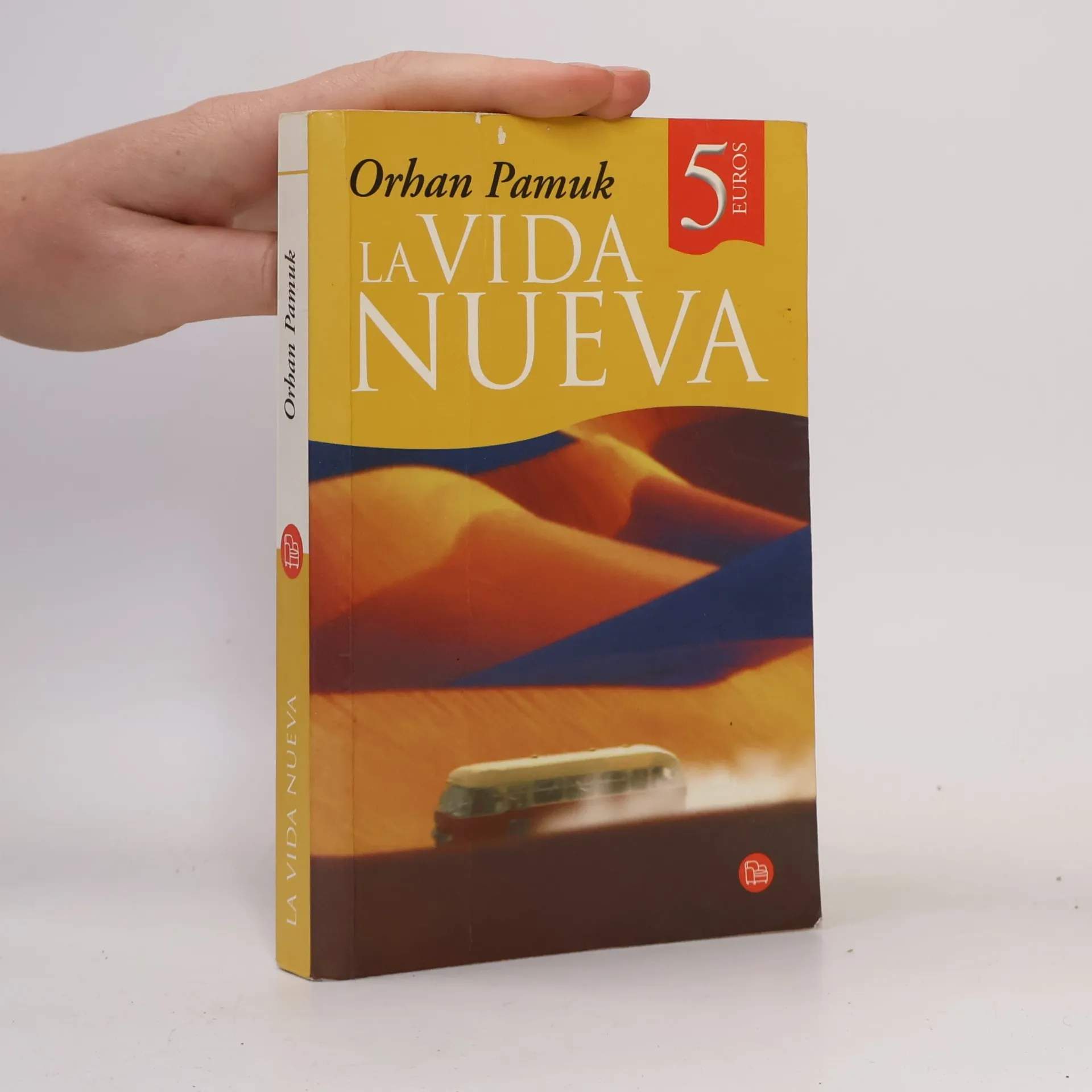
La lectura de un libro cambia por completo la vida del protagonista de esta novela, un estudiante llamado Osman, hasta alejarlo radicalmente de su anterior identidad. Poco después se enamorará de la luminosa y esquiva Canan, presenciará el intento de asesinato de un pretendiente rival y abandonará a su familia para viajar sin rumbo por un paisaje nocturno de cafés y apocalípticas estaciones de autobús. El resultado es el maridaje fabuloso de un thriller intelectual y una sofisticada novela de amor.
Posle ove knjige Istok nije ono što je bio pre. Orhan Pamuk ovoga puta vaskrsava čudesni svet Orijenta s njegovim bojama, umetnošću, estetikom i tajanstvenim duhom. Zovem se Crveno je pripovest o umetnosti, ljubavi, sreći, životu, smrti, na trenutke rasprava o suštini islamske umetnosti i poimanja sveta, ispričana kroz sudbine slikara minijatura i kaligrafa u Carigradu s kraja 16. veka. Bogatstvo jezika, obilje slika, asocijacija, poniranje u bit islamske civilizacije i njene dodire s renesansnim duhom, jedinstvena kompozicija i struktura dela potvrđuju da je Orhan Pamuk jedan od najvećih pisaca dvadeset prvog veka. Veza između prošlog i sadašnjeg vremena sadržana je i u boji. Crveno je boja osvete i smrti, ali, ponajviše, boja strasti, nadahnuća i umetnosti. A možda je, po Pamuku, ime univerzuma - Crveno!
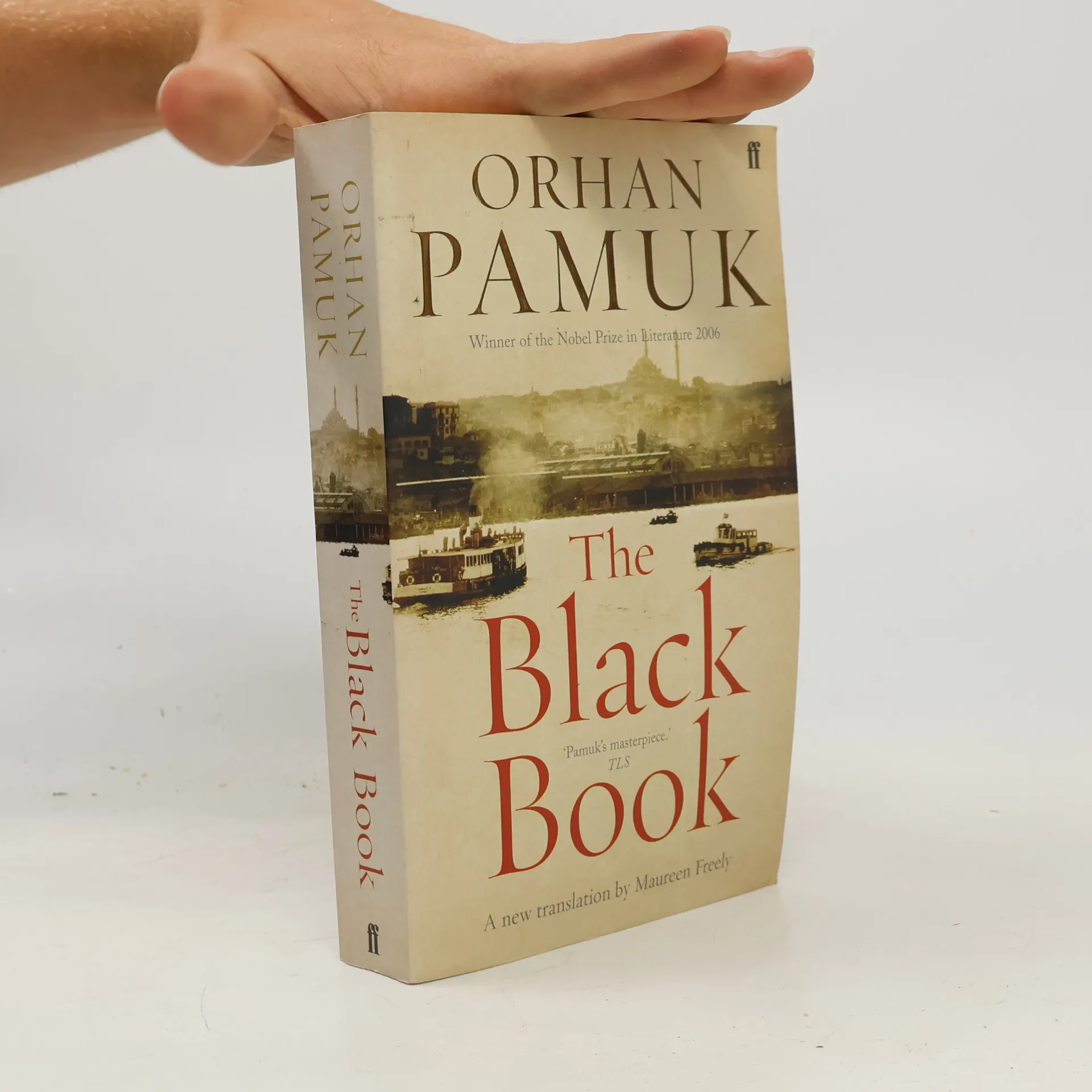
Tells the story of Galip, an Istanbul lawyer whose wife has vanished. Playing the part of private investigator, he soon finds himself descending deeper and deeper into an extraordinary mystery.
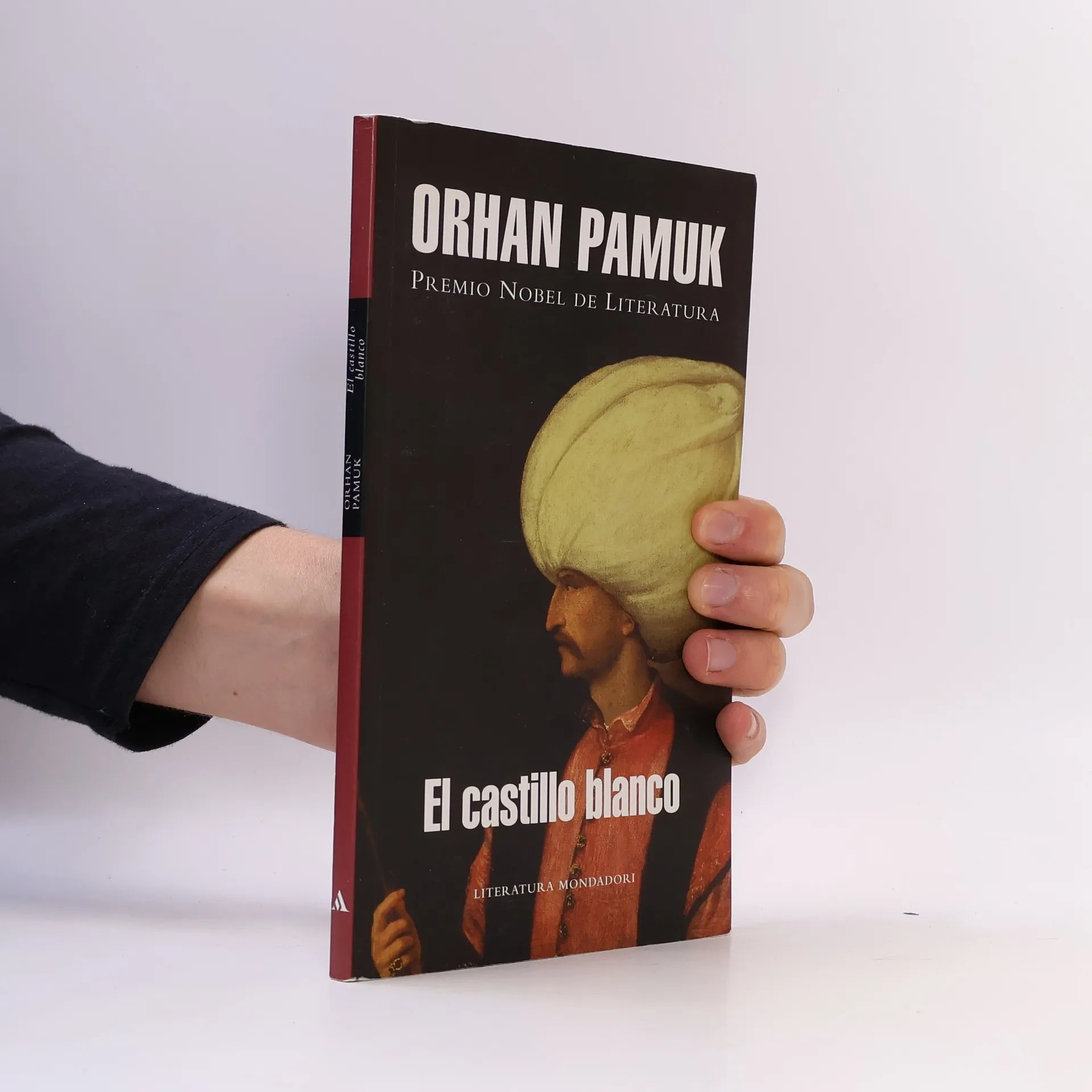
Un joven científico italiano es capturado por piratas cuando viaja de Venecia a Nápoles. Poco después es vendido como esclavo a un sabio turco deseoso de conocer los avances científicos de Occidente. Ambientada en la Turquía del siglo XVII, El castillo blanco cuenta la extraordinaria historia de estos dos hombres, que curiosamente guardan un gran parecido físico. Una fascinante exploración de la identidad, del fatídico pulso entre tradición y modernidad, y del destino del intelectual a través de la relación que surge entre ambos personajes.
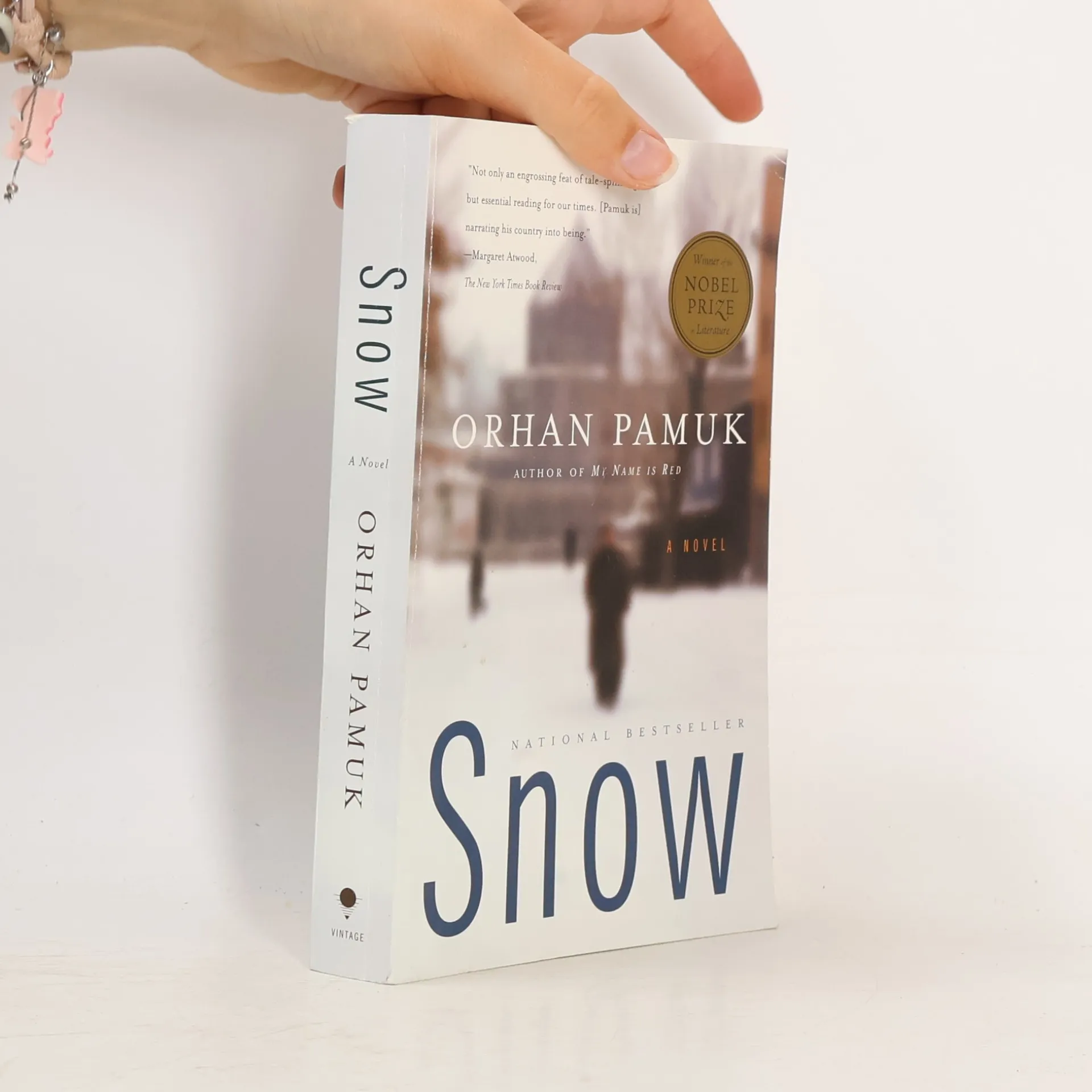
NATIONAL BESTSELLER • Touching, slyly comic, and humming with cerebral suspense—a masterful novel of "political intrigue and philosophy, romance and noir" (Vogue) and the lethal chemistry between secular doubt and Islamic fanaticism from the Nobel Prize winner. An exiled poet named Ka returns to Turkey and travels to the forlorn city of Kars. His ostensible purpose is to report on a wave of suicides among religious girls forbidden to wear their head-scarves. But Ka is also drawn by his memories of the radiant Ipek, now recently divorced. Amid blanketing snowfall and universal suspicion, Ka finds himself pursued by figures ranging from Ipek’s ex-husband to a charismatic terrorist. A lost gift returns with ecstatic suddenness. A theatrical evening climaxes in a massacre. And finding god may be the prelude to losing everything else.