
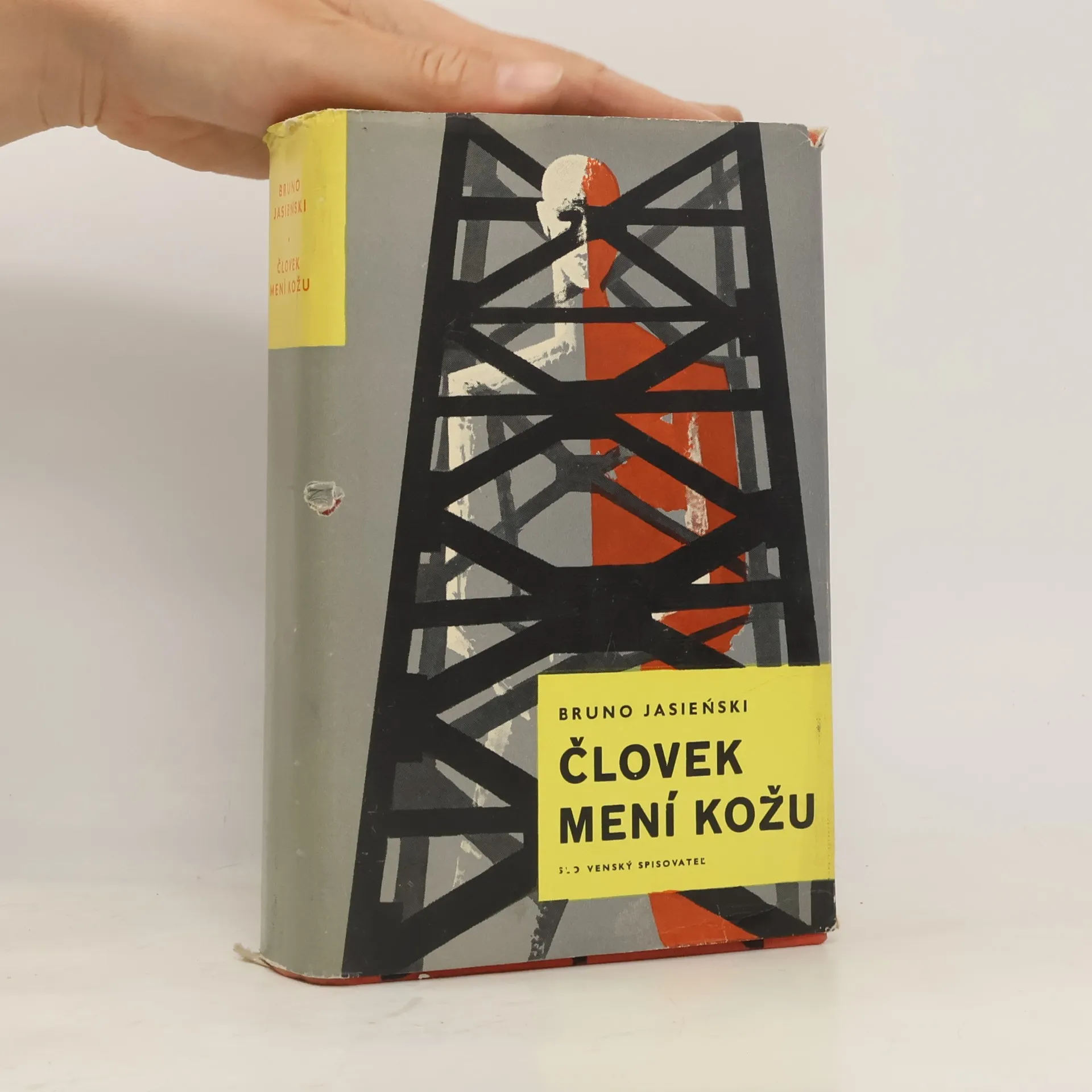

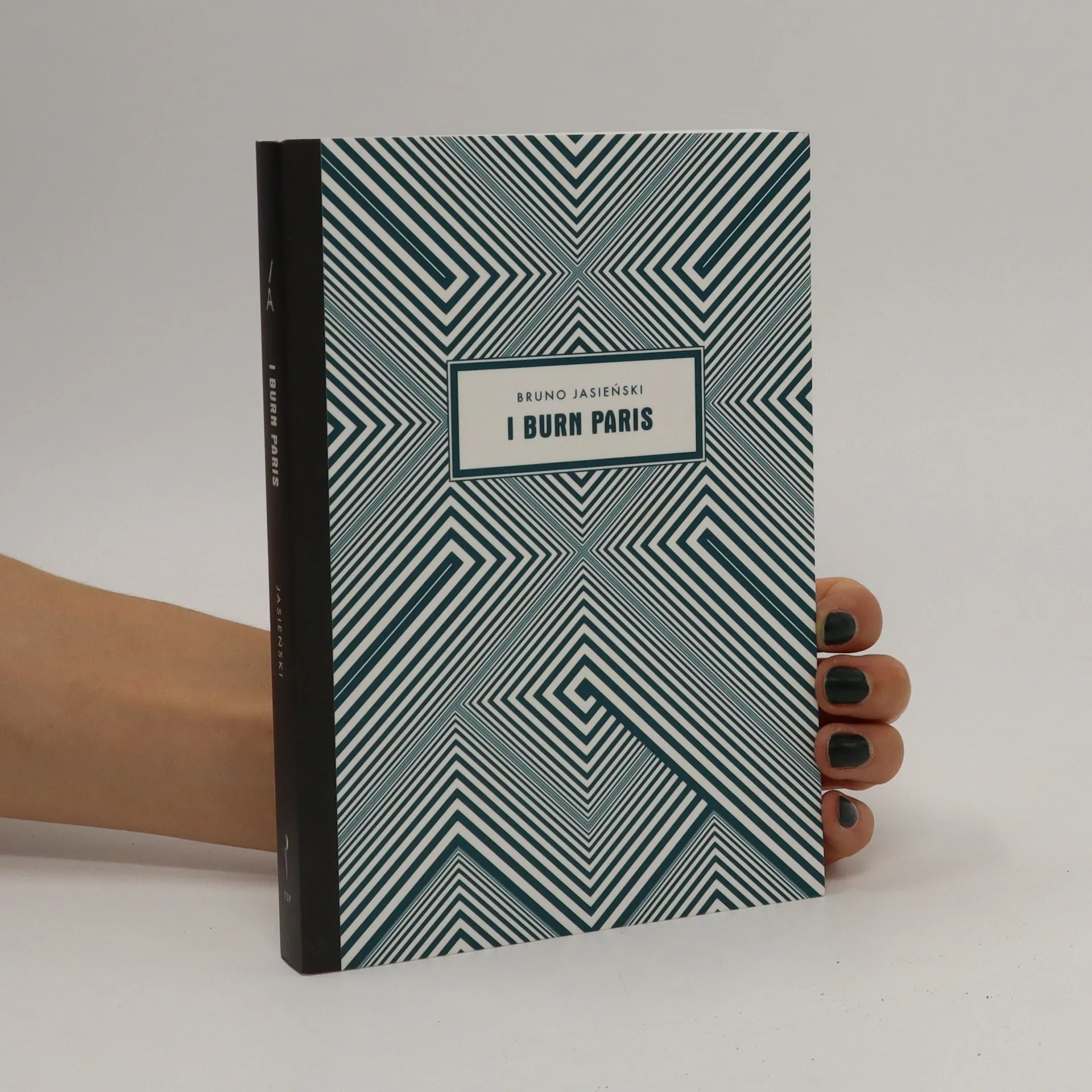
I Burn Paris
- 299 páginas
- 11 horas de lectura
Tato kniha byla vydána českým nakladatelstvím Twisted Spoon Press, které sídlí v Praze a zaměřuje se na české a slovanské autory v angličtině. Oficiální anotace nakladatele: I Burn Paris zůstává jedním z nejnepříjemnějších literárních děl Polska od své kontroverzní serializace Henri Barbussem v roce 1928 v L'Humanité, což vedlo k deportaci Jasieńského za šíření subverzivní literatury. Příběh sleduje nespokojeného dělníka, který, ocitnuvší se na ulici, se rozhodne otrávit pařížský vodovod. Jak se počty mrtvých zvyšují, setkáváme se s čínskými komunisty, rabíny, zklamanými vědci, ruskými emigranty, francouzskými komunardy a royalisty, americkými milionáři a mnoha dalšími, jak se město rozděluje na etnické enklávy a každý plánuje svou cestu k útěše. Uprostřed kosmopolitního města se ukrývá hluboce zakořeněná xenofobie a nenávist, což je společný prvek všech těchto skupin. Jak Paříž směřuje k záhubě, Jasieński vydává výzvu utlačovaným světa, mísící prvky "Internacionály" s populární hudbou. S montážními strategiemi připomínajícími ranou avantgardní kinematografii a silnými metaforami, I Burn Paris si zachovává svou vitalitu. Jasieński neúprosně rozebírá utopické fantazie a transformuje pařížskou krajinu na produkt nemocnými myslí. Dielo představuje zdegenerovaný svět, kde továrny a stroje nahradily lidské vztahy, přičemž město je zobrazeno jako povrchně kosmopolitní, avšak v jádru nepřátelské a zvířecí. Tato anglická verze vyplň