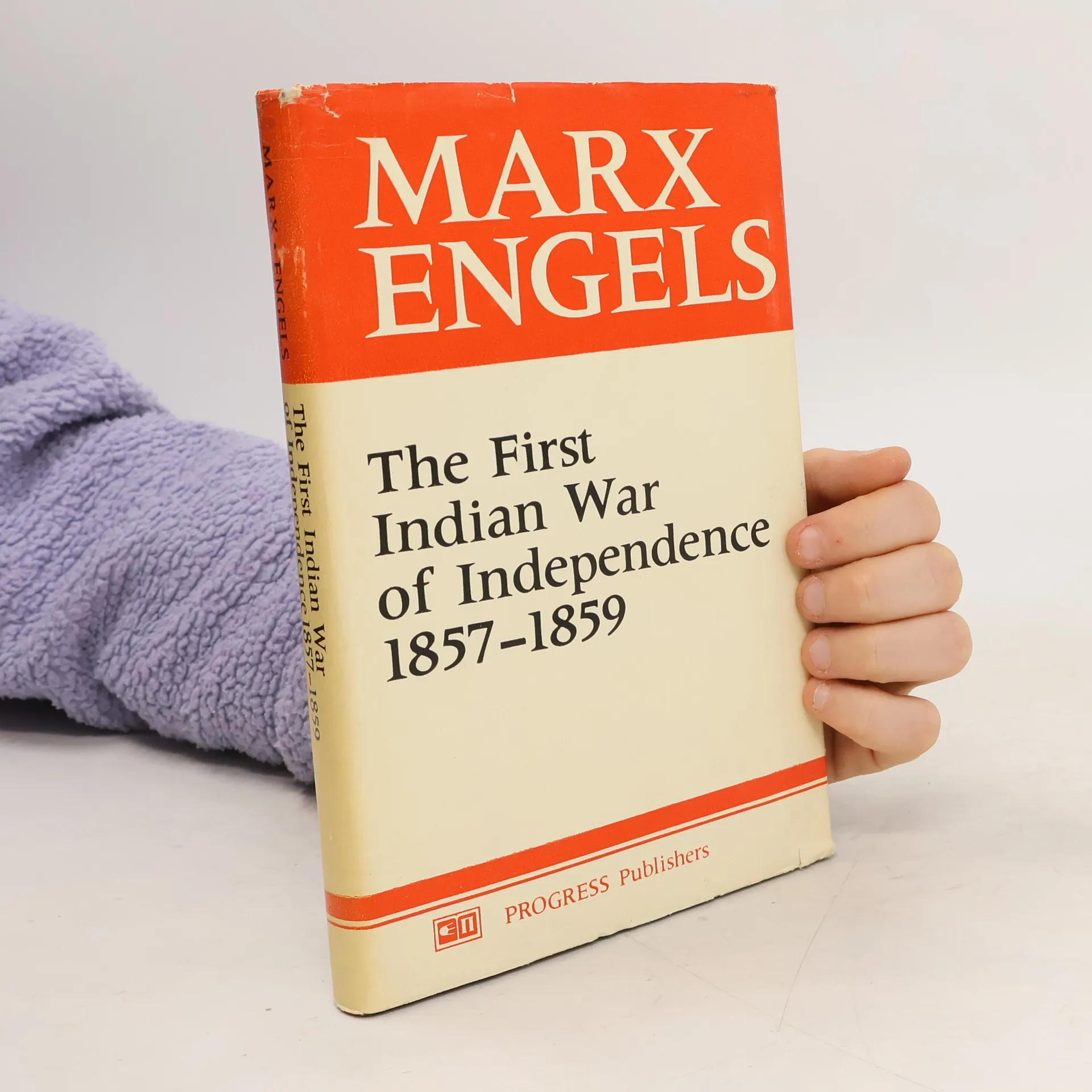
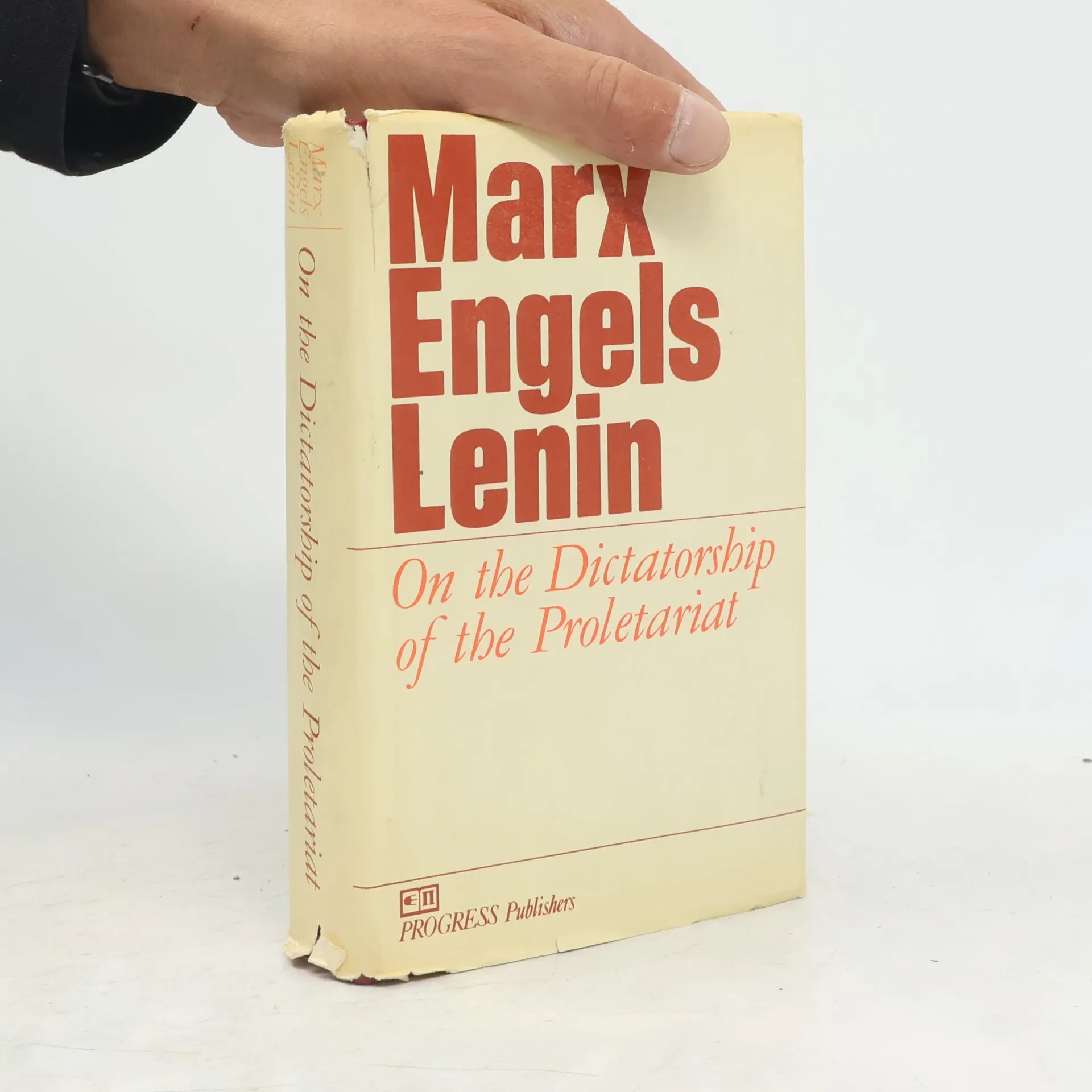
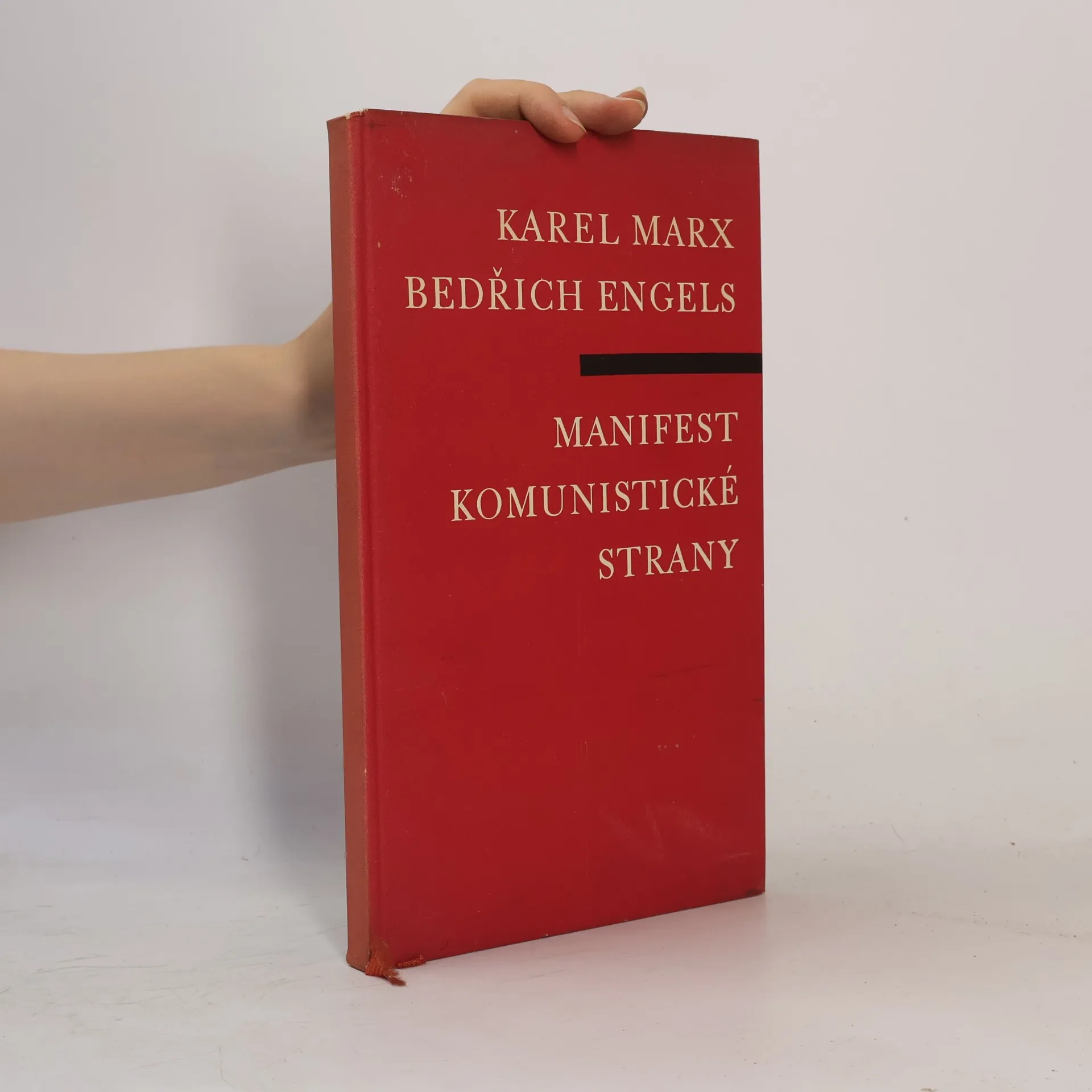
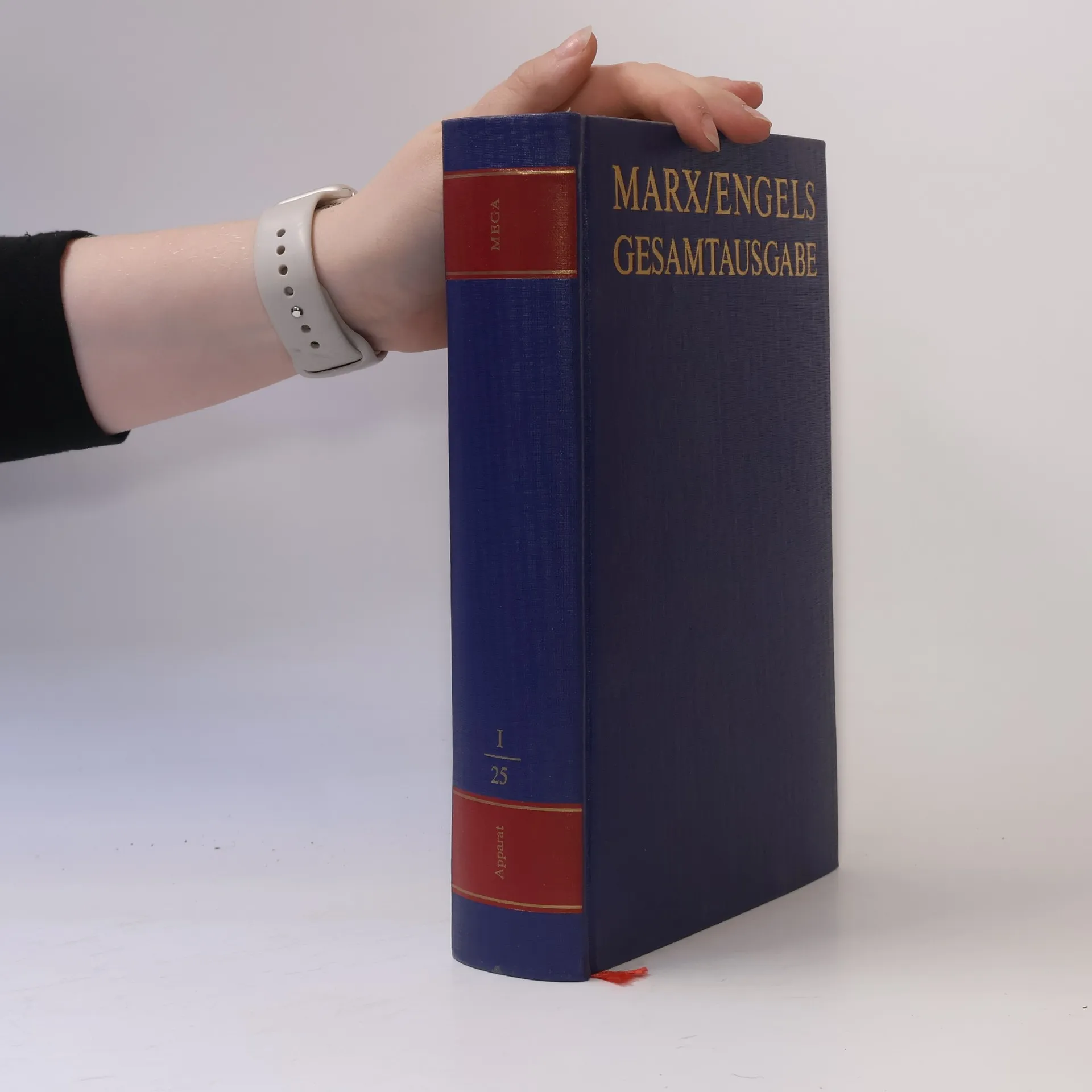
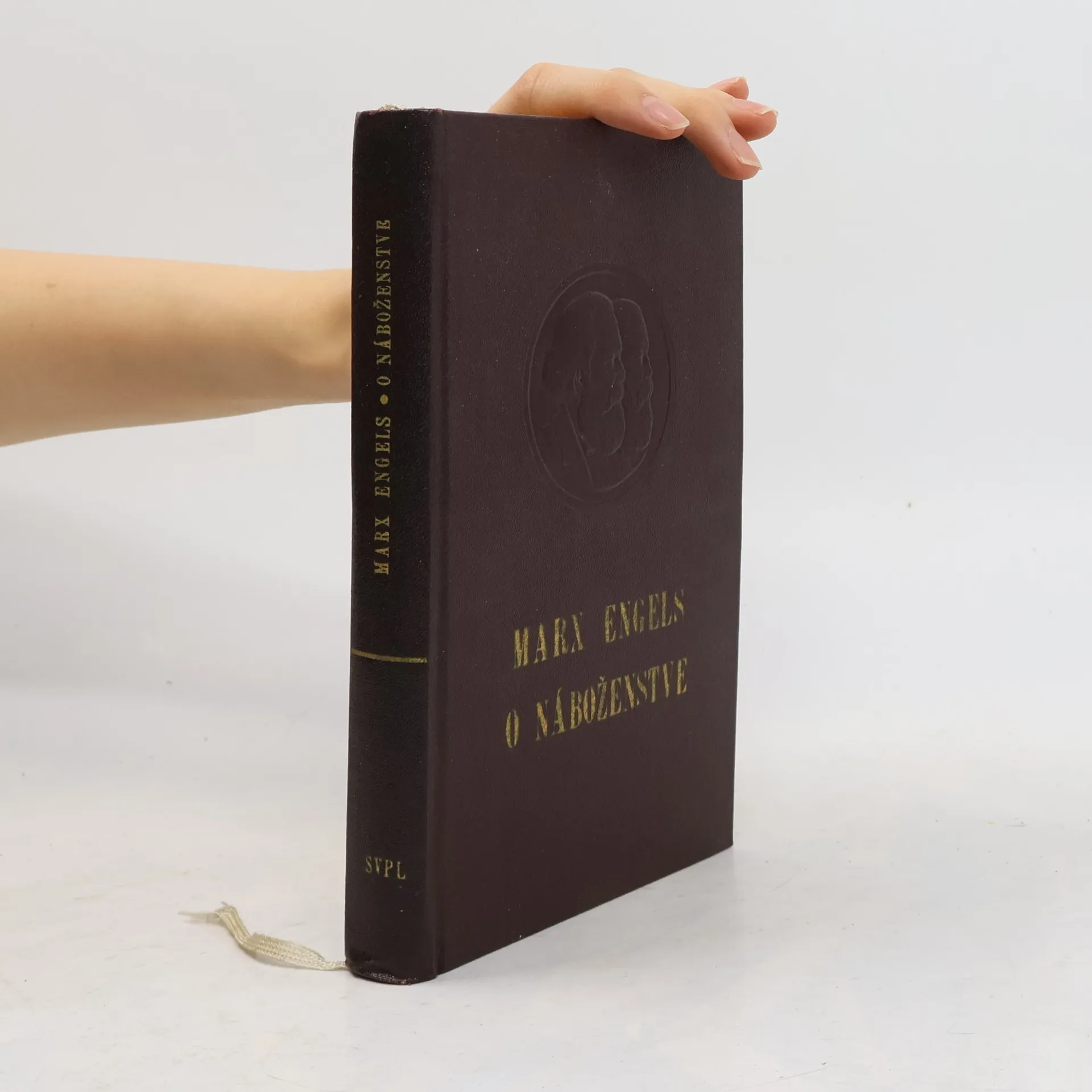
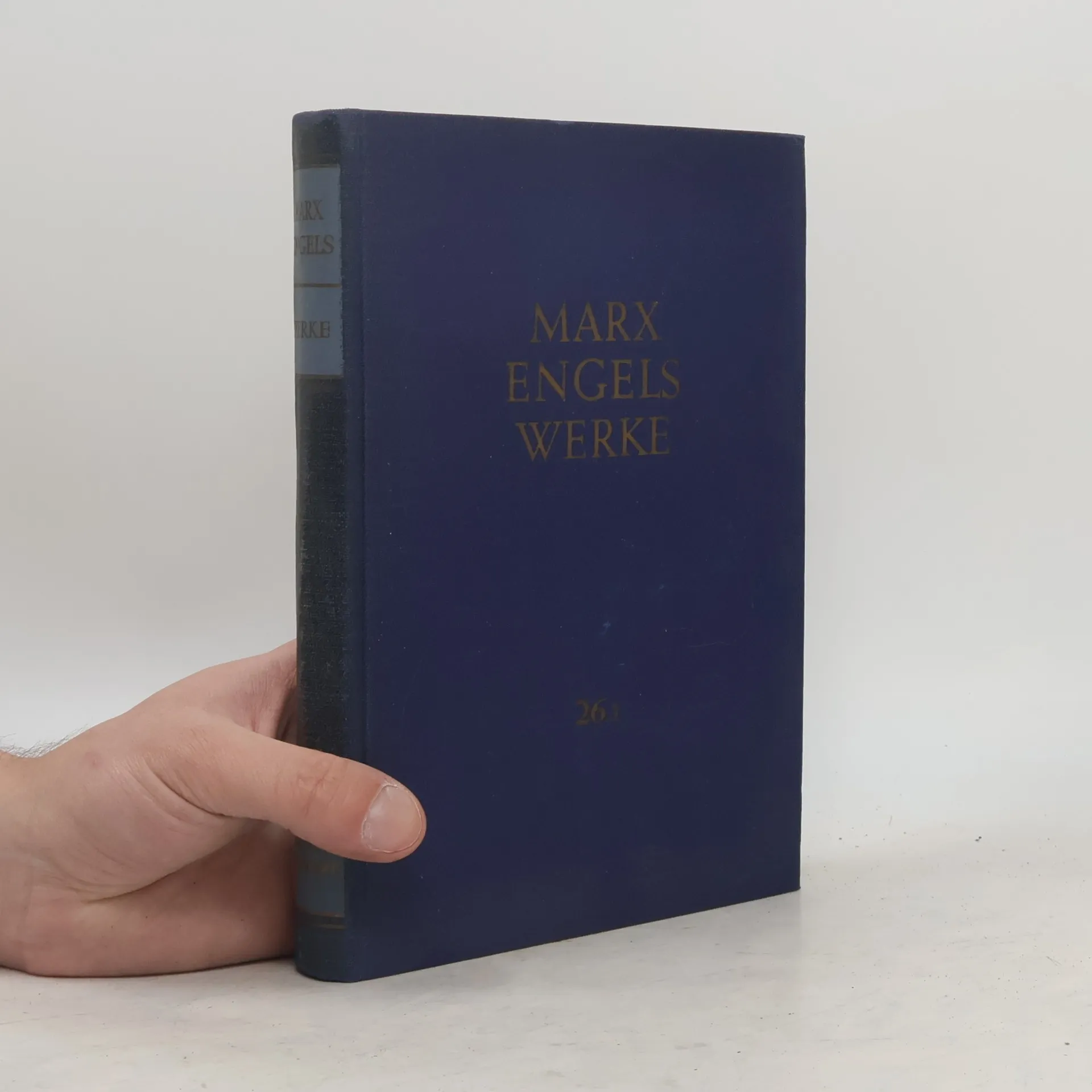
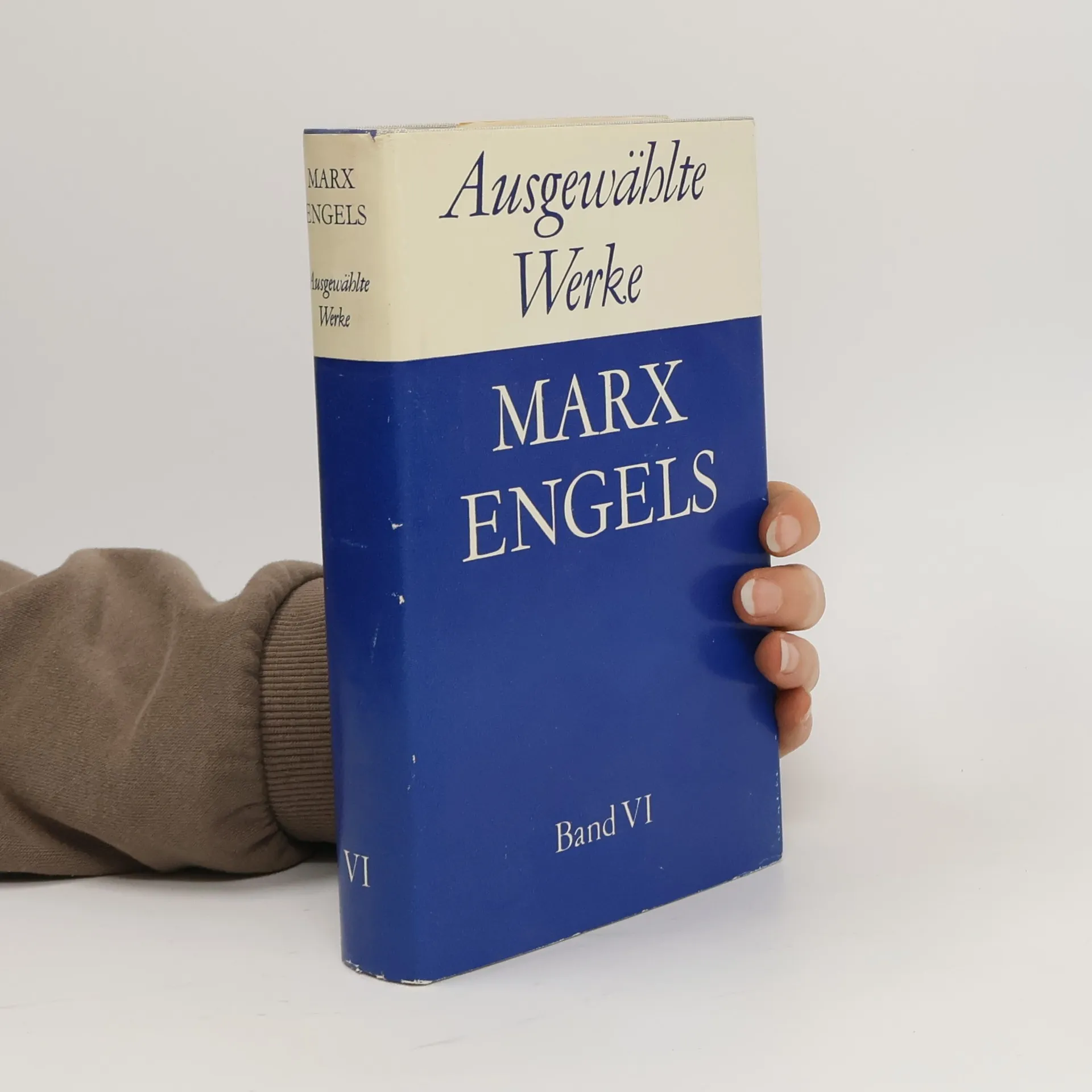
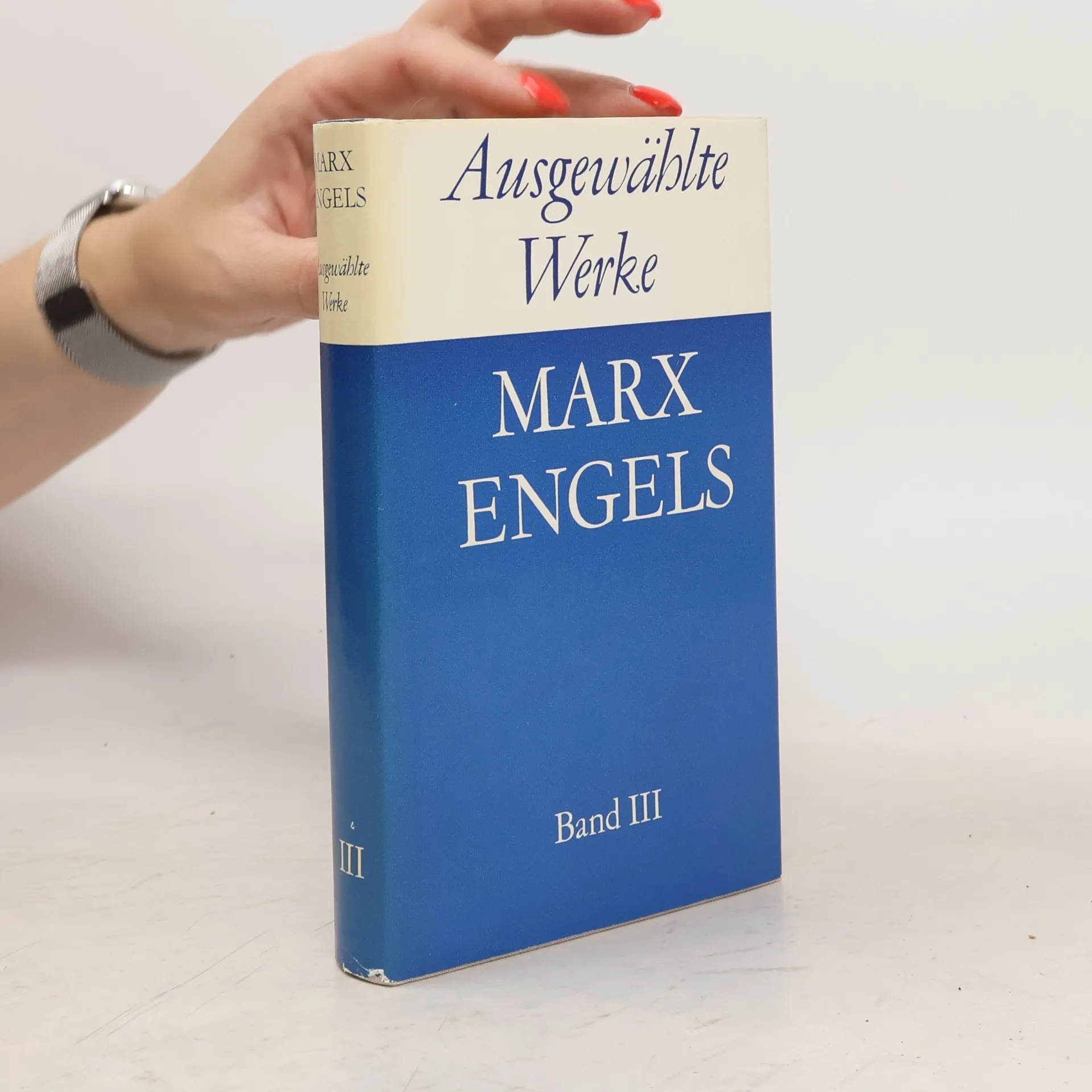
Este manifiesto, publicado en Londres en 1848, fue redactado por Marx y Engels por encargo del segundo congreso de la Liga Comunista. Además del programa de un partido, es un lúcido análisis de la sociedad capitalista del siglo XIX que, en muchos aspectos, sigue siendo actual. No estamos ante un panfleto sino ante un clásico del pensamiento occidental que ha llegado a ser el libro más difundido tras la Biblia y cuyos planteamientos deben ser conocidos, pues han encarnado los sueños de millones de personas y son parte fundamental de la historia del movimiento obrero.
Friedrich Engels Libros
28 de noviembre de 1820 – 5 de agosto de 1895
Friedrich Engels fue un pensador y reformador social alemán cuyas primeras experiencias con la pobreza industrial en Inglaterra lo impulsaron a analizar la injusticia social. Tras conocer a Karl Marx, se convirtieron en colaboradores de por vida, coautores de obras fundamentales que moldearon el pensamiento socialista. Engels profundizó en los orígenes del Estado y la familia, ganándose una reputación por su devoto ateísmo. Sus escritos continúan provocando la reflexión sobre las estructuras de poder y la desigualdad.




Karl Marx analiza la guerra civil en Francia, un conflicto que se desarrolló entre 1870 y 1871, centrándose en la Comuna de París. El texto examina las luchas de clases y la lucha política que surgieron en este periodo, destacando la importancia de la organización de los trabajadores y la necesidad de una revolución proletaria. Marx presenta un análisis crítico de las condiciones sociales y económicas que llevaron a la insurrección, así como las lecciones que se pueden extraer de la experiencia de la Comuna. A través de su obra, Marx busca comprender el papel del proletariado en la historia y cómo la lucha por la emancipación puede transformar la sociedad. Este estudio no solo es un testimonio de un momento crucial en la historia europea, sino también una reflexión sobre las dinámicas del poder y la resistencia en la lucha por la justicia social.
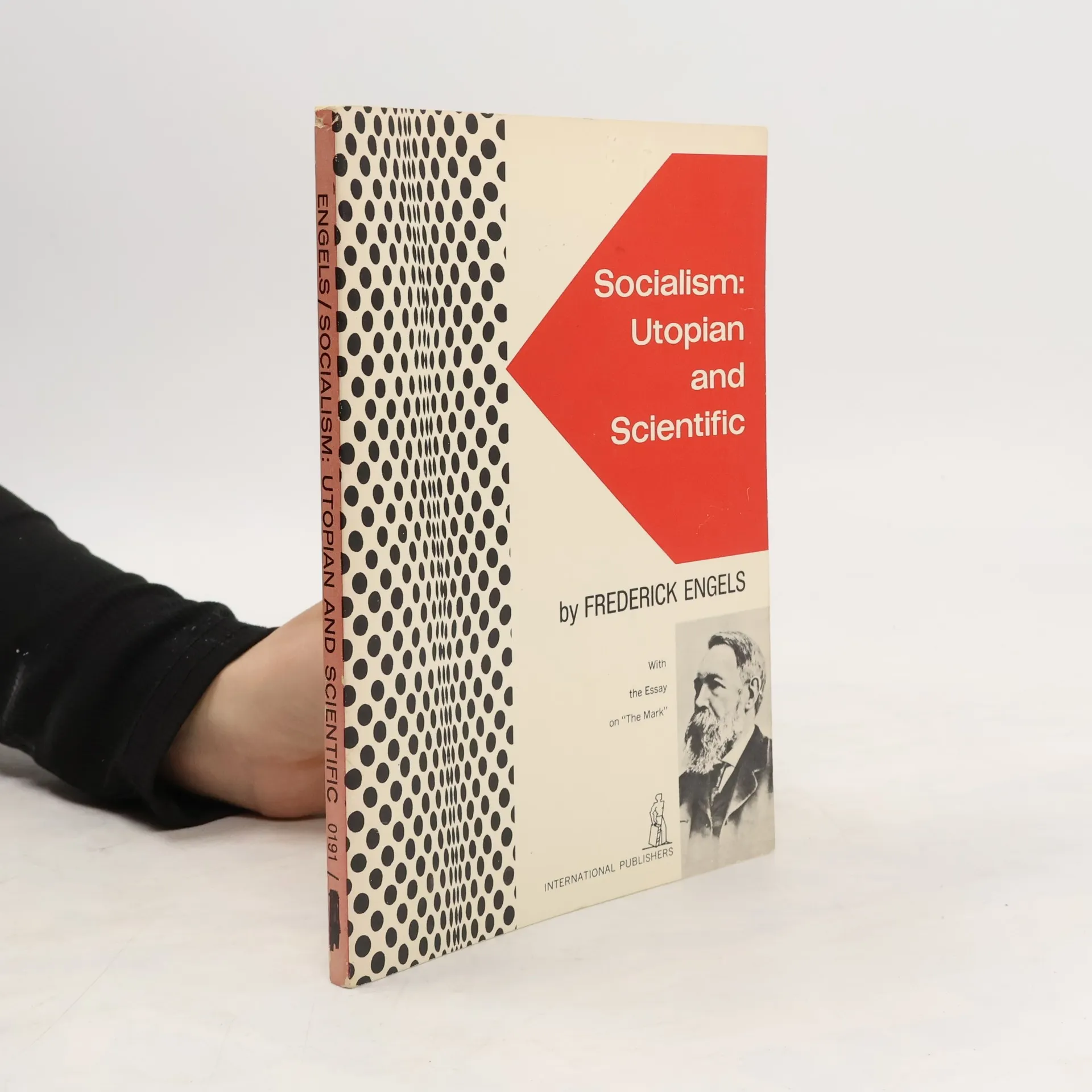
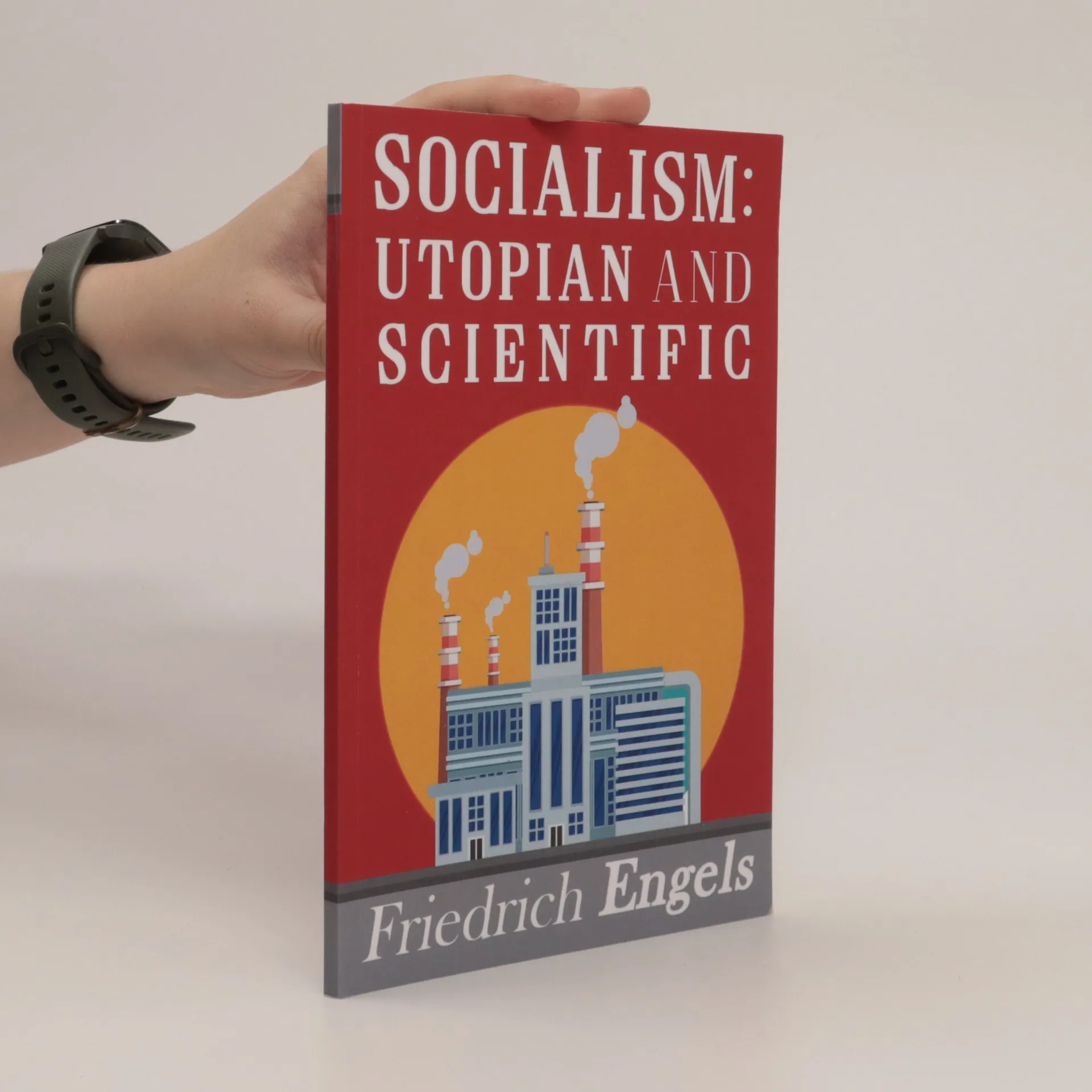
The book presents a significant exploration of socialism, distinguishing between its utopian and scientific aspects. Recognized as a classic, it has been preserved and republished in a modern format to ensure its accessibility for current and future readers. The text has been reformatted and retyped for clarity, making it a valuable resource for those interested in the evolution of socialist thought.
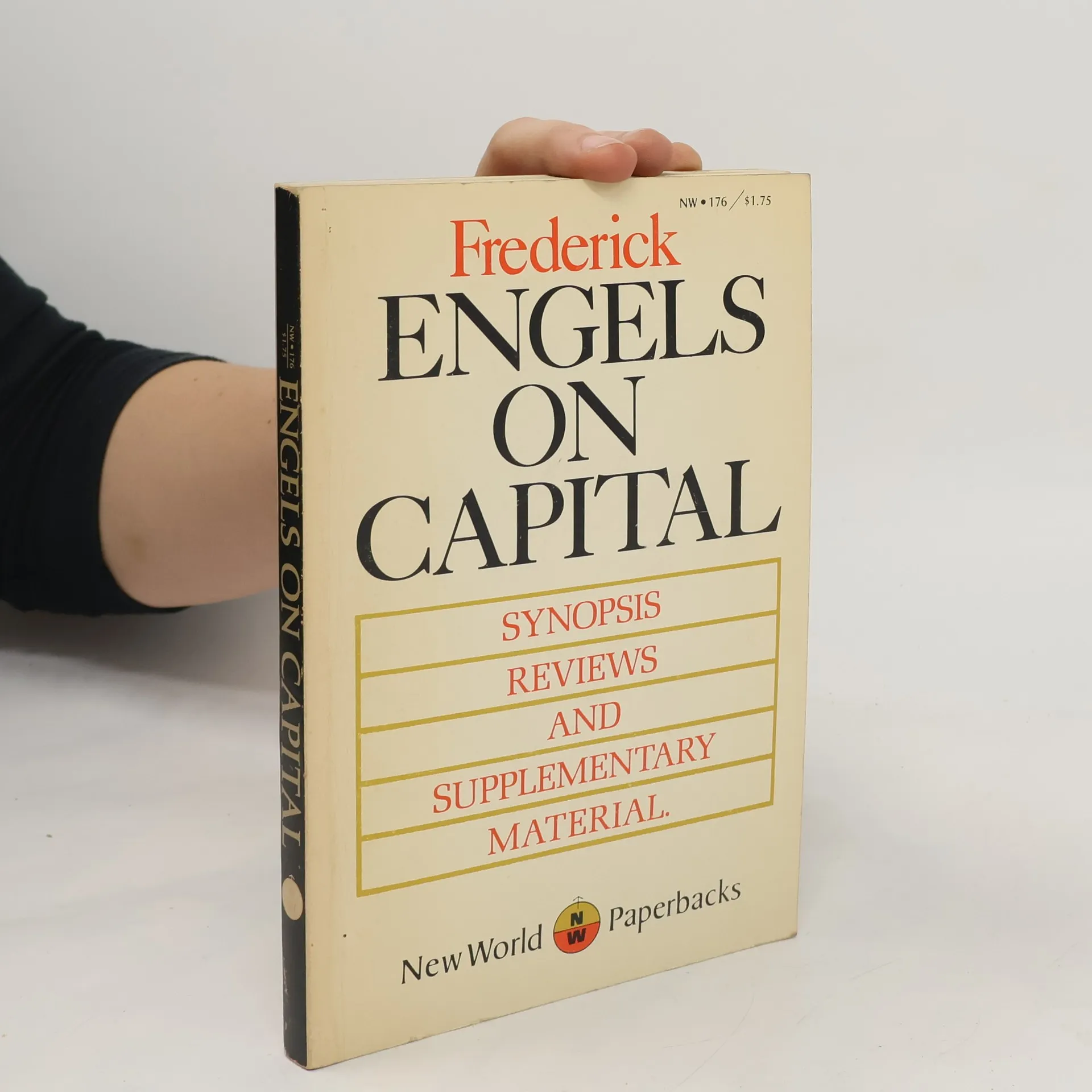
Frederick Engels on Capital
Synopsis, Reviews, and Supplementary Material
Das Kapital, Karl Marx's seminal work, is the book that above all others formed the twentieth century. From Kapital sprung the economic and political systems that at one time dominated half the earth and for nearly a century kept the world on the brink of war. Even today, more than one billion Chinese citizens live under a regime that proclaims fealty to Marxist ideology. Yet this important tome has been passed over by many readers frustrated by Marx’s difficult style and his preoccupation with nineteenth-century events of little relevance to today's reader. Here Serge Levitsky presents a revised version of Kapital, abridged to emphasize the political and philosophical core of Marx’s work while trimming away much that is now unimportant. Pointing out Marx’s many erroneous predictions about the development of capitalism, Levitsky's introduction nevertheless argues for Kapital's relevance as a prime example of a philosophy of economic determinism that "subordinates the problems of human freedom and human dignity to the issues of who should own the means of production and how wealth should be distributed." Here then is a fresh and highly readable version of a work whose ideas provided inspiration for communist regimes' ideological war against capitalism, a struggle that helped to shape the world today.
Complete Works of Friedrich Engels (Grapevine edition)
- 584 páginas
- 21 horas de lectura
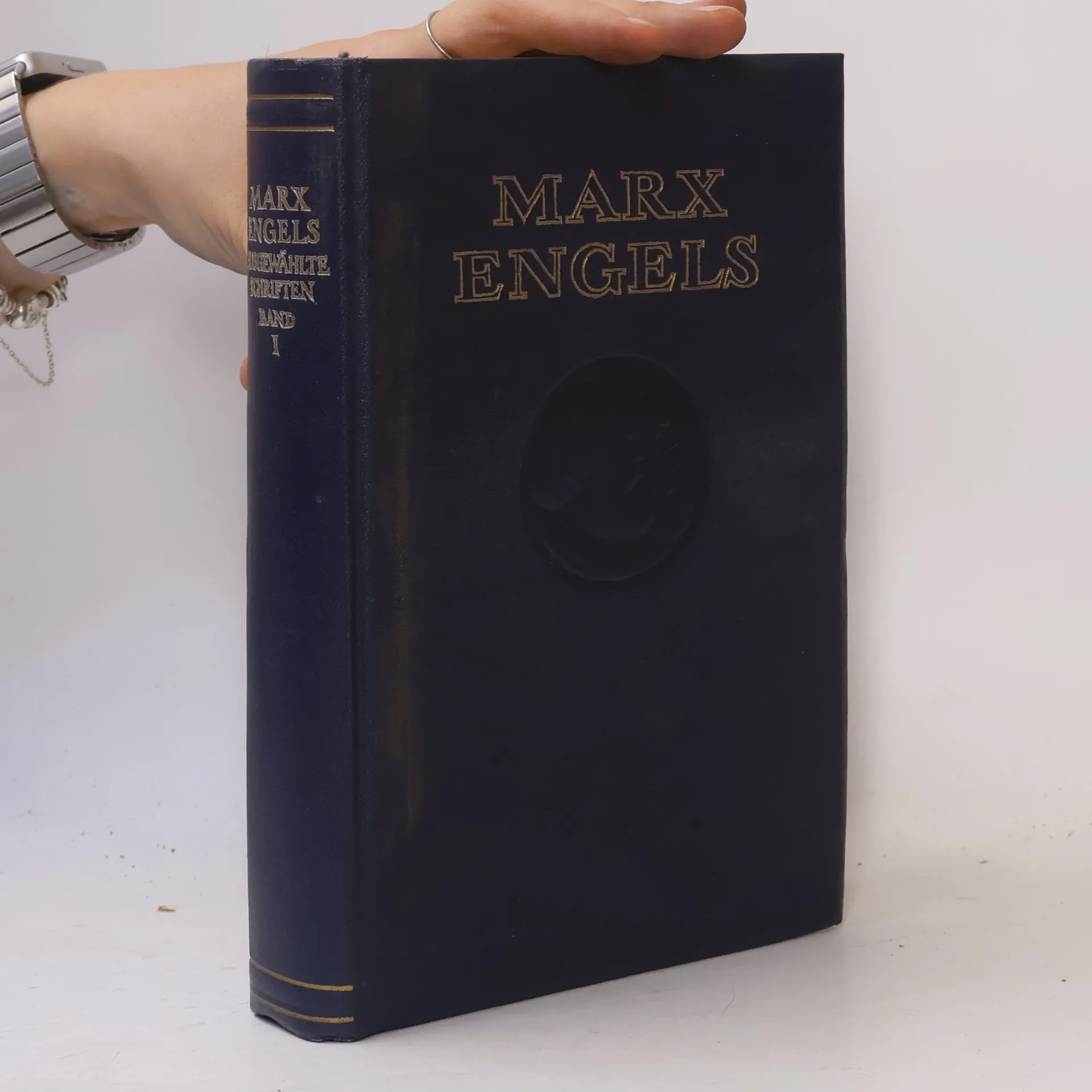
This comprehensive compilation showcases the extensive writings of Friedrich Engels, a key figure in the development of Marxist theory alongside Karl Marx. It offers insights into his thoughts on economics, politics, and social issues, reflecting the historical context of the 19th century and Engels' influential role in shaping socialist ideology. The collection serves as a valuable resource for understanding his contributions to philosophy and political theory.
Capital Volume 1
- 1152 páginas
- 41 horas de lectura
The first volume of a political treatise that changed the world One of the most notorious works of modern times, as well as one of the most influential, Capital is an incisive critique of private property and the social relations it generates. Living in exile in England, where this work was largely written, Marx drew on a wide-ranging knowledge of its society to support his analysis and create fresh insights. Arguing that capitalism would cause an ever-increasing division in wealth and welfare, he predicted its abolition and replacement by a system with common ownership of the means of production. Capital rapidly acquired readership among the leaders of social democratic parties, particularly in Russia in Germany, and ultimately throughout the world, to become a work described by Marx friend and collaborator Friedrich Engels as “the Bible of the working class.” For more than seventy years, Penguin has been the leading publisher of classic literature in the English-speaking world. With more than 1,700 titles, Penguin Classics represents a global bookshelf of the best works throughout history and across genres and disciplines. Readers trust the series to provide authoritative texts enhanced by introductions and notes by distinguished scholars and contemporary authors, as well as up-to-date translations by award-winning translators.
• This is a unique translation of the work of a German Philosopher. • A new table of contents with working links s has been included by a publisher. About the Author: "Friedrich Engels, ( 28 November 1820 – 5 August 1895) was a German industrialist, social scientist, author, political theorist, philosopher, and father of Marxist theory, alongside Karl Marx. In 1845 he published The Condition of the Working Class in England, based on personal observations and research. In 1848 he produced with Marx The Communist Manifesto and later he supported Marx financially to do research and write Das Kapital. After Marx's death Engels edited the second and third volumes. Additionally, Engels organized Marx's notes on the "Theories of Surplus Value" and this was later published as the "fourth volume" of Capital.
The Housing Question
- 104 páginas
- 4 horas de lectura
In the early-1870s, an ideological debate began to unfold in the German press on the shortage of affordable housing available to workers in major industrial areas. The rapid increase in industrial production necessitating an increase in industrial workers created a housing crisis. From June 1872 to February 1873, Fredrick Engels contributed a series of articles to the publication The Volksstaat (The People's State) titled "The Housing Question." Originally published as a booklet by the Co-Operative Publishing Society of Foreign Workers in the USSR and out of print for many years, INTERNATIONAL PUBLISHERS is proud to make this text available - as workers yet again face almost insurmountable obstacles to finding affordable housing. As Engels wrote in 1872, "What is meant today by housing shortage is the peculiar intensification of the bad housing conditions of the workers as the result of the sudden rush of population to the big towns; a colossal increase in rents, a still further aggravation of overcrowding in the individual houses, and, for some, the impossibility of finding a place to live in at all." Fredrick Engels' essays collected here as "The Housing Question" are just as relevant today, roughly 150 years after first written.
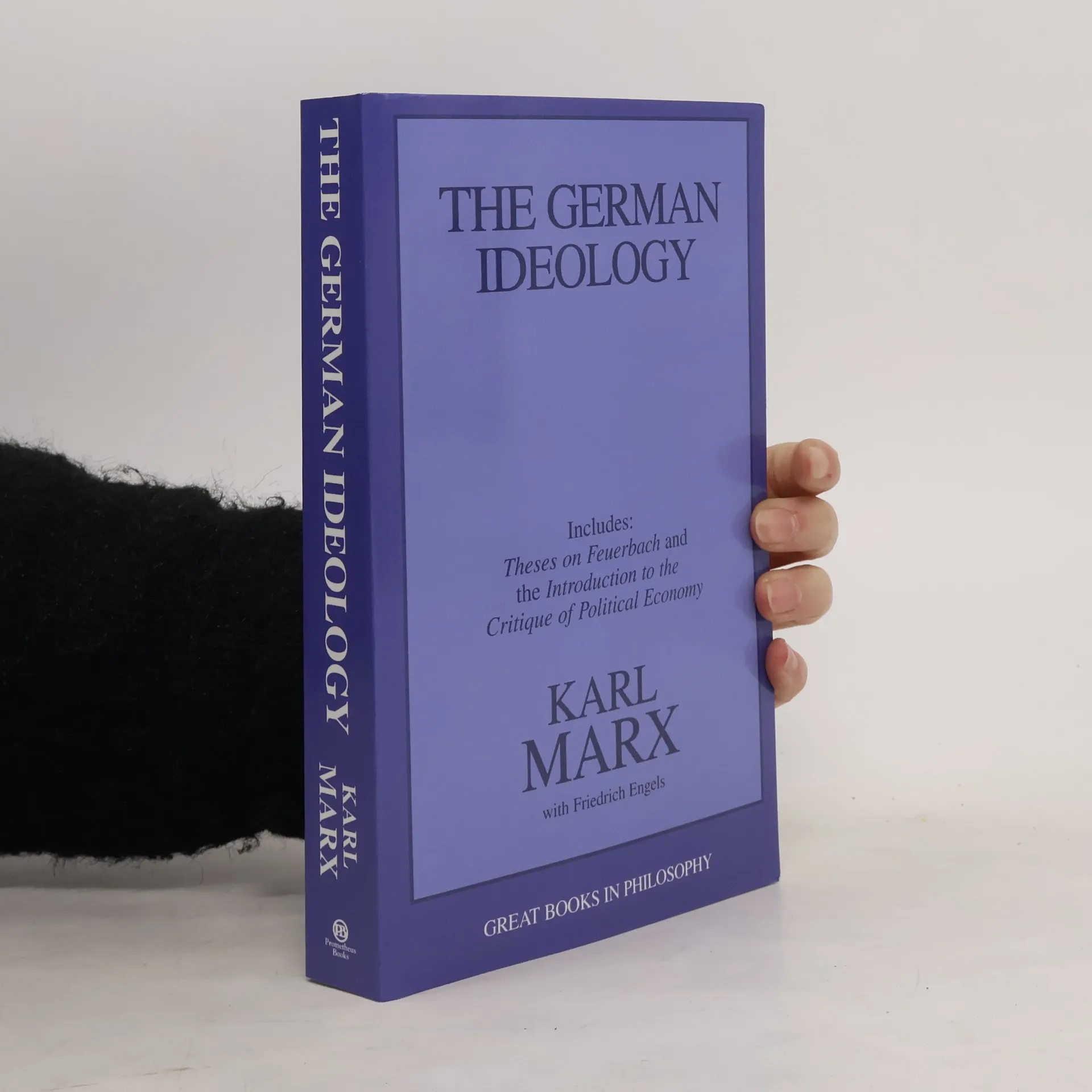
The German Ideology
- 574 páginas
- 21 horas de lectura
Nearly two years before his powerful Communist Manifesto, Marx (1818—1883) co-wrote The German Ideology in 1845 with friend and collaborator Friedrich Engels expounding a new political worldview, including positions on materialism, labor, production, alienation, the expansion of capitalism, class conflict, revolution, and eventually communism. They chart the course of "true" socialism based on G. W.F. Hegel's dialectic, while criticizing the ideas of Bruno Bauer, Max Stirner and Ludwig Feuerbach. Marx expanded his criticism of the latter in his now famous Theses on Feuerbach, found after Marx's death and published by Engels in 1888. Introduction to the Critique of Political Economy, also found among the posthumous papers of Marx, is a fragment of an introduction to his main works. Combining these three works, this volume is essential for an understanding of Marxism.
Basic Writings on Politics and Philosophy
- 497 páginas
- 18 horas de lectura
This anthology emphasizes Marx as a political sociologist and philosopher of history rather than as an economist. Engels' and Marx's writing are represented here in their full variety and also include little-known letters and essays.
The most influential theory of the origins of women's oppression in the modern era, in a beautiful new edition.
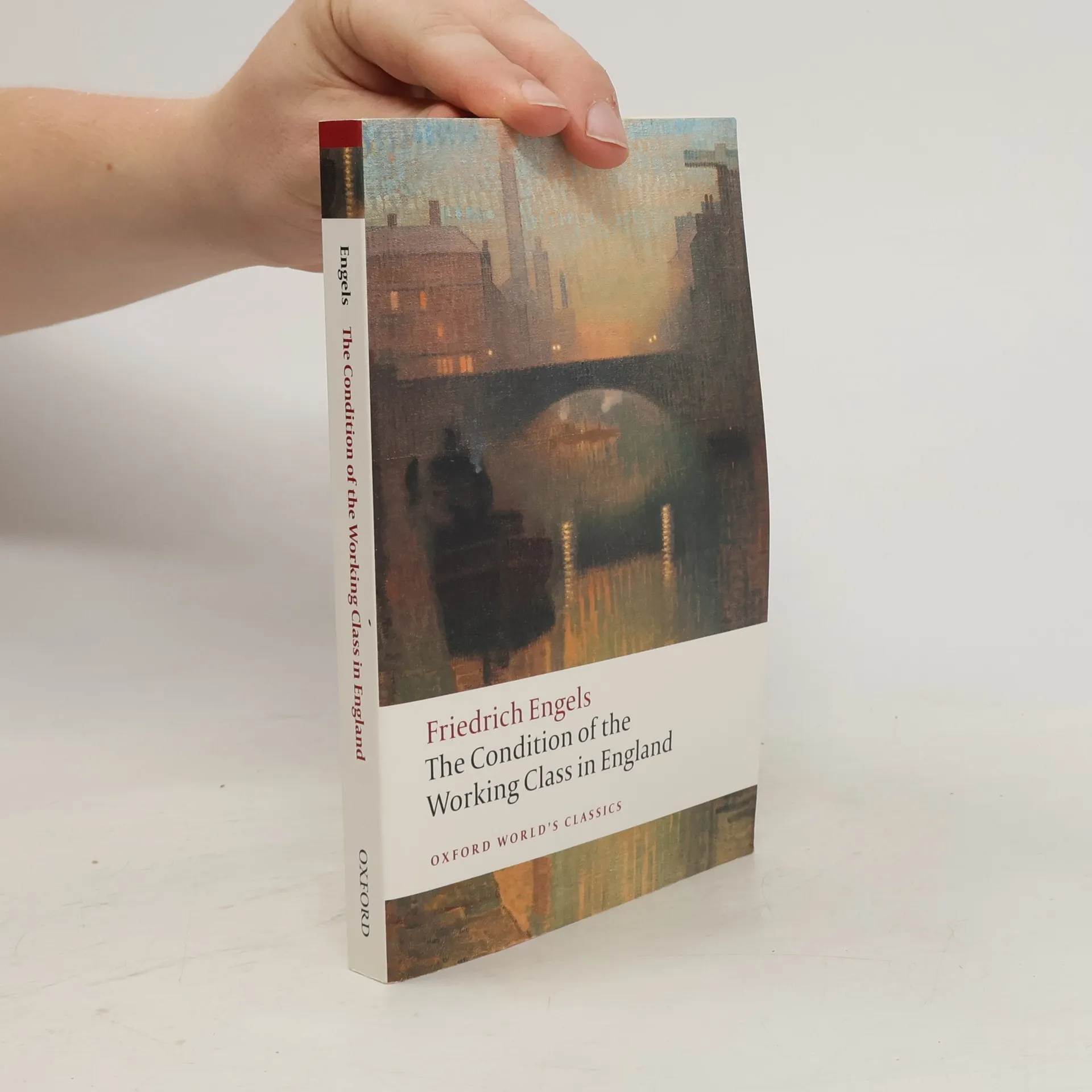
The Condition of the Working Class in England
- 336 páginas
- 12 horas de lectura
The Condition of the Working Class in England is the best known work of Engels, and still in many ways the best study of the working class in Victorian England. It was the first book written by Engels during his stay in Manchester from 1842 to 1844. Manchester was then at the very heart of the Industrial Revolution, and Engels compiled his study from his own observations and detailed contemporary reports. The fluency of his writing, the personal nature of his insights, and his talent for mordant satire combine to make this account of the lives of the victims of early industrial change into a classic - a historical study that parallels and complements the fictional works of the time by such writers as Gaskell and Dickens. What Cobbett had done for agricultural poverty in his Rural Rides, Engels did - and more - in this work on the plight of industrial workers in England in the 1840s. This edition includes the prefaces to the English and American editions, and a map of Manchester c.1845.
El capital
- 252 páginas
- 9 horas de lectura
Este libro histórico puede contener errores tipográficos y texto faltante. Los compradores pueden descargar una copia gratuita escaneada del original (sin errores) desde la editorial. No está indexado. No se muestra. Edición de 1887. Extracto: ...el desarrollo de este género de trabajo no busca abreviar la jornada laboral, como algunos economistas sugieren. Aunque un obrero logre producir diez veces más en una hora, esto no impide que se le siga haciendo trabajar al menos tanto como antes. CAPÍTULO XIII COOPERACIÓN. La fuerza colectiva del trabajo y sus resultados. El mando en la industria recae en el capital. La fuerza colectiva del trabajo se presenta como una fuerza inherente al capital. La producción capitalista se establece cuando un solo dueño explota a muchos asalariados simultáneamente; un número considerable de obreros trabajando bajo la dirección del mismo capital en el mismo lugar para producir el mismo tipo de mercancías es el punto de partida histórico de la producción capitalista. Las leyes de producción del valor se realizan plenamente solo para quien explota una colectividad de obreros. El trabajo, como creador de valor, es de calidad media, reflejando una fuerza media. En cada rama, el obrero aislado se diferencia del obrero medio; aunque emplee más o menos tiempo en una operación, recibe el valor medio de la fuerza de trabajo, lo que permite al patrón obtener más o menos que el tipo general de la supervalía.
Long accepted as the leading popular explanation of the principles of scientific communism.
The Communist Manifesto (unabridged edition)
A 1848 political pamphlet by the German philosophers Karl Marx and Friedrich Engels
- 40 páginas
- 2 horas de lectura
Focusing on the class struggle and the conflicts inherent in capitalism, this influential 1848 pamphlet by Karl Marx and Friedrich Engels was commissioned by the Communist League. Published in London amidst the Revolutions of 1848, it analyzes historical and contemporary societal dynamics rather than forecasting the future of communism. The work has since become a cornerstone in political thought, sparking discussions on class conflict and the capitalist system.
This is a fascinating collection of newspaper articles and correspondence by Marx and Engels, showing how Marx supported the North's conduct of the war, viewing it as a gigantic "class struggle" -- perhaps the first big class struggle.
Theories of Surplus Value.
Capital , one of Marx's major and most influential works, was the product of thirty years close study of the capitalist mode of production in England, the most advanced industrial society of his day. This new translation of Volume One , the only volume to be completed and edited by Marx himself, avoids some of the mistakes that have marred earlier versions and seeks to do justice to the literary qualities of the work. The introduction is by Ernest Mandel, author of Late Capitalism , one of the only comprehensive attempts to develop the theoretical legacy of Capital.
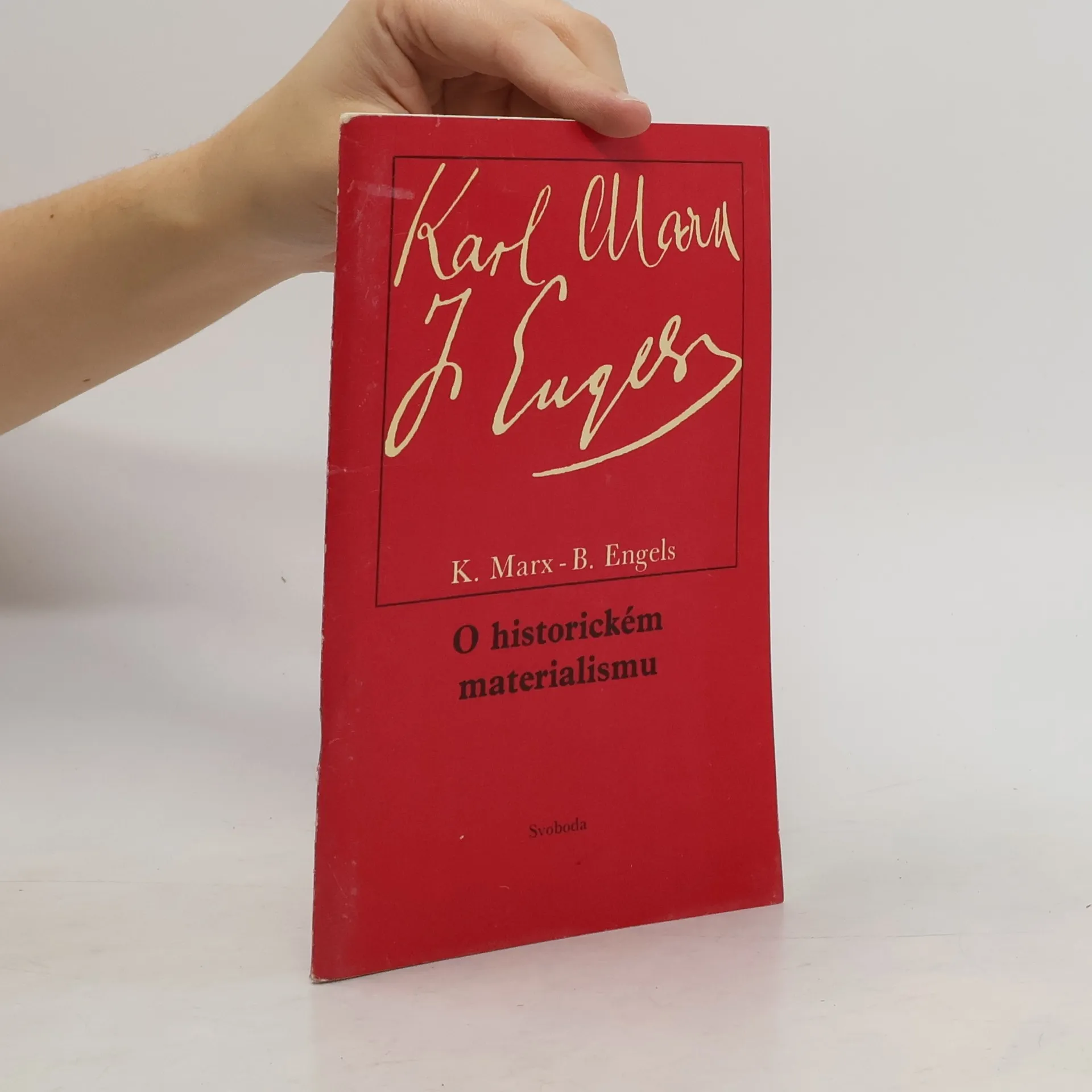
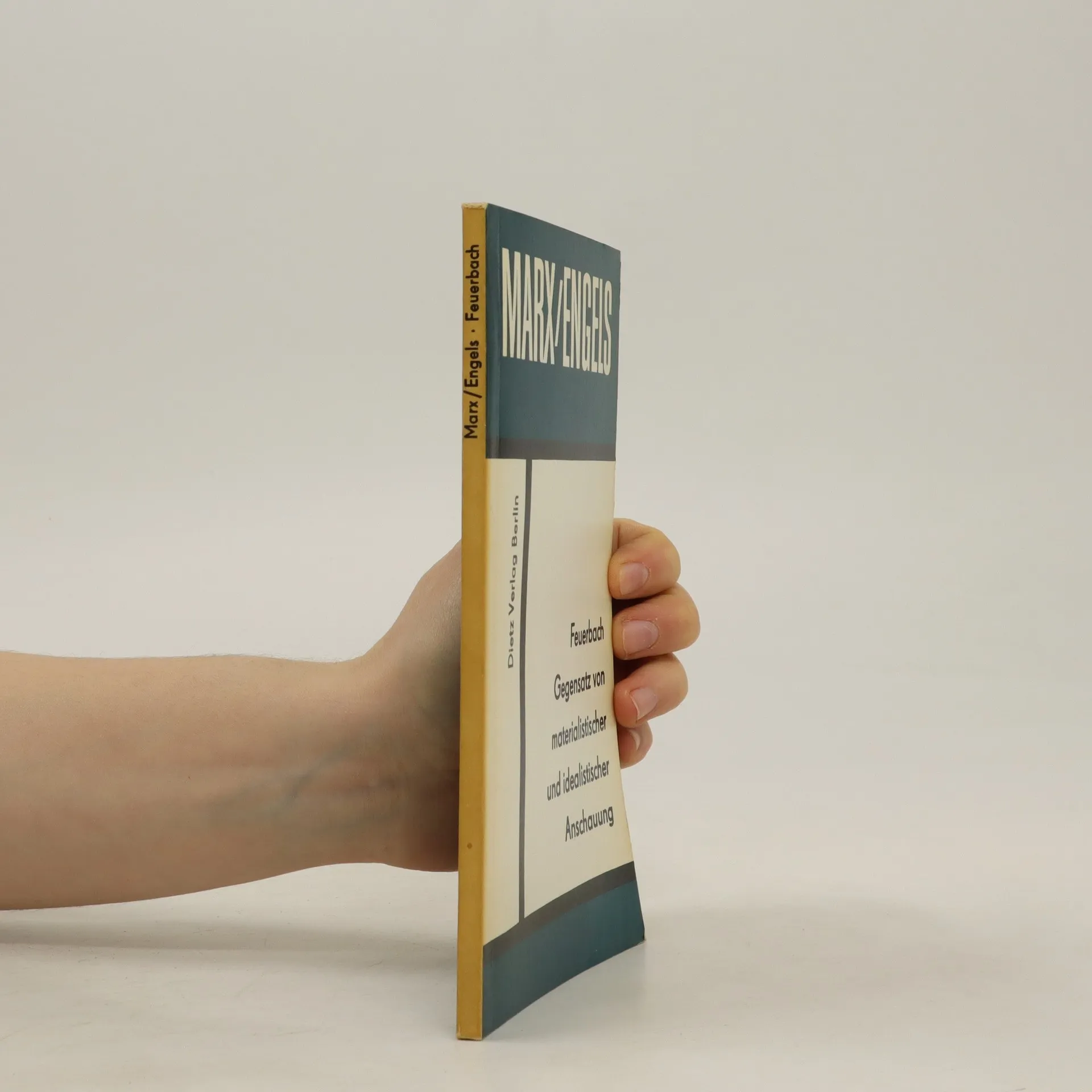
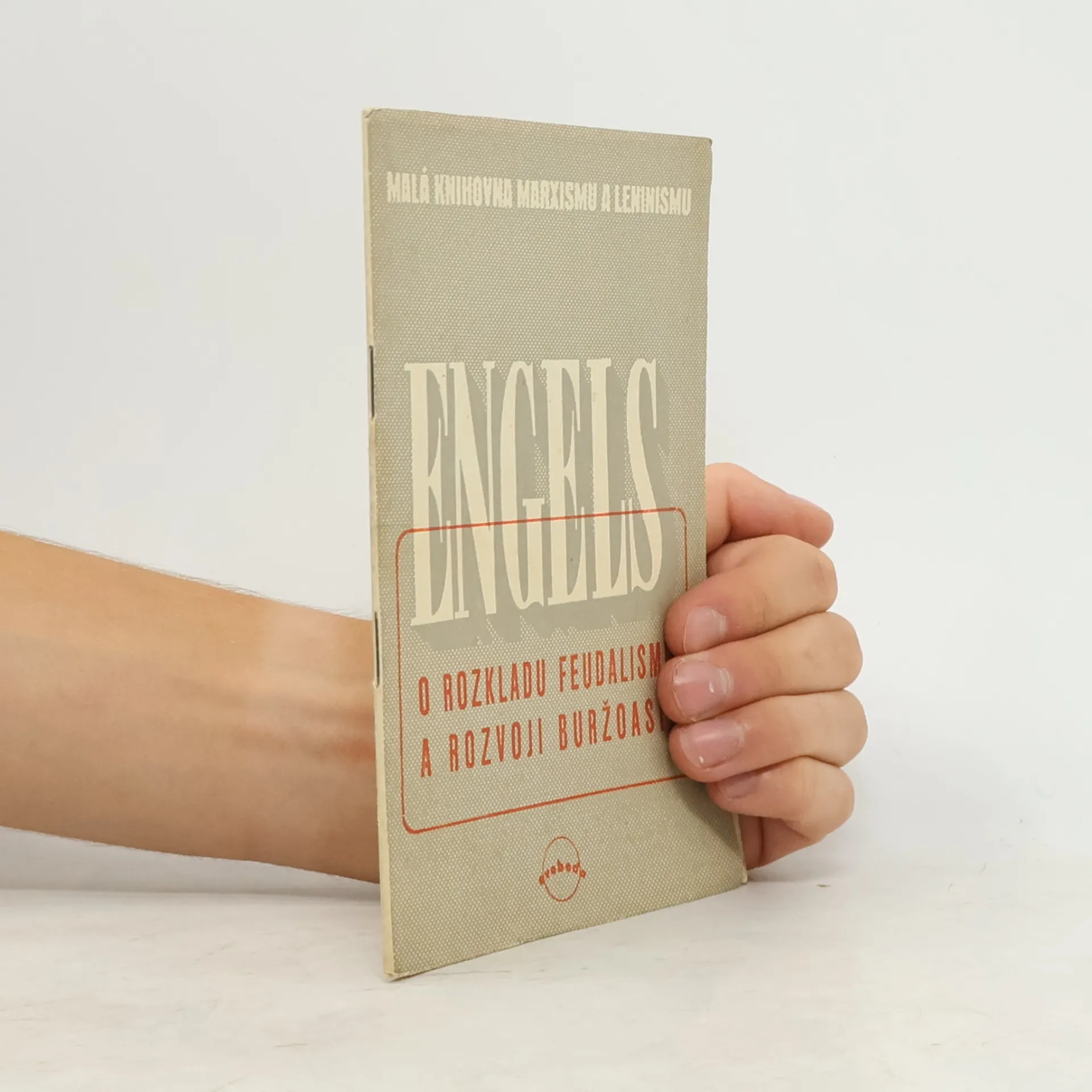
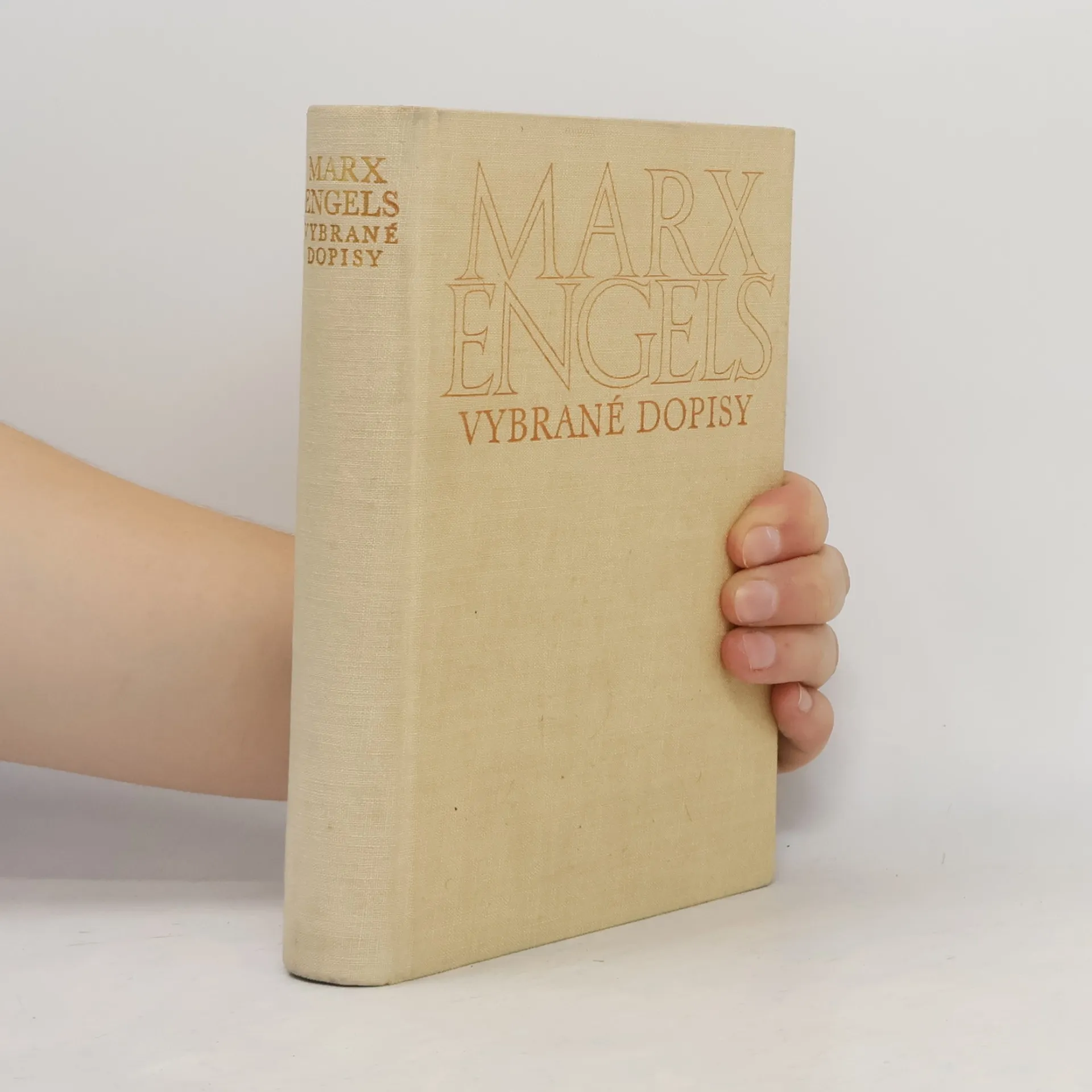
"Filosofové svět jen různě vykládali, jde však o to jej změnit!" Výbor z textů obou filosofů dotýkajících se tématu historického materialismu: Předmluva ke kritice politické ekonomie, Ke kritice Hegelovy filosofie práva, Z korespondence, O historickém materialismu, These o Feuerbachovi.
Werke. 1845-1846
- 612 páginas
- 22 horas de lectura
Inhalt: Die Sammlung umfasst zentrale Texte von Marx und Engels, darunter "Die deutsche Ideologie" und Marx' "Thesen über Feuerbach".
Die Untersuchung des Bauernkriegs von 1525 bietet eine tiefgehende Analyse der ökonomischen, sozialen und ideologischen Bedingungen, die zu diesem Konflikt führten. Friedrich Engels zeigt, wie die Bauern durch Bündnisse gegen ihre Unterdrücker mobilisierten, bevor Intrigen und Verrat zu ihrem Niedergang führten. Zudem beleuchtet er die Konflikte zwischen Thomas Münzer und Martin Luther. Abschließend werden die Auswirkungen des Bauernkriegs betrachtet und Parallelen zur Märzrevolution gezogen, wodurch Engels' kritische Perspektive auf gesellschaftliche Umwälzungen deutlich wird.
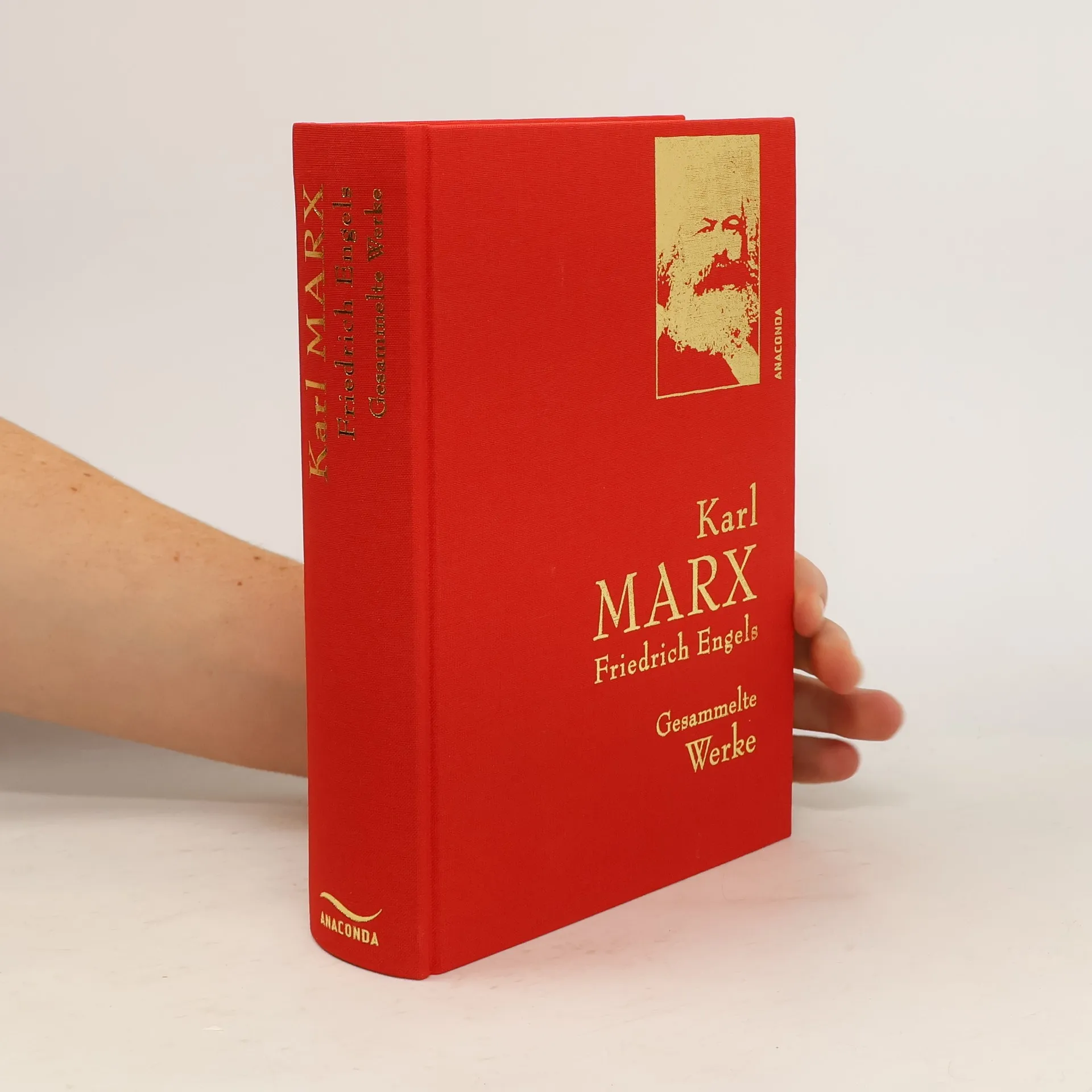
Das kommunistische Manifest. Schmuckausgabe mit Farbschnitt
»Keine Schrift hat im selben Maße Geschichte geschrieben« NDR
- 80 páginas
- 3 horas de lectura
Das "Kommunistische Manifest" von Karl Marx und Friedrich Engels ist eine kraftvolle Analyse der sozialen Gerechtigkeit und der Rolle des Proletariats in der Geschichte. Es gilt als zentraler Text der Moderne und hat bis heute großen Einfluss. Die klare Sprache und die prägnante Darstellung machen es zu einer anregenden Lektüre.
Einführung in \"Das Kapital\"
- 121 páginas
- 5 horas de lectura
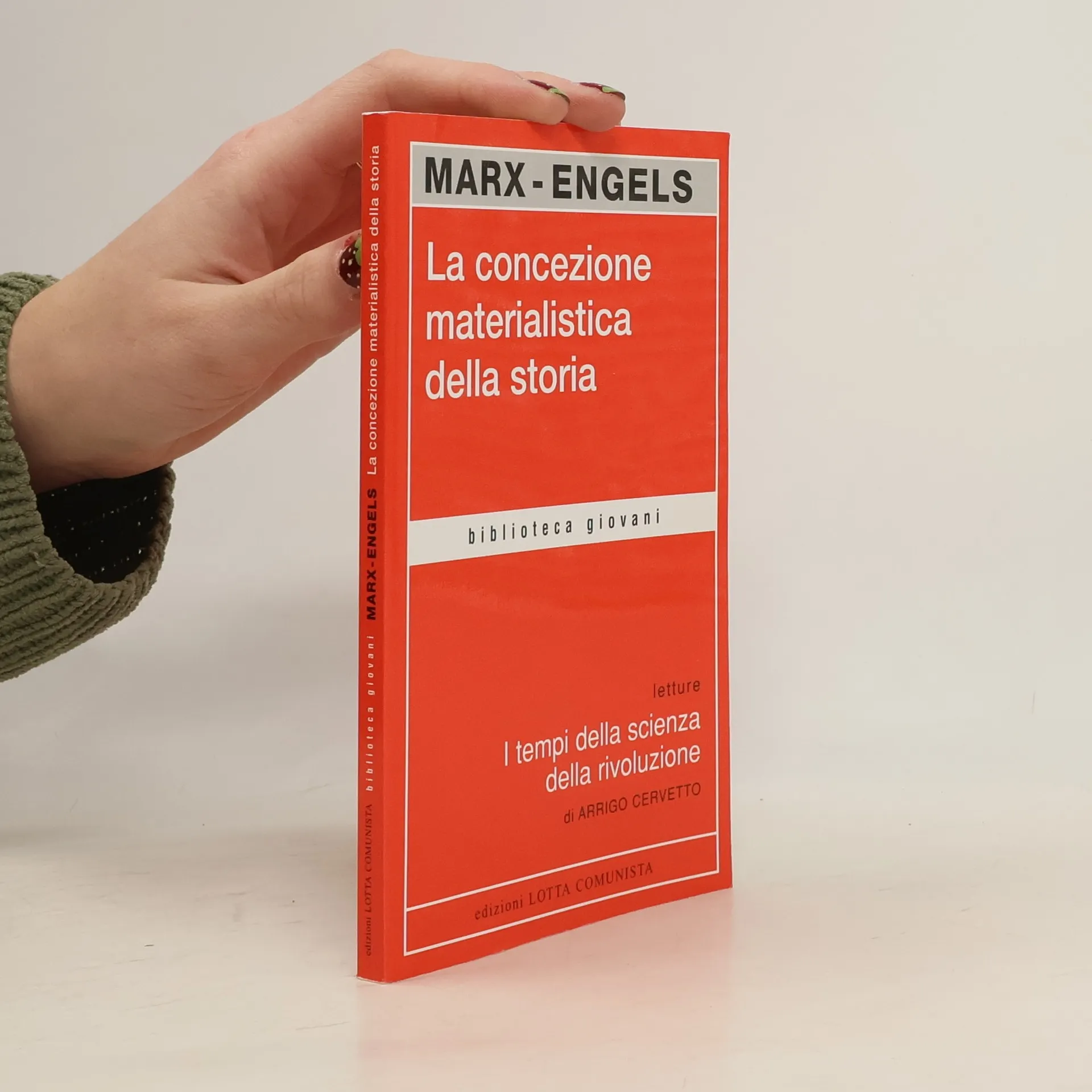
Biblioteca giovani: La concezione materialistica della storia
- 154 páginas
- 6 horas de lectura
In questo scritto del 1845-46, che fa parte dell' Ideologia tedesca , Marx ed Engels riassumono le loro critiche all'idealismo, espongono per la prima volta, in forma definitiva, la loro concezione della storia come lotta di classe e annunciano il programma rivoluzionario che sarà alla base del Manifesto del Partito comunista : da queste pagine è nato il Materialismo Storico.
Dear Frederick! Lieber Mohr!
- 288 páginas
- 11 horas de lectura
"Klassenkampf, Arbeiterbewegung und Geldmangel" bietet einen tiefen Einblick in die Freundschaft zwischen Marx und Engels durch ihre Korrespondenz im 19. Jahrhundert. Die Auswahl von rund 1600 erhaltenen Briefen beleuchtet ihre politischen Diskussionen, persönlichen Erlebnisse und die Unterstützung während der Arbeit an "Das Kapital".
Briefe aus dem Wupperthal
Reiseskizzen, Essays und Rezensionen aus Bremen 1839 bis 1841
- 328 páginas
- 12 horas de lectura
"Friedrich Engels' ,Briefe aus dem Wupperthal' gehören mit seinen Reiseskizzen, den Essays und Rezensionen zu seinen frühen Arbeiten aus der Bremer Zeit. Bereits kurz nach Beendigung der Schulzeit in Barmen beginnt Engels, sich literarisch mit seinem vom Pietismus geprägten privaten und öffentlichen Umfeld auseinanderzusetzen. Der begeisterte Leser Engels erweist sich dabei eindrucksvoll als Erzähler, vor allem aber als bedeutender Kritiker. Mit seinem kritischen ‚Abgesang' auf seine Heimatstadt Barmen und Elberfeld in den ,Briefen aus dem Wupperthal' gelingt es ihm, Zugang zu Gutzkows wichtigem ,Telegraph für Deutschland' zu erhalten. Anschliessend wendet er sich verstärkt der Literaturkritik zu. Besonders der ‚moderne Stil' des ,Jungen Deutschland' ist es, der ihn zu einer umfassenden Lektüre der Literatur der 1830er Jahre anregt. Die durch zwei Rezeptionszeugnisse ergänzten ausgewählten Texte des jungen Friedrich Engels ermöglichen dem Leser, die Entwicklung eines grossen kritischen Geistes nachzuvollziehen und zugleich einzutauchen in die Zeit eines grossen literarischen Umbruchs"--Page 4 of cover
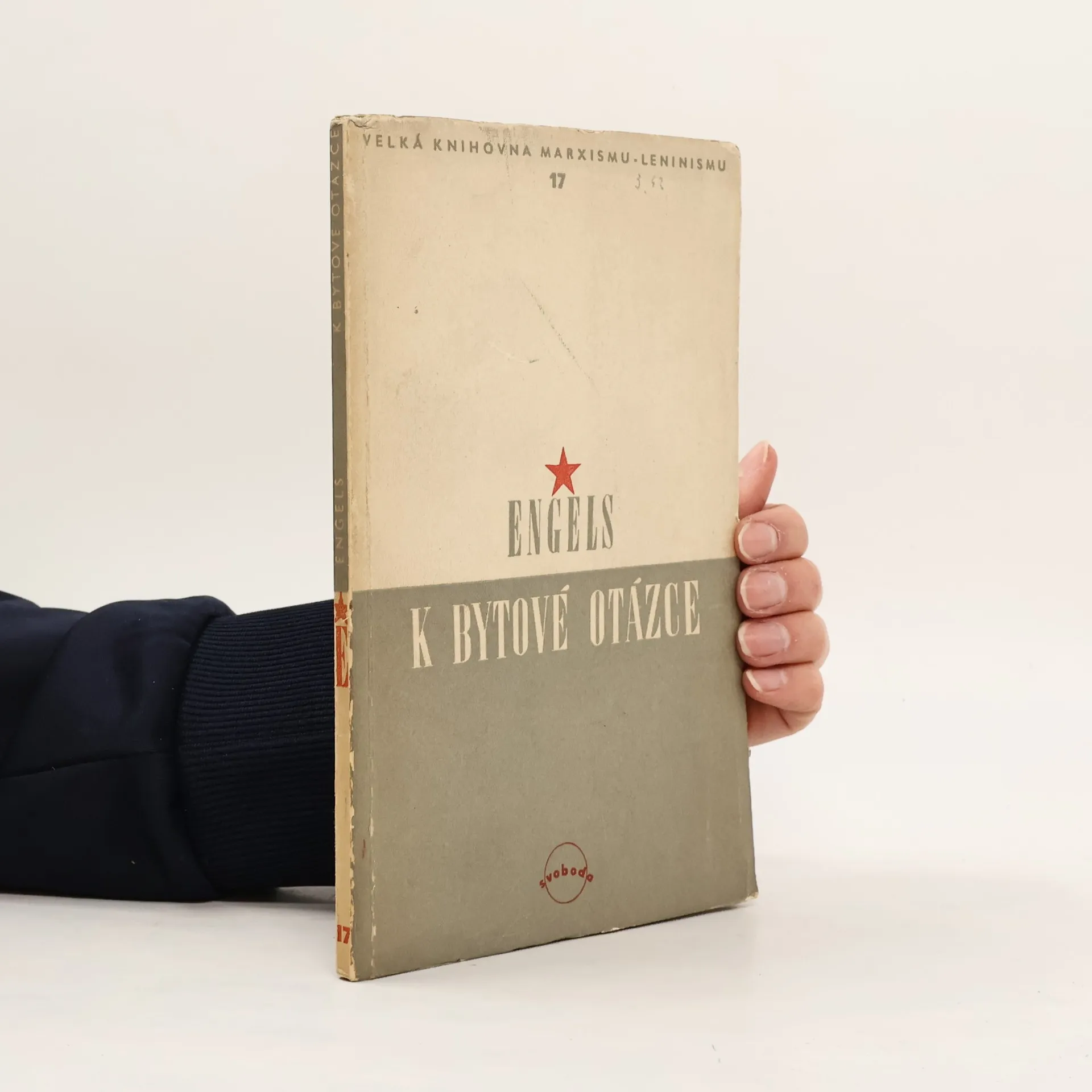
K bytové otázce
- 87 páginas
- 4 horas de lectura
Soubor tří statí polemicky zaostřených proti "sociálnímu mastičkářství", kterým měla být řešena bytová nouze, která byla (podle slov Engelsových) symptomem průmyslové revoluce probíhající v Německu, způsobené rozvojem velkého průmyslu. Bytová nouze byla tehdy způsobena tím, že jednak byly do velkých měst, vyvíjejících se v průmyslová střediska, náhle vtaženy masy dělníků z venkova, jednak nevyhovuje již půdorys těchto starších měst podmínkám nového velkoprůmyslu a jemu přiměřené dopravě; ulice se rozšiřují, nové se prolamují, železnice jsou vedeny do středu měst. A současně s hromadným přílivem dělnictva do měst jsou tam hromadně bourána dělnická obydlí. Odtud náhlá nouze dělníků a drobných obchodníků i živnostníků, odkázaných na dělnické zákaznictvo." (2. vydání, ve Svobodě první)
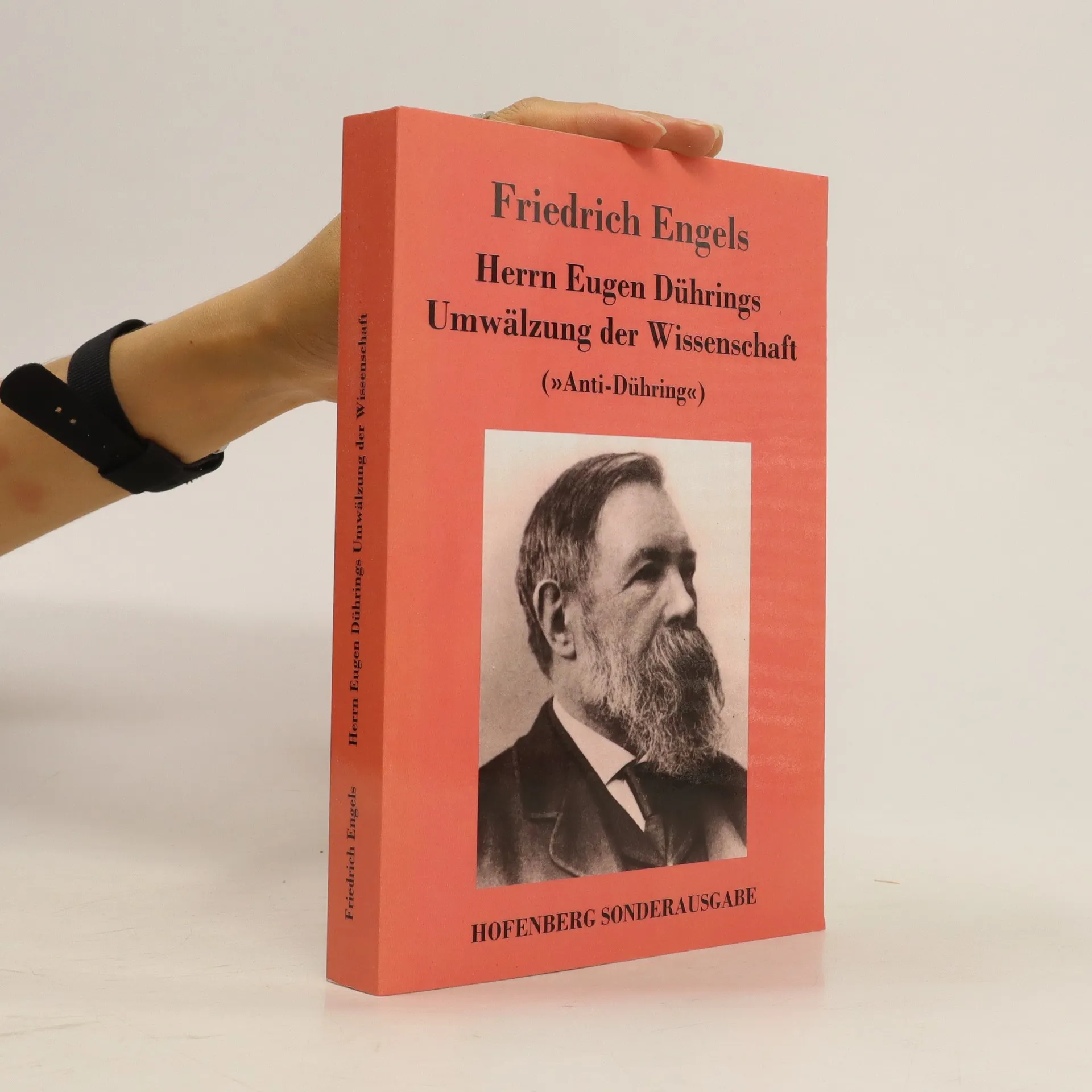
Herrn Eugen Dührings Umwälzung der Wissenschaft
- 326 páginas
- 12 horas de lectura
Friedrich Engels: Herrn Eugen Dührings Umwälzung der Wissenschaft. (»Anti-Dühring«) Erstdruck in: Vorwärts (Leipzig), 3.1.1877 – 7.7.1878. Erste Buchausgabe, Leipzig 1878. Der Text folgt der letzten von Engels durchgesehenen und vermehrten Ausgabe, Stuttgart (J.H.W. Dietz) 1894. Neuausgabe mit einer Biographie des Autors. Herausgegeben von Karl-Maria Guth. Berlin 2017. Textgrundlage ist die Ausgabe: Karl Marx, Friedrich Engels: Werke. Herausgegeben vom Institut für Marxismus-Leninismus beim ZK der SED, 43 Bände, Band 20, Berlin: Dietz-Verlag, 1962. Die Paginierung obiger Ausgabe wird in dieser Neuausgabe als Marginalie zeilengenau mitgeführt. Umschlaggestaltung von Thomas Schultz-Overhage. Gesetzt aus der Minion Pro, 11 pt.
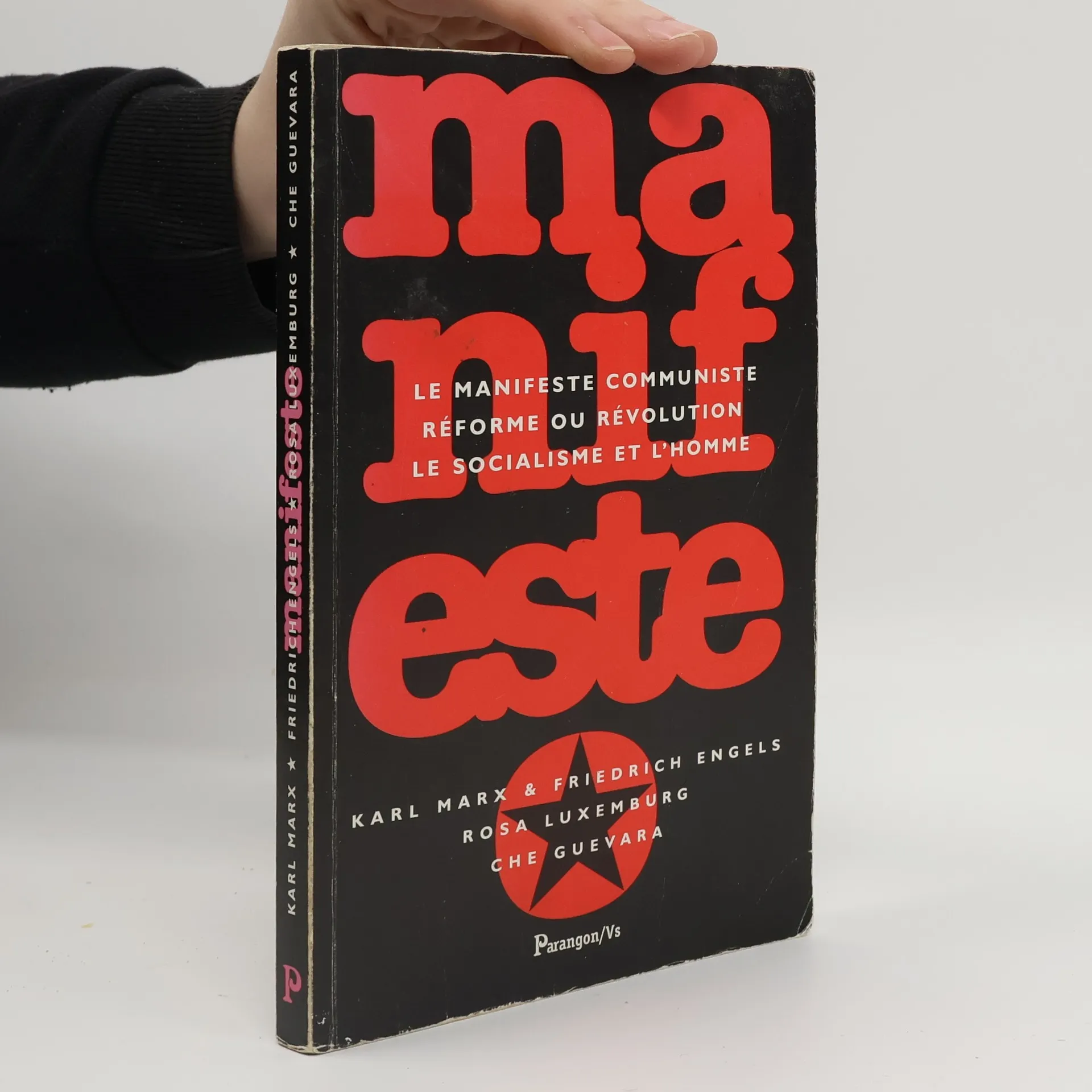
Manifeste
Le Manifeste communiste, Réforme ou révolution, Le Socialisme et l'homme
- 156 páginas
- 6 horas de lectura
En 1847, la Ligue communiste, nouvellement formée, demande à Karl Marx et Friedrich Engels de rédiger un manifeste exposant ses orientations et ses buts. Le Manifeste communiste est publié à Londres en février 1848, en langue allemande. Il connaît une diffusion massive à partir de 1871. Critiquant le révisionnisme d'Eduard Bernstein, Réforme ou révolution est initialement publié sous la forme d'une série d'articles, en septembre 1898 et avril 1899. Bernstein, personnalité de premier plan du mouvement socialiste allemand, rejetait un grand nombre de concepts marxistes, en se basant sur la montée de la social-démocratie et d'une supposée stabilité du capitalisme. Che Guevara rédige en 1965 une lettre, Le socialisme et l'homme, adressée à Carlos Quijano, journaliste à l'hebdomadaire Marcha, à Montevideo. Ces textes sont un acte d'accusation contre l'aliénation, née de l'exploitation de l'homme par l'homme. Ils ont en commun l'idée que le système capitaliste mène, par son propre développement, à la nécessité de socialiser la richesse.
Práce o Feuerbachovi je první samostatný celek obsáhlého společného díla Marxova a Engelsova "Německá ideologie", které se zachovalo v nedokončeném rukopise s četnými Marxovými poznámkami na okraji. Práce o Feuerbachovi obsahuje kritiku Feuerbachova "nazíravého" materialismu a rozvinutí Marxových a Engelsových názorů na dějiny a komunismus. Je to první jejich soustavný výklad materialistického pojetí dějin. Připojeny jsou i proslulé Marxovy these o Feuerbachovi, které Engels charakterisoval jako "první dokument, v němž je uložen geniální zárodek nového světového názoru".
Karl Marx wollte verstanden werden und schuf einprägsame Sätze wie 'Proletarier aller Länder, vereinigt euch!'. Dennoch war er kein Populist und ging den Fragen, die ihn bewegten, in sehr gründlichen und scharfsinnigen Analysen nach. Kaum ein Denker prägte sein eigenes und das ihm folgende Jahrhundert so nachhaltig wie Marx in gemeinschaftlicher Arbeit mit Friedrich Engels. Der beste Weg zum Verständnis ihres Wirkens führt über die Lektüre der hier versammelten Originaltexte:
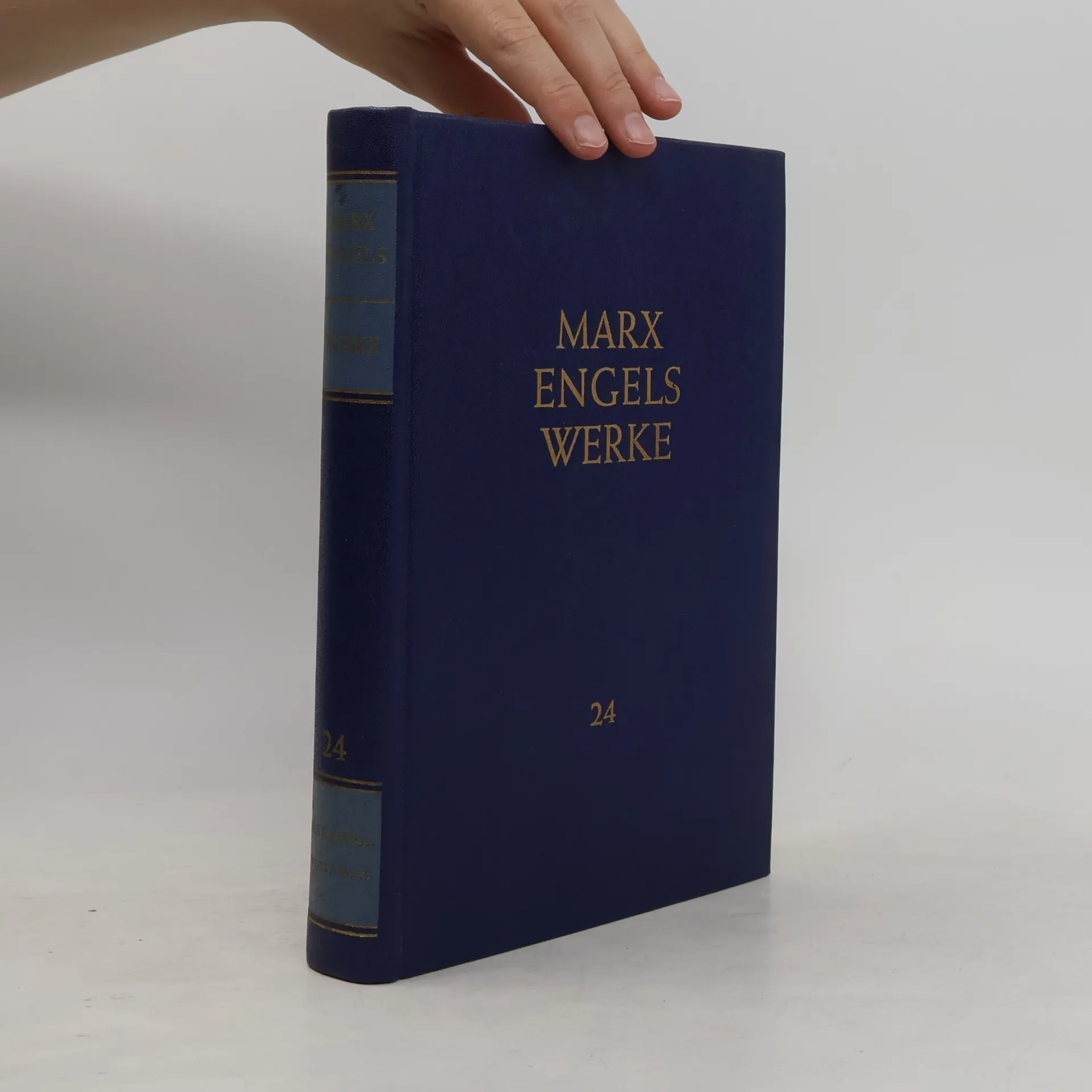
Der Zirkulationsprozeß des Kapitals
- 559 páginas
- 20 horas de lectura
Diese Separatausgabe ist identisch mit Band 24 der Werke von Marx und Engels.
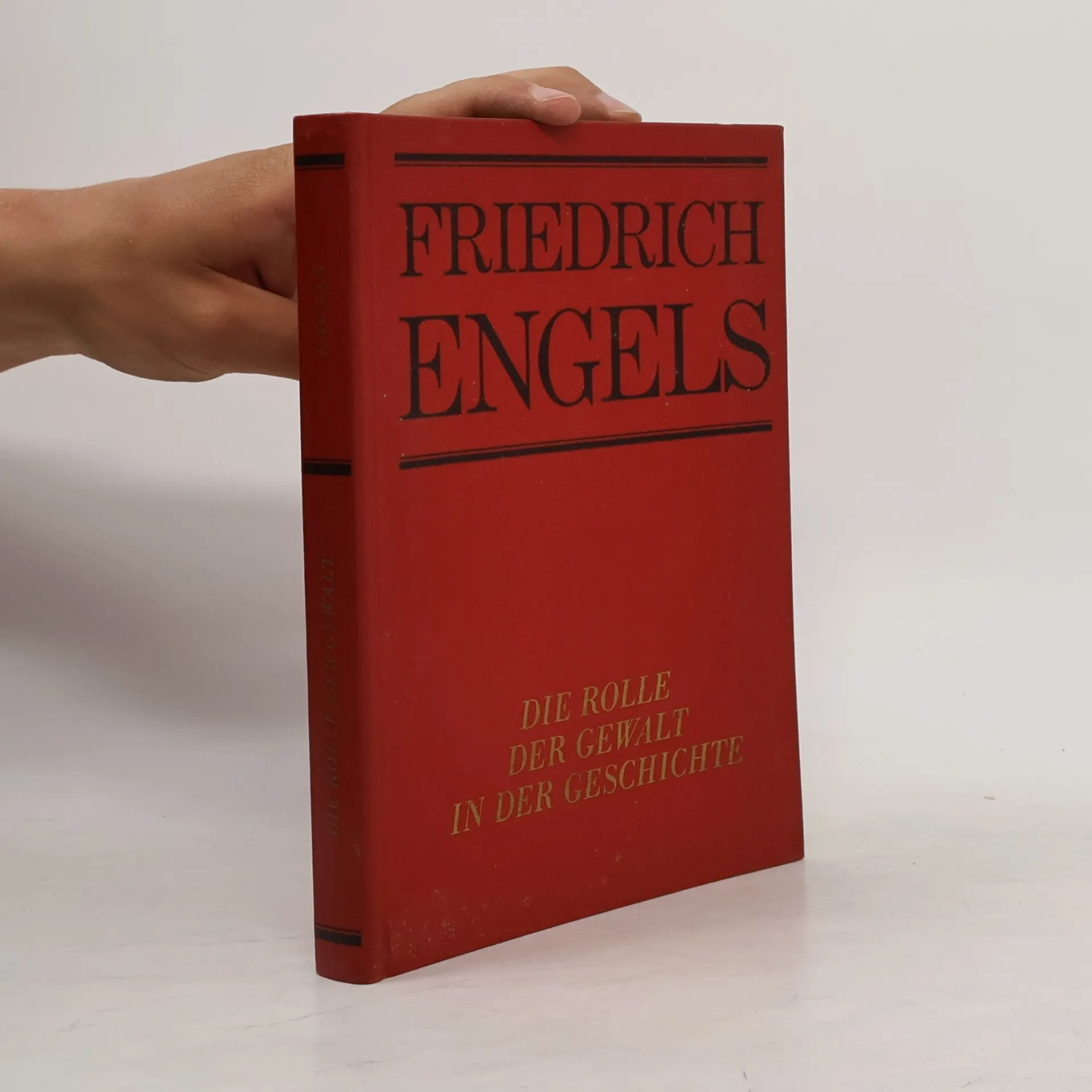
In dieser Analyse untersucht Engels die Funktion von Gewalt in der Geschichte und deren Einfluss auf gesellschaftliche Veränderungen. Er argumentiert, dass Gewalt oft als Mittel zur Durchsetzung von Interessen und zur Erreichung sozialer Gerechtigkeit eingesetzt wird. Die Arbeit beleuchtet historische Beispiele und kritisiert die romantisierte Sicht auf Gewalt, indem sie deren komplexe Rolle in der Entwicklung von Klassenkämpfen und Revolutionen aufzeigt. Engels stellt die Frage, ob Gewalt letztlich notwendig ist, um soziale Umwälzungen zu bewirken.
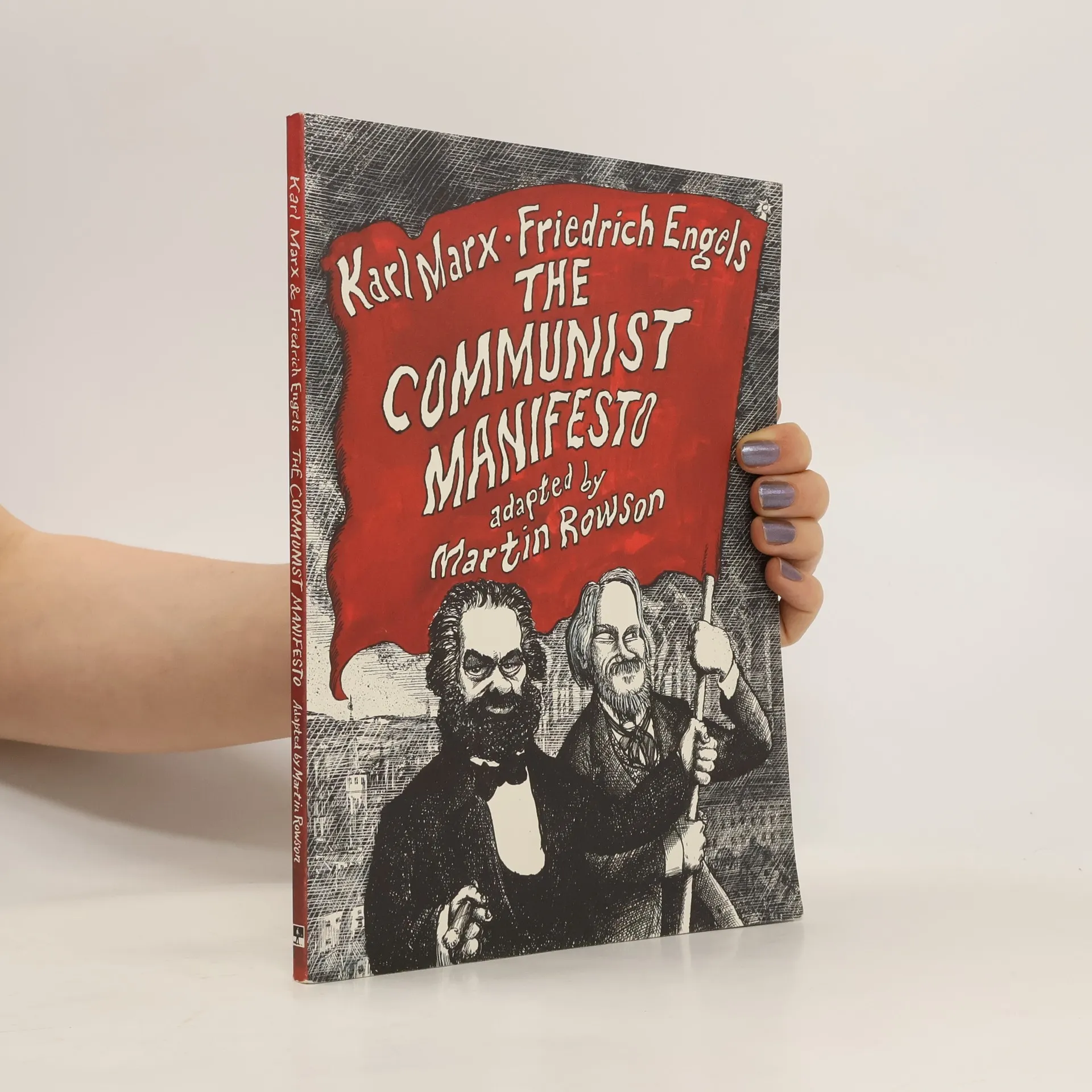
The Communist Manifesto
- 80 páginas
- 3 horas de lectura
...a jauntily irreverent but fundamentally serious take on a vastly influential political work. Publishers Weekly
Il maanifesto del Partito Comunista
- 62 páginas
- 3 horas de lectura
Attraverso una serie di categorie ormai ineludibili («condizioni politiche e sociali», classe sociale, modo di produzione, ideologia, ecc.), l'opera degli autori del Manifesto ha arricchito e reinterpretato il lessico, ha riformulato la grammatica e la sintassi del discorso politico e storico. Redatto tra il dicembre 1847 e il gennaio dell'anno successivo, il Manifesto del partito comunista appare per la prima volta a Londra nel febbraio del 1848, proprio alla vigilia degli sconvolgimenti rivoluzionari sul continente europeo. Conosce successive edizioni nel 1872 e, dopo la morte di Marx, nel 1888 e nel 1890. La presente traduzione si basa sul testo della versione originale del 1848. Sono state anche tradotte le note esplicative apposte da Engels all'edizione inglese del 1888 e a quella tedesca del 1890.
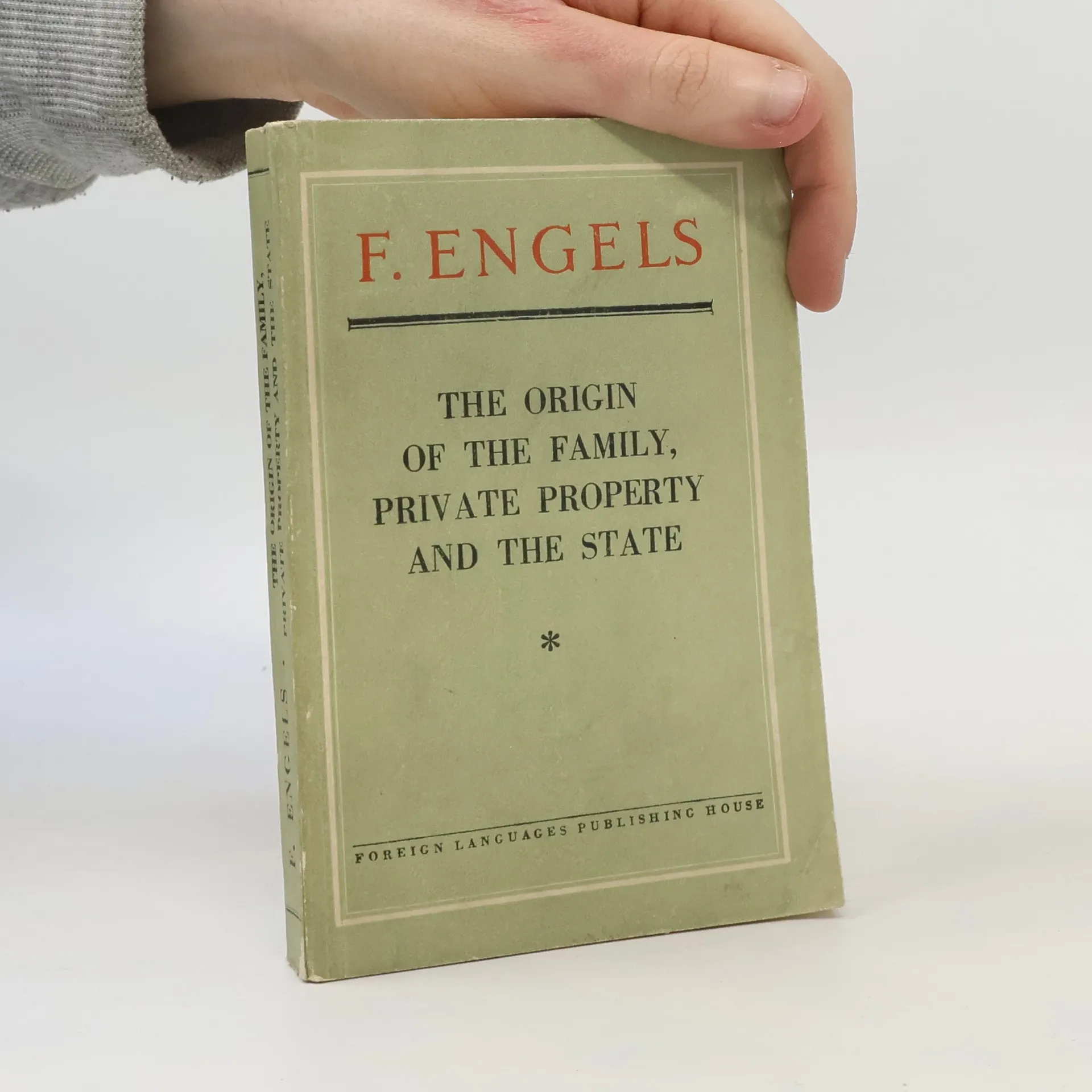
Der Ursprung der Familie, des Privateigentums und des Staats
Mit einem Vorwort von Christine Thomas
- 150 páginas
- 6 horas de lectura
Seit dem Erscheinen des Buches im Jahr 1884 wurden viele neue Erkenntnisse über das Leben der Urvölker und deren Entwicklungsstufen gewonnen. Dennoch bleibt es ein Lehrbuch der Art und Weise die menschliche Entwicklung zu ysieren. Der historische Materialismus von Marx und Engels dient dazu, Schlussfolgerungen über den Fortgang der menschlichen Entwicklungen abzuleiten, indem sie untersuchten, wie unsere moderne kapitalistische Gesellschaft entstanden ist und woher Institutionen wie Familie, Staat und Eigentumsverhältnisse stammen. Die britische Marxistin Christine Thomas (Autorin des Buches Es muss nicht bleiben, wie es Frauen und der Kampf für eine sozialistische Gesellschaft ) geht in ihrem Vorwort auf die Aspekte der Forschung seit Engels‘ Zeiten ein und macht deutlich, was an diesem Standardwerk weiterhin Gültigkeit besitzt.
Program první komunistické strany, vypracovaný Marxem a Engelsem.