Walter Russell MeadOrden de los libros (cronológico)
Un académico estadounidense y profesor de asuntos exteriores y humanidades, cuyo trabajo profundiza en las relaciones internacionales, la política, la cultura y la religión, explorando a menudo sus conexiones con la política exterior estadounidense. Mead es reconocido por su amplio alcance y profundo análisis, informado por una extensa experiencia y viajes. Sus ensayos y reseñas aparecen en publicaciones estadounidenses e internacionales de primer nivel, lo que lo establece como un comentarista influyente sobre temas globales contemporáneos.
"A groundbreaking work that overturns the conventional understanding of the Israeli-American relationship and, in doing so, explores how fundamental debates about American identity drive our country's foreign policy"-- Provided by publisher
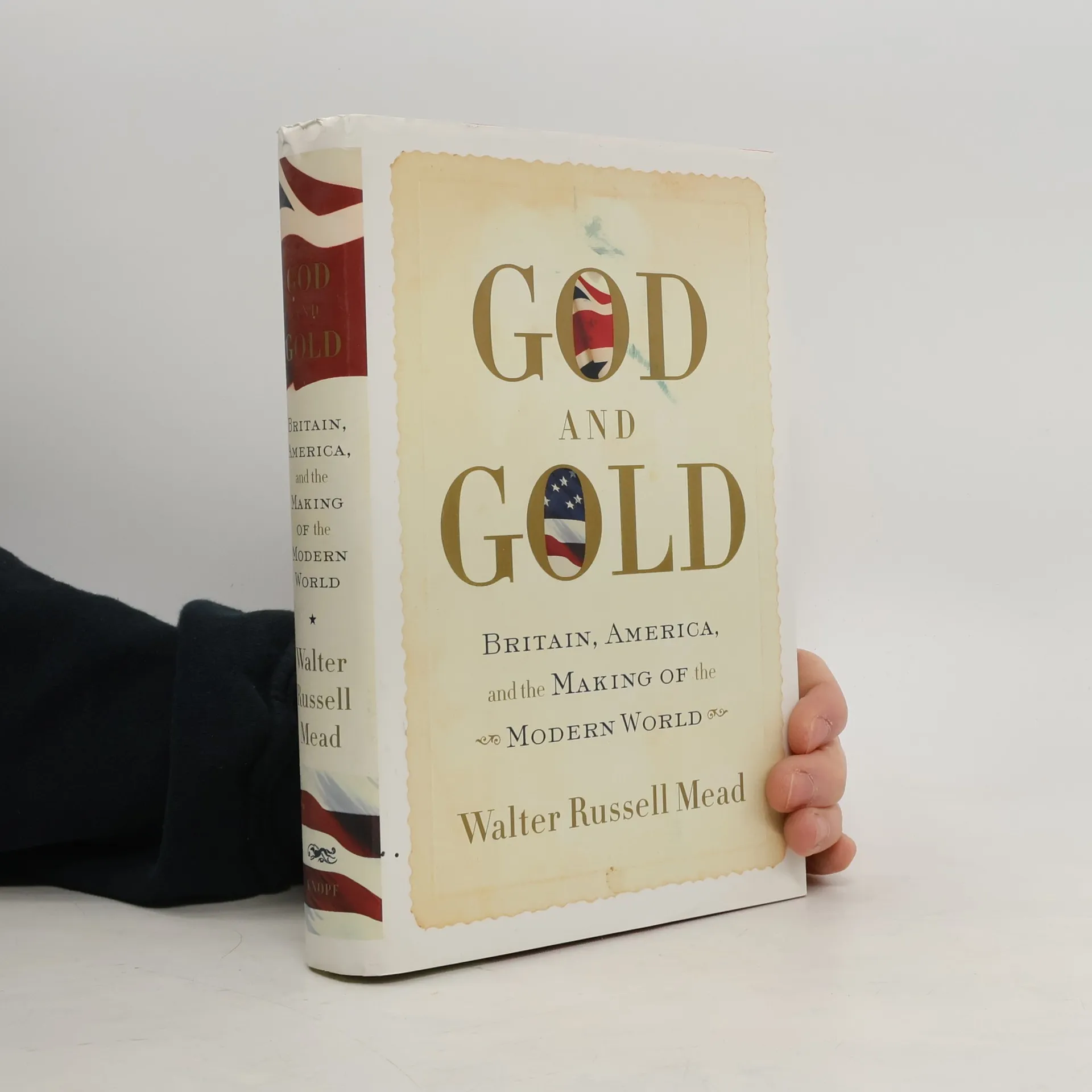
"An illuminating account of the birth, the rise, and the continuing rise, of a global political and economic system that rested first on the power of Britain and rests today on that of the United States--and now faces a new set of formidable challenges"--Provided by publisher.
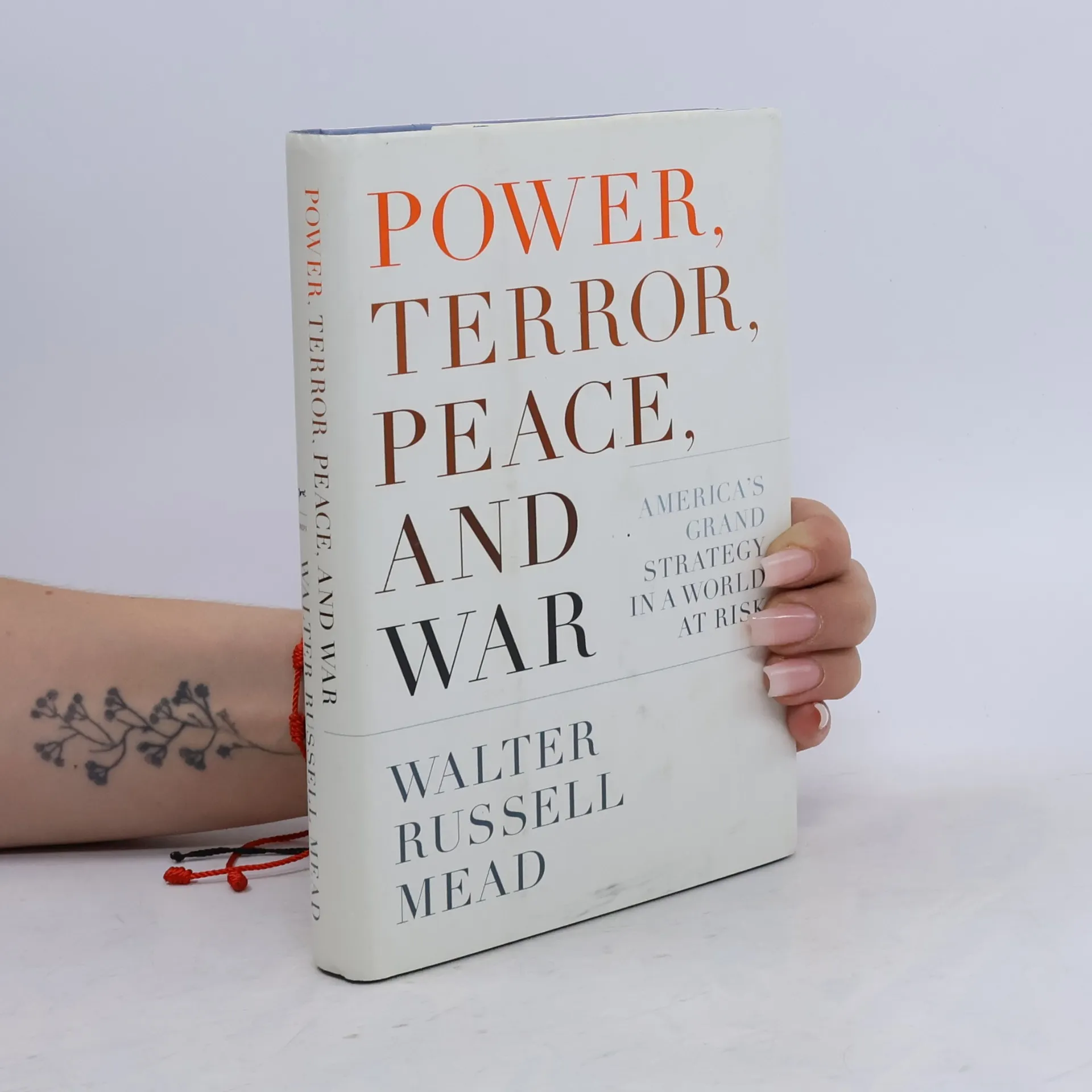
This insightful book by a prominent writer on U.S. foreign policy delves into the Bush administration's approach and its broader global strategy. It begins with a historical overview of America’s foreign relations, highlighting a generally moral and practical stance. The author critiques the Bush administration's foreign policy, noting that while Bush may be strategically correct, he often falters tactically in uniting a divided nation and coalition against formidable enemies. The aftermath of the 2001 terror attacks has significantly altered the landscape of American foreign policy, revealing the dire challenges posed by despair in the Arab world and the deteriorating conditions in Africa and Central Asia. These crises threaten to foster lawless regions conducive to terrorism and the proliferation of weapons of mass destruction. The book also addresses the fraying of key American alliances and the intense domestic political strife surrounding foreign policy, reminiscent of the Vietnam era. The author provides a thorough evaluation of Bush and his critics, urging immediate action to prevent escalating casualties in the war on terror. He advocates for a new strategy to garner support for a robust anti-terror policy, proposes initiatives for the Israeli-Palestinian conflict, and suggests significant reforms for international institutions like the United Nations Security Council. This work serves as a vital guide to contemporary
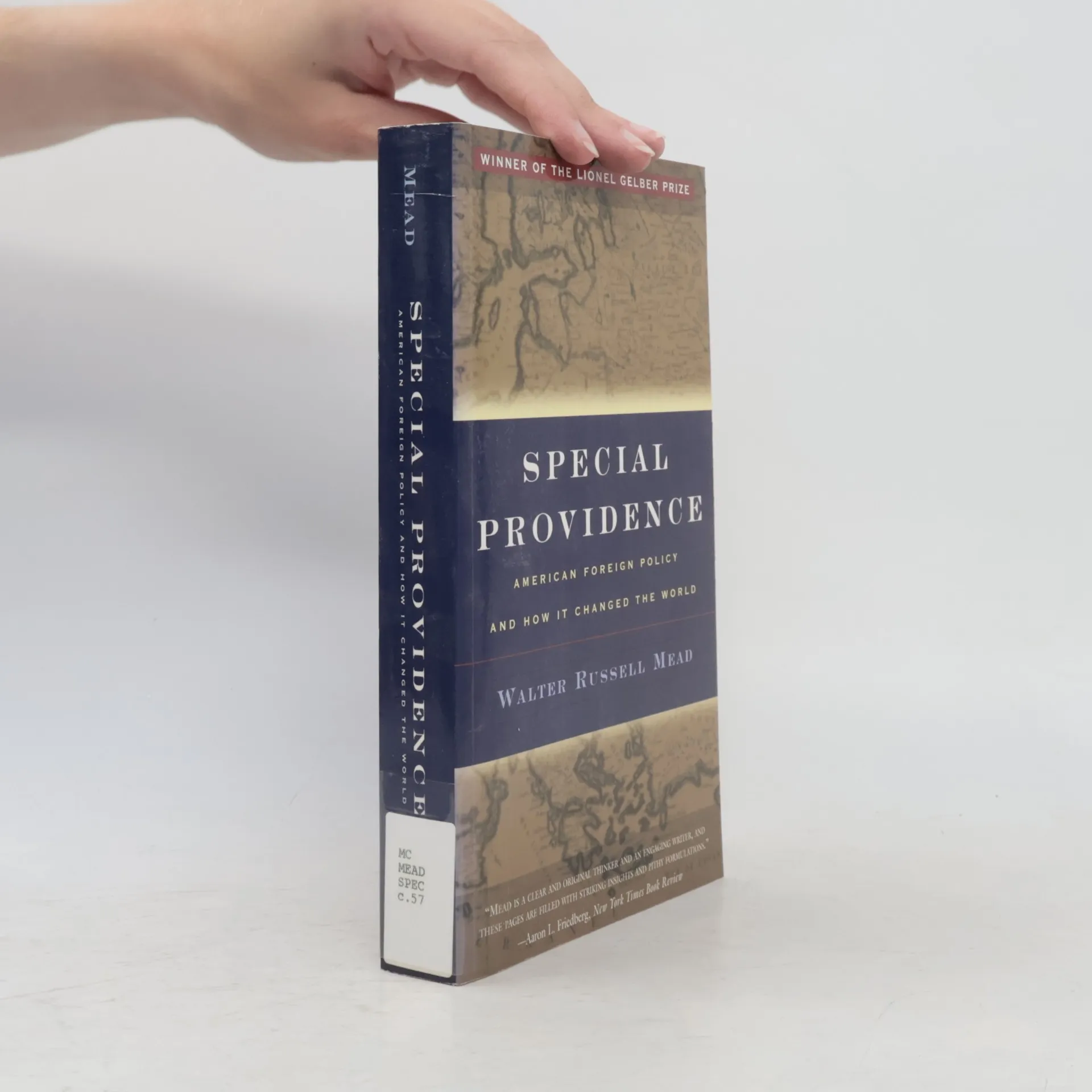
American Foreign Policy and How It Changed the World
400 páginas
14 horas de lectura
"God has a special providence for fools, drunks and the United States of America."--Otto von Bismarck. America's response to the September 11 attacks highlighted its longstanding goals: protecting liberty, securing economic interests, spreading democracy, and vanquishing enemies. Walter Russell Mead, a leading foreign policy thinker, argues that these conflicting impulses are key to the U.S.'s global success. He identifies four historical patterns in American foreign policy, each represented by a significant figure. Wilsonians act as moral missionaries, promoting democracy through international institutions like the U.N. Hamiltonians support international engagement to expand markets and the economy. Populist Jacksonians advocate for a strong military, used sparingly but decisively against adversaries. Jeffersonians prioritize domestic liberty and are wary of large military and international initiatives. Mead's work offers a fresh perspective on America's role in the world, moving beyond outdated debates of realists versus idealists and hawks versus doves, to present a nuanced, historically-informed view of American foreign policy.