Bookbot

Cristina Rivera Garza

    Cristina Rivera Garza es reconocida por su enfoque literario pionero, que a menudo explora los espacios liminales entre la realidad y la ficción, la historia y la memoria. Su escritura se caracteriza por un profundo compromiso con temas como la identidad, el desplazamiento y las complejidades de la psique humana. Con la historia como base de su formación académica, aporta una perspectiva única a sus obras, entrelazando el pasado con el presente. Rivera Garza es valorada por su habilidad para crear narrativas cautivadoras e intelectualmente estimulantes que resuenan a nivel mundial.

    Cuentos eróticos de San Valentín
    La Cresta de Ilión / The Iliac Crest
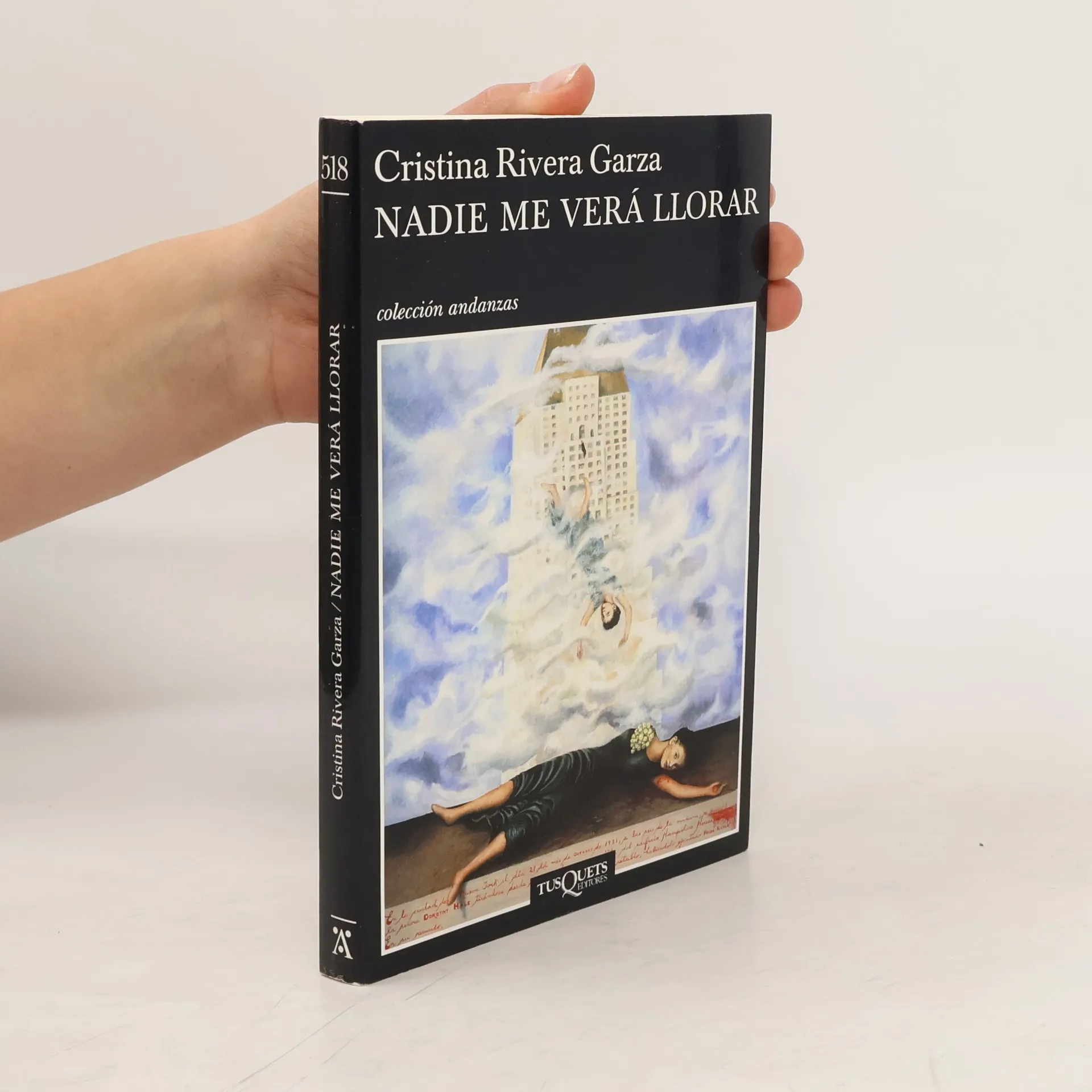
    Nadie Me Vera Llorar
    Me Llamo Cuerpo Que No Está / My Name Is a Body That Is Not / Collected Poems
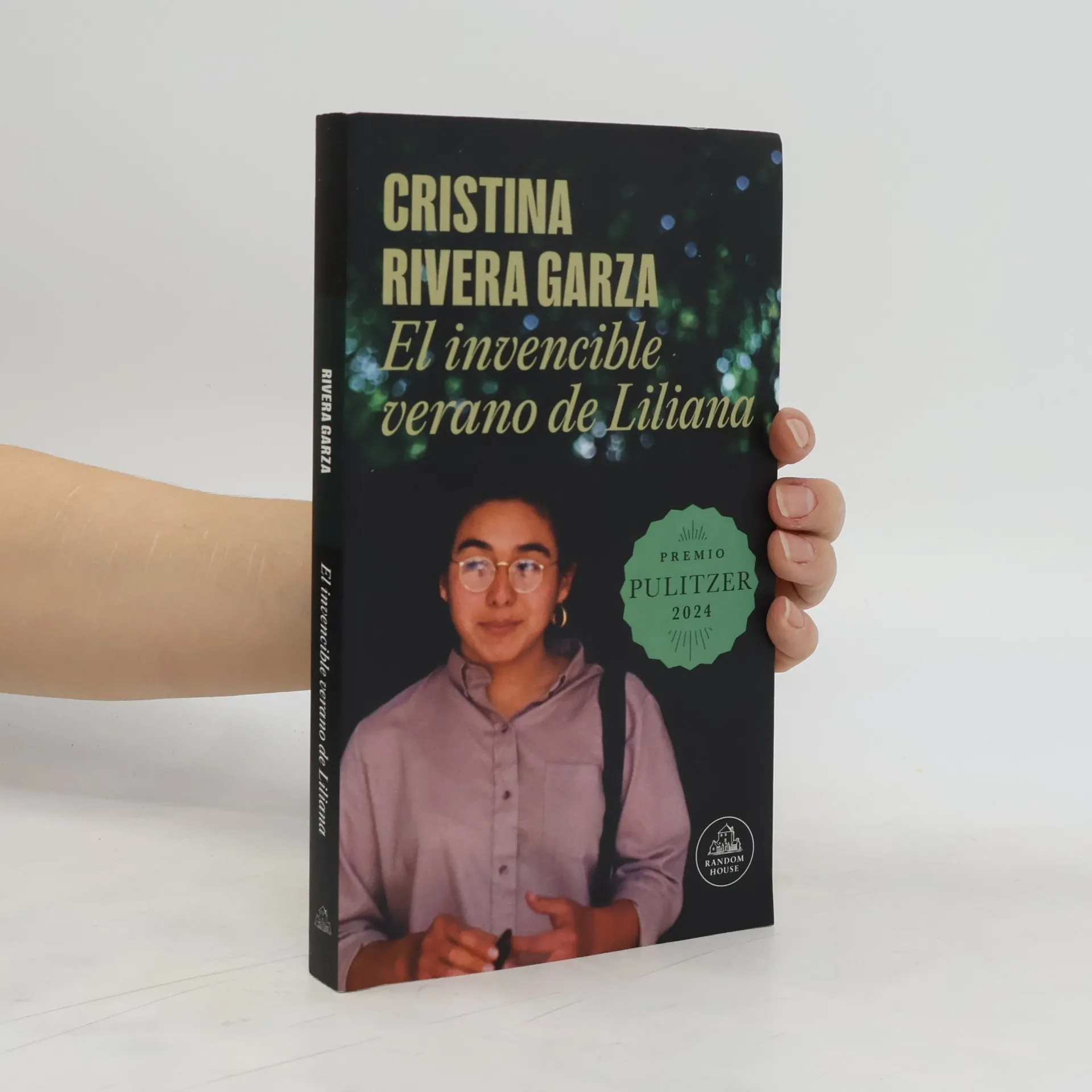
    El Invencible Verano de Liliana / Liliana's Invincible Summer
    El invencible verano de Liliana
    • Death Takes Me

      • 304 páginas
      • 11 horas de lectura

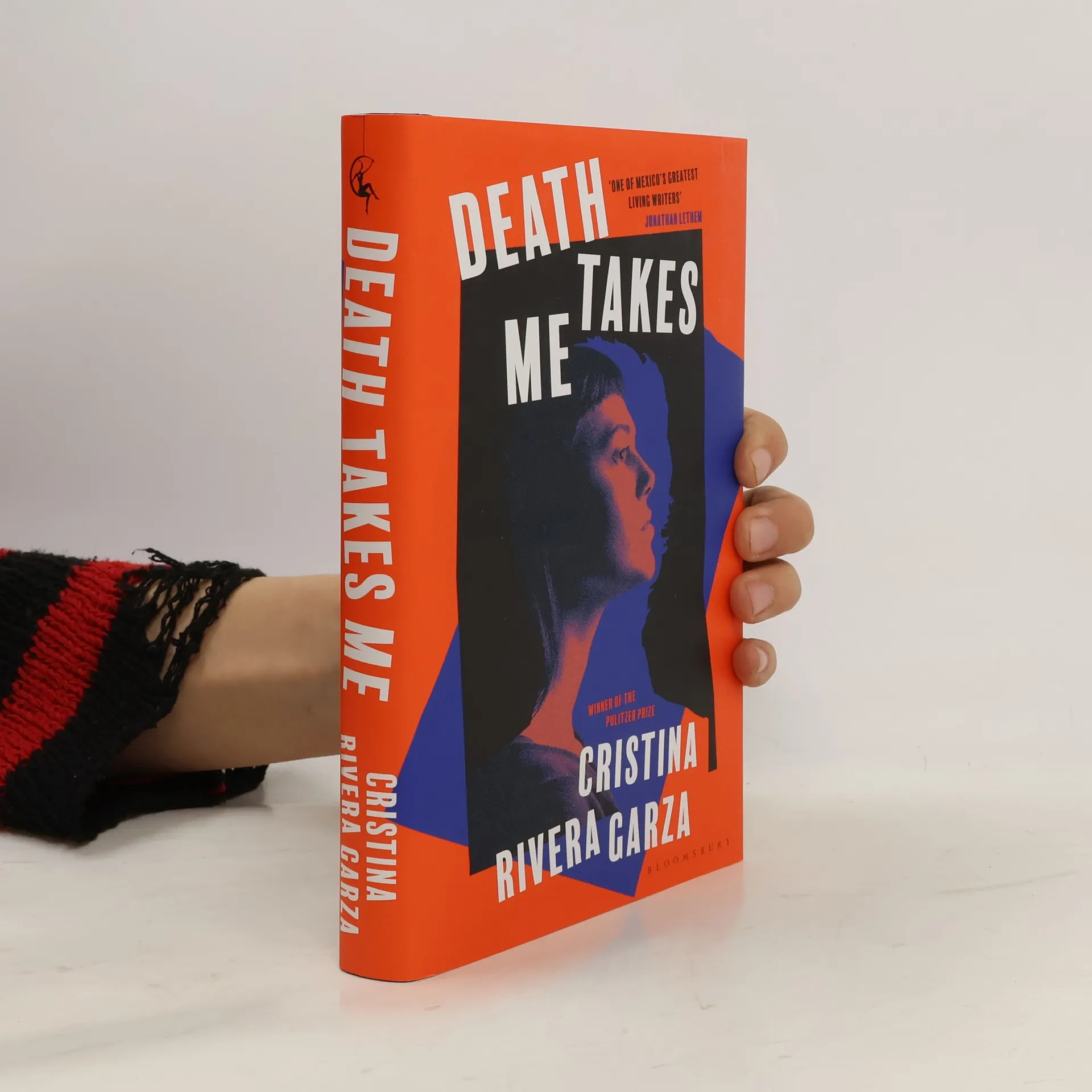
      Translated by Sarah Booker and Robin Myers A city is always a cemetery. When a professor named Cristina Rivera Garza stumbles upon the corpse of a man in a dark alley, she finds a stark warning on the brick wall beside the body, scrawled in coral nail polish: 'Beware of me, my love / beware of the silent woman in the desert.' After reporting the crime to the police, the professor becomes the lead informant of the case, led by a detective with a newfound obsession with poetry and a long list of failures on her back. But what has the professor really seen? While more bodies of men are found across the city, the detective tries to decipher the meaning of the poems, and the darker stream of violence spreading throughout the city. From one of Mexico's greatest living writers, Death Takes Me is a dark and dazzling literary thriller that flips the traditional crime narrative on its head, in a world where death is rampant and violence is gendered. Unfolding with the charged logic of a dream in sentences as sharp as the cuts on the bodies of the victims - a word which, in Spanish, is always feminine - it explores with masterful imagination the unstable terrains of desire and sexuality.

      Death Takes Me2025
      2,4
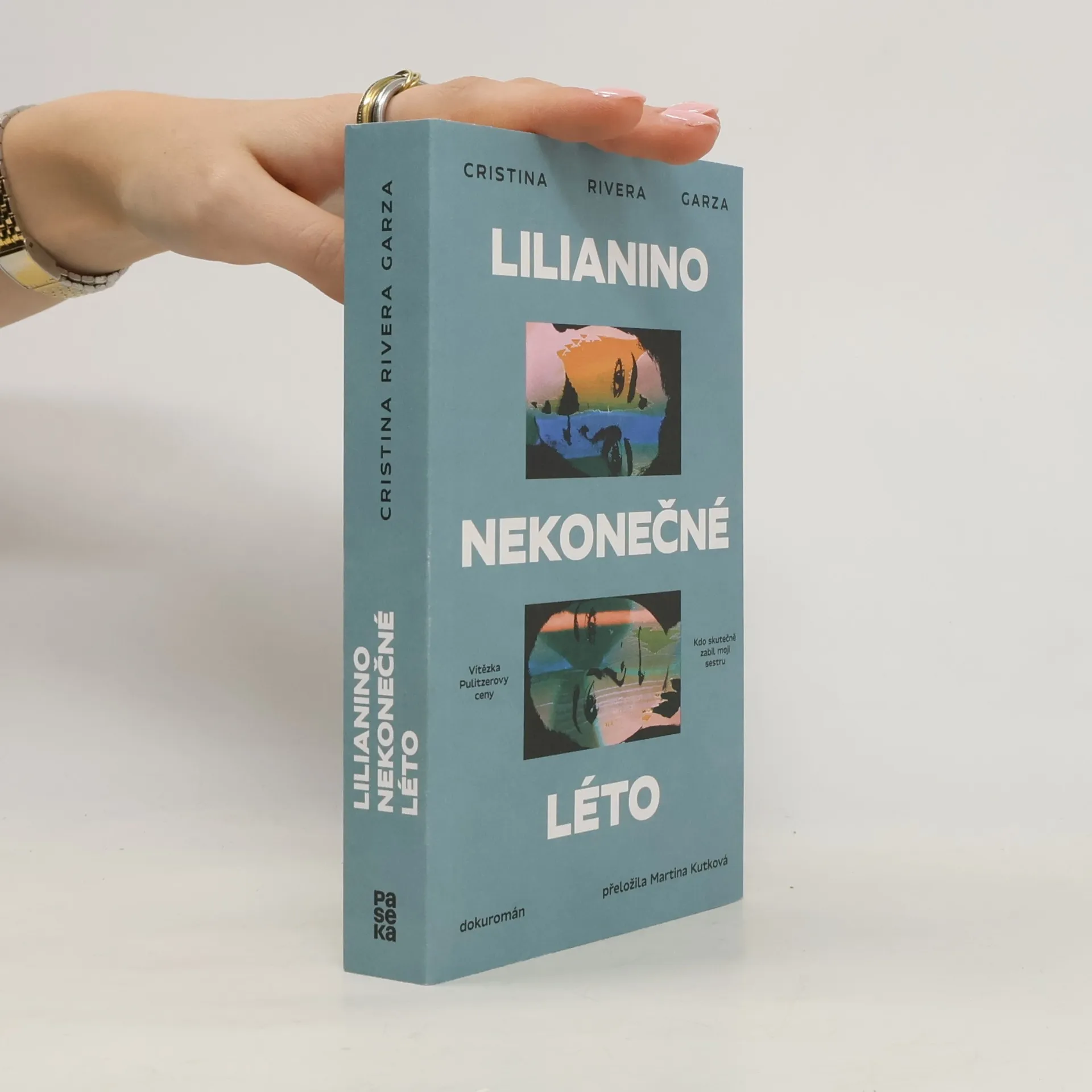
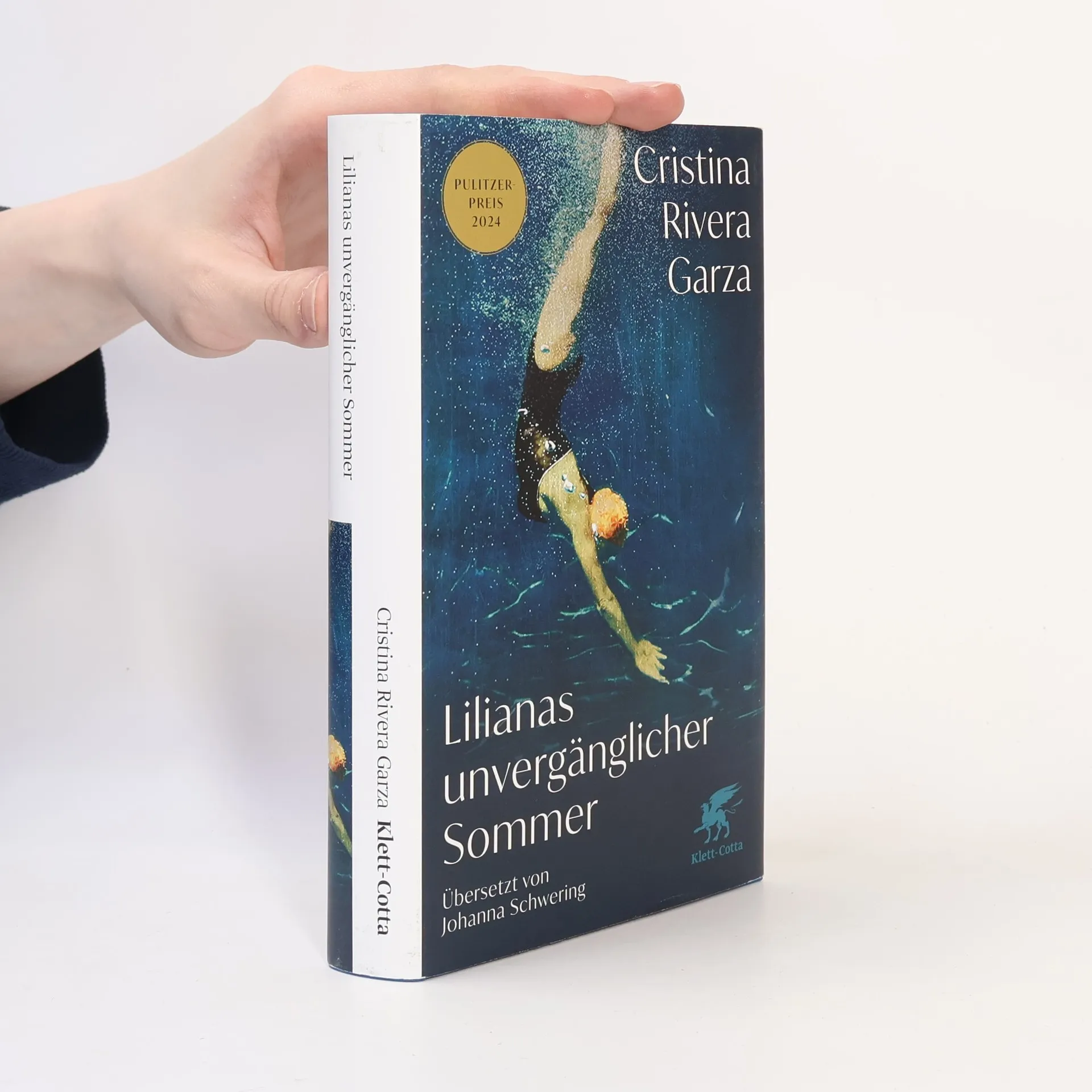
    • Winner of the Pulitzer Prize for Memoir or Autobiography (2024), this poignant narrative begins with Cristina Rivera Garza's quest for justice for her sister, Liliana, who was murdered twenty-nine years ago. In September 2019, Cristina travels from Texas to Mexico City to request an old, unresolved criminal file from the attorney general, acknowledging the slim chance of success. Motivated by global feminist movements and the pervasive issues of femicide and intimate partner violence, she embarks on this extraordinary journey. Through luminous, poetic prose, Rivera Garza recounts Liliana’s life, from her early romance with an abusive ex-boyfriend to the vibrant summer of 1990 when she embraced love and freedom. The memoir intertwines personal history with broader societal issues, as Cristina curates evidence—letters, police reports, and interviews—to paint a fuller picture of her sister beyond the tragedy. This genre-defying work confronts the trauma of loss while exploring how Liliana's story continues to shape Cristina’s identity and activism. Ultimately, it is a powerful reflection on resilience, memory, and the fight for justice in a world marred by gendered violence.

      Liliana's Invincible Summer (Pulitzer Prize winner)2024
      4,0
    • La poesía de Cristina Rivera Garza reunida por primera vez en un sólo volumen. «En los poemas de Cristina Rivera Garza hay sopas instantáneas, sillas de plástico color naranja, mandarinas desgajadas, batas de franela, lentejuelas, rímel y risas, una cajera cuando devuelve el cambio, papas fritas, té de menta o té de naranja o té de jazmín, Valium, dos cajas de Marlboro light, trescientas aspirinas, vasos de leche, flores de plástico, botes de basura, escritorios de metal, latas de sardinas, cables de teléfono, ambulancias, rocolas. También hay personajes como la Mujer Enorme, la Ex-durmiente, la Ex-Muerta, la Diabla, la Bestia, Los Sumergidos, los Desamparados y los Solos y los de Tres Corazones Bajo el Pecho. Además de algunas de las frases con las que suelen iniciar los cuentos infantiles --para sumergirnos en una suerte de ensoñación o enrarecimiento, propicios de la clase de historias que estamos a punto de leer-- Había una vez. O dos. Érase que se era. Érase que fue o que habría sido. La poesía de Cristina Rivera Garza es una carretera bífida: un camino que se bifurca entre la materialidad más tangible y rotunda y la posibilidad de lo contingente, de lo que podría o no suceder. Sus poemas son un lugar donde es viable que lo que es sea; pero, sobre todo, y como anhelaba Alejandra Pizarnik: que sea lo que no es.» -Del prólogo de Sara Uribe

      Me Llamo Cuerpo Que No Está / My Name Is a Body That Is Not / Collected Poems2023
      4,3
    • New and Selected Stories

      • 304 páginas
      • 11 horas de lectura

      A story collection drawn from across her career brings into English for the first time the extraordinary stylistic and thematic range of the Mexican writer and MacArthur “genius” Cristina Rivera Garza. “One of Mexico’s greatest living writers,” wrote Jonathan Lethem in 2018 about Cristina Rivera Garza, “we are just barely beginning to catch up to what she has to offer.” In the years since, Rivera Garza’s work has received widespread recognition: She was awarded a MacArthur Genius Grant for fiction that “interrogates culturally constructed notions of language, memory, and gender from a transnational perspective,” and was a finalist for the 2020 National Book Critics Circle Award for Criticism. Yet we have still only started to discover the full range of a writer who is at once an incisive voice on migration, borders, and violence against women, as well as a high stylist in the manner of Lispector or Duras. New and Selected Stories now brings together in English translation stories from across Rivera Garza’s career, drawing from three collections spanning over 30 years and including new writing not yet published in Spanish. It is a unique and remarkable body of work, and a window into the ever-evolving stylistic and thematic development of one of the boldest, most original and affecting writers in the world today.

      New and Selected Stories2022
      3,9
    • La Castañeda Insane Asylum

      Narratives of Pain in Modern Mexico

      • 258 páginas
      • 10 horas de lectura

      The book provides an unprecedented look into La Castañeda General Insane Asylum, a mental health institution established in Mexico City in 1910, just before the Mexican Revolution. It explores how the asylum's environment was influenced by the significant social and political changes during the Revolution and the subsequent modernization efforts in Mexico. Through this lens, it examines the intersection of mental health care and broader historical transformations in the country.

      La Castañeda Insane Asylum2020
    • The Restless Dead

      • 194 páginas
      • 7 horas de lectura

      Based on comparative readings of contemporary books from Latin America, Spain, and the United States, the essays of this book present a radical critique against strategies of literary appropriation that were once thought of as neutral, and even concomitant, components of the writing process.

      The Restless Dead2020
      4,1
    • The Taiga Syndrome

      • 121 páginas
      • 5 horas de lectura

      Fairy tale meets detective drama in this David Lynch–like novel by a writer Jonathan Lethem calls “one of Mexico's greatest . . . we are just barely beginning to catch up to what she has to offer.” A fairy tale run amok, The Taiga Syndrome follows an unnamed Ex-Detective as she searches for a couple who has fled to the far reaches of the earth. A betrayed husband is convinced by a brief telegram that his second ex-wife wants him to track her down—that she wants to be found. He hires the Ex-Detective, who sets out with a translator into a snowy, hostile forest where strange things happen and translation betrays both sense and one’s senses. Tales of Hansel and Gretel and Little Red Riding Hood haunt the Ex-Detective’s quest into a territory overrun with the primitive excesses of Capitalism—accumulation and expulsion, corruption and cruelty—though the lessons of her journey are more experiential than moral: that just as love can fly away, sometimes unloving flies away as well. That sometimes leaving everything behind is the only thing left to do.

      The Taiga Syndrome2018
      3,7