

Bookbot

Klaus Kochmann

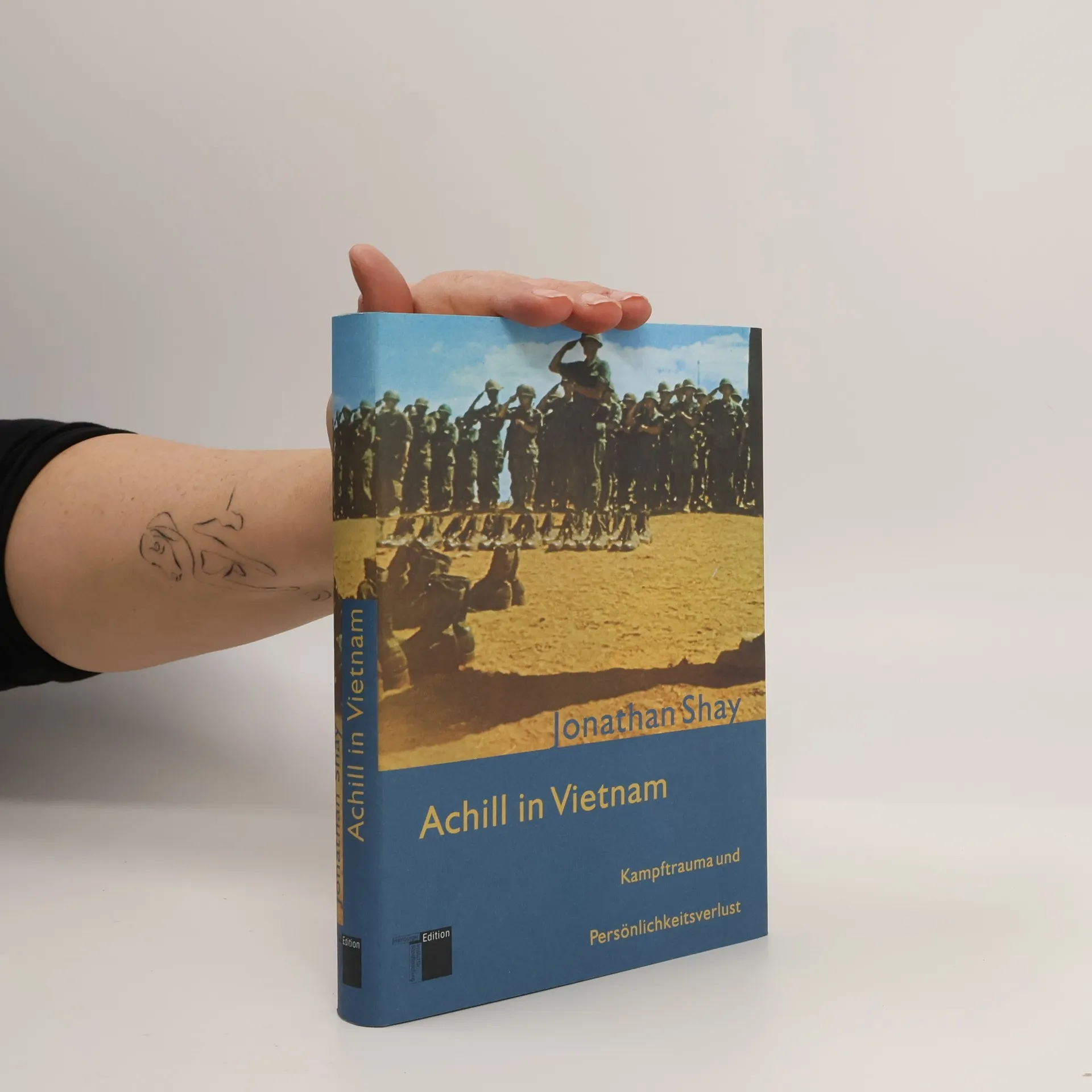
    Achill in Vietnam
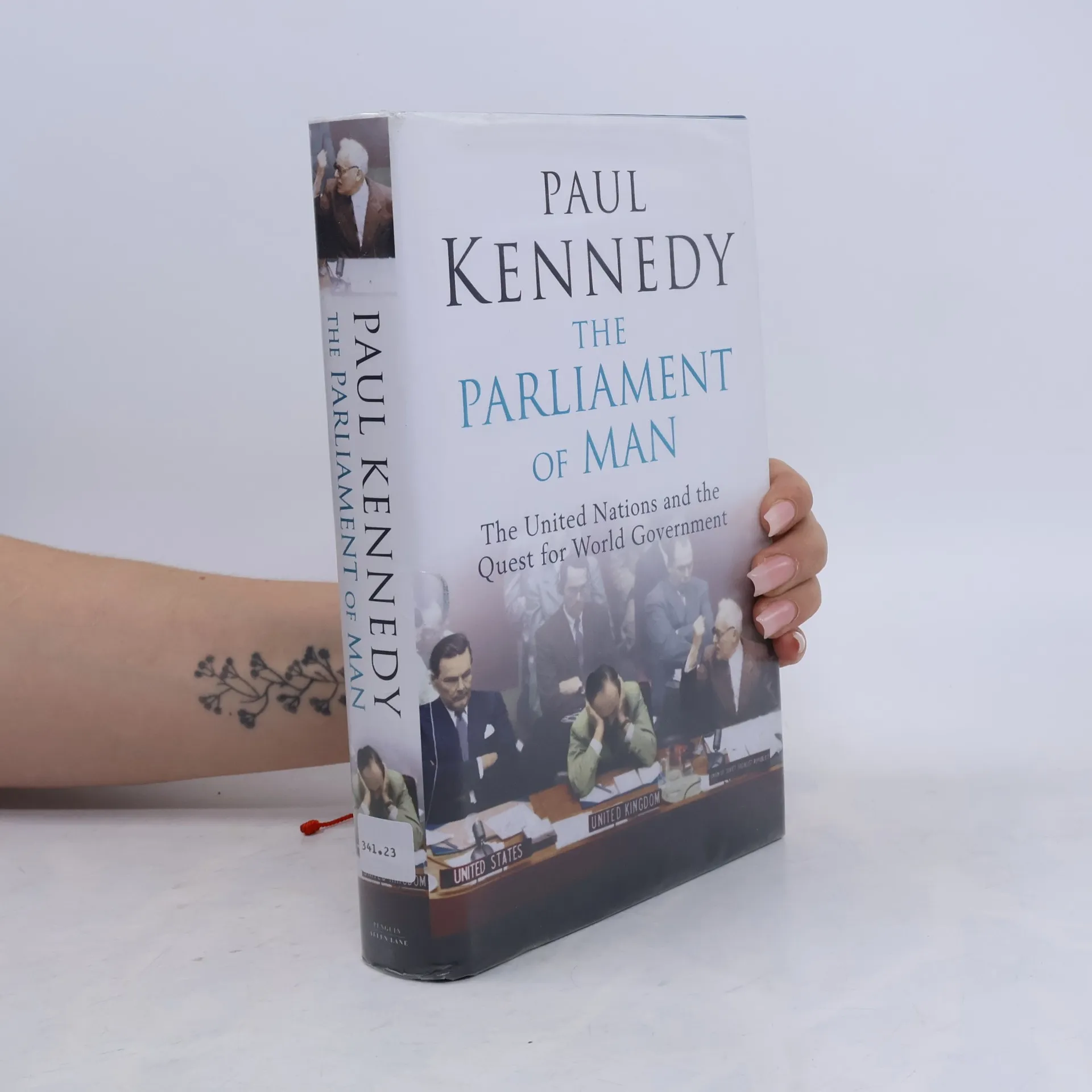
    The Parliament of Man
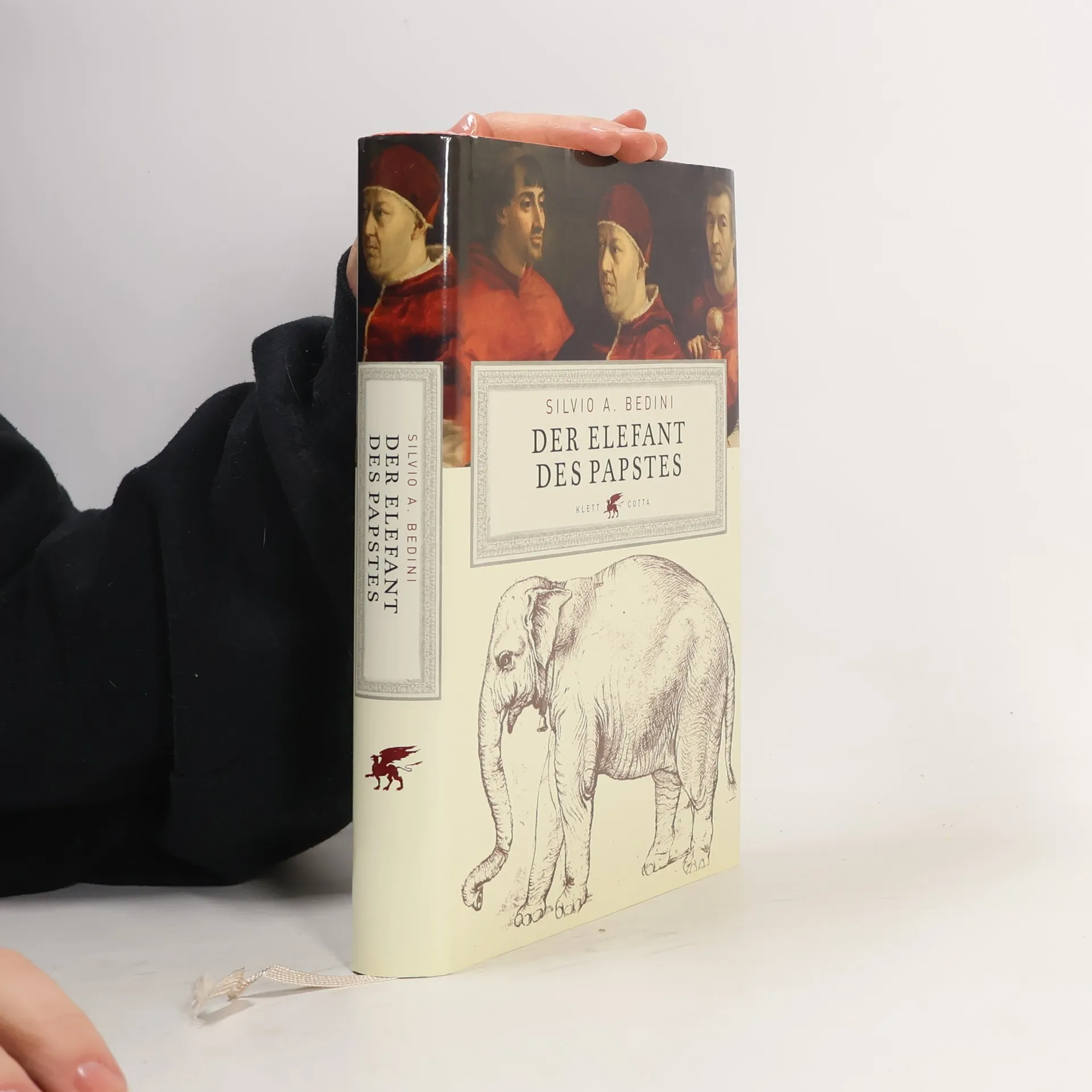
    Der Elefant des Papstes
    Hitler 1936-1945
    • Hitler 1936-1945

      • 1072 páginas
      • 38 horas de lectura

      Hitler 1889-1936, la primera parte de este estudio, explicaba las razones por las que los habitantes de un estado moderno, de elevado nivel cultural y de economía puntera, pusieron su destino en manos de un intruso de la política como Adolf Hitler. Ese primer volumen terminaba con la remilitarización de Renania en 1936, cuando el gran dictador gozaba del apoyo de una abrumadora mayoría de alemanes. En esta segunda entrega, Ian Kershaw hace un repaso de las decisiones más demagógicas y sanguinarias de Hitler, hasta su muerte en 1945, y propone explicar de qué modo éste pudo llegar a ejercer el poder absoluto con la aquiescencia y el beneplácito de los ciudadanos de su país, que se dejaron arrastrar a una guerra genocida, al asesinato en masa y a la propia devastación. Se trata, en palabras del autor, de una «historia sobrecogedora de autodestrucción tanto nacional como individual, de cómo un pueblo y sus representantes fraguaron su propia catástrofe como parte de una destrucción calamitosa de la civilización europea»

      Hitler 1936-1945
      4,5
    • Der Elefant des Papstes

      • 366 páginas
      • 13 horas de lectura

      Rome, 1514. It is the high summer of the Italian Renaissance. The Turks have extinguished Constantinople, Rome's thousand-year rival. The ships of Portugal and Spain are gaining access to "new" worlds both east and west. Architects, craftsmen and artists - Bramante, Michelangelo and Raphael among themswarm for commissions to rebuild and embellish the long-derelict city. The Eternal City is once again the undisputed center of Christendom. So what on earth is the pope doing with a baby white elephant? In this tour de force of original scholarship, Silvio Bedini gives us an elephant's-back view of early modern Europe unlike any we have seen before.

      Der Elefant des Papstes
      3,0
    • The Parliament of Man

      The Past, Present, and Future of the United Nations

      Scholar Kennedy gives a thorough history of the United Nations that explains the institution's roots and functions while also casting an eye on the UN's effectiveness as a body and on its prospects for success in meeting coming challenges. He makes sense of the commissions and committees, and how the six main operating bodies operate and interact. Citing examples from history, he shows how the five permanent members of the Security Council on numerous occasions overcame political antagonisms to spearhead military supervision of aid in humanitarian crises, and how lack of cooperation among the great powers has hamstrung such initiatives as the control of greenhouse gas emissions and exacerbated the deleterious effects of globalization on developing nations' economies. As a body, the UN emerges here for what it is: fallible, human-based, oftentimes dependent on the whims of powerful nations or the foibles of individual senior administrators, but utterly indispensable.--From publisher description.Provides a history of the United Nations from Woodrow Wilson to the present day, detailing the creation of an international organization dedicated to the promotion of peace, development, and growth, and assessing its future.

      The Parliament of Man
      3,6
    • Achill in Vietnam

      Kampftrauma und Persönlichkeitsverlust

      • 319 páginas
      • 12 horas de lectura

      Der moderne Krieg hinterlässt tiefgreifende seelische Verwüstungen. In diesem bemerkenswerten Werk untersucht der amerikanische Psychiater Jonathan Shay die psychischen Schäden, die Krieg im Menschen anrichtet, indem er die Erfahrungen seiner Patienten, ehemalige Vietnamkämpfer mit schweren posttraumatischen Störungen, mit den Erzählungen in Homers Ilias vergleicht. Die Ilias beschreibt, wie Achill aus Trauer um Patroklos zum Berserker wird. Shay fragt, wie sich ein Verhalten entwickelt, das es modernen Soldaten ermöglicht, zivilisatorische Hüllen abzulegen, und warum sie oft Schwierigkeiten haben, sich nach dem Krieg in "normalen Verhältnissen" zurechtzufinden. Er sieht die Ursachen des posttraumatischen Syndroms nicht nur im grausamen Kriegsgeschehen, sondern auch in einer moralischen Entgrenzung, die entsteht, wenn Soldaten gegen ihre ethischen Werte verstoßen. Diese Verletzung des "Rechten" führt zu einem Verlust der psychischen Verbindung zur Welt außerhalb des Krieges. Shay beschreibt, wie schwerwiegende psychische Schäden aus dem Verlust des Vertrauens resultieren und zur Zerstörung der Fähigkeit zu vertrauen führen. Die Folgen sind zwanghafte Wiederholungen traumatischer Erlebnisse, reduzierte psychische Belastbarkeit und ein Verlust des Interesses an der Welt. Shay zeigt, dass Krieg eine anhaltende individuelle Pathologie sein kann und dass die psychische Transformation universell ist, die klassischen Krieger mit mode

      Achill in Vietnam