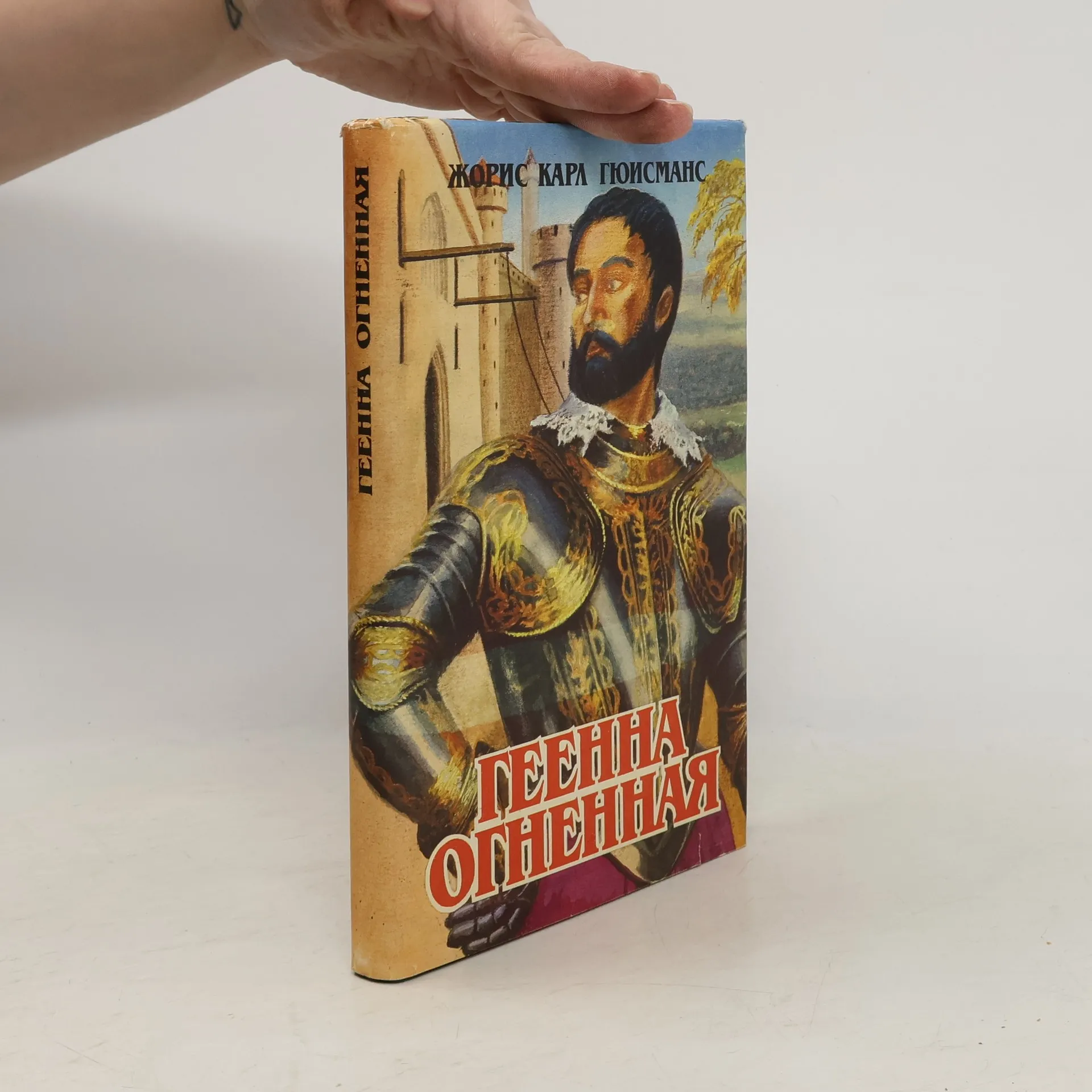
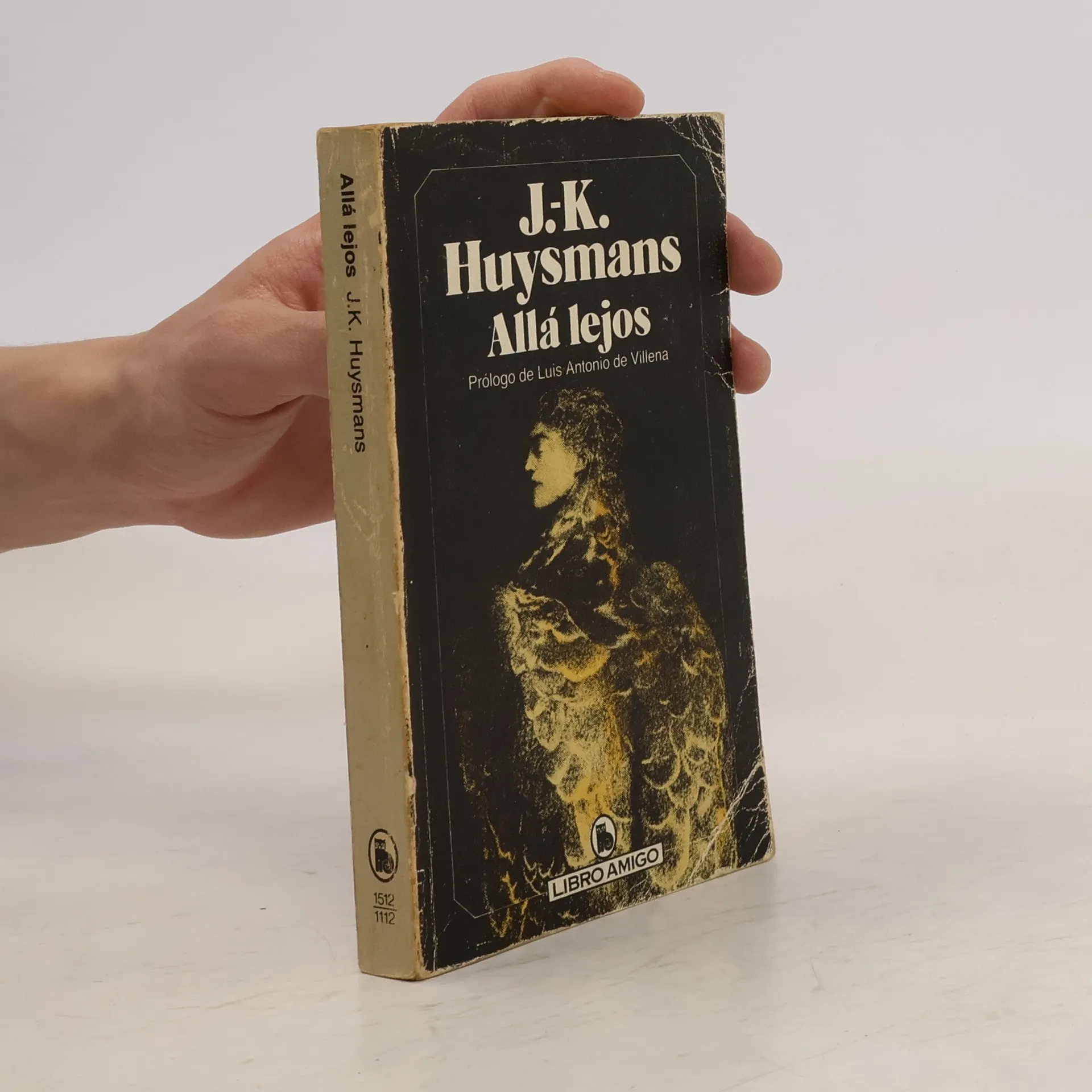
Tras la polémica suscitada por la publicación de Al revés, Huysmans se encontraba para muchos en un callejón sin salida. Hubo que esperar siete años, hasta la aparición de Allá lejos en 1891, para que su prosa exquisita tuviera digna continuación en una obra que nos traslada al siniestro castillo y a los macabros ritos satánicos del Mariscal Gilles de Rais, uno de los personajes más fascinantes del mundo medieval. Esa huida hacia épocas y vidas lejanas, ese hastío por todo lo que pudiera considerarse habitual y próximo hacen de Huysmans una figura capital de la estética decadente y al mismo tiempo descubren a un autor muy cercano a las inquietudes y angustias de este fin de siglo nuestro, que se acerca y nos atrapa.
Joris-Karl Huysmans Libros
5 de febrero de 1848 – 12 de mayo de 1907
Este novelista francés es célebre por su distintiva voz literaria, destacada por su uso idiosincrásico del lenguaje, vasto vocabulario y descripciones ricamente sensuales. Sus obras son notables por su detalle enciclopédico y su agudo ingenio satírico. Huysmans transmite un profundo disgusto por la vida moderna y un profundo pesimismo, una visión del mundo que lo llevó primero a la filosofía de Arthur Schopenhauer y más tarde a las enseñanzas de la Iglesia Católica.


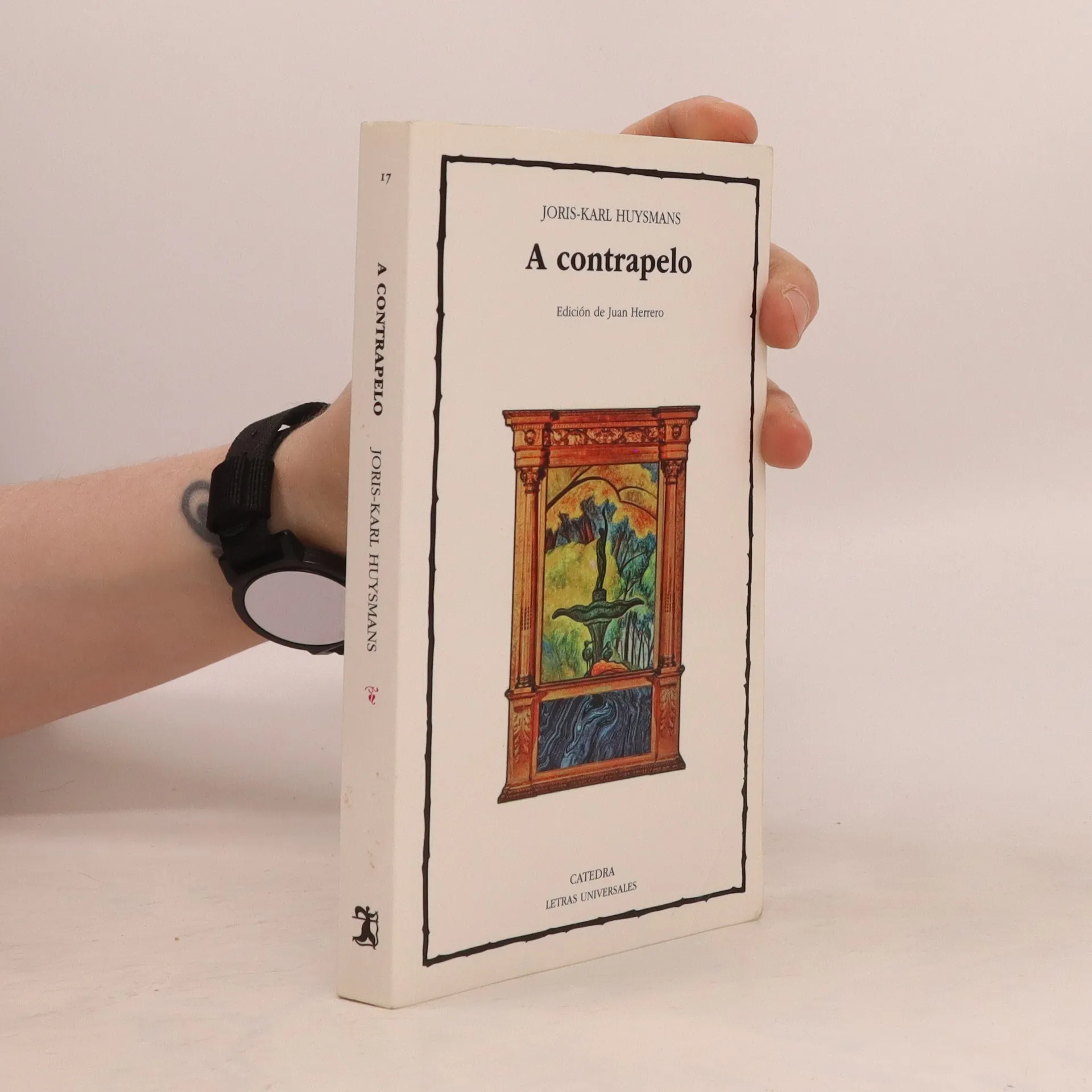
A contrapelo
- 368 páginas
- 13 horas de lectura
Huysmans (1848-1907) fue primero seguidor de Zola, para luego entrar en la corriente espiritual, decandente y refinada, en la que brillo tambien Villiers de L'isle-Adam, su gran amigo. A contrapelo es la gran novela de la ruptura con un Naturalismo ya exhausto. Es la novela de la nueva sensibilidad estetica, inconformista, encarnada en su protagonista, el exquisito y rebelde duque Jean Floressas des Esseintes.
The Cathedral
- 364 páginas
- 13 horas de lectura
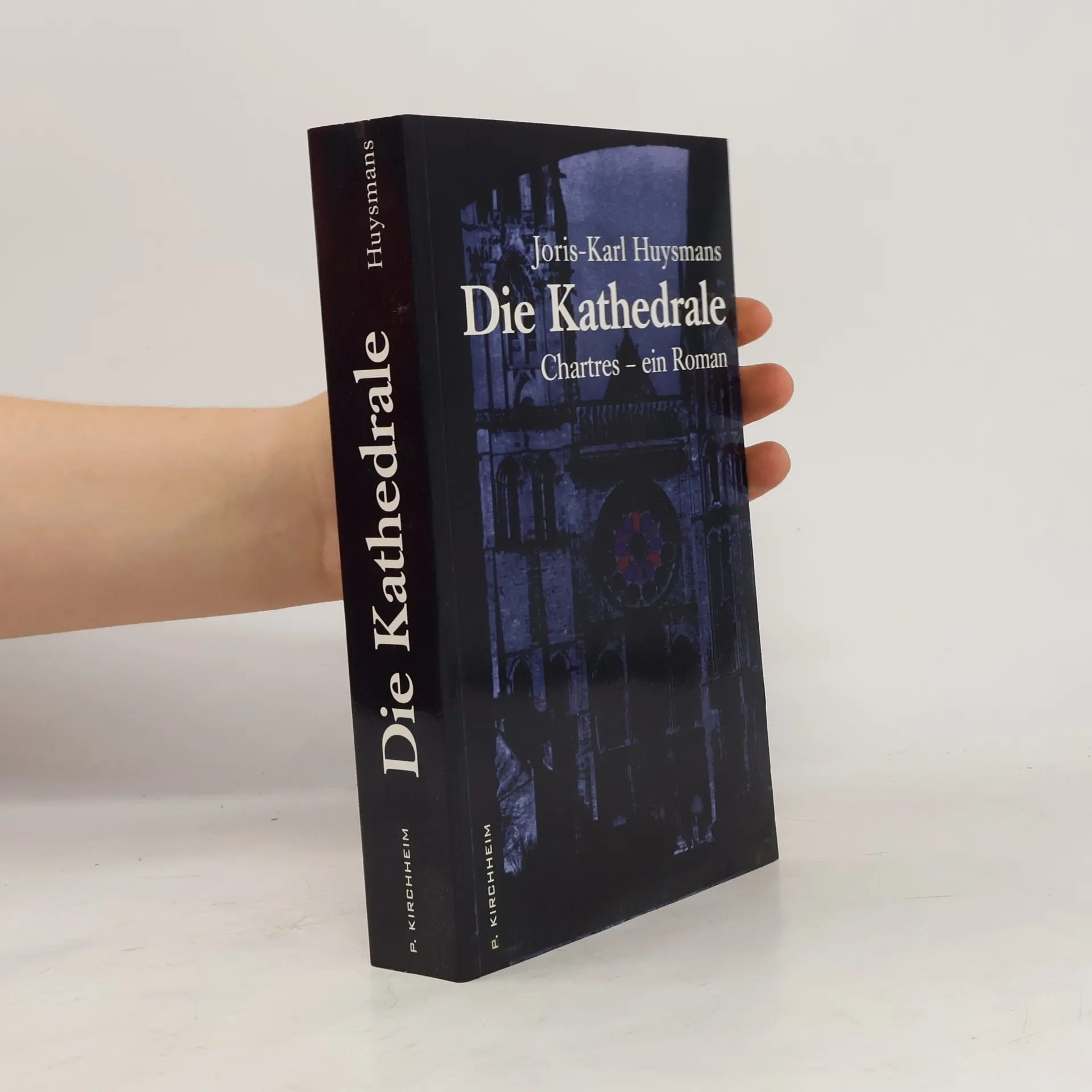
After the Satanic debaucheries of La -bas (1891) and the sensual battles of En Route (1895), comes the cloistered calm of The Cathedral (1898). In this long, reflective novel, Huysmans' alter-ego, Durtal, sets out to explore the mystic symbolism embodied in one of the greatest gothic edifices in France, Chartres cathedral. Written at the time of the Dreyfus Affair, a political scandal that threatened to tear France apart, Chartres cathedral became for Huysmans a potent symbol of the harmonious diversity of the Middle Ages, one that had the potential to unify the divisions in contemporary French society. This complex, multi-layered vision of Chartres cathedral as a structure in which art, science and religion could exist in harmony rather than discord, captured the public imagination on its first publication, and The Cathedral became a runaway bestseller. This edition contains 20 photographs of parts of Chartres cathedral mentioned in the text.
En Route
- 322 páginas
- 12 horas de lectura
In this autobiographical novel, the author tells the story of a writer and his return to the Catholic faith. An admirer of the Middle Ages, cathedrals, and ancient religious painting, the hero stays in a convent to try to resolve his moral dilemma. A novel of conversion, which fails, it explores spiritual life, the church, and the convent, paving the way for later writers like Mauriac and Bernanos. Finally, like "Against Nature," it is a great narcissistic reverie, an interior monologue where erotic imagination and prayer, aestheticism and asceticism struggle. As the author himself said, he fell "like a meteorite."
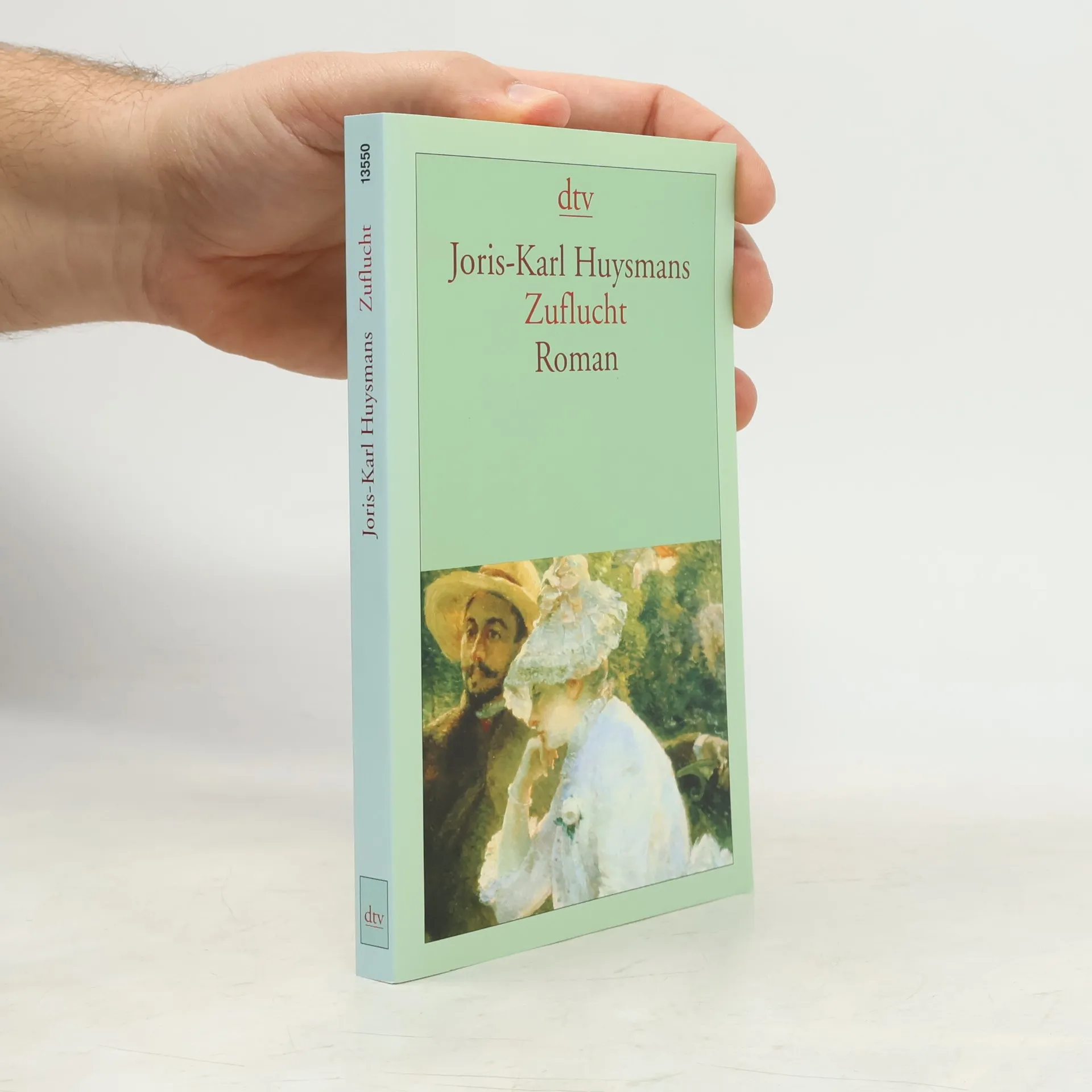
Zuflucht. Roman
- 220 páginas
- 8 horas de lectura
Jacques und Louise Marles fliehen vor ihren Gläubigern ins trostlose Schloss Lourps. Die idyllische Landschaft wird zur Falle der Leere, die Jacques verändert und seine Beziehung zu Louise belastet. Doch in seinen Träumen findet er einen Ausweg. Huysmans entdeckt das Übernatürliche und prägt damit das moderne Gefühlsleben.
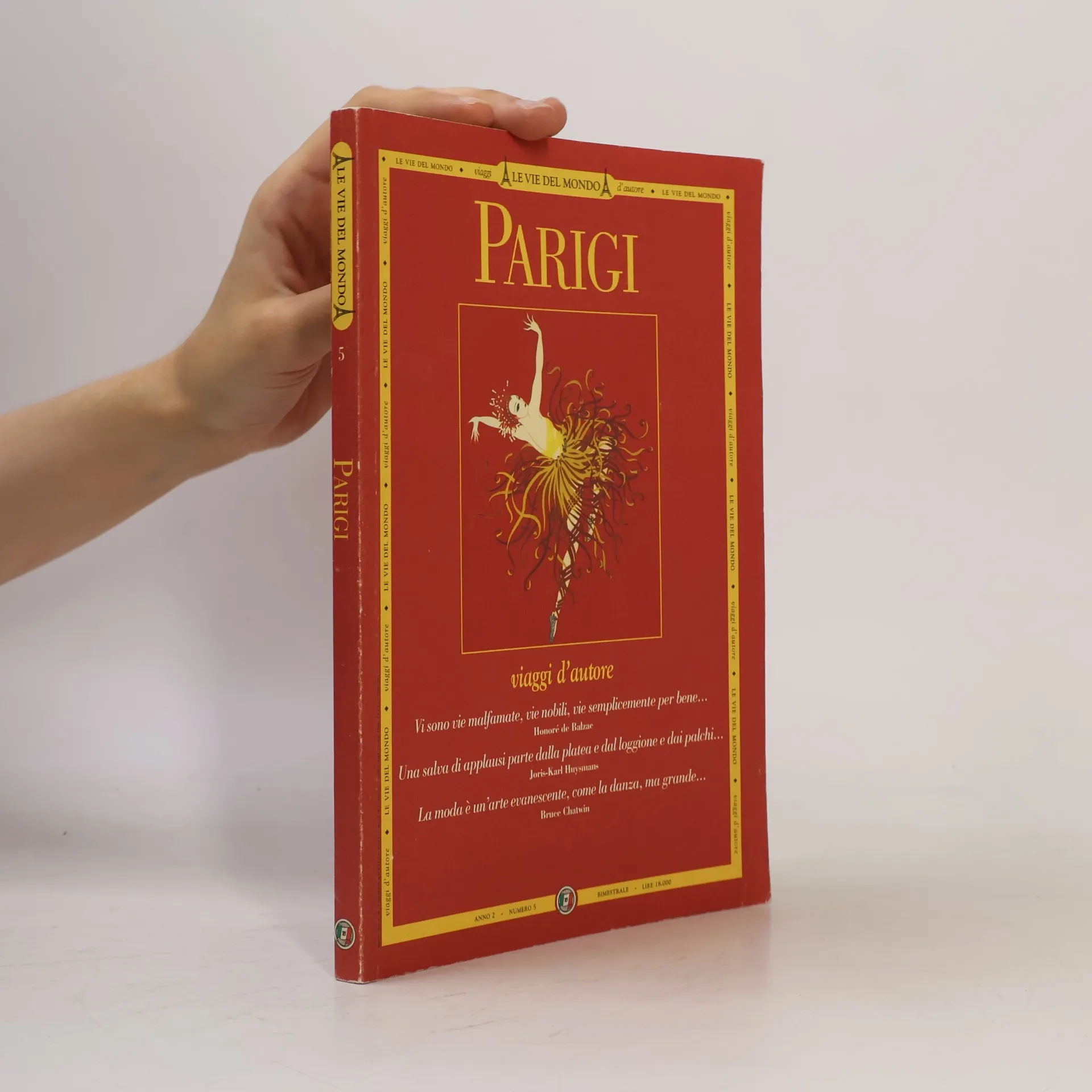
"Come in un vagabondaggio capriccioso e senza meta per le vie e le piazze di una città interminabile, nella quale la storia e l'arte, la letteratura e la cronaca, si sono divertite a spargere a piene mani tutte le loro lusinghe, il lettore che sfoglia queste pagine andrà a finire in qualche angolino insospettato, che gli darà, speriamo, il piacere che ha dato a noi.Frastornati come provinciali dall'imponenza di tanta capitale, abbiamo preferito sgattaiolare lontano dai suoi troppi monumenti per assaporarne invece l'atmosfera, l'aroma, in compagnia di scrittori che si sono persi nei meandri della Ville Lumiere per meglio afferrarne il segreto.E ci piace individuare un nostro lontanissimo predecessore nell'anonimo che nel 1643 pubblicò una delle prime guide a Parigi dandole il titolo di 'Ulisse francese', già ben cosciente che la navigazione in quel gran mare di pietre era un'avventura, come schivare le tentazioni dei Lotofagi e sottrarsi agli incantesimi di Circe. E uno dei suoi sovrani, Francesco I, rinunciava a descriverla per disperazione di fronte a un compito così immane, limitandosi a scrivere all'imperatore Carlo V: 'Non è una città, è un mondo'. Confortati dunque dalla solidarietà di un re e dal riferimento a un eroe omerico, porgiamo questa nostra Parigi, che è solo una delle tante Parigi, ma che riteniamo abbia almeno il merito di essere poco consueta."Marco Ausenda e Gianni Guadalupi
'Gilles de Rais. ein Meister in Schmerz und Mord. Aber wenn das Transzendente des Guten, wenn das Jenseitige der Liebe gewissen Seelen zugänglich ist, das Jenseitige des Bösen läßt sich nicht erreichen.' 'Man müsste, so sagte er sich, vom Realismus die Wahrhaftigkeit der Beurkundung, die scharfe Genauigkeit der Darstellung im einzelnen, die gegenständliche und nervöse Sprache wahren, aber man müsste zugleich im Brunnen der Seele schöpfen, statt das Geheimnis mit Erkrankungen des Sinnenlebens erklären zu wollen; … ' Joris-Karl Huysmans 1891 in 'Là-bas'
Die Misere des Monsieur Folantin
- 101 páginas
- 4 horas de lectura
À vau-l'eau, kurzer Roman, veröffentlicht 1882, beschreibt das monotone Dasein eines Büroangestellten, Folantin, der ledig und hypochondrisch ist. Sein Leben besteht aus dem Unannehmlichkeit, in miesen Restaurants zu essen, und aus kulinarischen Enttäuschungen. In der Mittelmäßigkeit seines Alltags gefangen, revoltiert Folantin manchmal gegen seine Existenz, fällt jedoch schnell wieder in seine schwarze Melancholie. Er ist das genaue Gegenteil von Des Esseintes, dem berühmten Dandy aus À rebours, der jedoch wie er danach strebt, sich der Langeweile zu entziehen.
Joris-Karl Huysmans (1848–1907) ist bekannt für den Dandy und Exzentriker Jean Floressas des Esseintes, der in einem ästhetisch gestalteten Haus lebt, abseits der Realität. In seinen Erzählungen thematisiert Huysmans die trostlose Leere des Angestelltendaseins, die als Kontrast zur kunstvollen Welt Des Esseintes erscheint. In einer seiner Erzählungen, »Ein Dilemma«, wird der Notar Le Ponsart mit einer schwierigen Entscheidung konfrontiert, die er der schwangeren Geliebten seines verstorbenen Mandanten stellt: Sie kann entweder als Haushälterin verschwinden und ihren Lohn erhalten oder auf ihren Status als Geliebte bestehen, was sie jedoch nichts einbringt. Weibliche Solidarität, verkörpert durch die Schreibwarenhändlerin Champagne, kann die bourgeoise Selbstgerechtigkeit nicht überwinden. Huysmans schildert mit beißender Ironie, wie autoritäre Sprache als Waffe eingesetzt wird, um die schwangere Näherin in ihr Verderben zu stürzen. Die Schlaflosreihe präsentiert unbekannte und vergessene Texte – von fantastischen Hirngespinsten bis zu erotischen Erzählungen – und bietet Stoff für schlaflose Nächte. Im ansprechenden Taschenlampenkegelformat laden sie zum Träumen ein, während die Stunden verstreichen und der Schlaf fernbleibt. Herausgegeben von Roman Lach.
Der symbolistische Schriftsteller Joris-Karl Huysmans, der mit seinem Roman A Rebours (›Gegen den Strich‹) Weltruhm erlangte, hatte sich als anerkannter Kunstkritiker in späteren Jahren dem erotischen Werk des belgischen Graphikers und Illustrators Félicien Rops zugewandt. Diese Studie liegt nun erstmals vollständig in deutscher Übersetzung vor. – Peter Priskil beleuchtet in seinem Essay den Werdegang des Romanciers, der in religiösem Wahn endete, und untersucht die 'satanische' Phase der beiden Künstler vor dem Hintergrund des Fin de siècle, im Spannungsbogen von Charles Baudelaire bis zu den Surrealisten.
Monsieur Bougran ist ein Ministerialbeamter, der mit seiner vorzeitigen Pensionierung nicht zu Recht kommt. Er bekämpft sein Unbehagen, indem er in seiner Wohnung das frühere Büro nachstellt und vorgibt, er wäre noch immer Beamter. Er heuert Monsieur Huriot als Hilfskraft an, schreibt Briefe an sich selbst und bearbeitet fiktive Akten. Huysmans kannte das Bürokratenmilieu gut, er war selbst knapp vierzig Jahre lang Beamter, die Situation der Angestellten, die Dienstvorschriften und die unerträgliche Routine waren ihm vertraut. Aus intimer Kenntnis der Bürokratie entsteht ein köstliches Porträt des Alltagslebens in den Ministerien. Sein Protagonist verharrt in subalterner Position, zum Ausformulieren von Amtsbriefen verdammt. Er klagt über den Verfall der Sitten und das Unwissen der Neulinge, die den Sinn von amtsgerechten Schlußformeln nicht beherrschen. Bougran bedeutet Steifleinen, sinngemäß auch beengtes Dasein, in dem Namen steckt aber auch das Wort bougre, armer Schlucker. Er ist ein in der Literatur durchaus bekannter Typus, den man auch bei Flaubert antrifft.
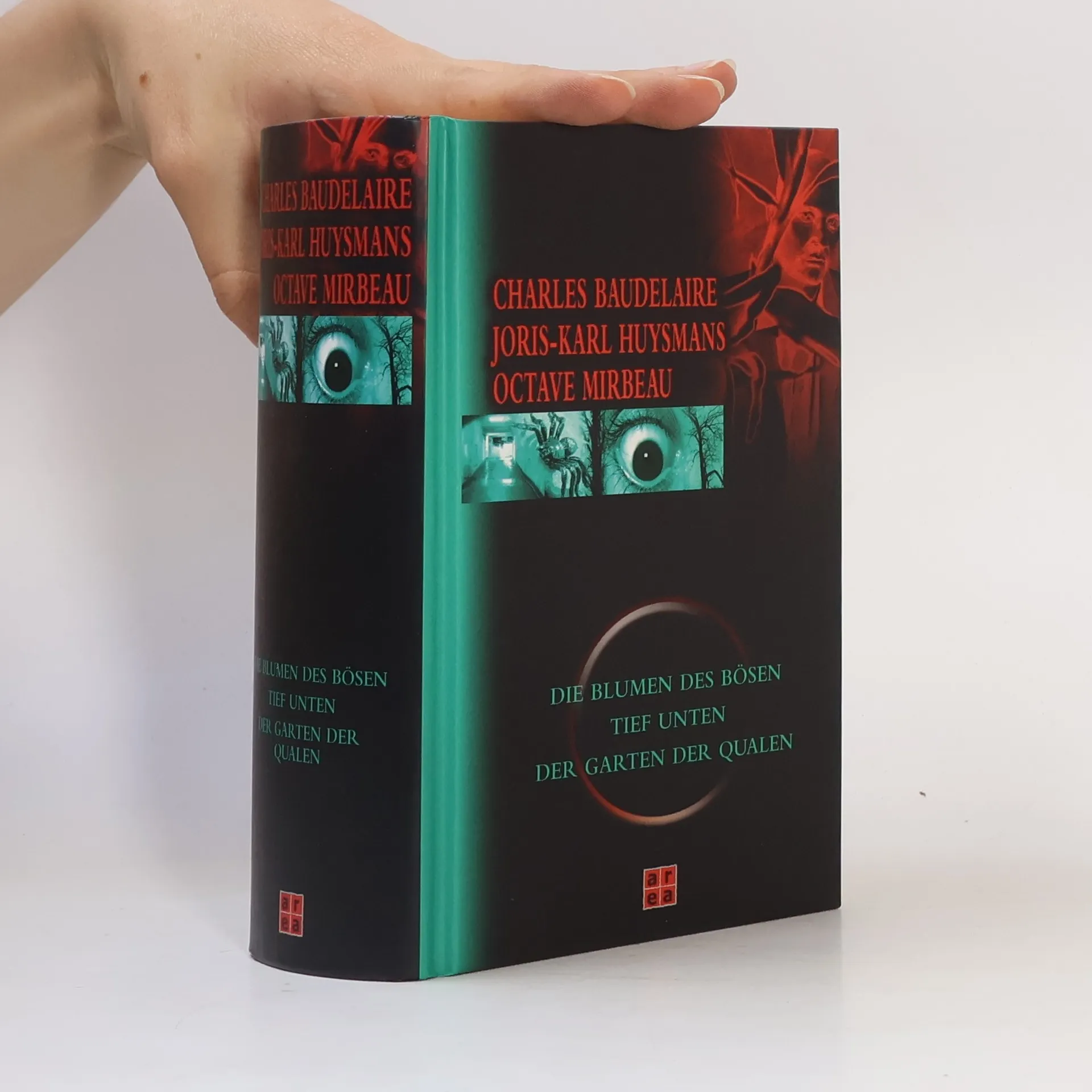
Die BLumen des Bösen. Tief unten. Der Garten der Qualen
- 800 páginas
- 28 horas de lectura
Schwarze Messen und Gesänge auf den Teufel: die drei Klassiker der Décadence mit dem größten Einfluß auf die Horrorliteratur des 20. Jahrhunderts erstmals in einem Band!Charles Baudelaires Gedichtzyklus „Die Blumen des Bösen“ zeigt den Menschen in seiner ganzen satanischen Verderbtheit.In Joris-Karl Huysmans’ Hauptwerk „Tief unten“ begegnet dem Schriftsteller und Satanismusforscher Durtal die geheimnisvolle Madame Hyacinthe Chantelouve, und plötzlich eröffnet sich ihm das Tor zur dunklen satanischen Welt mit wüsten schwarzen Messen ...In Octave Mirbeaus Werk „Der Garten der Qualen“ gerät ein namenloser Pariser Forscher in den Bann der jungen Engländerin Miss Clara und folgt ihr nach China. Dort führt sie ihn in den Garten der Qualen, in dem ein infernalischer Kult exzentrischer Torturen an Häftlingen und zum Tode Verurteilten praktiziert wird.
Marthe
- 114 páginas
- 4 horas de lectura
Marthe is het ontmoedigende, om niet te zeggen stuitende verhaal van een verarmd jong meisje dat actrice wil zijn, maar in plaats daarvan prostituée wordt, na een reeks ongelukkige verhoudingen en andere tragische voorvallen. In de beste naturalistische traditie heeft Marthe niet de minste kans om zichzelf te ontplooien of in het leven te slagen. Omwille van het thema werd deze pessimistische, quasi nihilistische novelle destijds een 'succès de scandale'. Uit vrees dat zijn boek in Frankrijk in beslag zou worden genomen en hijzelf in de gevangenis zou belanden, liet Huysmans het in Brussel uitgeven. Zo werd de auteur in 1876 aan de grens door Franse douaniers betrapt met vierhonderd exemplaren in zijn bagage, die prompt geconfisqueerd werden. Naast de naturalistische elementen van dood, wanhoop en verdoemenis treffen we in Marthe overvloedig de fin de siècle-motieven aan die de stijl en structuur van Huysmans' latere decadente periode aankondigen. Met deze motieven is Joris-Karl Huysmans tot op heden in de belangstelling gebleven. Zijn werk blijft het hart onder de riem bij uitstek voor gedegenereerden van alle tijden!
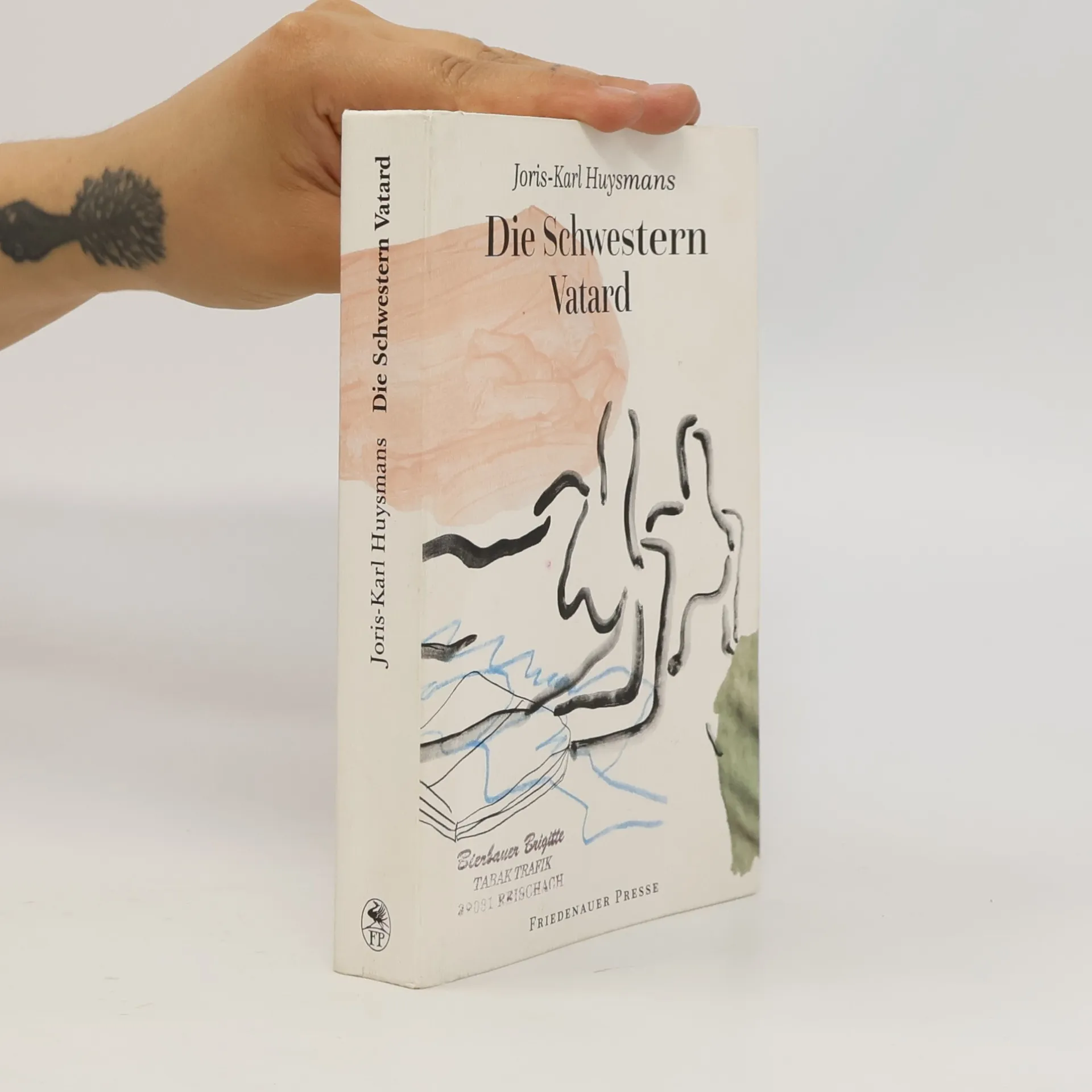
Les Schwestern Vatard ist ein naturalistischer Roman. Wie Marthe, diese Geschichte eines Mädchens, die 1876 erschienen ist, zeigt Les Schwestern Vatard von Anfang an seine Zugehörigkeit zu dieser widerlichen Literatur, die Louis Ulbach 1868 bei der Lektüre von Germinie Lacerteux, erschienen 1865, und von Thérèse Raquin, zwei Jahre später erschienen, anprangerte.
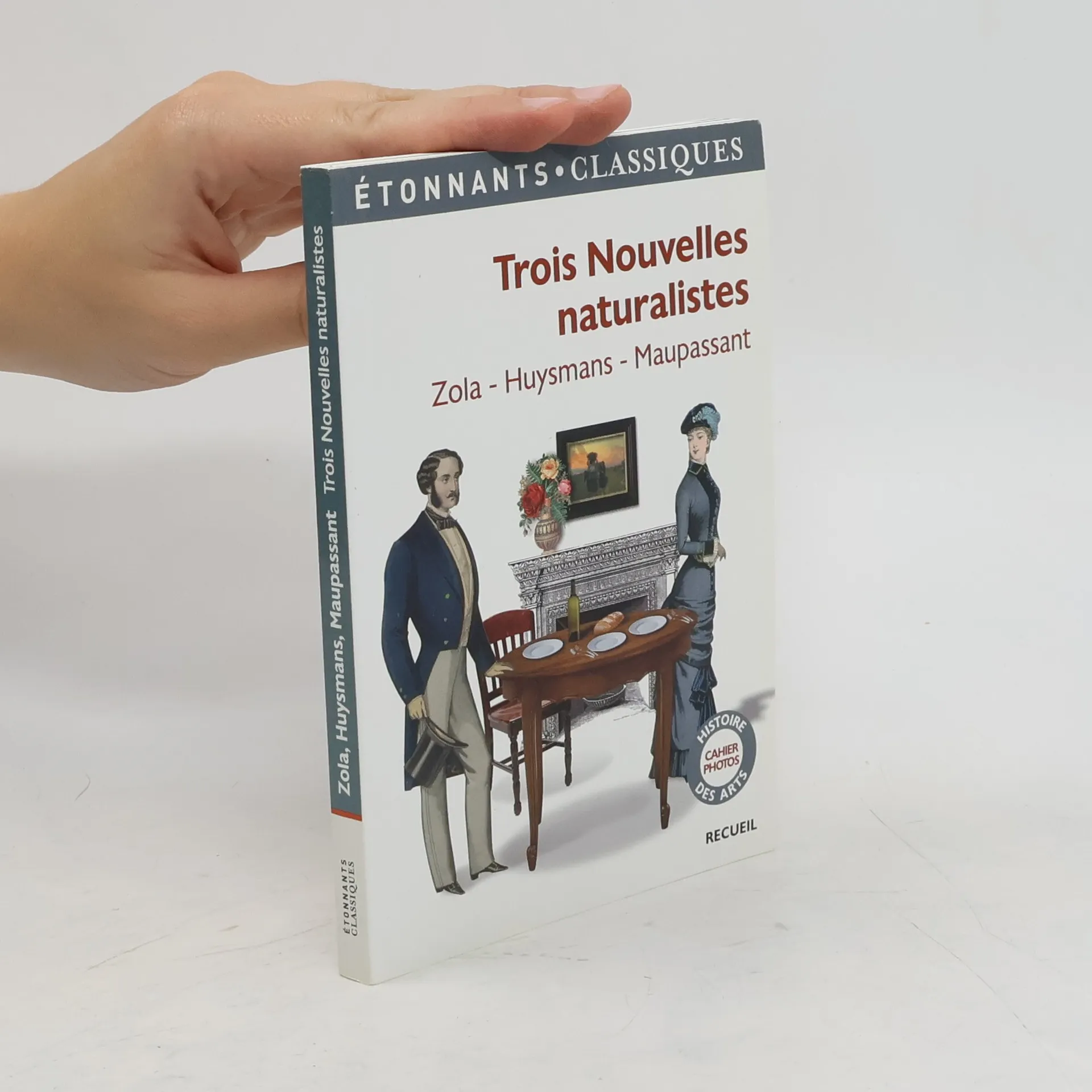
Trois Nouvelles naturalistes
- 160 páginas
- 6 horas de lectura
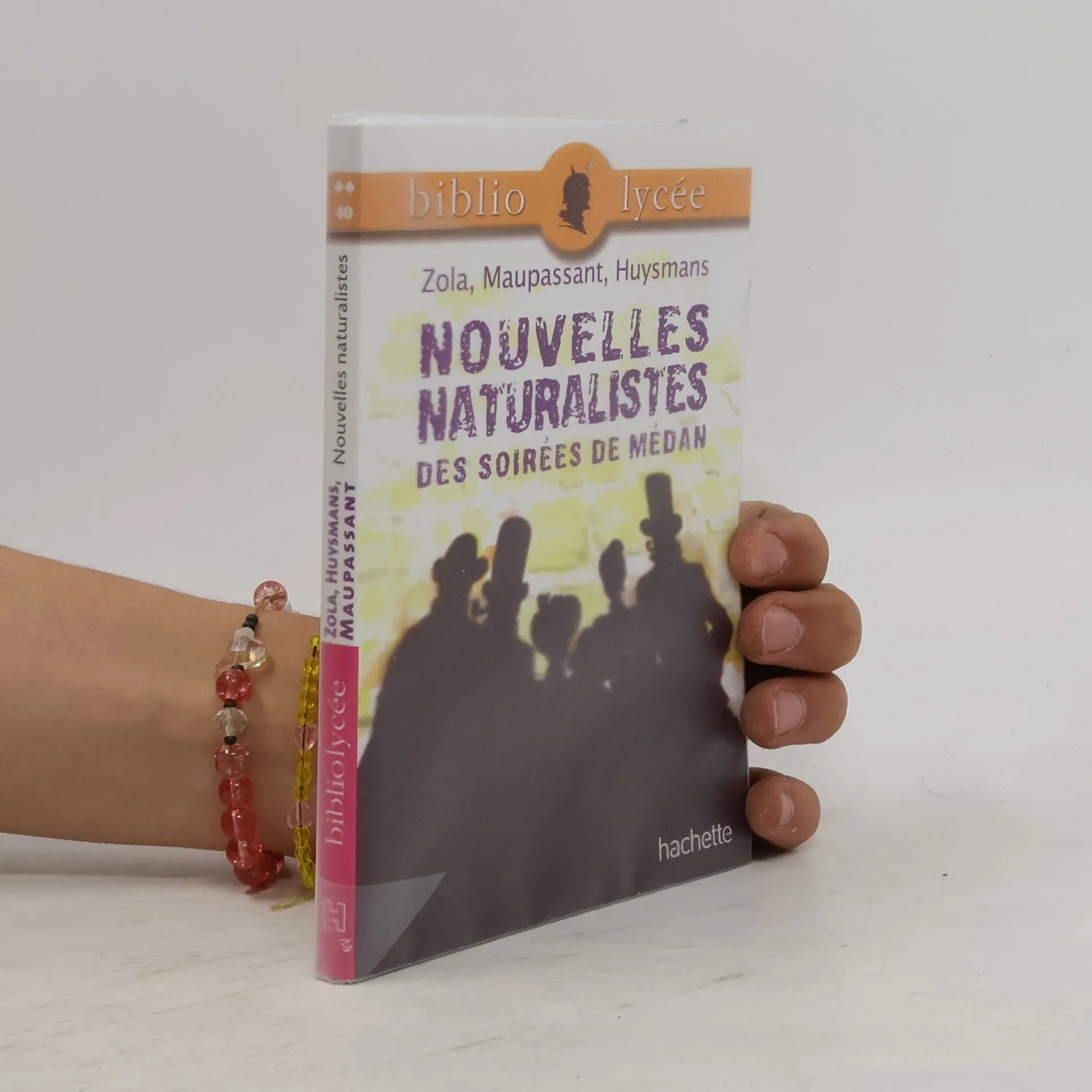
Un ouvrier pris dans la tourmente de la Commune, déporté au bagne de Nouméa, s'évade et retrouve sa femme mariée à un autre... Mis à la retraite prématurément, un fonctionnaire se montre incapable de vivre en dehors du cadre étroit de l'administration... Sur son lit de mort, un riche paysan révèle sa double vie à son fils et lui demande de prendre soin de sa maîtresse...Voici des histoires insolites contées par trois maîtres du naturalisme.L'édition : - Questionnaires de lecture- Microlectures- Groupements de textes : - écrits théoriques sur le naturalisme- étude des motifs obsédants- Culture artistique : - cahier photos : réalisme et naturalisme- un livre, un film : Le Festin de Babette (Gabriel Axel).
Nouvelles naturalistes des soirées de Médan
- 256 páginas
- 9 horas de lectura
This is a pre-1923 historical reproduction that was curated for quality. Quality assurance was conducted on each of these books in an attempt to remove books with imperfections introduced by the digitization process. Though we have made best efforts - the books may have occasional errors that do not impede the reading experience. We believe this work is culturally important and have elected to bring the book back into print as part of our continuing commitment to the preservation of printed works worldwide.
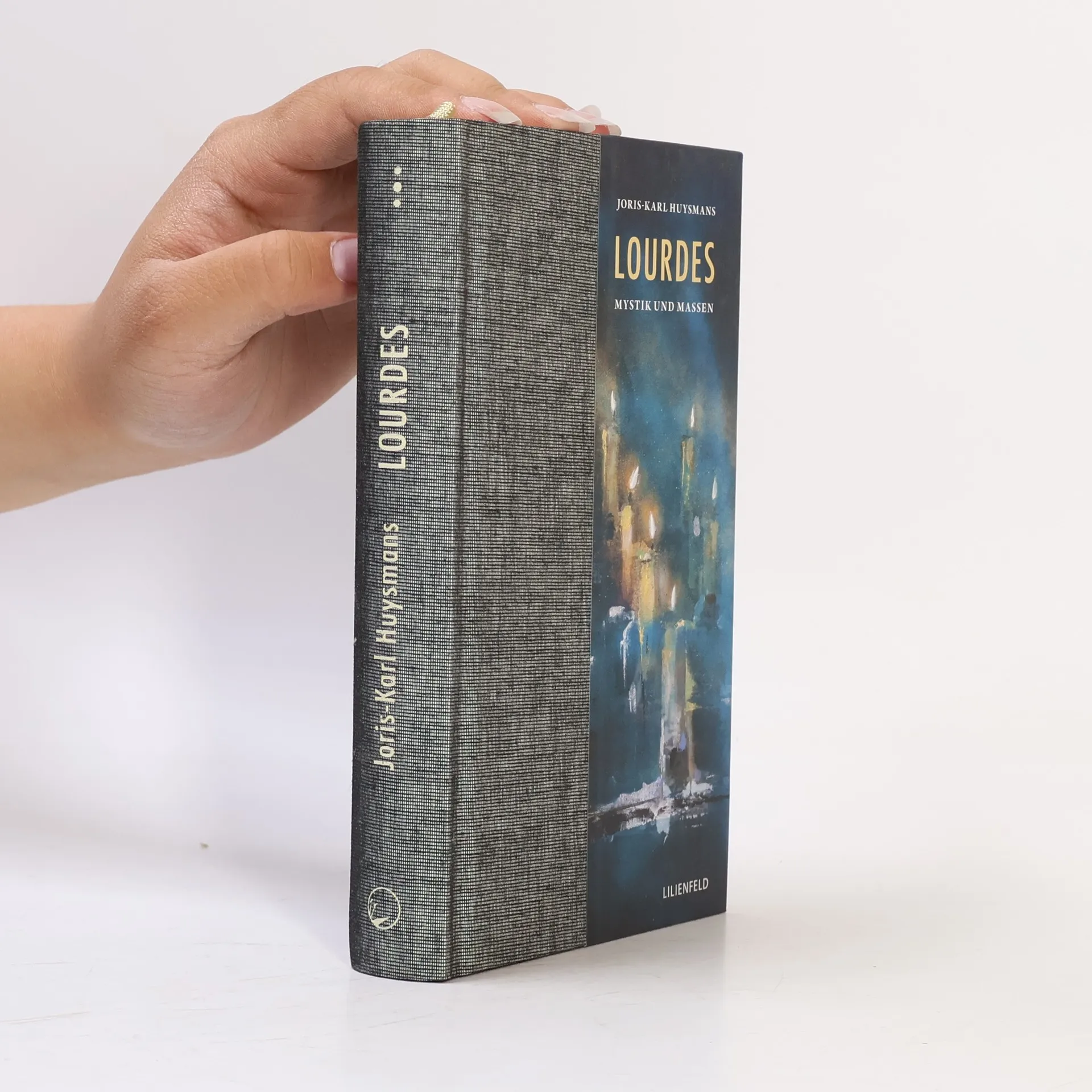
Der Schriftsteller Huysmans reist widerwillig nach Lourdes und findet dort eine überfüllte Pilgerstätte, die weit entfernt von der ursprünglichen Idylle ist. Trotz des Glaubenskitsches und des hektischen Treibens entdeckt er das Tiefmenschliche und Schöne und beschließt, darüber zu schreiben. Es wird sein letztes Werk.
Die Kathedrale
- 430 páginas
- 16 horas de lectura
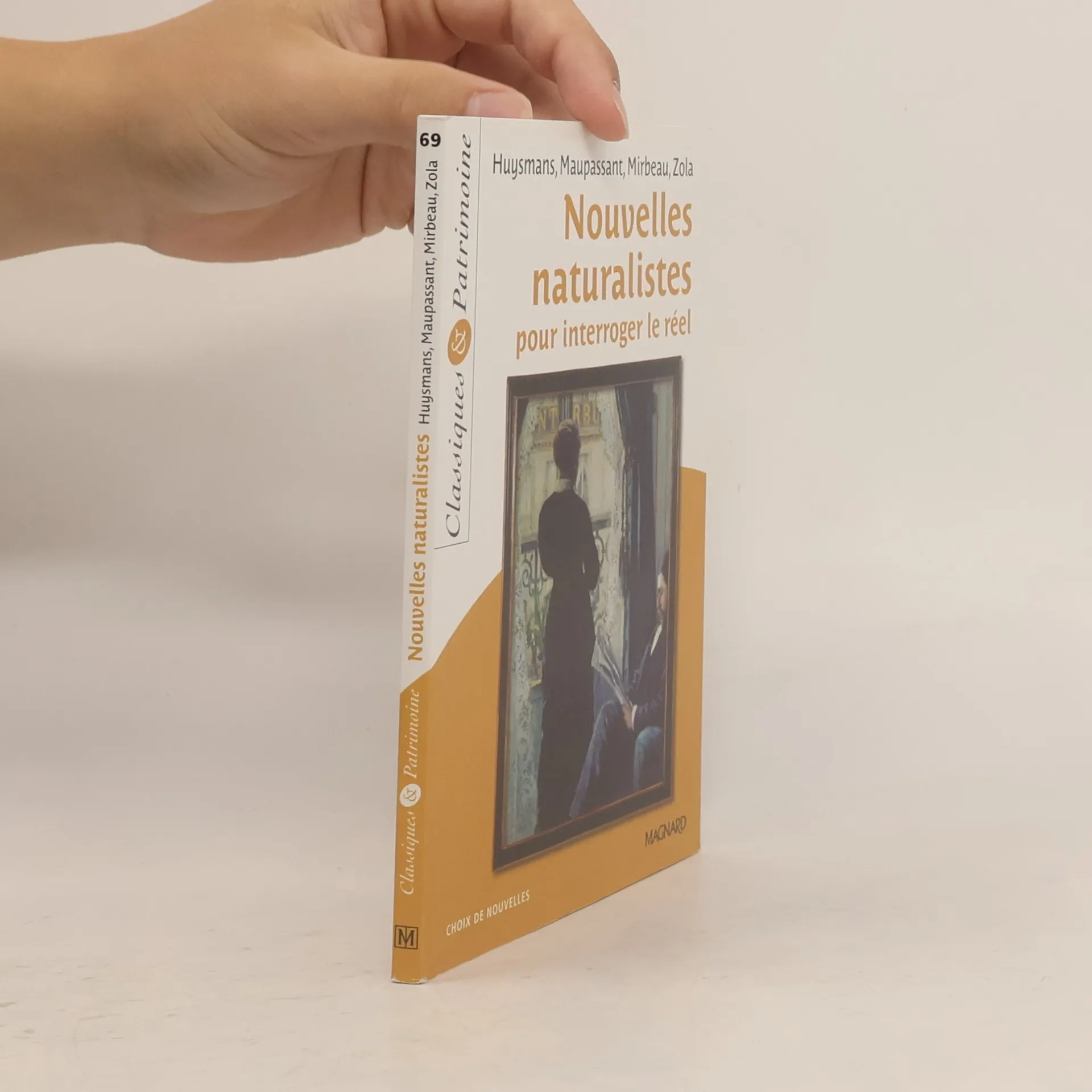
Classiques & Patrimoine - 69: Nouvelles naturalistes (French Edition)
- 143 páginas
- 6 horas de lectura
Surtout connu grâce aux romans de Zola, le naturalisme regroupe des auteurs très variés, souvent à la charnière entre deux sensibilités, comme le montre ce recueil en proposant des textes de Hennique, Mirbeau, Huysmans et, bien sûr de Maupassant et de Zola. Ces six nouvelles, au travers d'une galerie de personnages variés, proposent une peinture réaliste de la société du XIXe siècle. Les atouts d'une oeuvre commentée avec, en plus, tous les repères pour les élèves : des rabats panoramiques avec l'oeuvre d'art en grand format et une frise historique et culturelle inédite ; des éléments d'histoire des arts ; des notes de vocabulaire adaptées ; des rubriques outils de la langue pratiques ; des encadrés méthode efficaces ; un lexique.
Trugbilder
- 334 páginas
- 12 horas de lectura
This Book Is In French.
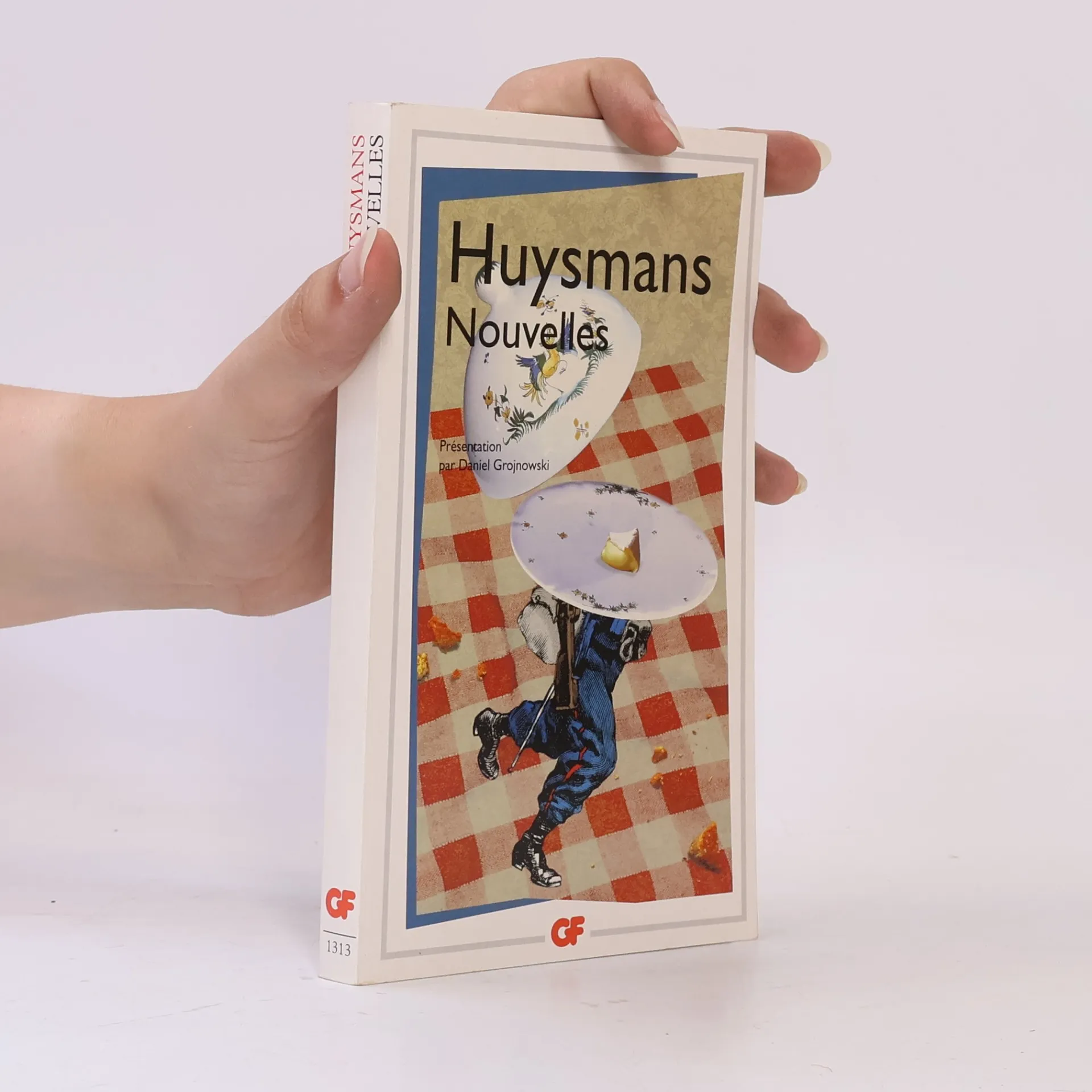
Nouvelles
- 272 páginas
- 10 horas de lectura
Romancier, critique d'art, auteur de poèmes en prose, Huysmans a également donné dans le récit bref. Cette édition lui rend justice en réunissant l'ensemble de ses nouvelles. Celles-ci sont tout sauf des histoires "extraordinaires" : l'auteur se place sur le terrain de la chronique, au ras des menus événements. Ses personnages sont des héros à la triste figure : soldat égaré (Sac au dos), petit fonctionnaire errant dans les gargotes de la rive gauche (À vau-l'eau) ou en proie aux rituels de l'administration (La Retraite de Monsieur Bougran), jeune femme à l'abandon sur laquelle s'acharnent les représentants du sexe fort (Un dilemme)... Pour contrecarrer les vicissitudes de l'existence, celui qui a inventé l'expression "humour noir" mobilise les drôleries saumâtres du désenchantement. Prenant le parti de la transposition grotesque, il inaugure un type de récit qui sera cher à des écrivains comme Gogol, Kafka, Céline ou Beckett.