

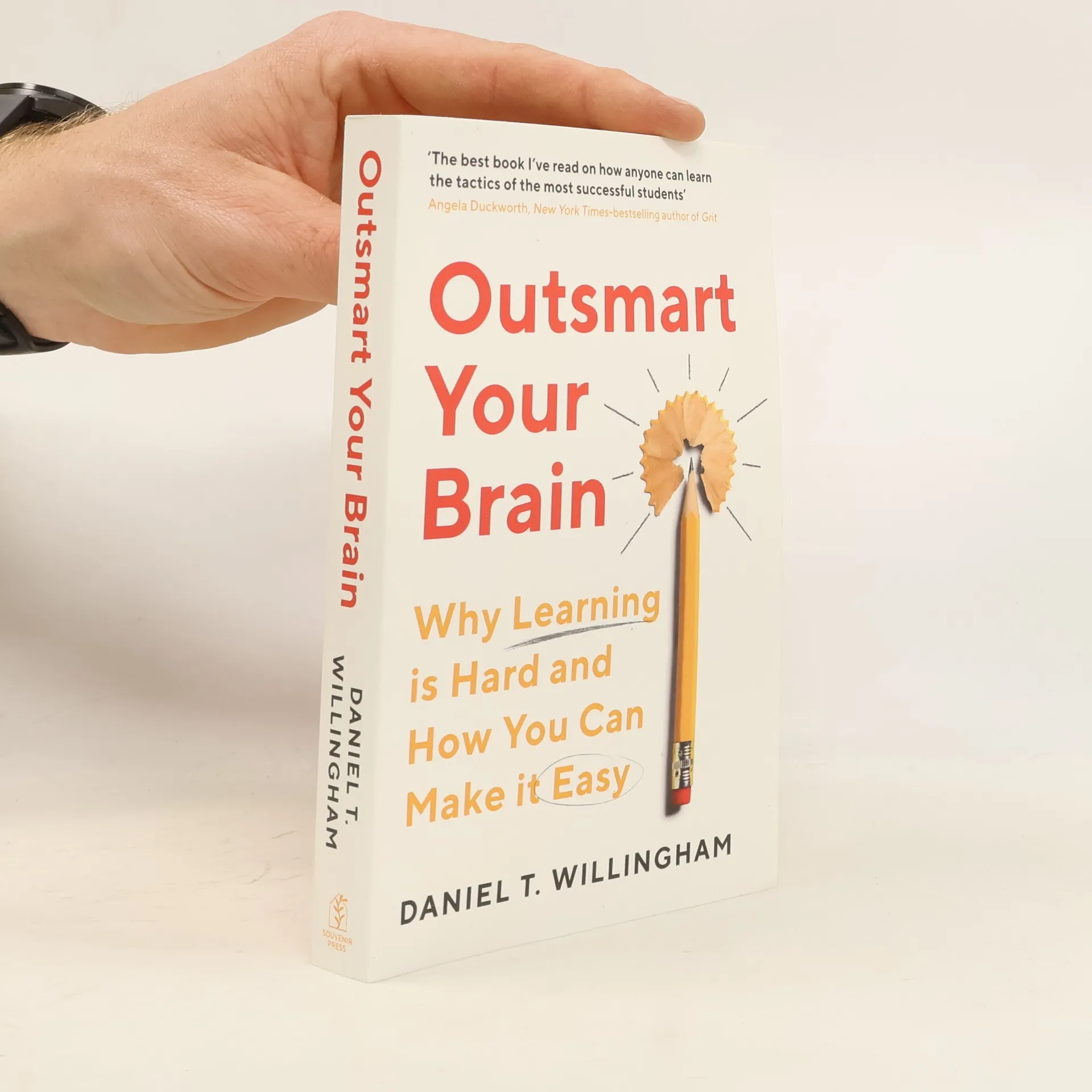
A smart and practical guide to effective studying, successful exam technique and enjoyable learning
Daniel T. Willingham Orden de los libros (cronológico)
15 de mayo de 1961
Daniel Willingham es un psicólogo cognitivo que se enfoca en aplicar los conocimientos sobre el aprendizaje y la memoria humanos a la educación K-12. Su trabajo explora cómo enseñar de manera efectiva y cómo los estudiantes perciben el proceso de aprendizaje. Willingham busca conectar la comprensión científica con estrategias prácticas para mejorar la instrucción y el aprendizaje de los estudiantes. A través de sus publicaciones y columnas, hace que el conocimiento experto sea accesible a una audiencia más amplia, incluyendo educadores y padres.


The Reading Mind
- 256 páginas
- 9 horas de lectura
This resource covers every aspect of reading, starting with two fundamental processes: reading by sight and reading by sound.
Raising Kids Who Read
- 230 páginas
- 9 horas de lectura
How parents and educators can teach kids to love reading in the digital age Everyone agrees that reading is important, but kids today tend to lose interest in reading before adolescence. In Raising Kids Who Read, bestselling author and psychology professor Daniel T.
Why Don't Students Like School?
- 240 páginas
- 9 horas de lectura
Easy-to-apply, scientifically-based approaches for engaging students in the classroom Cognitive scientist Dan Willingham focuses his acclaimed research on the biological and cognitive basis of learning. His book will help teachers improve their practice by explaining how they and their students think and learn. It reveals-the importance of story, emotion, memory, context, and routine in building knowledge and creating lasting learning experiences. Nine, easy-to-understand principles with clear applications for the classroom Includes surprising findings, such as that intelligence is malleable, and that you cannot develop "thinking skills" without facts How an understanding of the brain's workings can help teachers hone their teaching skills "Mr. Willingham's answers apply just as well outside the classroom. Corporate trainers, marketers and, not least, parents -anyone who cares about how we learn-should find his book valuable reading." —Wall Street Journal