

Rachel Aviv – eine der derzeit wichtigsten Essayistinnen der USA – stellt radikale Fragen zu unserem Umgang mit psychischen Krankheiten. Als Sechsjährige hört Rachel Aviv plötzlich auf zu essen und wird zu Amerikas jüngster Anorexiepatientin. Doch typisch anorektische Verhaltensmuster erwirbt sie erst in der Klinik: Sie sieht sie sich bei älteren Mitpatientinnen ab. Wie wäre ihr Leben verlaufen, fragt sie sich als Erwachsene, wäre sie länger in der Klinik geblieben und hätte sich nachhaltiger mit ihrer Diagnose identifiziert? Ausgehend von dieser persönlichen Erfahrung erkundet Rachel Aviv in sechs sehr unterschiedlichen Fallgeschichten, wie uns die Art und Weise, mit der wir psychische Probleme einordnen und diagnostizieren, verändert. Mit großer Empathie erzählt Aviv von Menschen in psychischen Ausnahmezuständen und macht dabei die Facetten von Identität sichtbar, die durch das Raster psychiatrischer Konzepte fallen.
Rachel Aviv Orden de los libros (cronológico)
Rachel Aviv escribe con un ojo agudo para los intrincados problemas éticos y sociales que afectan a individuos vulnerables y a fallos sistémicos. Su periodismo profundiza en la psique humana y las disyuntivas morales, a menudo descubriendo verdades ocultas sobre las instituciones sociales. Aviv aprovecha su experiencia para ofrecer perspectivas perspicaces sobre temas que van desde la ética médica hasta la justicia penal. Su trabajo se caracteriza por un profundo sentido de empatía y una dedicación a amplificar las voces de aquellos que a menudo son pasados por alto.

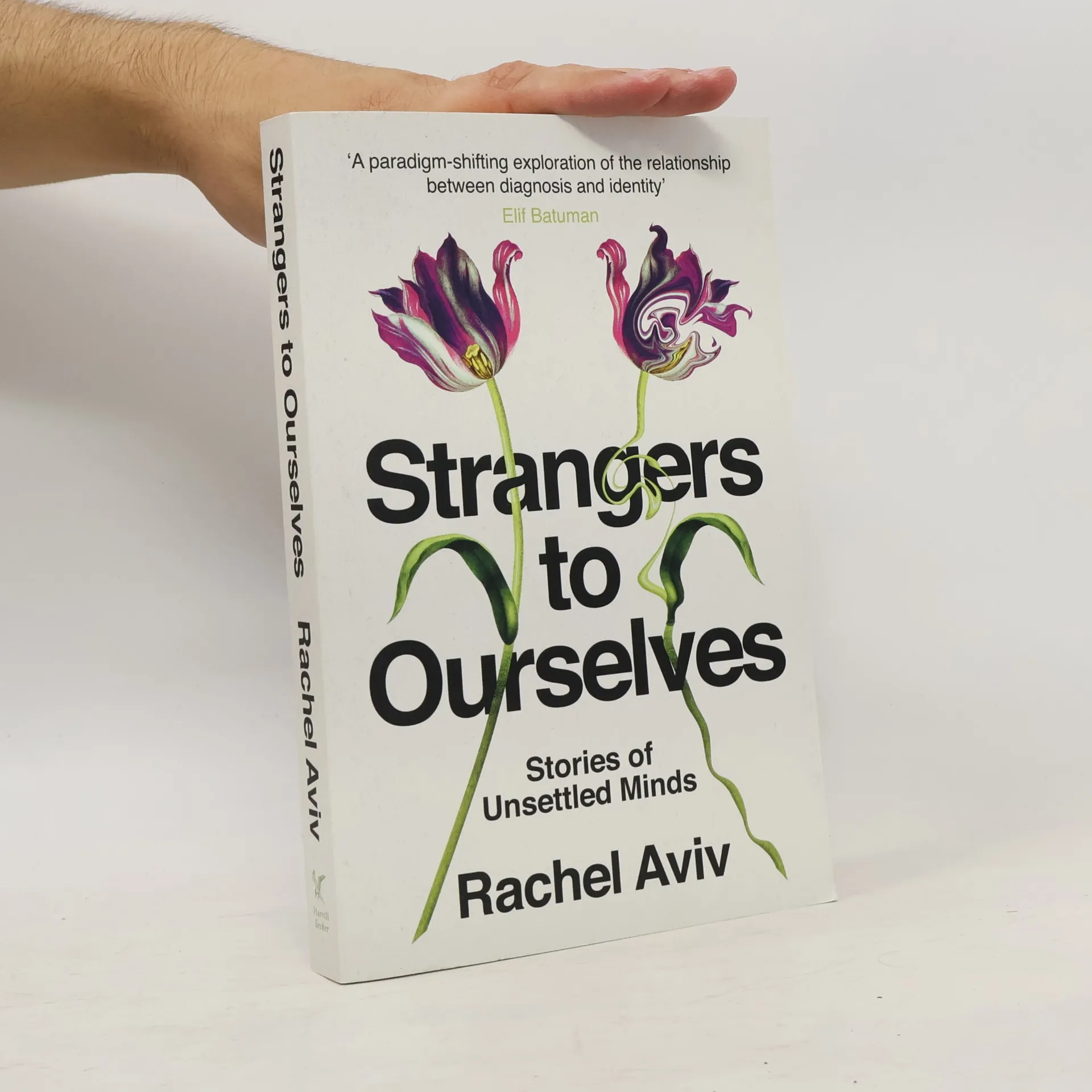
Strangers to Ourselves
- 288 páginas
- 11 horas de lectura
Strangers to Ourselves is a compassionate, courageous and deeply researched look at the ways we talk about and understand ourselves in periods of crisis and distress. Drawing on conversations as well as unpublished journals and memoirs, it follows people who have found that psychiatric language has limitations when it comes to explaining who they are, or that a diagnosis, while giving their experience a name, creates a sense of a future life they wish to question or resist. Rachel Aviv is known for her radical empathy- she excels at seeing the world through the eyes of her fellow human beings. Writing first about her own experience of being institutionalized at the age of six, she introduces, among others, a mother recovering from psychosis and rebuilding her relationship with her children; a woman who lives in healing temples in Kerala, where she is celebrated as a saint; and a young woman who, after a decade of defining herself through her diagnosis, decides to stop her medication because she doesn't know who she is without it. Through startling connections, intimate testimonies and diverse cultural perspectives, Aviv opens up fresh ways of thinking about illness and the mind, in a book which is curious, transformative, and above all, profoundly human.