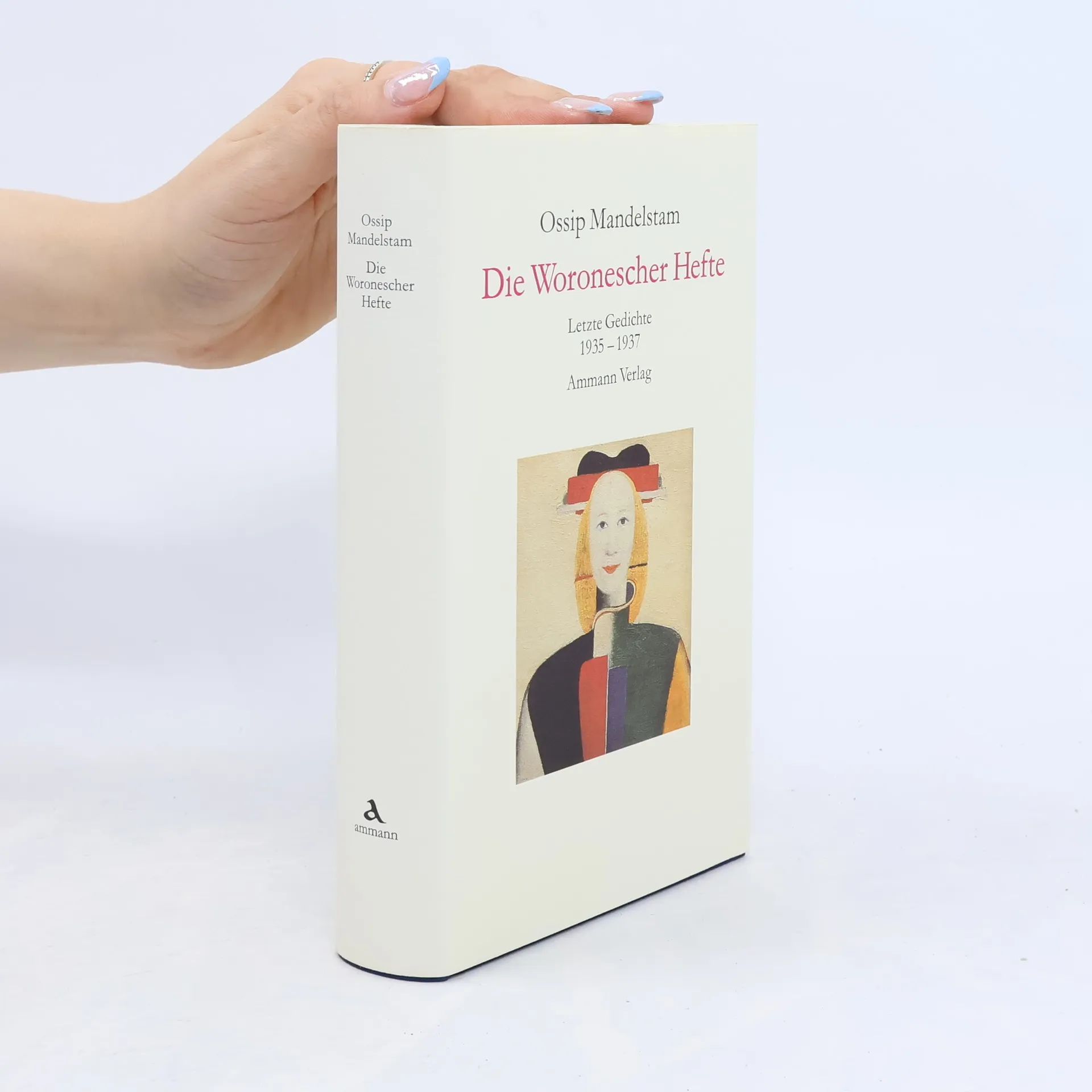

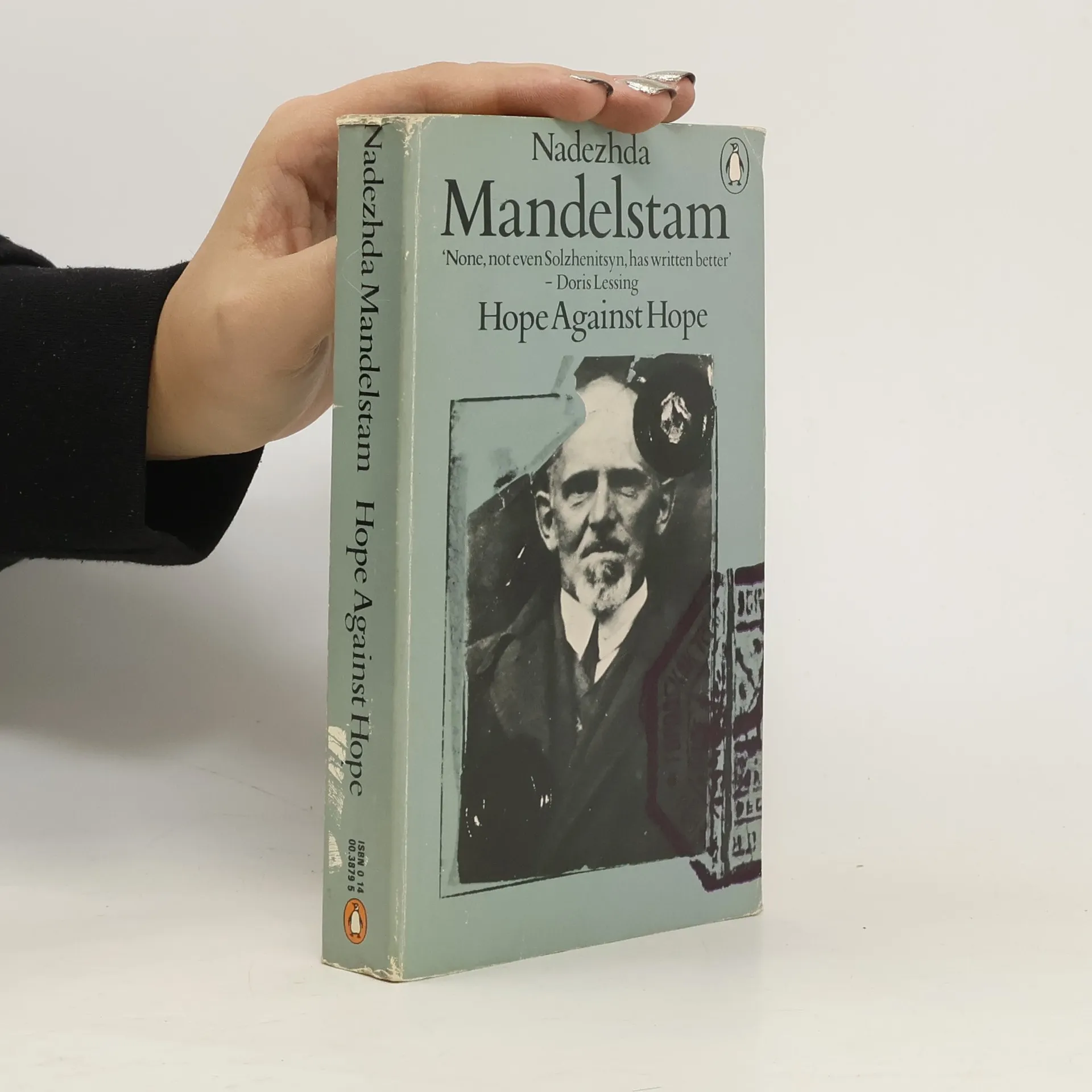
First published by Collins and Harvill Press in 1971.
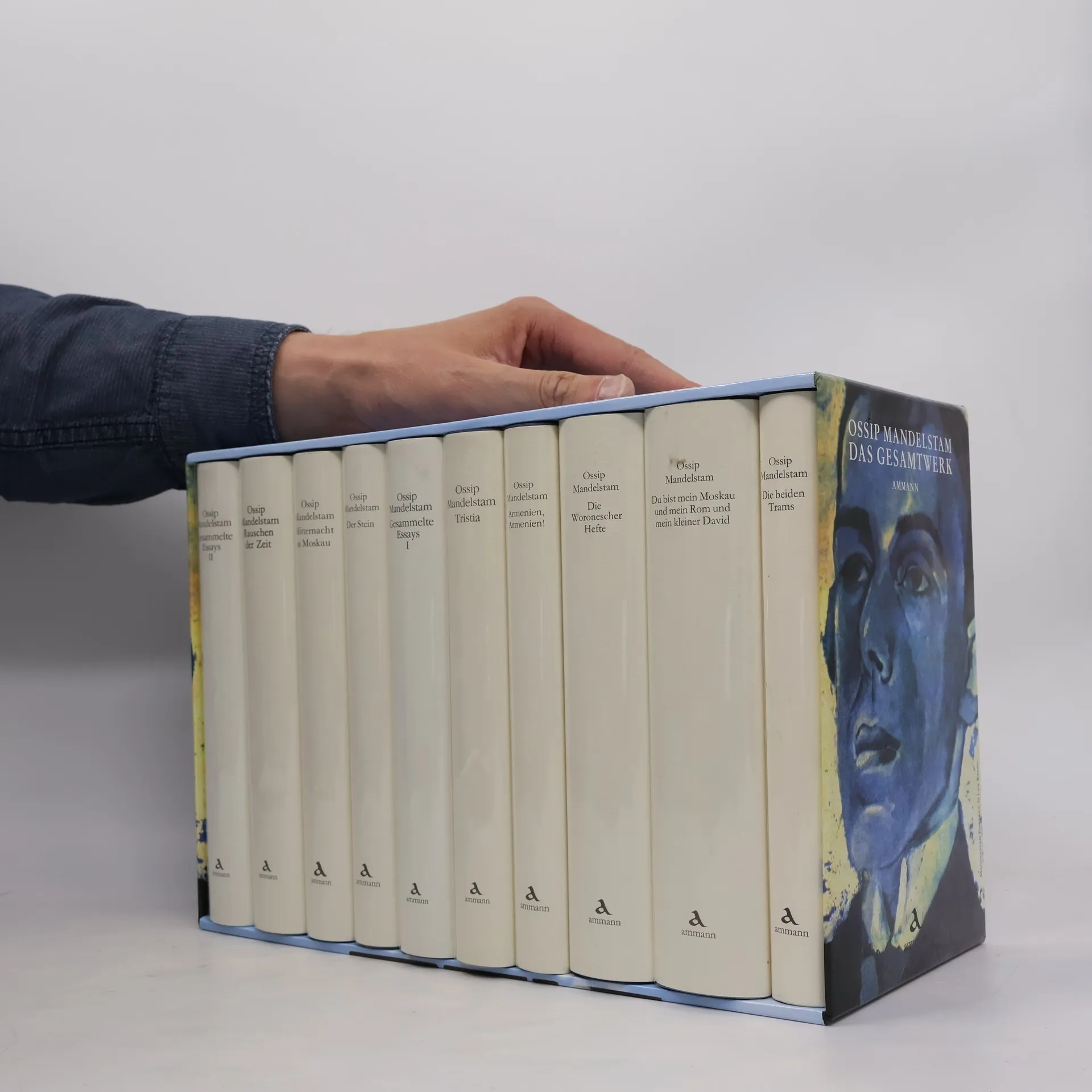
Osip Mandel'shtam Orden de los libros (cronológico)
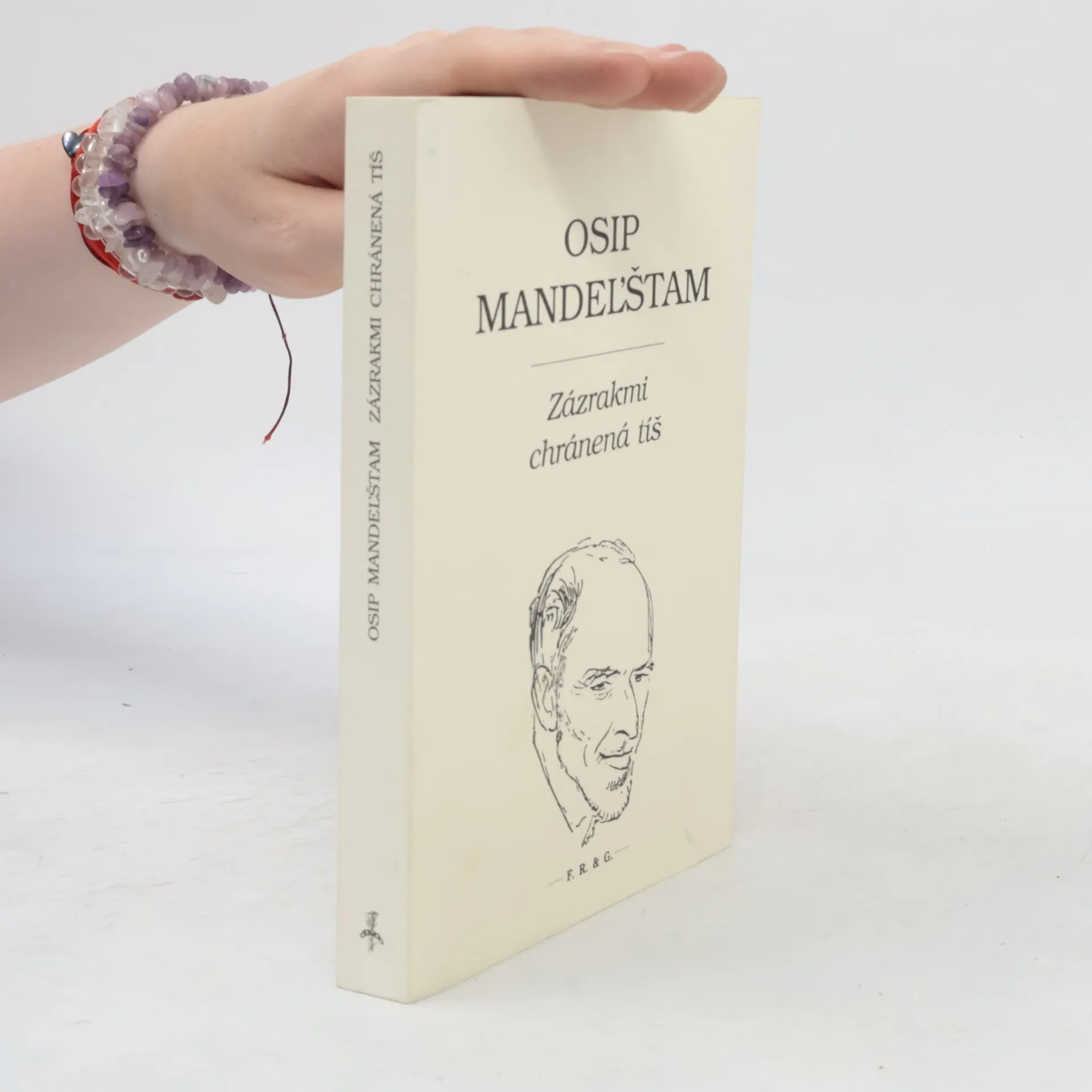
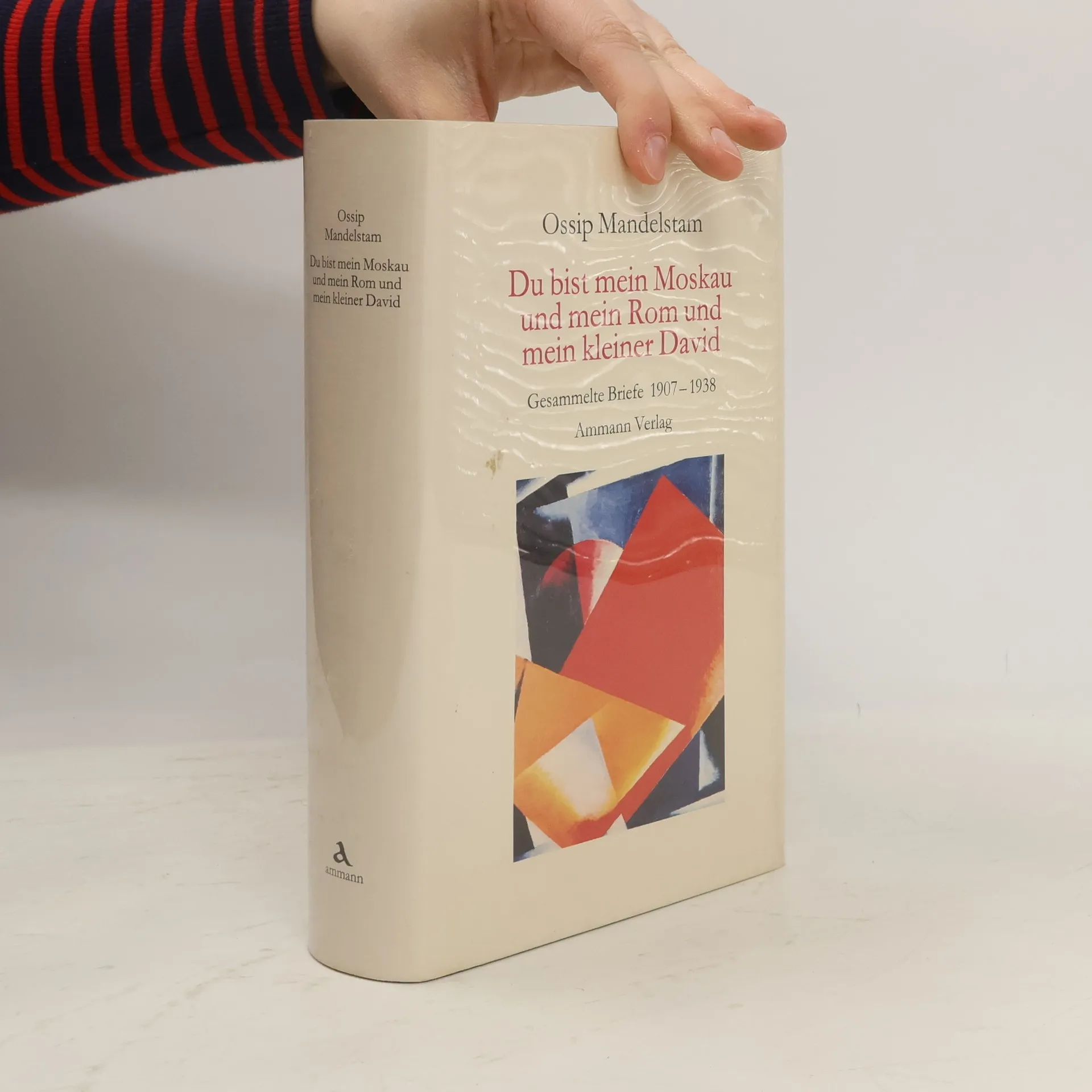
Osip Mandelstam fue un destacado poeta y ensayista ruso, reconocido como una figura principal del movimiento Acmeísta. Su obra se caracteriza por un profundo compromiso con el lenguaje, la cultura y la historia, a menudo recurriendo a las tradiciones clásicas. A pesar de soportar la represión y el exilio interno durante la era soviética, su escritura es un testimonio de la resiliencia de la expresión artística frente a la adversidad. Su poesía es celebrada por su profundidad intelectual, concisión e impactante imaginería.


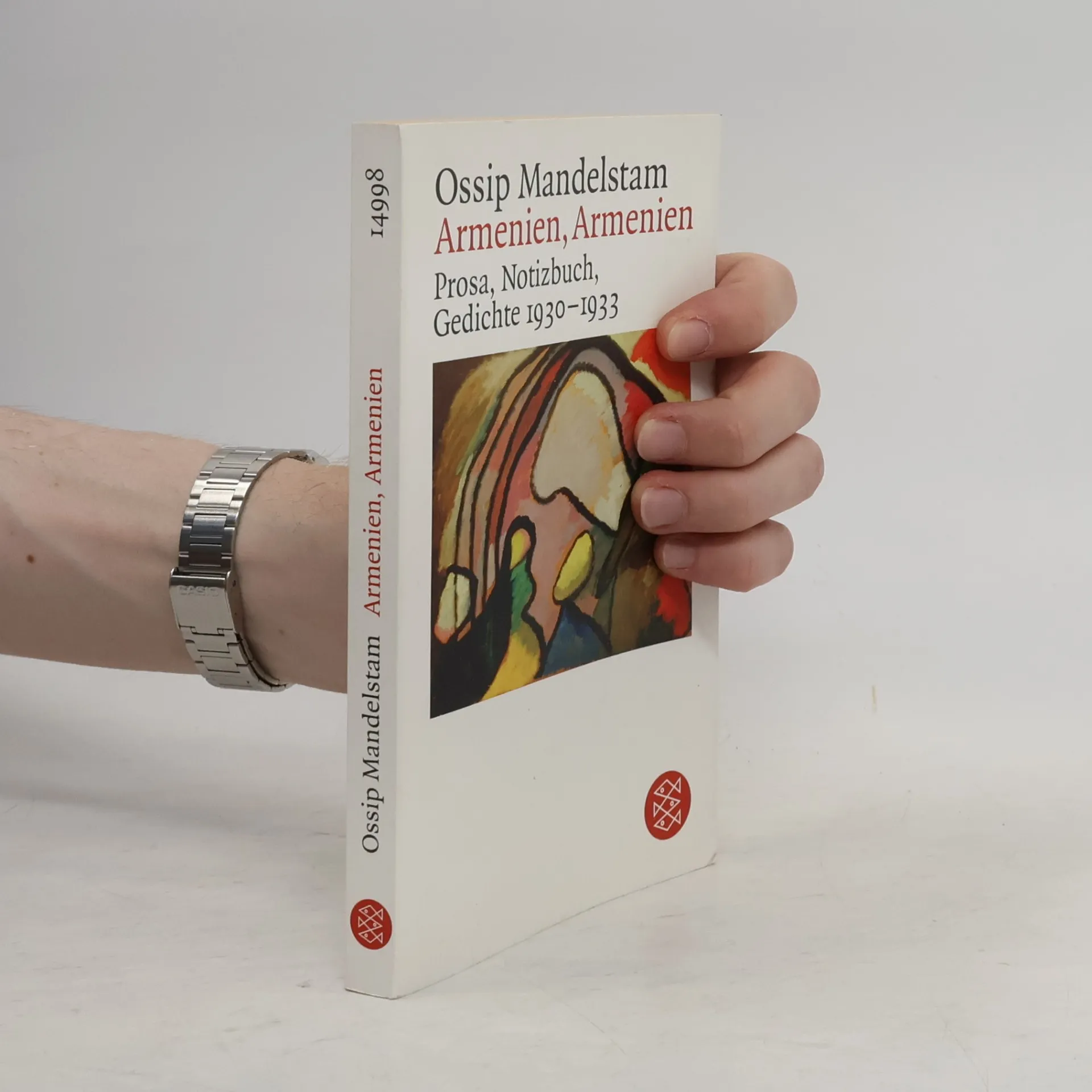
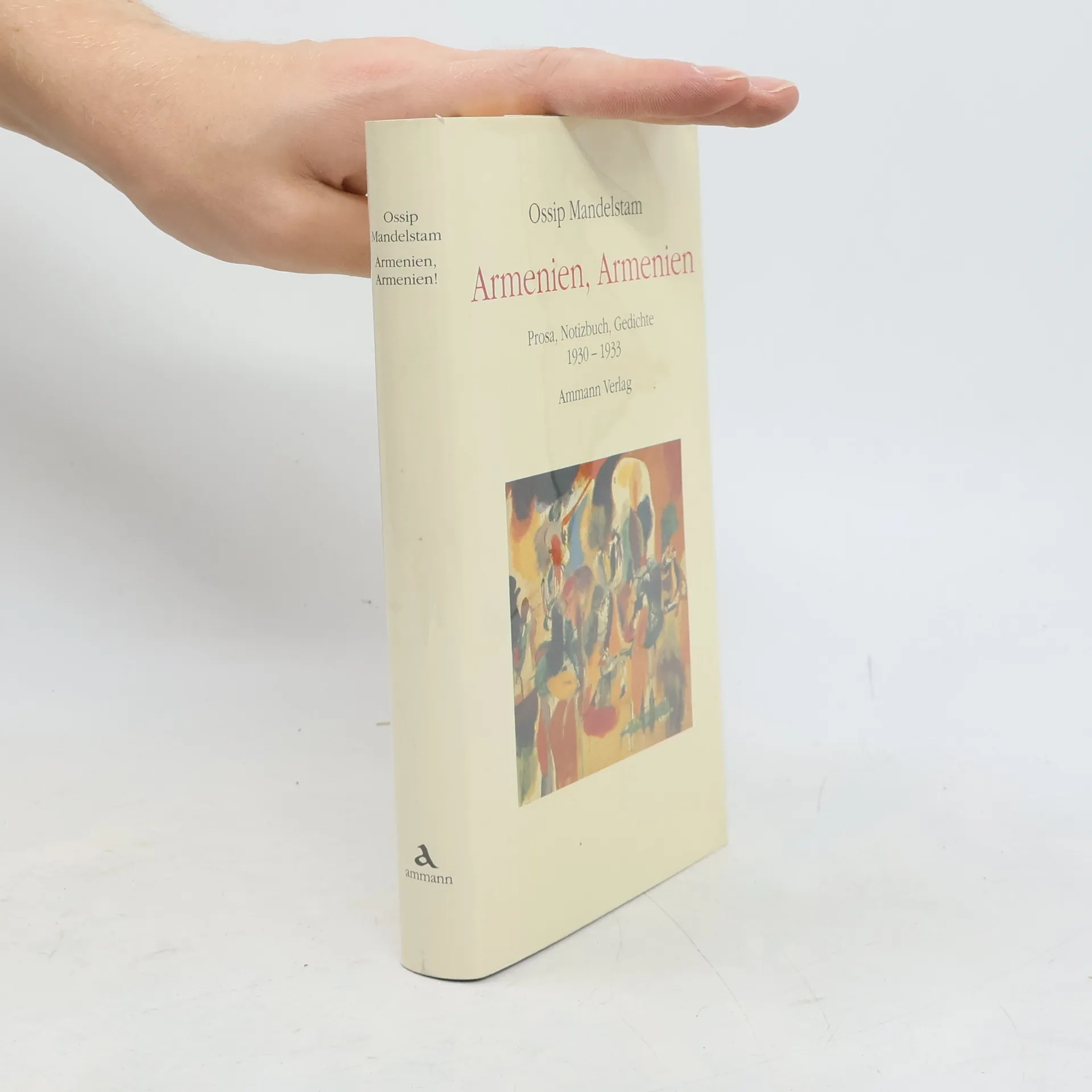
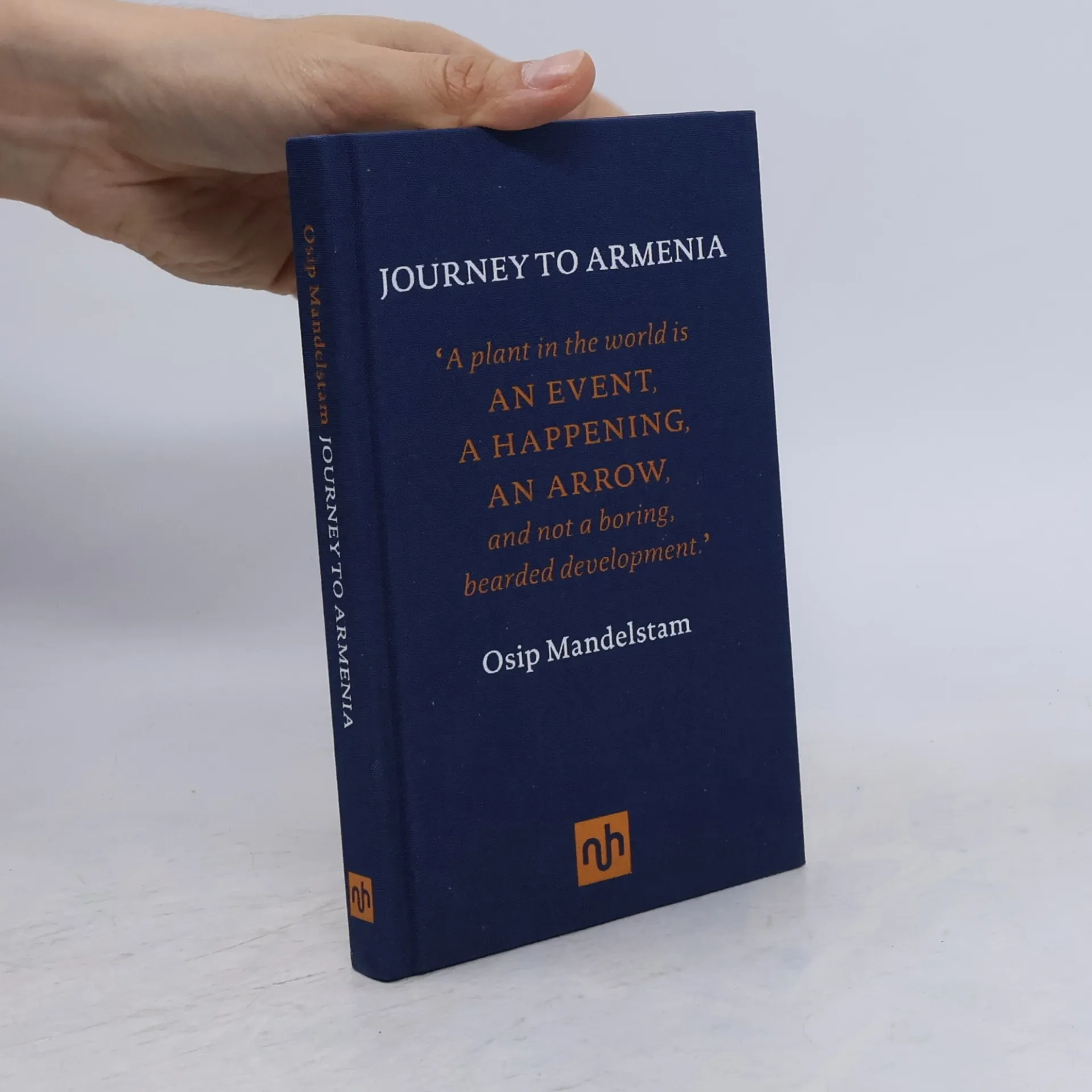
Journey to Armenia
- 80 páginas
- 3 horas de lectura
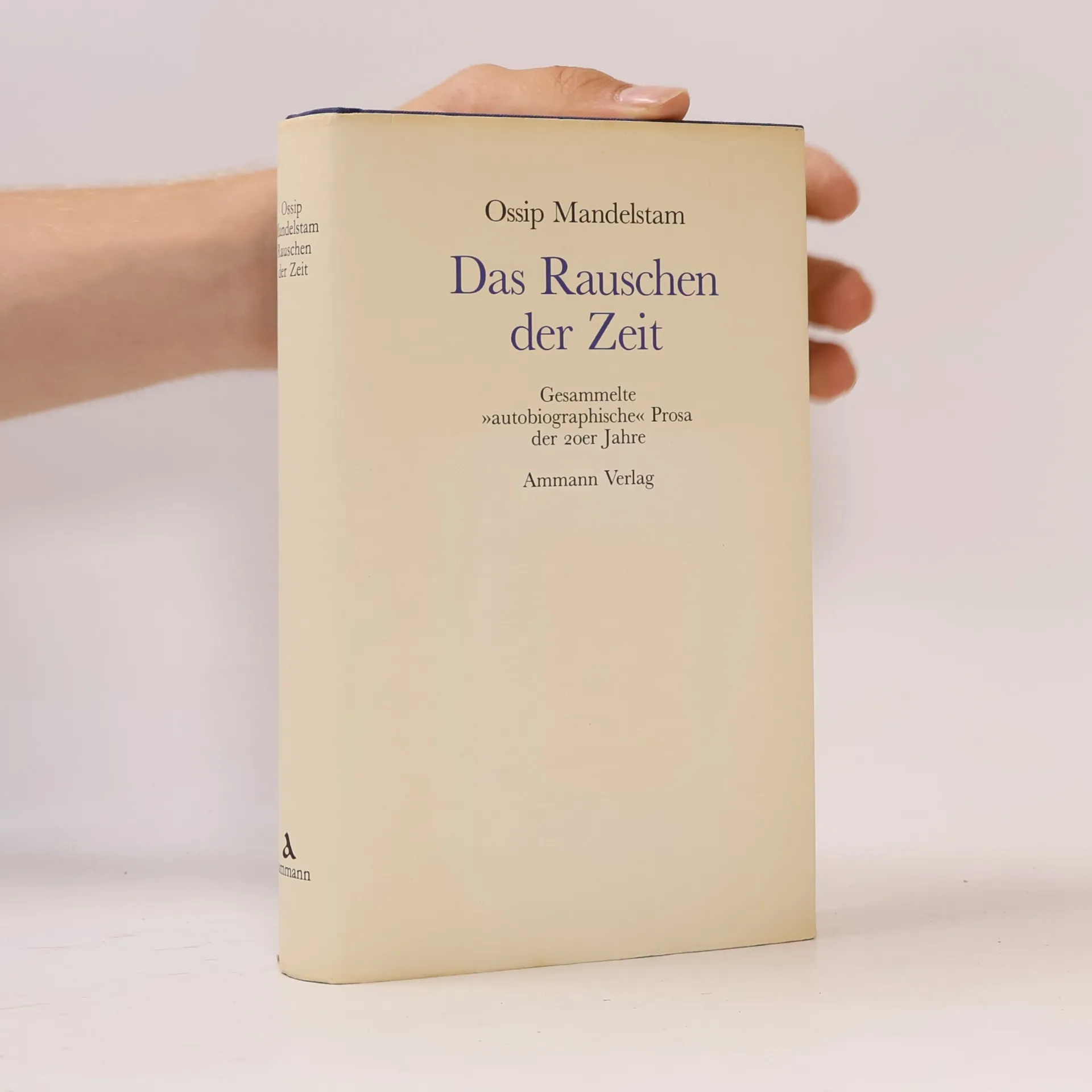
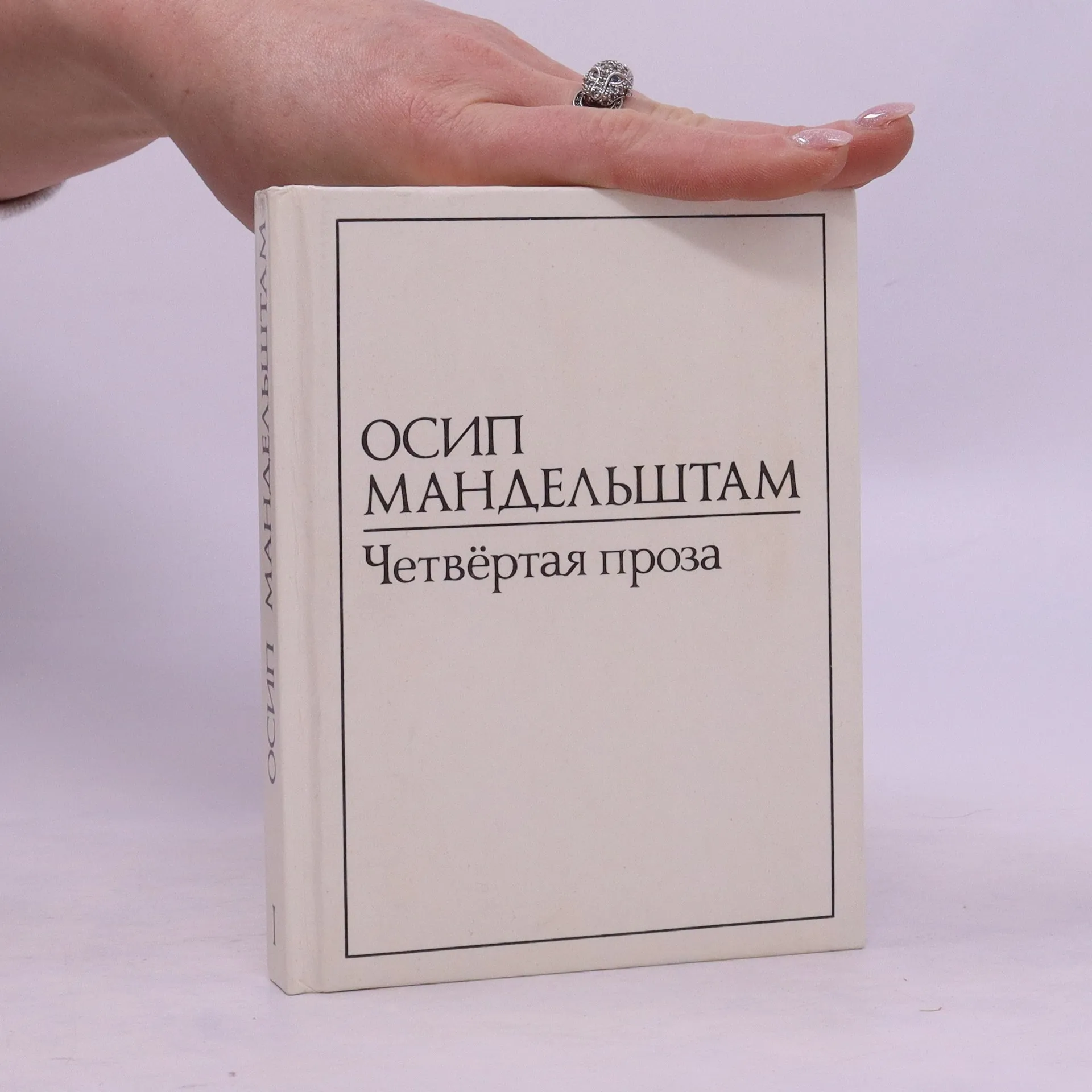
Осип Мандельштам (1891–1938) — одна из ключевых фигур русской культуры XX века, ее совершенно особый и самобытный поэтический голос. «В ремесле словесном я ценю только дикое мясо, только сумасшедший нарост», — так определял Мандельштам особенность своей прозы с ее афористичной, лаконичной, плотной языковой тканью.
Osip Mandelstam (1891–1938) is one of the key figures of 20th-century Russian culture, with a unique and distinctive poetic voice. "In the craft of words, I value only wild meat, only mad growth," Mandelstam defined the peculiarity of his autobiographical prose, where he consciously breaks the classical narrative form, as the external events of individual destinies are pushed to the background. Mandelstam's prose, with its aphoristic, concise, and dense linguistic fabric, is primarily the "noise of time," not a chronicle, but an oratorio of the epoch.
Selected Poems
- 182 páginas
- 7 horas de lectura
Osip Mandelstam is a central figure not only in modern Russian but in world poetry, the author of some of the most haunting and memorable poems of the twentieth century. A contemporary of Anna Akhmatova, Marina Tsvetayeva, and Boris Pasternak, a touchstone for later masters such as Paul Celan and Robert Lowell, Mandelstam was a crucial instigator of the "revolution of the word" that took place in St. Petersburg, only to be crushed by the Bolshevik Revolution. Mandelstam's last poems, written in the interval between his exile to the provinces by Stalin and his death in the Gulag, are an extraordinary testament to the endurance of art in the presence of terror. This book represents a collaboration between the scholar Clarence Brown and W. S. Merwin, one of contemporary America's finest poets and translators. It also includes Mandelstam's "Conversation on Dante," an uncategorizable work of genius containing the poet's deepest reflections on the nature of the poetic process.