
Eliphas Lévi Libros
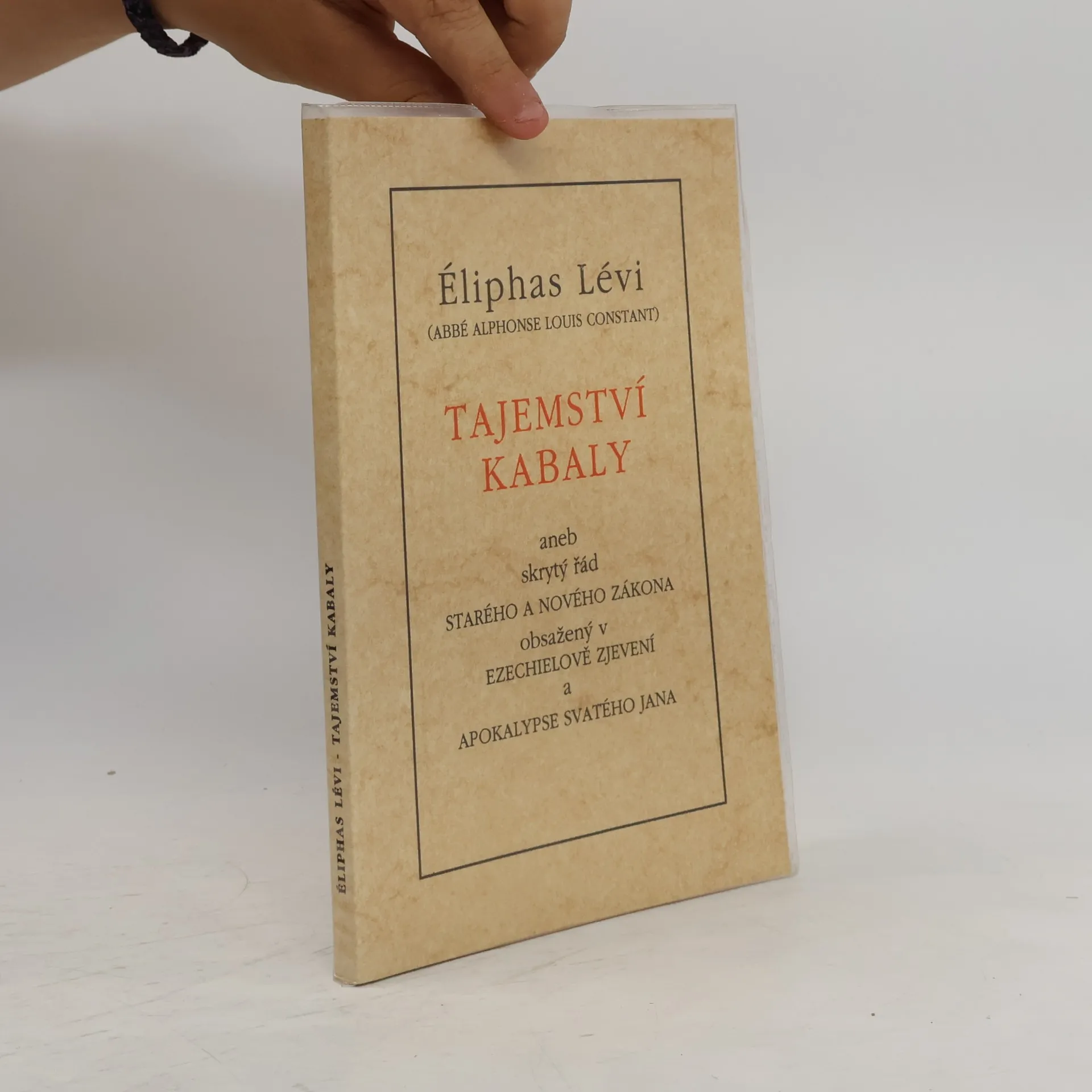
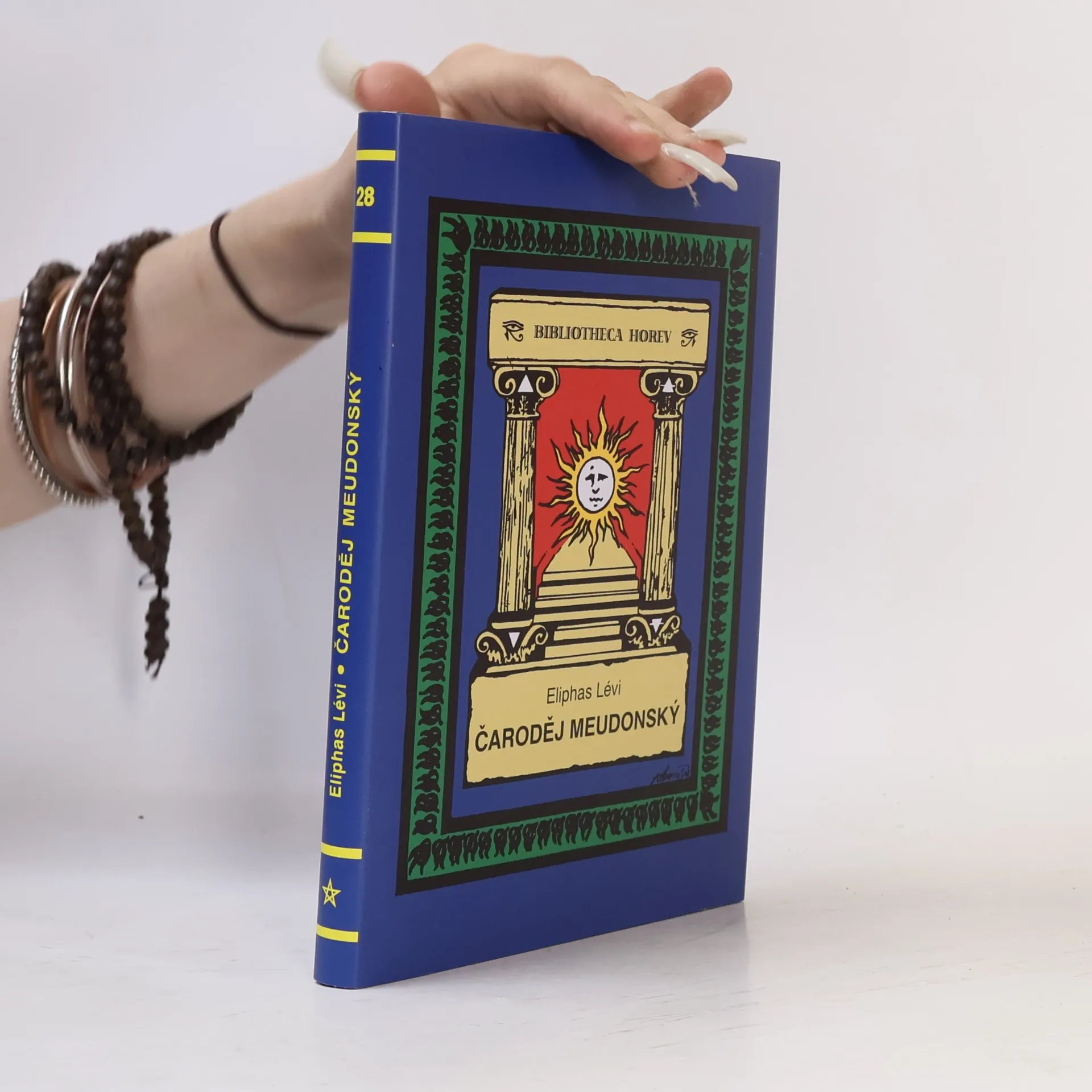
Éliphas Lévi, seudónimo de Alphonse Louis Constant, fue un sacerdote católico romano y ocultista francés. Sus escritos posteriores sobre el Tarot y temas esotéricos influyeron profundamente en los movimientos espiritista y hermético del fin de siècle en Inglaterra y Francia. La obra de Lévi es valorada hasta hoy por su profundidad e impacto en las tradiciones ocultas modernas. Sus escritos ofrecen una visión cautivadora del pensamiento místico y la simbología.


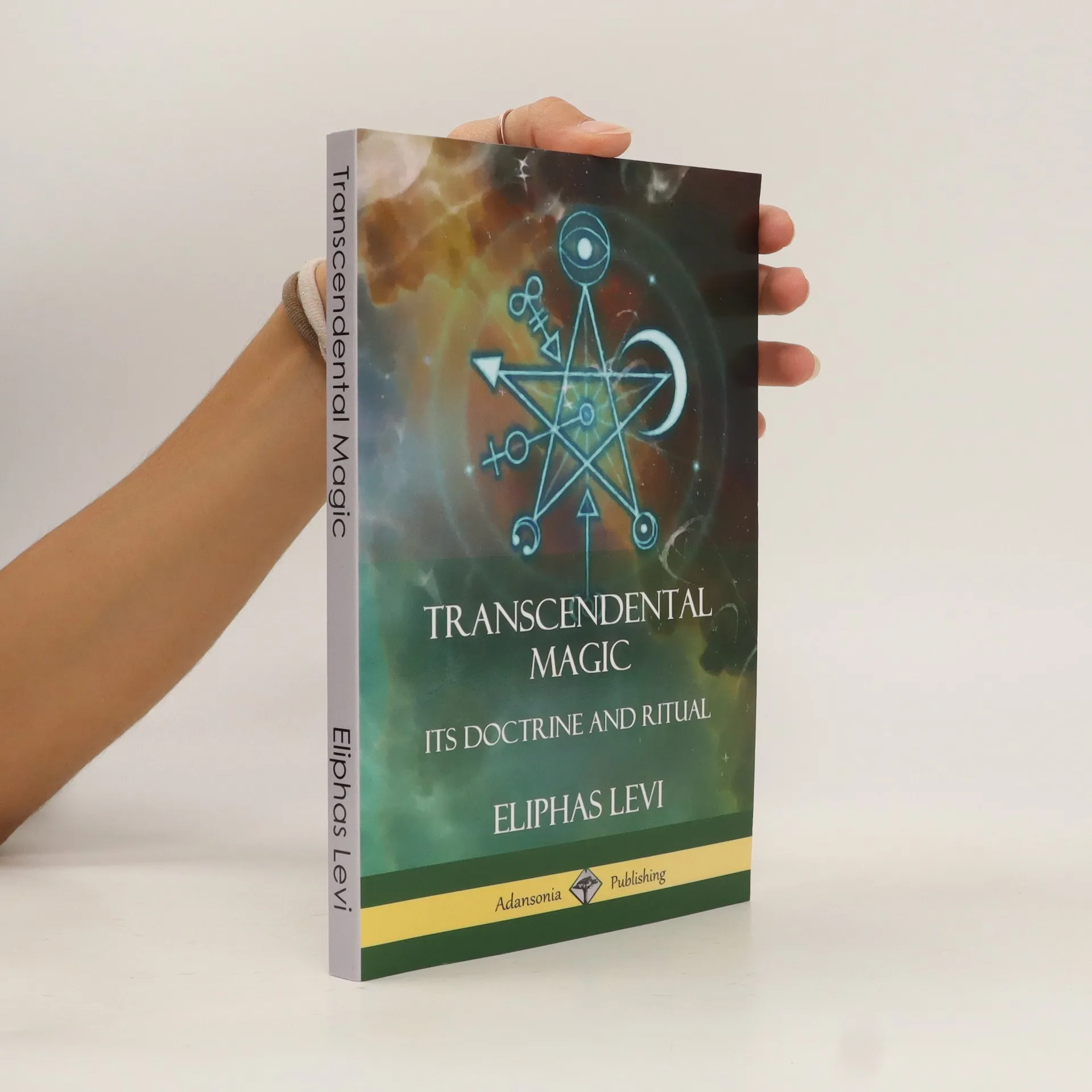
Transcendental magic, its doctrine and ritual
- 438 páginas
- 16 horas de lectura
This is Eliphas Levi's (1810-1875) best-known book. This work arguably made Levi THE most influential writer on magic since the Renaissance. Originally issued in French, the English translator is A.E. Waite and it is doubtful that anyone else could have better captured the essence of Levi's work. The book is divided in two parts; the first is theoretical, the second practical. This is a fascinating and often debated work involving a discussion that covers almost the entire realm of Ritual and High Magic.
The Doctrine and Ritual of High Magic
- 512 páginas
- 18 horas de lectura
Filling a huge gap in our spiritual culture, here--at last--is a comprehensive and elegant translation of the 1854 French masterwork of occult philosophy. The Doctrine and Ritual of High Magic reignited the esoteric spiritual search in the West and led to the emergence of Madame Blavatsky, Manly P. Hall, and the New Age revolution. Lévi's study of magic is an absolute must for every seeker in occult, esoteric, and druidic realms; but this need has been frustrated by dated and inaccurate translations--until now. Greer, a respected occult scholar, and Mikituk, a masterful translator, collaborate to restore this landmark work--complete with its original illustrations and symbols--to the center of the alternative spiritual canon.
Transcendental Magic is a classic of occultism, prized for its wide-ranging wisdom, thorough guidance and revelatory contents. Written by Eliphas Levi in the mid-19th century, Transcendental Magic offers seekers of occult knowledge a bounty of guidance and knowledge. Informed by research spanning many centuries of arcane arts, the author offers us profound guidance to the ceremonial rituals one must perform in order to make contact with spirits and other non-corporeal entities of the universe. In Levi's explanations we encounter various figures of occult lore. Monad is synonymous with God; the creator of everything contained in our physical plane. Derived from the Pythagorean school, through Levi we learn how Monad interacts with the creation. This discussion is related to the Kabbalah, which attempts to define the relationship between what is infinite and what is finite.
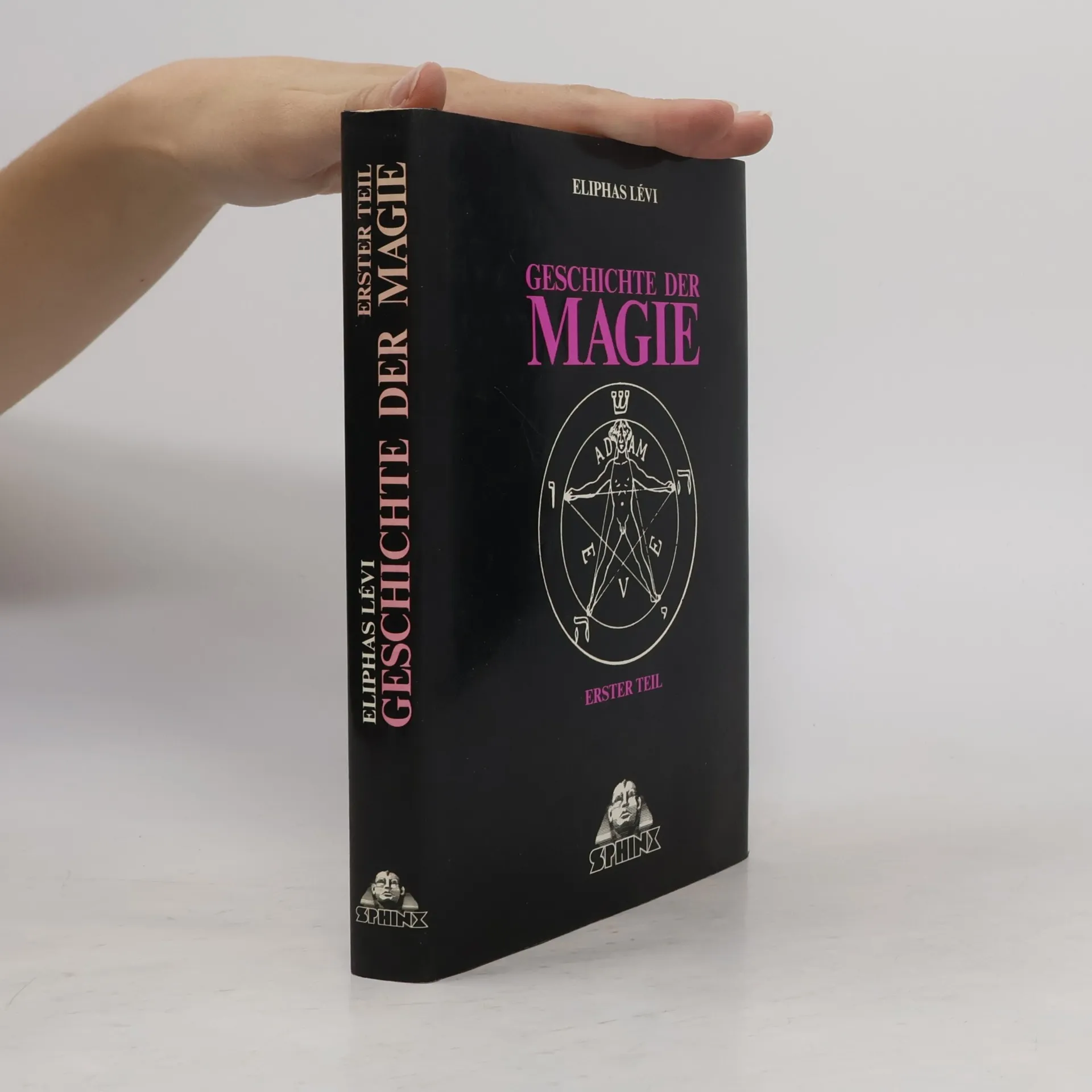
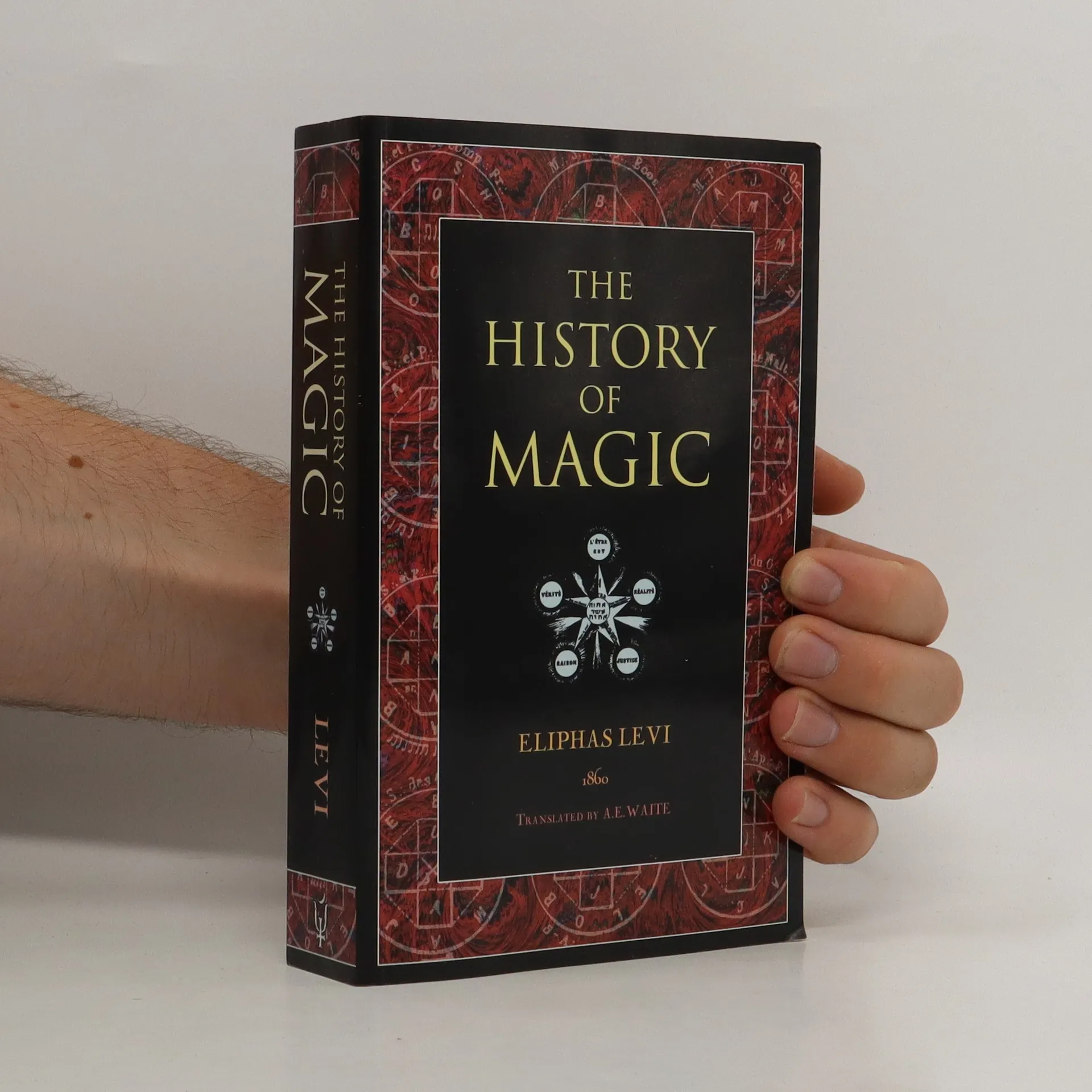
'The History of Magic' was first published in 1913 and is still considered a comprehensive source book on the history of magic and occultism.
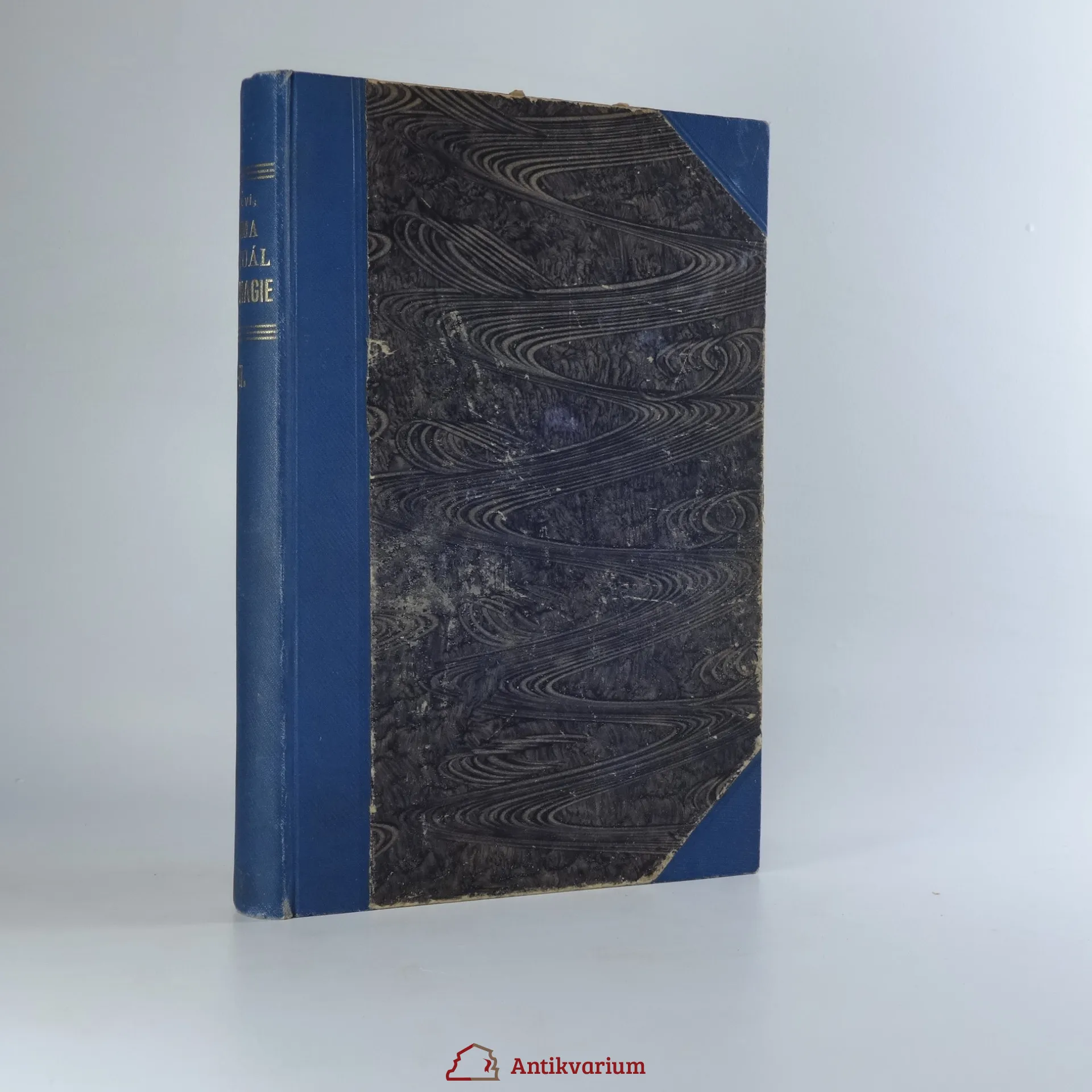
Kniha klasika francouzského okultismu z roku 1913 v upraveném vydání, je zdrojem poznání pro všechny, kteří se zajímají o magii.
Klíčky Šalamounovy
- 107 páginas
- 4 horas de lectura
Předkládané dílo tvoří mezi díly Éliphase Léviho jedno z nejzajímavějších. Za celý svůj bohatý život nikdy nevydal tak otevřenou, jasnou knihu, naplněnou exaktními vyobrazeními písmen a čísel hebrejské abecedy. Tento obrazový soubor, symbolizující kabbalistické dogma, umožňuje adeptům praktickou aplikaci.
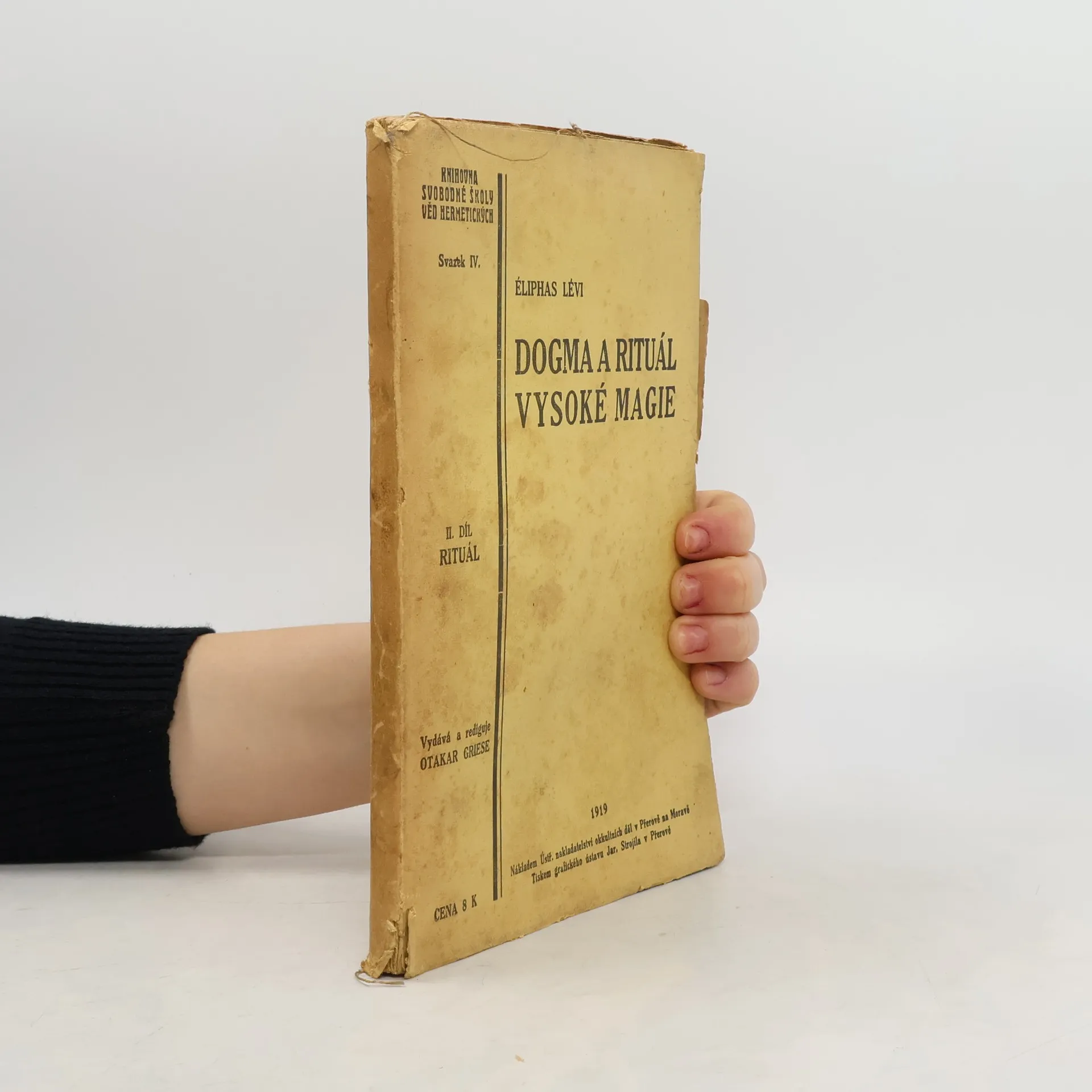
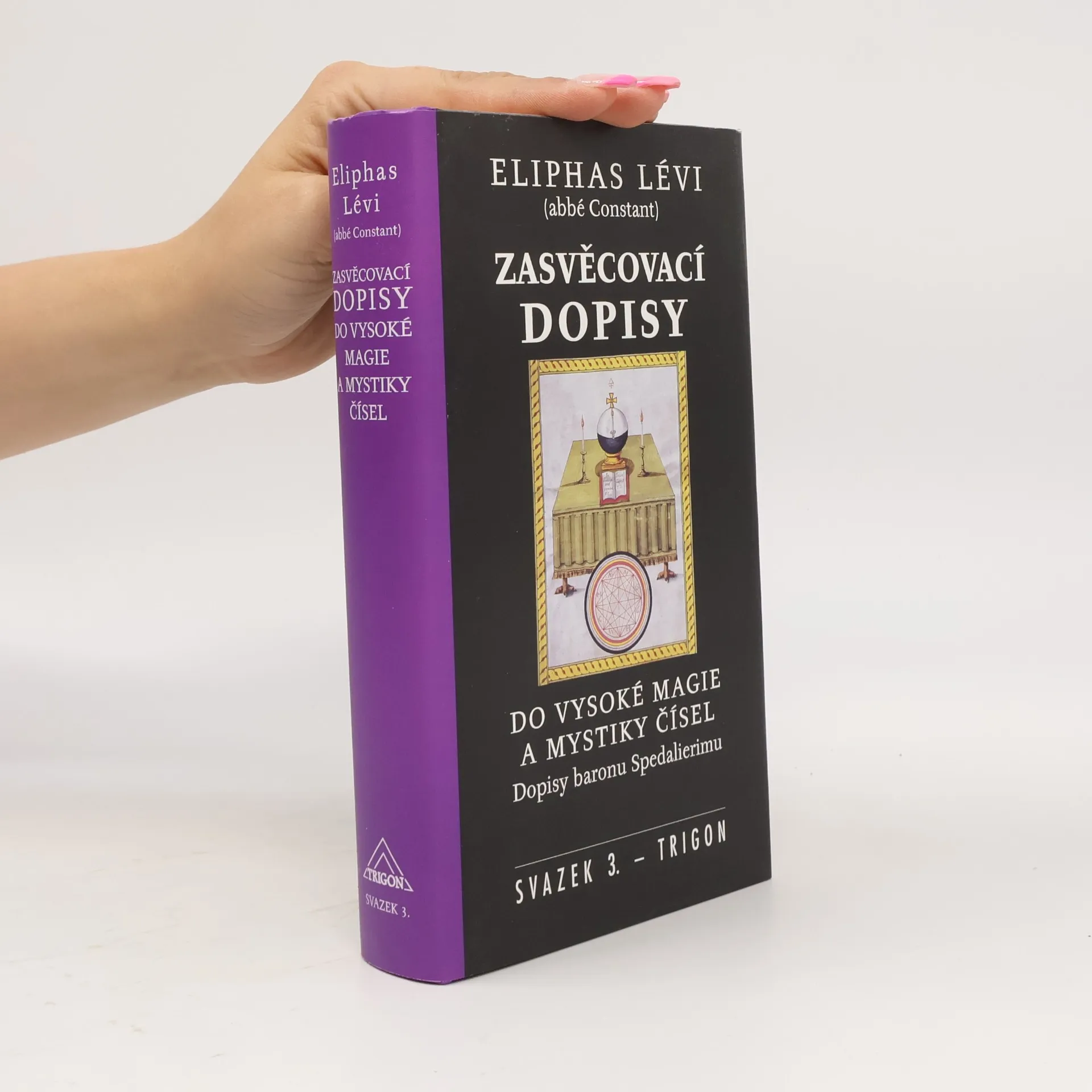
Tato kniha obsahuje základy a principy onoho třetího zjevení, o kterém hrabě Joseph de Maistre prohlásil, že bude dáno světu. Toto třetí zjevení může býti pouze vysvětlením a syntézou dvou prvních. Musí usmiřovati vědu a dogma, autoritu a svobodu, rozum a víru. Zrno jsme připravili, druzí obstarají setbu. Pisatel těchto řádků jest dalek toho považovati se za proroka. Vidí pravdu a popisuje ji. Jeho autoritou jest zřejmost a jeho silou rozum. Mluví k mudrcům a jest připraven na posměch a pohrdání hloupých. Píše pro silné a nebude tudíž čten slabochy, kterým chce působiti strach. Kniha dělí se na dvě části: První obsahuje dialogy, obsahující veškeré sporné náboženské a filosofické otázky přítomnosti. Druhá obsahuje vysvětlení a aforismy. Nepodává slohových umělůstek ani frází.
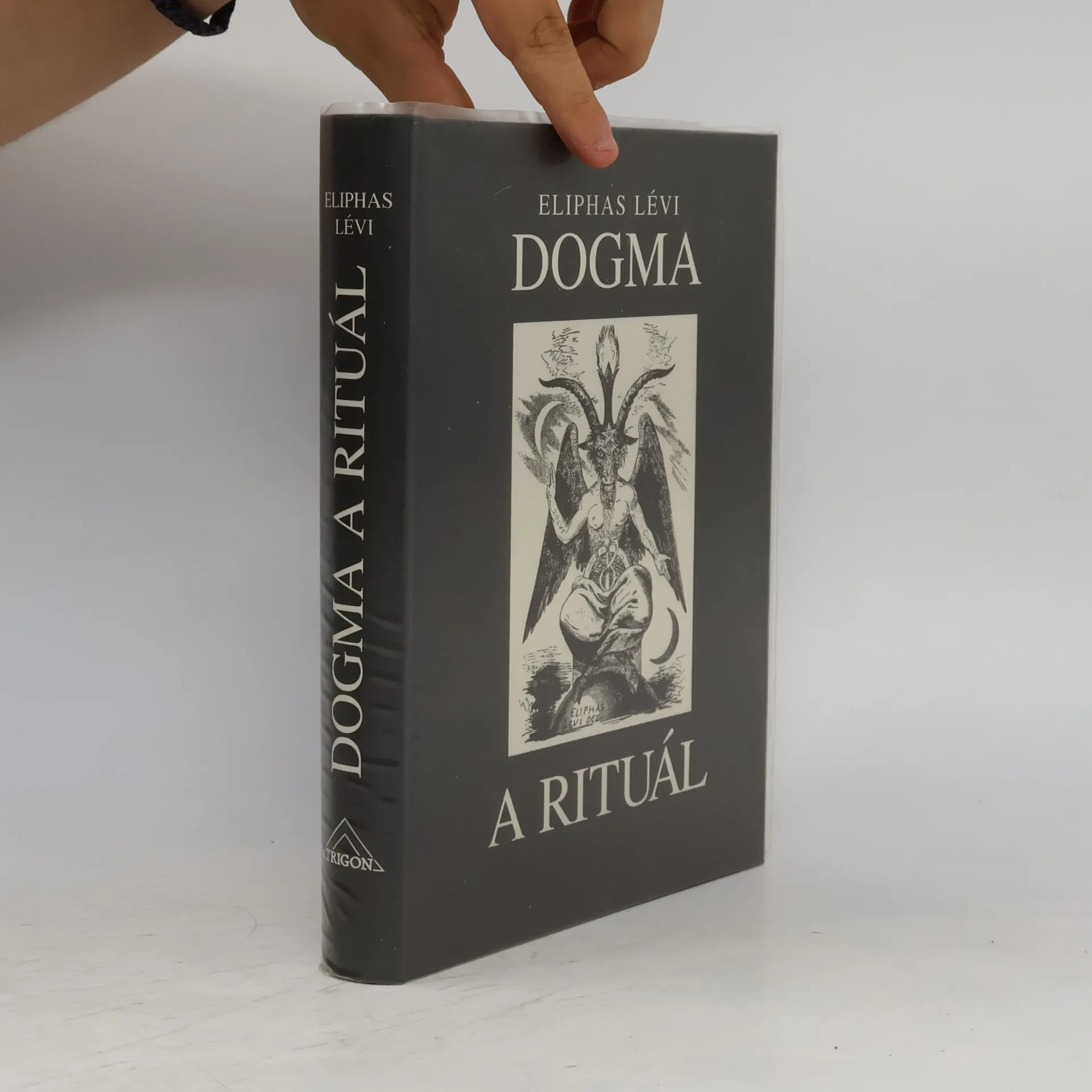
Kniha hledá v magii základy všeobecné vědy, filozofie a náboženství.