

Bookbot

Paul H. Freedman

    Paul H. Freedman es un distinguido historiador cuyo trabajo se adentra en las complejidades de la historia social medieval, con un enfoque particular en la historia de España, la vida del campesinado y la evolución de la cocina medieval. Su erudición ilumina las complejas estructuras sociales y las realidades cotidianas que dieron forma a las sociedades medievales, examinando las interacciones entre diversos estratos de la población. El enfoque de Freedman se caracteriza por una investigación meticulosa que saca a la luz aspectos a menudo pasados por alto del mundo medieval y su desarrollo, ofreciendo a los lectores una comprensión más profunda de esta era pivotal.

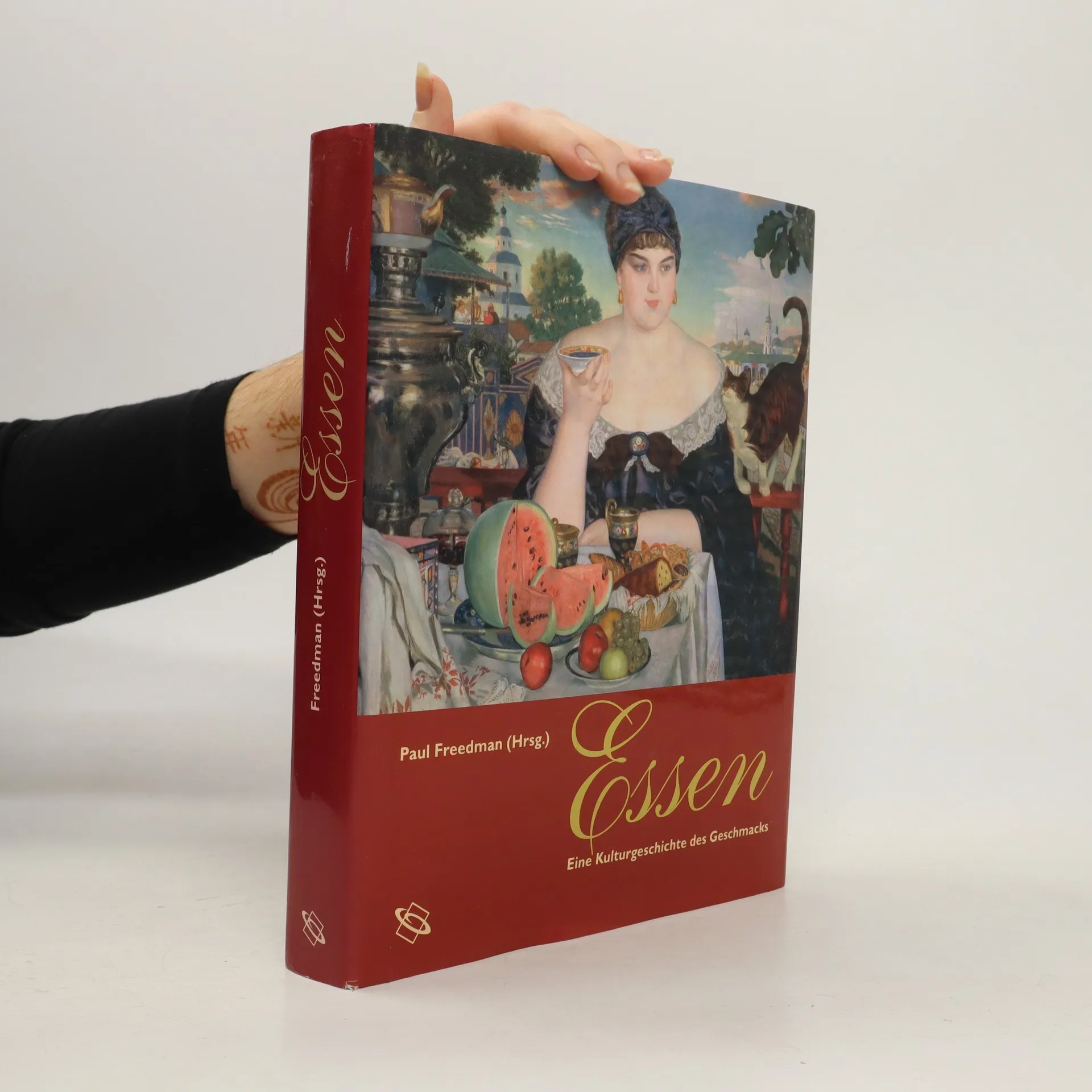
    Essen. Eine Kulturgeschichte des Geschmacks
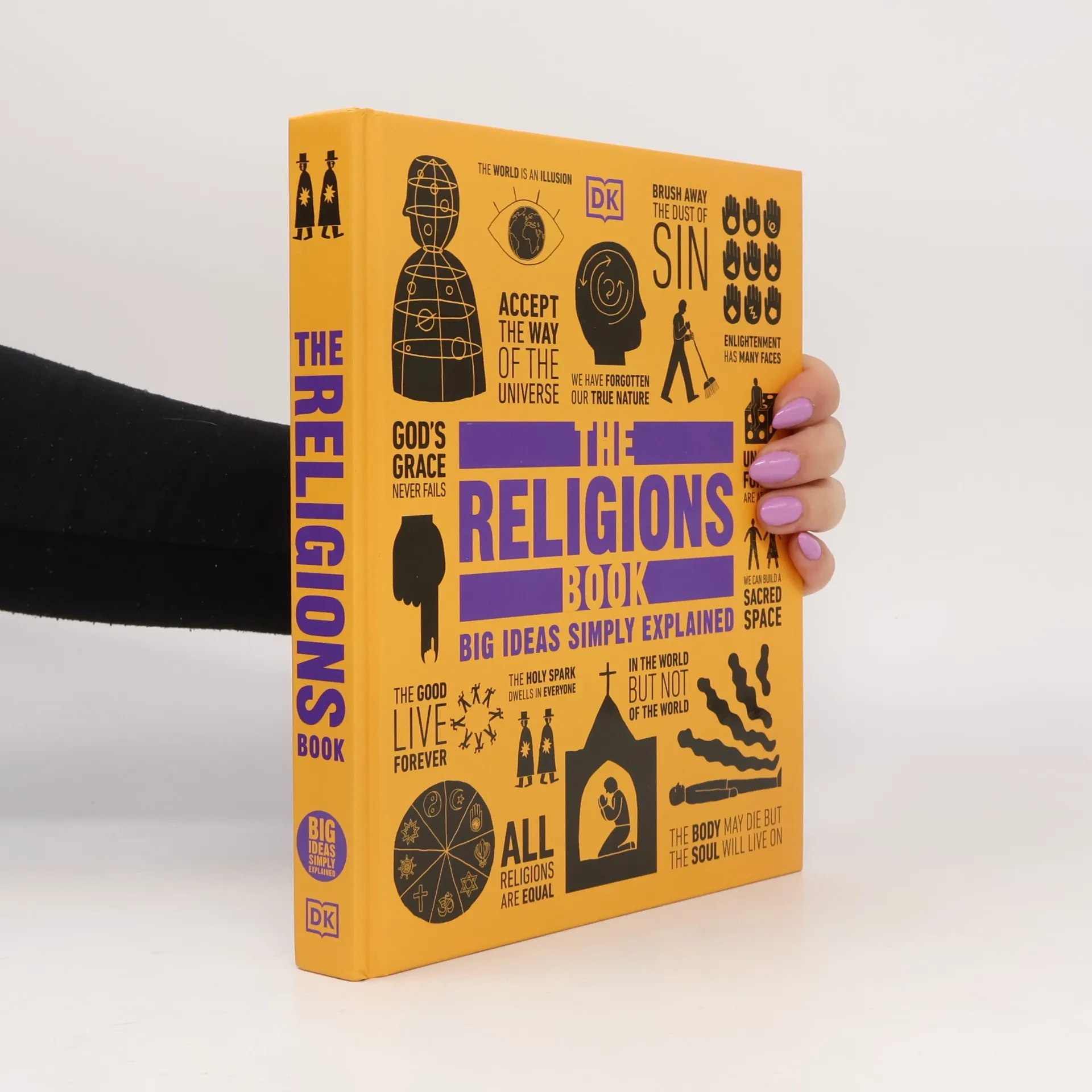
    The Religions Book
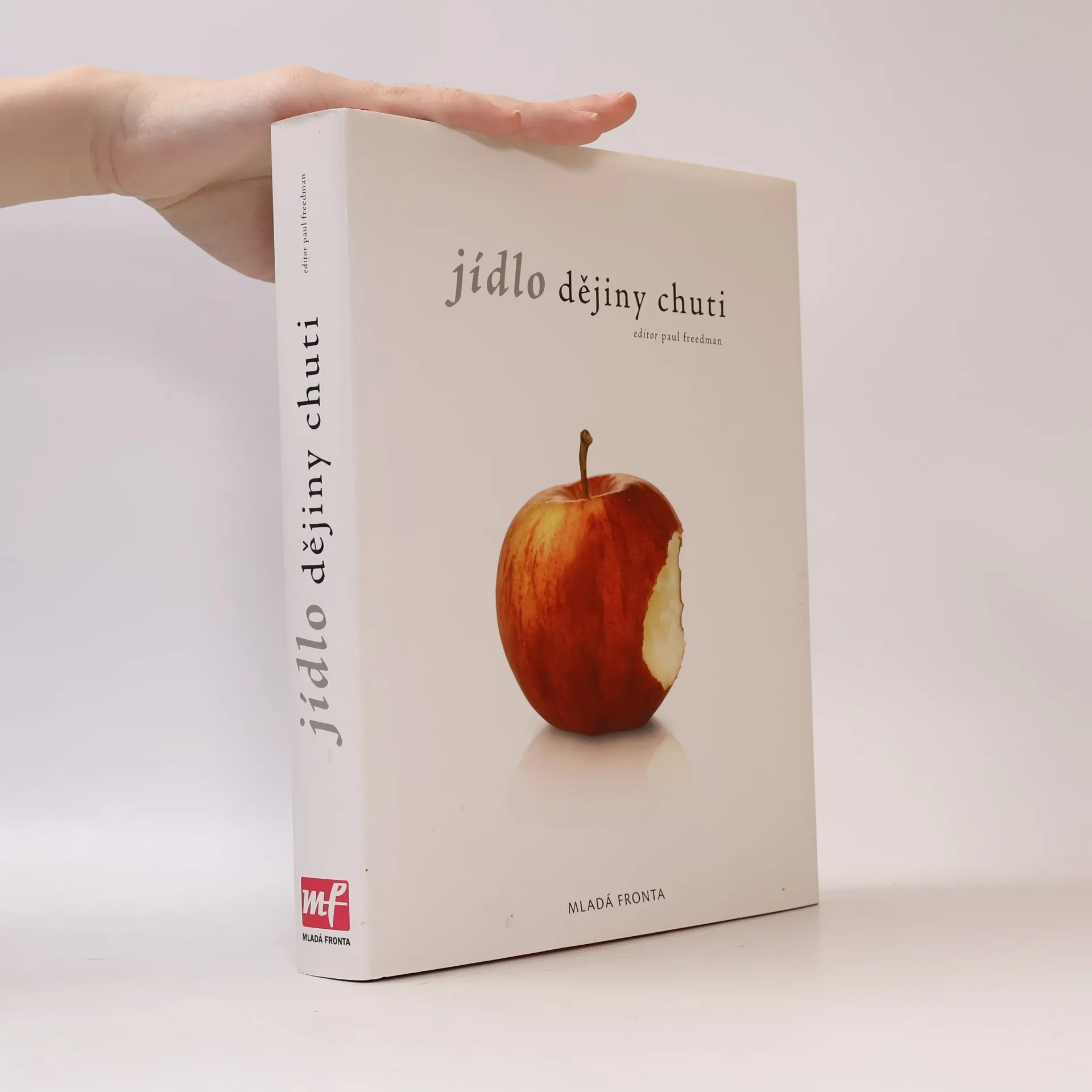
    Jídlo : dějiny chuti
    Why Food Matters
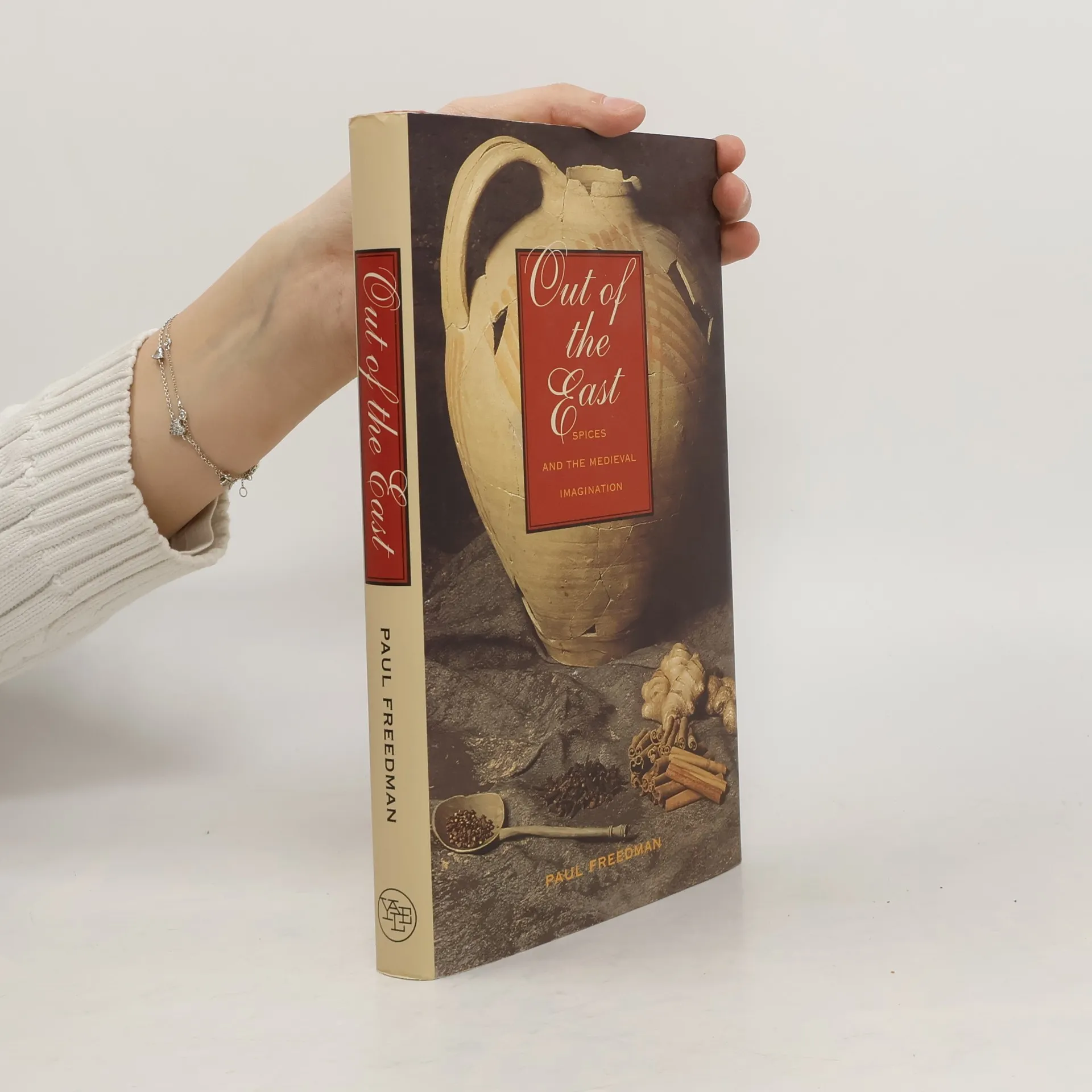
    Out of the East
    Food
    • The Religions Book

      • 352 páginas
      • 13 horas de lectura

      An innovative and accessible guide to the world's religions, 'The Religions Book' clearly explains the key concepts behind the earliest religious beliefs right up to the world's newest faiths, getting to the heart of what it means to believe. Principles of the five main world religions - Hinduism, Buddhism, Judaism, Christianity, and Islam - as well as ancient and primal belief systems are explored in this informative tome. All the big ideas are simply explained with jargon-free descriptions, step-by-step diagrams, and witty illustrations that encapsulate every aspect of religious thinking.

      The Religions Book2024
      4,3
    • Why Food Matters

      • 216 páginas
      • 8 horas de lectura

      An award-winning historian makes the case for food's cultural importance, stressing its crucial role throughout human history

      Why Food Matters2021
      3,5
    • Food

      • 336 páginas
      • 12 horas de lectura

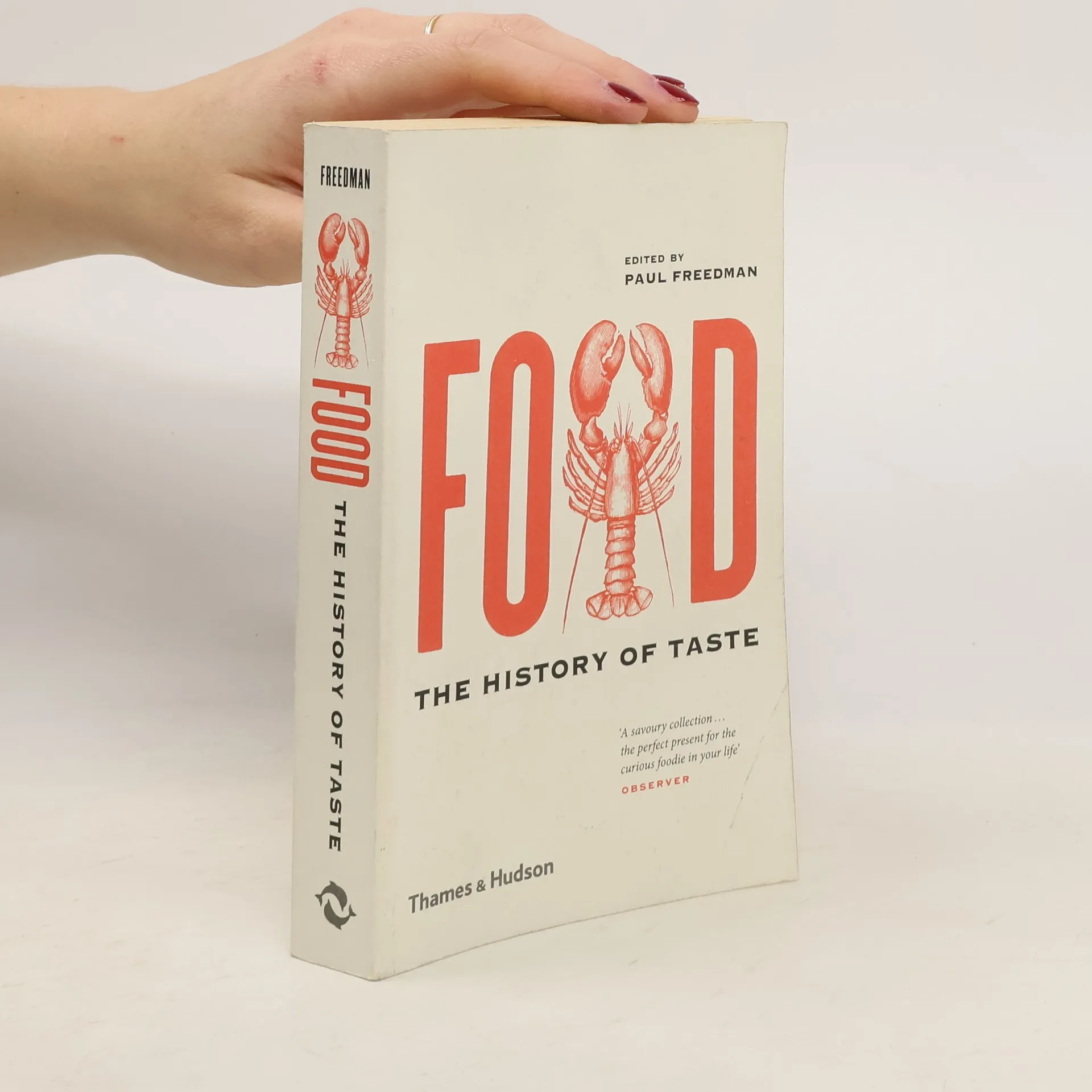
      Surveys the history of changing tastes in food and fine dining – what was available for people to eat, and how it was prepared and served – from prehistory to the present daySince earliest times food has encompassed so much more than just what we eat – whole societies can be revealed and analysed by their cusines. In this wide-ranging book, leading historians from Europe and America piece together from a myriad sources the culinary accomplishments of diverse civilizations, past and present, and the pleasures of dining. Ten chapters cover the food and taste of the hunter-gatherers and first farmers of Prehistory; the rich Mediterranean cultures of Ancient Greece and Rome; the development of gastronomy in Imperial China; Medieval Islamic cuisine; European food in the Middle Ages; the decisive changes in food fashions after the Renaissance; the effect of the Industrial Revolution on what people ate; the rise to dominance of French cuisine in the 19th and 20th centuries; the evolution of the restaurant; the contemporary situation where everything from slow to fast food vies for our attention. Throughout, the entertaining story of worldwide food traditions provides the ideal backdrop to today’s roaming the globe for great gastronomic experiences.

      Food2019
      3,8
    • Out of the East

      • 288 páginas
      • 11 horas de lectura

      The demand for spices in medieval Europe was extravagant and was reflected in the pursuit of fashion, the formation of taste, and the growth of luxury trade. It inspired geographical and commercial exploration ,as traders pursued such common spices as pepper and cinnamon and rarer aromatic products, including ambergris and musk. Ultimately, the spice quest led to imperial missions that were to change world history.   This engaging book explores the demand for spices: why were they so popular, and why so expensive?  Paul Freedman surveys the history, geography, economics, and culinary tastes of the Middle Ages to uncover the surprisingly varied ways that spices were put to use--in elaborate medieval cuisine, in the treatment of disease, for the promotion of well-being, and to perfume important ceremonies of the Church. Spices became symbols of beauty, affluence, taste, and grace, Freedman shows, and their expense and fragrance drove the engines of commerce and conquest at the dawn of the modern era.  

      Out of the East2008
      3,8
    • Jídlo : dějiny chuti

      • 368 páginas
      • 13 horas de lectura

      První práce svého druhu, v níž se objevy nové generace historiků jídla z celého světa spojují s nepokrytě romantickým kouzlem pojednávané látky: kulinářských dovedností různých civilizací, minulých i současných, a požitků z hodování. Výsledkem jsou skutečné dějiny chuti, našich nejvznešenějších, nejelegantnějších a nejlibějších myšlenek o jídle – jeho složkách, přípravě, podávání – od pravěku až do současnosti.

      Jídlo : dějiny chuti2008
      4,7