Originally published in 1857, this reprint presents a classic work that captures the essence of its time. The book offers a rich exploration of its themes and characters, reflecting the societal norms and challenges of the era. Readers can expect an authentic experience that delves into the intricacies of human nature and relationships, making it a significant addition to any literary collection.

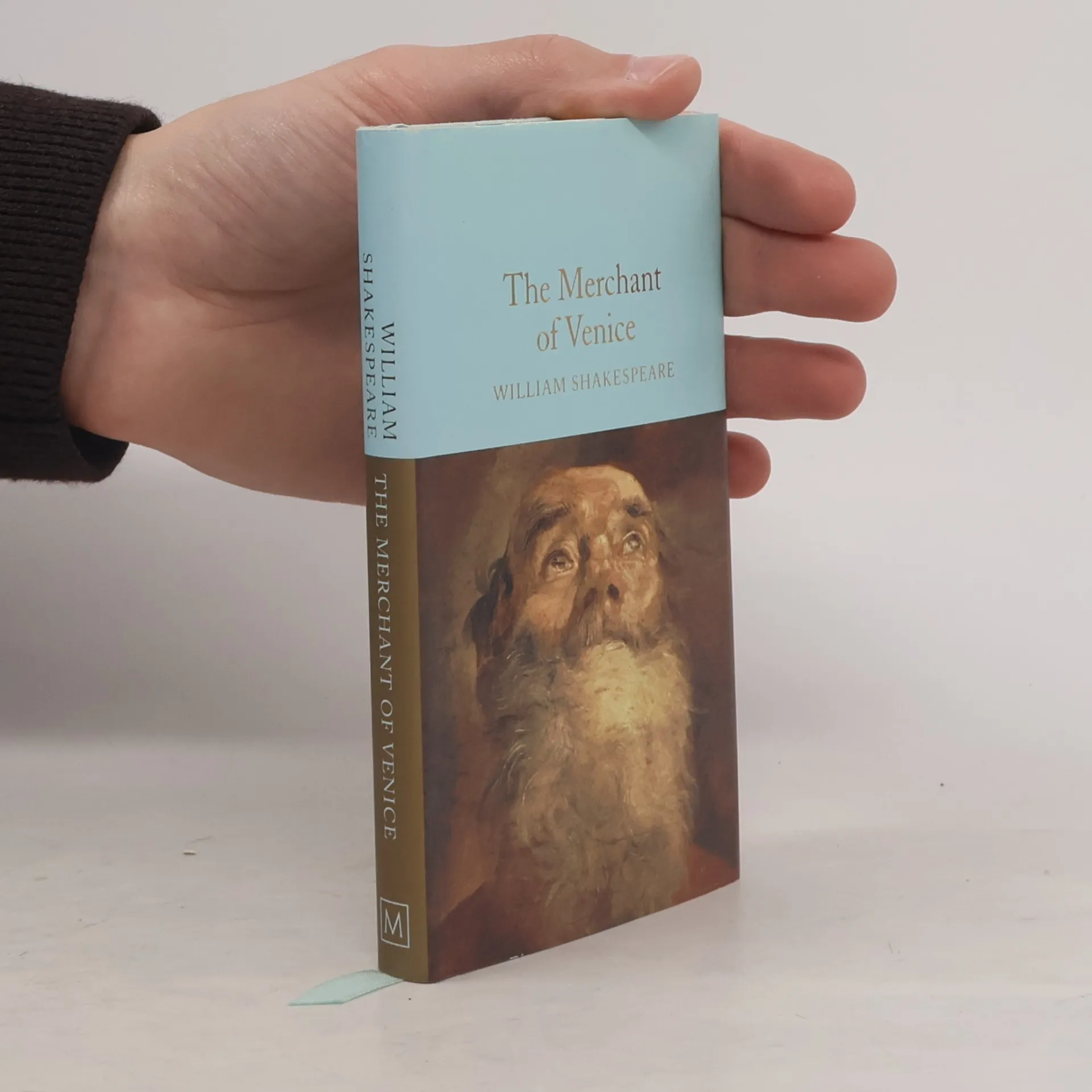
"Hath not a Jew eyes? Hath not a Jew hands, organs, dimensions, senses, affections, passions?" This poignant plea from Shylock encapsulates a dramatic moment in the play. In the aftermath of the Holocaust, interpretations have emerged, with some arguing that the work represents Shakespeare's condemnation of ignorance and anti-Semitism, advocating for tolerance and multiculturalism. Conversely, others view it as a comedy that ridicules a 16th-century Jew. The plot reveals a greater complexity: Bassanio, a carefree Venetian, seeks financial help from his wealthy friend Antonio to pursue the beautiful Portia in Belmont. Antonio, unwilling to deny his friend, borrows from the Jewish moneylender Shylock, who humorously demands a pound of flesh if the debt is unpaid. When disaster strikes and Antonio's ships sink, Shylock insists on his bond, transforming the initial camaraderie into a looming tragedy. The climactic courtroom scene, featuring a disguised Portia and a menacing Shylock, highlights the intense debate on "the quality of mercy." The play's controversial themes continue to evoke strong reactions, ensuring its enduring fascination and divisive nature among audiences.
Inherent toxicants and processing contaminants are both non-essential, bioactive substances whose levels in foods can be difficult to control. This volume covers both types of compound for the first time, examining their beneficial as well as their undesirable effects in the human diet.