Aún puedes pedir antes de Navidad 2 horas y 43 minutos
Bookbot

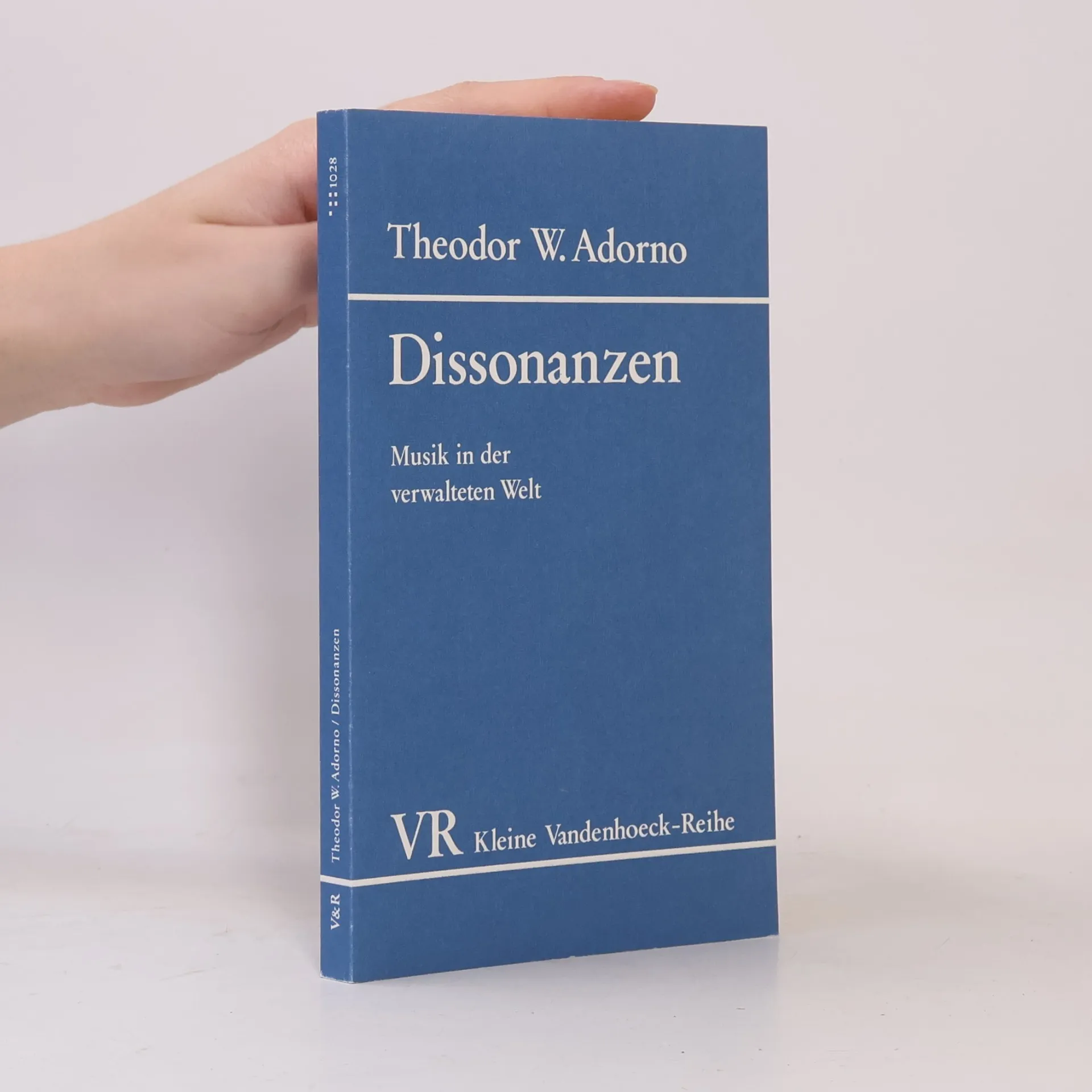
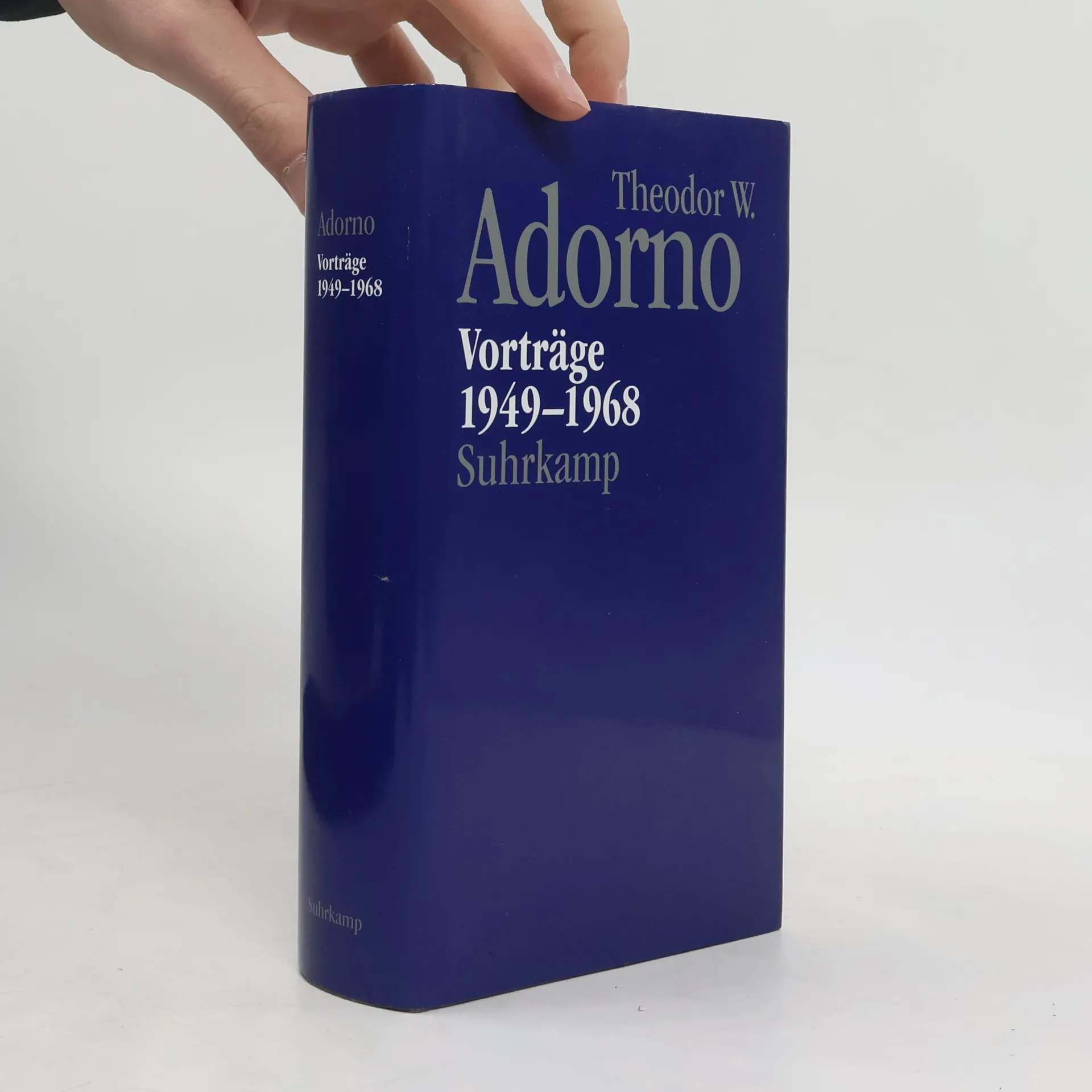
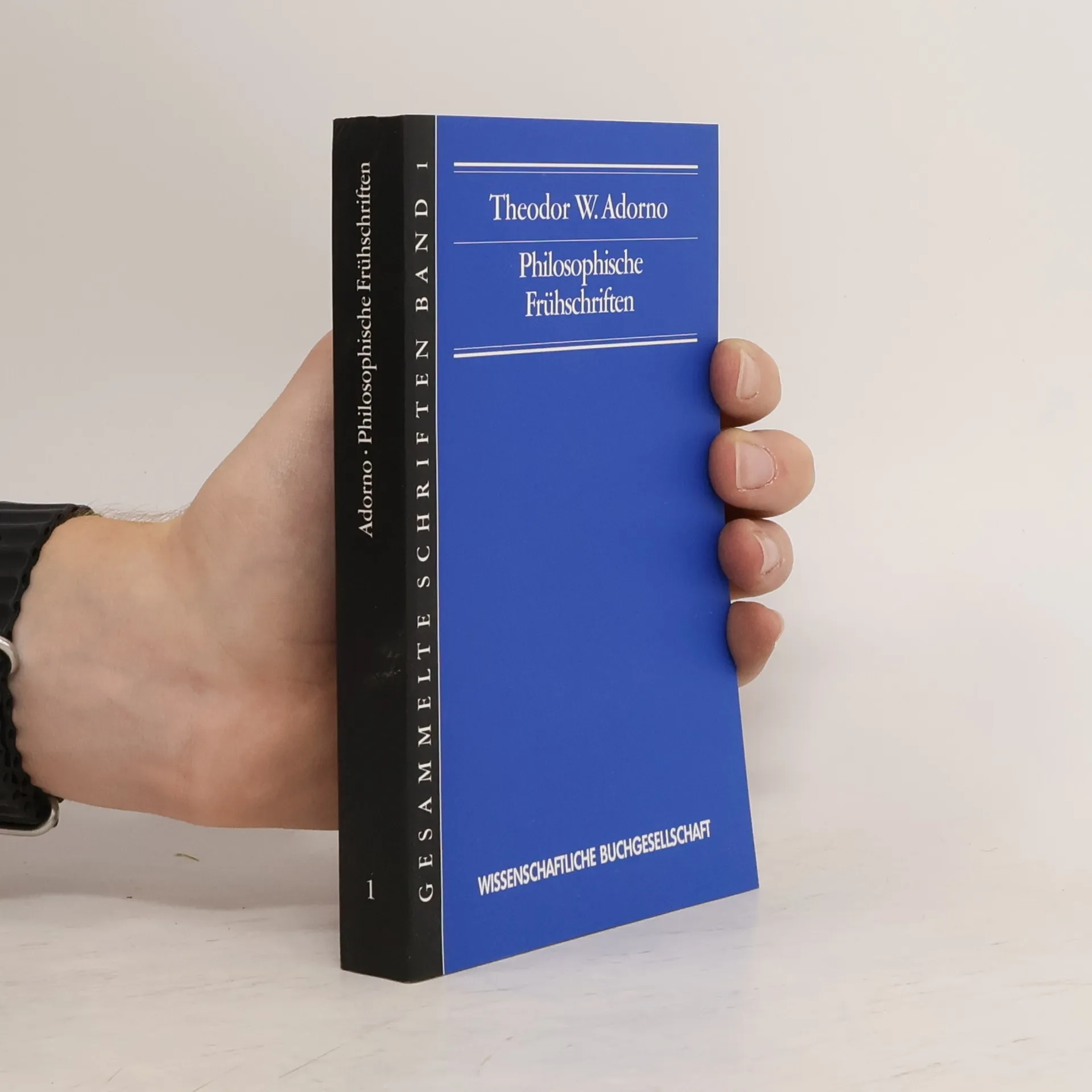
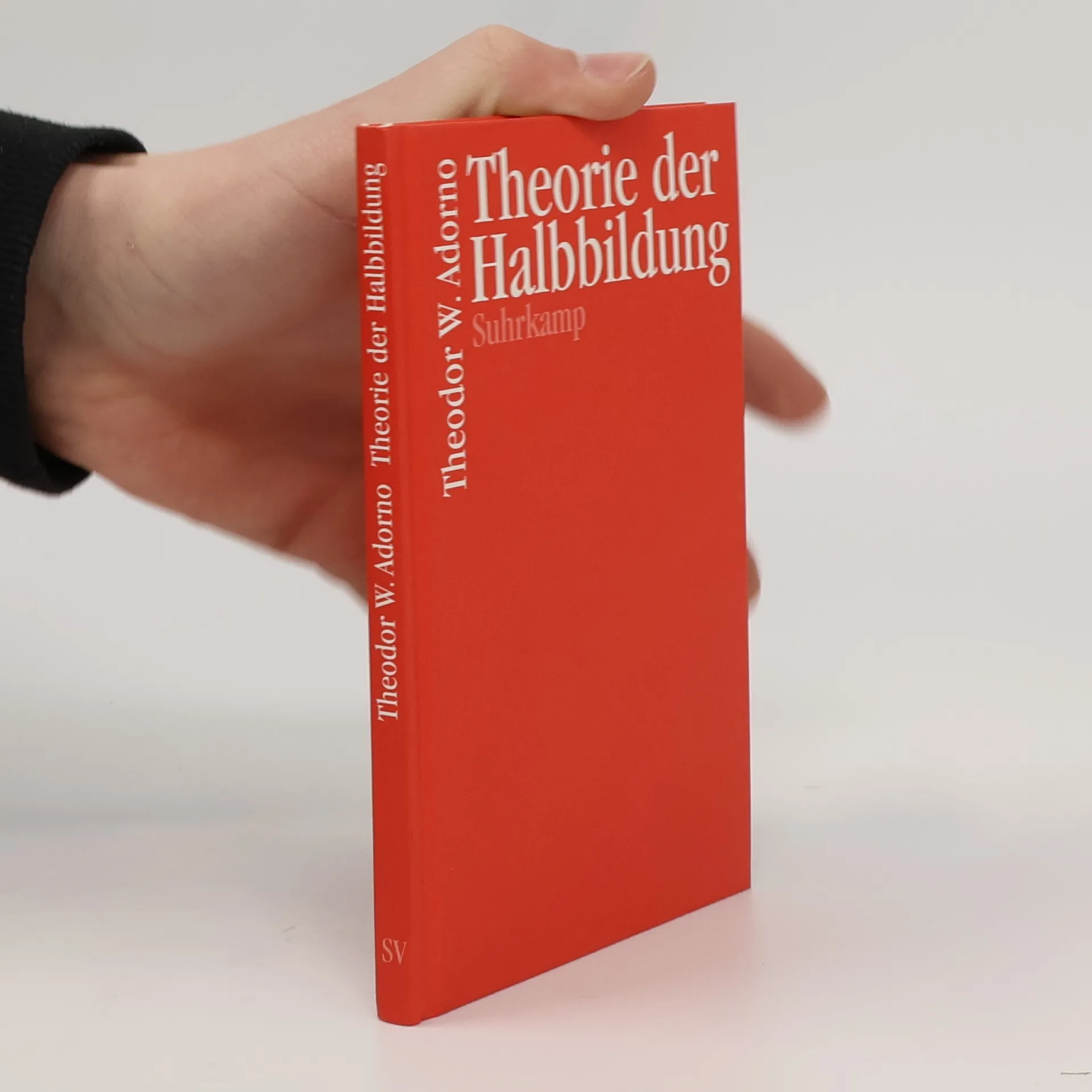
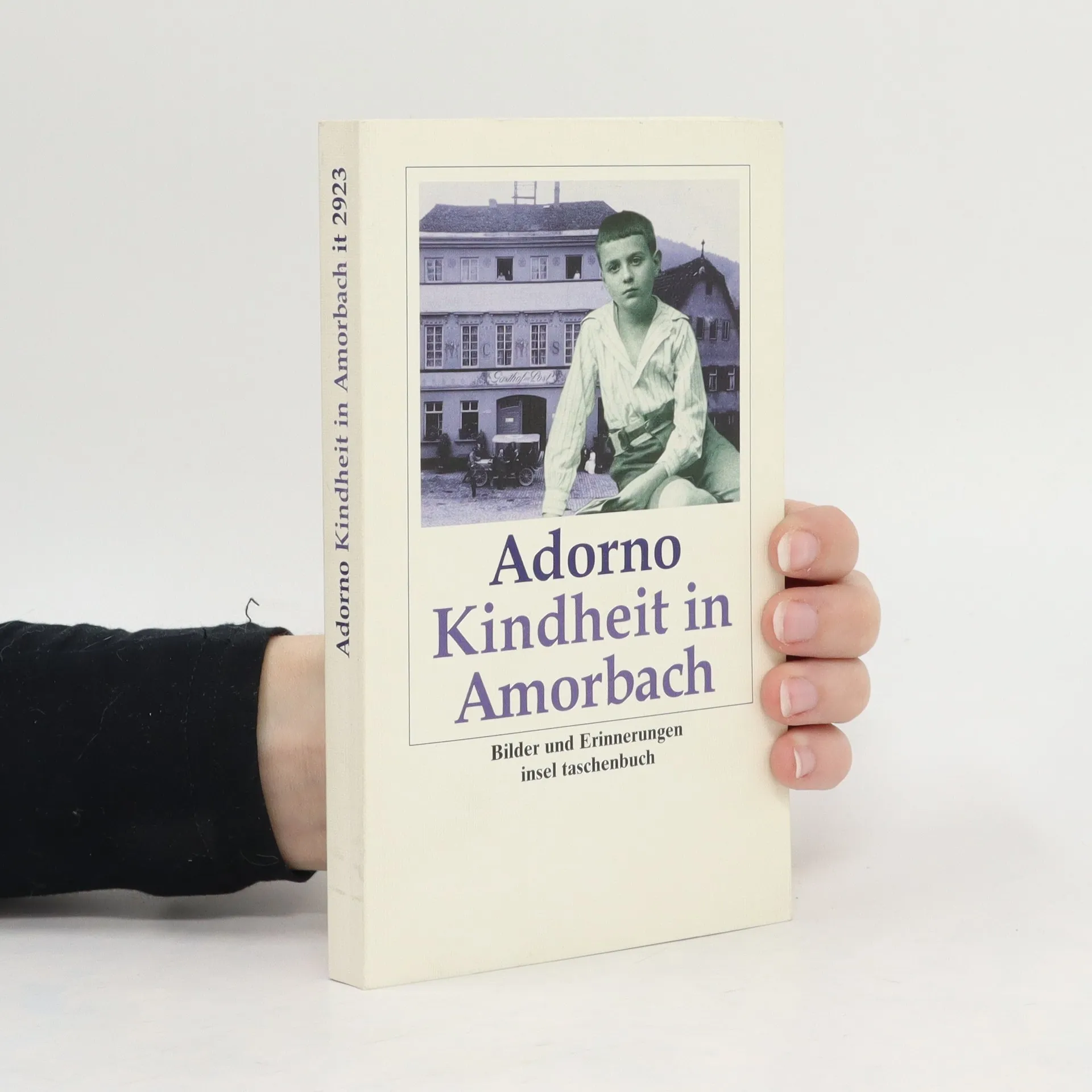
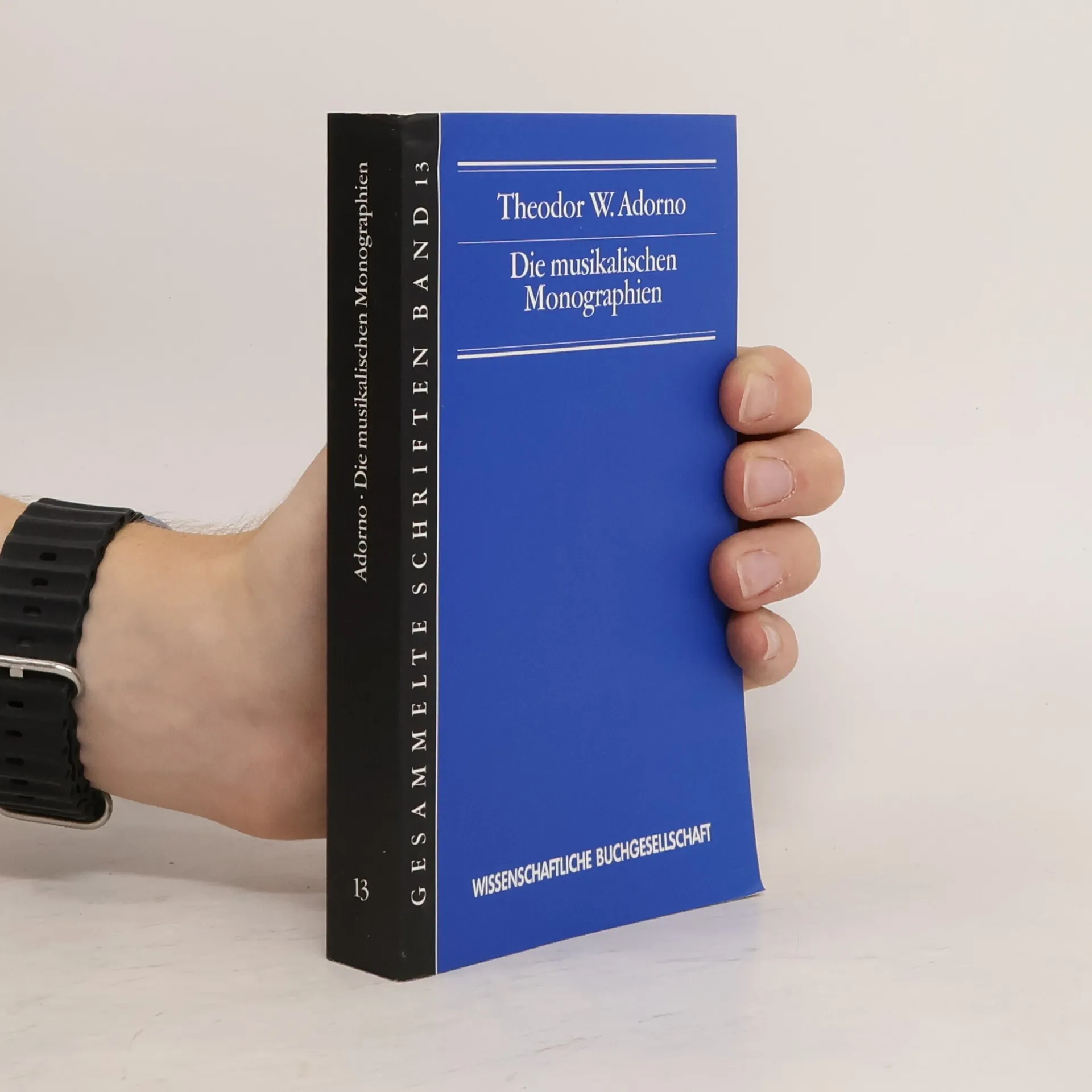
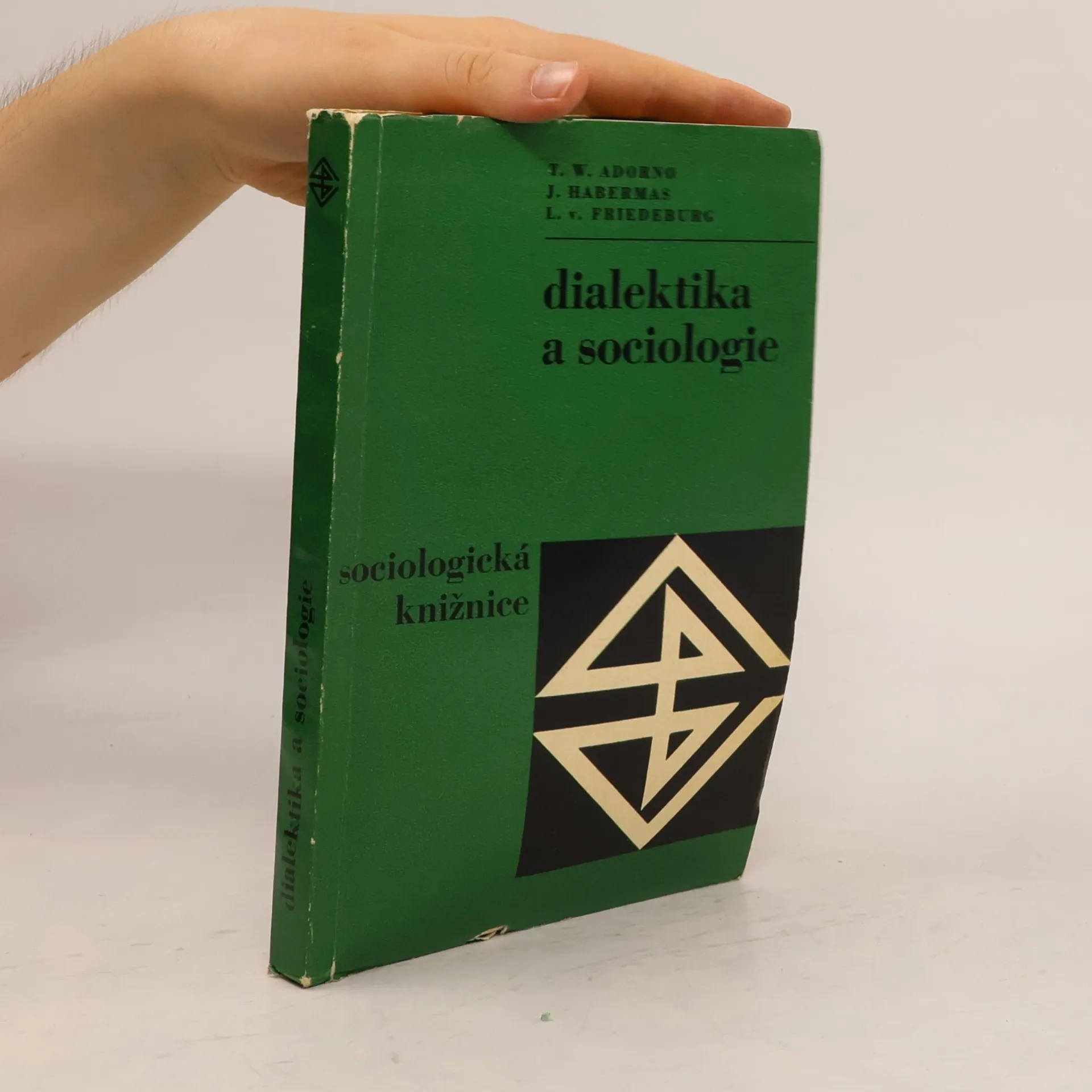
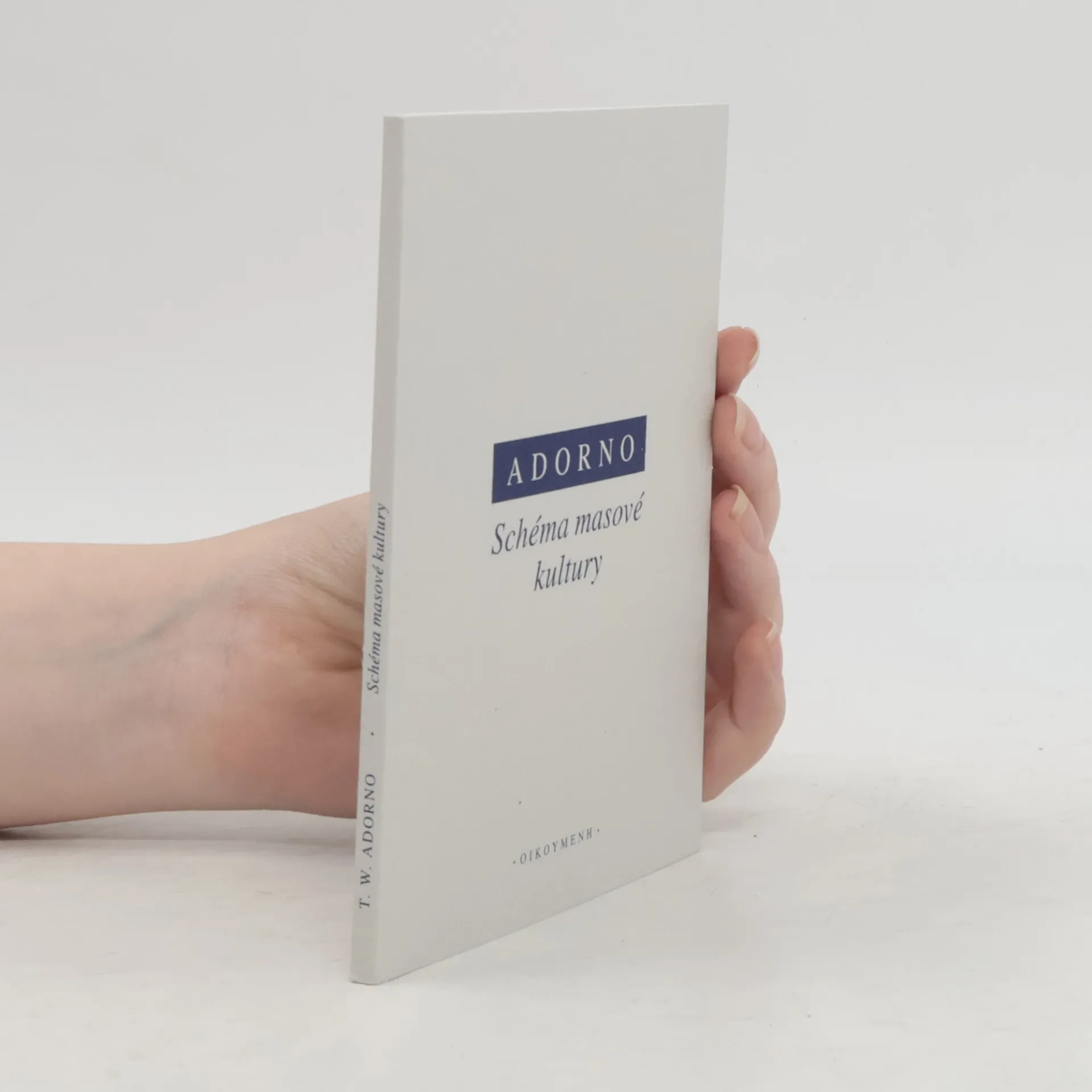
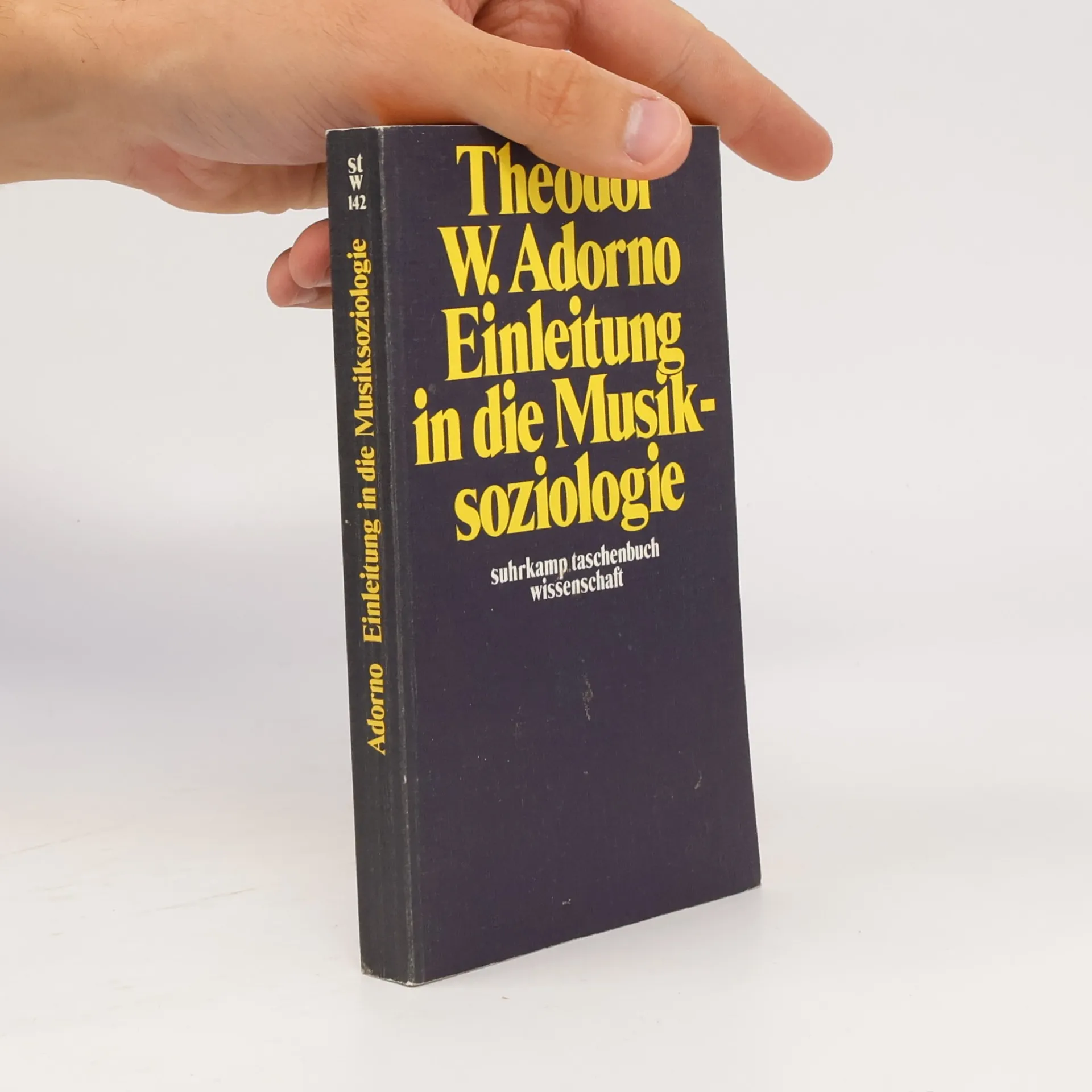
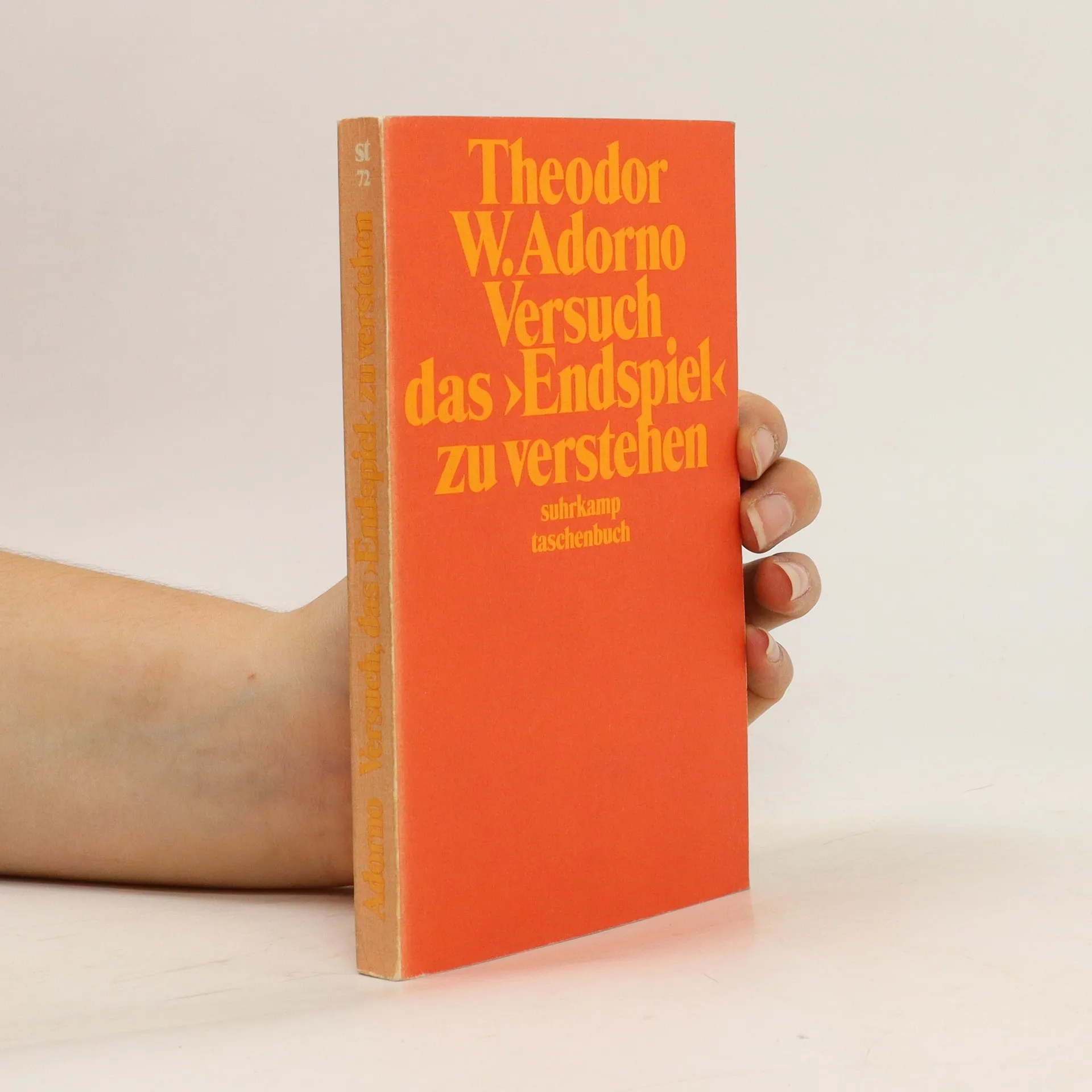
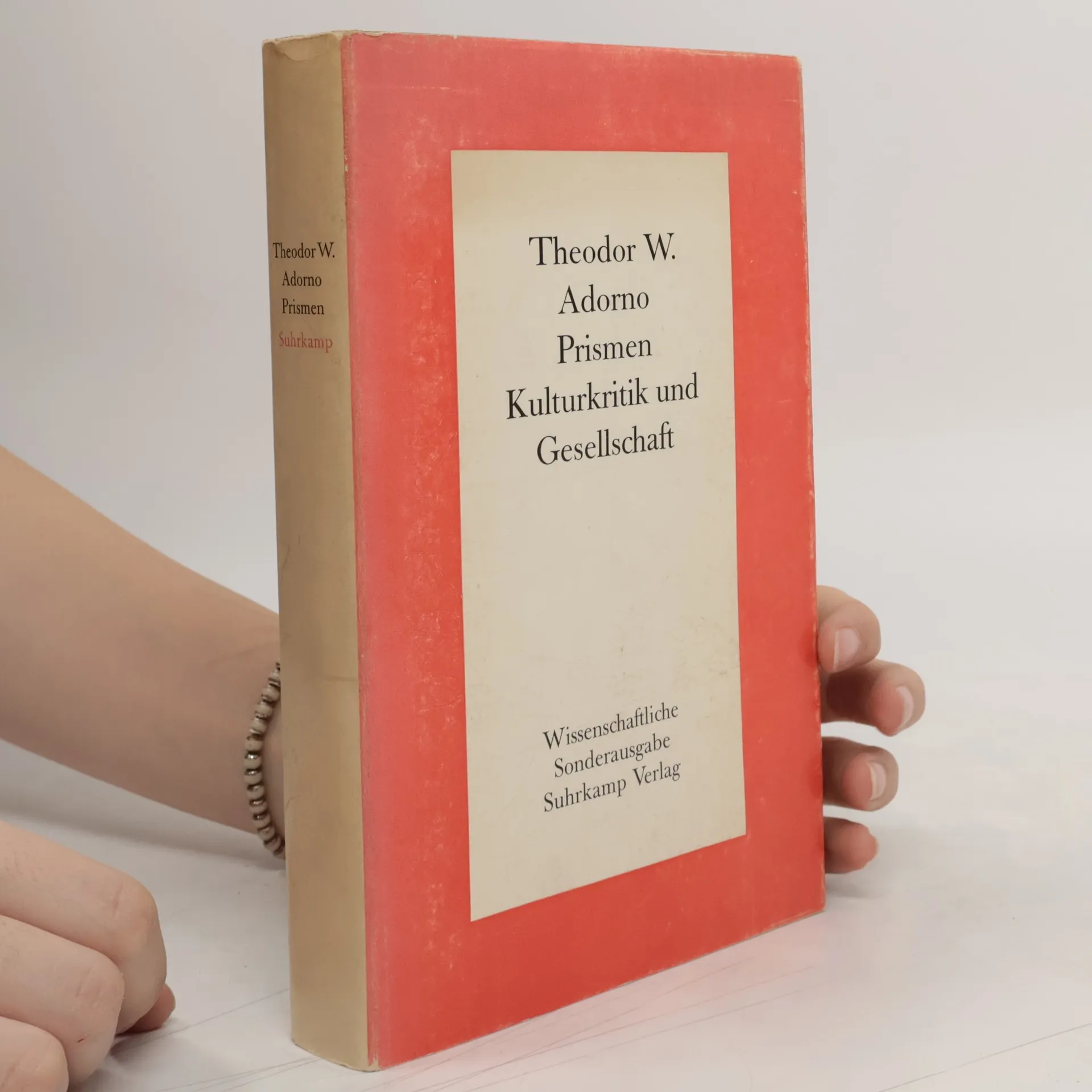
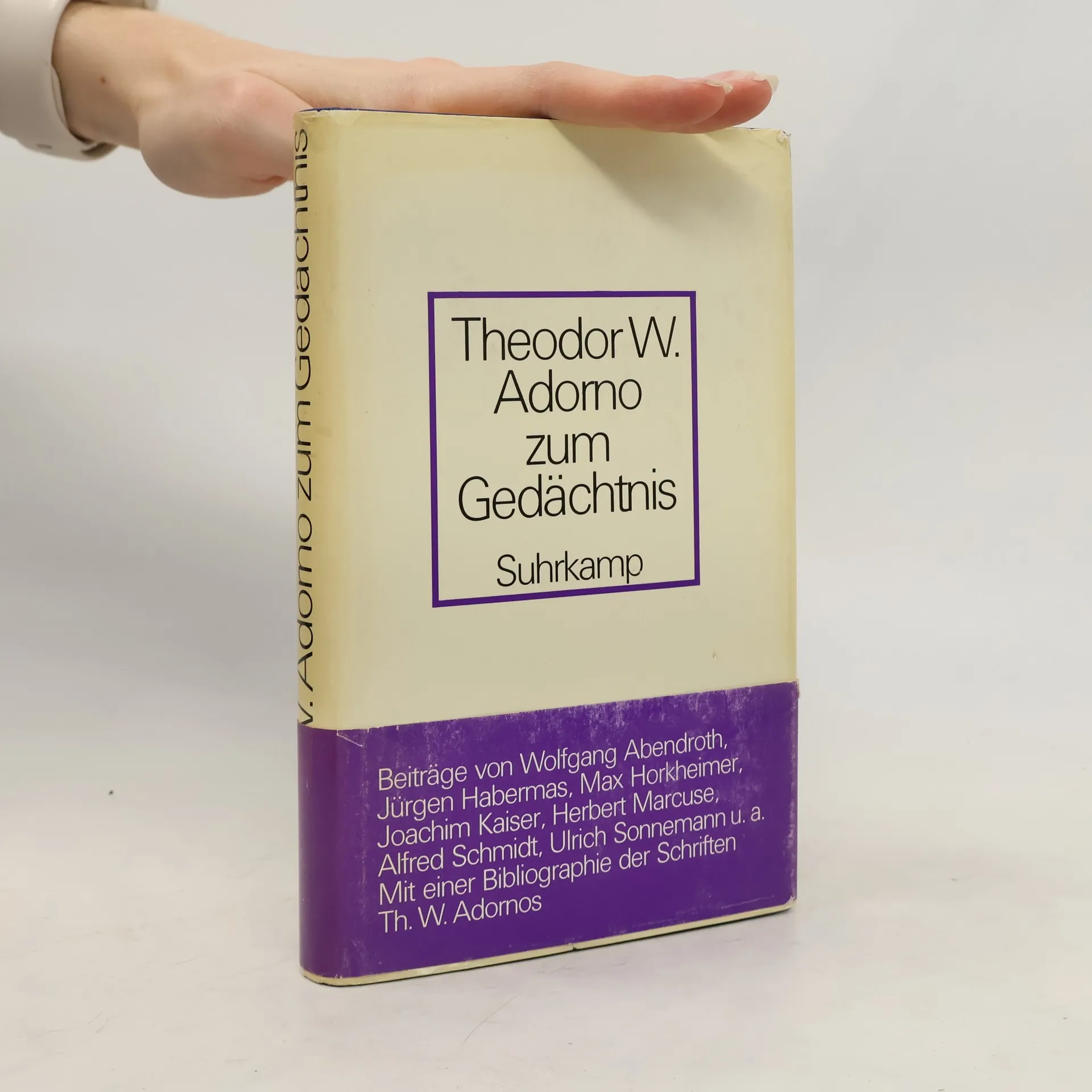
Theodor W. Adorno

    11 de septiembre de 1903 – 6 de agosto de 1969

    Theodor W. Adorno se erigió como un filósofo y crítico social alemán fundamental en la era posterior a la Segunda Guerra Mundial. Su influencia radica en la naturaleza interdisciplinaria de su investigación y su pertenencia a la Escuela de Frankfurt. Examinó rigurosamente las tradiciones filosóficas occidentales y ofreció una crítica radical de la sociedad occidental contemporánea. Inicialmente obstaculizada por traducciones poco fiables, la obra de Adorno ha experimentado un resurgimiento en los países de habla inglesa, con traducciones mejoradas y publicaciones póstumas que solidifican su impacto en la epistemología, la ética, la estética y la teoría cultural.

    Theodor W. Adorno
    Philosophy and Sociology: 1960
    Critical models
    Philosophical Elements of a Theory of Society
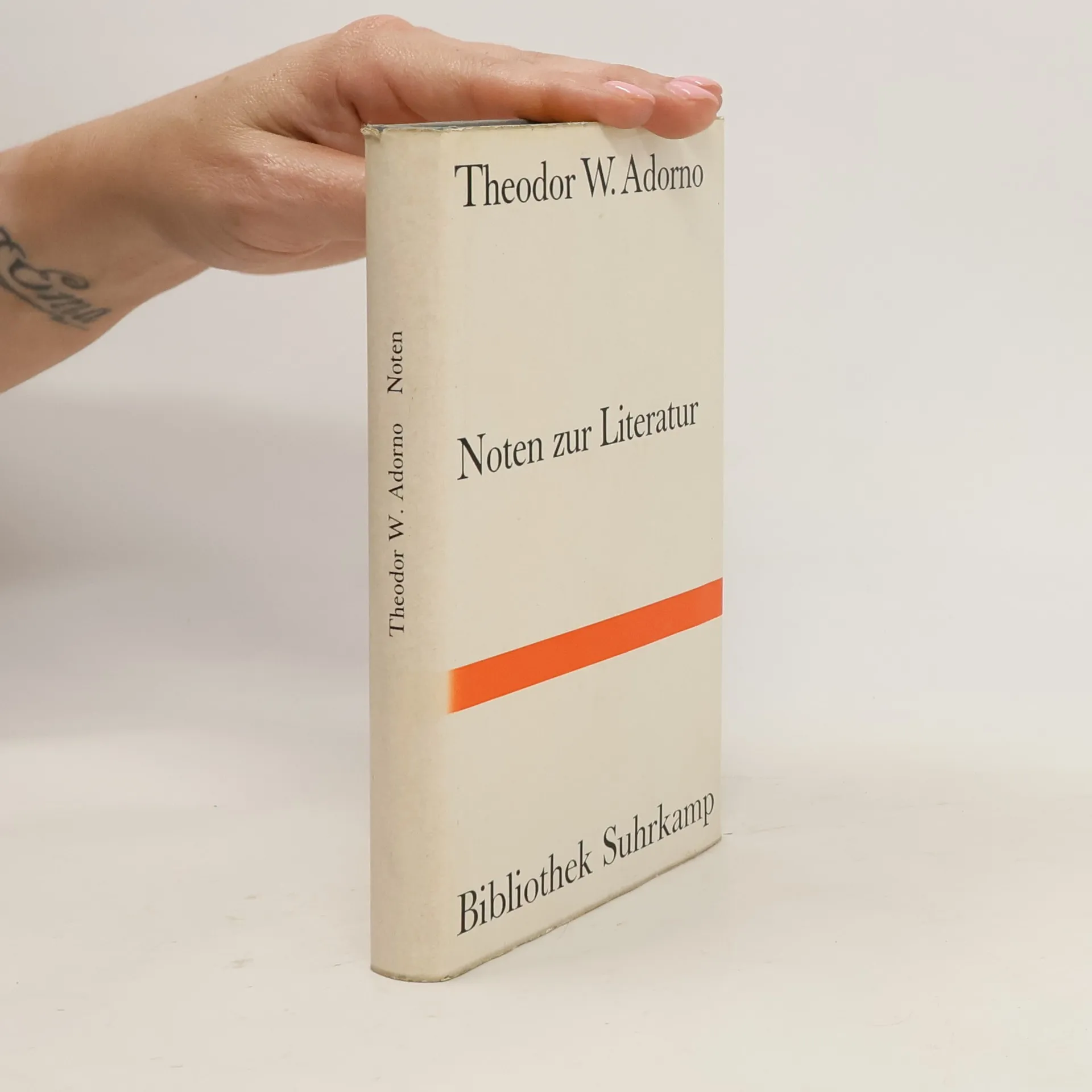
    Notes to Literature
    History and freedom
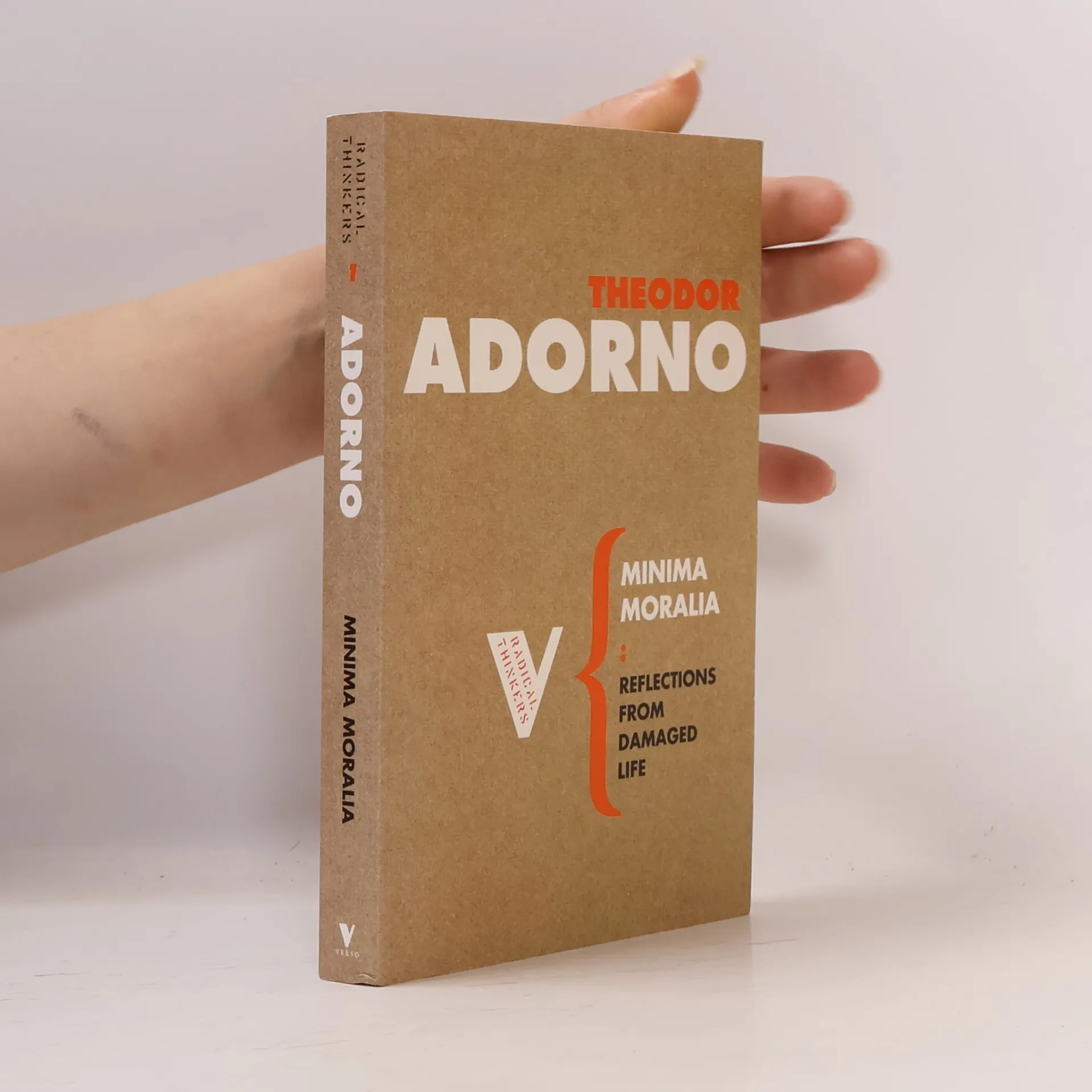
    Minima moralia
    • Minima moralia

      • 256 páginas
      • 9 horas de lectura

      La consciencia de la liquidacion del individuo por el tipo de colectivismo que ha llegado a imperar bajo el capitalismo tardio es el revulsivo final que propicia la concepcion de otra existencia individual, libre de la esclavitud de la ley economica, que sea la verdadera sustancia de la colectividad. Las significativas fechas que enmarcan la composicion de estos escritos - fechas que, por razones historicas y personales del autor, le hacen escribir desde un forzoso recluimiento en su intimidad - propiciaran una concentracion creativa que, a un filosofo coma el, tan ajeno a la oficialidad, no podia por menos de animarle a expresarse en un genero tan poco academico coma el aforistico.

      Minima moralia
    • History and freedom

      • 368 páginas
      • 13 horas de lectura

      "Early in the 1960s Adorno gave four courses of lectures on the road leading to Negative Dialectics, his magnum opus of 1966. The second of these was concerned with the topics of history and freedom. In terms of content, these lectures represented an early version of the chapters in Negative Dialectics devoted to Kant and Hegel. In formal terms, these were improvised lectures that permit us to glimpse a philosophical work in progress." -- Cover, p. [4].

      History and freedom
    • Notes to Literature

      • 560 páginas
      • 20 horas de lectura

      Notes to Literature is a collection of the great social theorist Theodor W. Adorno's essays on such writers as Mann, Bloch, Goethe, and Benjamin, as well as his reflections on a variety of subjects. This edition presents this classic work in full in a single volume, with a new introduction by Paul Kottman.

      Notes to Literature
    • Two volumes by Theodor W. Adorno are combined in this volume: Interventions - Nine Critical Models (1963) and Catchwords: Critical Model II (1969). Both books are examples of Adorno's postwar commitment to unmasking the culture that engendered Nazism.

      Critical models
    • Philosophy and Sociology: 1960

      • 320 páginas
      • 12 horas de lectura

      In summer 1960, Adorno gave the first of a series of lectures devoted to the relation between sociology and philosophy. One of his central concerns was to dispel the notion, erroneous in his view, that these were two incompatible disciplines, radically opposed in their methods and aims, a notion that was shared by many. While some sociologists were inclined to dismiss philosophy as obsolete and incapable of dealing with the pressing social problems of our time, many philosophers, influenced by Kant, believed that philosophical reflection must remain ‘pure’, investigating the constitution of knowledge and experience without reference to any real or material factors. By focusing on the problem of truth, Adorno seeks to show that philosophy and sociology share much more in common than many of their practitioners are inclined to assume. Drawing on intellectual history, Adorno demonstrates the connection between truth and social context, arguing that there is no truth that cannot be manipulated by ideology and no theorem that can be wholly detached from social and historical considerations. This systematic account on the interconnectedness of philosophy and sociology makes these lectures a timeless reflection on the nature of these disciplines and an excellent introduction to critical theory, the sociological content of which is here outlined in detail by Adorno for the first time.

      Philosophy and Sociology: 1960
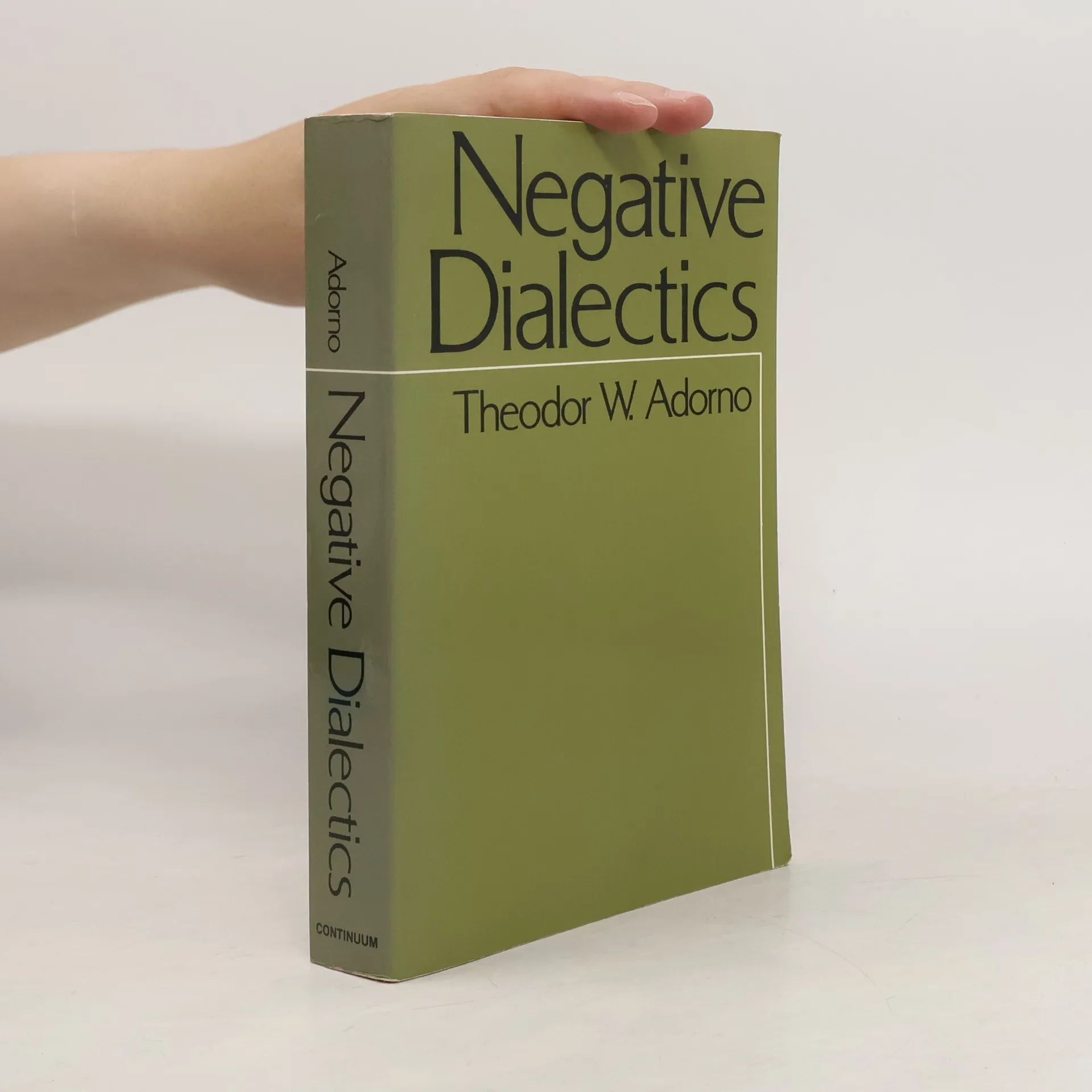
    • This volume features key lectures leading to Adorno's 1966 work, Negative Dialectics, focusing on essential concepts from its introductory section. It showcases Adorno as a philosopher navigating his methodology amidst contemporary trends. As a critical theorist, he rejects outdated Marxist stereotypes prevalent in the Soviet bloc, addressing students who fled East before the Berlin Wall's construction in 1961. While influenced by empirical thought from the U.S., he resists its tendency toward scientific abstraction, avoiding a return to traditional idealisms in Germany or the new ontology of Heidegger and his followers. Adorno seeks to articulate a 'negative', critical approach to philosophy, emphasizing the pervasive power of totalizing systems in the post-Auschwitz world. His intellectual negativity leads to a steadfast defense of individuals—both facts and people—who resist integration into 'the administered world.' The lectures reveal Adorno as an engaging speaker, demanding yet lively, interspersing his arguments with insights on philosophers and writers like Proust and Brecht, alongside reflections on current events. This blend of rigorous intellectual discourse and concern for student engagement characterizes his teaching style.

      Lectures on Negative Dialectics
    • Kant's Critique of Pure Reason

      • 300 páginas
      • 11 horas de lectura

      Adorno's exploration of Kant's "Critique of Pure Reason" reveals the significant influence Kant has on his philosophical framework. This volume compiles Adorno's lectures, offering insights into Kant's critical philosophy and its implications for modern thought. Through these discussions, Adorno engages deeply with Kant's ideas, shedding light on their relevance and impact on subsequent philosophical discourse.

      Kant's Critique of Pure Reason
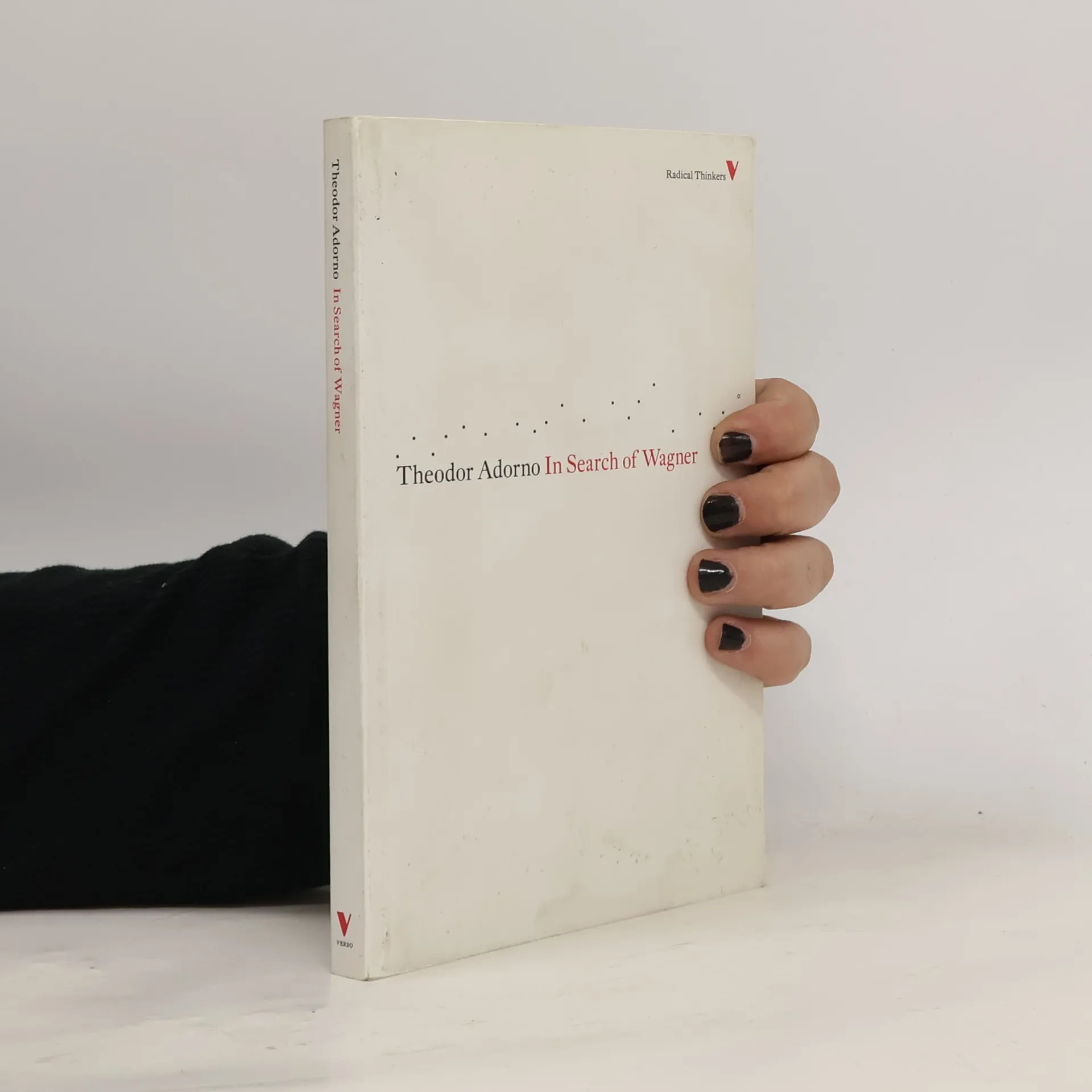
    • 'Radical Thinkers' is a selection of Verso's leading titles, celebrating 40 years of New Left Books and Verso. The volumes collected here are new editions of the highlights from 4 decades of uncompromising, radical publishing.

      Minima Moralia. Reflections From Damaged Life
    • This volume presents Adorno's lectures on metaphysics in English for the first time, offering a unique introduction to both metaphysics and Adorno's intellectual perspective as articulated in Negative Dialectics. Adorno defines metaphysics through a central tension between concepts and immediate facts, tracing this dualism back to Aristotle, whom he regards as the founder of metaphysics. In Aristotle, this tension manifests as an unresolved conflict between form and matter, a split that Adorno interprets as a continuous thread throughout metaphysical history. He finds this tension resolved in the Hegelian dialectic. Furthermore, Adorno identifies a critical dichotomy within metaphysics: while it challenges belief in transcendental realms through thought, it simultaneously attempts to affirm belief in a reality beyond the empirical. This ambiguity, according to Adorno, is what lends the metaphysical tradition its significance. The lectures primarily focus on a critical examination of Aristotle's thought and its inherent ambiguities. In his later discussions, Adorno shifts to the relevance of metaphysics in contemporary contexts, particularly post-Holocaust, suggesting that 'metaphysical experiences' offer a fragile refuge for humane truth. This volume is essential for those interested in Adorno's work and serves as a valuable resource for philosophy and social theory scholars.

      Metaphysics