This theological compendium by Thomas Aquinas serves as a foundational text in Roman Catholicism, encapsulating the entirety of known doctrine regarding God and humanity's relationship with the divine. It is renowned for presenting five distinct proofs of God's existence, which include three cosmological arguments, a moral argument, and a teleological argument. Written between 1265 and 1273, it represents a significant milestone in the history of theology, influencing both religious thought and philosophical discourse.
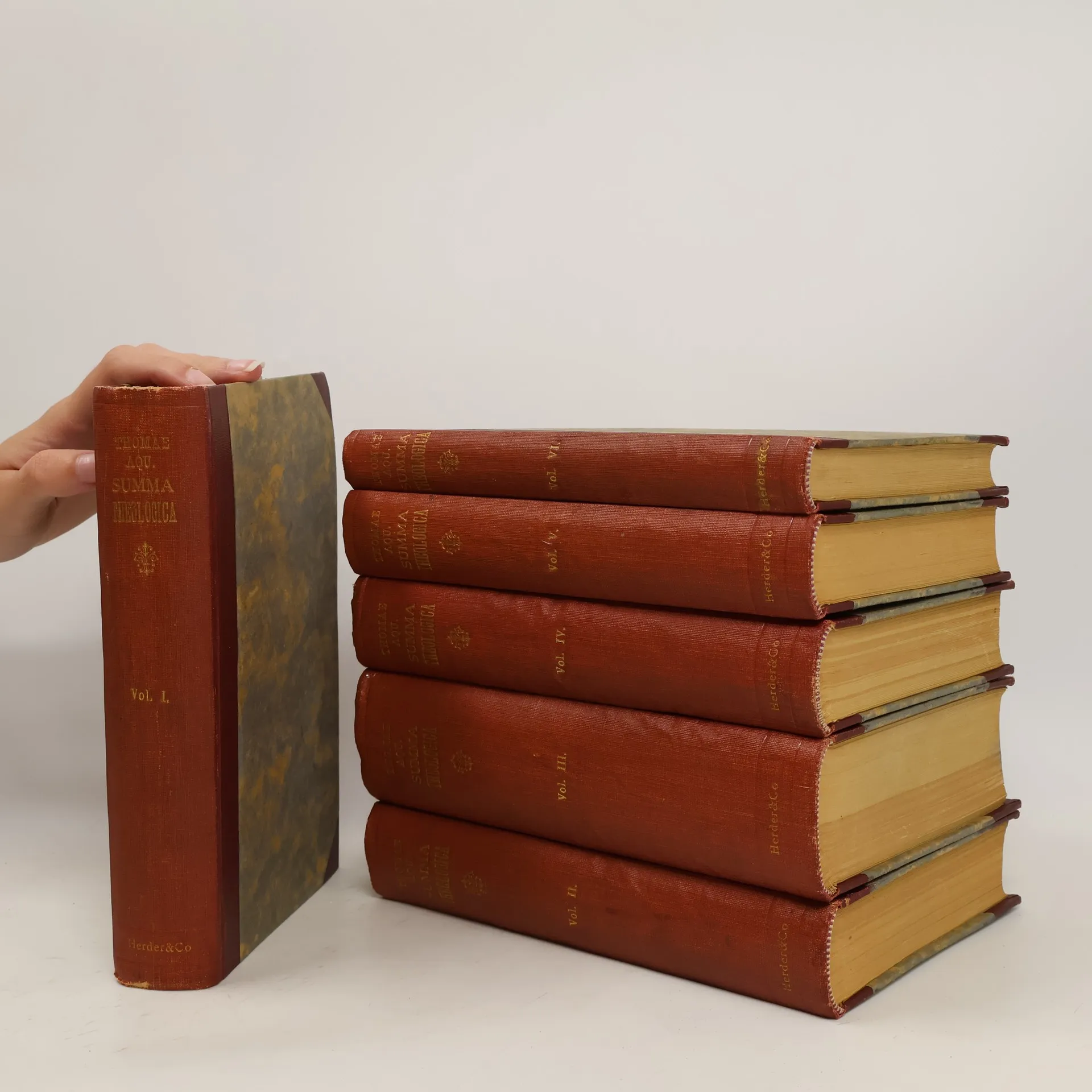
"The Summa Theologica is the best-known work of Italian philosopher, scholar, and Dominican friar SAINT THOMAS AQUINAS (1225 1274), widely considered the Catholic Church s greatest theologian. Famously consulted (immediately after the Bible) on religious questions at the Council of Trent, Aquinas s masterpiece has been considered a summary of official Church philosophy ever since. Aquinas considers approximately 10,000 questions on Church doctrine covering the roles and nature of God, man, and Jesus, then lays out objections to Church teachings and systematically confronts each, using Biblical verses, theologians, and philosophers to bolster his arguments. In Volume II, Aquinas addresses: happiness good and evil love and hatred hope and despair anger virtue sin and grace and much more. This massive work of scholarship, spanning five volumes, addresses just about every possible query or argument that any believer or atheist could have, and remains essential, more than seven hundred years after it was written, for clergy, religious historians, and serious students of Catholic thought."
Exploring the use of casting lots to discern divine will, this translation of Thomas Aquinas's letter, written around 1270, offers insights into when such practices are appropriate versus mere superstition. It addresses the historical context of Aquinas's thoughts on decision-making, particularly regarding the appointment of a bishop. The book includes an introduction to Aquinas's life and eight essays that provide varied perspectives on the text, making it an accessible entry point into the philosophy of one of history's most influential thinkers.
El "Compendium" es una importante síntesis de las soluciones más propias de Santo Tomás a los problemas de teología y filosofía. Da pie a pensar así el hecho de que es uno de los últimos escritos del autor. Se expone en ella una armonización de la fe y la razón según las coordenadas aristotélicas y una hermenéutica del cristianismo tal como era entendido en el siglo XIII a través de las tesis por él desarrolladas, tesis como las vías para la demostración de la existencia de Dios, las relaciones de las Personas de la Trinidad, la eternidad del mundo, la unicidad sustancial del hombre, la teoría de la libertad, el alma intelectual, con especial atención al entendimiento agente, tan de moda entre los averroístas. Que estos y otros temas fueran tratados en esta obra del final de su vida indica que bien pudiera tratarse en unos casos de una revisión y en otros de un afianzamiento de sus doctrinas.
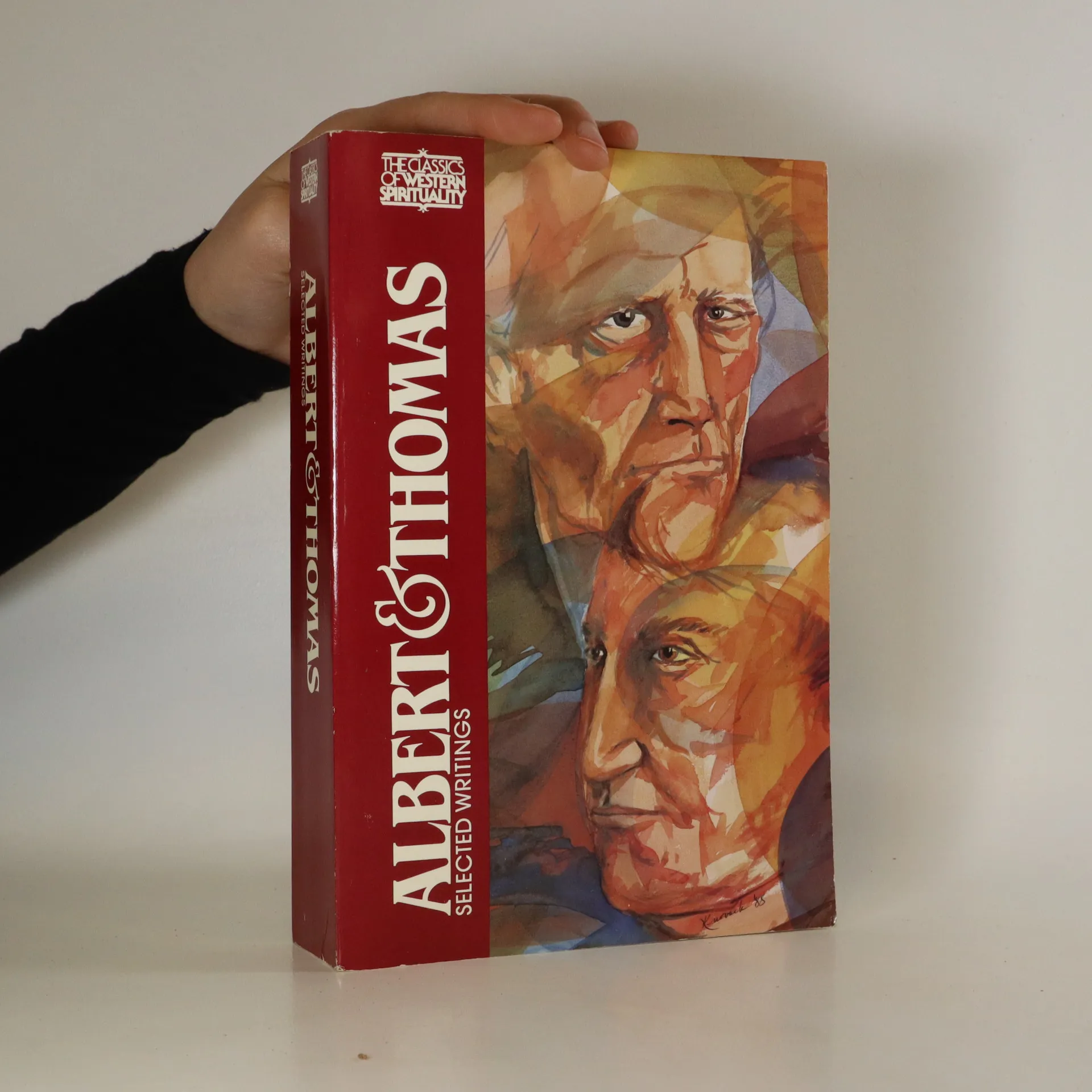
Contains writings by two 13th-century Dominicans, both Doctors of the Church, St. Albert the Great (1200-1280), patron saint of natural scientists, and the 'common doctor,' St. Thomas Aquinas (1226-1274), both famous for their contributions to philosophy and theology.
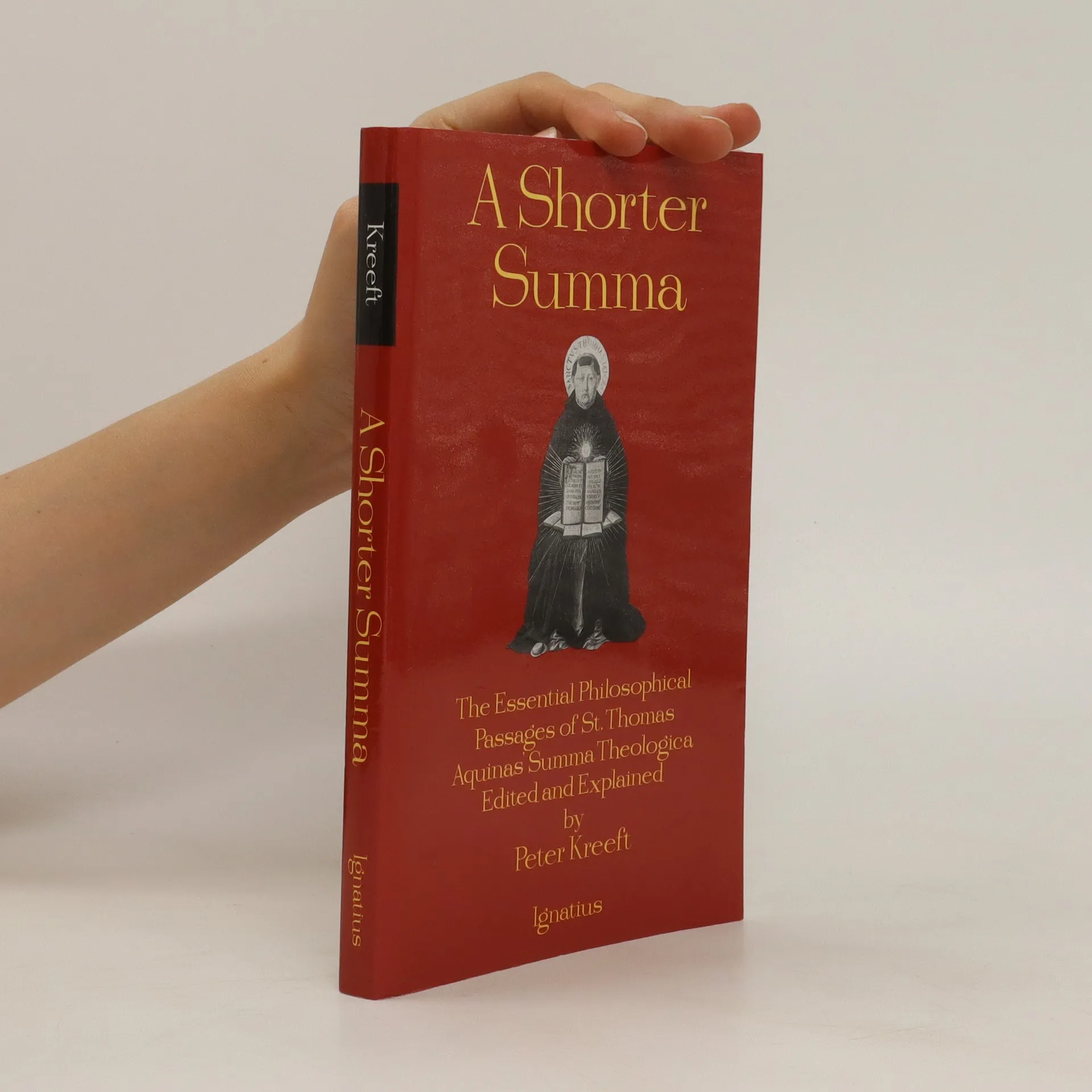
A shortened version of Kreeft's much larger Summa of the Summa, which in turn was a shortened version of the Summa Theologica. The reason for the double shortening is pretty obvious: the original runs some 4000 pages! (The Summa of the Summa was just over 500.) The Summa is certainly the greatest, most ambitious, most rational book of theology ever written. In it, there is also much philosophy, which is selected, excerpted, arranged, introduced, and explained in footnotes here by Kreeft, a popular Thomist teacher and writer. St. Thomas Aquinas is universally recognized as one of the greatest philosophers who ever lived. His writings combine the two fundamental ideals of philosophical writing: clarity and profundity. He is a master of metaphysics and technical terminology, yet so full of both theoretical and practical wisdom. He is the master of common sense. The Summa Theologica is timeless, but particularly important today because of his synthesis of faith and reason, revelation and philosophy, and the Biblical and the classical Greco-Roman heritages. This little book is designed for beginners, either for classroom use or individually. It contains the most famous and influential passages of St. Thomas' philosophy with copious aids to understanding them.
This volume is a significant contribution to the Cambridge Texts series, showcasing the works of Thomas Aquinas, a pivotal figure in medieval philosophy and theology. It offers readers access to Aquinas's profound insights and arguments, reflecting his influence on Western thought. The collection is essential for those interested in philosophy, theology, and the historical context of Aquinas's ideas, providing a comprehensive look at his contributions to these fields.
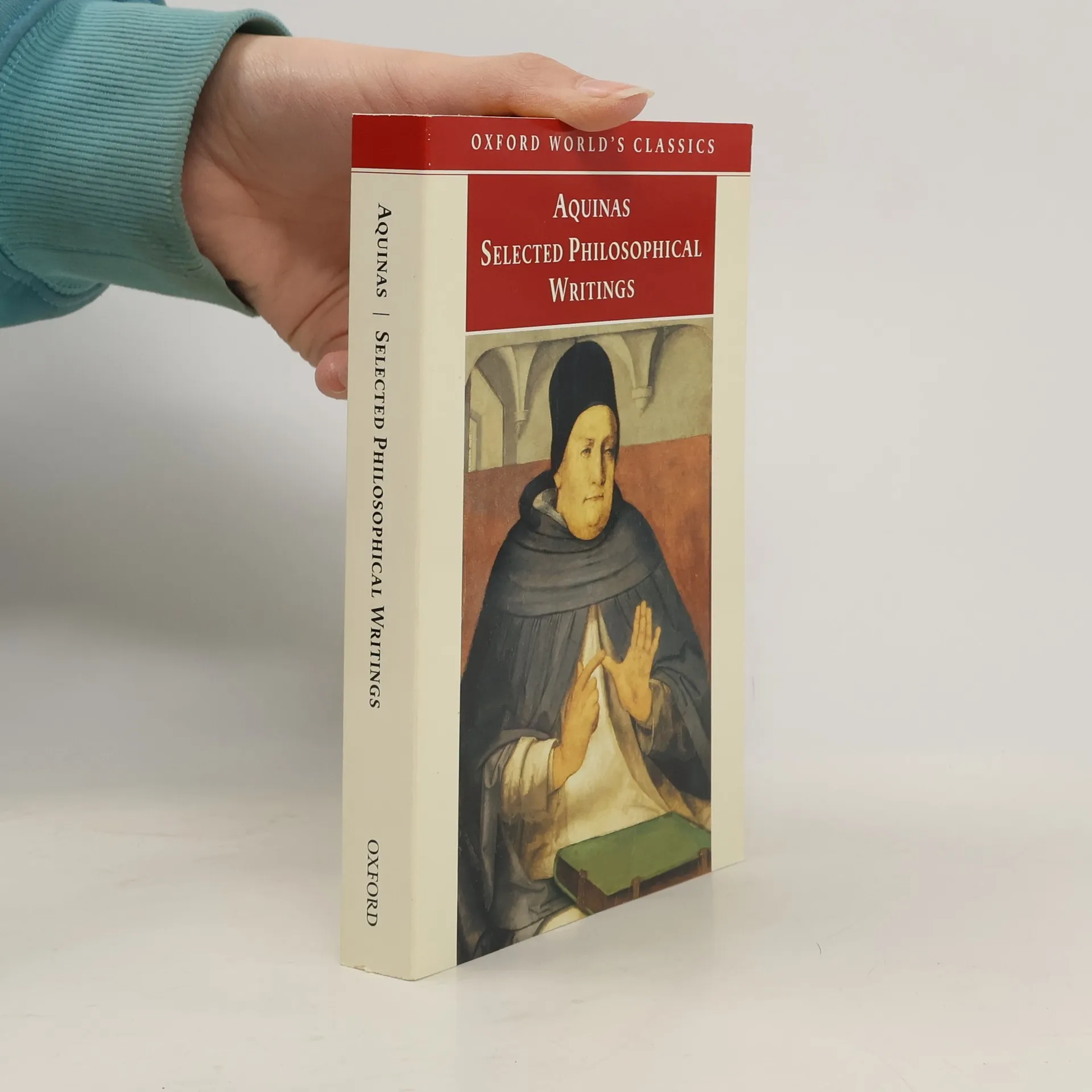
St. Thomas Aquinas (1225-1274) saw religion as part of the natural human propensity to worship. His ability to recognize the naturalness of this phenomenon and simultaneously to go beyond i - to explore, for example, spiritual revelation - makes his work as fresh and readable today as it was seven centuries ago.This accessible new translation offers thirty-eight substantial passages not only from the indispensable Summa Theologicae, but from many other works, fully illustrating the breadth and progression of Aquinas's philosophy. It is an ideal introduction to this key figure in the philosophy of religion.
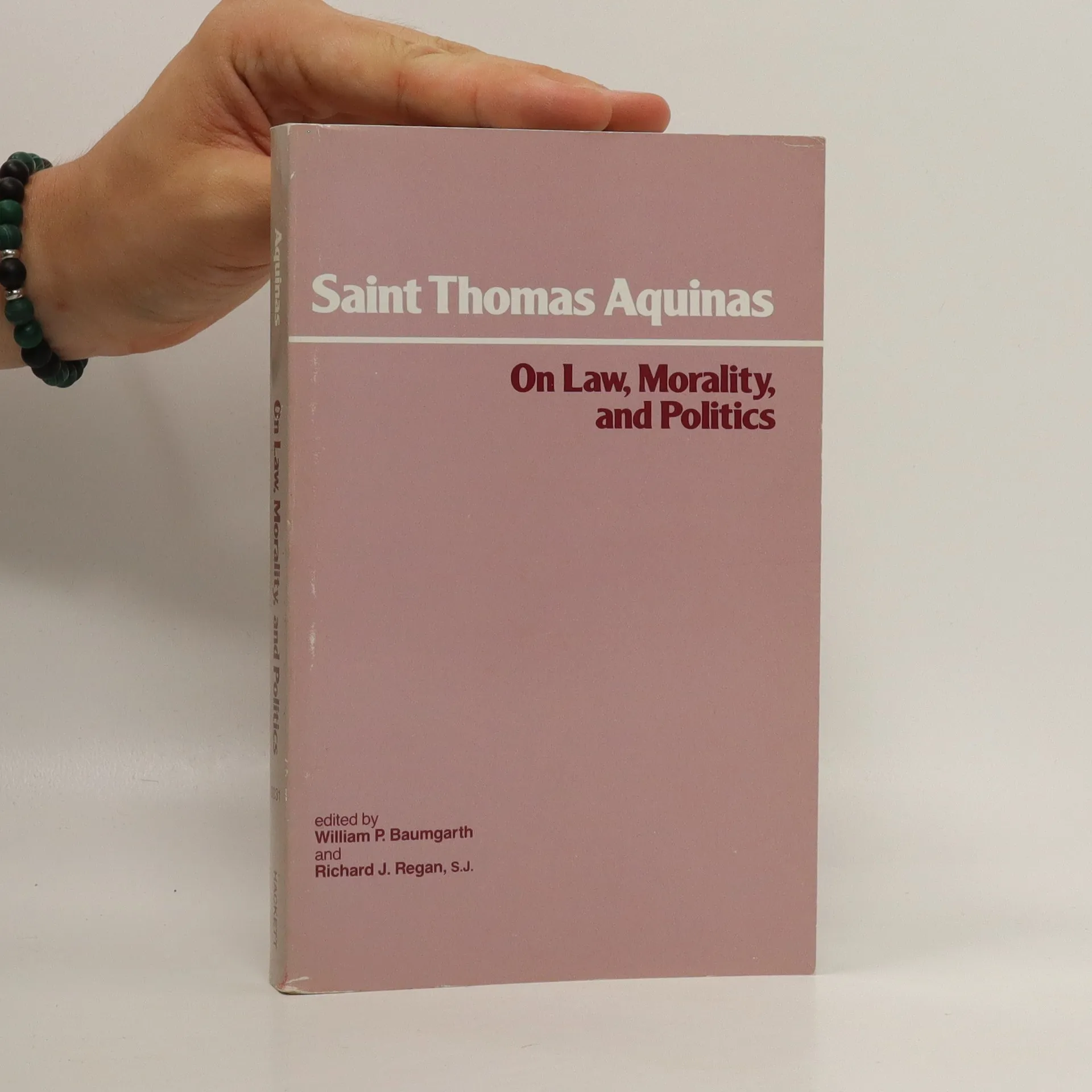
The selections not only include St. Thomas Aquinas’s views on government, law, war, property, and sexual ethics, but also provide the theological, epistemological, and psychological background for his political and ethical thought, including the Five Proofs on the existence of God and Aquinas’s theories of knowledge, the soul, the purpose of man, and the order of the universe. Throughout the book,footnotes explain technical terms and historical, biblical, and classical references."Backgrounds and Sources" follows the text, with selections from the writings of Aristotle, St. Augustine, and Dionysius the Areopagite."Interpretations" traces Aquinas’s influence on medieval thought, on Roman Catholicism during the Renaissance, on early modern political thought (Richard Hooker and Francisco Suarez), on nineteenth-and twentieth-century papal social thought, and on contemporary Christian Democratic political parties in Europe and Latin America.The volume concludes with "Contemporary Problems in Thomistic Ethics",which contains eight analyses of the influence of Aquinas's thought on modern debates on war, contraception, and abortion.A Selected Bibliography is included.
The second edition of Aquinas, On Law, Morality, and Politics retains the selection of texts presented in the first edition but offers them in new translations by Richard J. Regan--including that of his Aquinas, Treatise on Law (Hackett, 2000). A revised Introduction and glossary, an updated select bibliography, and the inclusion of summarizing headnotes for each of the units--Conscience, Law, Justice, Property, War and Killing, Obedience and Rebellion, and Practical Wisdom and Statecraft—further enhance its usefulness.
Presents reflections on Christianity that forges a synthesis of ancient philosophy and medieval theology. This title contains influential statements of fundamental Christian doctrine, as well as observations on topics such as political science, anti-Semitism and heresy.
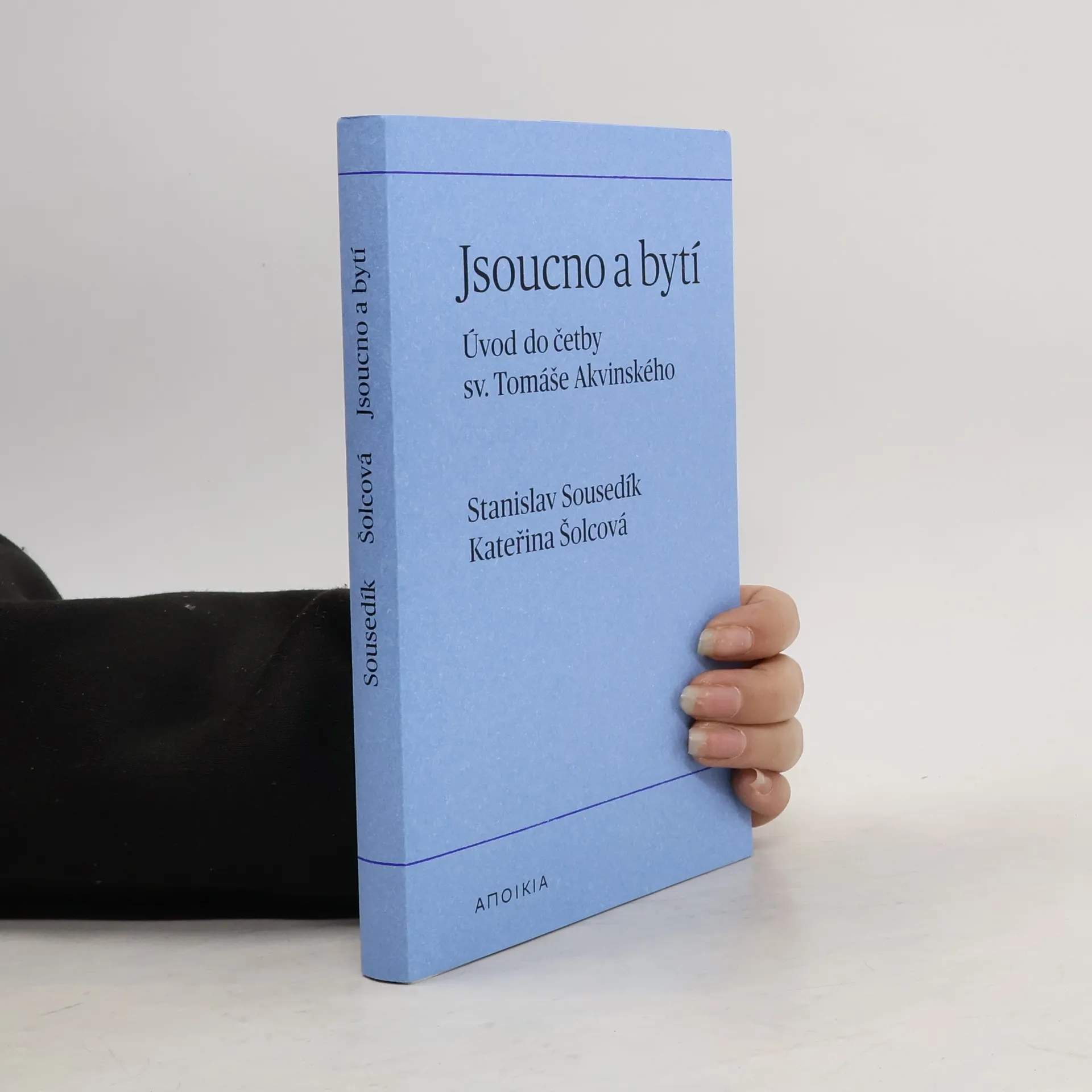
Jsoucno a bytí nabízí pedagogicky vstřícný úvod do myšlení a textů Tomáše Akvinského (1225–1274). Zájemce se zde seznámí s hlavními Tomášovými termíny a pojmy a pochopí základní myšlenkové postupy, na nichž je Tomášovo myšlení vybudováno. Součástí svazku je latinský originál i český překlad Tomášova pojednání O jsoucnu a esenci a antologie dalších ukázek.
Rozšířené a zrevidované vydání osvědčeného učebního textu, jehož první vydání z roku 1992 je dnes již dlouhodobě nedostupné, vychází vstříc výzvám k jeho zpřístupnění novým generacím zájemců.
2. rozšířené, doplněné a revidované vydání, 2025
Tato dvě opuscula patří mezi Tomášova kázání. Díky nim si můžeme představit Tomáše Akvinského nejen jako scholastického učence, ale především jako světce. Jeho cílem bylo vést posluchače ke svatosti, a tomu odpovídá jazyk a styl těchto kázání - konkrétní, určovaný denní zkušeností a úctou k Božímu slovu. Díky své hloubce a jasnosti k nám jeho homilie promlouvají i dnes.
Výběr otázek z Teologické Sumy. Další výběr textů z Teologické sumy (ST I, ot. 44-49) si všímá filosofických aspektů nauky o stvoření. Hlavními náměty jsou kauzalita, stvoření z ničeho, otázka počátku světa, téma rozmanitosti věcí v našem světě a otázka zla. Úvod a překlad Tomáš Machula.
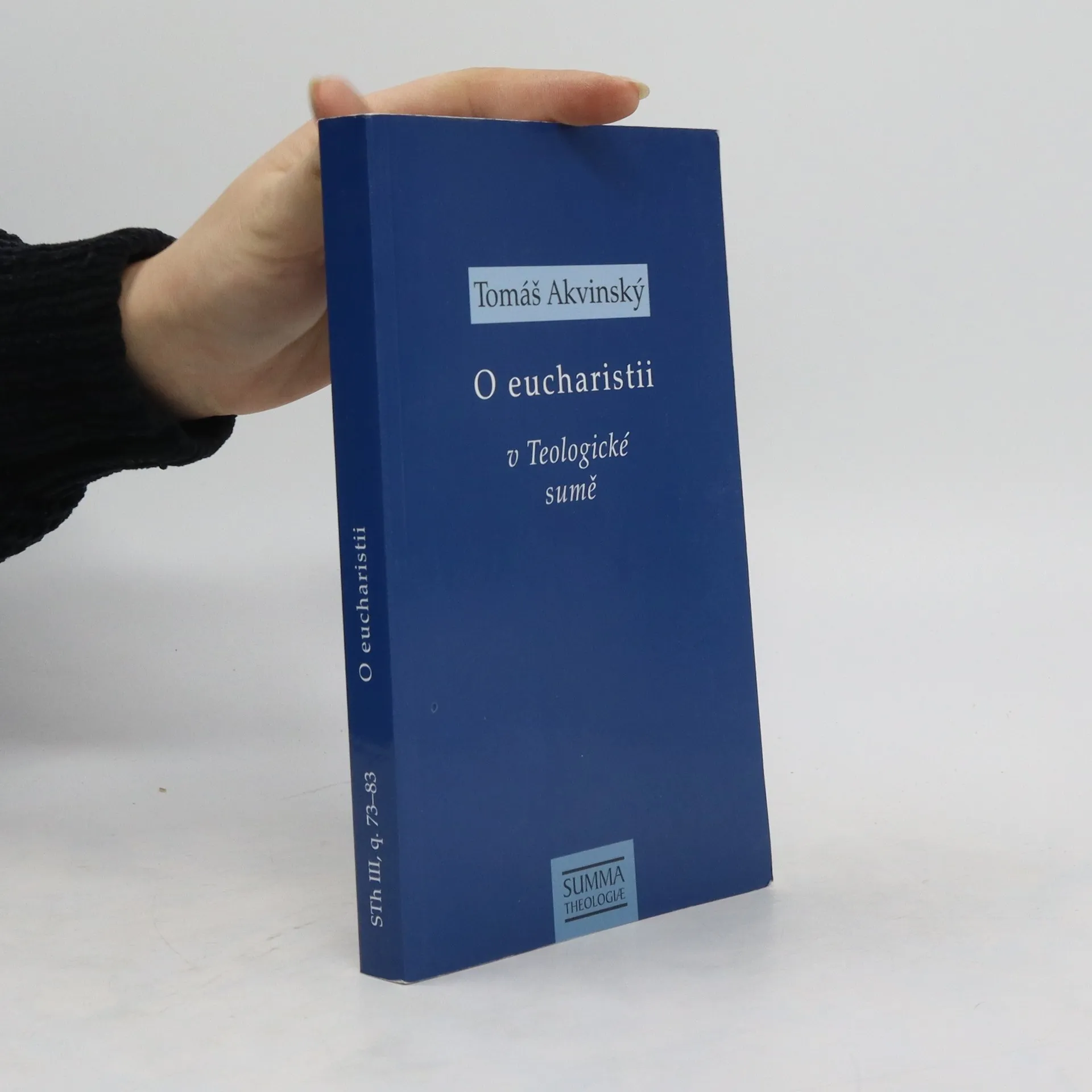
Traktát o svátosti eucharistie je posledním úplným traktátem Teologické sumy (STh III, q. 73–83). Tomáš ho s velkou pravděpodobností sepisoval na podzim roku 1273, krátce předtím než se po hluboké duchovní zkušenosti, jíž se mu dostalo právě při slavení eucharistie, definitivně odmlčel. Lze ho tak pokládat za jakousi Tomášovu teologickou a duchovní závěť. Tomáš se v něm nejprve zabývá eucharistií jakožto svátostí. Ptá se, jakým způsobem se obecný pojem svátosti vztahuje právě na eucharistii a jaká je její materie a forma. V této části probírá otázky týkající se svátostné proměny, způsobu, jímž je Kristus pod svátostnými způsobami přítomen, a akcidentů, totiž vnější podoby chleba a vína, u nichž při konsekraci k žádné zjevné změně nedochází. Dále pojednává o účincích eucharistie v řádu milosti, o těch, kdo eucharistii přijímají a kdo ji vysluhují, a nakonec rozebírá liturgické obřady, jimiž se eucharistie slaví.
Kommentar zu Aristoteles‘ Metaphysik. Deutsch – Lateinisch 10. Buch
Im 10. Buch der Metaphysik des Aristoteles steht das Eine im Mittelpunkt der Untersuchung. Thomas von Aquin kommentiert die Hauptbedeutungen des Einen, dessen Wesen als unteilbar und als Maß bestimmt wird und dessen Verhältnis zum Seienden untersucht wird. Die weitere Untersuchung befasst sich mit den Gegensätzen des Einen zum Vielen, des Identischen zum Verschiedenen, des Ähnlichen und Unähnlichen, sowie des Gleichen und Ungleichen. Die 4. Lektion hat den konträren Gegensatz zum Thema. In den folgenden Lektionen kommentiert Thomas verschiedene Aporien, die Aristoteles im 10. Buch diskutiert. Der Kommentar Thomas von Aquins zur Metaphysik gilt bis heute als einer der besten Kommentare zu dieser zentralen Schrift des Aristoteles.
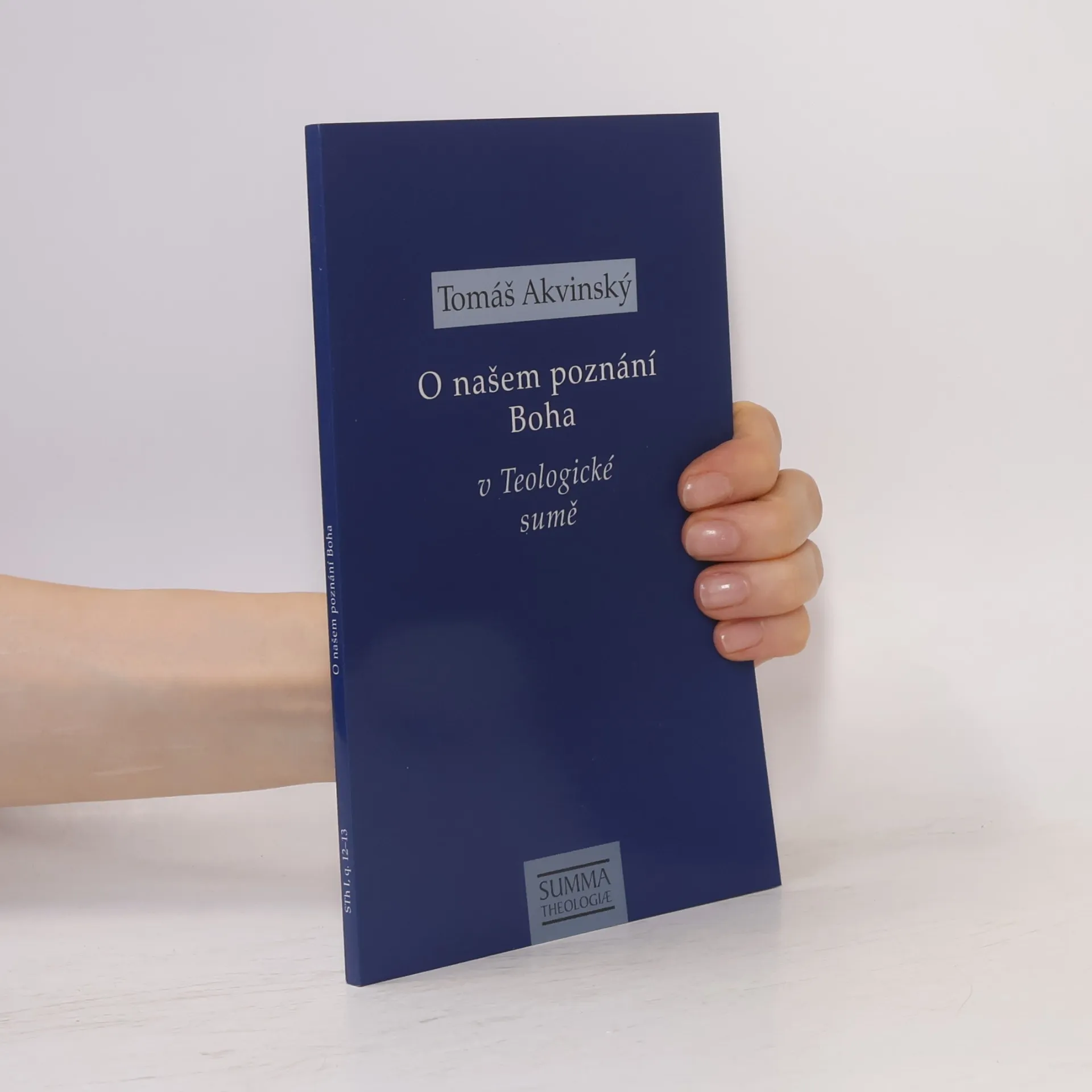
V První části Sumy, poté co Tomáš pojedná o teologii a důkazech Boží existence, věnuje svoji pozornost otázkám o Boží esenci. Z této části pocházejí i dvě otázky, jež tvoří obsah předkládaného svazku (STh I, q. 12–13). Tomáš se v nich zamýšlí nad problematikou lidského poznání Boha a výpovědí o Bohu. Nejprve se ptá, zda je možné přirozenými silami poznat Boží esenci, tedy Boha takového, jaký je, a zda je možné jeho esenci celou plně nahlédnout. Dále se zabývá možnostmi slovního vyjádření našeho poznání Boha, zkoumá, jakým způsobem lze hovořit o Bohu, abychom tuto realitu při vší její komplikovanosti pojmenovali co nejpřesněji.
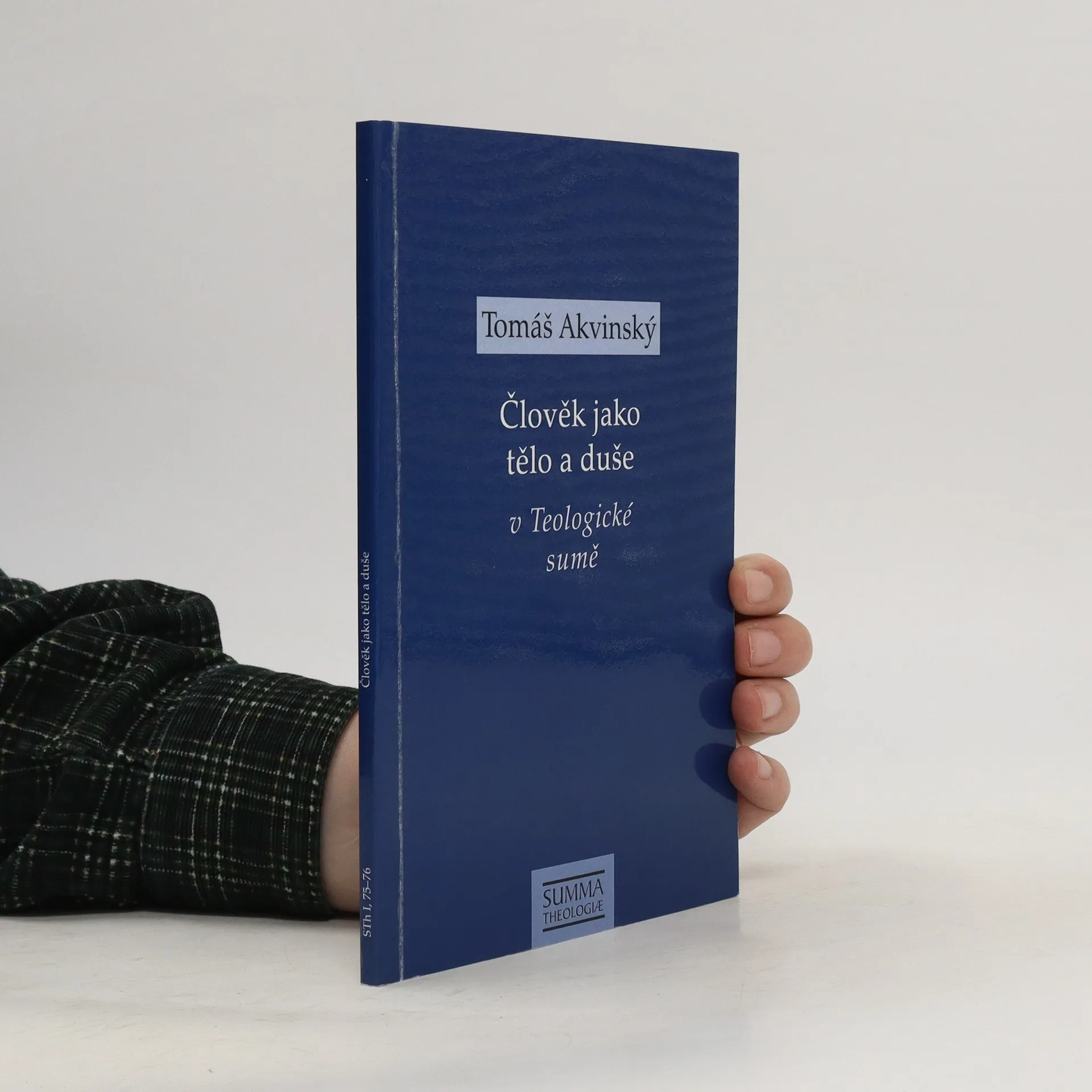
Pojednání křesťanského teologa 13. století o problematice duše a těla a jejich vztahu. Výběr ze Sumy teologické. Komentovaný překlad. V úvodu studie o Tomášově pojetí duše.
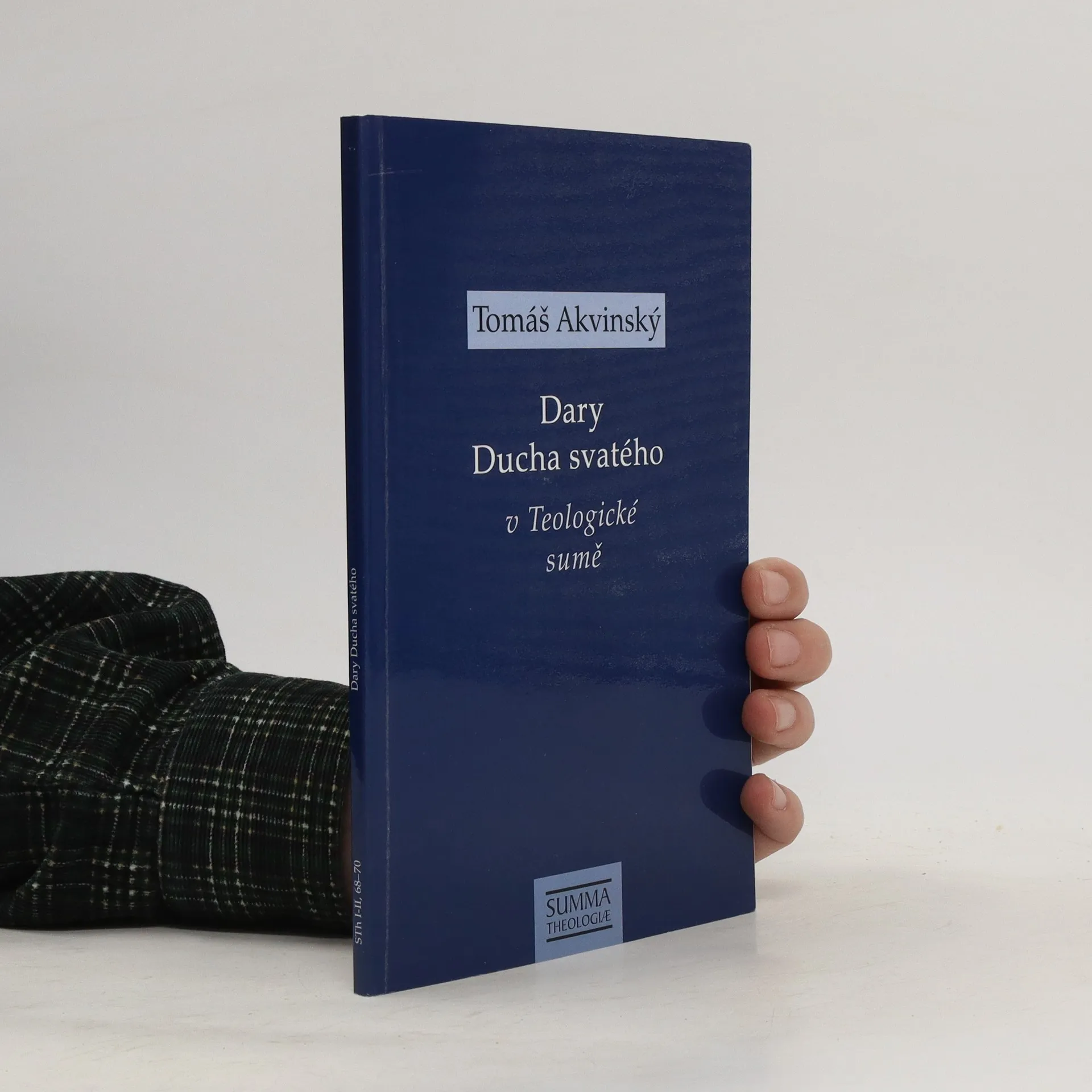
Jak lze dobře vidět, Tomáš nepostupuje přísně od přirozené etiky k nadpřirozené morální teologii. I když obě perspektivy rozlišuje, tak se u něj v jistém smyslu prolínají. Přirozeně získané ctnosti a nadpřirozeně vlité Boží dary mají sice jiný původ, ale týkají se stejného člověka, který je povolán k následování dobra nejen na rovině přirozené, ale i k otevřenosti vůči nadpřirozené pomoci shůry. Trojice kvestií, které se tento svazek věnuje, není ovšem pouze jakousi kolekcí tří nesouvisejících témat, které se jakoby nedopatřením ocitly mezi traktátem o ctnostech a traktátem o hříchu. Dary Ducha svatého jsou habity, takže navazují na pojednání o ctnostech jako jakýsi úvod do tématiky nadpřirozených habitů, která bude pak dále rozvinutá v pojednání o ctnostech teologických. Na dary pak navazují blahoslavenství a plody Ducha, které už nepatří mezi habity, ale spíše mezi úkony. V tomto případě jde o lidské úkony vycházející z působení Ducha svatého v duši člověka. ... (Z úvodní studie)
Výběr otázek z Teologické sumy.
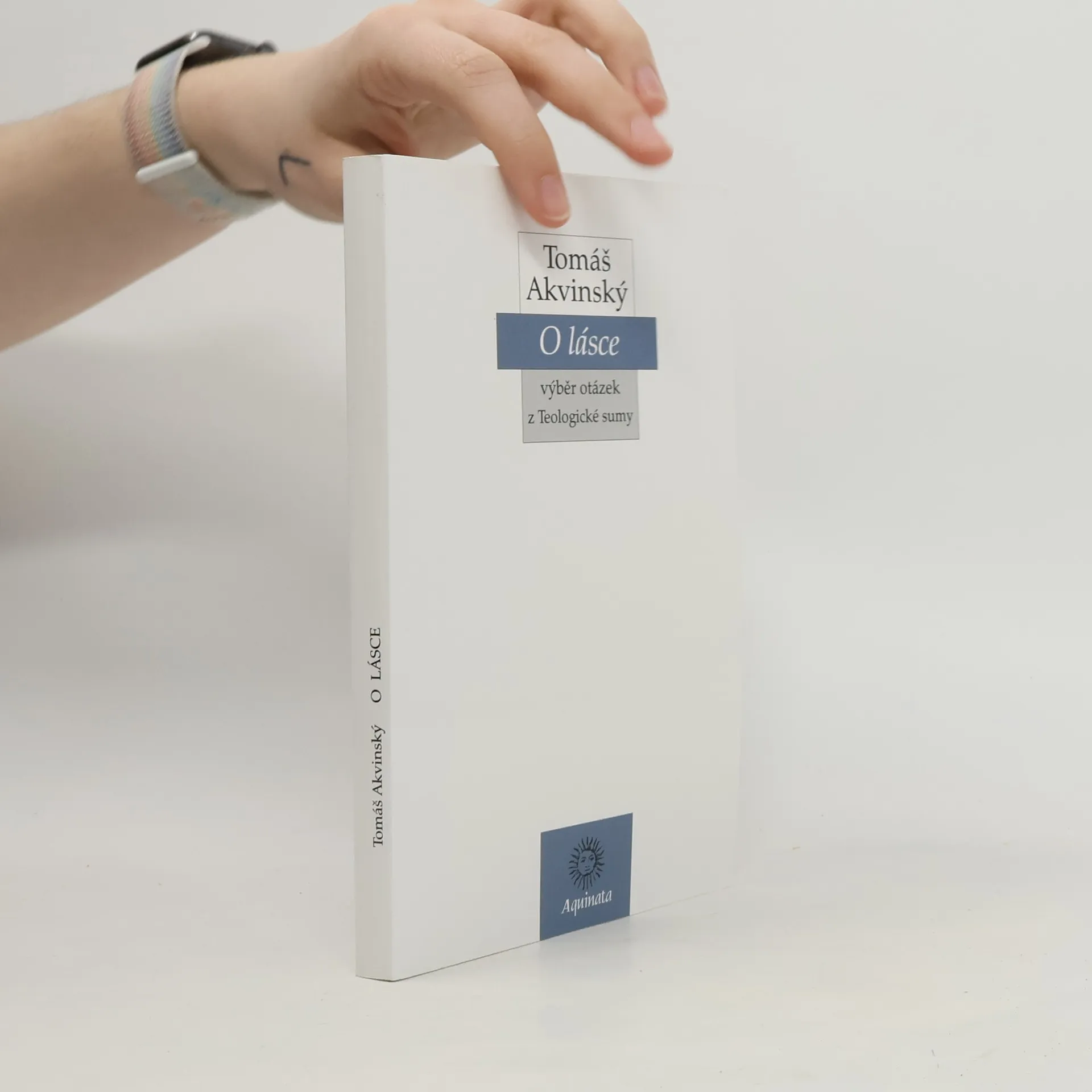
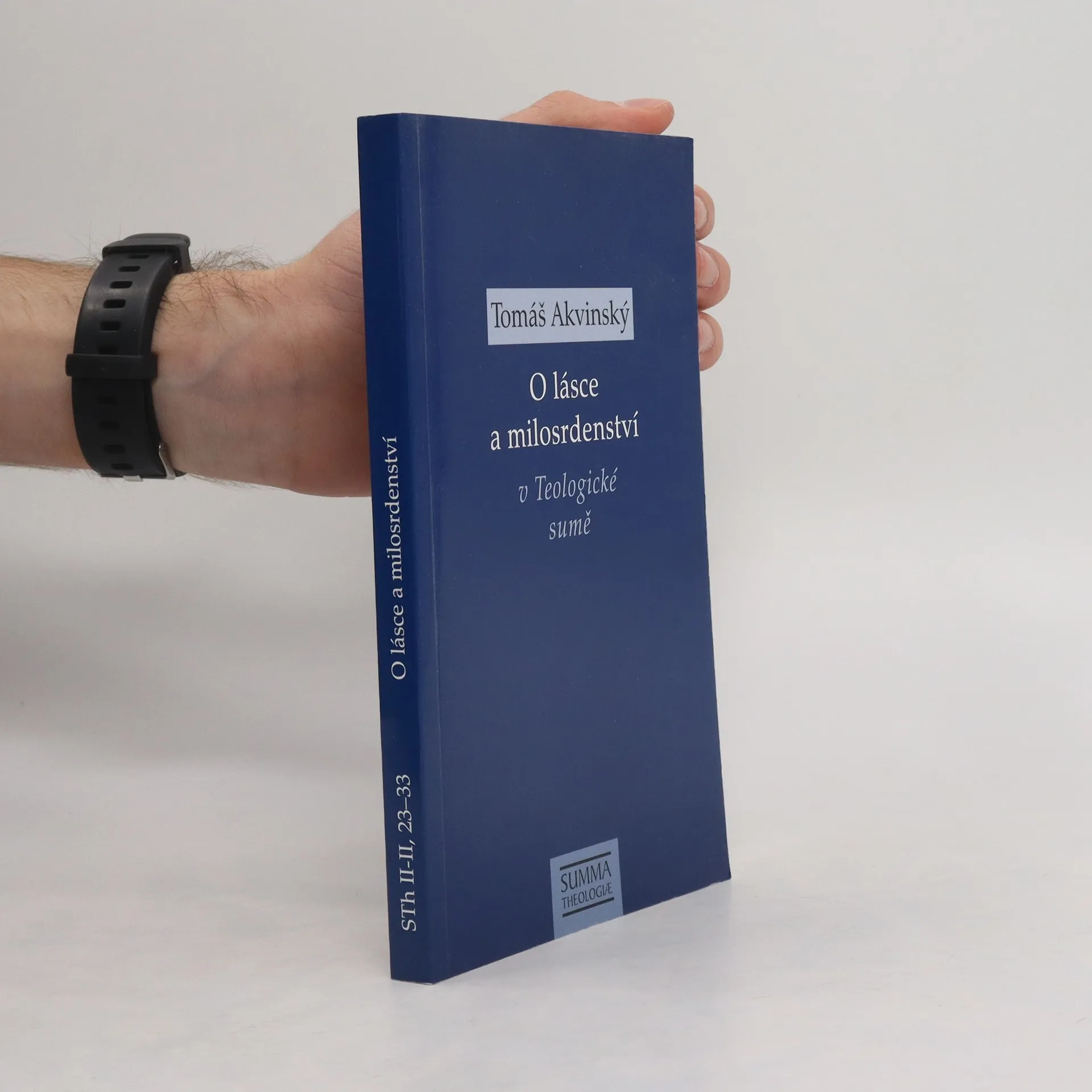
Slovo láska je velice mnohoznačné. Existuje mnoho druhů a způsobů lásky a také veliké množství pokusů lásku vysvětlit. Zcela jiný pohled se otevírá, když lásku nechápeme jen jako dílčí projev člověka, ale jako hlubokou zkušenost, zasahující celého člověka, v níž dáváme druhému všechno, co máme, i všechno, co jsme. Do takové lásky nás uvádí teorie lásky Tomáše Akvinského. Autor poznal lásku v celé její hloubce i v jejích nejvyšších podobách. Ale svou existenciální zkušenost vyjadřuje jazykem, který je nezvyklý a někdy nesnadný. Jeho výklad je podivuhodně objektivní a vyznačuje se přesností rozlišování, která nám dnes často chybí. Ale kdo pod hlínou a kamením Tomášova filosofického jazyka objeví živý pramen a jiskřivé světlo lásky, jistě dá zapravdu význačnému polskému filosofovi Stefanu Swieźawskému, podle něhož málokdo psal tak mnoho a tak hluboce na téma lásky jako Tomáš Akvinský.
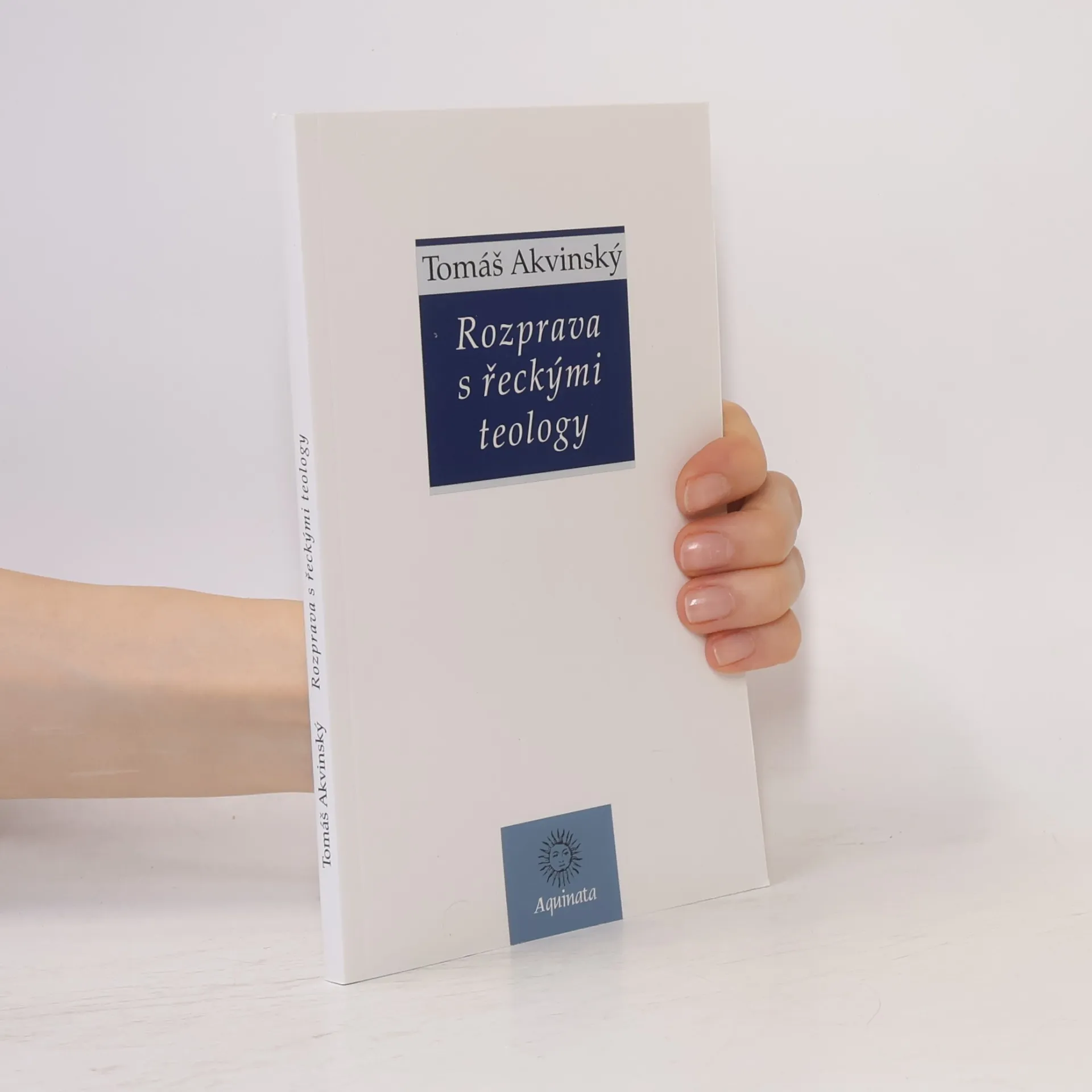
Rozbor některých teologických otázek, které se nacházehjí v dobovém shrnutí nauky řeckých církevních otců. Přestože řada citátů řeckých otců je nepřesných a nelze je dnes dohledat jako reálné citáty známých děl, představuje Tomášův spis svébytné dílo, které reaguje hlavně na některé otázky trinitární teologie, christologie a eklesiologie.
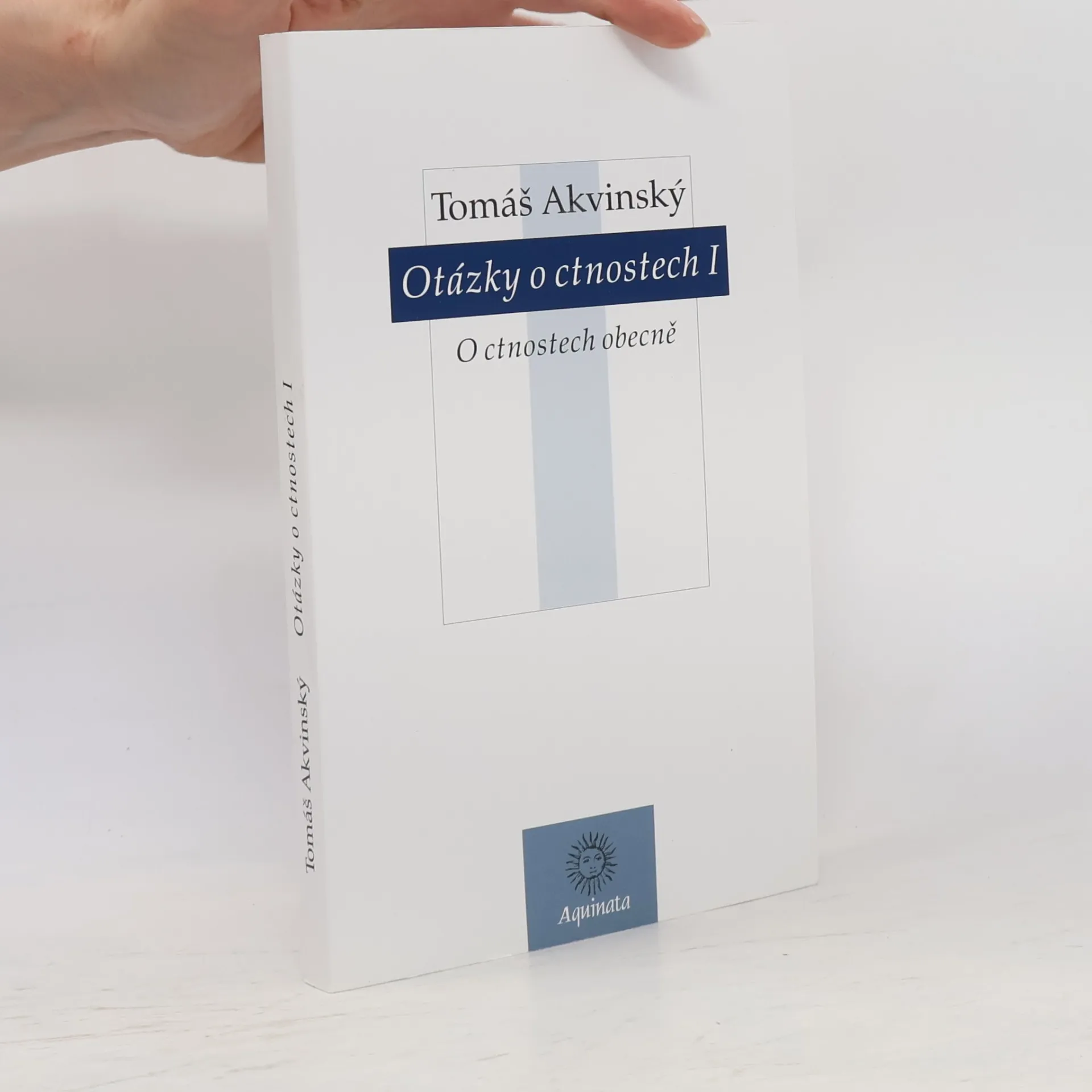
O ctnostech obecně. /
Jednou z nejpropracovanějších oblastí filosofie a teologie Tomáše Akvinského je bezpochyby etika. Po Aristotelově vzoru Tomáš rozvíjí „vědu o dobrém životě“ na základě ctností. Etika pro něj tedy neznamená pouze probírání zákonů nebo teorií. Je to plně praktická disciplína, která má vést člověka k reálné změně k lepšímu.
K nejvýznamnějším Tomášovým spisům o etice patří – kromě komentáře k Aristotelově etice a rozsáhlé střední části Teologické sumy – komplex pěti diskutovaných otázek o ctnostech, Quaestiones disputatae de virtutibus. První otázka se zabývá ctnostmi obecně, tedy tím, co jsou a kam patří v celku lidských potencí a schopností. Tuto otázku předkládá svazek, který právě držíte v rukou. Druhý díl, jehož vydání se připravuje, bude obsahovat pojednání o kardinálních ctnostech (5. otázka QD), třetí pak o teologických ctnostech lásky a naděje (2. a 4. otázka) a o přikázání bratrského napomenutí (3. otázka).
Čtyřicet krátkých meditací nad myšlenkami z díla Tomáše Akvinského. Kniha ukazuje, jak je možné porozumět i nesnadným autorům a pochopit, proč jsou tak známí… V anketě Katolického týdeníku označil tento titul za knihu roku 2005 biskup Dominik Duka.
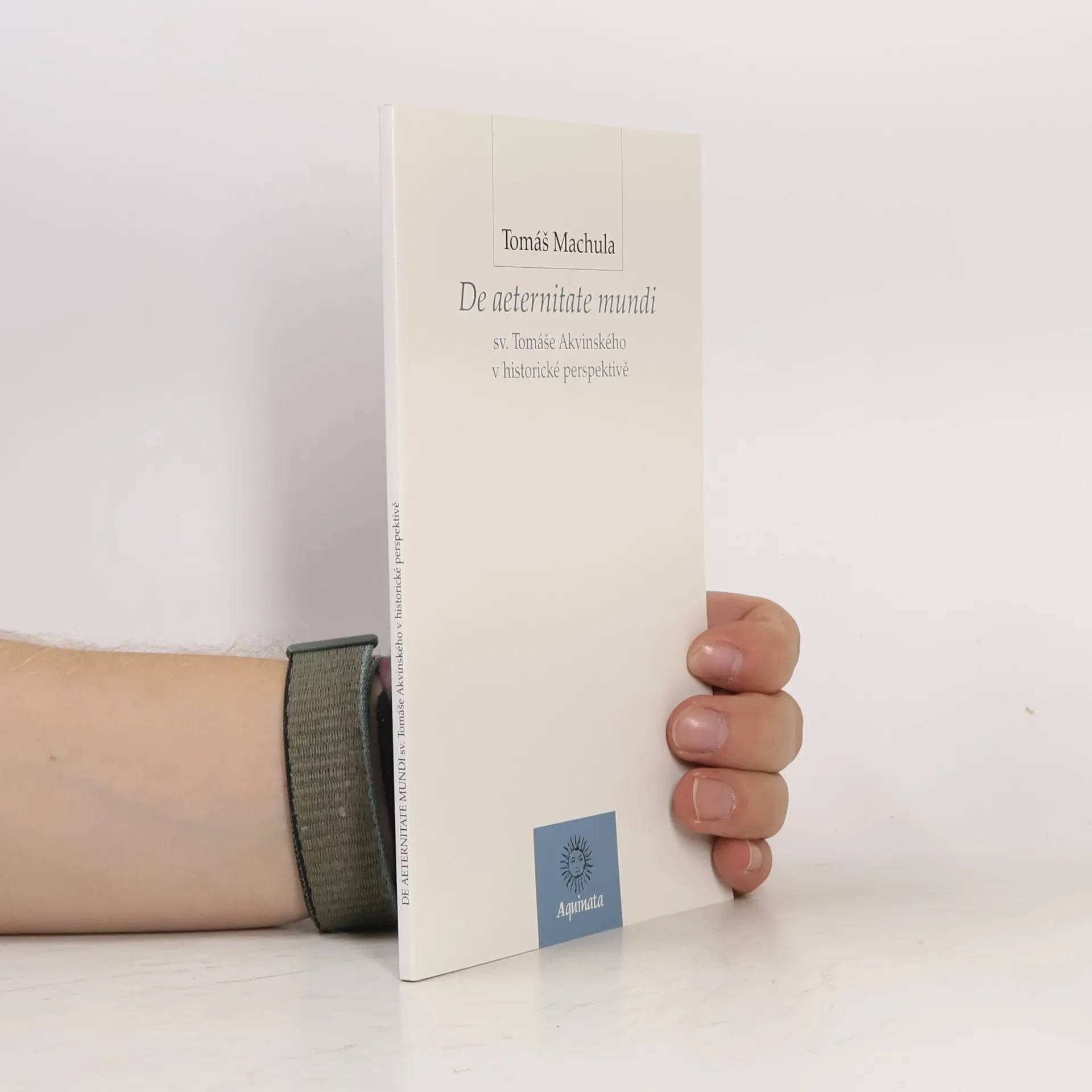
Esej Tomáše Machuly neřeší primárně problém věčnosti světa, ale na tomto příkladě ukazuje způsob myšlení a argumentace sv. Tomáše, zařazuje ho do kontextu předcházejících i následných myšlenkových směrů a ukazuje na moderní perspektivy řešení této otázky. Esej je doplněna překladem Tomášova dílka De aeternitate mundi.
V roce zasvěceném Božímu milosrdenství bychom se měli také ptát po našem lidském milosrdenství, vždyť i my máme být milosrdní, jako je milosrdný náš nebeský Otec. Přestože se láska (a milosrdenství jako její účinek) často chápe jako protiklad rozumu, svatý Tomáš ukazuje, že je tomu právě naopak – láska je vrcholným projevem rozumové přirozenosti.
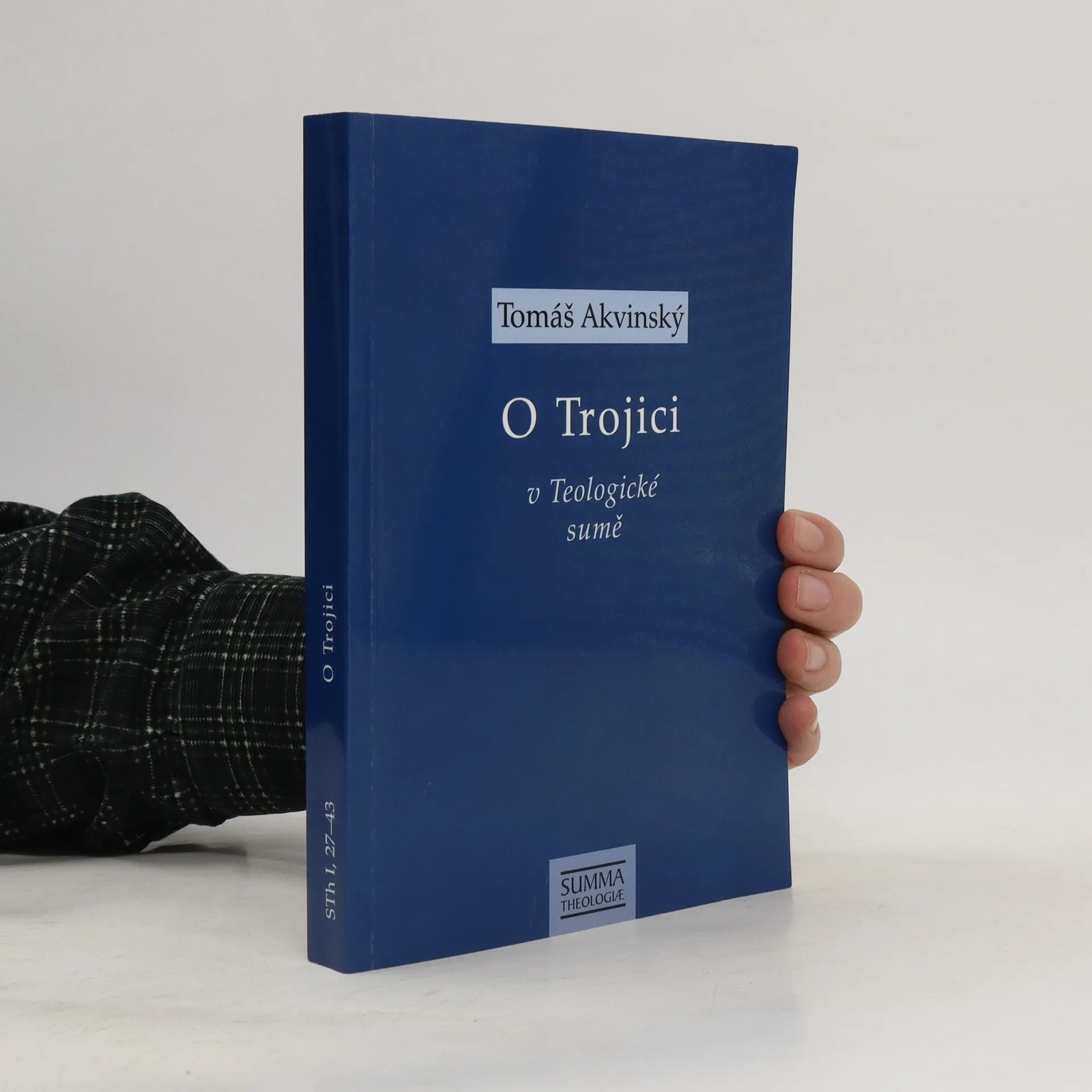
Co nám kromě intelektuálního dobrodružství může poskytnout studium Tomášova traktátu o Trojici (STh I, q. 27–43)? Asi stěží zpochybíme, že Tomášovy úvahy jsou důležitou součástí dějin teologie a filosofie a že hrají důležitou úlohu v intelektuálním souboji, který tak či onak ovlivnil politické dějiny západní civilizace. Vždyť tak jako je náš svět svým způsobem obrazem trojjediného Boha, jsou politické události, alespoň do určité míry, odrazem diskusí o tomto Bohu. Poněkud problematičtější je otázka, zda může Tomášův traktát o Trojici inspirovat, či dokonce spoluurčovat povahu dnešních filosofických či teologických debat. Jako plod vysoce spekulativního myšlení se zdál být navždy odsouzen do starého teologického harampádí. Nyní však tyto „nepraktické“ úvahy znovu ožívají: neboť jak jinak můžeme být „připraveni obhájit se před každým, kdo se nás ptá po důvodech naší naděje“ (1 Petr 3, 15)? Jak jinak se budeme hájit, když nás stoupenec judaismu či islámu obviní z polyteismu? Jak jinak budeme odstraňovat racionální překážky, které druhým a mnohdy i nám samotným překáží v přijetí víry?
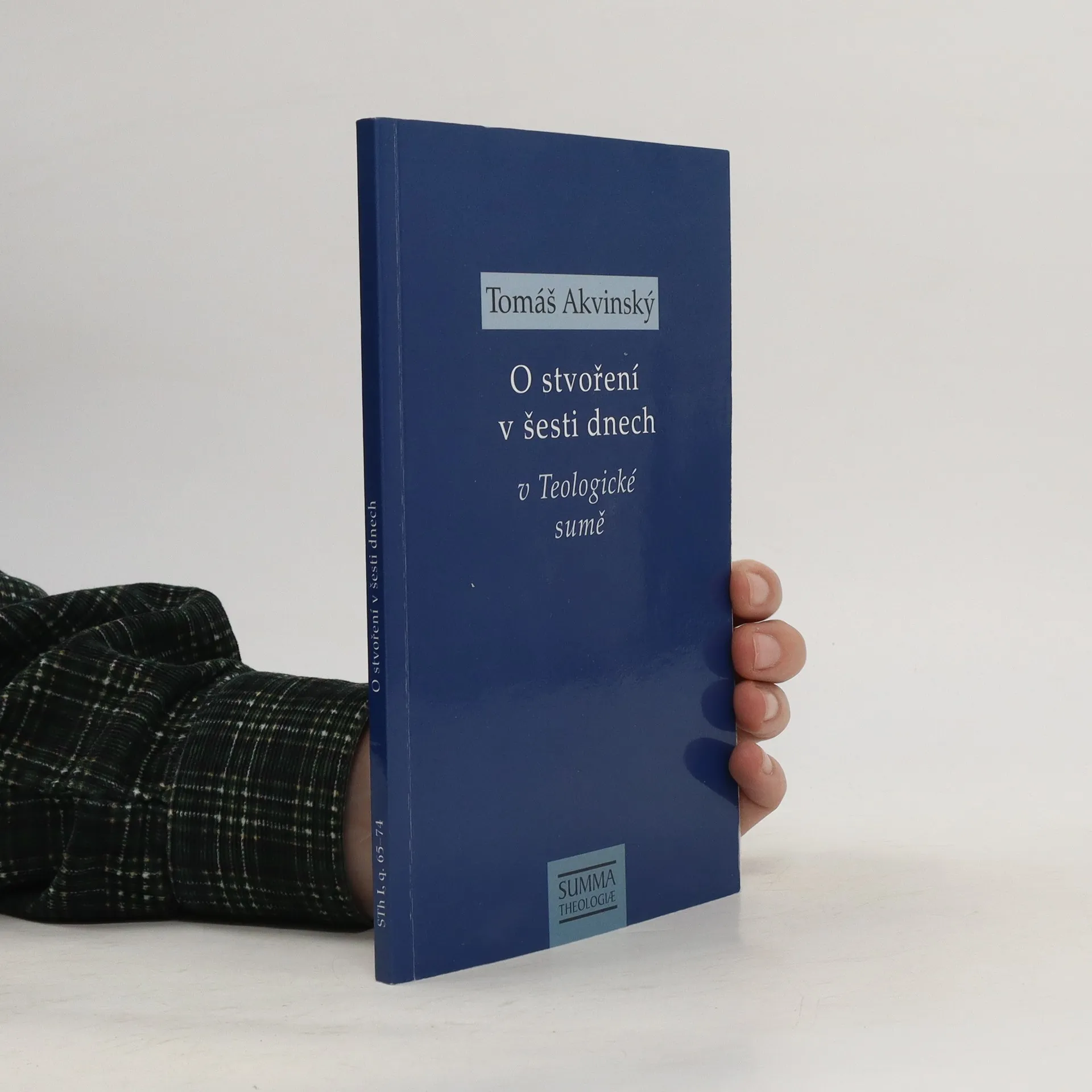
Tomášův traktát o hexaemeronu (STh I, q. 65–74), tedy o šesti dnech stvoření, jak jsou popsány na začátku Bible, představuje jakési teologické rozvinutí kratšího a spíše filosoficky laděného traktátu o stvoření obecně, který je zařazen v otázkách 44–49. Téma stvoření Tomáš rozděluje na tři základní fáze. První je dílo stvoření, které představuje uvedení světa do existence Bohem bez jakéhokoli předpokladu (ex nihilo). Zasahuje část prvního dne. Druhé je dílo oddělení, které začíná ještě v prvním dni a trvá do konce dne třetího. Jde o oddělení světla od temnoty, vody na zemi od vody na obloze a na zemi pak oddělení vod od souše. Třetím je dílo ozdobení zahrnující čtvrtý, pátý a šestý den. Představuje jakési vybavení země tím, co se hýbe a co ji v tomto ohledu obohacuje. Jsou to nebeská světla, především Slunce a Měsíc, mořští živočichové, ptáci a živočichové pozemští, z nichž vyniká člověk. O stvoření člověka toho ale Tomáš v tomto traktátu příliš neříká. Věnuje mu totiž samostatný traktát v STh I, q. 90–102.
Překlad, úvodní studie a poznámky Tomáš Machula.
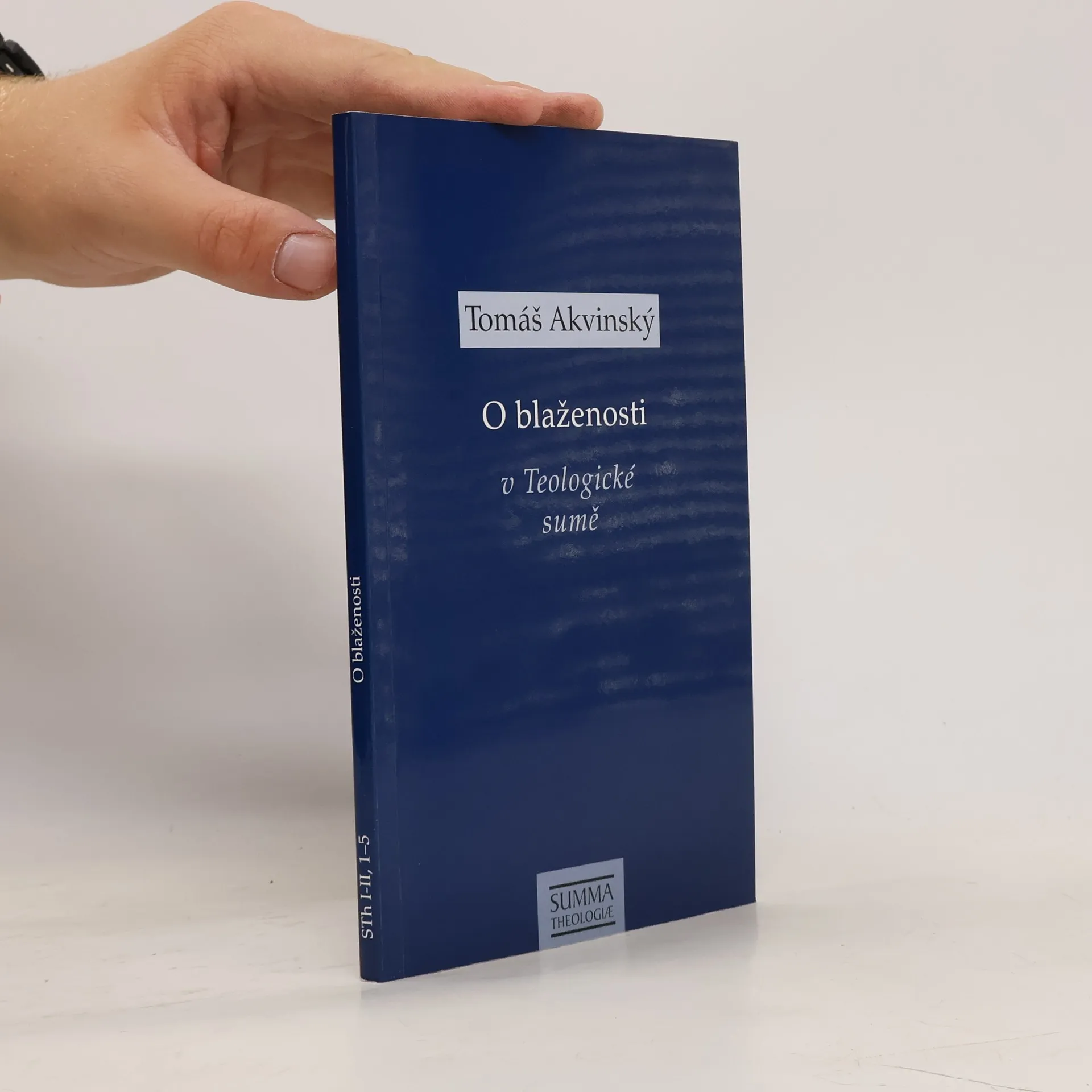
Další díl Teologické sumy (ST I-II, q. 1-5) se zabývá posledním cílem člověka, který je zároveň principem lidského jednání, alespoň toho mravně dobrého. Tomáš souhlasí s Aristotelem, když říká, že posledním cílem člověka je blaženost. Její křesťanské vymezení se však od čistě filosofického podstatně liší. Překlad a úvodní studie Tomáš Machula.
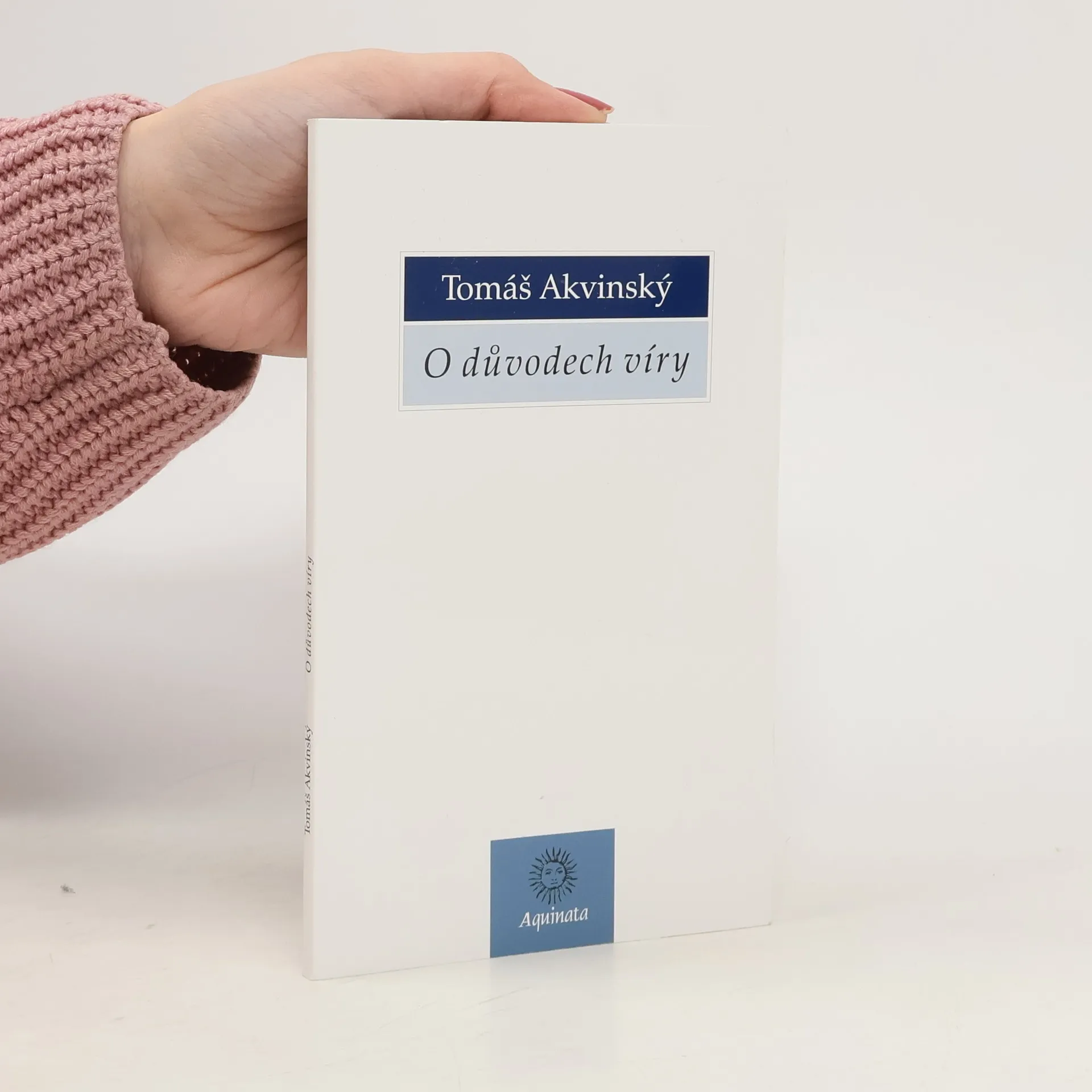
Dnešní pokusy o křesťansko-islámský dialog nejsou ničím novým a nebyly nové ani v době svatého Tomáše Akvinského. Nový byl však způsob, jakým se nyní snažilo křesťanství s islámem vypořádat. Zatímco zpočátku byl islám považován za křesťanskou herezi a kontroverze s ním měly čistě polemický ráz, na počátku 13. století se začínají objevovat pokusy - především zásluhou františkánů a dominikánů - o šíření misie mezi muslimy v Orientu a v Evropě. Zatímco františkáni se orientují na praktickou pastorační činnost (být příkladem a vyzývat k obrácení), dominikáni se snaží o intelektuální konfrontaci s islámem. K těmto pokusům patří i Tomášovo pojednání O důvodech víry (De rationibus fidei), obsahově velmi podobné Sumě proti pohanům. I zde se Tomáš snaží představit křesťanskou víru tak, aby jeho argumentace byla srozumitelná rovněž pro nevěřící.
Anotace
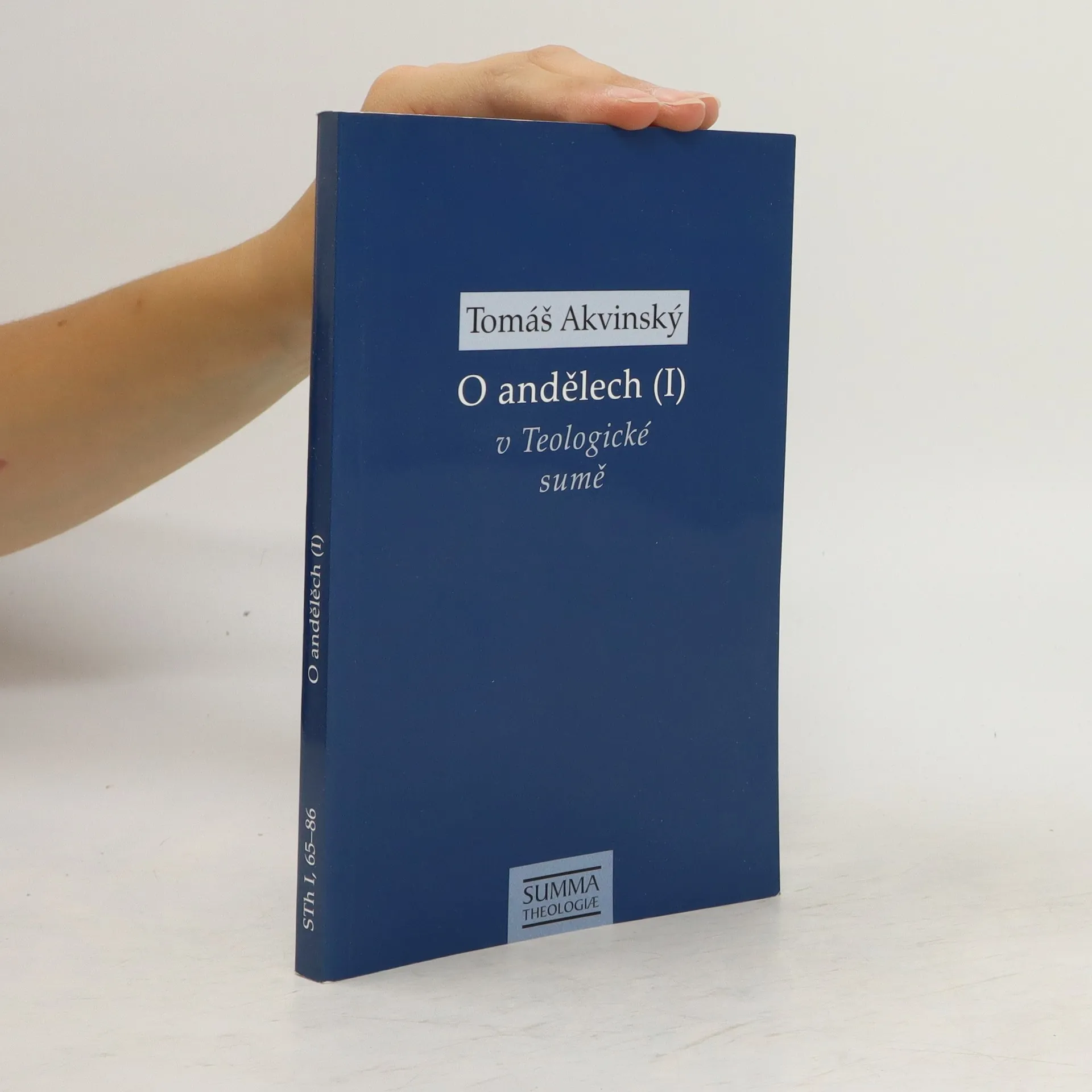
Tomáš Akvinský byl nazýván doctor angelicus (andělský učitel) nejen pro svou trpělivost, ale především pro velkou pozornost, kterou věnoval tématu andělů.
V první části Teologické sumy najdeme ve dvou rozsáhlých traktátech celou řadu zajímavých otázek a odpovědí jak filosofického, tak teologického rázu. Bohužel je dnes téma andělů v křesťanské teologii poněkud opomíjeno, a je pravidlem, že jakmile se přestane kultivovat víra, bují pověra. Promýšlení andělů jakožto nemateriálních, myslících a svobodných tvorů nám může sloužit jako určitý myšlenkový experiment, v jehož rámci lze řešit celou řadu otázek vztahujících se k člověku, jeho poznání, mravní hodnotě jednání a podobně.
Komentovaný překlad jednoho z nejvýznamnějších středověkých děl o andělech může všem zájemcům o toto téma přinést celou řadu podnětů.
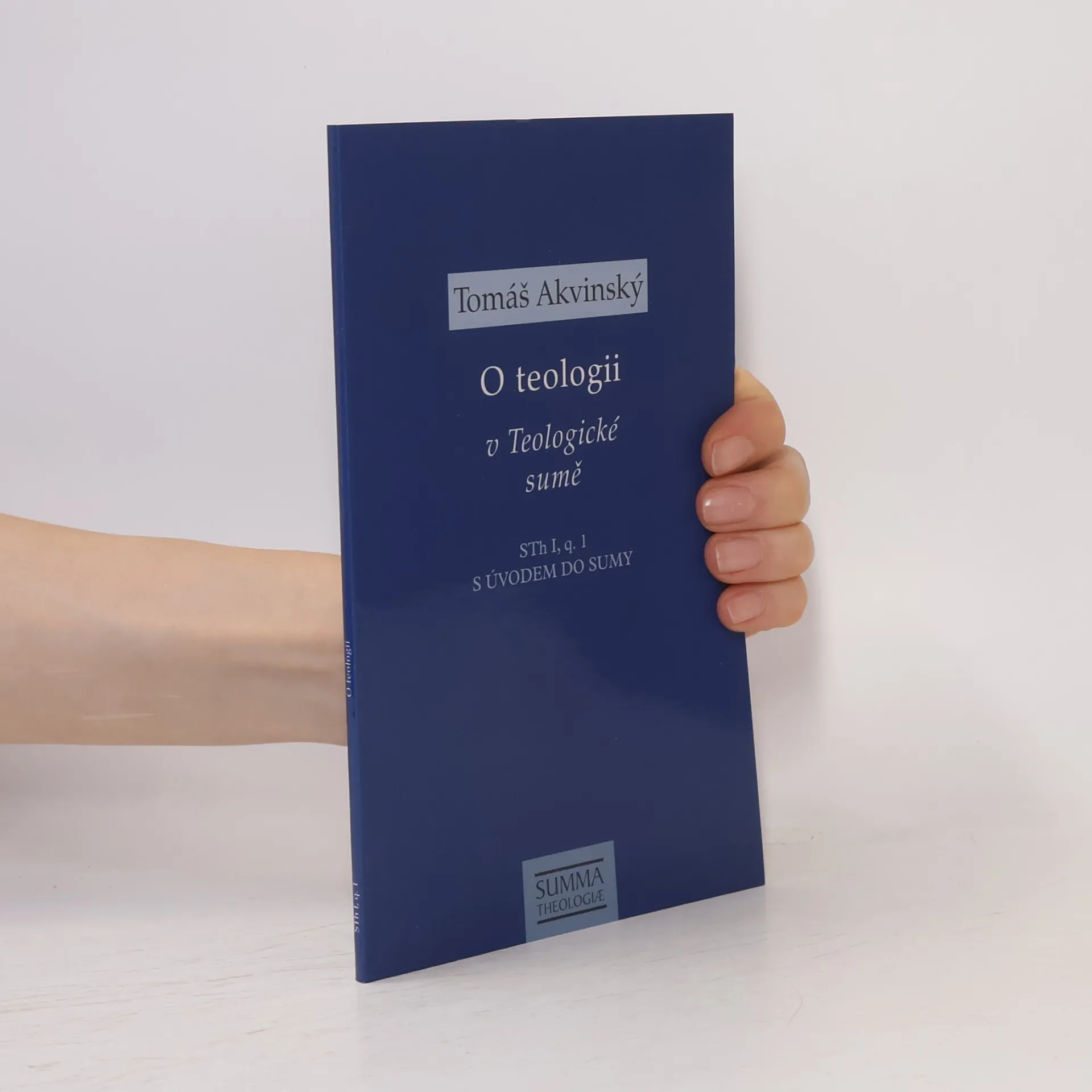
V tomto svazku přinášíme první otázku Teologické sumy (STh I, q. 1), v níž se Tomáš zaměřuje na samotnou teologii, tedy na disciplínu, která je pro Teologickou sumu stěžejní. Tomáš ji nazývá posvátnou naukou, neboť slovo teologie se v jeho době obvykle používalo pro metafyziku. Největší část otázky zaujímají články spojené s konceptem teologie jako vědy a moudrosti. Dále Tomáš pojednává o jazyku teologie a roli Písma svatého v teologickém bádání. Úvodní studie obsahuje kromě pojednání o hlavních tématech první otázky také obsáhlý úvod do historie a struktury celé Teologické sumy.
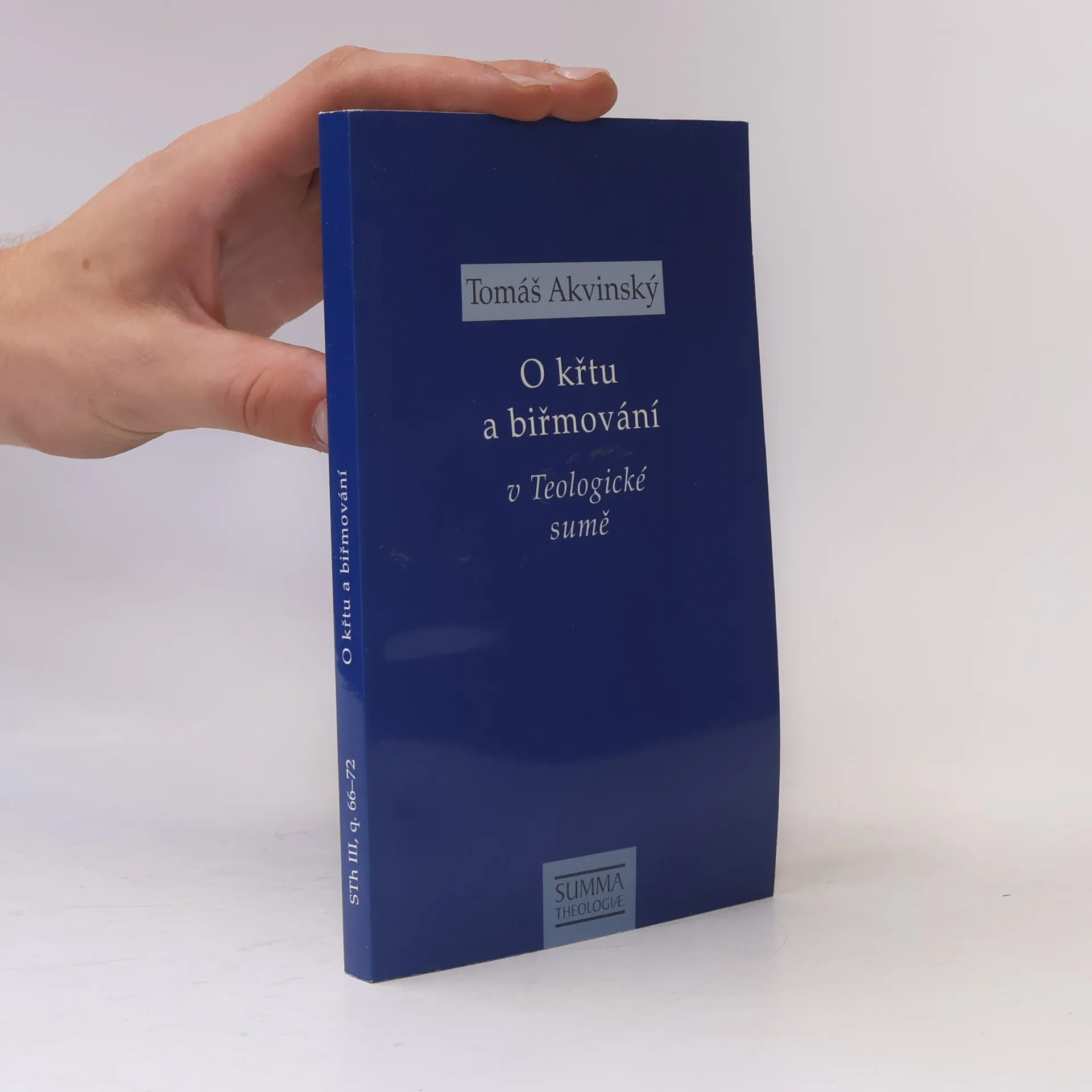
Tento svazek přináší první dva traktáty o jednotlivých svátostech - o křtu a biřmování (STh III, q. 66-72). Traktát o křtu je rozdělen na dvě hlavní části, na pojednání o samotném křtu a o přípravách na křest. V první části Tomáš probírá skladbu svátostného znamení (q. 66), dále pojednává o udělovateli (q. 67) a příjemci (q. 68) a nakonec se zaměřuje na účinky svátosti (q. 69). V části věnované přípravám na křest se Tomáš nejprve zabývá obdobím starozákonní praxe obřízky od Abraháma až ke Kristu (q. 70) a poté se zaměřuje na přípravy, které probíhají zároveň se křtem, totiž na novozákonní prvky katechismus a exorcismus (q. 71). Následující traktát o biřmování je soustředěn do jediné otázky o dvanácti článcích (q. 72). Tomáš zde zkoumá, jak se pojem svátosti uplatňuje na biřmování, dále rozebírá svátostné znamení a účinky svátosti, biřmovací charakter a svátostnou milost, pojednává o příjemci a udělovateli svátosti a o roli kmotra. V posledním článku pak komentuje liturgický obřad svátosti.
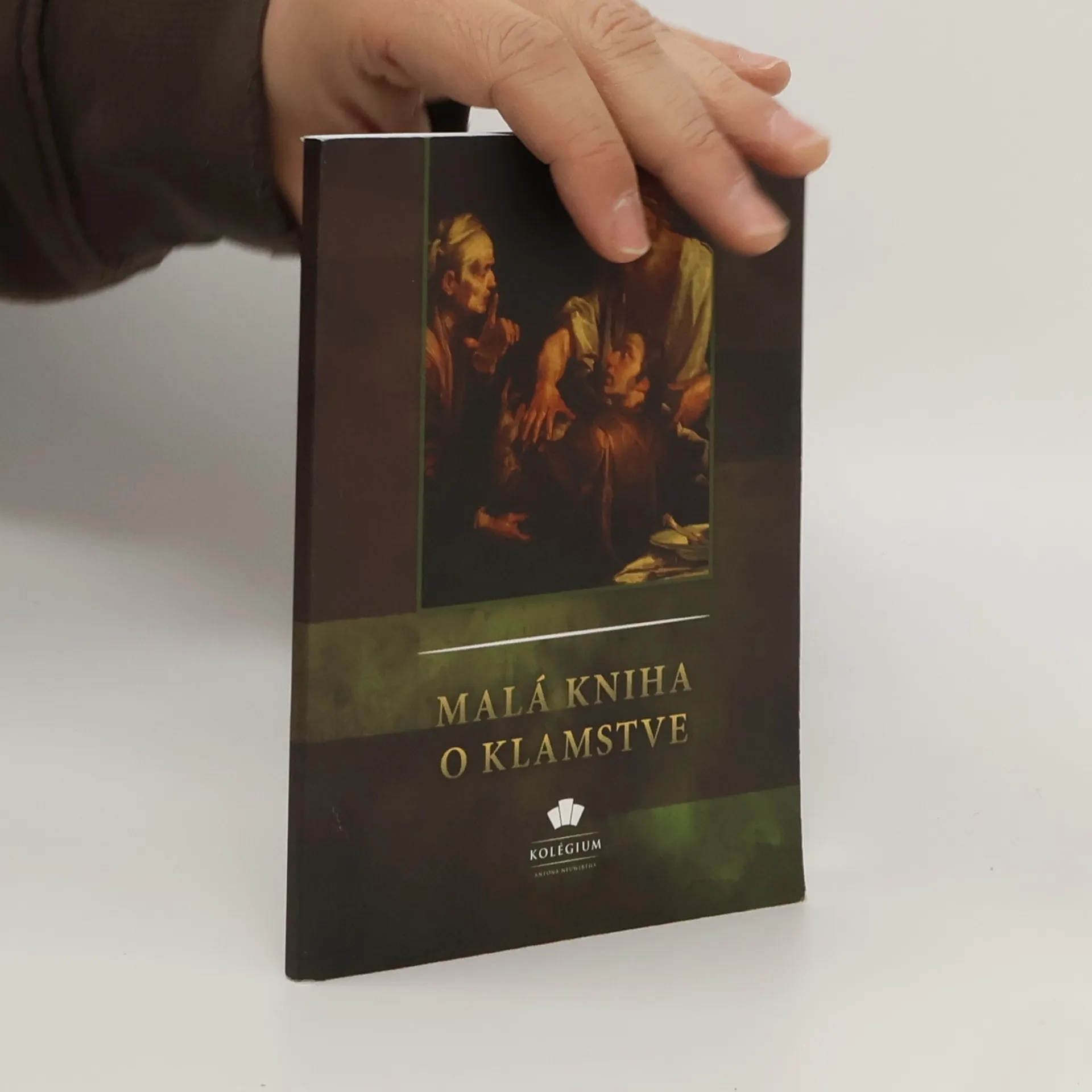
Je klamstvo vždy nesprávne? Alebo existujú prípady, v ktorých je klamstvo dovolené? Ako by ste odpovedali nacistovi, ktorý sa vás pri dverách pýta, či ukrývate Židov? Vo februári 2011 americká mládežnícka pro-life organizácia Live Action uverejnila na internete videá, v ktorých jej aktivisti prezlečení za pasákov a prostitútky získavajú informácie o možnosti získania antikoncepcie, potratov a lekárskej starostlivosti od pracovníkov rôznych pobočiek štátom spolufinancovanej organizácie Planned Parenthood, venujúcej sa práve týmto činnostiam. Ústretovosť a ochota niektorých zamestnancov Planned Parenthood voči údajným prostitútkam, niektorým dokonca mladistvým, vyvolala v Spojených štátoch škandál vedúci až k hlasovaniu o zastavení štátneho financovania tejto inštitúcie v dolnej komore amerického parlamentu. V hnutí za život videá Live Action vyvolali búrlivú diskusiu o morálnosti jej praktík a vôbec o morálnosti klamstva na záchranu života. Táto kniha prináša časť diskusie, ktorá prebehla na americkom diskusnom portáli Public Discourse, doplnenú o teologickú a filozofickú argumentáciu i historické príklady ilustrujúce túto závažnú otázku.
Hoci je toto dielo s niektorými prírodovednými názormi, odvážnymi etymológiami a sebavedomým prístupom k nekresťanským kultúram typicky stredoveké, obsahuje hodnoty a myšlienky, ktoré prekračujú storočia a podnes neboli prekonané.
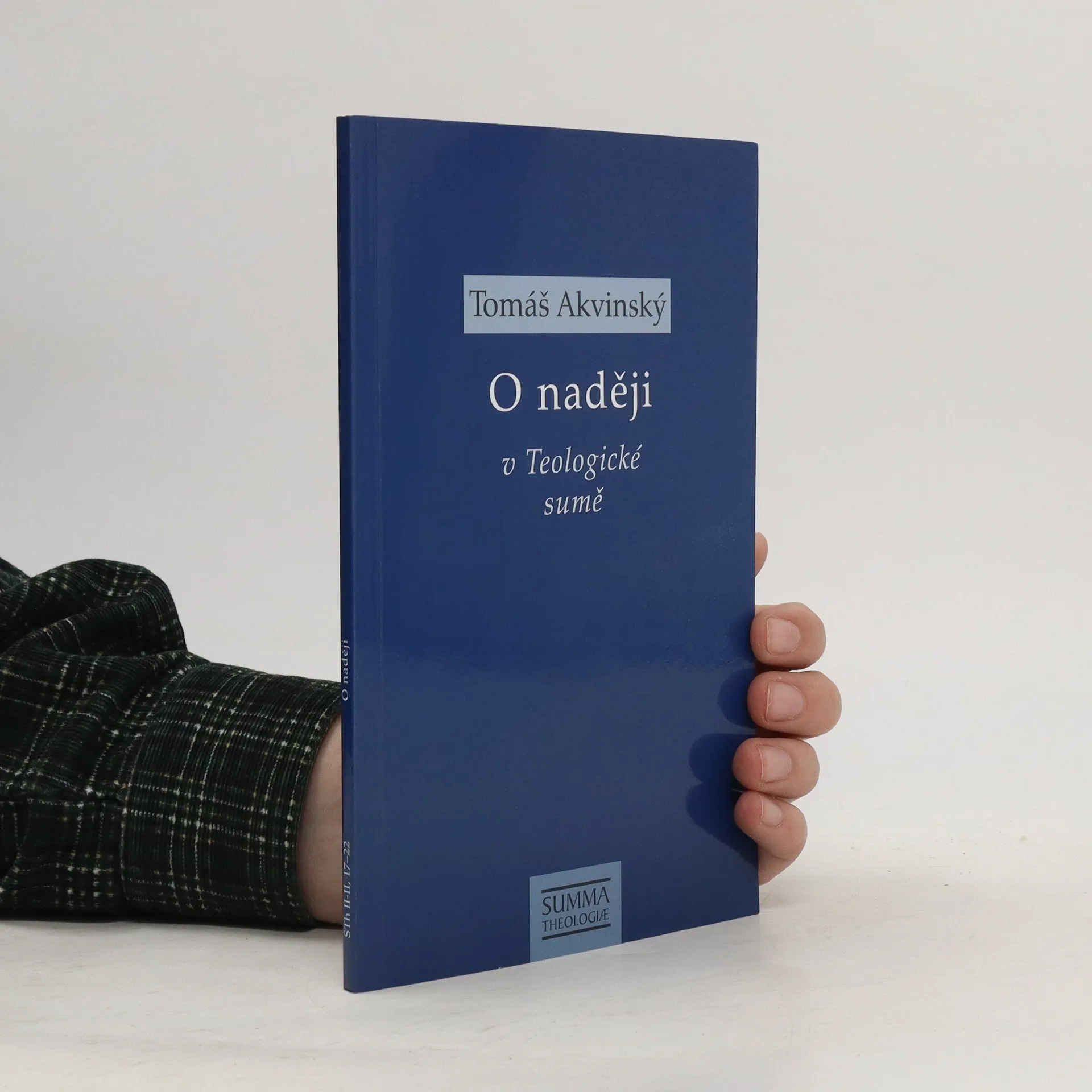
Traktát o naději (STh II-II, q. 17–22) se nachází na začátku Secunda secundae mezi traktátem o víře a traktátem o lásce. Tomáš v něm nejprve probírá podstatu ctnosti naděje a její vztah k ostatním teologickým ctnostem. Poté se zaměřuje na subjekt naděje, a to nejen na konkrétní duševní sílu, kterou naděje formuje, ale také na typ lidí, kteří mohou naději mít. V další části rozebírá dar Ducha svatého, který s nadějí úzce souvisí, což je dar bázně Boží. Následně pojednává o neřestech, které ctnosti naděje odporují, tedy o zoufalství a opovážlivosti. V závěru se zabývá souvislostí naděje s Božími přikázáními.
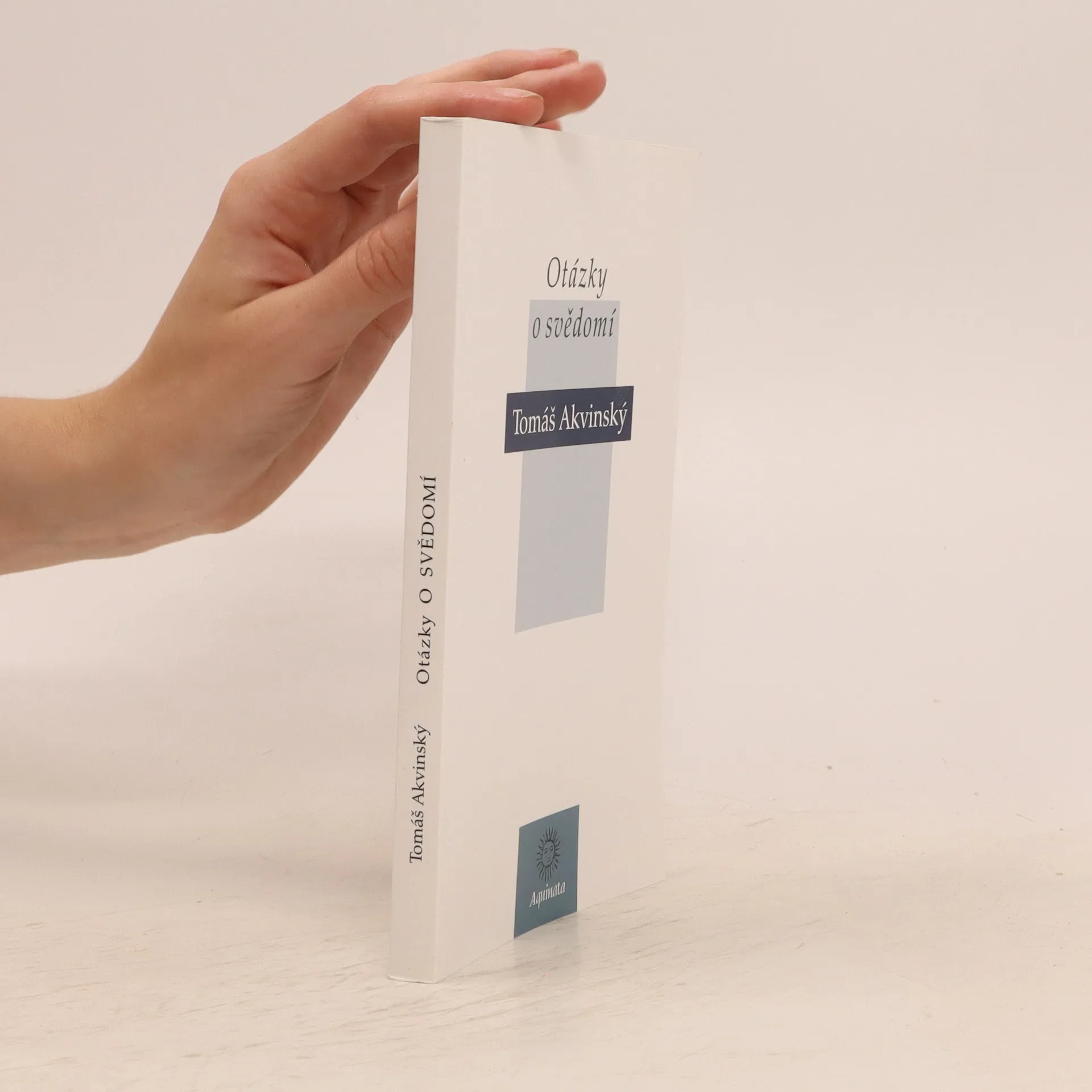
Tři otázky z Questiones disputatae (De veritate, q. 15, 16 a 17) vytvářejí celek, který hledá kriterium pro hodnocení lidského jednání, a proto se zabývá především otázkou svědomí.
Otázka O vyšším a nižším rozumu, O synderezi a O svědomí patří do rozsáhlejšího souboru Quaestiones disputatae De veritate. Překlad a úvodní studie Martina Štěpinová. Latinsko-český text. Vyšlo v řadě Akvinata.
Thomas' Kommentar bietet eine differenzierte Deutung der Aristotelischen Metaphysik und zeigt seine umfassende Auseinandersetzung mit der Philosophie, die über die Theologie hinausgeht. Der Text gewährt wertvolle Einblicke in sein Verständnis von Philosophie.
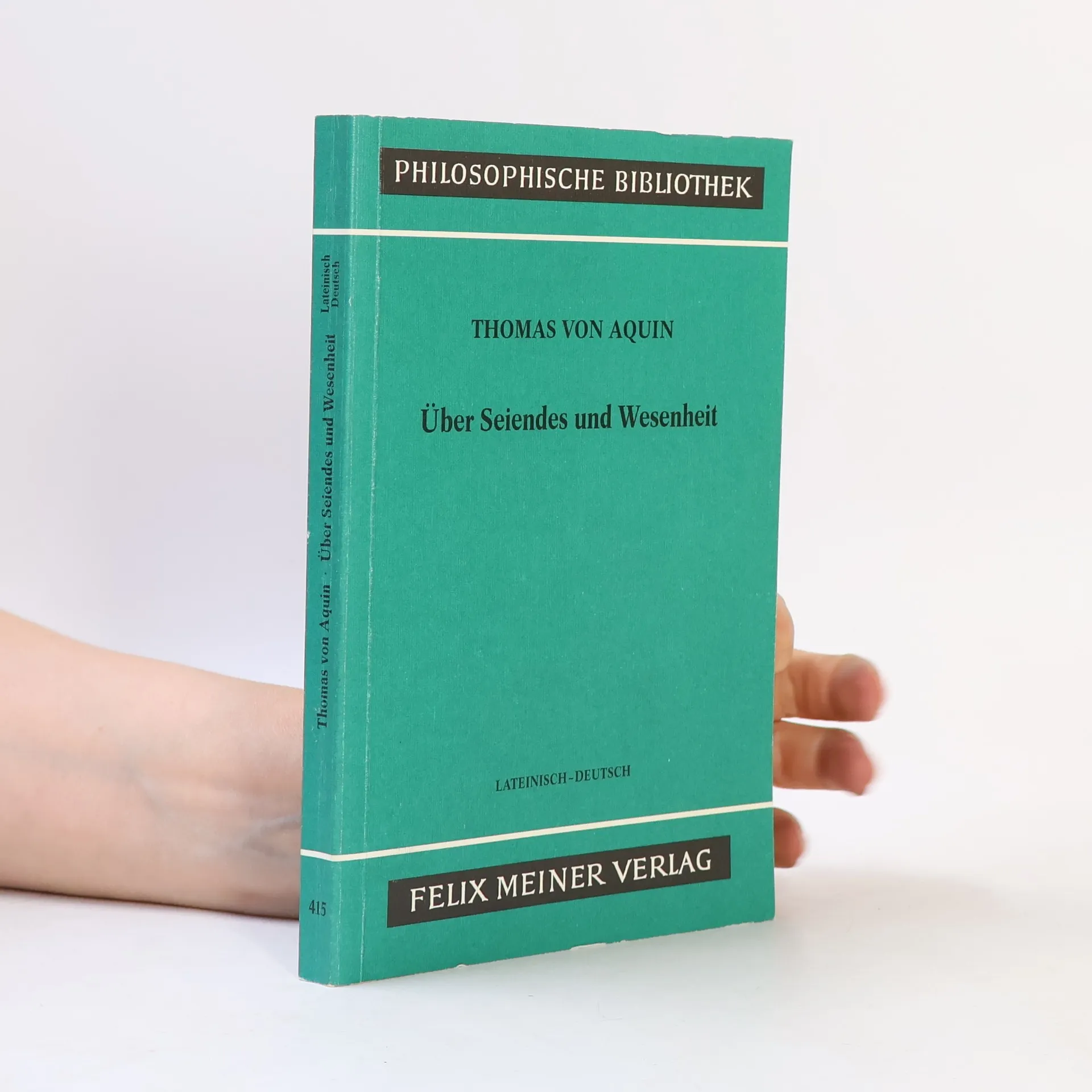
Diese Frühschrift zeigt Thomas problembewusster als in den »dogmatischer« auftretenden späteren Werken. Erörtert werden die metaphysischen Hauptbegriffe: Seiendes, bzw. Sein und Wesenheit, Materie und Form, materielle und immaterielle Substanz.
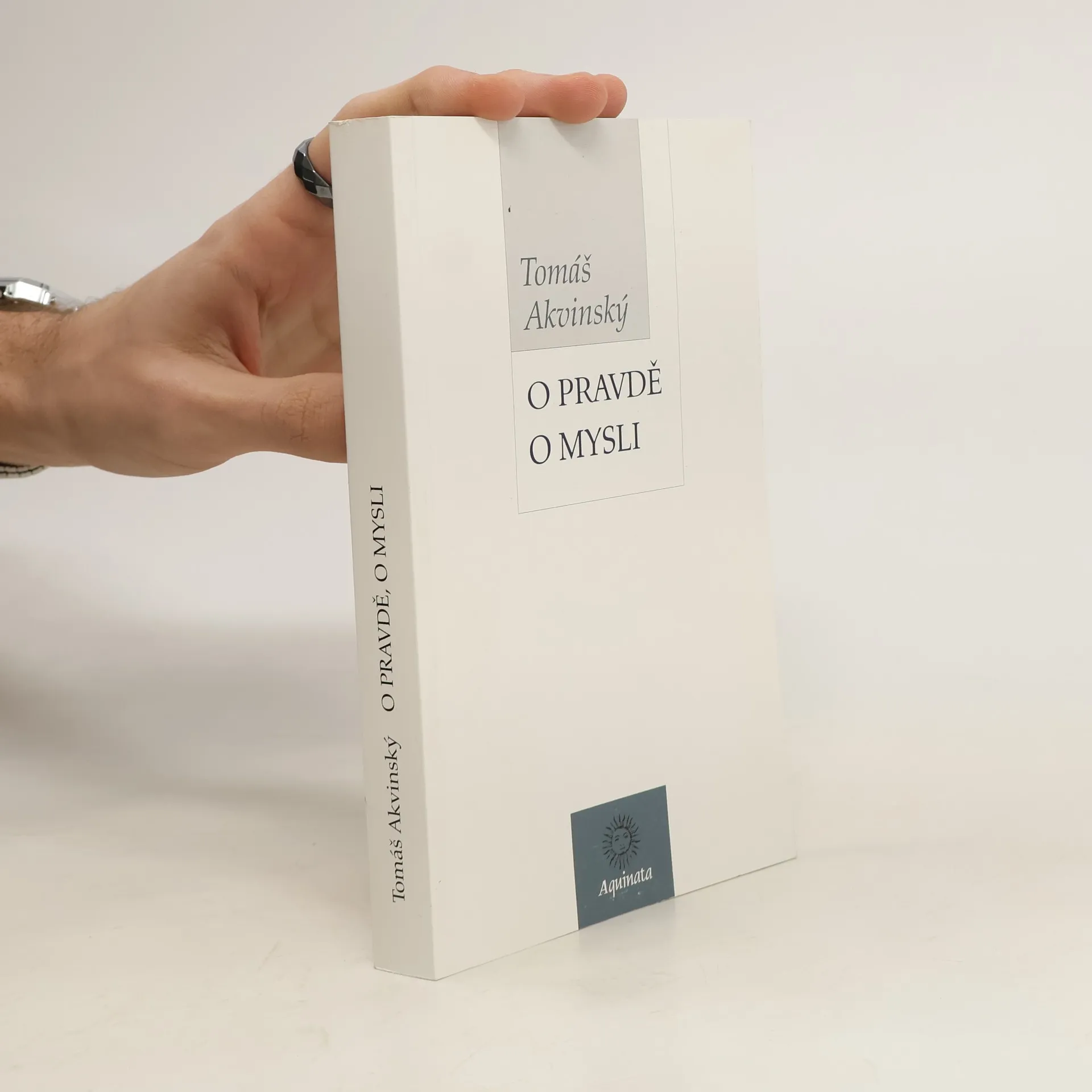
Přeložené otázky De veritate a De mente patří mezi 27 otázek širšího stejnojmenného pojednání De veritate z Questiones disputatae. V první z nich se sv. Tomáš ptá po povaze pravdy, v druhé si všímá především toho, jak je v mysli zobrazena podoba božské Trojice
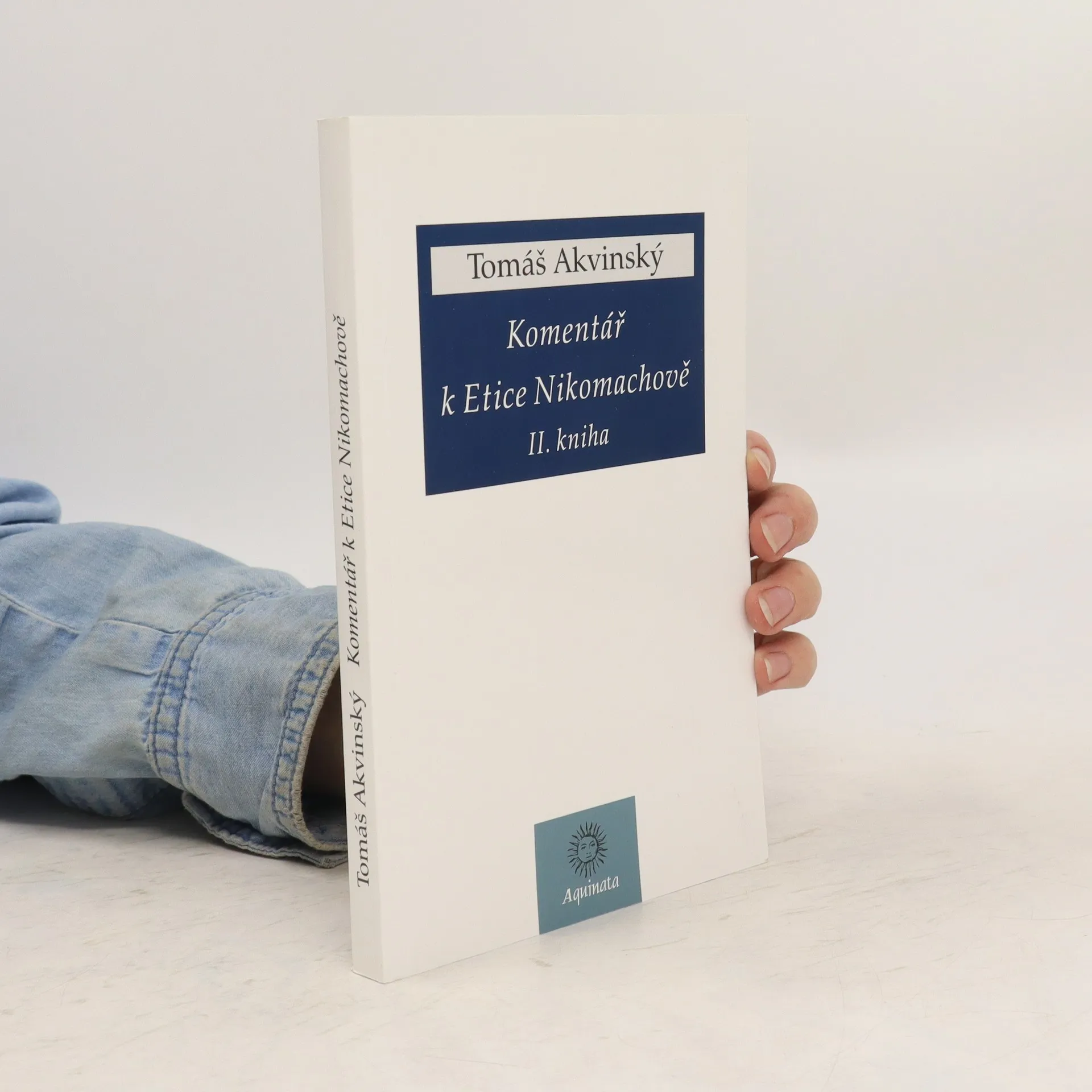
Pro Aristotelovu etiku je klíčové téma ctnosti. Probírá se porůznu v celé Etice Nikomachově, nicméně její 2. kniha představuje východisko, kde je morální ctnost definována a uvedena do kontextu lidského života a jednání. Tomáš svým výkladem zasazuje antické pojetí ctnosti do křesťanského kontextu. Pro něho je vzorovým příkladem ctnostného člověka především Kristus a světci, ale z filosofického hlediska musí věc uchopit jinak, proto definuje ctnostného člověka jako toho, kdo neuhýbá z cesty, na niž ho postavila jeho přirozenost: „člověk, jaký má být“.
Pro dnešní společnost není podvědomým vzorem vznešený Athéňan jako pro Aristotela, tím méně Kristus a svatí, ale už ani zákon lidské přirozenosti. O to důležitější je přemýšlet o těchto věcech explicitně: v čem spočívá ctnost, kam ji zařadit v celku lidské přirozenosti, jak ji získat a rozvíjet, a jaké jsou jednotlivé ctnosti a jim odpovídající neřesti? To vše je tématem druhé knihy Aristotelovy Etiky Nikomachovy (v knížce uvedený latinský i řecký text) a potažmo komentáře sv. Tomáše.
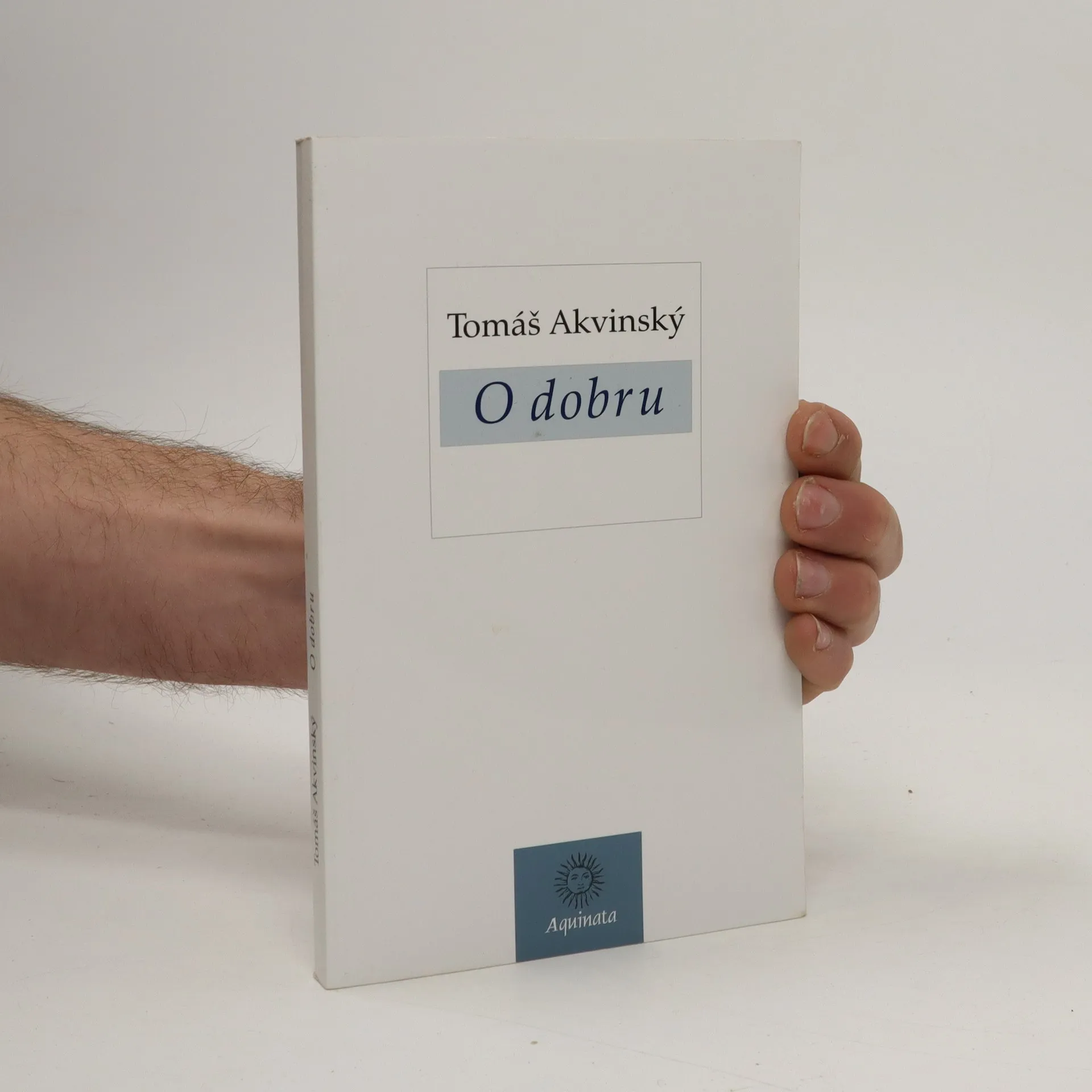
Otázka dobra patří k základním tématům, kterými se středověcí učenci zabývali. Tomáš Akvinský zpracoval téma dobra ve dvou svých spisech: ve XXI. otázce souboru Quaestiones Disputatae De veritate a ve svém komentáři Boëthiova spisu De ebdomadibus. Obě pojednání jsou představena v této publikaci spolu s úvodní studií, která zařazuje Tomášúv koncept dobra do souvislostí dobových diskuzí.
Jako první otevřel otázku dobra již svatý Augustin, který se snažil pochopit původ zla ve stvoření: pokud je Bůh, Stvořitel všeho, Prvním dobrem, pak vše stvořené, nakolik má své bytí od Prvního dobra, musí být dobré. V rámci stvoření proto nelze mluvit o zlu. Boëthius ve svém spisu De ebdomadibus navazuje na sv. Augustina a vysvětluje, jakým způsobem jsou věci dobré.
Tomáš Akvinský v otázce O dobru představuje své vlastní pojetí dobra. Navazuje na svého učitele Alberta Velikého a propracovává do důsledku Albertovu teorii, že dobro přidává jsoucímu něco pouze pojmově. Tomáš posouvá tradiční pojetí dobra a definuje ho jako vztah k bytí. Ve svém Komentáři k De ebdomadibus ukazuje, že takto pojaté dobro neztrácí žádný z požadavků, které na něho tradice klade.
5. a 6. otázka komentáře sv. Tomáše k Boethiovu spisu De Trinitate. Jedno z nejvýznamnějších děl anticko-středověké tradice na téma teorie poznání a vědy. Dvojjazyčně (lat.-čes.), s úvodní studií Tomáše Machuly.
Pojednání o zákonech v Teologické sumě (STh I-II, q. 90–97) patří k základním pramenům západního etického myšlení. Nabízí odpovědi minimálně na dvě důležité otázky. První se týká původu mravních zásad: Jsou naše rozhodnutí ponechána naší libovůli, nebo existují nějaké objektivní principy, které musíme respektovat? Druhá otázka se týká odůvodnění práva: Existuje nějaká poslední a nejvyšší norma, která rozhoduje o spravedlnosti zákonů, nebo je zákon pouze věcí dohody? Tomášova teorie zákona ukazuje, že morální principy nejsou relativní, ale jsou důsledkem objektivního řádu stvoření. Překlad, úvodní studie a poznámky Karel Šprunk. Kniha je revidovaným překladem, který vyšel v nakladatelství Krystal OP v roce 2003.
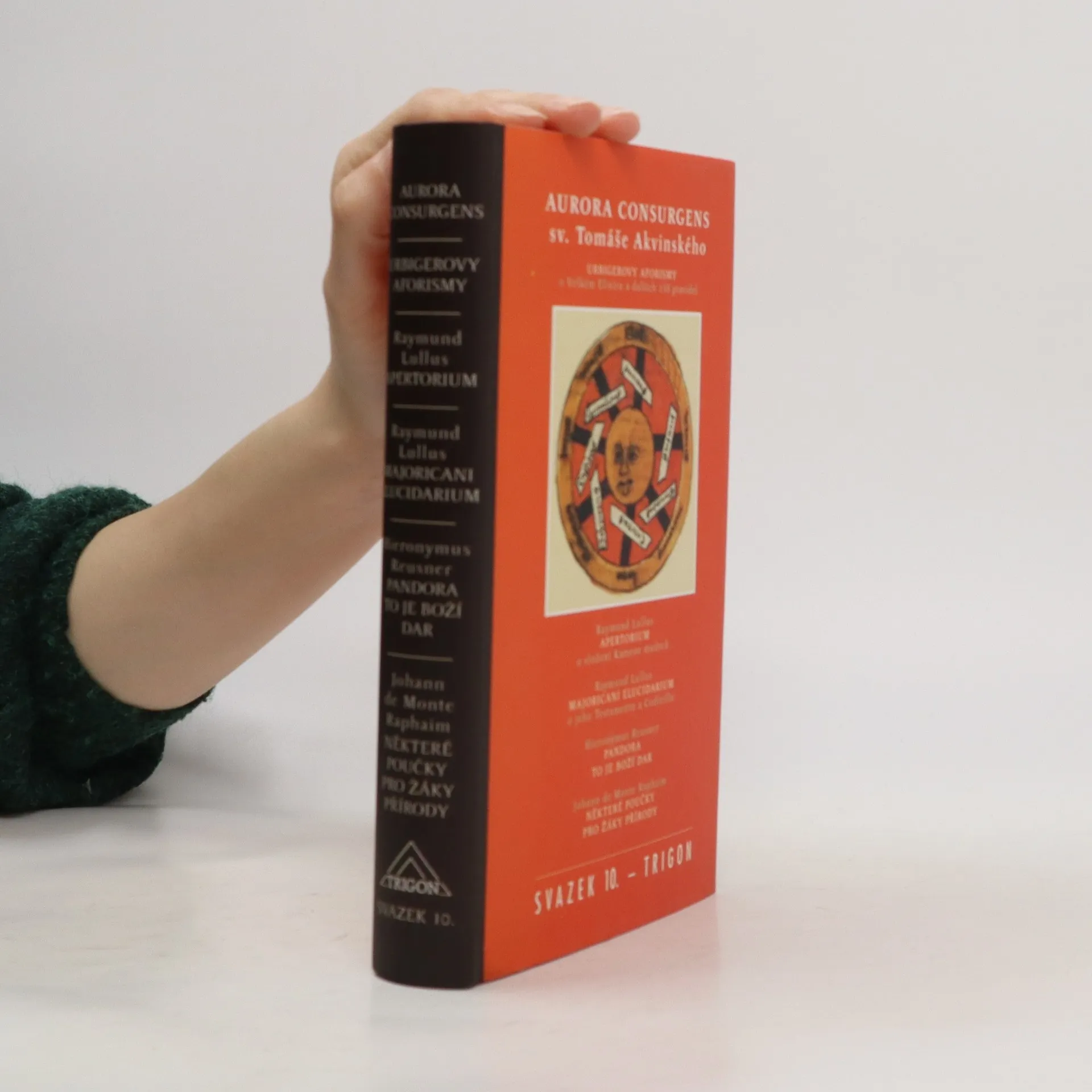
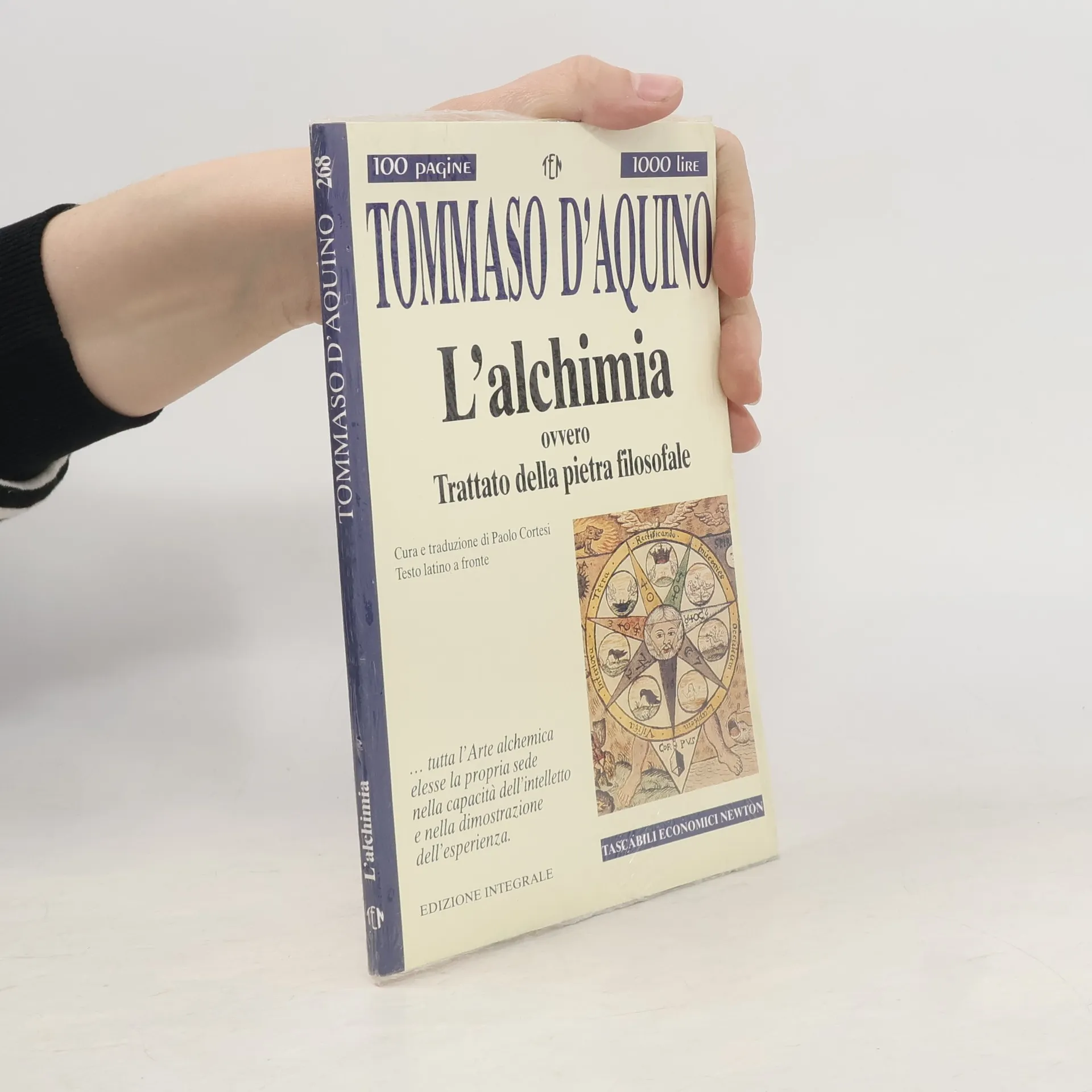
Una leggenda medioevale voleva che san Domenico avesse scoperto il meraviglioso segreto della pietra filosofale e lo avesse affidato ad Alberto Magno, il quale lo trasmise a Tommaso d'Aquino. Discutibile dal punto di vista rigorosamente storico, la tradizione individua comunque un legame culturale tra San Tommaso e l'alchimia realmente esistente. Questo libro propone due suoi brevi trattati in cui sono dettagliatamente descritte le fasi della realizzazione della pietra filosofale.
In diesem Band wird Thomas' berühmter Text zur menschlichen Freiheit und Wahl untersucht. Er beleuchtet die Bedeutung der Wahl für die Freiheit und die philosophische Ethik. Die Reihe „Great Papers Philosophie“ bietet eine genaue Wiedergabe des Originals, historische Einordnung und Analyse der Argumentationsstruktur.
Die "Summa Theologica" von Thomas von Aquin ist ein umfassendes Werk der katholischen Theologie, das als Leitfaden für Studierende dient. Sie behandelt zentrale Themen wie Gott, Schöpfung, Mensch und Sakramente. Obwohl unvollendet, gilt sie als eines der einflussreichsten Werke der abendländischen Literatur. Dies ist Band sieben von zehn.
Die "Summa Theologica" von Thomas von Aquin ist ein umfassendes Werk der katholischen Theologie, das als Leitfaden für Studierende dient. Sie behandelt zentrale Themen wie Gott, Schöpfung, Mensch und Sakramente. Obwohl unvollendet, gilt sie als eines der einflussreichsten Werke der abendländischen Literatur und Philosophie.
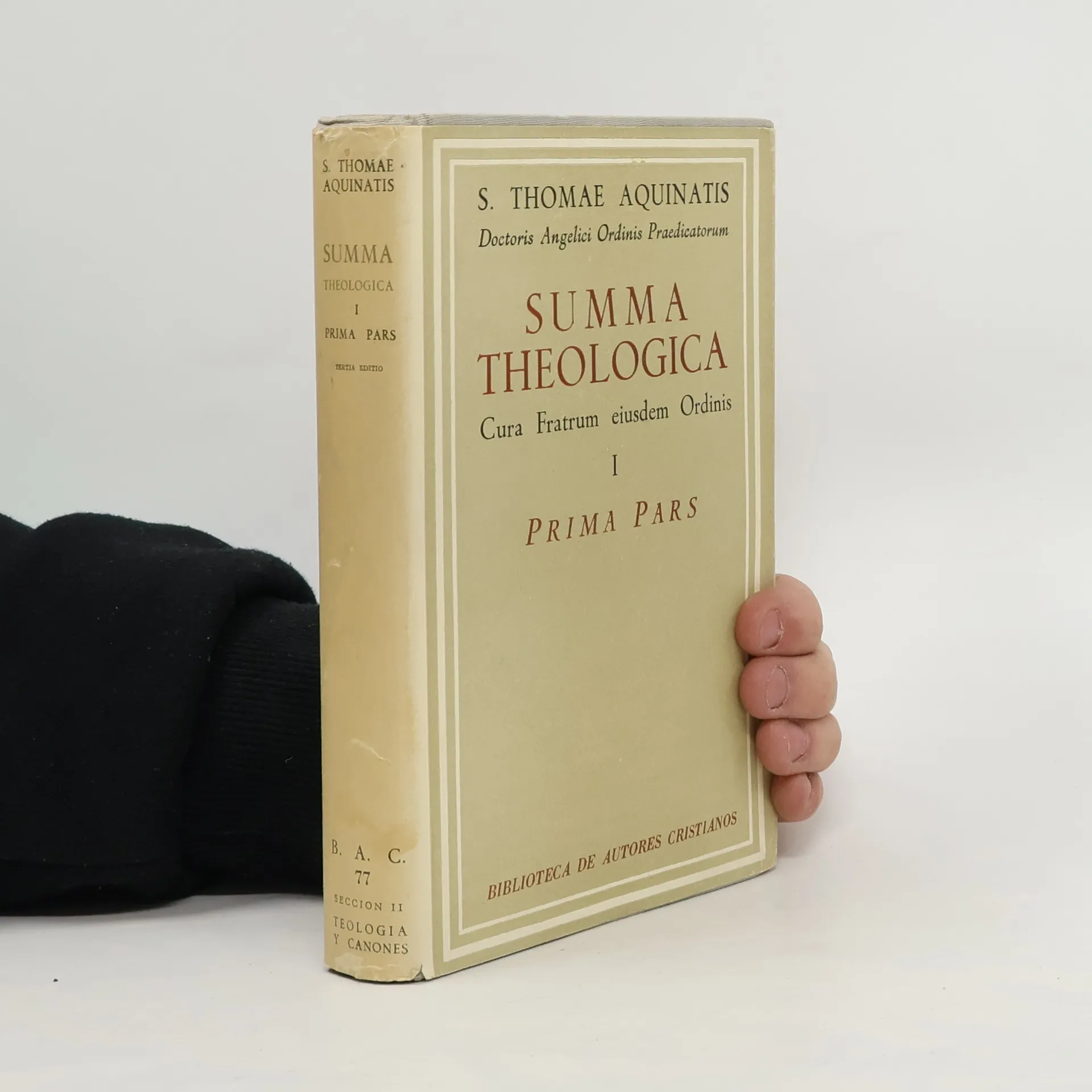
Die "Summa Theologica" von Thomas von Aquin ist ein umfassendes Werk der katholischen Theologie, das als Leitfaden für Studierende dient. Sie behandelt Themen wie Gott, Schöpfung und Christus und ist einflussreich in der abendländischen Literatur. Dieser Band enthält die Quaestiones 43 - 83 der Prima Pars.
Die "Summa Theologica" von Thomas von Aquin ist ein umfassendes Werk der katholischen Theologie, das als Leitfaden für Studierende dient. Sie behandelt zentrale Themen wie Gott, Schöpfung, Mensch und Sakramente. Obwohl unvollendet, gilt sie als eines der einflussreichsten Werke der abendländischen Literatur. Dies ist Band neun von zehn.
Die "Summa Theologica" von Thomas von Aquin ist ein umfassendes Kompendium der katholischen Theologie, das als Leitfaden für Studierende dient. Sie behandelt zentrale Themen wie Gott, Schöpfung und Sakramente und ist einflussreich in der abendländischen Literatur. Band eins umfasst die ersten 42 Fragen der Prima Pars.
Das Buch betont die Bedeutung vergangener Denker für das Verständnis der Gegenwart. Es ermutigt zur Auseinandersetzung mit Philosophen wie Platon, Aristoteles und Kant, um Wahrheit und Weisheit zu erlangen. Alte Texte werden in ihrer ursprünglichen Form aufbereitet, um ihre wertvolle Essenz zu bewahren.
Dieser Band schließt eine Lücke in der "Deutschen Thomas-Ausgabe" der "Summa theologica". Er behandelt Fragen nach dem Ziel menschlichen Handelns, Handlungstheorien und die Begriffe 'gut' und 'schlecht'. Zwei Kommentare unterstützen das Verständnis und die Analyse von Thomas' Gedanken für interessierte Leser.
Lateinisch - Deutsch. Übersetzt und eingeleitet von Hanns-Gregor Nissing
223 páginas
8 horas de lectura
Das Gewissen wird als zentrales Merkmal der menschlichen Person betrachtet. Die Lehren von Thomas von Aquin sind weiterhin maßgeblich für dessen Verständnis. Der bedeutendste Text „de verritate 16-17“ wird hier erstmals in einer vollständigen zweisprachigen Ausgabe präsentiert.
Die "Summa Theologica" von Thomas von Aquin ist ein umfassendes Kompendium der katholischen Theologie, das als Leitfaden für Theologiestudenten dient. Sie behandelt zentrale Themen wie Gott, Schöpfung und Sakramente und zitiert zahlreiche Quellen aus Christentum, Islam und Antike. Dies ist der dritte von zehn Bänden.
Die "Summa Theologica" von Thomas von Aquin ist ein umfassendes Kompendium der katholischen Theologie, das als Leitfaden für Studierende dient. Sie behandelt zentrale Themen wie Gott, Schöpfung und Sakramente und ist einflussreich in der abendländischen Literatur. Band zehn umfasst die Quaestiones 50-90 der Tertia Pars.
Die "Summa Theologica" von Thomas von Aquin ist ein umfassendes Kompendium der katholischen Theologie, das als Leitfaden für Studierende dient. Sie behandelt zentrale Themen wie Gott, Schöpfung und Sakramente und ist einflussreich in der abendländischen Literatur. Band acht umfasst die Quaestiones 129-189 der Secunda Pars.
Die "Summa Theologica" von Thomas von Aquin ist ein zentrales theologisches Werk, das die Lehren der katholischen Kirche zusammenfasst. Sie behandelt Themen wie Gott, Schöpfung, Mensch und Sakramente und dient als Leitfaden für Theologiestudenten. Trotz ihrer Unvollständigkeit bleibt sie einflussreich in der abendländischen Literatur.
Die erste deutsche Übersetzung von Thomas von Aquins Kommentar zur Metaphysik Aristoteles' erscheint als hochwertige Bibliotheksausgabe. Sie enthält den lateinischen Originaltext und die deutsche Übersetzung nebeneinander. Der vierte Band behandelt zentrale Themen wie Substanz und Wesenheit in der aristotelischen Philosophie.
In diesem Buch wird die Seele als Prinzip betrachtet, das lebendige von nicht-lebendigen Körpern unterscheidet. Der Verstand ist ein zentrales Vermögen der Seele. Die Verbindung zwischen Erkenntnis, Sinnesorganen und der geistigen Natur wird untersucht, wobei Thomas einige Fragen mehrfach aufwirft, was ihre Bedeutung unterstreicht.
Die "Summa Theologica" von Thomas von Aquin ist ein zentrales theologisches Werk, das die Lehren der katholischen Kirche zusammenfasst. Sie behandelt Themen wie Gott, Schöpfung, Mensch und Sakramente und dient als Leitfaden für Theologiestudenten. Band fünf umfasst die Quaestiones 67-114 der Secundae Partis.