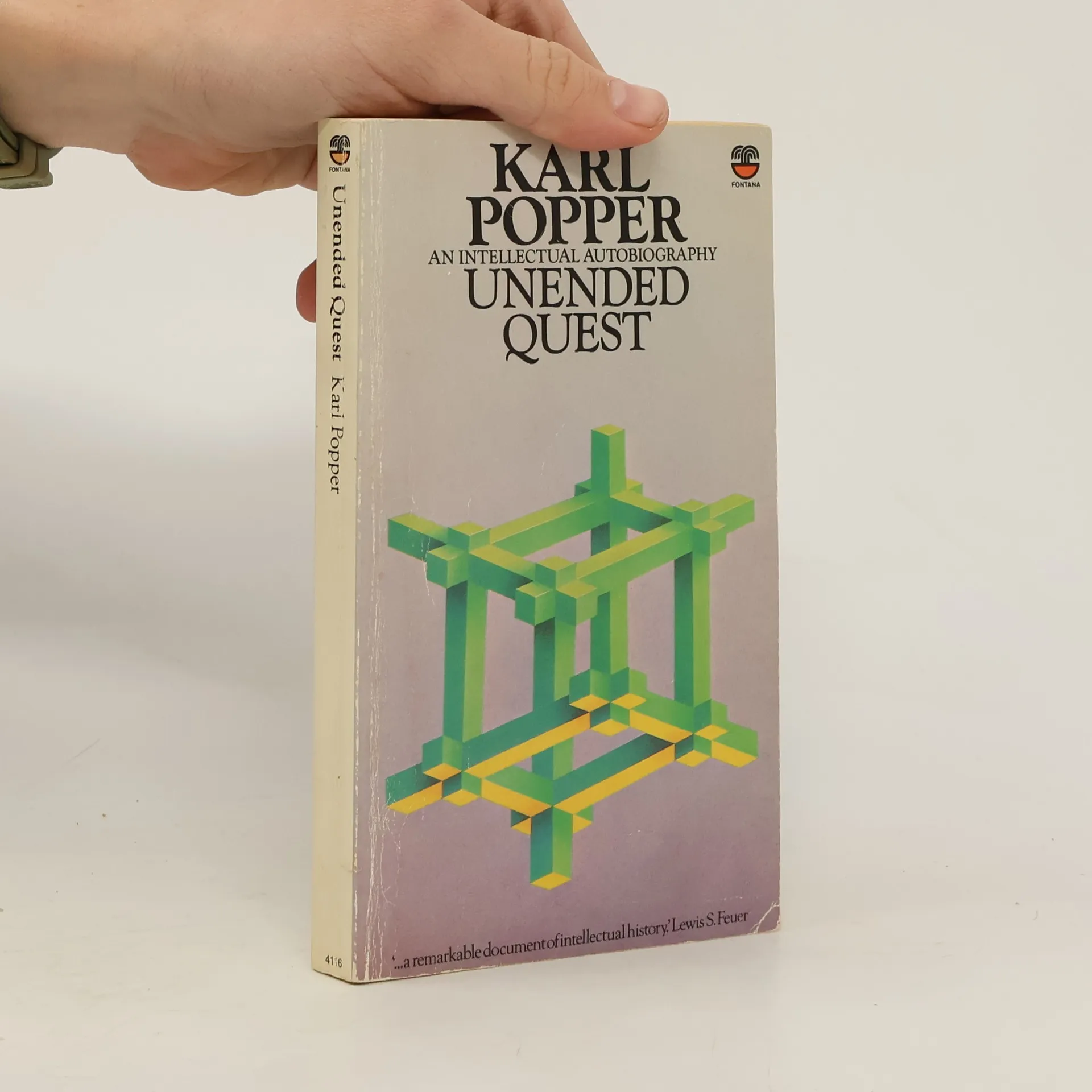
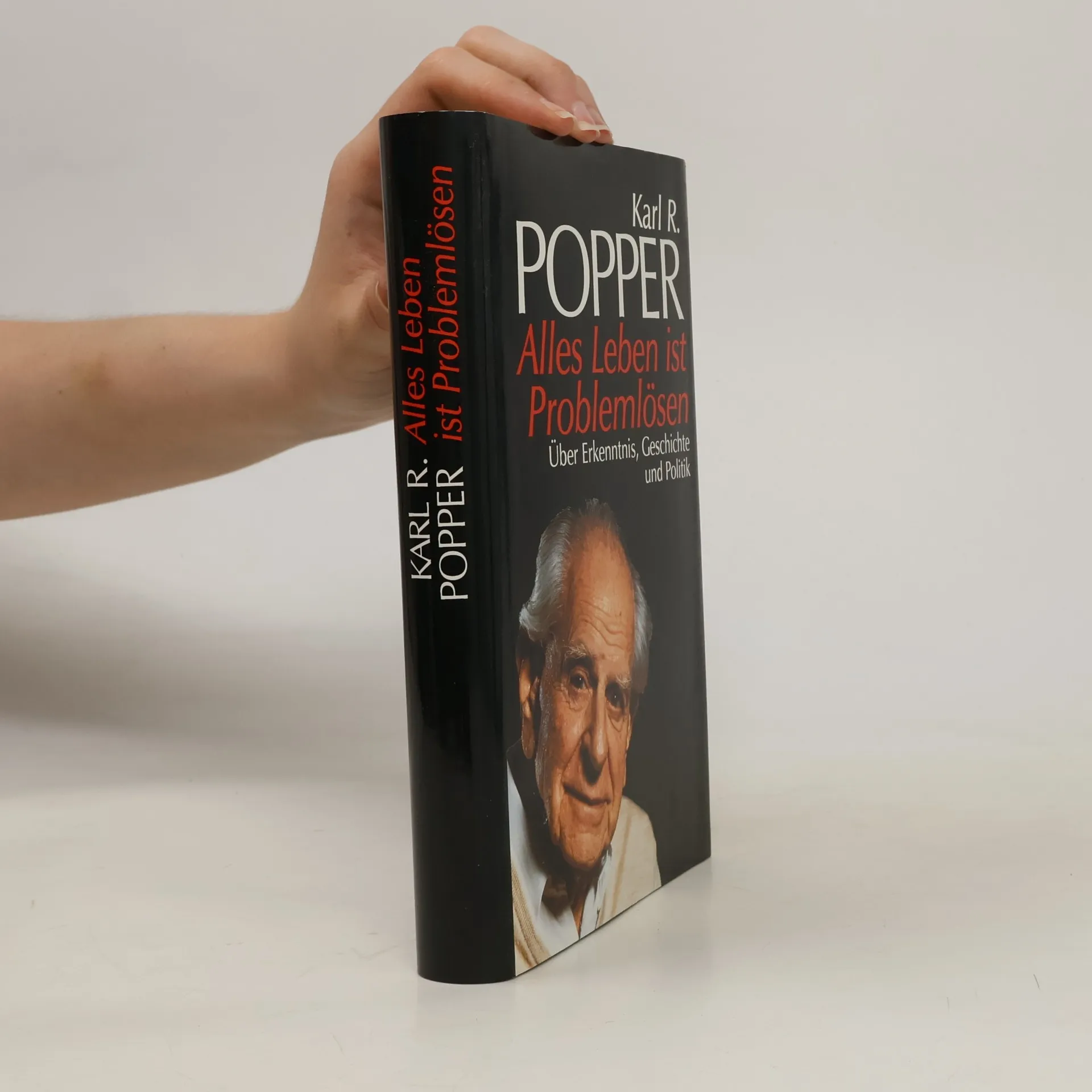
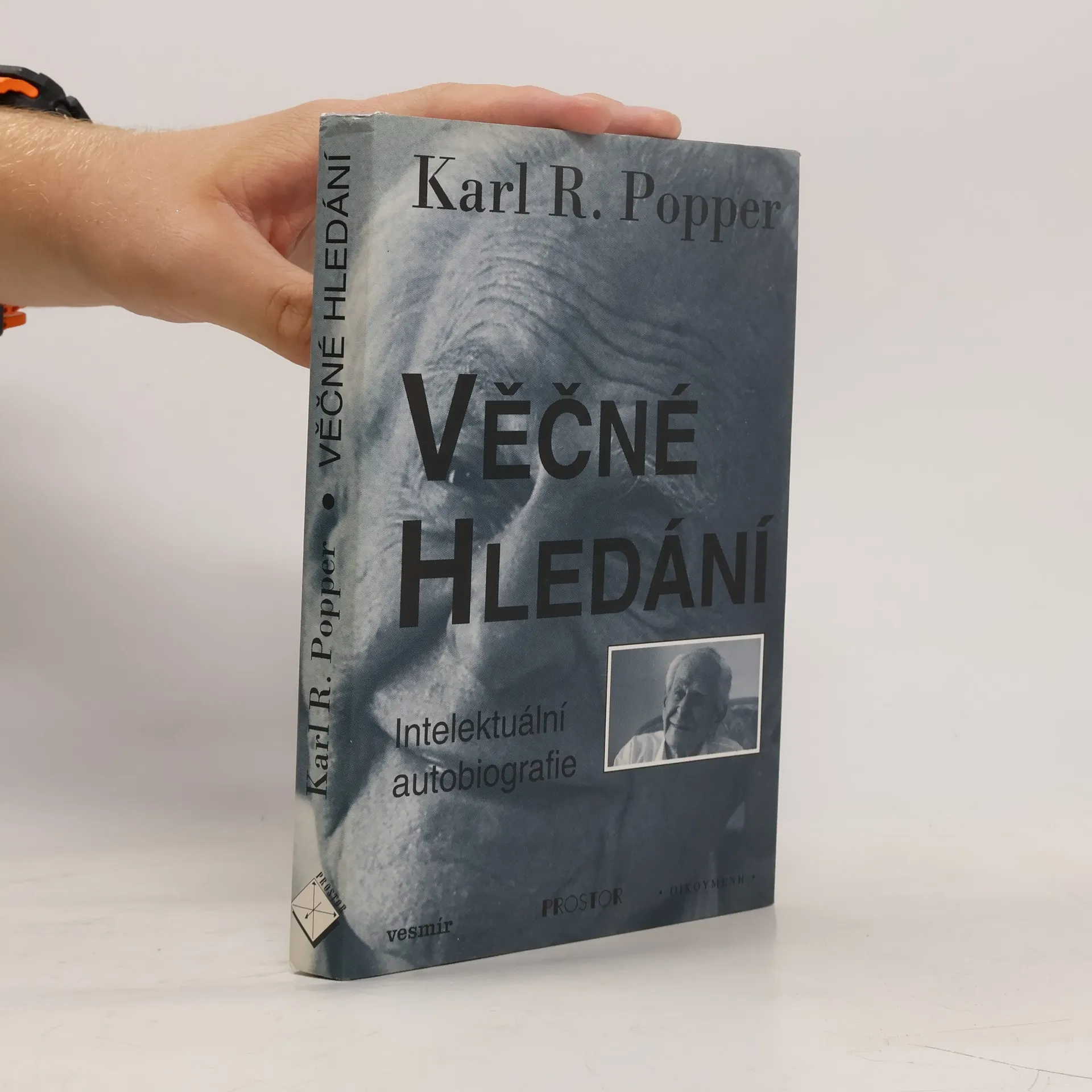
Karl Popper se erigió como uno de los teóricos más influyentes y filósofos destacados, atrayendo audiencias internacionales con su rigor intelectual. Su obra abordó un amplio espectro de problemas filosóficos, desde la teoría política hasta el método científico. Popper desafió notablemente las ortodoxias establecidas como el positivismo lógico y el marxismo, sosteniendo que las teorías científicas son, en última instancia, refutables en lugar de verificables. Abogó por un ethos crítico, enfatizando la aceptación de nuestra ignorancia y la importancia vital del debate abierto en la búsqueda de la verdad.
Una democracia no puede existir si no se controla la televisión; o más precisamente, no puede existir por mucho tiempo hasta que el poder de la televisión no sea plenamente descubierto. Un clásico que ha suscitado un debate incesante y que hoy es más relevante que nunca.
In this long-awaited volume, Jeremy Shearmur collects the most important writings Popper made in the years after The Open Society was first published. Many are published here for the first time.
Quantum Theory and the Schism in Physics is one of the three volumes of Karl Popper's Postscript to the Logic of scientific Discovery . The Postscript is the culmination of Popper's work in the philosophy of physics and a new famous attack on subjectivist approaches to philosophy of science.
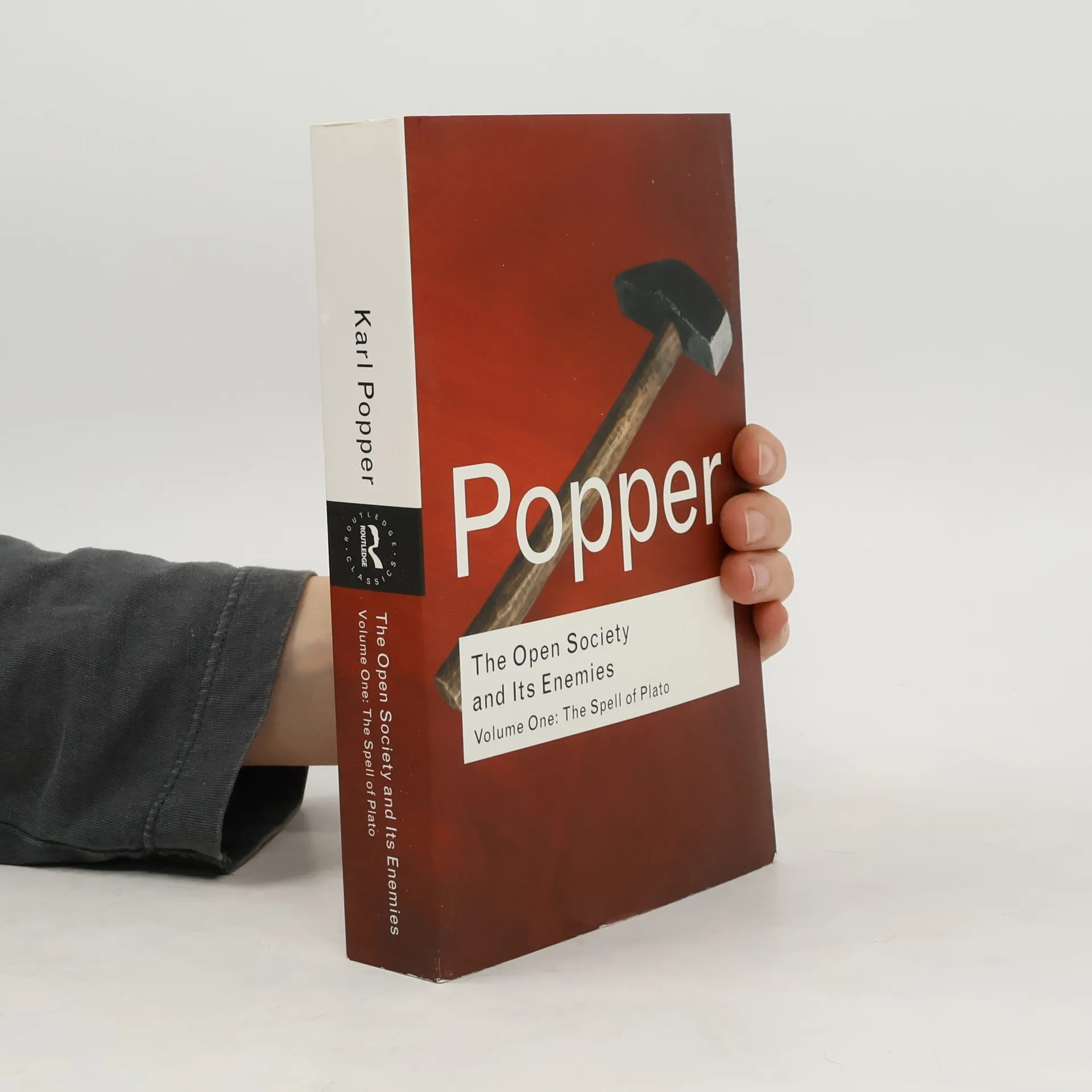
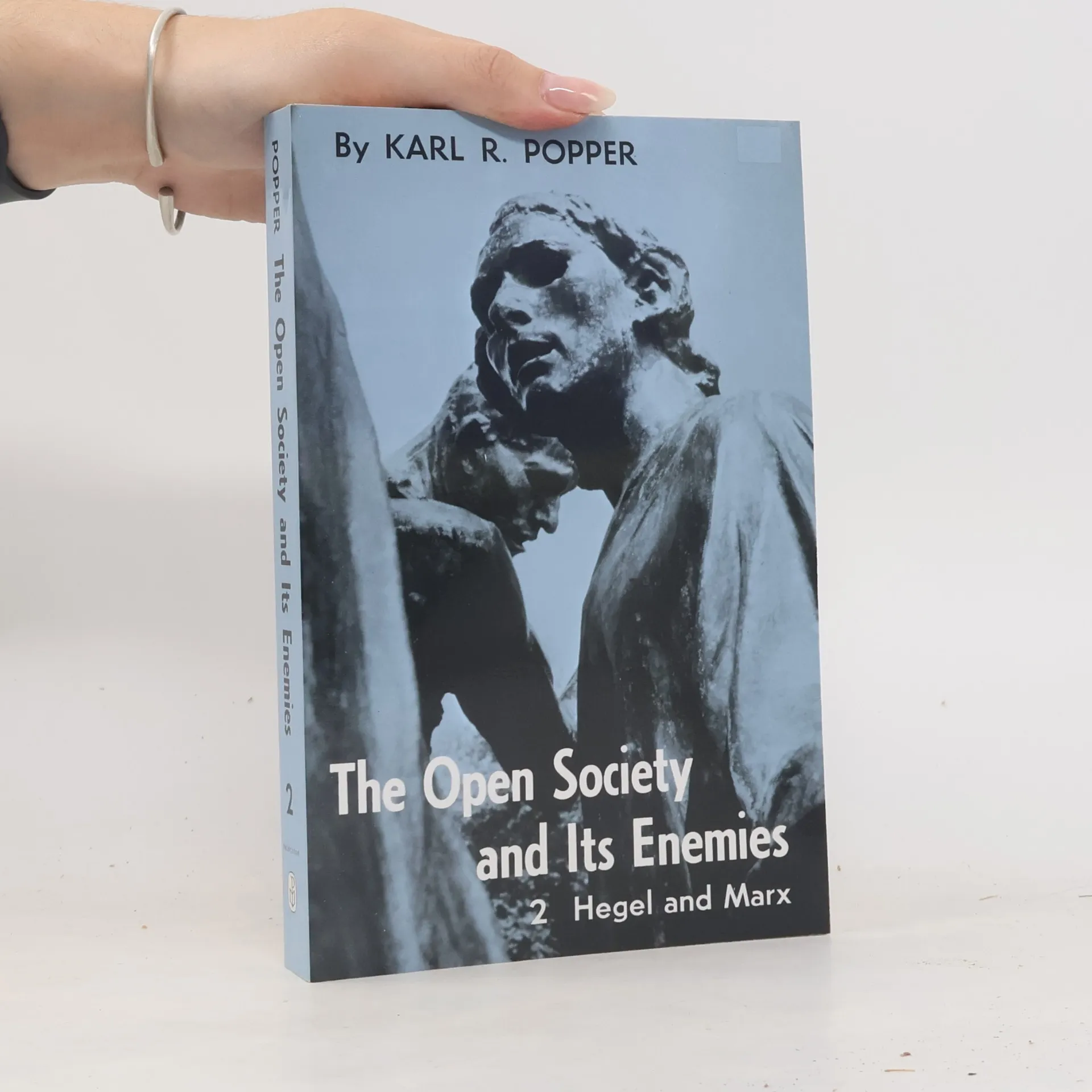
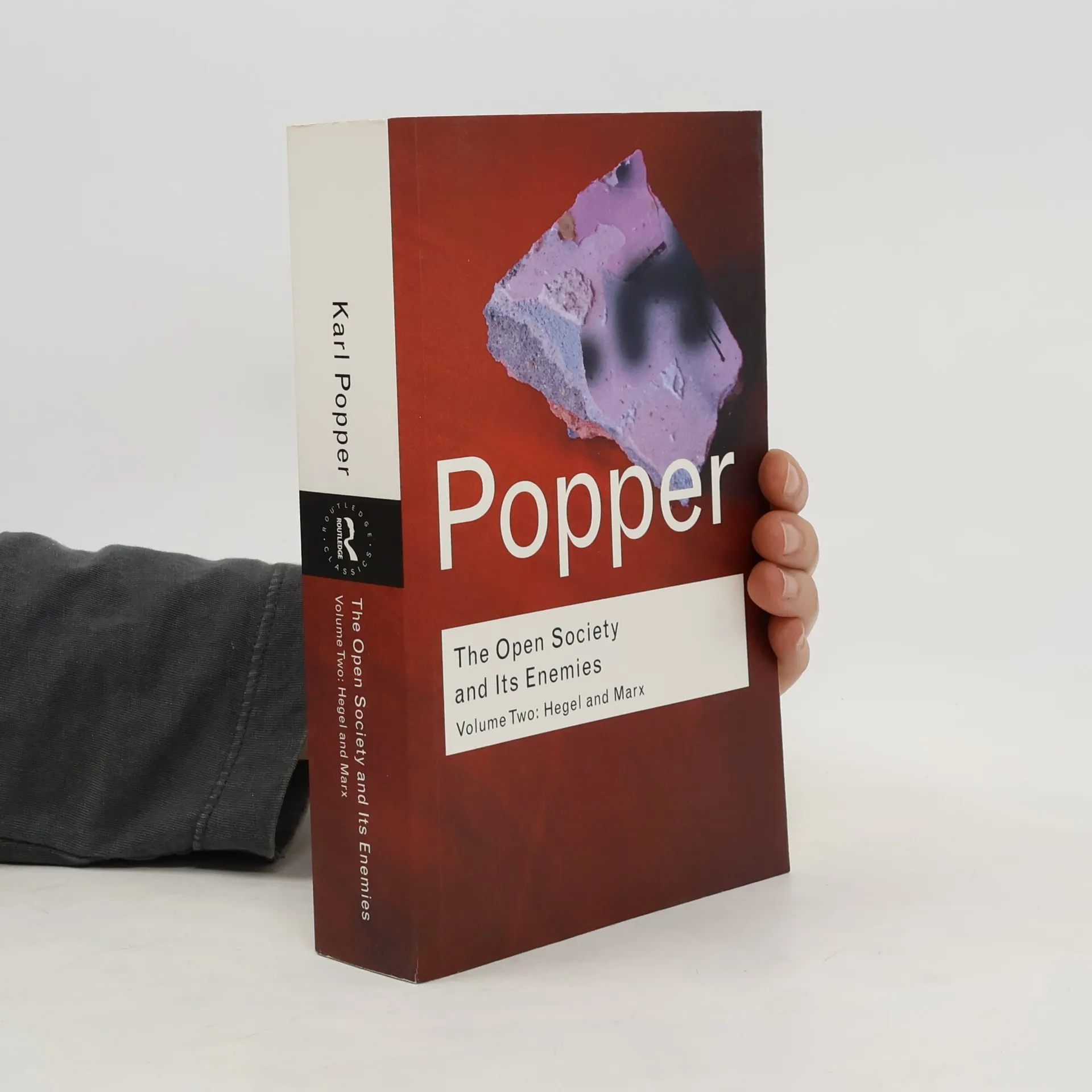
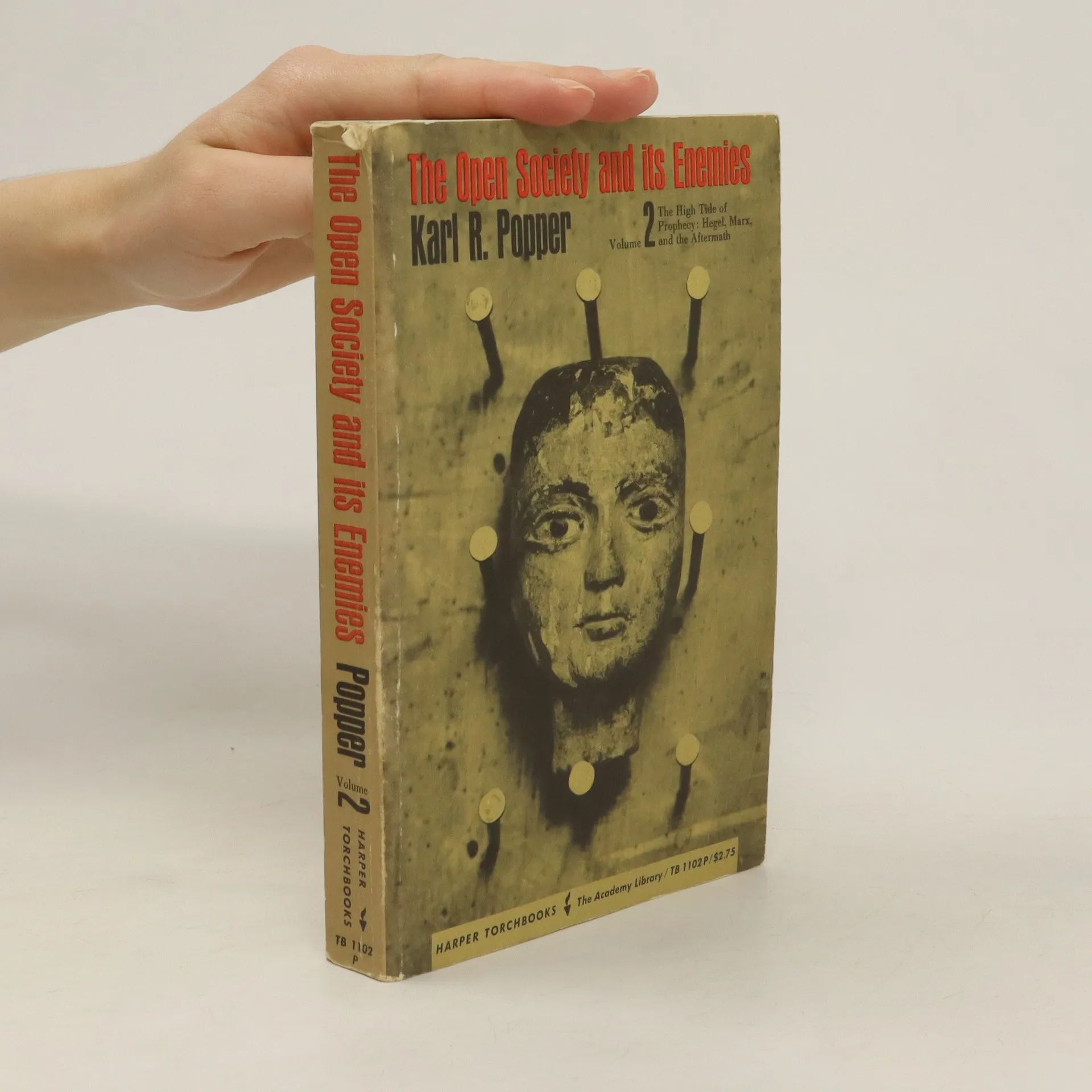
Popper was born in 1902 to a Viennese family of Jewish origin. He taught in Austria until 1937, when he emigrated to New Zealand in anticipation of the Nazi annexation of Austria the following year, and he settled in England in 1949. Before the annexation, Popper had written mainly about the philosophy of science, but from 1938 until the end of the Second World War he focused his energies on political philosophy, seeking to diagnose the intellectual origins of German and Soviet totalitarianism. The Open Society and Its Enemies was the result.In the book, Popper condemned Plato, Marx, and Hegel as "holists" and "historicists"--a holist, according to Popper, believes that individuals are formed entirely by their social groups; historicists believe that social groups evolve according to internal principles that it is the intellectual's task to uncover. Popper, by contrast, held that social affairs are unpredictable, and argued vehemently against social engineering. He also sought to shift the focus of political philosophy away from questions about who ought to rule toward questions about how to minimize the damage done by the powerful. The book was an immediate sensation, and--though it has long been criticized for its portrayals of Plato, Marx, and Hegel--it has remained a landmark on the left and right alike for its defense of freedom and the spirit of critical inquiry.
Conjectures and Refutations is one of Karl Popper's most wide-ranging and popular works, notable not only for its acute insight into the way scientific knowledge grows, but also for applying those insights to politics and to history. It provides one of the clearest and most accessible statements of the fundamental idea that guided his work: not only our knowledge, but our aims and our standards, grow through an unending process of trial and error.
Popper was born in 1902 to a Viennese family of Jewish origin. He taught in Austria until 1937, when he emigrated to New Zealand in anticipation of the Nazi annexation of Austria the following year, and he settled in England in 1949. Before the annexation, Popper had written mainly about the philosophy of science, but from 1938 until the end of the Second World War he focused his energies on political philosophy, seeking to diagnose the intellectual origins of German and Soviet totalitarianism. The Open Society and Its Enemies was the result. In the book, Popper condemned Plato, Marx, and Hegel as "holists" and "historicists"--a holist, according to Popper, believes that individuals are formed entirely by their social groups; historicists believe that social groups evolve according to internal principles that it is the intellectual's task to uncover. Popper, by contrast, held that social affairs are unpredictable, and argued vehemently against social engineering. He also sought to shift the focus of political philosophy away from questions about who ought to rule toward questions about how to minimize the damage done by the powerful. The book was an immediate sensation, and--though it has long been criticized for its portrayals of Plato, Marx, and Hegel--it has remained a landmark on the left and right alike for its defense of freedom and the spirit of critical inquiry.
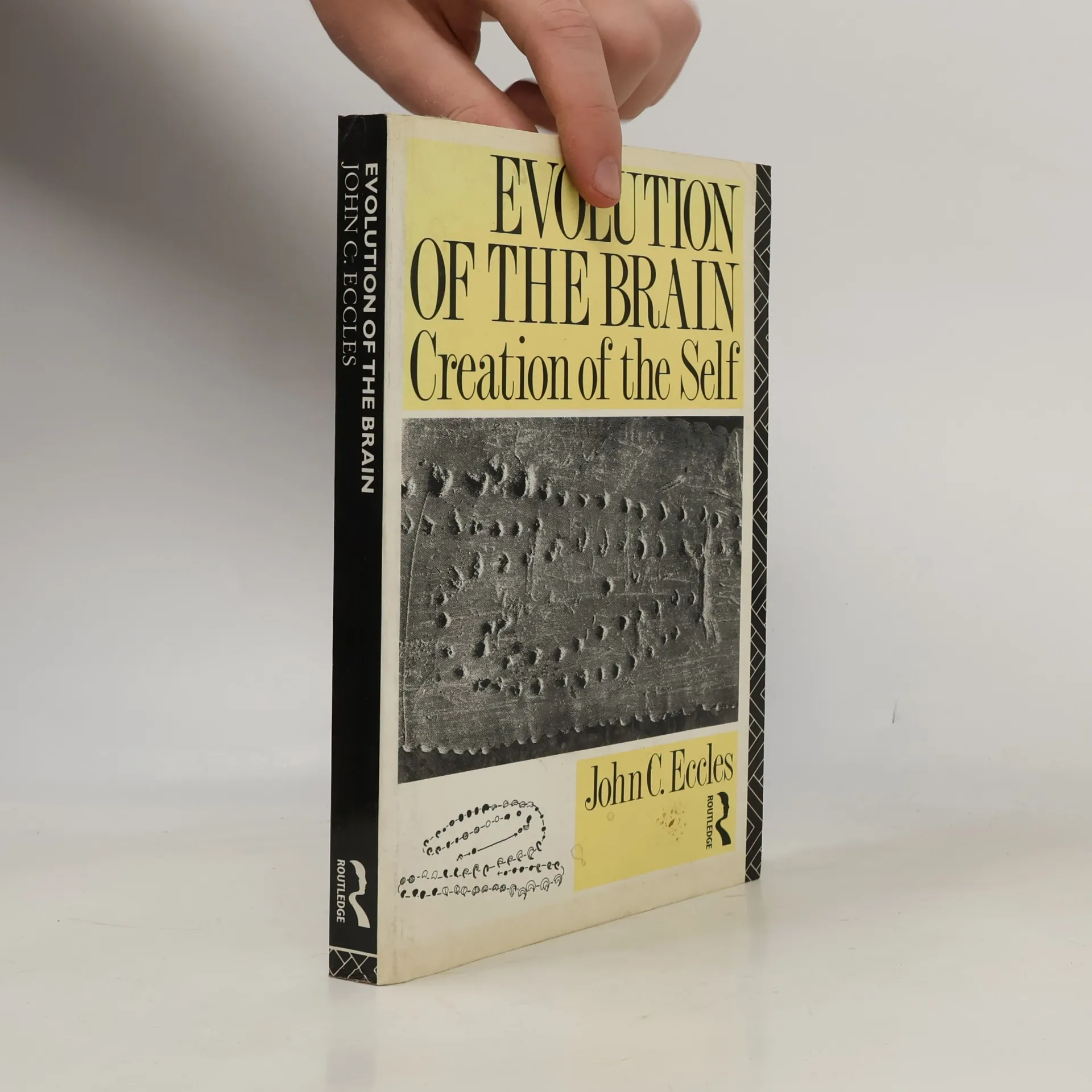
Sir John Eccles tells the story of how we came to be, not only as animals at the end of the hominid evolutionary line, but also as humans possessed of reflective consciousness.
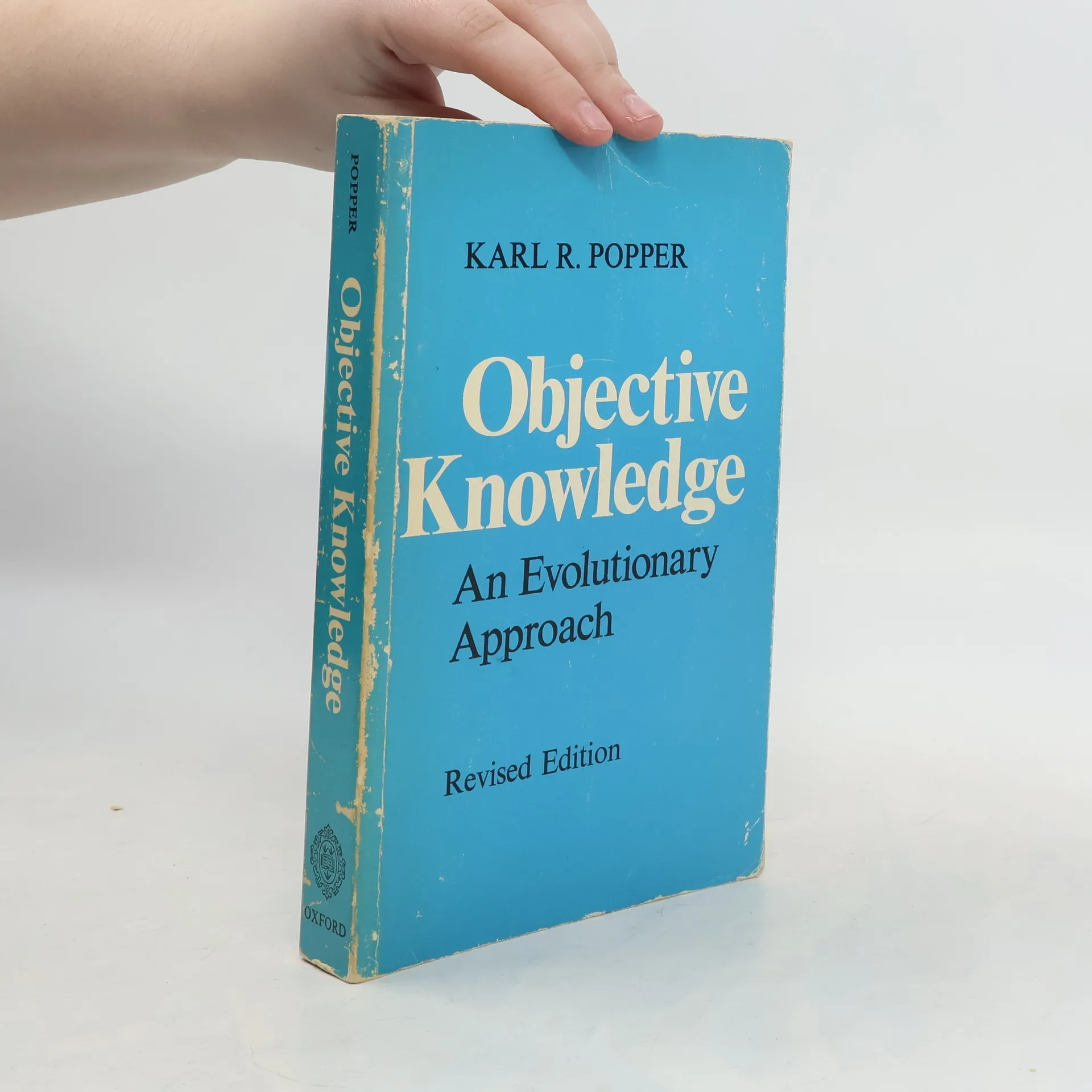
The essays in this volume represent an approach to human knowledge that has had a profound influence on many recent thinkers. Popper breaks with a traditional commonsense theory of knowledge that can be traced back to Aristotle. A realist and fallibilist, he argues closely and in simple language that scientific knowledge, once stated in human language, is no longer part of ourselves but a separate entity that grows through critical selection.
Based upon the Kenan Lectures that Popper delivered in 1969, this volume
raises problems connected with human freedom, creativity, rationality, and the
relationship between human beings and their actions.
This unique collection of essays, published together for the first time, not only elucidates the complexity of ancient Greek thought, but also reveals Karl Popper's engagement with Presocratic philosophy and the enlightenment he experienced in his reading of Parmenides. As Karl Popper himself states himself in his introduction, he was inspired to write about Presocratic philosophy for two reasons - firstly to illustrate the thesis that all history is the history of problem situations and secondly, to show the greatness of the early Greek philosophers, who gave Europe its philosophy, its science and its humanism.
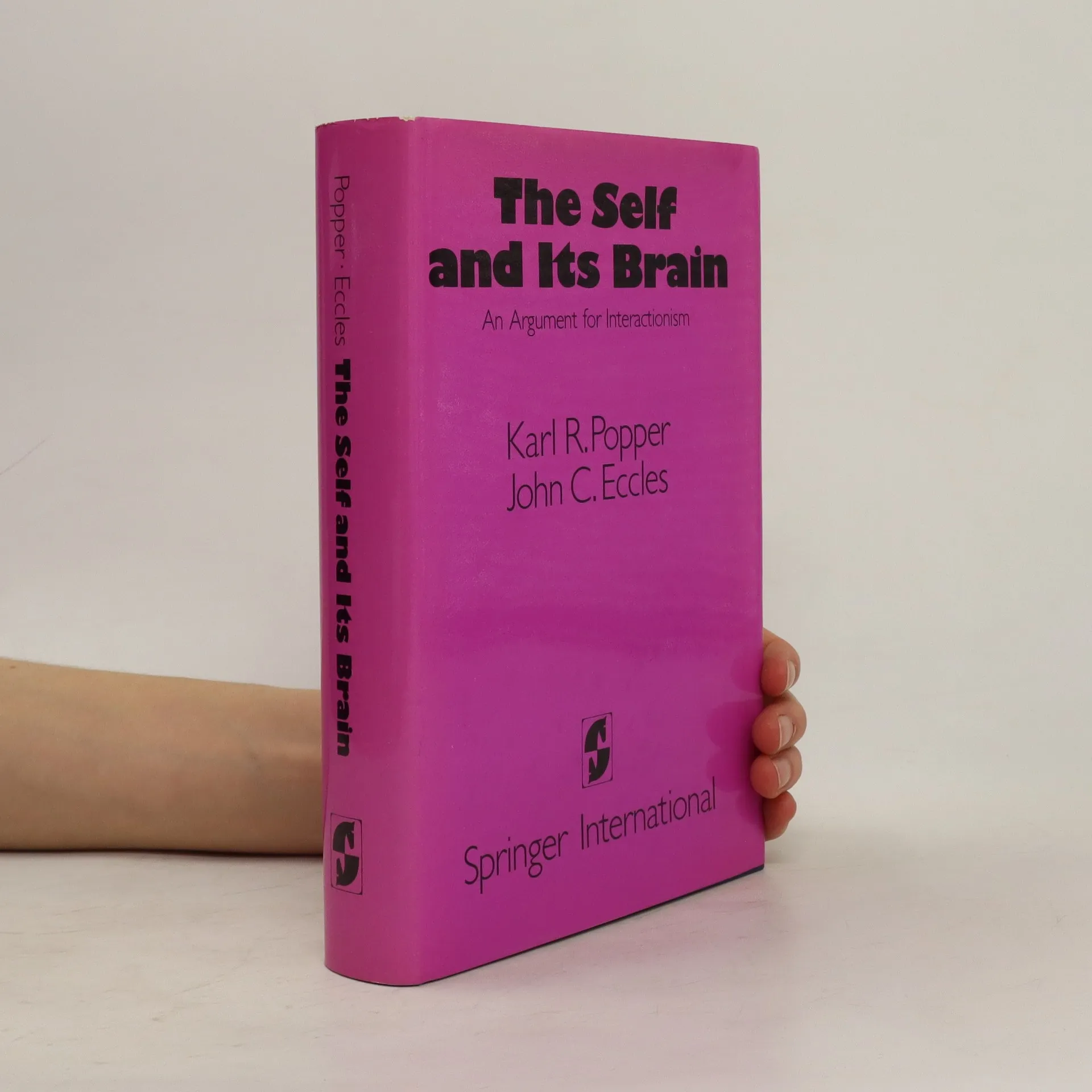
Distinguished philosopher Karl Popper and Nobel prize-winning neuroscientist Sir John Eccles argue the case for a highly distinctive view of the relation of mind and body.
When first published in 1959, this book revolutionized contemporary thinking about science and knowledge. It remains the one of the most widely read books about science to come out of the twentieth century. (Note: the book was first published in 1934, in German, with the title Logik der Forschung . It was "reformulated" into English in 1959.)
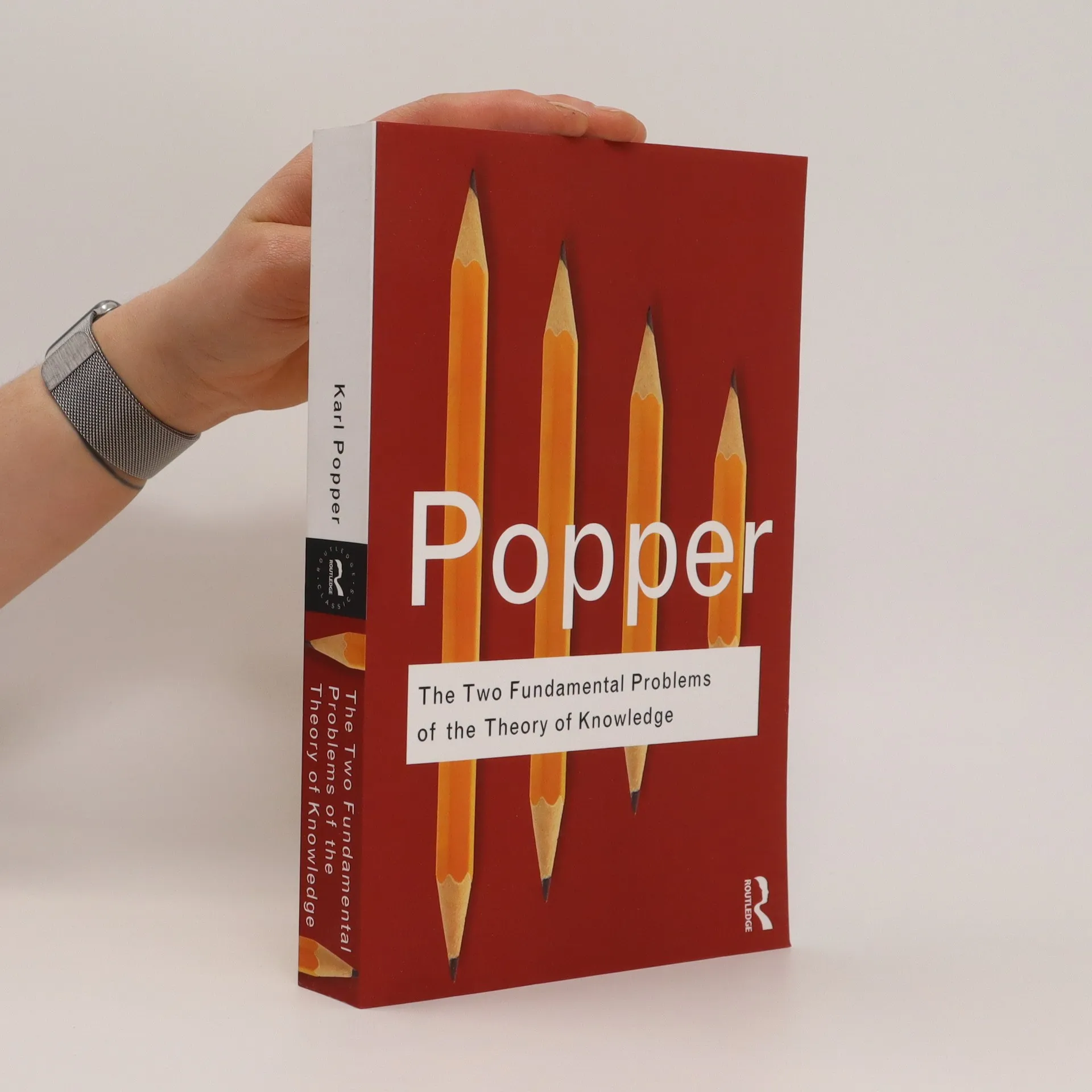
In a letter of 1932, Karl Popper described Die beiden Grundprobleme der Erkenntnistheorie – The Two Fundamental Problems of the Theory of Knowledge– as ‘…a child of crises, above all of …the crisis of physics.’ Finally available in English, it is a major contribution to the philosophy of science, epistemology and twentieth century philosophy generally. The two fundamental problems of knowledge that lie at the centre of the book are the problem of induction, that although we are able to observe only a limited number of particular events, science nevertheless advances unrestricted universal statements; and the problem of demarcation, which asks for a separating line between empirical science and non-science. Popper seeks to solve these two basic problems with his celebrated theory of falsifiability, arguing that the inferences made in science are not inductive but deductive; science does not start with observations and proceed to generalise them but with problems, which it attacks with bold conjectures. The Two Fundamental Problems of the Theory of Knowledgeis essential reading for anyone interested in Karl Popper, in the history and philosophy of science, and in the methods and theories of science itself.
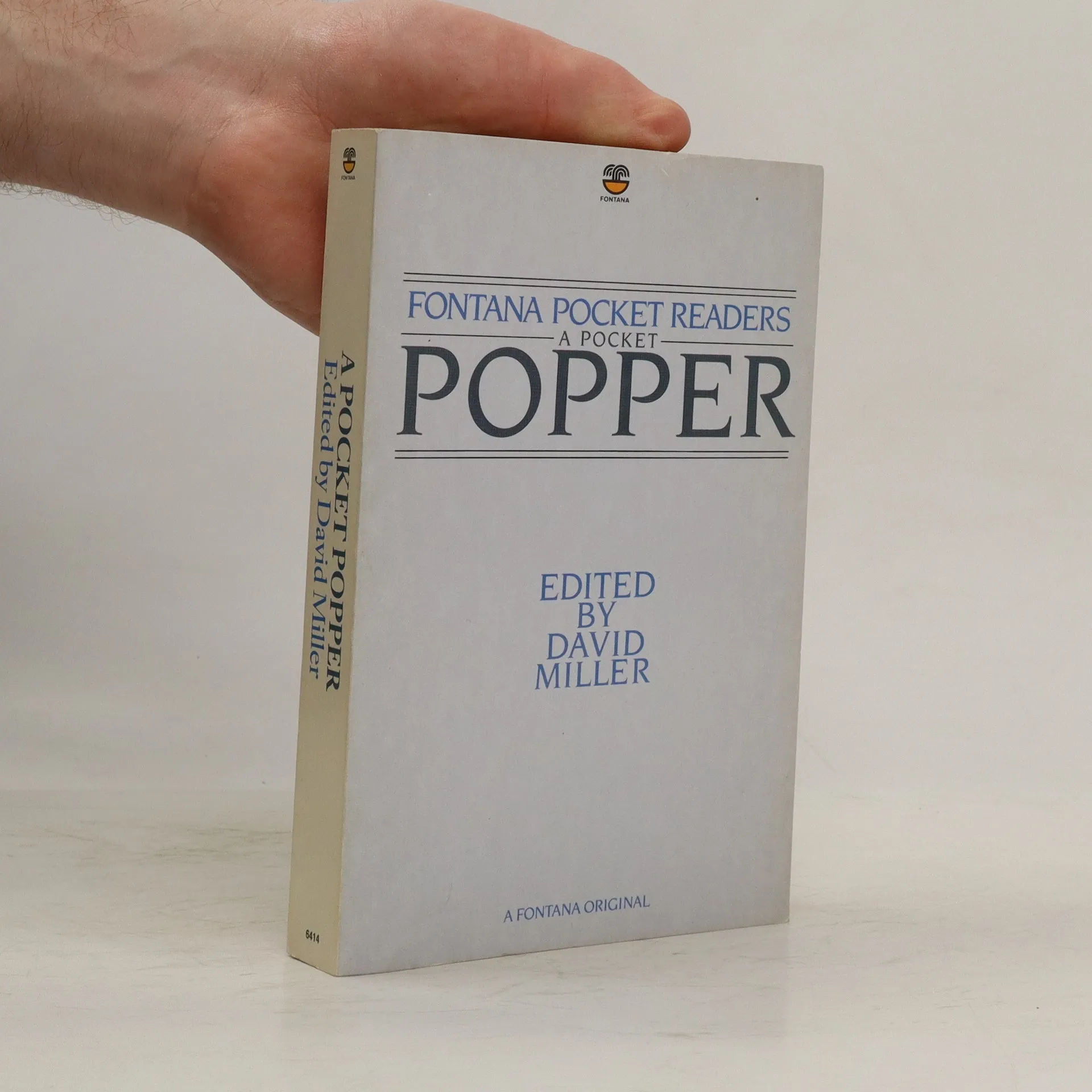
One of the most controversial of twentieth-century philosophers, especially for his devastating criticisms of Plato and Marx and for his uncompromising rejection of inductive reasoning, Sir Karl Popper relentlessly challenged both the authority and the appeal to authority of the most fashionable philosophies of our time. His own philosophy of critical rationalism is distinctive in its emphasis on the way in which we learn through the making and correcting of mistakes-on the role played by imagination in proposing new possibilities, and by reason in exposing and eliminating the errors among them. David Miller, once Popper's research assistant and now a leading expositor and critic of his work, has chosen thirty excerpts from Popper's non-technical writings in the theory of knowledge, the philosophy of science, metaphysics, and social philosophy. Together they illustrate the breadth, profundity, and originality of Sir Karl's contribution to human learning.
Publisher's description: A brilliant account of the life of one of the most influential thinkers of the twentieth century, Popper explains the central ideas in his work, making this ideal reading for anyone coming to his life and work for the first time.
From the PostScript to the Logic of Scientific Discovery
464 páginas
17 horas de lectura
Focusing on the philosophy of physics, this volume of Karl Popper's Postscript critiques subjectivist approaches to science. It represents the culmination of his thoughts on realism and aims to redefine the relationship between scientific theories and reality. Through rigorous analysis, Popper challenges established notions, making significant contributions to the philosophy of science.
An Argument for Indeterminism From the Postscript to The Logic of Scientific Discovery
212 páginas
8 horas de lectura
Focusing on the philosophy of physics, this volume presents Karl Popper's critical examination of subjectivist approaches to the philosophy of science. It serves as a culmination of his ideas, elaborating on the nature of scientific discovery and emphasizing an objective framework. The work challenges established notions and contributes significantly to the discourse on scientific methodology, making it a pivotal read for those interested in the philosophy of science.
From the PostScript to the Logic of Scientific Discovery
256 páginas
9 horas de lectura
Focusing on the philosophy of physics, this volume presents Karl Popper's critique of subjectivist approaches in the field. It serves as a culmination of his thoughts and arguments, emphasizing the significance of objective scientific inquiry. As part of a larger work, it explores the implications of quantum theory and its impact on the understanding of scientific discovery, making it a crucial text for those interested in the intersection of philosophy and physics.
Karl Popper, einer der herausragendsten zeitgenössischen Philosophen, präsentiert hier seine Theorie der Propensionen als eine Interpretation der Wahrscheinlichkeit, die es uns ermöglicht, die Existenz von objektiven Indeterminierungen zu behaupten. Die Propensionen, als aktive Kräfte in einem kontinuierlichen Prozess der Realisierung, erklären die objektive Offenheit der Zukunft. Der Autor belebt die kantianische Terminologie des a priori zur Verteidigung der Existenz eines angeborenen Wissens, das in die biochemische Struktur jedes Organismus integriert ist, und versucht, seine evolutionistische Auffassung des Wissens durch moderne Theorien über den Ursprung des Lebens und der Sinnesorgane zu untermauern.
Budoucí směřování světa je zcela závislé na hodnotách, kterými se lidstvo bude řídit. Skutečné hodnoty zosobňuje demokratická společnost, která je nejspravedlivějším existujícím společenským řádem.
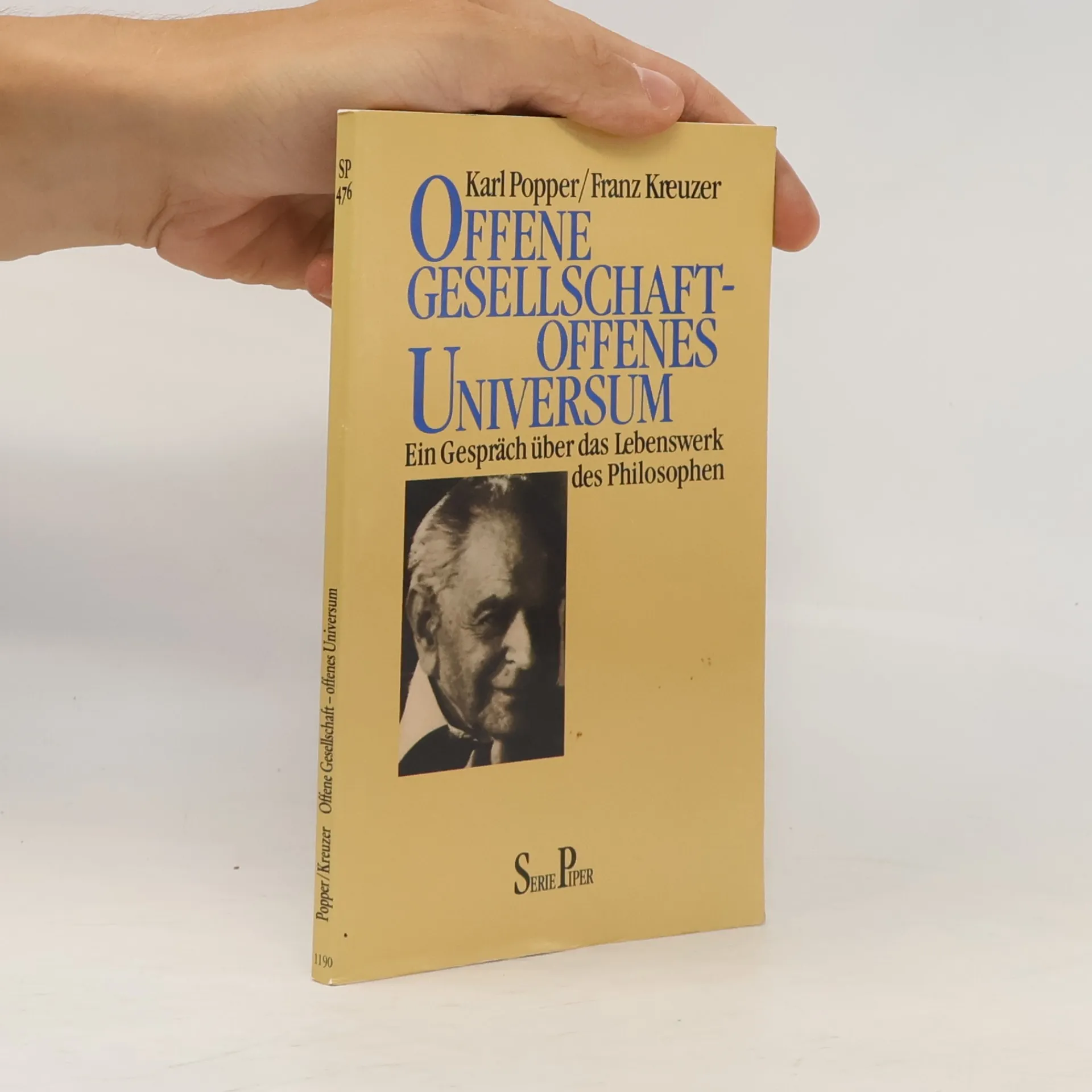
Karl Raimund Popper zählt zu den bedeutendsten Philosophen dieses Jahrhunderts. Sein »kritischer Rationalismus« und seine Konzeption der »offenen Gesellschaft« haben nachhaltigen Einfluß auf die Philosophie, die Wirtschafts- und Sozialwissenschaften und auf die Politik der westlichen Welt ausgeübt – sie tun dies bis heute. Seine Theorie von den »Drei Welten« hat der Diskussion um das »Leib-Seele-Problem« – vor allem um die Wechselwirkung zwischen physischen Vorgängen und psychischen Prozessen – neue entscheidende Impulse gegeben. Der vorliegende Band – vom Autor selbst gestaltet – versammelt zentrale Vorträge und Aufsätze Poppers aus dreißig Jahren. Die Texte faszinieren durch ihre lebendige und klare Sprache. Sie konfrontieren den Leser mit Poppers großen Themen und mit der Vielfalt seines Denkens.
Karl Popper behandelt und kritisiert in diesem Buch zwar vordergründig den Historizismus, das heißt die Lehre, daß es Gesetze der historischen Entwicklung gibt, in seinen antinaturalistischen und pronaturalistischen Ausprägungen. Im Grunde ist das Buch aber viel breiter angelegt. Es ist die erkenntnisfördernde Übertragung von Karl Poppers Wissenschaftslehre auf Politik, Soziologie und Geschichte, für deren Problemstellungen es neue überraschende Lösungen aufzeigt. Jeder, der an politischen, soziologischen und historischen Fragestellungen interessiert ist, wird deshalb aus diesem Buch Anregungen und Lösungsvorschläge entnehmen können, die heute noch so aktuell sind wie vor 50 Jahren. Das Buch ist ein Standardwerk der Anwendung wissenschaftlicher Theorien auf die konkrete Praxis.
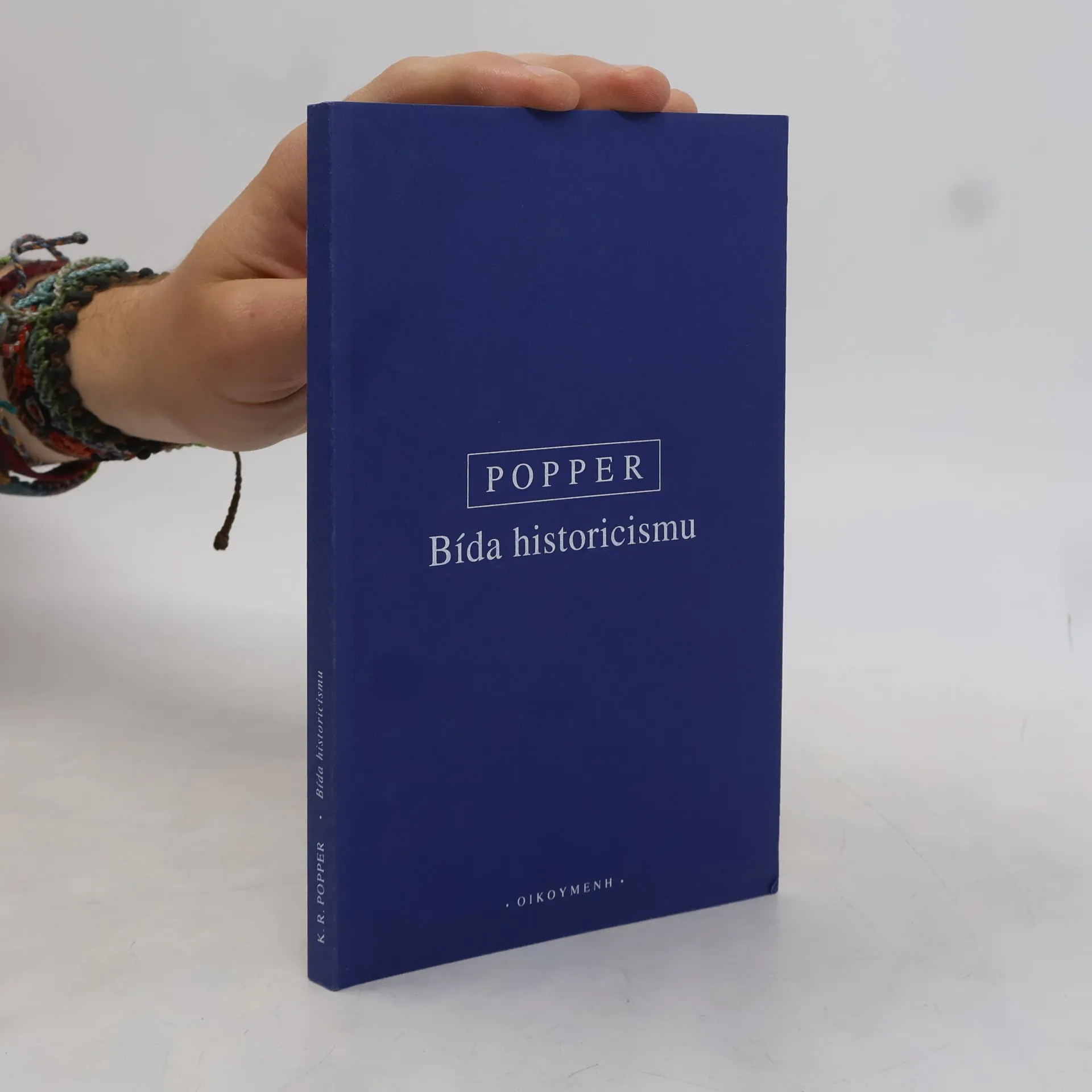
Kritická studie zabývající se problémem dějin a jejich smyslu. ISBN 80-86005-80-1 je chybné, správné ISBN 80-7298-007-6 není v knize uvedeno. Dotisk 2008 (ISBN 978-80-7298-007-9)
Otevřená společnost a její nepřátelé je jeden z nejdůležitějších spisů moderní politické filosofie, v němž Popper rozvíjí svou vlivnou teorii demokracie a budování institucí a proti holistickému sociálnímu inženýrství, navrhujícímu „systémová řešení“, obhajuje inženýrství dílčí, které místo neuskutečnitelného jednorázového nastolení co nejlepšího stavu hledí odstraňovat jedno po druhém ty nejpalčivější zla a nepořádky. Ale Otevřená společnost je daleko více než to: je to srozumitelný a čtivý text, kde čtivost není výsledkem chtěné snahy o popularizaci, nýbrž Popperova přesvědčení, že osud svobodného světa možná závisí na tom, aby se hlavní sdělení knihy dostalo k co největší skupině čtenářů. Tímto sdělením je: budoucnost je otevřená! Bude-li vám někdo tvrdit, že doba si žádá to či ono (v době psaní knihy plánované hospodářství a totalitární politiku), nemůže mít pravdu, protože o tom, co nastane, nerozhodují nějaké trendy či dějinná směřování, nýbrž rozhodnutí lidí. Důkladněji to dokazuje v Bídě historicismu (1957), ale šířit toto poselství se pokouší především zde (a přidává k tomu i kontroverzní, ale závažnou analýzu jistého aspektu díla největšího filosofa všech dob, za něhož Popper považuje Platóna).. Přeložila J. Odehnalová. Druhé vydání připravil J. Moural.
“İyimserlik ahlakî bir görevdir.” 20. Yüzyıl’ın en etkileyici düşünürlerinden Karl Popper, sahip olduğumuz demokratik sistemi muhafaza etmede üzerimize düşen sorumlulukların farkında olmamız gerektiğini hatırlatıyor. Yarının dünyasını yaratacak olan şey bizim eylemlerimiz olacaktır. Gazeteci Giancarlo Bosetti’nin yaptığı bu söyleşilerde Popper geniş bir yelpazede çağdaş siyasal ve toplumsal meseleler üzerine konuşuyor. Sovyetler Birliği’nin çöküşünden üçüncü bir dünya savaşı tehlikesine, çocuklarımıza karşı yükümlülüklerimizden televizyonun potansiyel zararlı etkilerine kadar birçok konudan bahsediyor. Toplumumuzdaki yükselen şiddet ve bencilliğin, eğer önlem almazsak medeniyetimizi tehlikeye atacağı konusunda uyarıyor. Kitap aynı zamanda demokrasi teorisi üzerine iki konuşma da içeriyor; demokrasinin hiçbir zaman halkın yönetimi olmadığını (olamayacağını ve olmaması gerektiğini) ama tiranlığı önleyebilmek için elimizdeki en iyi yöntem olduğunu ikna edici bir şekilde savunuyor.
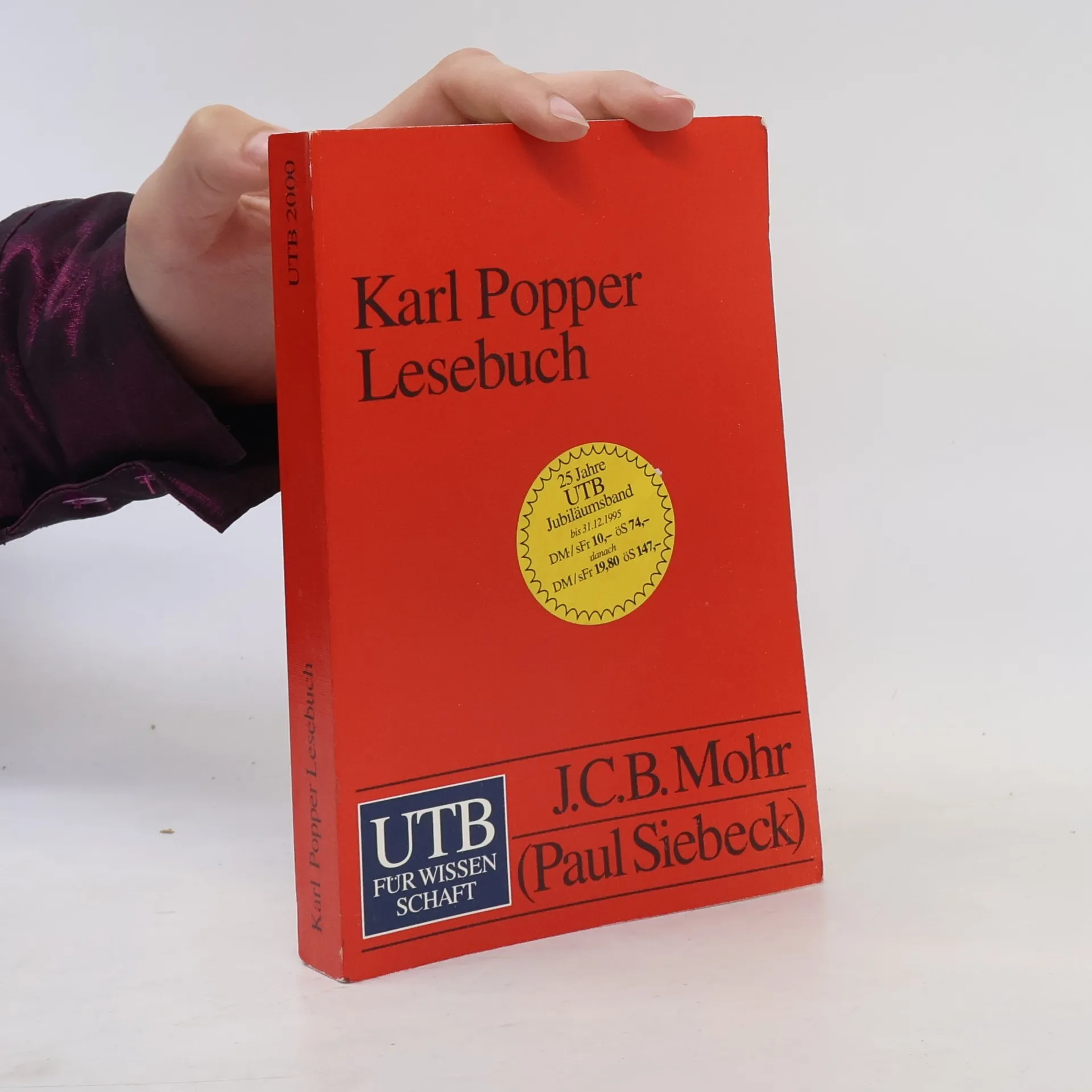
Ausgewählte Texte zur Erkenntnistheorie, Philosophie der Naturwissenschaften, Metaphysik, Sozialphilosophie
460 páginas
17 horas de lectura
Karl Popper ist der am meisten zitierte Vertreter der Aufklärung in diesem Jahrhundert. Bekannt ist er als Sozialphilosoph durch „Die offene Gesellschaft und ihre Feinde“ und als Wissenschaftstheoretiker der „Logik der Forschung“.
Außer in diesen beiden Büchern hat er in zahllosen anderen, in Vorträgen und Aufsätzen von der Altphilologie bis zur Quantenphysik und Biochemie Anstöße gegeben oder Kritik geübt; er hat dabei immer wieder vorgeführt, wie man schwierige theoretische Probleme in einfacher, klarer Sprache darlegen kann.
Das Popper Lesebuch ist ein Querschnitt durch sein Werk und zeigt bei der Vielfalt der behandelten Probleme die erstaunliche Einheit in Poppers Denken.
Karl R. Popper (1902 1994) war einer der einflußreichsten Philosophen und politischen Denker des 20. Jahrhunderts. Dieser Band führt mit zentralen Texten Poppers in dessen Werk ein. Deutlich wird, wie klar er schwierige Fragen analysieren, wie verständlich und einfach er schreiben kann.
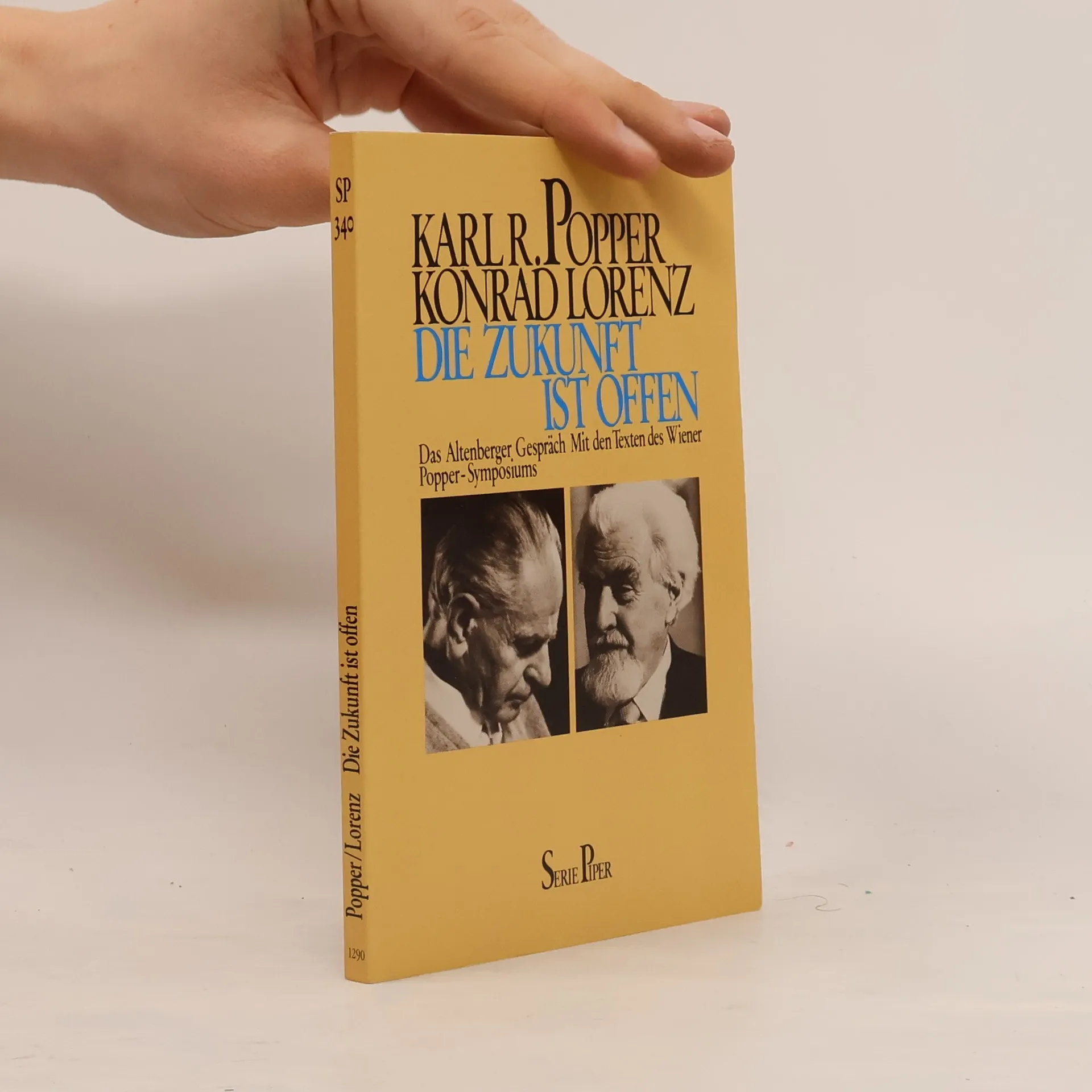
Leben bedeutet, Probleme zu lösen; leben bedeutet, zu lernen: das behaupten sowohl Popper als auch Lorenz. Aber um zu lernen, müssen wir aktiv sein: Theorien erfinden und sie auf die Probe stellen. Im ersten Teil des Buches diskutieren die beiden "Vorfahren" aus Wien über evolutionistische Epistemologie, das Problem von Geist und Gehirn und die Zukunft der Menschheit. Im zweiten Teil diskutiert Popper zusammen mit Philosophen, Physikern, Biologen, Ärzten, Politikern und Journalisten über Wissenschaft und Hypothesen, über die Theorie der Welt 3 und über die offene Gesellschaft. Das Ergebnis dieser Diskussion ist eine Synthese der philosophischen, epistemologischen und politischen Ideen des großen österreichischen Philosophen.
Band I: Der Zauber Platons und Band II: Falsche Propheten: Hegel, Marx und die Folgen -als Paket-
1099 páginas
39 horas de lectura
Die Untersuchung des Historizismus steht im Mittelpunkt von Karl Poppers sozialphilosophischem Hauptwerk, das sich mit den Ideen von Platon sowie den Theorien von Hegel und Marx auseinandersetzt. Neben der historischen Analyse werden zentrale erkenntnistheoretische, philosophische, ethische und politische Fragestellungen behandelt, die auch heute noch relevant sind. Poppers Konzept der offenen Gesellschaft, das auf die kontinuierliche Verbesserung demokratischer Institutionen abzielt, bietet wertvolle Einsichten für alle, die sich mit der Entwicklung von Zivilgesellschaften beschäftigen.
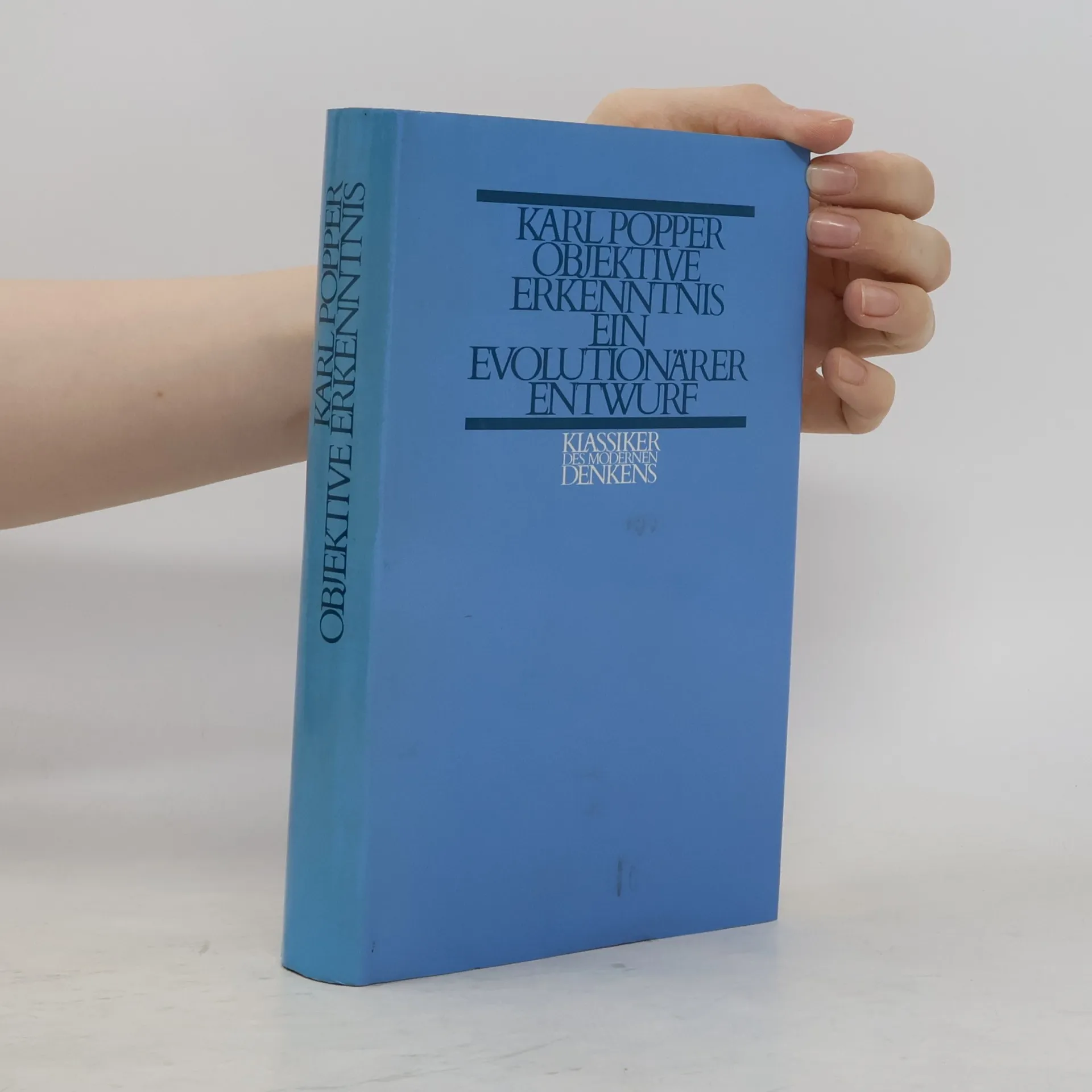
Karl Popper untersucht in diesem Werk die evolutionsgeschichtliche Analyse von Erkennen und Wissen und differenziert zwischen subjektiven und objektiven Erkenntnisformen. Er kritisiert den falschen Induktionsschluss und die "Kübeltheorie", die das Verständnis des Geistes einschränken. Poppers neue Erkenntnistheorie postuliert, dass objektives Wissen unabhängig von subjektiven Denkprozessen möglich ist. Die sprachliche Welt der Probleme und Theorien, als Teil seiner "Welt 3", spielt eine zentrale Rolle in der Evolution des menschlichen Denkens. Der Band bietet zudem sieben neue Anhänge und eine frische Übersetzung.
Das sozialphilosophische Hauptwerk von Karl Popper behandelt vor allem die Geschichte des Historizismus, das heisst, die Idee eines gesetzmassigen historischen Ablaufs, bei Platon (Band I) sowie bei Hegel, Marx und deren Nachfolgern (Band II). Es enthalt ausserdem eine Vielzahl von Erorterungen uber erkenntnistheoretische, philosophische, ethische und politische Fragen, die bis heute von brennender Aktualitat sind. Die Theorie der offenen Gesellschaft, also die standige schrittweise Verbesserung von Institutionen in parlamentarisch-demokratischen Gesellschaften, ist in diesen beiden Banden so grundlich entwickelt, dass alle an der Begrundung und Weiterentwicklung von Zivilgesellschaften interessierten Personen sich mit ihr auseinandersetzen sollten. Hier sind beide Bande im Paket zum Sonderpreis erhaltlich.
Podtitul: Vlna proroctví – Hegel, Marx a co následovalo. Čtivý rozbor Hegelovy a Marxovy filosofie, jejich omylů a zhoubného vlivu na teorie společnosti. Mistrná analýza marxistických frází a k čemu vedly v totalitních režimech.