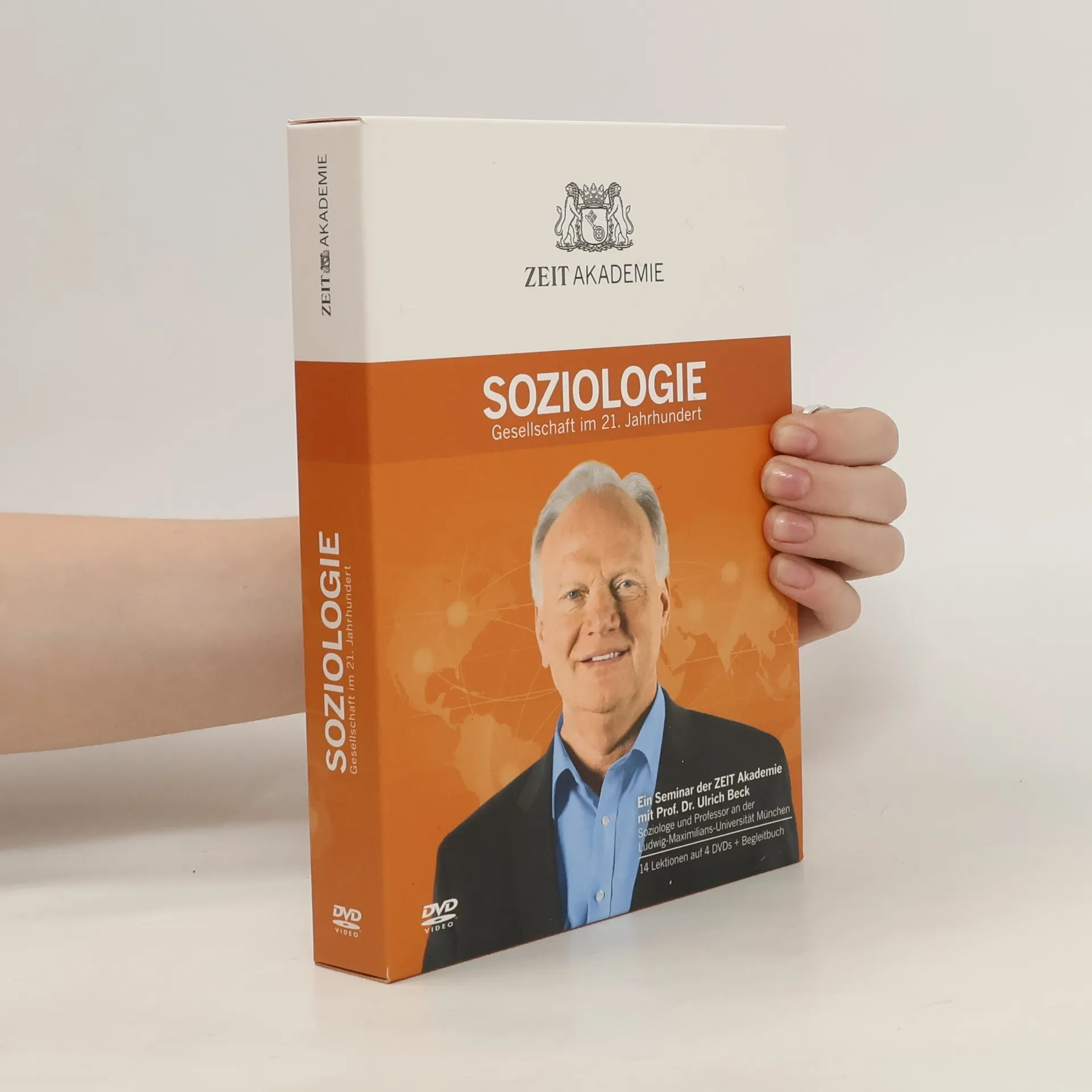
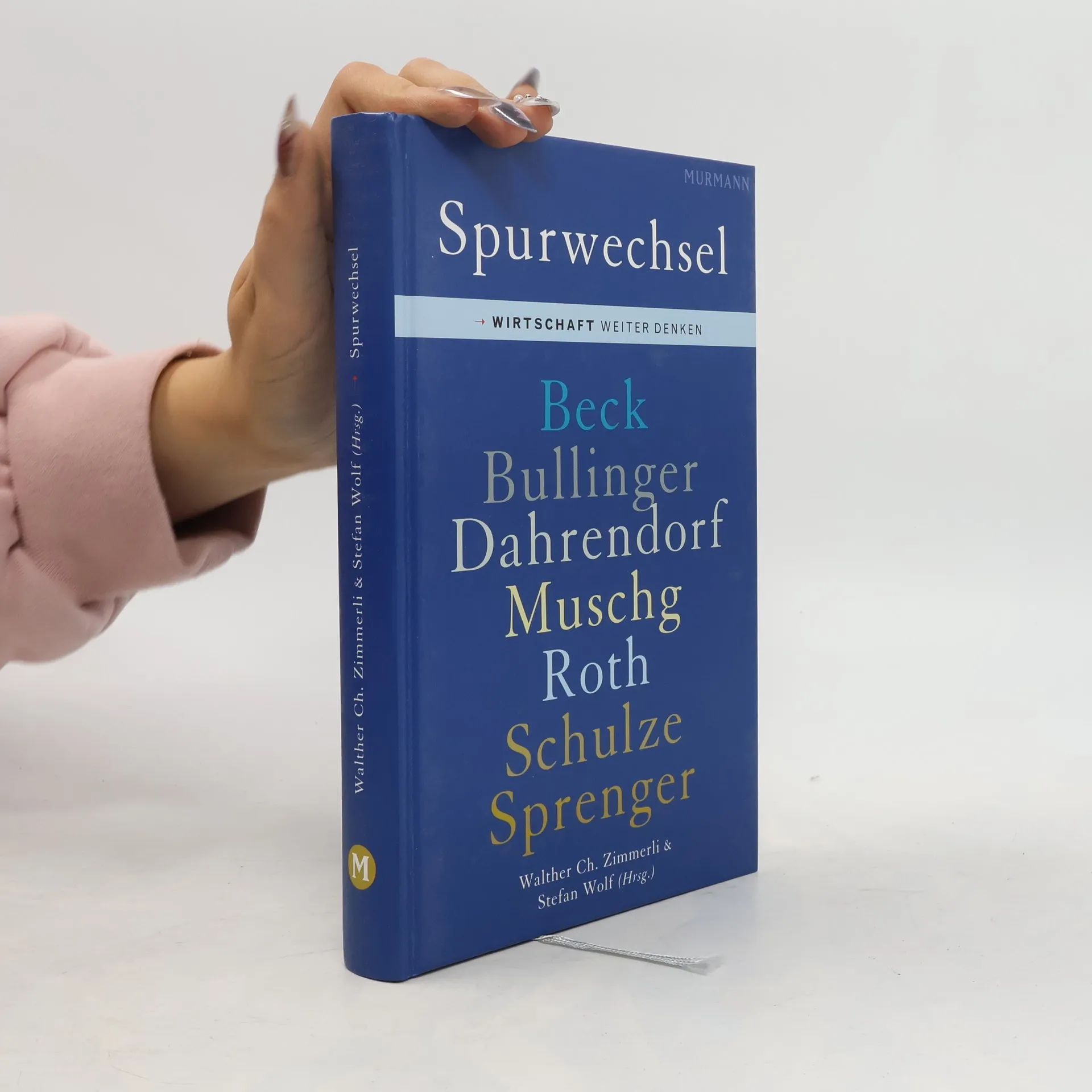
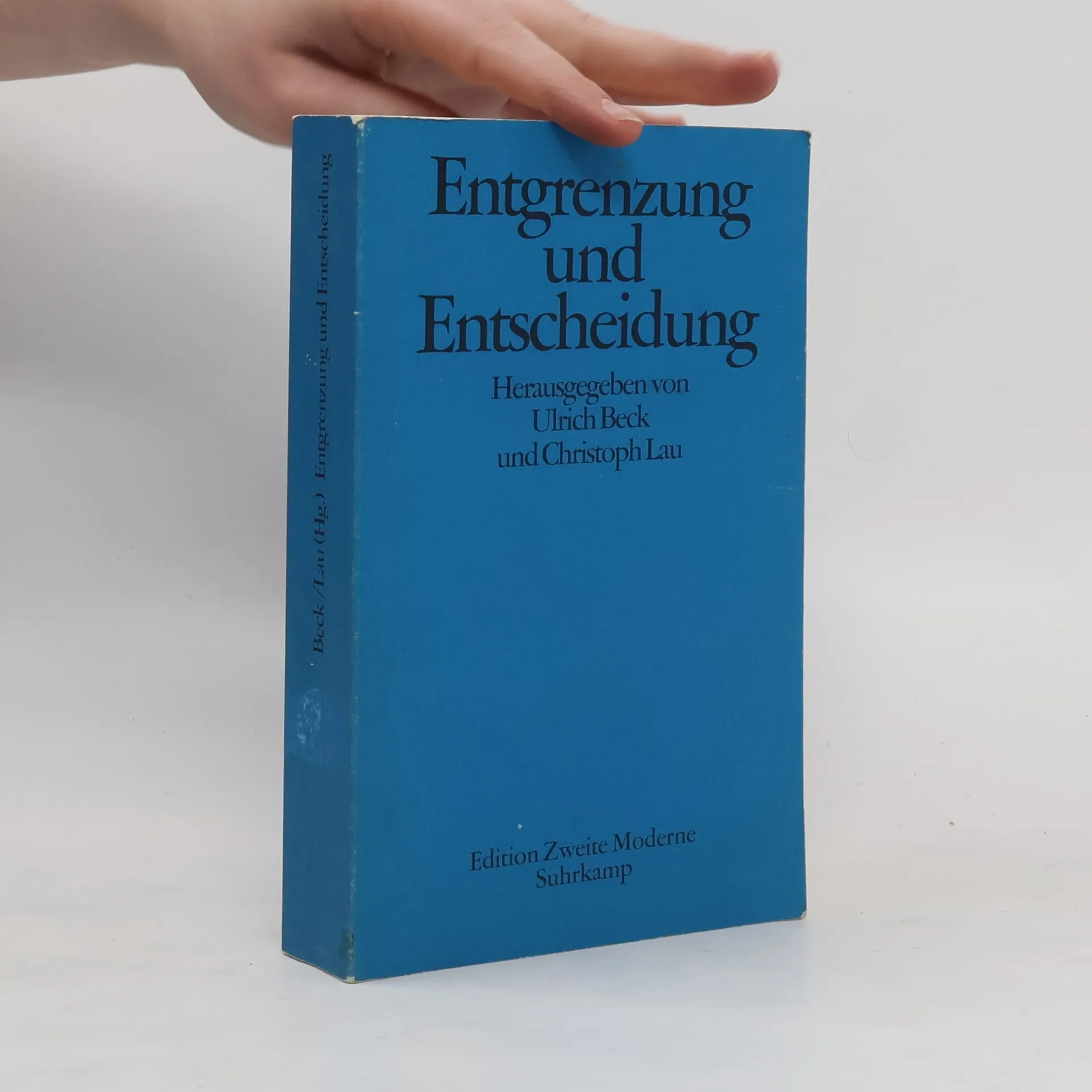
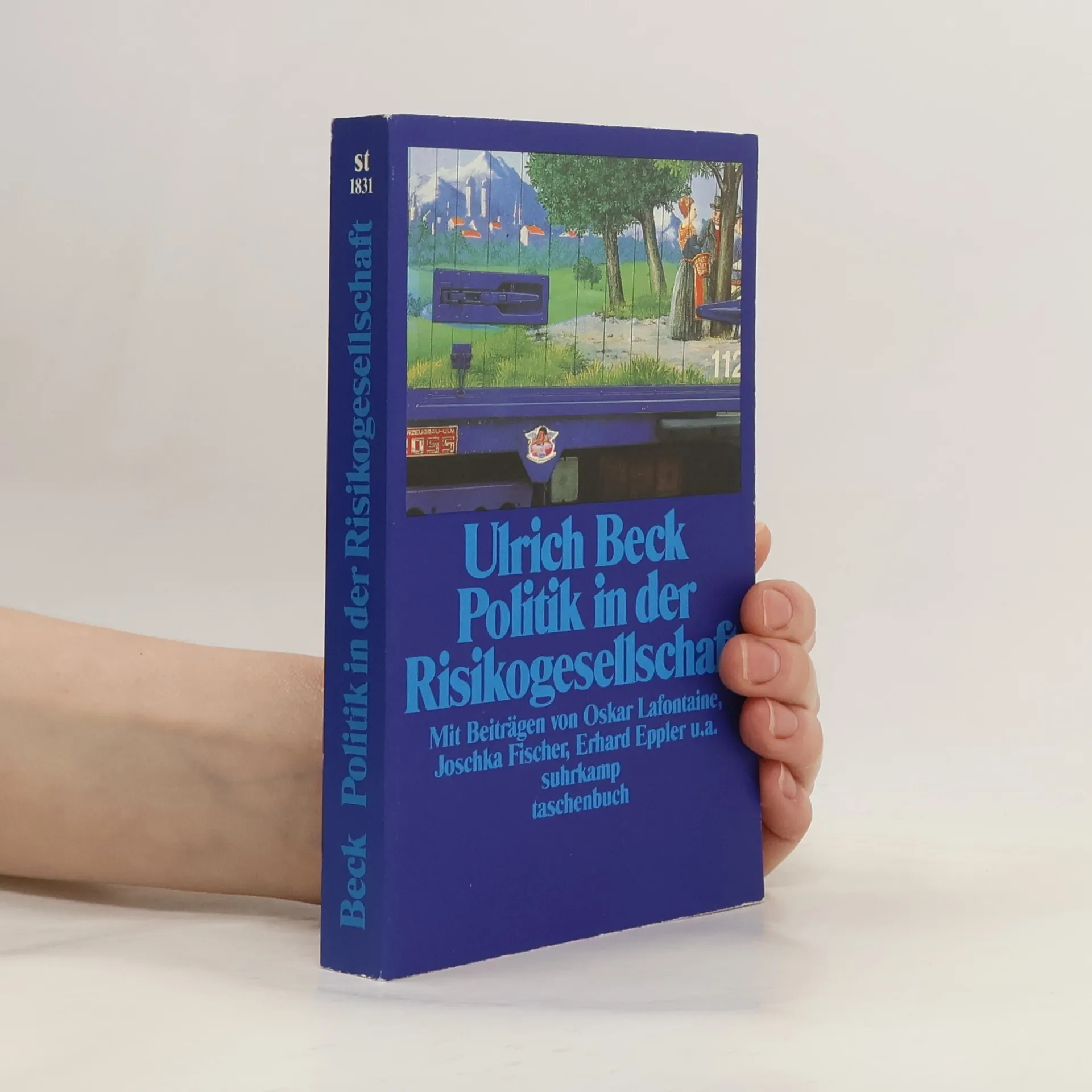
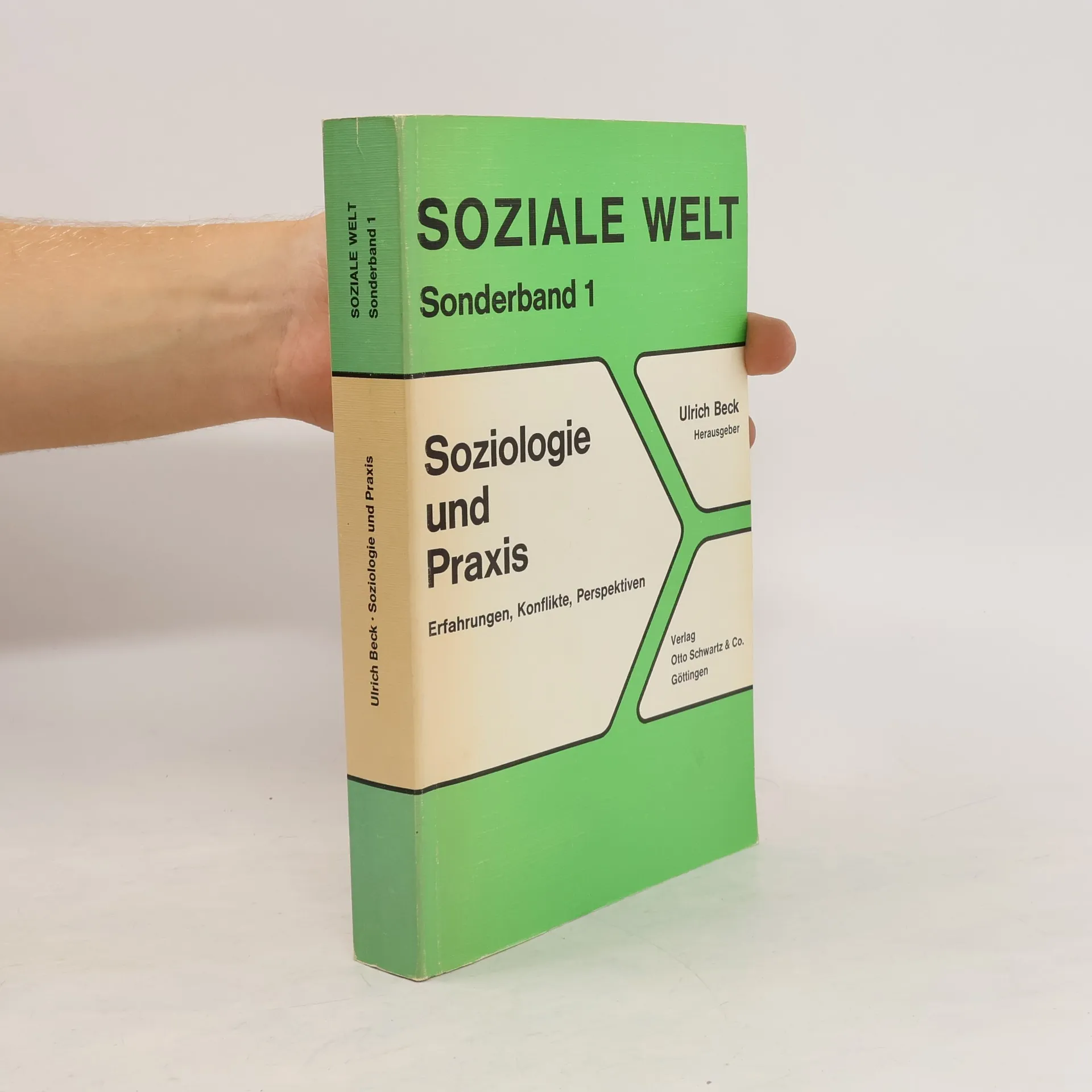
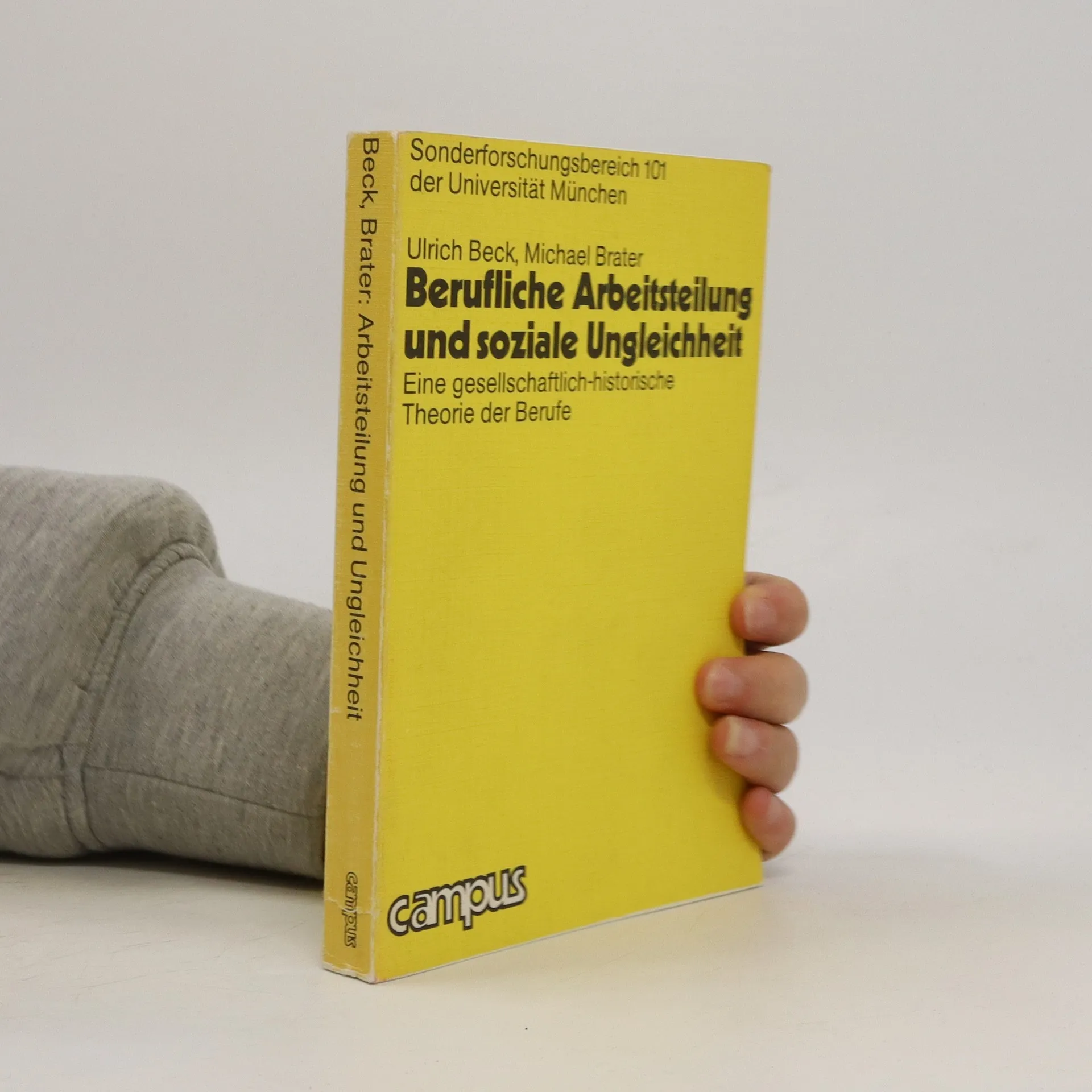
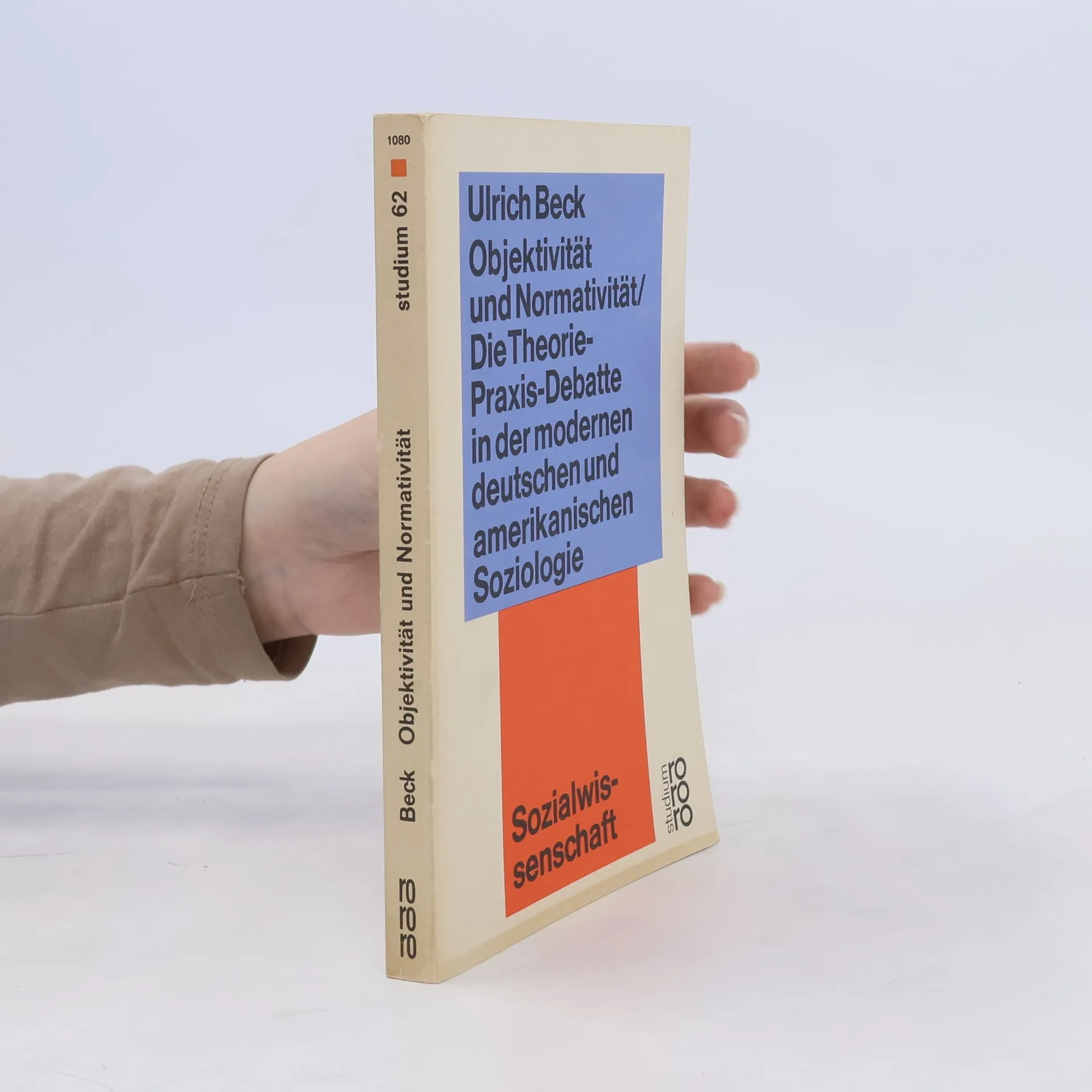
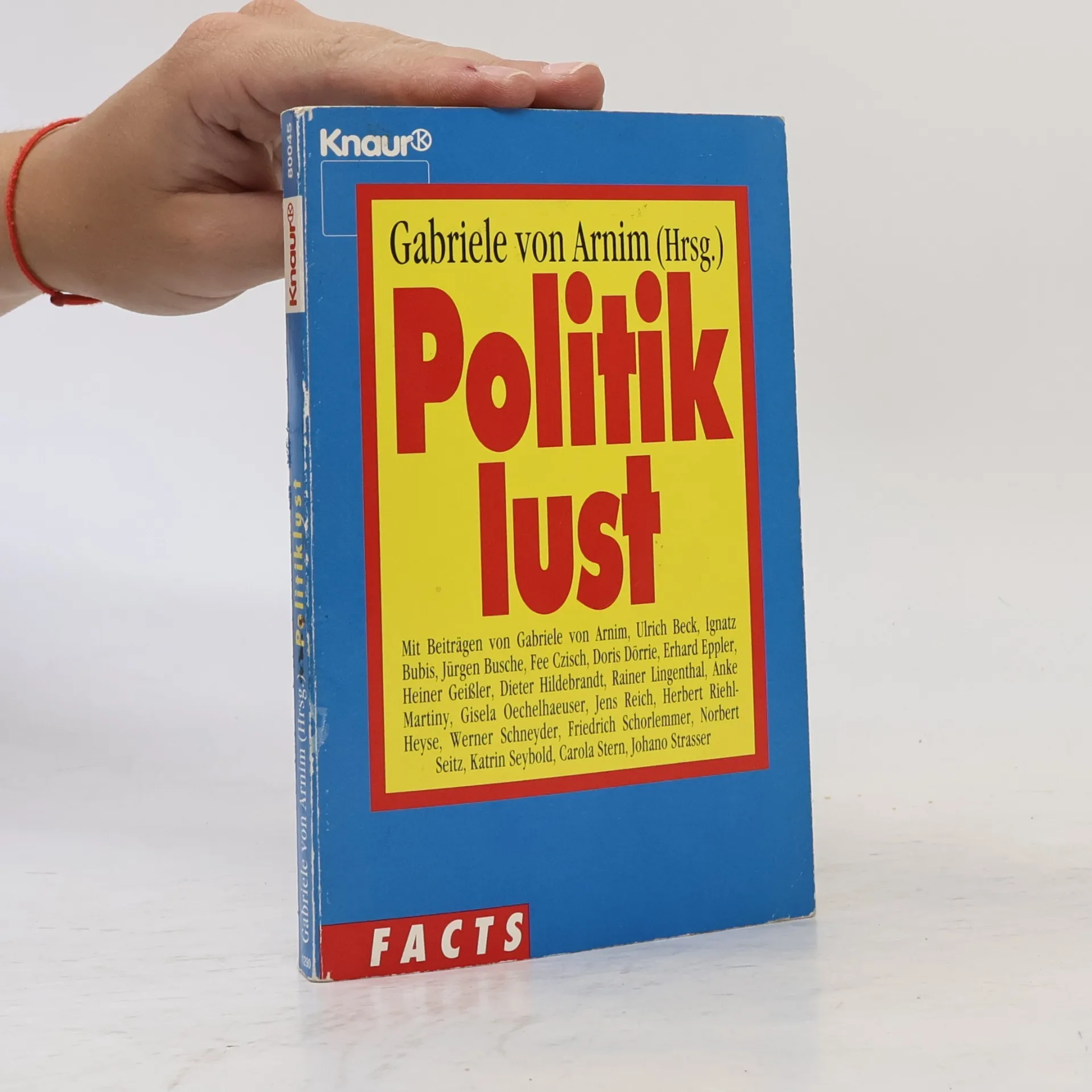
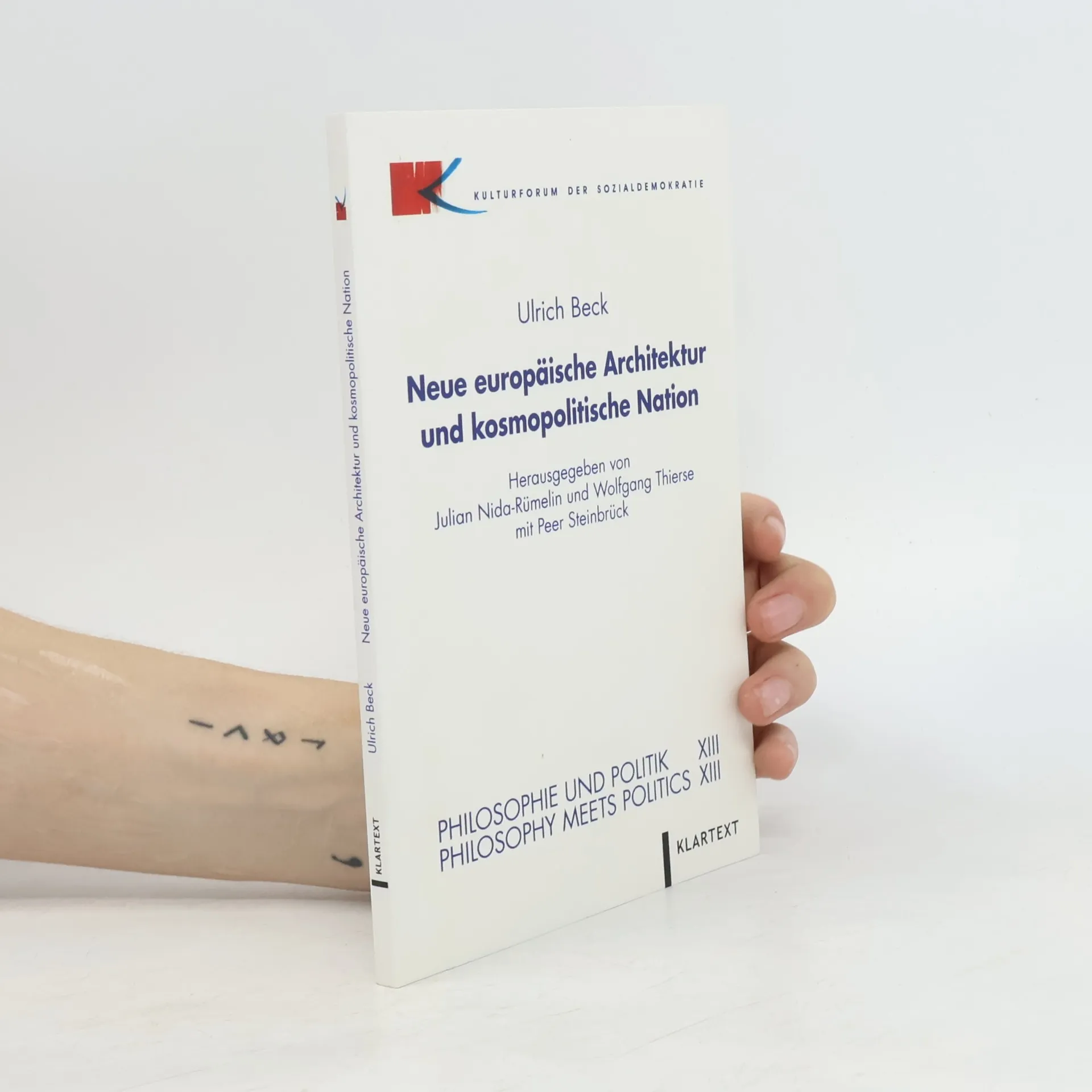
Ulrich Beck fue un sociólogo alemán conocido principalmente por acuñar el término 'sociedad del riesgo'. Su obra profundiza en la modernidad, la globalización y la naturaleza siempre cambiante de la sociedad. El enfoque de Beck a menudo resaltaba las incertidumbres y los desafíos inherentes al progreso, explorando cómo estos factores dan forma a nuestro mundo. Sus ideas sociológicas continúan influyendo en las discusiones sobre los problemas sociales contemporáneos.
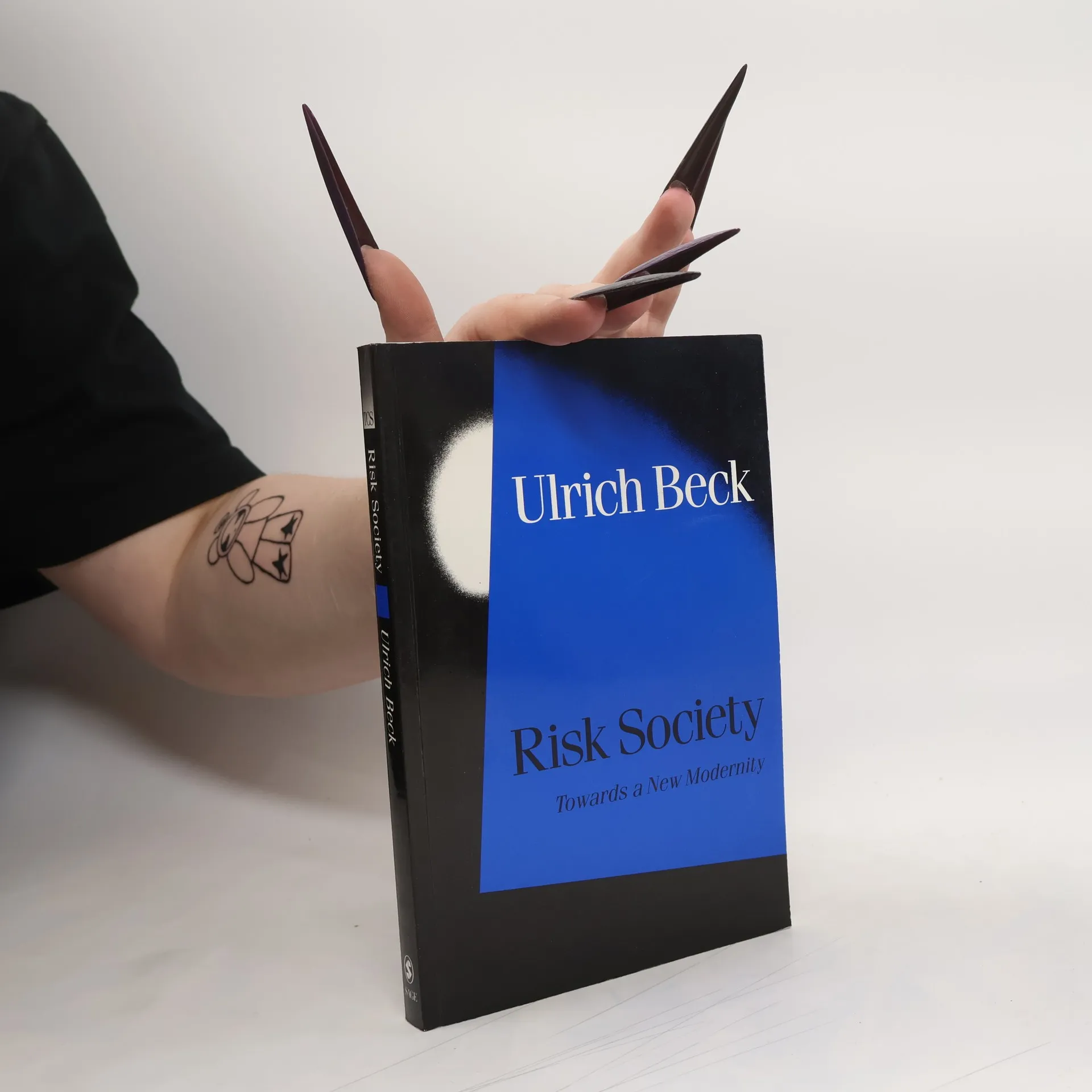
Twenty years ago Ulrich Beck published Risk Society , a book that called our
attention to the dangers of environmental catastrophes and changed the way we
think about contemporary societies. During the last two decades, the dangers
highlighted by Beck have taken on new forms and assumed ever greater
significance.
Institutionalized Individualism and Its Social and Political Consequences
222 páginas
8 horas de lectura
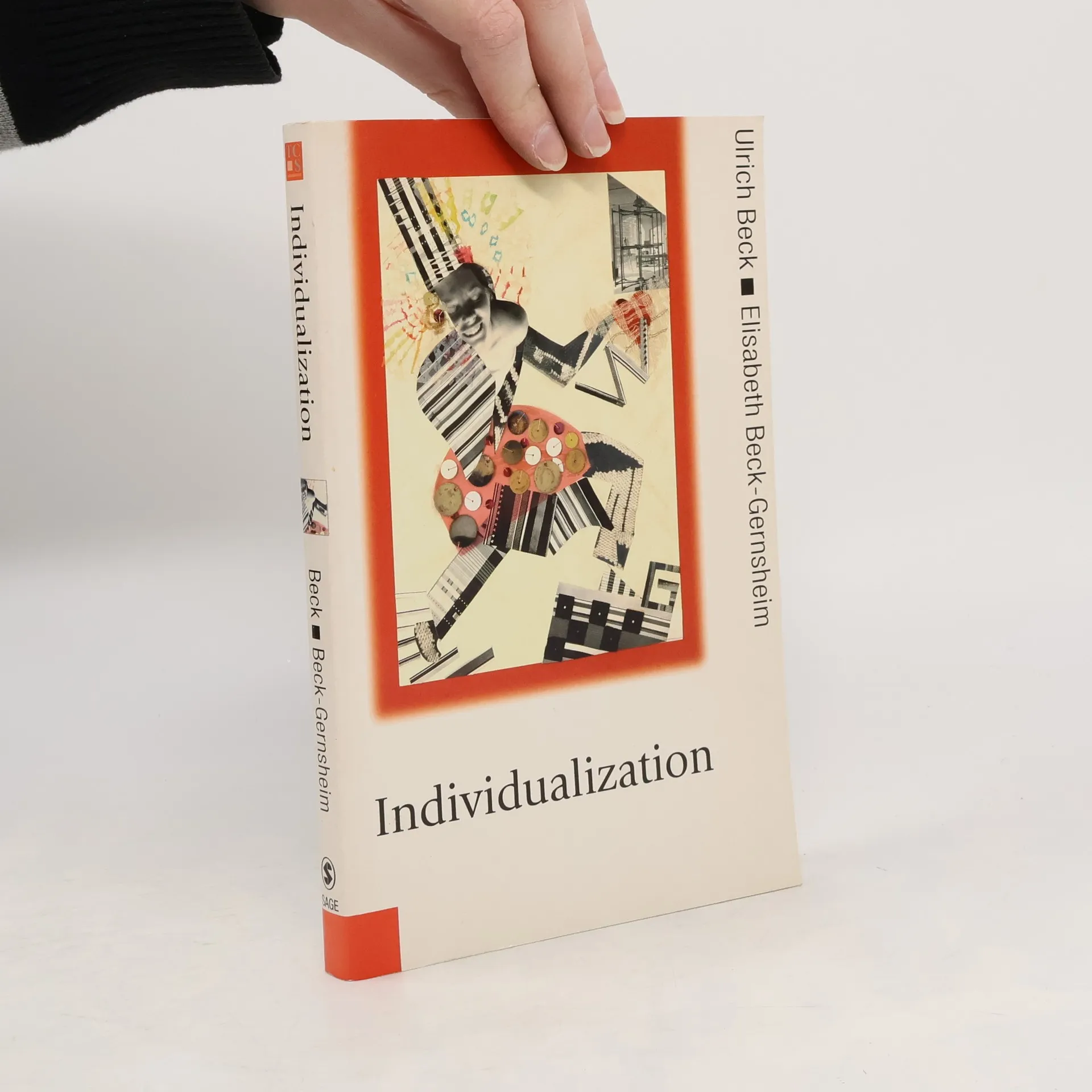
Individualization argues that we are in the midst of a fundamental change in the nature of society and politics. This change hinges around two globalization and individualization. The book demonstrates that individualization is a structural characteristic of highly differentiated societies, and does not imperil social cohesion, but actually makes it possible. Ulrich Beck and Elisabeth Beck-Gernsheim argue that it is vital to distinguish between the neo-liberal idea of the free-market individual and the concept of individualization. The result is the most complete discussion of individualization currently available, showing how individualization relates to basic social rights and also paid employment; and concluding that in
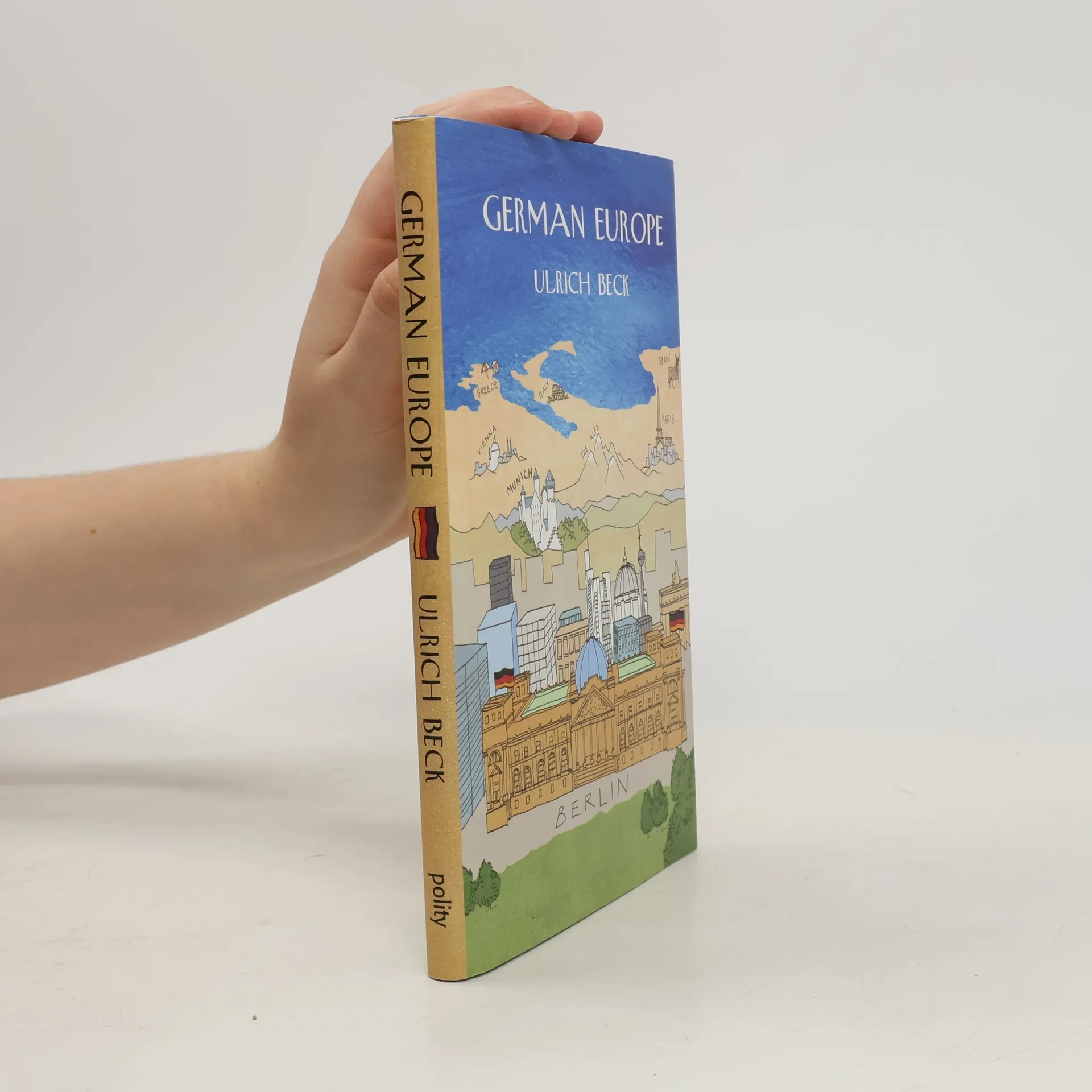
The euro crisis is fracturing Europe, revealing how the fundamental principles of democracy are being undermined. As the crisis unfolds, parliaments, governments, and EU institutions are being bypassed, leading to a shift from multilateralism to unilateralism, and from equality to hegemony. Even France, once a dominant force in European integration, now finds itself constrained by Berlin's demands due to concerns over its credit rating. This shift has fundamentally altered the power dynamics in Europe, giving rise to a "German Europe." Germany did not actively seek this leadership role; rather, it emerged as an unintended consequence of the euro's creation, which was intended to bind Germany within a more integrated Europe. Instead, the euro has benefitted Germany economically, elevating Chancellor Angela Merkel to a position of informal leadership in Europe. The new power dynamics reflect the divide between creditor and debtor nations, driven by an economic rather than military logic. This situation is rooted in a form of "German euro nationalism," which is reshaping European identity. The current EU model, based on fear of chaos, is unsustainable. For Europe to thrive, it must foster a positive vision that empowers citizens and encourages grassroots engagement, allowing ordinary Europeans to unite and act on their own behalf.
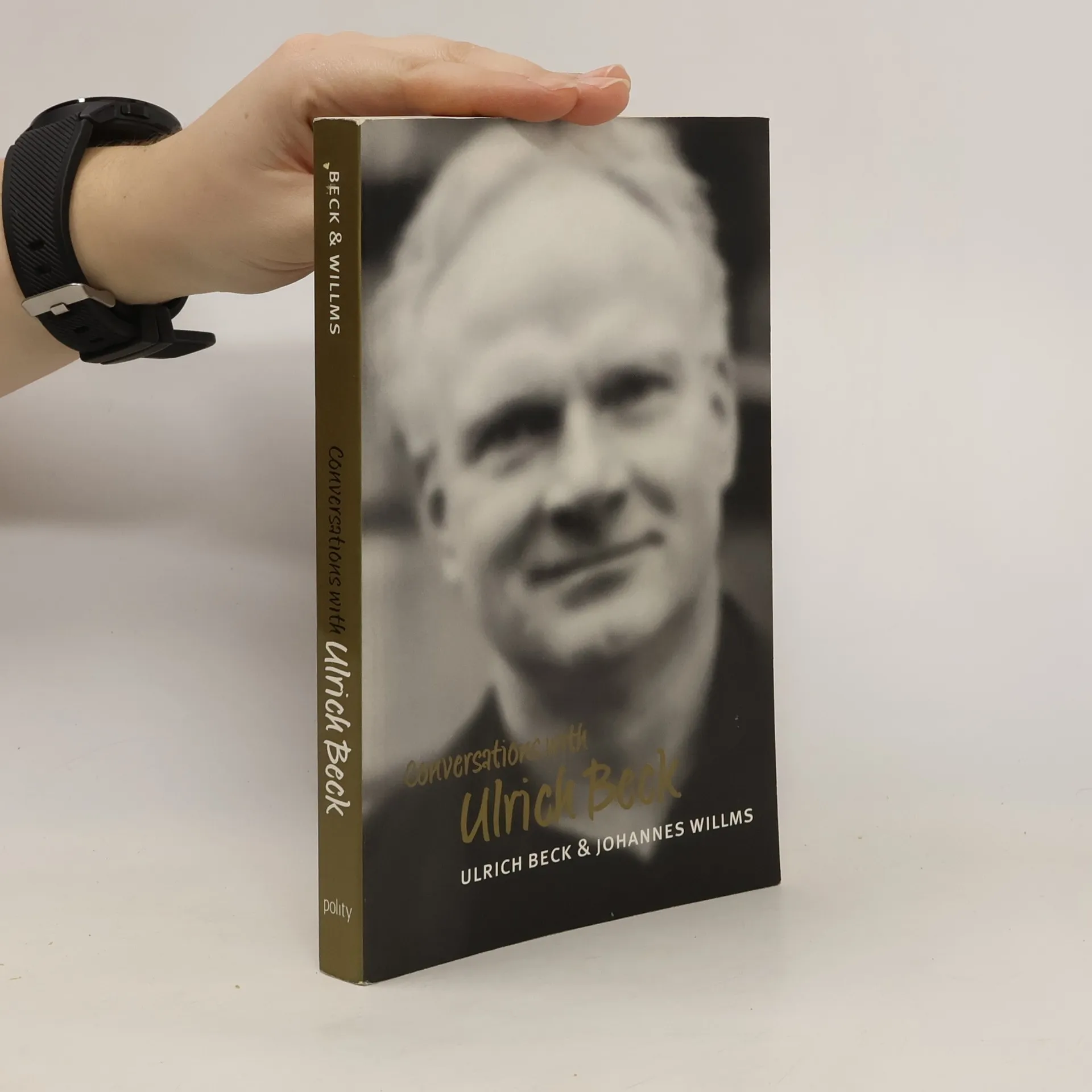
In this new book, Ulrich Beck and the journalist Johannes Willms engage in a series of accessible conversations that reveal and explore the key elements in Beck’s thought.
Towards a New Modernity (Published in Association with Theory, Culture & Society)
272 páginas
10 horas de lectura
This panoramic analysis of the condition of Western societies has been hailed as a classic. This first English edition has taken its place as a core text of contemporary sociology alongside earlier typifications of society as postindustrial and current debates about the social dimensions of the postmodern.Underpinning the analysis is the notion of the `risk society′. The changing nature of society′s relation to production and distribution is related to the environmental impact as a totalizing, globalizing economy based on scientific and technical knowledge becomes more central to social organization and social conflict.
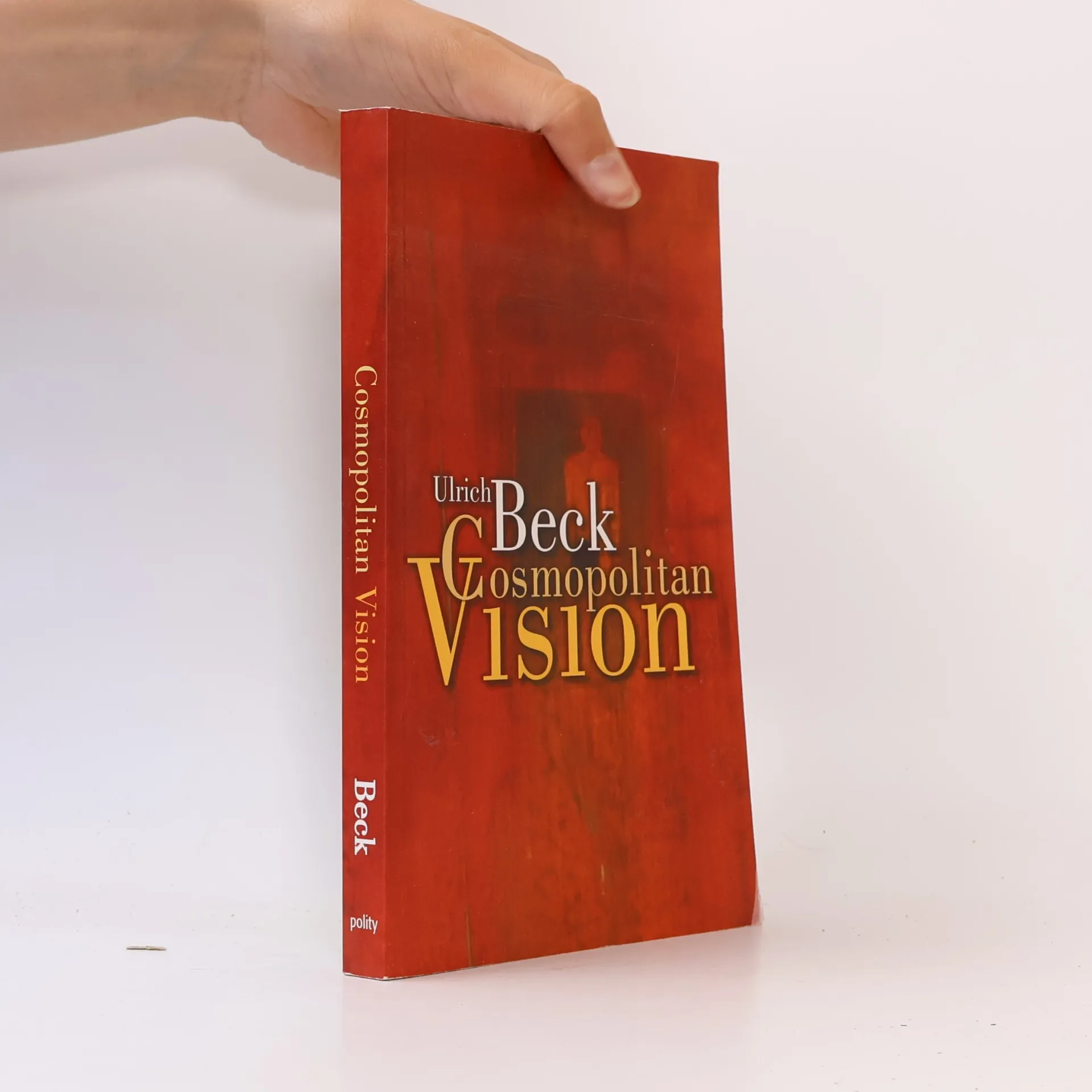
In this new book, Ulrich Beck develops his now widely used concepts of second modernity, risk society and reflexive sociology into a radical new sociological analysis of the cosmopolitan implications of globalization. Beck draws extensively on empirical and theoretical analyses of such phenomena as migration, war and terror, as well as a range of literary and historical works, to weave a rich discursive web in which analytical, critical and methodological themes intertwine effortlessly. Contrasting a ‘cosmopolitan vision’ or ‘outlook’ sharpened by awareness of the transformative and transgressive impacts of globalization with the ‘national outlook’ neurotically fixated on the familiar reference points of a world of nations-states-borders, sovereignty, exclusive identities-Beck shows how even opponents of globalization and cosmopolitanism are trapped by the logic of reflexive modernization into promoting the very processes they are opposing. A persistent theme running through the book is the attempt to recover an authentically European tradition of cosmopolitan openness to otherness and tolerance of difference. What Europe needs, Beck argues, is the courage to unite forms of life which have grown out of language, skin colour, nationality or religion with awareness that, in a radically insecure world, all are equal and everyone is different.
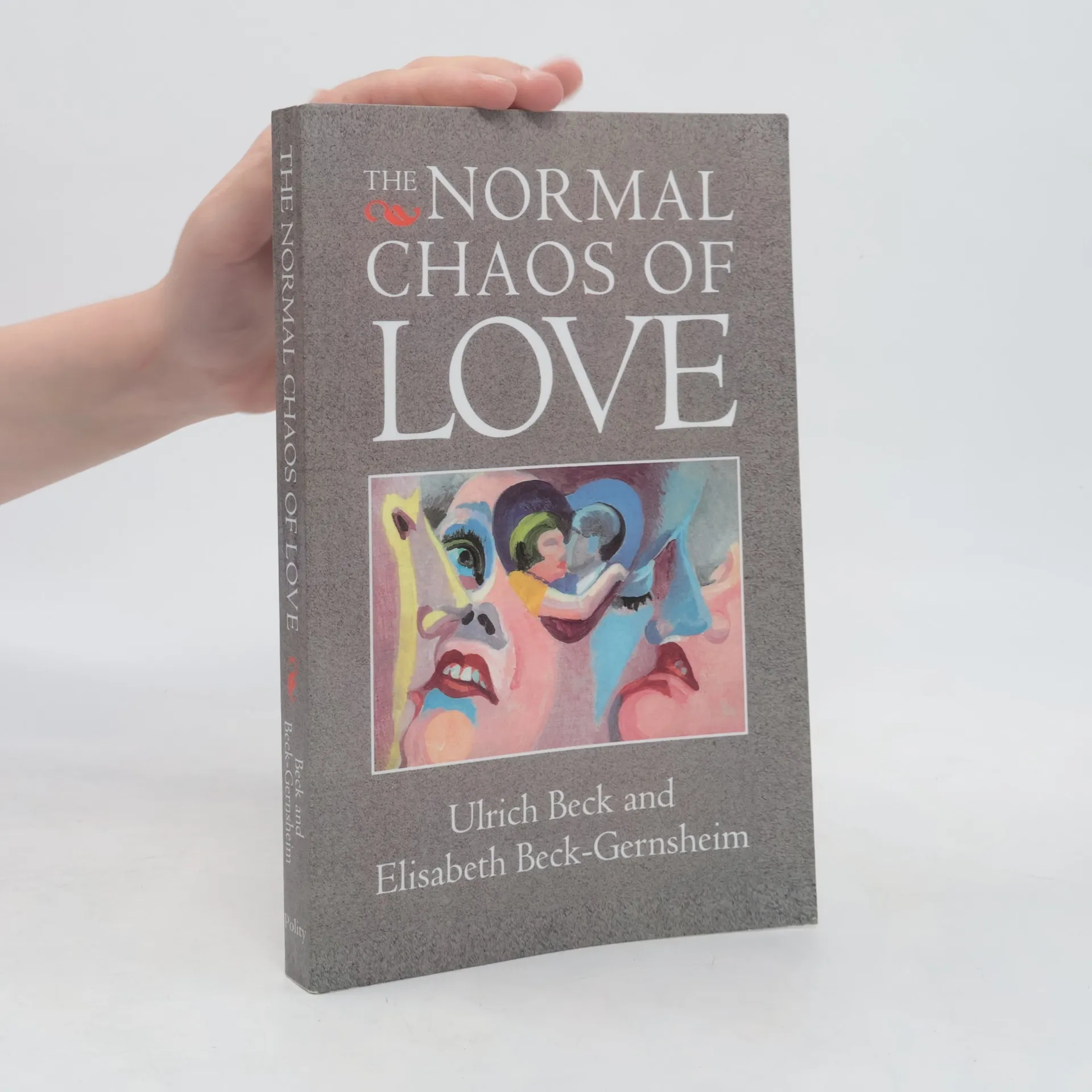
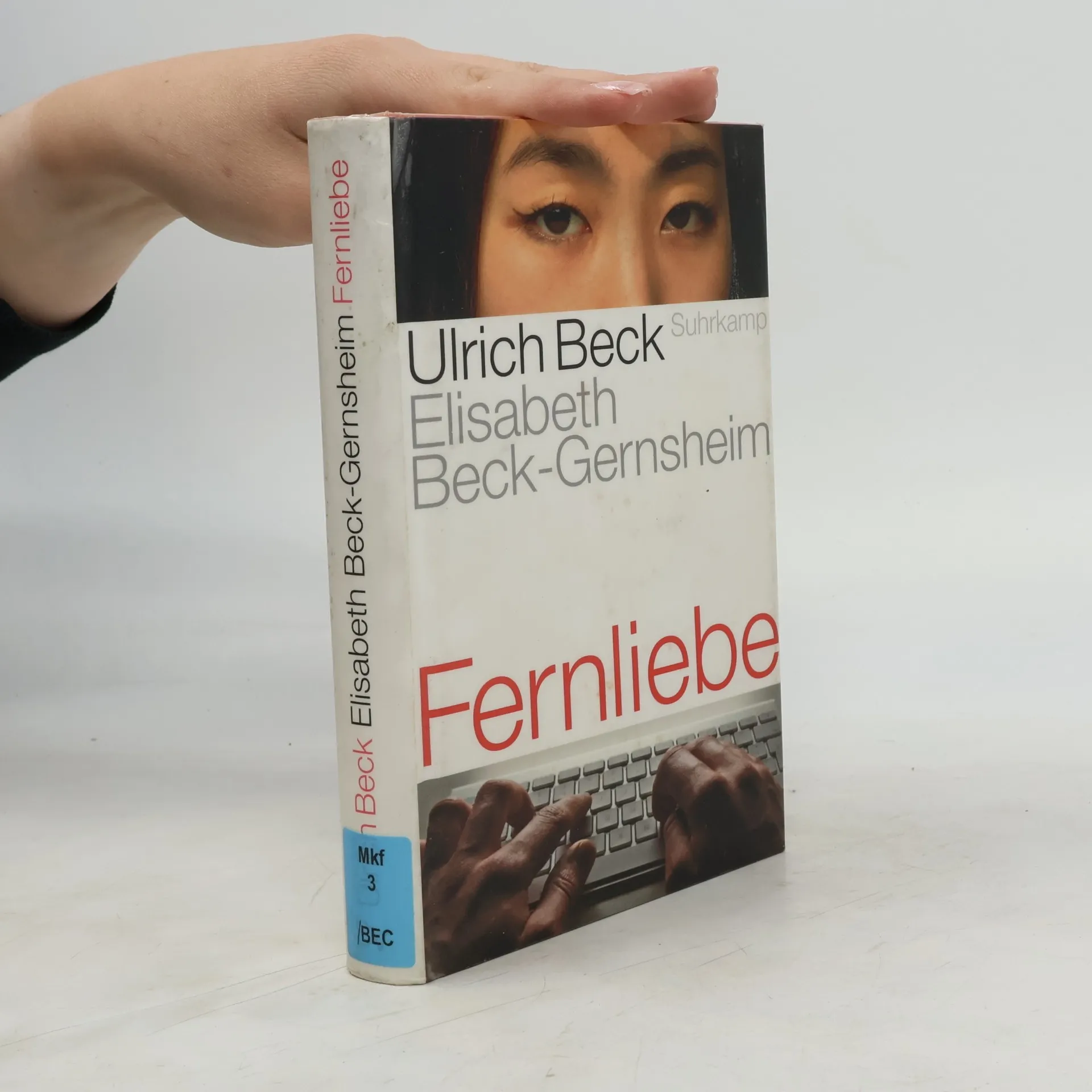
Ulrich Beck and Elisabeth Beck-Gernsheim explore the evolving nature of love in modern society, highlighting its implications for personal life. Their insightful study addresses a topical theme that appeals to a broad audience and crosses various disciplines, suggesting that love's transformation can lead to either democratic opportunities or chaos.
Europa ist die letzte realpolitisch wirksame Utopie. Wer es als Zusammenschluss von Nationalstaaten versteht, verkennt dessen Realität und Zukunft. Die kosmopolitische Dimension Europas kann nur durch radikale Selbstkritik der gängigen Politik- und Staatsbegriffe erfasst werden. Ähnlich wie der Westfälische Frieden die konfessionell geprägten Bürgerkriege des 17. Jahrhunderts durch die Trennung von Staat und Religion beendete, könnte die Antwort auf die Schrecken des 20. Jahrhunderts in einer Entkoppelung von Staat und Nation bestehen. Der säkulare Staat ermöglichte die Ausübung verschiedener Religionen; das kosmopolitische Europa muss die grenzübergreifende Koexistenz unterschiedlicher ethnischer, nationaler, religiöser und politischer Lebensformen durch konstitutionelle Toleranz gewährleisten. Europa neu zu denken, ist das zentrale Anliegen. Ein kosmopolitischer Blick eröffnet neue Handlungschancen. Diese Veröffentlichung schließt Ulrich Becks Trilogie zum kosmopolitischen Realismus ab. Jeder Band ergänzt und interpretiert die anderen und kann unabhängig gelesen werden: Der kosmopolitische Blick eröffnet Perspektiven, die in Macht und Gegenmacht im globalen Zeitalter auf die postnationale Legitimation von Herrschaft angewendet werden, und wird schließlich am Beispiel des kosmopolitischen Europas erprobt.
Als 1986 Risikogesellschaft erschien, machte das Ulrich Beck schlagartig berühmt. Der Soziologe wies nicht nur auf die Nebenfolgen der Industriemoderne hin, er betonte zugleich, dass die Welt sich auch dann permanent verändert, wenn wir meinen, einen vorübergehenden Zustand mit Institutionen und Konzepten einfrieren zu können. Mit beispielloser Neugier spürte Beck den Indizien des Wandels nach und öffnete uns mit der Lust an der terminologischen Innovation die Augen für Individualisierung, Globalisierung und die Transformation der Arbeitswelt. Am 1. Januar 2015 verstarb Ulrich Beck überraschend und viel zu früh. Bis zu seinem Tod arbeitete er an einem Buch, das beides ist: Summe und radikale Weiterführung seiner Theorie. Während es früher Fixpunkte gab, an denen wir erkennen konnten, was stabil blieb und was nicht, erleben wir heute eine allumfassende Verwandlung, die uns orientierungslos werden lässt. Die Metamorphose der Welt ist der Versuch, diese Globalisierung des Wandels zu verstehen und hochaktuelle Herausforderungen wie Erderwärmung und Migration auf den Begriff zu bringen.
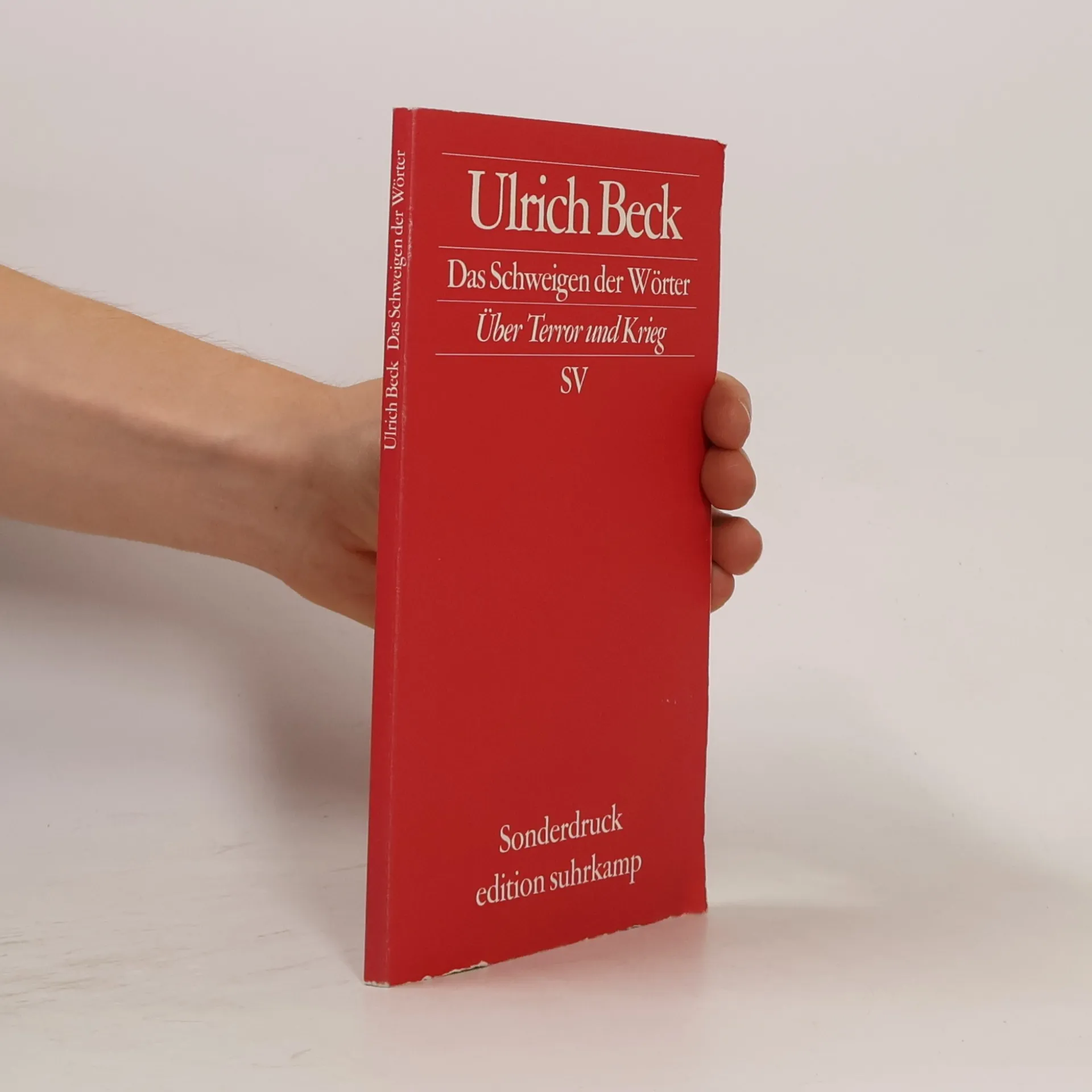
Das letzte Jahr hat gezeigt, daß die Unterscheidung zwischen Innen- und Außenpolitik ausgedient hat: In Pittsburgh berieten die G20-Staaten über die Finanzkrise, in Kopenhagen rangen die Vereinten Nationen um ein Konzept zur Abwendung des Klimawandels, in London suchte man nach Lösungen für den Konflikt in Afghanistan. In diesem Jahr der verschwimmenden Grenzen hat Ulrich Beck notiert, was im auffiel: in den Medien und in der Wirklichkeit, global und lokal. In seinen Kolumnen, die u. a. in der Frankfurter Rundschau erschienen, bringt er Ordnung ins diskursive Durcheinander. Wir brauchen, so Beck, endliche eine Weltinnenpolitik.
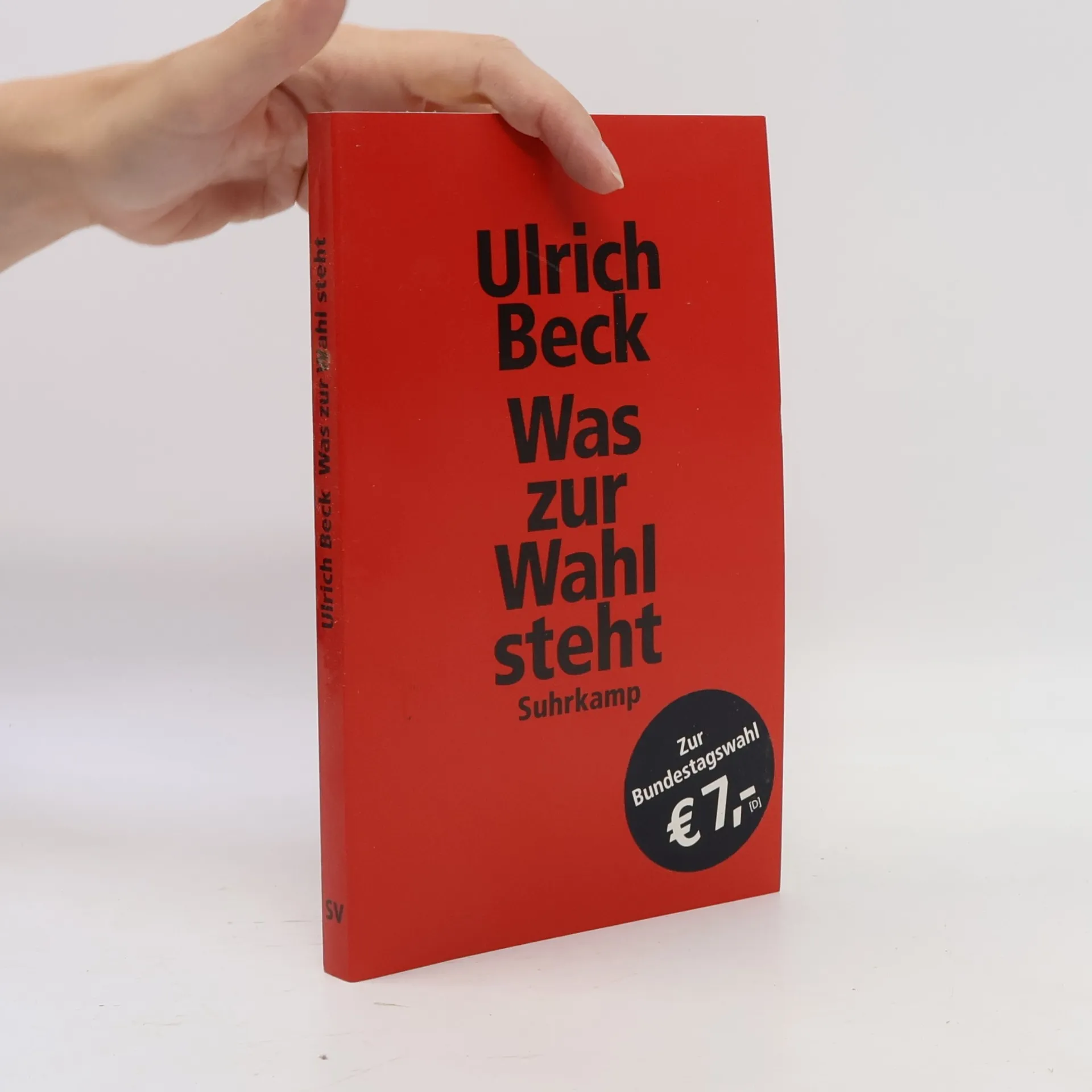
Der renommierte Soziologe Ulrich Beck - Autor weltbekannter Diagnosen der Risikogesellschaft, der Globalisierung und der europäischen Situation - skizziert in dem provokanten Band seinen Eindruck der deutschen Lage und der deutschen Wahlmöglichkeiten. Seine These: Die berechtigte Kritik an der Schröder-Fischer-Politik kann nicht darüber hinweg täuschen, daß die Pleite Deutschlands vielfältigste Ursachen hat und nicht zuletzt im Kopf beginnt. Nicht das Auswechseln der Regierungsparteien, sondern das Verändern des Denkens ist notwendig, damit etwas politisch in Bewegung gerät. Weder die amtierende Bundesregierung noch die mitregierende oppositionelle Vielleicht-Regierung haben die Kernfrage aufgeworfen: Wie sieht ein Deutschland aus, das aus der Reformpolitik entsteht? Die Hoffnung, daß alles mit ein paar Reförmchen wieder gut wird, trügt. Das Land wird ein anderes werden. Nur wenn Deutschland sich neu findet und erfindet für eine globalisierte Welt, wird es auch in ihr handlungsfähig.
Ryder hat eine sorglose Zukunft vor sich, da ihr Vater sehr reich ist. Nach dem Zusammenbruch des Familienimperiums versucht die junge Engländerin eisern zu arbeiten und sich ihre eigene Existenzgrundlage zu schaffen.
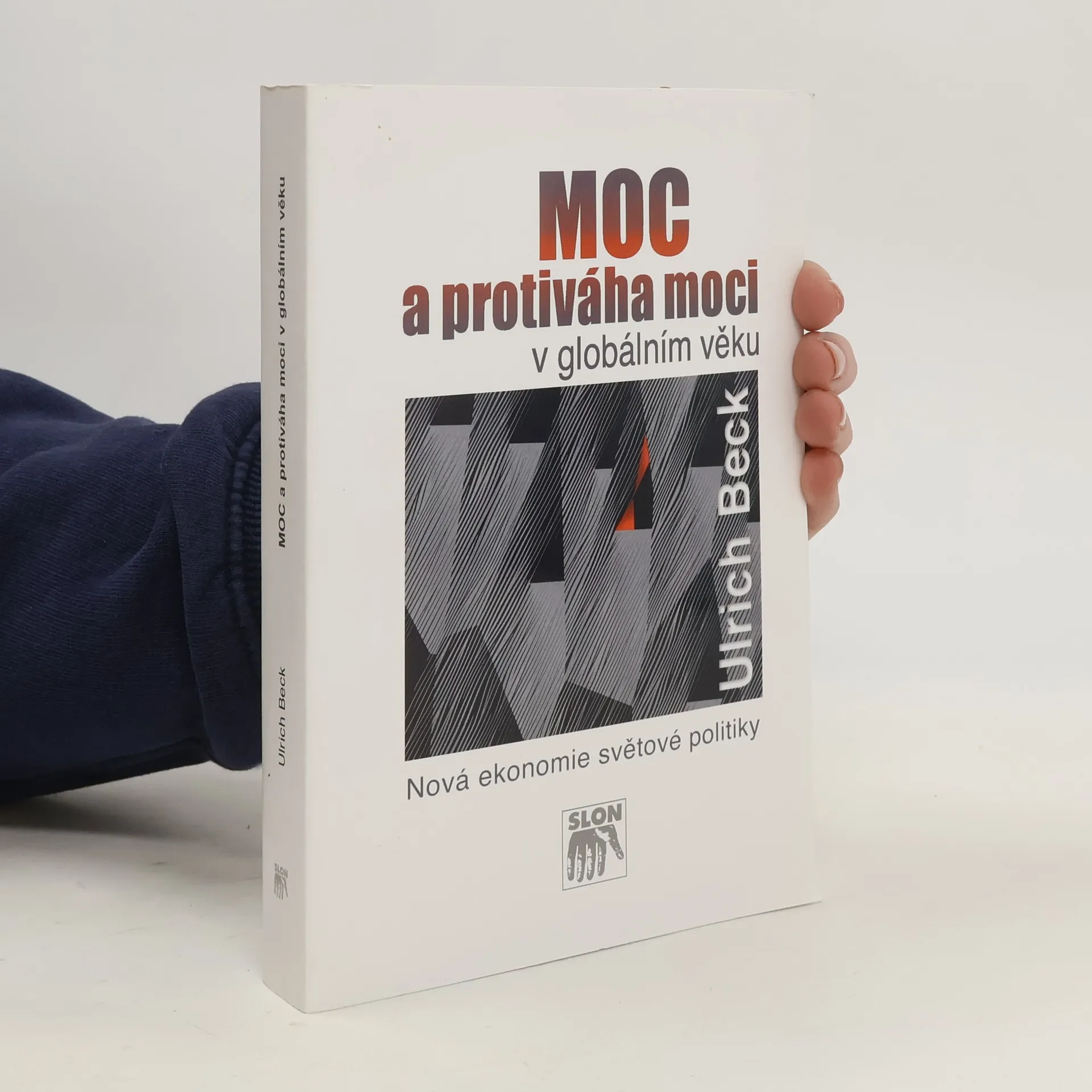
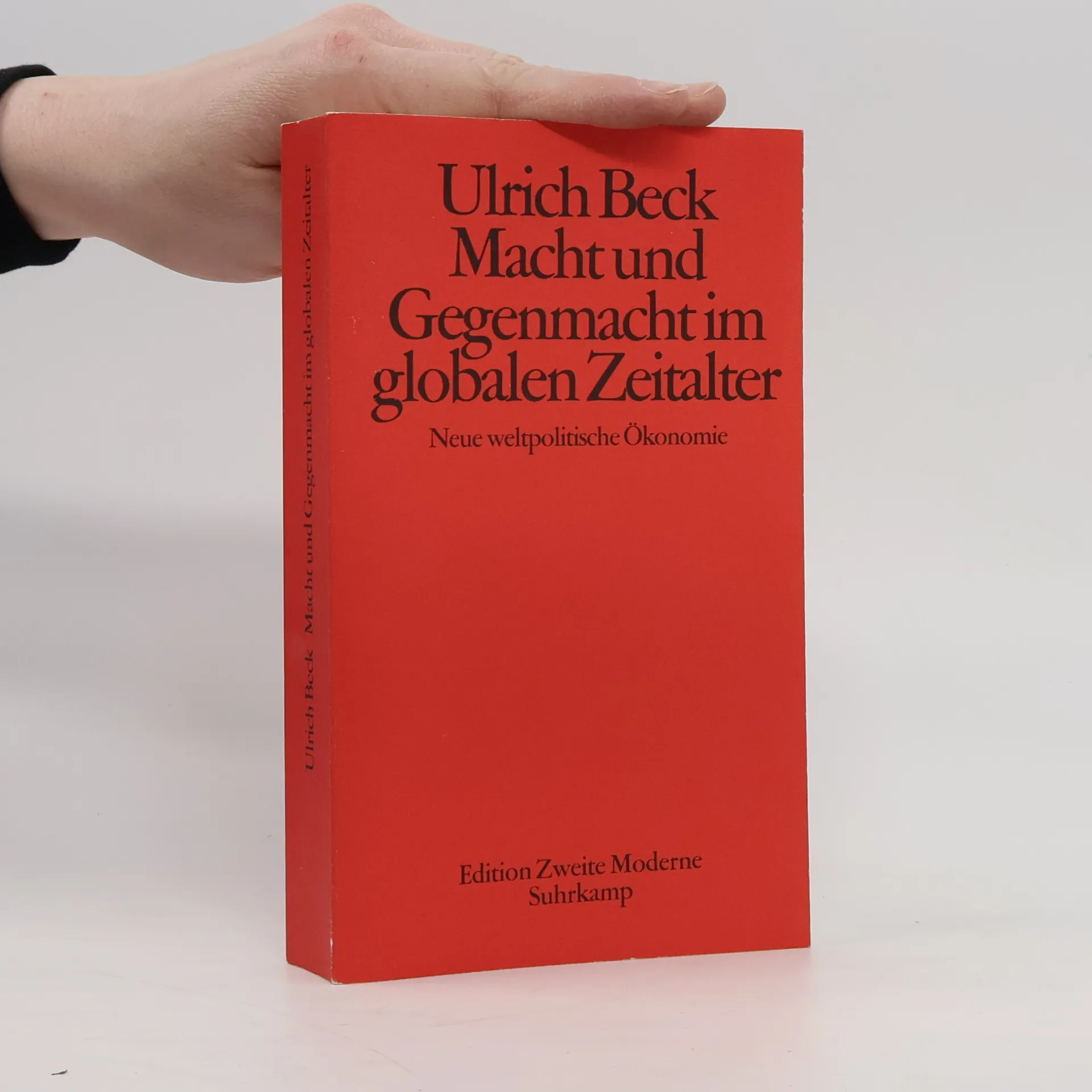
Ekonomie světového trhu zásadně změnila pravidla světové politiky, což vedlo k novému boji o moc a protimoc. S ubývajícími hranicemi mezi ekonomikou, politikou a společností se redefinují pravidla legitimní vlády. Vznik „kosmopolitní moderny“ však vyvolává ambivalentní pocity, zejména s ohledem na zkušenosti s totalitními režimy 20. století. První modernu, utvářenou národnostními a státními strukturami, lze kontrastovat s druhou modernou, která čelí globálním ekologickým a ekonomickým krizím, rostoucím nadnárodním nerovnostem a individualizaci. Tato analýza se zaměřuje na překonání „protekcionistického reflexu“, který po zhroucení bipolárního světa paralyzuje Evropu. Kniha se věnuje metazměně ekonomiky, politiky a státnosti v globálním kontextu, zkoumá proměny stabilních idejí a základních pojmů moci, legitimace a násilí. Klíčová otázka, jak se druhá moderna může stát kosmopolitní, směřuje k vytvoření alternativního řádu, který klade důraz na politickou svobodu a sociální a ekonomickou spravedlnost, nikoli pouze na zákony světového trhu.
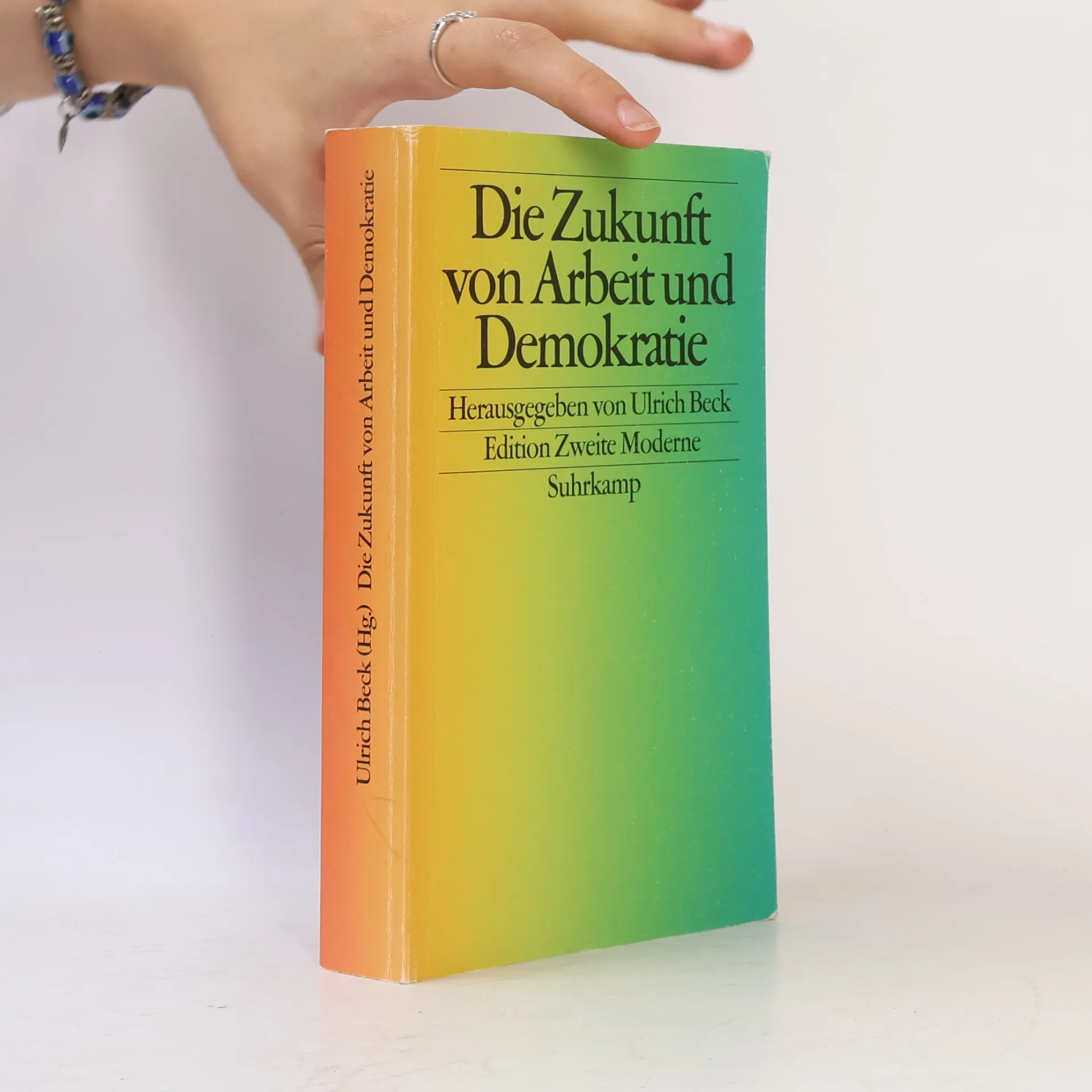
Heute dies, morgen jenes tun, morgens zu fischen, nachmittags zu putzen und abenks kritische Kritik zu üben, ohne je Fischer, Putzfrau oder Journalist zu sein - ist das das neoliberalie Ideal des "flexiblen Menschen"? Oder die Marxsche Vision von der "postkapitalistischen Gesellschaft"? In diesem Buch wird die Frage aufgeworfen, wie nach dem Ende der Normarbeit die Gesellschaft der pluralen Tätigkeiten möglich wird.
Am Beginn des dritten Jahrtausends muß die Maxime nationaler Realpolitik - nationale Interessen müssen national verfolgt werden - ersetzt werden durch die Maxime kosmopolitischer Realpolitik: ›Unsere Politik ist um so nationaler und erfolgreicher, je kosmopolitischer sie ist.‹ Dieses Buch durchleuchtet die globalen Machtspiele zwischen Weltwirtschaft, Staaten und zivilgesellschaftlichen Bewegungen im Hinblick auf die provokante These: Im Zeitalter globaler Krisen und Risiken führt die Politik der ›goldenen Handschellen‹, die Schaffung eines dichten Netzes transnationaler Abhängigkeiten, zur Rückgewinnung nationaler Unabhängigkeit - auch und gerade gegenüber der hochmobilen Weltwirtschaft.
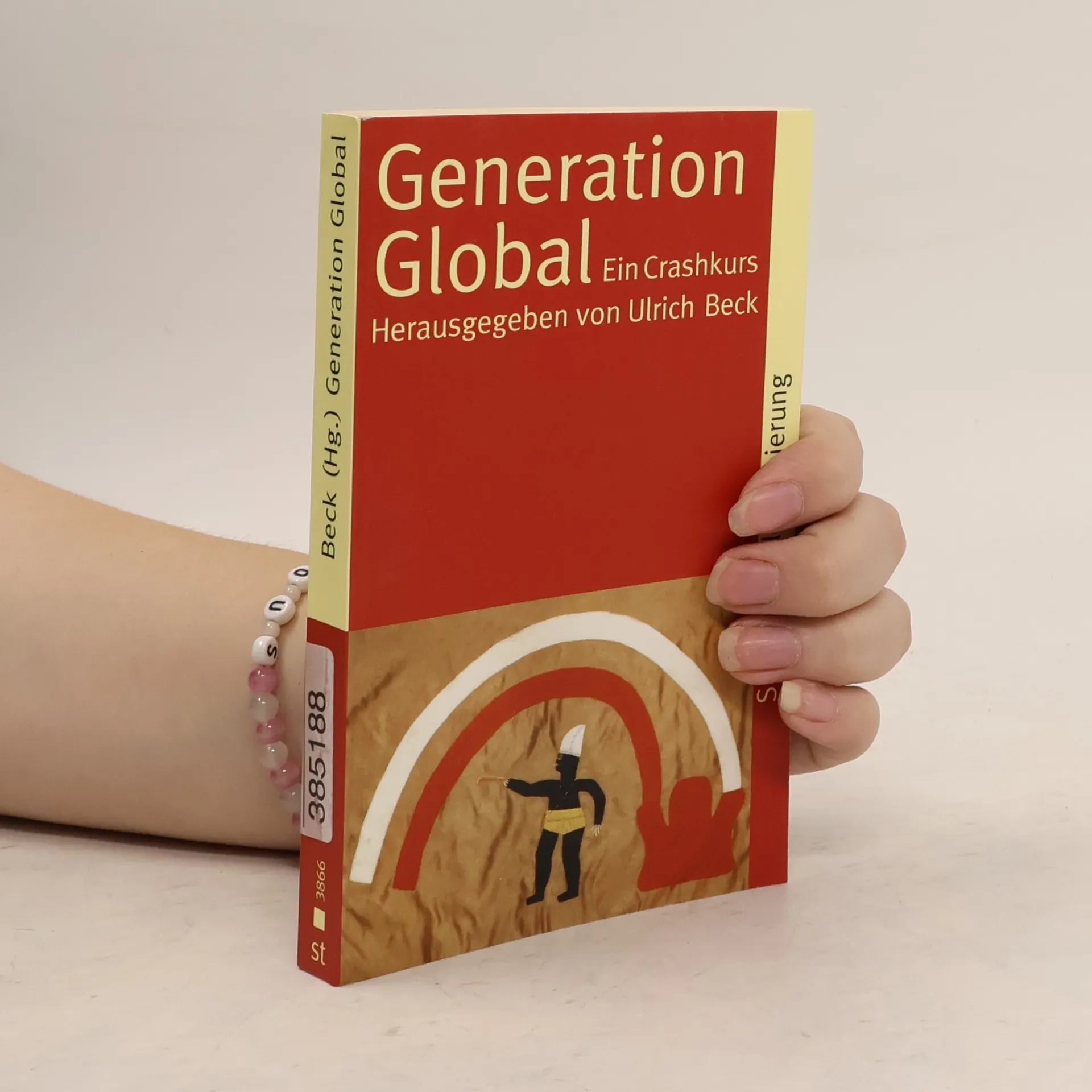
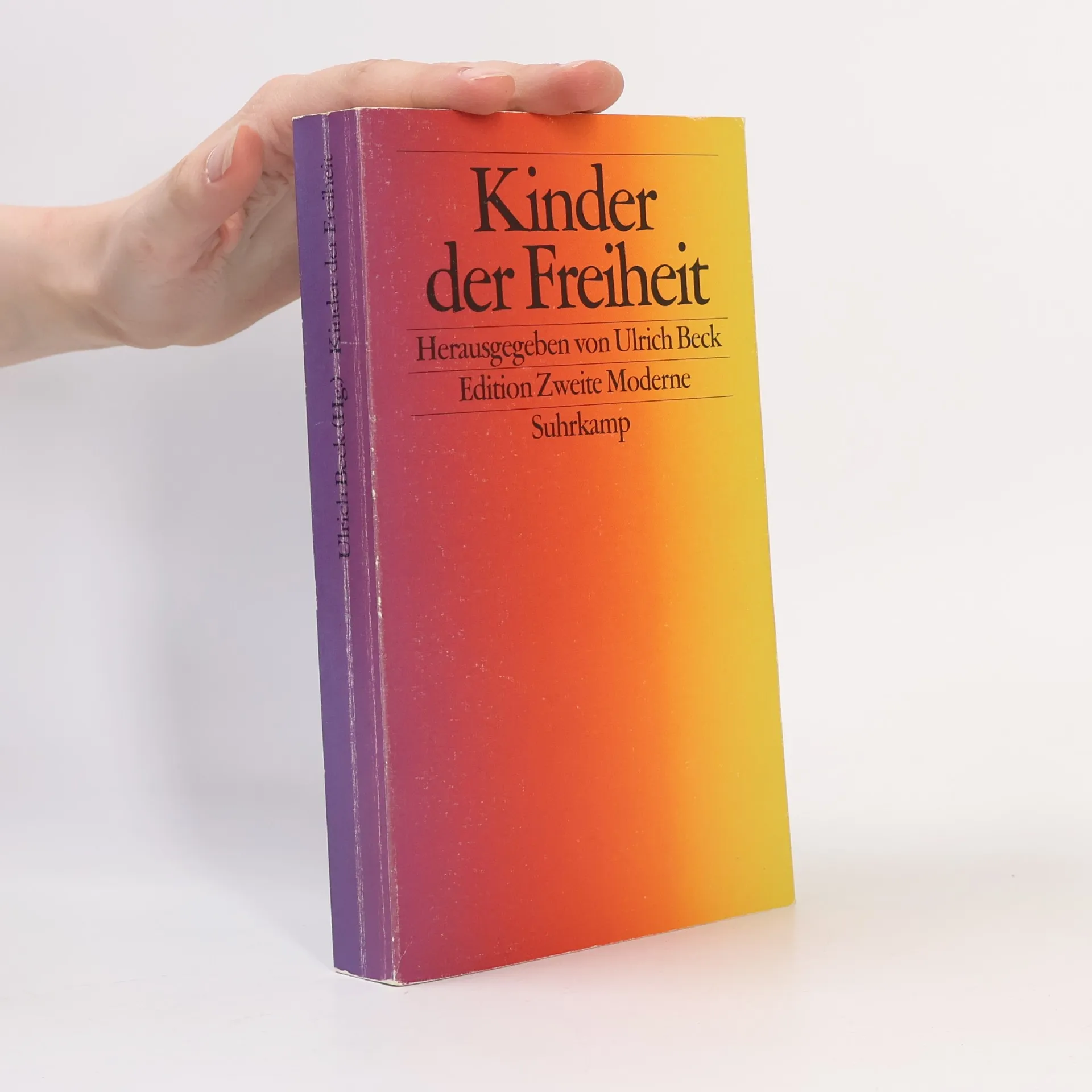
Für den Crashkurs Generation Global hat Ulrich Beck Beiträge international renommierter Koryphäen versammelt: Elisabeth Beck-Gernsheim, Seyla Benhabib, Barbara Ehrenreich, André Gorz, David Held, Mary Kaldor, Navid Kermani, Daniel Levy, Heribert Prantl, Roger Silverstone und Natan Sznaider. Der gemeinsame Tenor lautet: Wir müssen die Welt im Miteinander gestalten, im Gegeneinander wird sie zerstört. Das ist die Lage der Generation Global.
Autoři analyzují současné „světové rodiny“ a milostné a příbuzenské vztahy mezi lidmi z různých zemí či kontinentů. Tyto vztahy se projevují v různých podobách a vznikají z různých pohnutek, avšak všechny mají společné to, že zhmotňují diference globalizovaného světa. Světová společnost v těchto rodinách vyvolává protikladné pocity, jako jsou neklid, zmatek, radost i pocity selhání a nenávisti. V dnešním světě je často ten nejmilejší vzdálený, zatímco ten vzdálený může být nejbližší. Ulrich Beck a Elisabeth Beck-Gernsheim se zaměřují na lásku překračující geografické, kulturní a politické hranice, včetně sňatkové migrace a mateřské lásky na dálku. V úvodu autoři uvádějí, že prognóza budoucnosti těchto vztahů je nemožná, avšak neřadí se k pesimistům, kteří tvrdí, že vzdálená láska znamená její konec. Přesto nelze pominout deficit lásky v mnoha dimenzích. Věří, že je možné se ptát, zda se v nových formách rodiny a lásky daří umění soužití s hranicemi a navzdory nim.
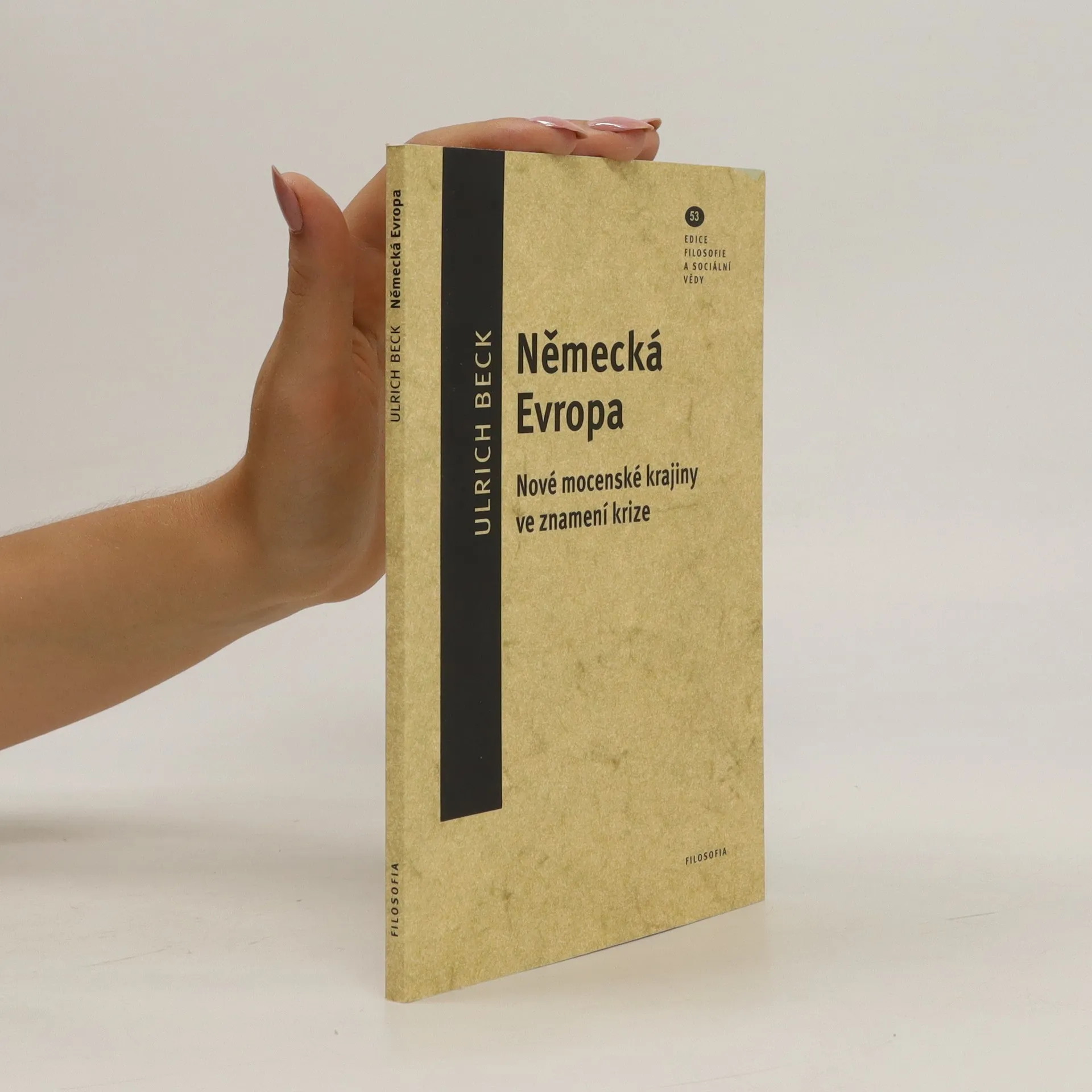
Publikace jedné z hlavních intelektuálních osobností posledních desetiletí se zabývá postupným utvářením nové role Německa v Evropě a problematickým formováním německé Evropy. Věnuje se ohrožení Evropy a krizi politična. Zkoumá přitom německou politiku úsporných opatření, zastaralost současných národních i evropských ekonomických přístupů a potřebu nové evropské koncepce společnosti a politiky. Klade si otázky, co to znamená požadovat více svobody, více sociální jistoty či více demokracie v Evropě.
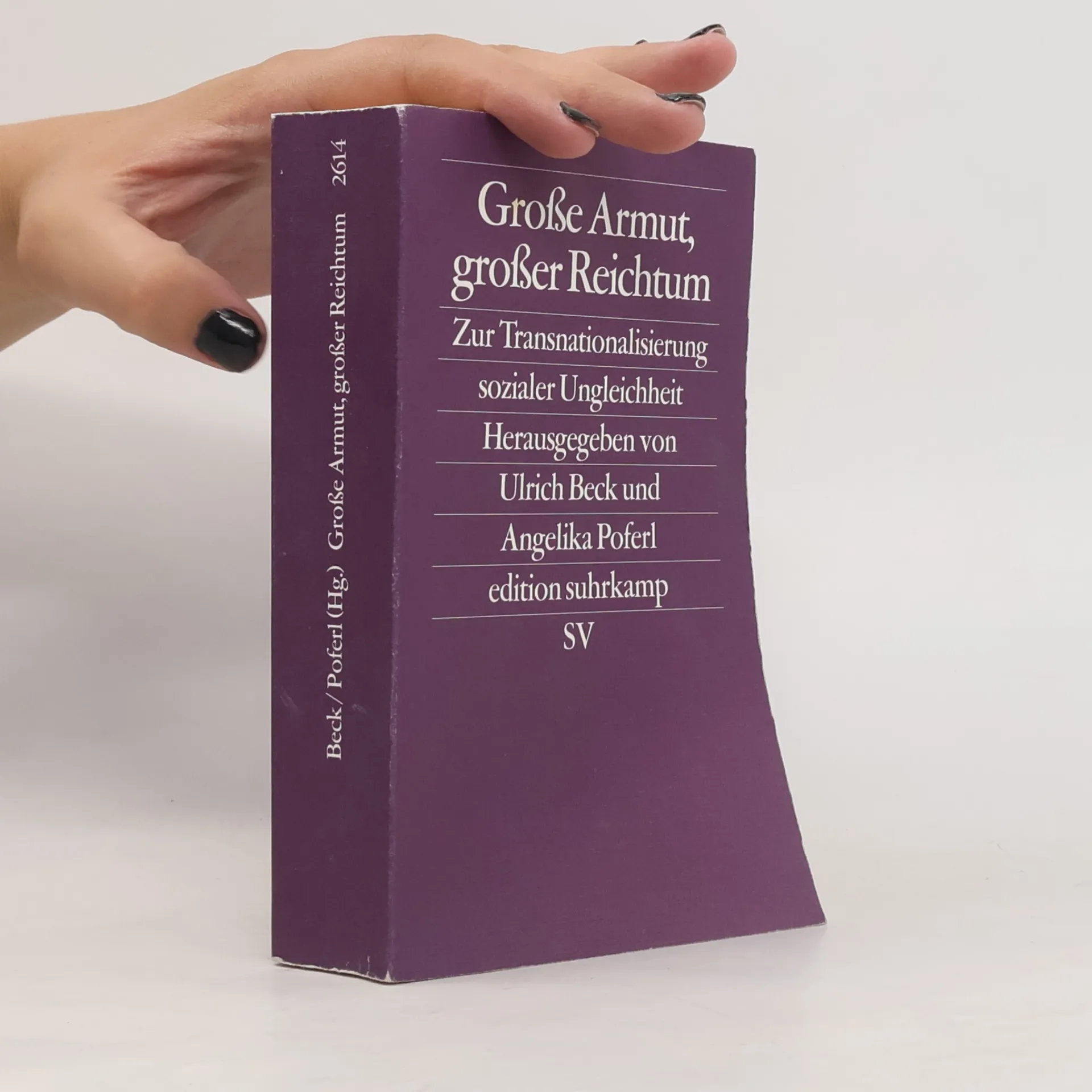
Trotz des Elends der Welt, dessen Bilder jeden Tag in die Wohnzimmer gelangen, enden unsere Gerechtigkeitsvorstellungen in der Regel an der Landesgrenze. Selbst Sozialpolitiker, die für Existenzgeld und Umverteilung eintreten, fordern im selben Atemzug Auffanglager für Flüchtlinge in Nordafrika. Doch mit den Kapital- und Bilderströmen gelangen auch die westlichen Ideale sozialer Gleichheit in alle Winkel der Erde, was absehbar zu neuen Konflikten führen wird. Wir sind daher gut beraten, unsere nationalstaatlich begrenzte Perspektive aufzugeben, um globalen Problemen und den weltweit lauter werdenden Forderungen nach sozialer Teilhabe und der Verwirklichung von Menschenrechten begegnen zu können. Dieser Reader gibt einen detaillierten Einblick in theoretische Konzepte und empirische Studien zu transnationaler sozialer Ungleichheit. Mit Texten von Ulrich Beck, Manuel Castells, David Held, John W. Meyer, Saskia Sassen, Immanuel Wallerstein und vielen anderen.
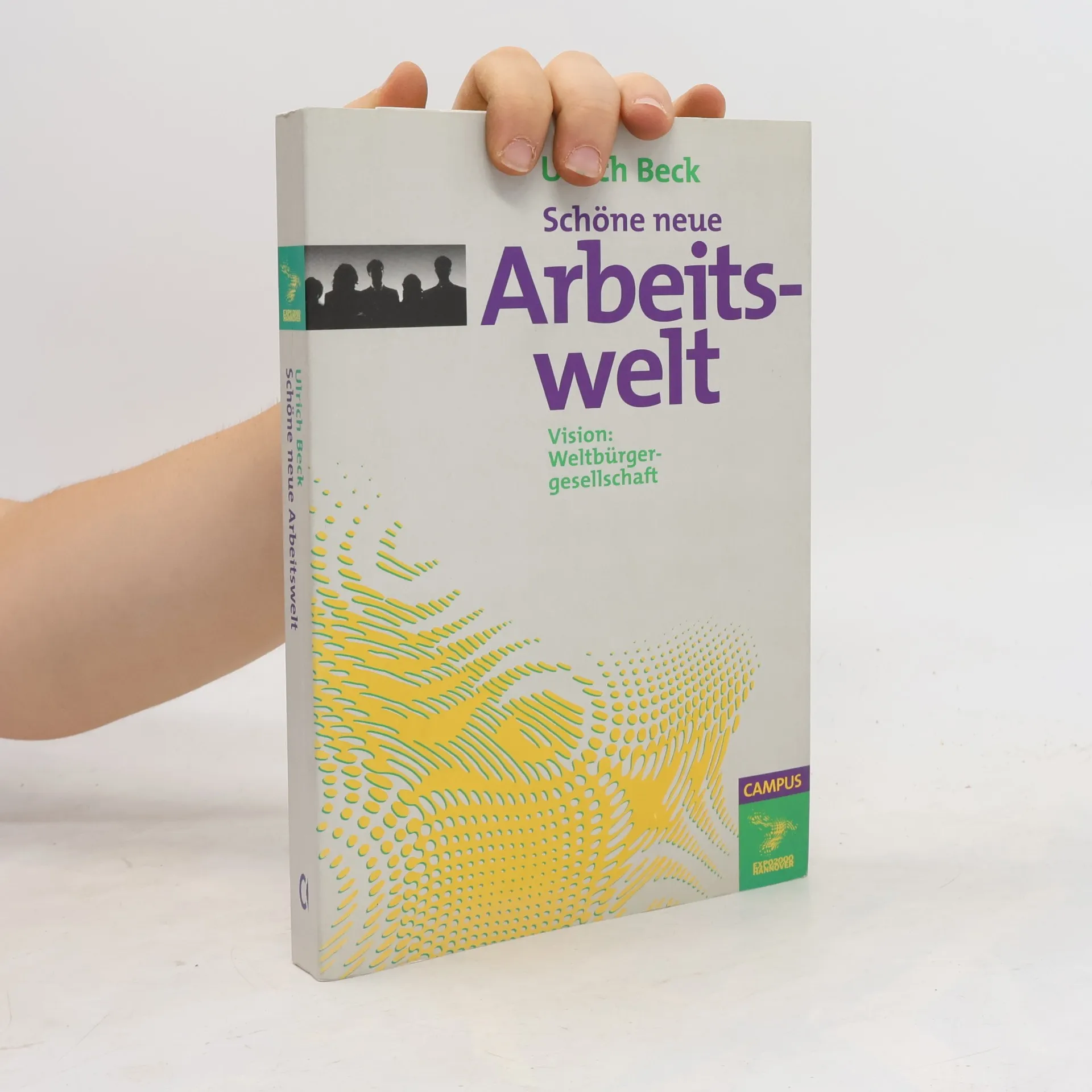
Unsere Arbeitskultur gleicht sich immer schneller der der Entwicklungsländer an, so der bekannte Soziologe Ulrich Beck. Ein neues Gesellschaftsmodell - das einer engagierten Bürgergesellschaft - ist für ihn die einzige Chance, Sozialstaat und Demokratie auch im nächsten Jahrhundert zu sichern.
Naturzerstörungen und ökologisch-technologische Großgefahren -das ist das Argument dieses Buches — können und müssen jedoch begriffen und entschlüsselt werden als mystifizierte, ins Außen, Vergegenständlichte verdrehte Formen der gesellschaftlichen Selbstbegegnung und Selbstbesinnung.
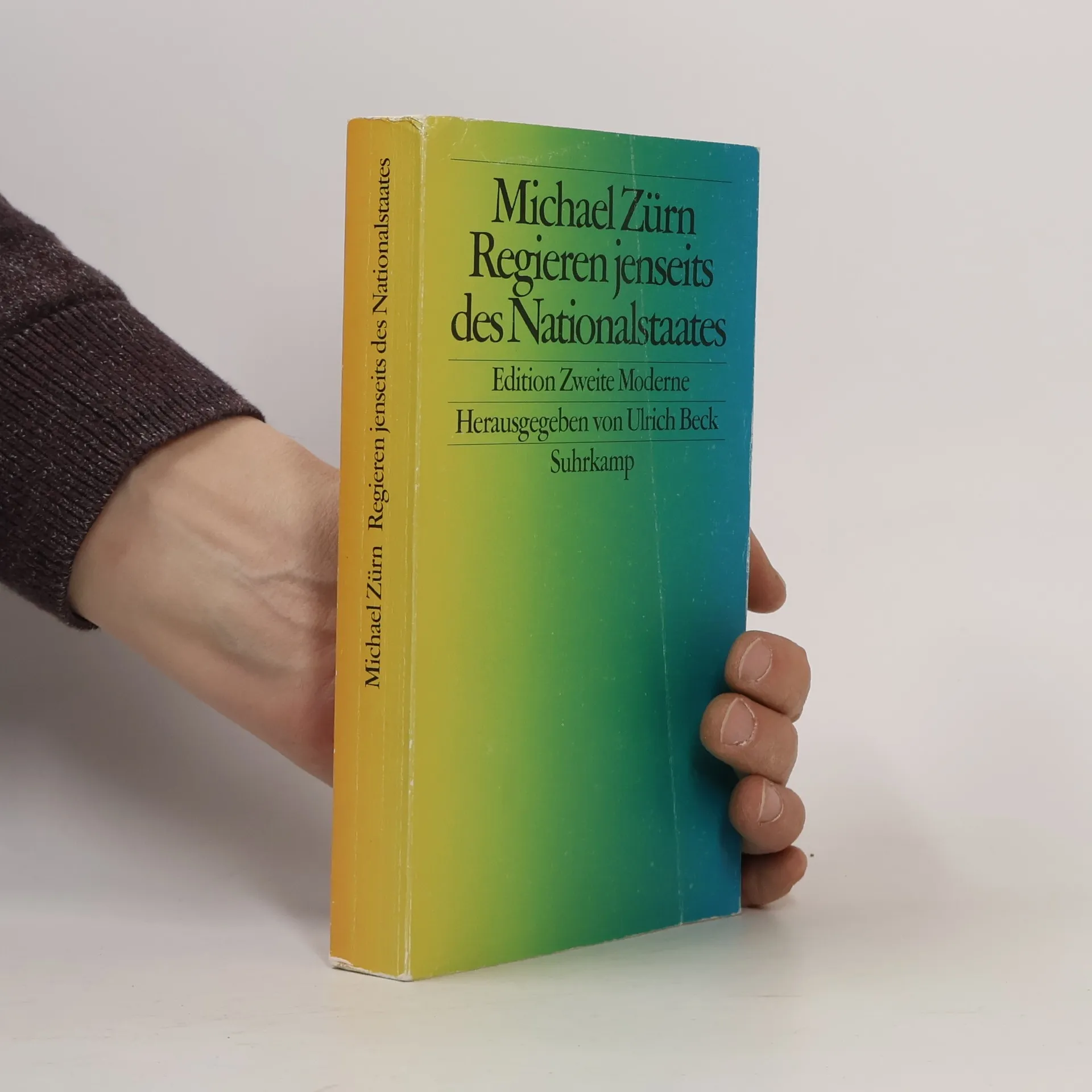
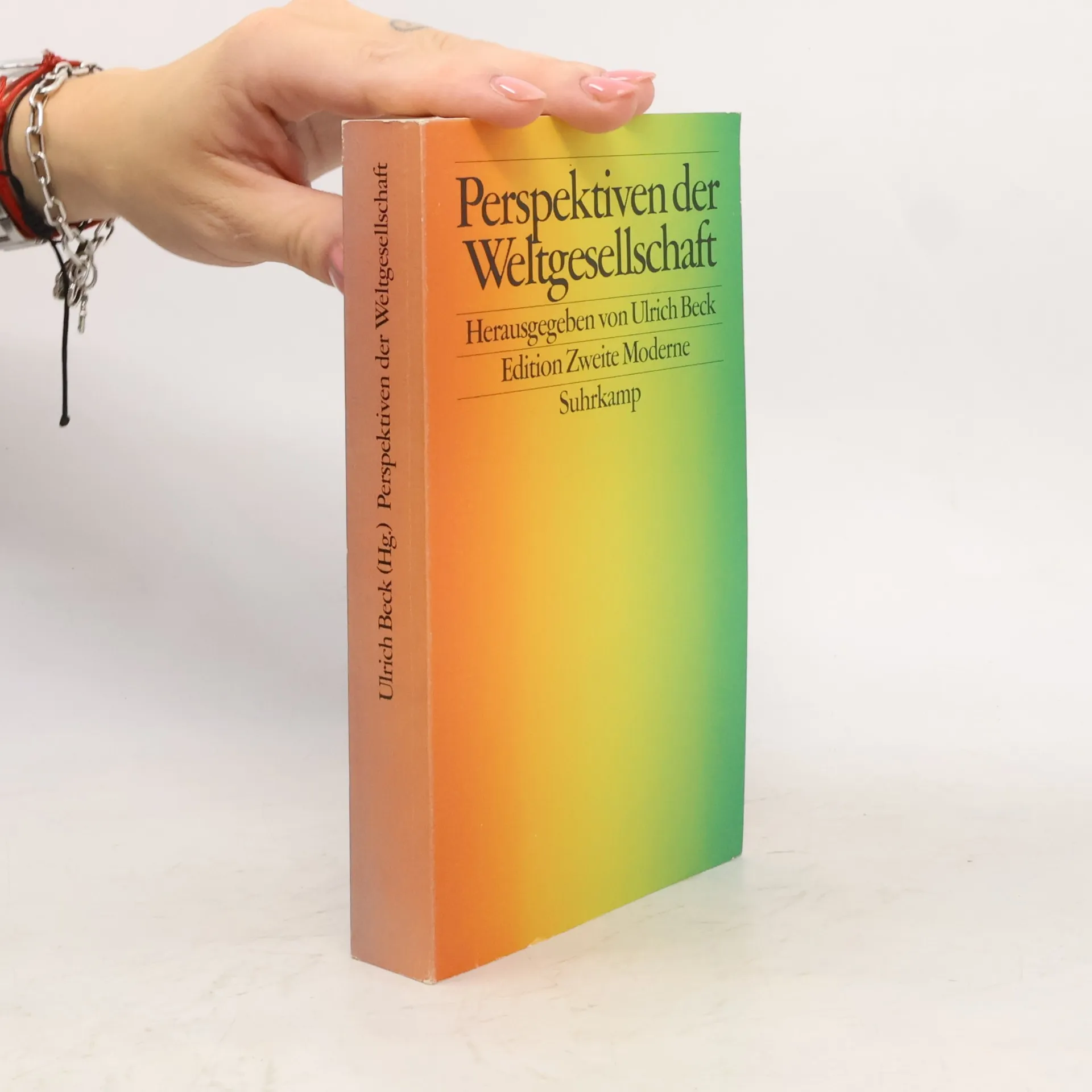
Michael Zürn, geboren 1959, leitet die Abteilung für »Global Governance« am Wissenschaftszentrum Berlin und ist Professor für Internationale Beziehungen an der Freien Universität. Ulrich Beck, ein international anerkannter Soziologe, prägte mit seinem 1986 veröffentlichten Werk das Konzept der Risikogesellschaft, das weit über akademische Kreise hinaus Wirkung zeigte. Zwei Jahrzehnte später erweiterte er seine Analysen in Weltrisikogesellschaft und thematisierte die Suche nach Sicherheit angesichts von Terrorismus, Klimakatastrophen und Finanzkrisen. Beck war von 1997 bis 2002 Herausgeber der Reihe Edition Zweite Moderne im Suhrkamp Verlag und von 1992 bis 2009 Professor für Soziologie an der Ludwig-Maximilians-Universität München. Zwischen 1999 und 2009 leitete er den Sonderforschungsbereich Reflexive Modernisierung, gefördert von der Deutschen Forschungsgemeinschaft. 2012 erhielt er vom Europäischen Forschungsrat eine fünfjährige Förderung für ein Projekt über Methodologischen Kosmopolitismus im Kontext des Klimawandels. 2014 wurde ihm beim Weltkongress für Soziologie in Yokohama der Lifetime Achievement Award der International Sociological Association verliehen. Beck, geboren am 15. Mai 1944 in Stolp, promovierte 1972 in München und habilitierte sich 1979. Sein Hauptinteresse galt den grundlegenden Veränderungen moderner Gesellschaften, die er mit Konzepten wie Reflexiver Modernisierung und Kosmopolitismus analysierte. Er s
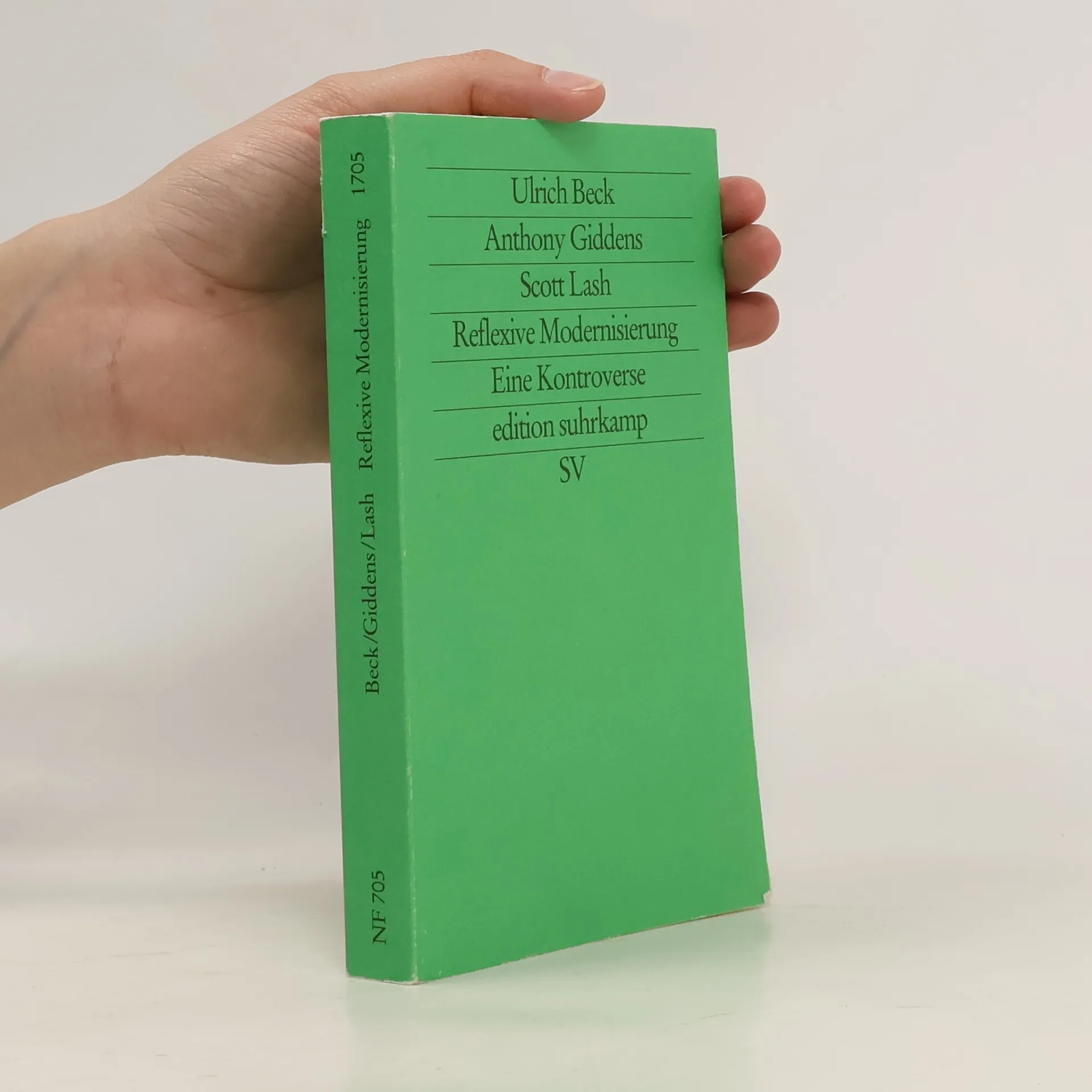
Gibt es die Soziologie noch? Gibt es sie wieder? Dieses Buch möchte darauf eine Antwort geben und zugleich ein Signal setzen. Es ruft dazu auf, den Grundlagenwandel später Industriegesellschaften zu fundieren und zu durchleuchten. Es unterscheidet zwischen einer ersten Moderne und einer zweiten Moderne. Der Übergang von der einen zur anderen erfolgt, so die These dieses Buches, die von dessen drei Autoren kontrovers diskutiert wird, durch »reflexive Modernisierung«.
Familie und Liebe in Zeiten der Globalisierung: Großeltern in Thessaloniki kommunizieren abends via Skype mit ihrem Enkel in Cambridge, während ein US-amerikanisches Paar über hohe Telefonrechnungen und Reisekosten frustriert ist. Ein europäisches Ehepaar erfüllt sich den Kinderwunsch durch eine indische Leihmutter. Im neuen Werk von Elisabeth Beck-Gernsheim und Ulrich Beck stehen neue Formen von Intimität, Liebe und Familie im Mittelpunkt. Die Autoren des Bestsellers „Das ganz normale Chaos der Liebe“ analysieren verschiedene Arten von Fernbeziehungen, darunter interkulturelle Ehen, skype-gestützte Liebesbeziehungen, Chatroom-Tragödien sowie die Erfahrungen von globalisierten Dienstmädchen und Arbeitsmigranten. Ihr Ergebnis: Familien sind nicht länger territorial, sondern global. Die Weltgesellschaft beeinflusst „normale“ Beziehungen und Familien, was zu Unruhe, Verwirrung, Freude und auch Konflikten führt. In einer Welt, in der der Liebste oft weit entfernt ist, vertreten die Autoren eine optimistische Sicht auf das Beziehungschaos und fragen, ob es in diesen neuen Familien gelingt, die Kunst des Zusammenlebens über Grenzen hinweg zu meistern.
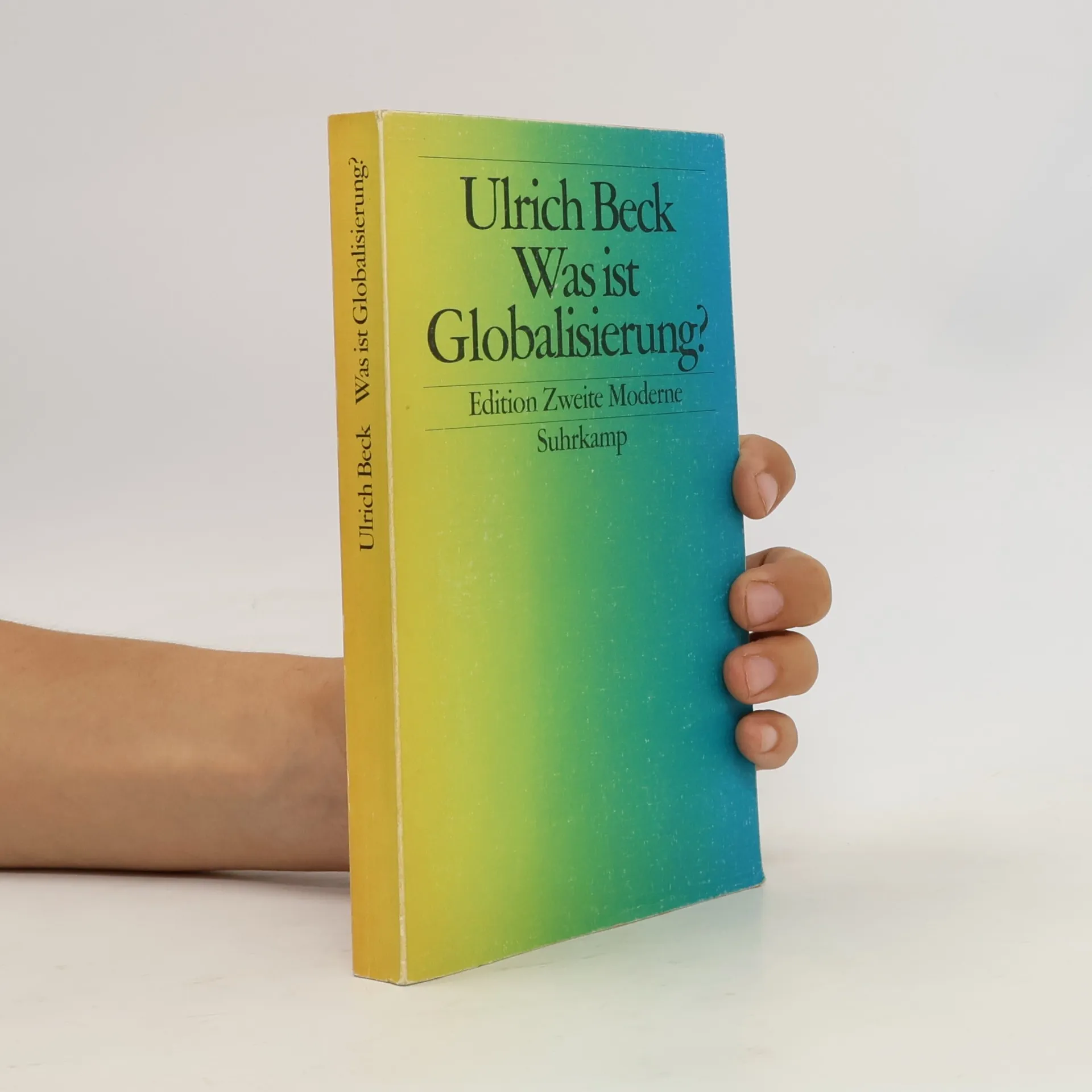
"Dieses Buch führt pointiert und klärend in die Unwegsamkeiten der Globalisierungsdebatte ein – ihre Mehrwertigkeit, ihre Mehrdeutigkeit, ihre (selten unterschiedenen) Dimensionen; es will Denkfallen aufdecken und vermeidbar machen, vor allem aber will es auf diesem Weg den Horizont für politische Antworten auf Globalisierung öffnen. Im Zentrum steht also schlicht und schwer die Doppelfrage: Was meint Globalisierung und wie wird Globalisierung politisch gestaltet?„Ulrich Becks Buch dient als Warnung und als Anleitung, den gefährlichen sozialen, politischen, wirtschaftlichen und kulturellen Fehlentwicklungen der Globalisierung entgegenzutreten. So nützt das Buch allen, die für die zukünftige Gestaltung unserer Gesellschaft verantwortlich sind; es nützt auch allen, die das Reizwort „Globalisierung“ hinterfragen, entschärfen und verstehen wollen. Denn früher oder später wird jeder mit dem Thema konfrontiert – als Verbraucher, als politisch engagierter Mitbürger oder als Arbeitsloser.“ Norddeutscher Rundfunk
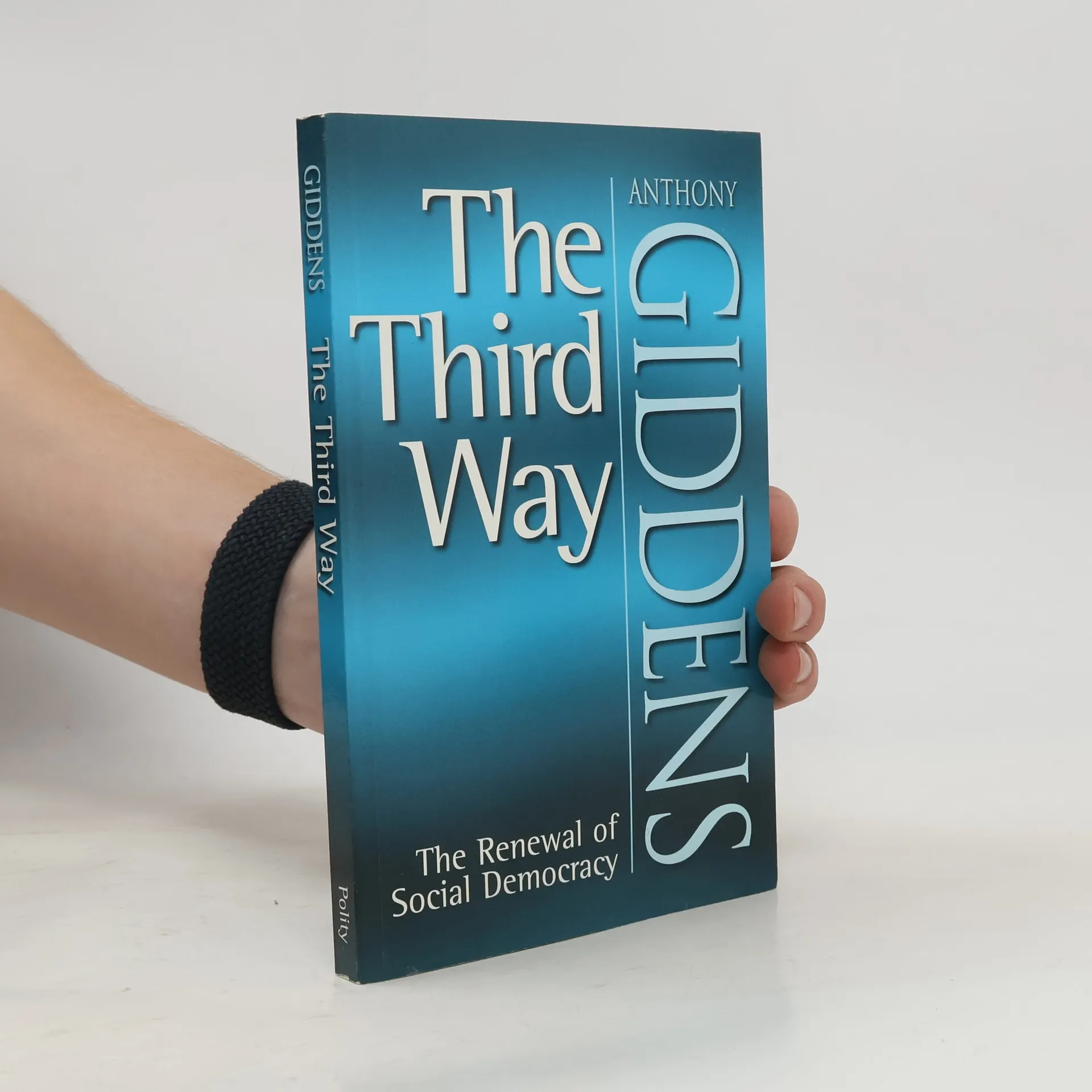
The idea of finding a 'third way' in politics has been widely discussed over recent months - not only in the UK, but in the US, Continental Europe and Latin America. But what is the third way? Supporters of the notion haven't been able to agree, and critics deny the possibility altogether. Anthony Giddens shows that developing a third way is not only a possibility but a necessity in modern politics.
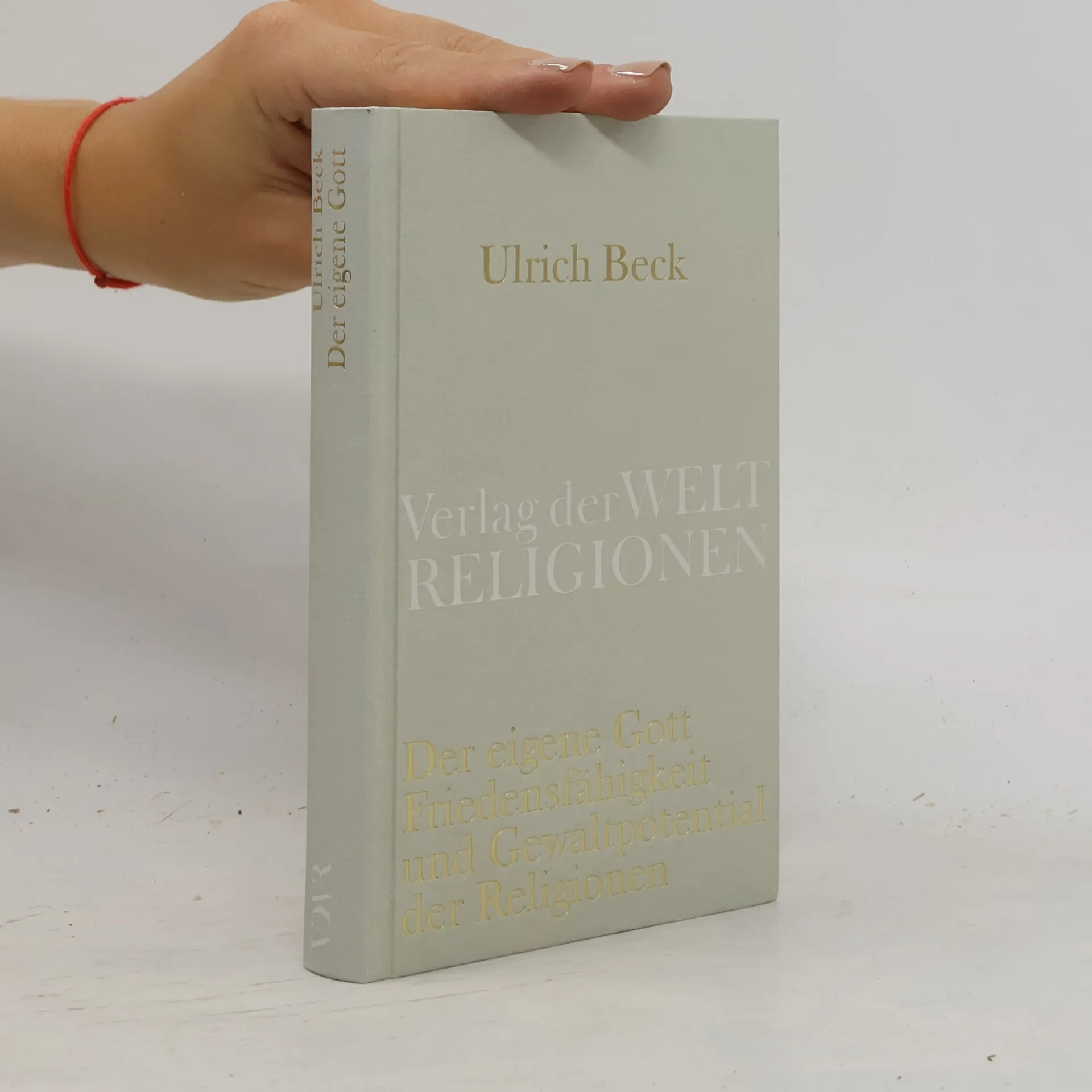
Von der Friedensfähigkeit und dem Gewaltpotential der Religionen
275 páginas
10 horas de lectura
Alle Weltreligionen sehen sich zu Beginn des 21. Jahrhunderts radikalen Transformationen ausgesetzt, alle Weltreligionen ebenso wie alle kulturellen Schöpfungen und Symbole existieren gleichzeitig nebeneinander und stehen meist, herausgelöst aus ihren zeitlichen und räumlichen Kontexten, offen für eine allgemeine Verfügbarkeit, für fundamentalistische oder individuelle Aneignungen. Globalisierung bietet nicht nur die große Chance für die Weltreligionen, sich aus den territorialen Bindungen der Nationalgesellschaft und des Nationalstaates zu lösen und ihre transnationalen Dimensionen, Netzwerke und Imaginationen von „Gemeinschaft“ neu zu entdecken und wiederzubeleben. Zugleich werden auf diese Weise auch wechselseitig die Monopolansprüche in Frage gestellt. Die Weltreligionen sehen sich dazu gezwungen, im grenzenlosen Raum massenmedialisierter Öffentlichkeit und Nachbarschaft miteinander konkurrieren und kommunizieren müssen. Das post-säkulare Zeitalter hat den Modernitätsstreit zwischen Religionen und Säkularismen zu überwinden zugunsten einer Zivilisierung der Zivilisation (die geistliche Einheit des Menschengeschlechts verpflichtet die Bevölkerungen unterschiedlichen Glaubens, einen „gemeinsamen Pfad“ zu finden). Wie steht der Einzelne, als religiöser oder als nicht-religiöser Bürger, wie stehen Christen, Juden und Muslime zum „Geist“ der Weltgesellschaft?
Unmittelbar nach dem Ende des Ost-West-Konfliktes schienen für eine kurze Zeit die Hoffnungen vieler Menschen sich erfüllen zu können. An die Stelle von Optimismus ist jedoch der Abschied von jeder Ordnung getreten, es herrscht allenthalben Chaos, Ratlosigkeit. Notwendig ist also die politische Neubestimmung allen staatlichen und politischen Handelns – und dies ist nur möglich, wenn die Politik selbst neu begriffen wird. Diese Neubestimmung zu skizzieren ist das Hauptanliegen der Ausführungen von Ulrich Beck.
Anlässlich des 60. Geburtstages von Ulrich Beck eröffnet sein Bändchen »asteroidenflirt« am 5. Februar 2024 die neue Reihe DAS GEDICHT bogen im Anton G. Leitner Verlag.
Ulrich Beck ist ein international anerkannter Soziologe, dessen 1986 veröffentlichtes Werk über Risikogesellschaften ein neues Zeitalter prägte und ihn über akademische Kreise hinaus bekannt machte. Zwei Jahrzehnte später erweiterte er seine Analysen in einem weiteren Buch, das sich mit der Suche nach Sicherheit in Zeiten von Terrorismus, Klimakatastrophen und Finanzkrisen beschäftigt. Beck war von 1997 bis 2002 Herausgeber der Reihe Edition Zweite Moderne im Suhrkamp Verlag und von 1992 bis 2009 Professor für Soziologie an der Ludwig-Maximilians-Universität München. Zudem war er von 1999 bis 2009 Sprecher eines Sonderforschungsbereichs zur Reflexiven Modernisierung, finanziert von der Deutschen Forschungsgemeinschaft. 2012 erhielt er eine Förderung des Europäischen Forschungsrats für ein Projekt über Methodologischen Kosmopolitismus im Kontext des Klimawandels. Für seine Verdienste wurde er 2014 mit dem Lifetime Achievement Award der International Sociological Association ausgezeichnet. Beck, geboren am 15. Mai 1944 in Stolp, promovierte 1972 in München und habilitierte sich 1979. Sein wissenschaftliches Interesse galt den grundlegenden Veränderungen moderner Gesellschaften, die er durch Konzepte wie Reflexive Modernisierung und Kosmopolitismus untersuchte. Er wurde mit mehreren Ehrendoktorwürden und Preisen ausgezeichnet und starb am 1. Januar 2015.
Weltgesellschaft meint: Was die Menschen scheidet und unterscheidet -- religiöse, kulturelle, wirtschaftliche und politische Unterschiede --, ist an einem Ort, in einer Stadt, immer öfter sogar in einer Familie, einer Biographie präsent
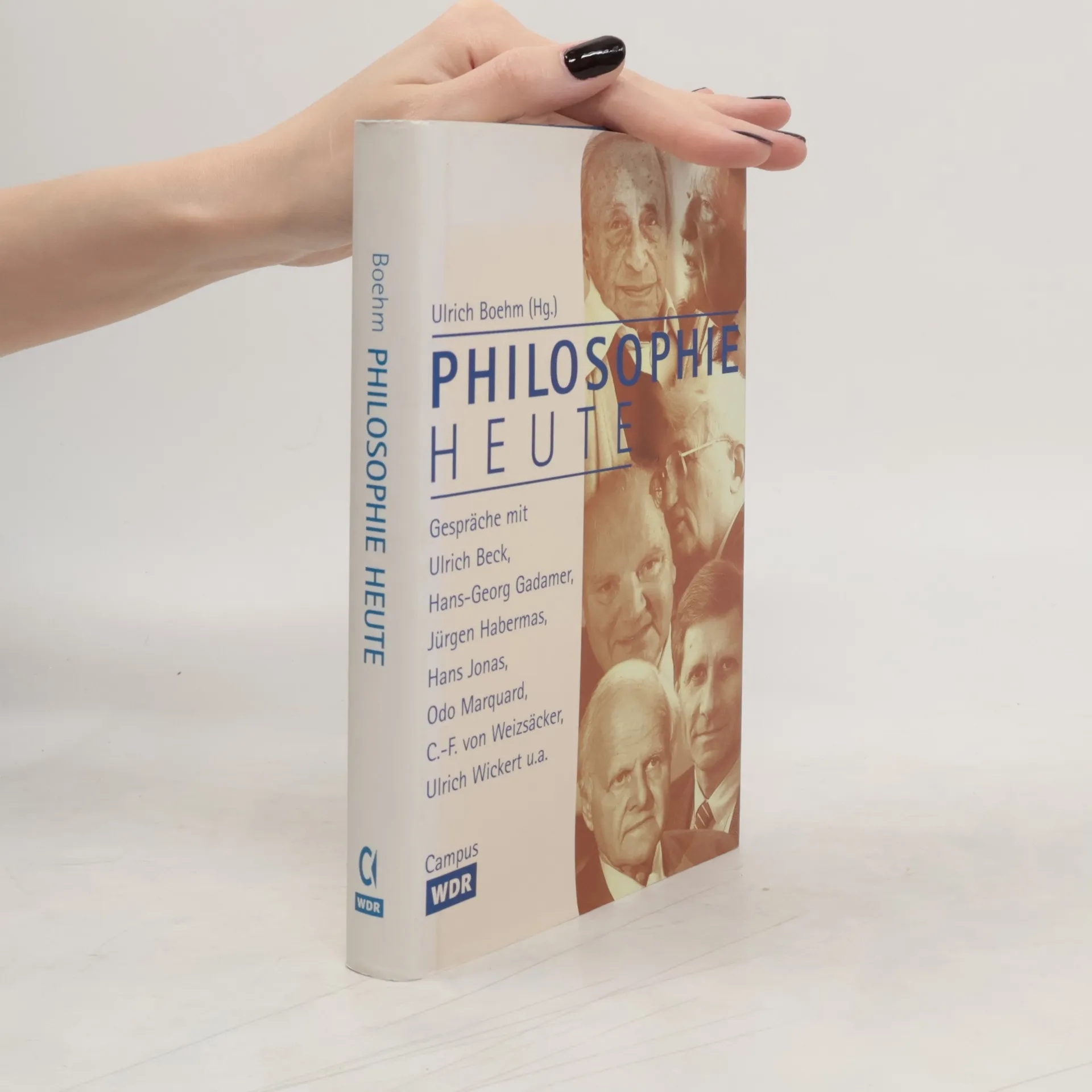
Wir leben in einer Zeit sich beschleunigender Veränderungen û Veränderungen, die sowohl die Gesamtheit der Gesellschaften betreffen wie auch das Leben des einzelnen. Gewißheiten sind rar geworden, und mit wachsender Orientierungslosigkeit nehmen auch die Fragen, die an die Philosophie gestellt werden, zu. Dieser Band enthält Gespräche mit bedeutenden Philosophen der Gegenwart über alte und nach wie vor aktuelle Probleme. Sie wurden für ein breites Publikum geführt und basieren auf der Sendereihe »Philosophie heute« des WDR. Odo Marquard und Peter Glotz debattieren über die Bedeutung der Philosophie heute; Hans Jonas und Carl Friedrich von Weizsäcker über Geist und Natur; Richard Rorty, Richard Sennett, Ilya Prigogine, Dieter Thomä, Helga Nowotny und Odo Marquard diskutieren über das Thema Zeit; Ulrich Wickert mit Otfried Höffe über Moral; Jürgen Habermas und Ronald Dworkin über Probleme der Demokratie; Ulrich Beck und Gerd Achenbach über die »Spielwiese« eigenes Leben; und schließlich äußern sich Hans-Georg Gadamer und Dieter Henrich zu den Möglichkeiten der Philosophie, den Menschen in schwieriger Zeit Antworten auf ihre Fragen zu geben.
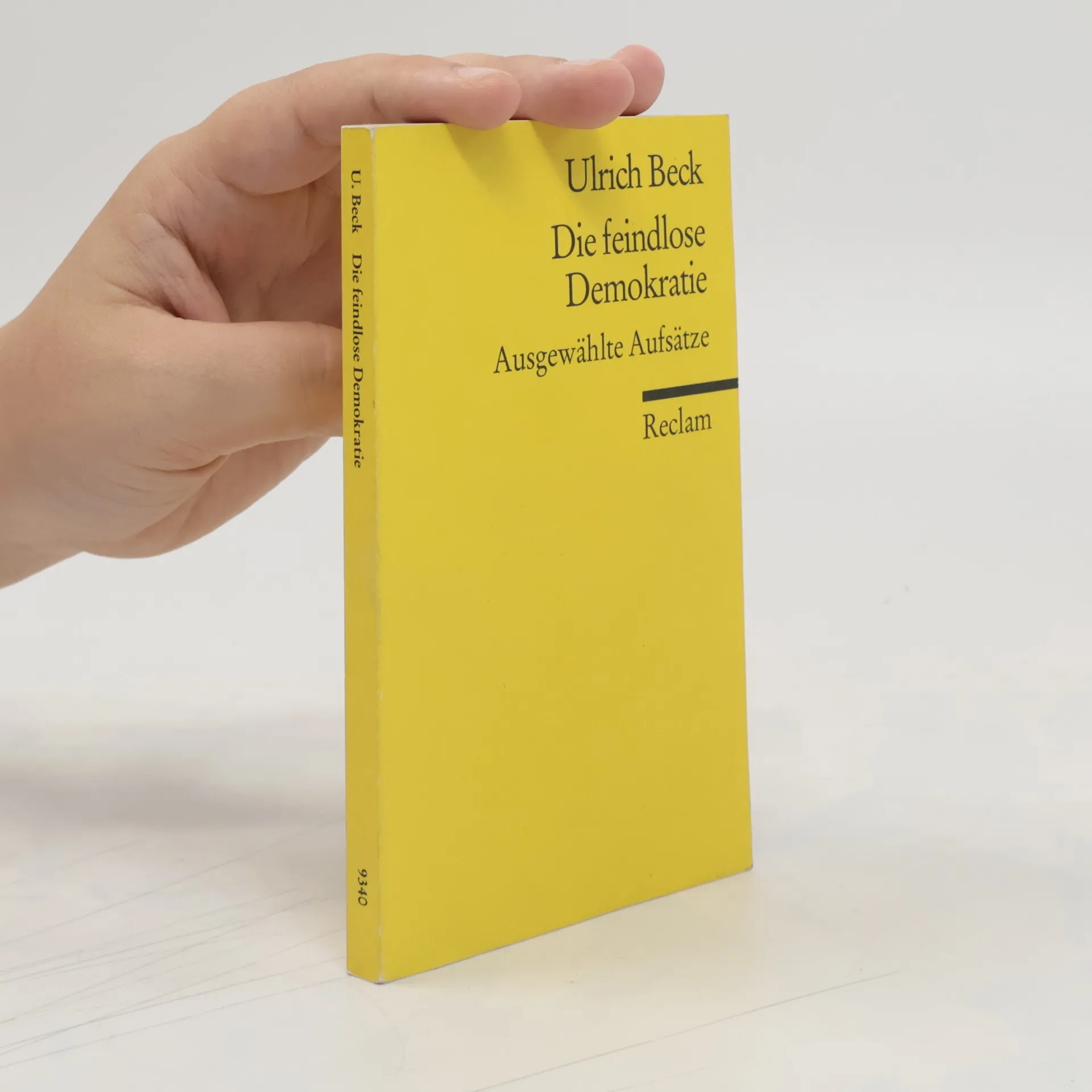
Bislang wurde Modernisierung immer als Befreiung von den Zwängen der Natur im Gegensatz zu den Welten von Tradition und Religion verstanden. Was geschieht jedoch, wenn die Industriegesellschaft zu einer 'Tradition' für sich selbst wird? Was, wenn ihre eigenen Notwendigkeiten, Funktionsprinzipien und grundlegenden Konzepte mit der gleichen Rücksichtslosigkeit untergraben, aufgebrochen und entmythologisiert werden wie die vermeintlich ewigen Wahrheiten früherer Epochen?
Diese Fragen stehen im Mittelpunkt von Ulrich Becks "Die feindlose Demokratie". Er argumentiert, dass der Konflikt der Zukunft nicht mehr zwischen Ost und West, zwischen Kommunismus und Kapitalismus bestehen wird, sondern zwischen den Ländern, Regionen und Gruppen, die an der primären Modernisierung beteiligt sind, und denen, die versuchen, das Projekt der Moderne selbstkritisch zu relativieren und zu reformieren, basierend auf ihren Erfahrungen damit. Der Konflikt der Zukunft wird zwischen den beiden Modernitäten stattfinden, die um die Vereinbarkeit von Überleben und Menschenrechten für alle Bürger der Erde kämpfen werden.
Ulrich Beck ist ein weltweit anerkannter Soziologe, dessen 1986 veröffentlichtes Werk ein neues Zeitalter prägte. Sein Konzept der Risikogesellschaft machte ihn international bekannt. Zwanzig Jahre später erweiterte er seine Analysen in einem weiteren Buch, das sich mit der Suche nach Sicherheit in Zeiten von Terrorismus, Klimakatastrophen und Finanzkrisen beschäftigt. Beck war von 1997 bis 2002 Herausgeber der Reihe Edition Zweite Moderne im Suhrkamp Verlag und hatte von 1992 bis 2009 eine Professur für Soziologie an der Ludwig-Maximilians-Universität München inne. Von 1999 bis 2009 leitete er einen von der Deutschen Forschungsgemeinschaft geförderten Sonderforschungsbereich zur Reflexiven Modernisierung. 2012 erhielt er vom Europäischen Forschungsrat eine fünfjährige Förderung für ein Projekt über Methodologischen Kosmopolitismus im Kontext des Klimawandels. Für seine Beiträge zur Zukunftsforschung wurde er 2014 mit dem Lifetime Achievement Award der International Sociological Association ausgezeichnet. Geboren am 15. Mai 1944 in Stolp, promovierte Beck 1972 in München und habilitierte sich sieben Jahre später. Sein Hauptinteresse galt den grundlegenden Veränderungen moderner Gesellschaften, die er unter Begriffen wie Reflexive Modernisierung und Kosmopolitismus zusammenfasste. Beck wurde mit mehreren Ehrendoktorwürden und Preisen ausgezeichnet und starb am 1. Januar 2015.
Ulrich Beck ist ein international anerkannter Soziologe, dessen 1986 veröffentlichtes Werk ein neues Zeitalter prägte. Sein Konzept der Risikogesellschaft machte ihn über akademische Kreise hinaus bekannt. Zwanzig Jahre später erweiterte er seine Diagnostik in einem weiteren Buch, das sich mit der Suche nach Sicherheit in Zeiten von Terrorismus, Klimakatastrophen und Finanzkrisen beschäftigt. Beck war von 1997 bis 2002 Herausgeber der Reihe Edition Zweite Moderne im Suhrkamp Verlag und hatte von 1992 bis 2009 eine Professur für Soziologie an der Ludwig-Maximilians-Universität München inne. Zudem war er von 1999 bis 2009 Sprecher eines von der Deutschen Forschungsgemeinschaft geförderten Sonderforschungsbereichs zur Reflexiven Modernisierung. 2012 erhielt er eine fünfjährige Förderung des Europäischen Forschungsrats für ein Projekt über Methodologischen Kosmopolitismus im Kontext des Klimawandels. 2014 wurde er beim Weltkongress für Soziologie in Yokohama mit dem Lifetime Achievement Award der International Sociological Association ausgezeichnet. Beck wurde am 15. Mai 1944 geboren, promovierte 1972 in München und habilitierte sich 1979. Sein wissenschaftliches Interesse galt den grundlegenden Veränderungen moderner Gesellschaften, die er mit Konzepten wie Reflexiver Modernisierung und Kosmopolitismus verband. Er erhielt zahlreiche Ehrendoktorwürden und Preise und starb am 1. Januar 2015.
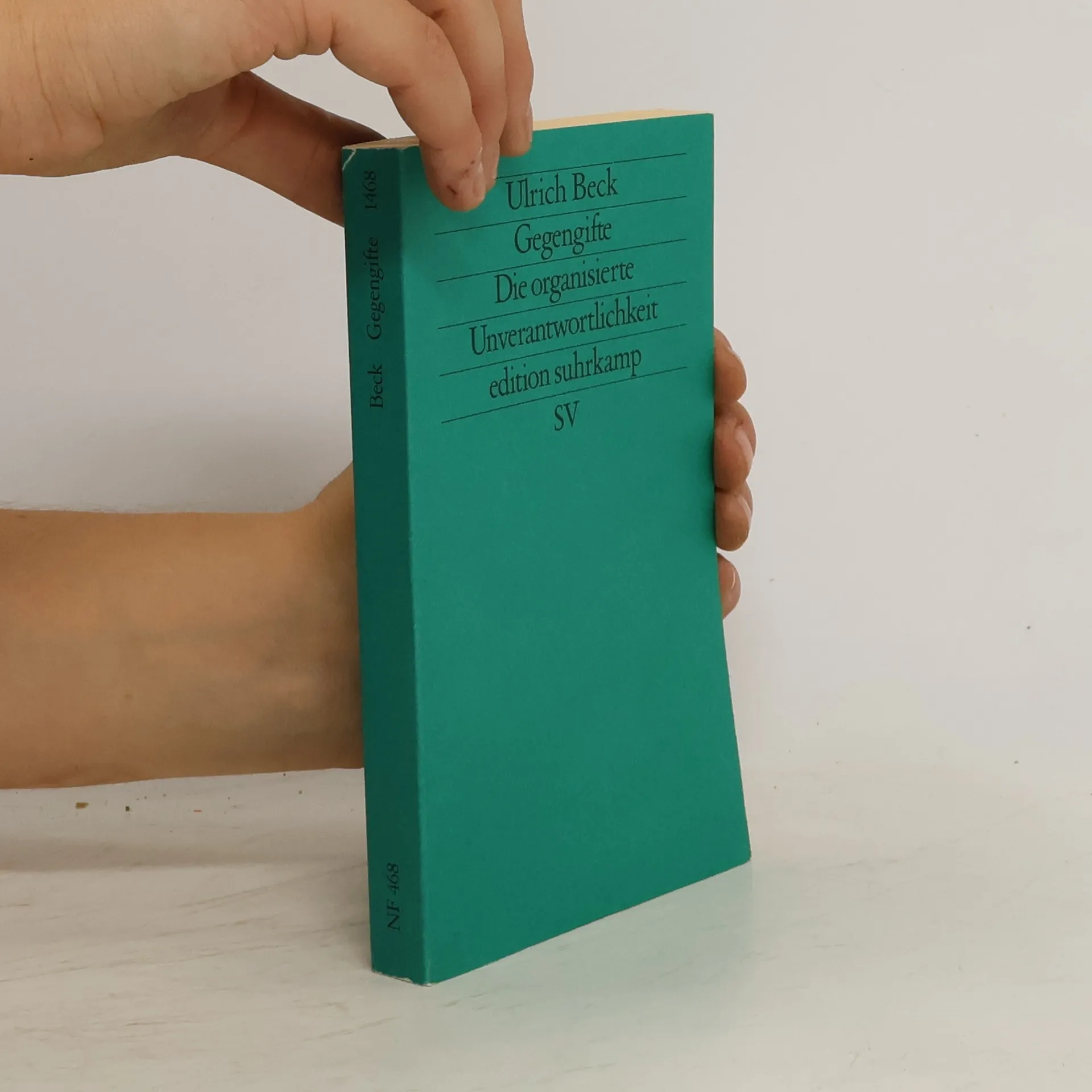
Risikogesellschaft meint eine Epoche, in der die Schattenseiten des Fortschritts mehr und mehr die gesellschaftlichen Auseinandersetzungen bestimmen. Diese These Ulrich Becks, die in seinen beiden Büchern Risikogesellschaft (es 1365) und Gegengifte (es 1468) entwickelt wurde, wird im vorliegenden Band konkretisiert. Dessen Schlüsselfrage lautet: Wie gewinnt eine ökologische Politik der Selbstbegrenzung Macht und Durchsetzungskraft? Ulrich Becks Essays, die im ersten Teil dieses Bandes versammelt sind, fragen nach der ökologischen Konfliktdynamik, Möglichkeiten von Gegenmacht und politischen Alternativen. Der zweite Teil dokumentiert exemplarisch den Paradigmawechsel, den Ulrich Becks Theorie in der Soziologie, der Politologie, der Philosophie, der Rechtstheorie, der politischen Bildung sowie in der politischen Diskussion selbst bewirkt hat. Dies verdeutlichen die Analysen von Thomas Blanke, Claus Offe, Christoph Lau, François Ewald, Robert Jungk, Bernhard Claußen, Herbert Gottweis, Rainer Wolf, Thomas Schmid, Klaus Dörre und Stefan Breuer, Oskar Lafontaine, Joschka Fischer, Erhard Eppler.
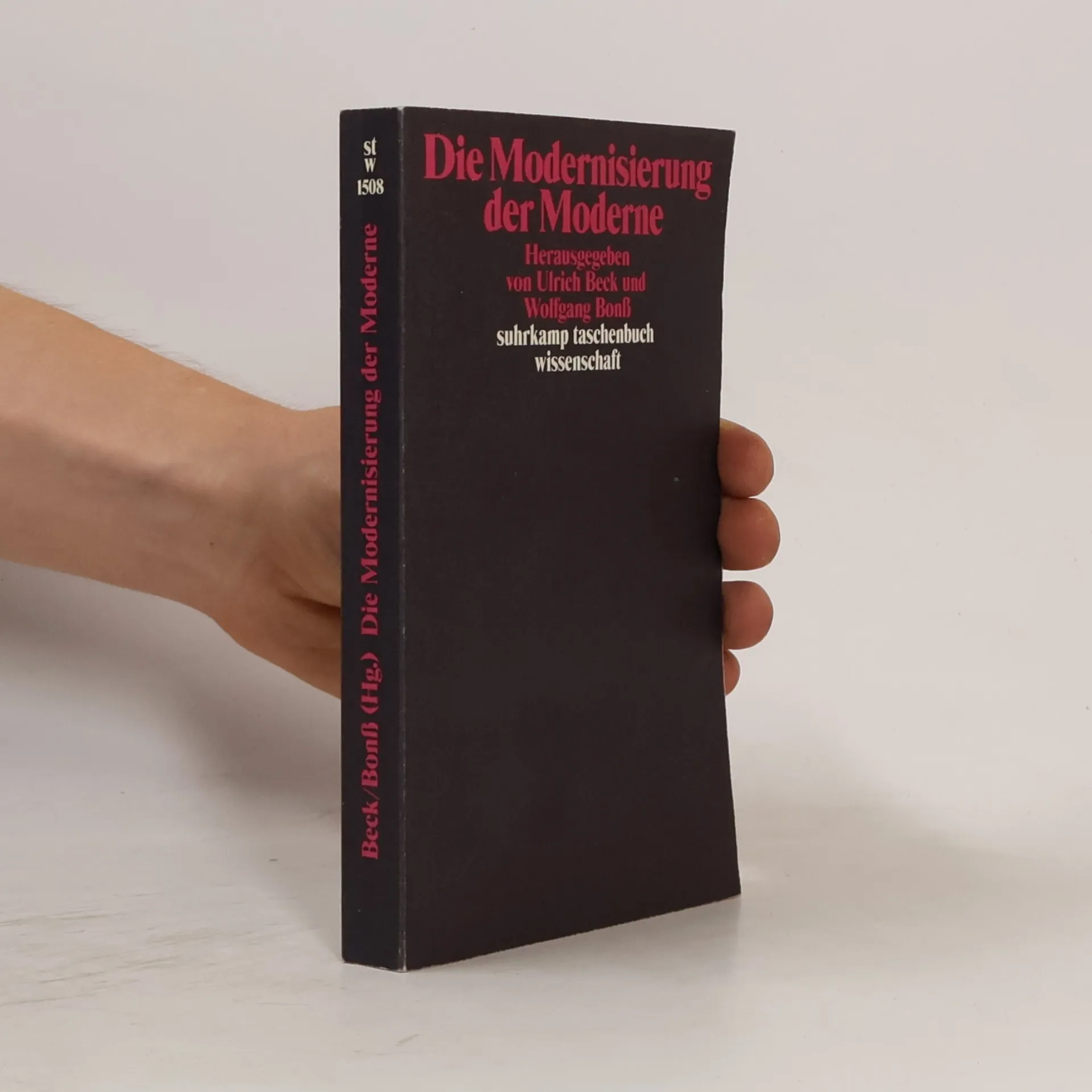
Was meint »Moderne« - ein Begriff, der über mehr als dreihundert Jahre die politische Phantasie und gesellschaftliche Praxis bestimmt hat und der nun weltweit umstritten ist, um dessen Neudefinition überall gerungen wird? Dieses Buch vertieft die Diskussion, die mit dem Buch Reflexive Modernisierung (es 1705) von Ulrich Beck, Anthony Giddens und Scott Lash international begonnen wurde. Gefragt wird nun: Was heißt Modernisierung der Moderne? In 15 Beiträgen, die jeweils ein Forschungsfeld repräsentieren, wird die Theorieidee reflexiver Modernisierung von Soziologen, Wirtschaftswissenschaftlern, Politikwissenschaftlern, Sozialpsychologen, Historikern, Juristen und Philosophen analytisch und empirisch, immer aber programmatisch ausbuchstabiert.