
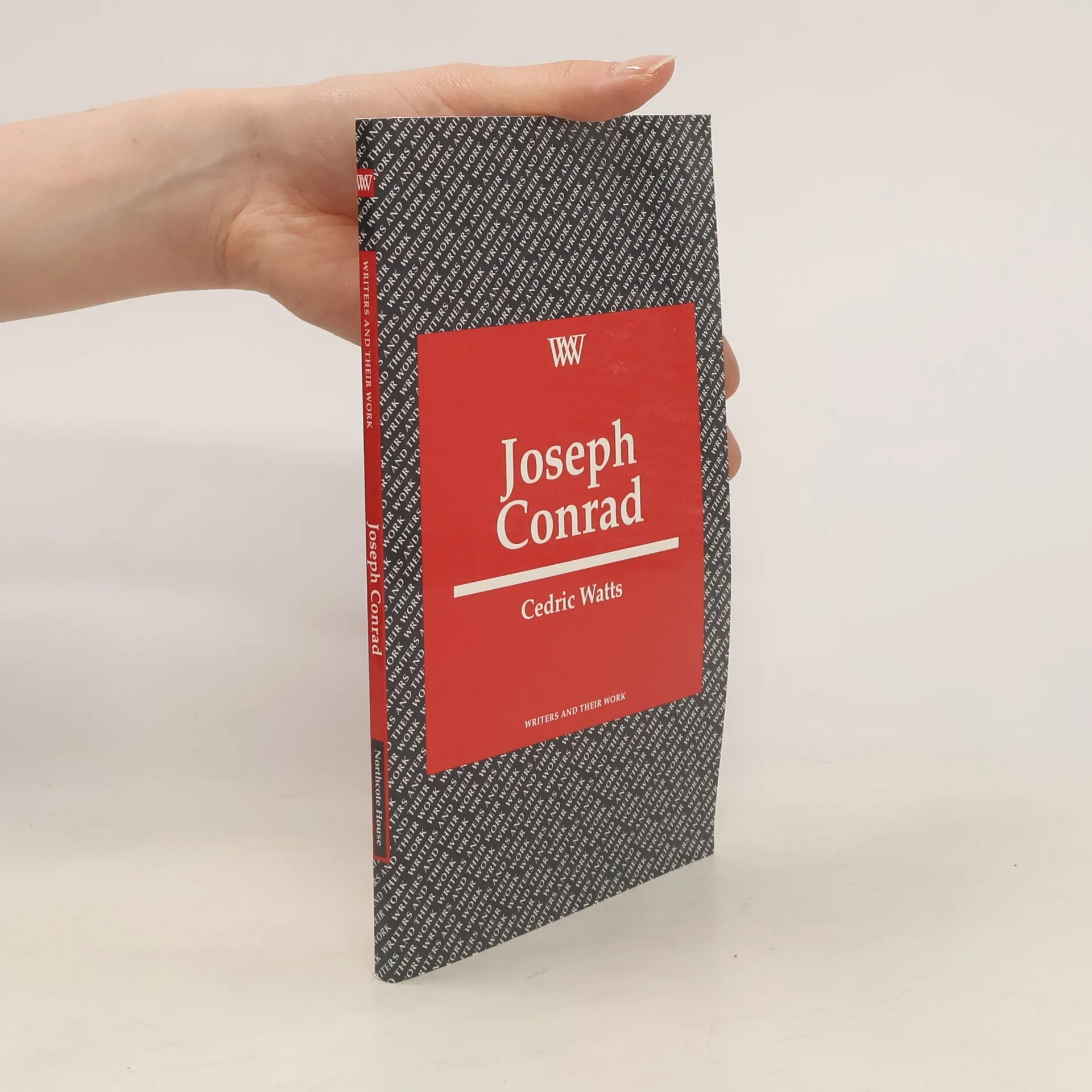

Joseph Conrad
- 80 páginas
- 3 horas de lectura
Professor Watts’s study examines the main phase in Joseph Conrad’s literary development.
Cedric Watts es un distinguido crítico literario y erudito cuyas extensas publicaciones se sumergen profundamente en el análisis literario y la crítica scholarly. Sus obras exploran temas y estilos complejos, a menudo basándose en una profunda comprensión de la literatura clásica y el drama shakespeariano. El enfoque de Watts se caracteriza por su precisión analítica y su capacidad para descubrir significados y matices ocultos dentro de los textos literarios. Su erudición ofrece a los lectores una perspectiva enriquecedora sobre el arte de la palabra escrita.


Professor Watts’s study examines the main phase in Joseph Conrad’s literary development.
Contains four stories, written between 1900 and 1902. One of them reveals the differences between instinct and intelligence in a partnership vital to human survival; and the other contains 'land-stories' that explore the utter isolation of an East European emigrant in England and in the other, the plight of a woman.
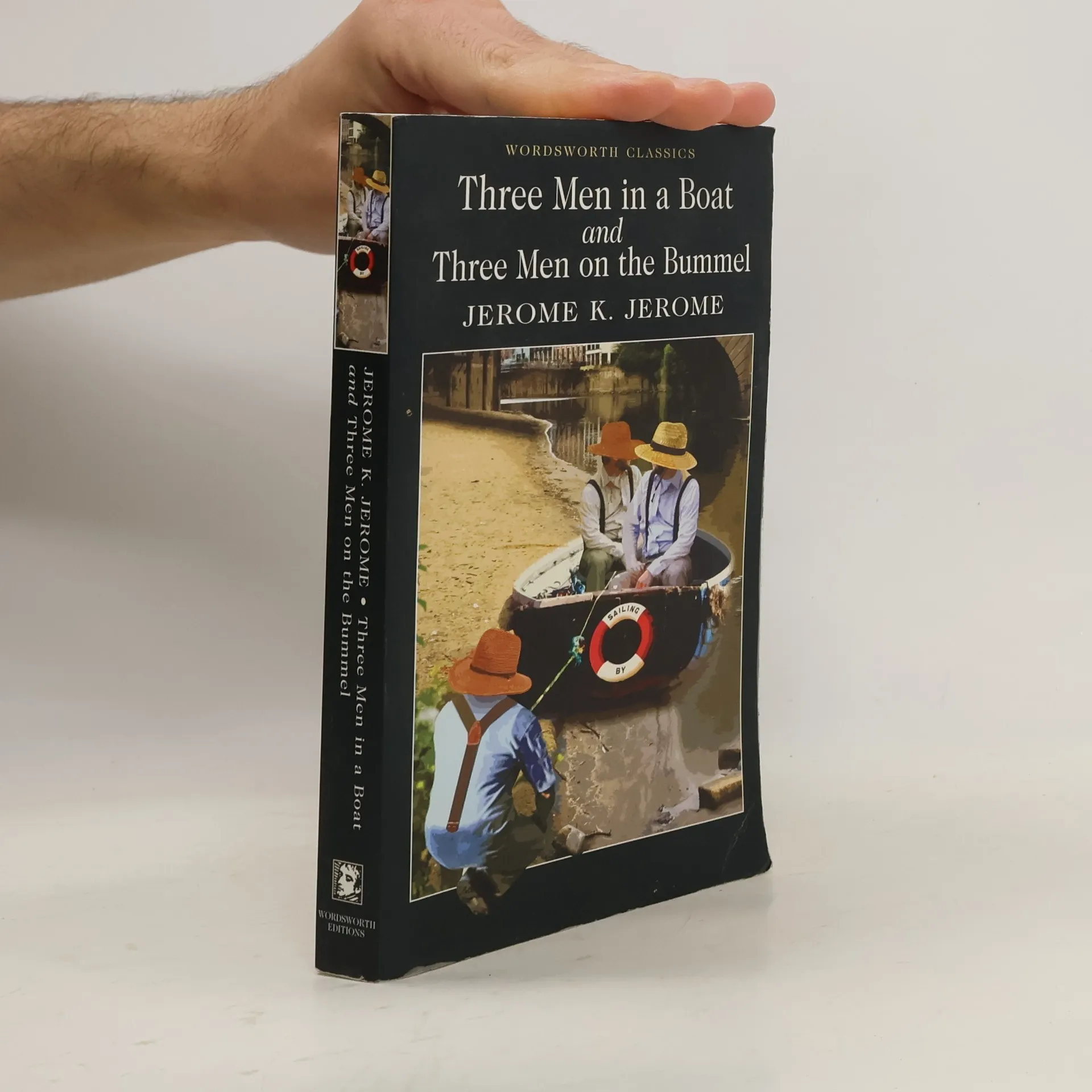
Three men in a boat: Three friends along with the dog, Montmorency, experience the hazards and vicissitudues of life in a boating expedition along the Thames.
La historia original del moro de Venecia, de Gianbattista Giraldi Cinthio (1565), sirvió a William Shakespeare para crearáOtelo, la única de sus grandes tragedias basada en una obra de ficción.á Contraviniendo la imagen isabelina del moro, Shakespeare invierte los papeles de los protagonistas y otorga al moro Otelo el carácter de hombre noble y aristocrático, mientras que reserva para el italiano Yago la perversidad y la hipocresía, desarrollando en él uno de los estudios más profundos del mal. Al final, el protagonista, como un auténtico héroe trágico, consciente de su degradación y de su pérdida, escribe su propio epitafio, con la angustia del héroe destrozado.á Traducción y edición de Ángel-Luis Pujante, premio Nacional de Traducción.
For lovers of timeless classics, this series of beautifully packaged and affordably priced editions of world literature encompasses a variety of literary genres, including theater, novels, poems, and essays. Los lectores tomaran un gran placer en descubrir los clasicos con estas bellas y economicas ediciones de las grandes obras literarias. Esta seleccion editorial cuenta con titulos que abarcan todos los generos literarios, desde teatro, narrativa, poesia y el ensayo.
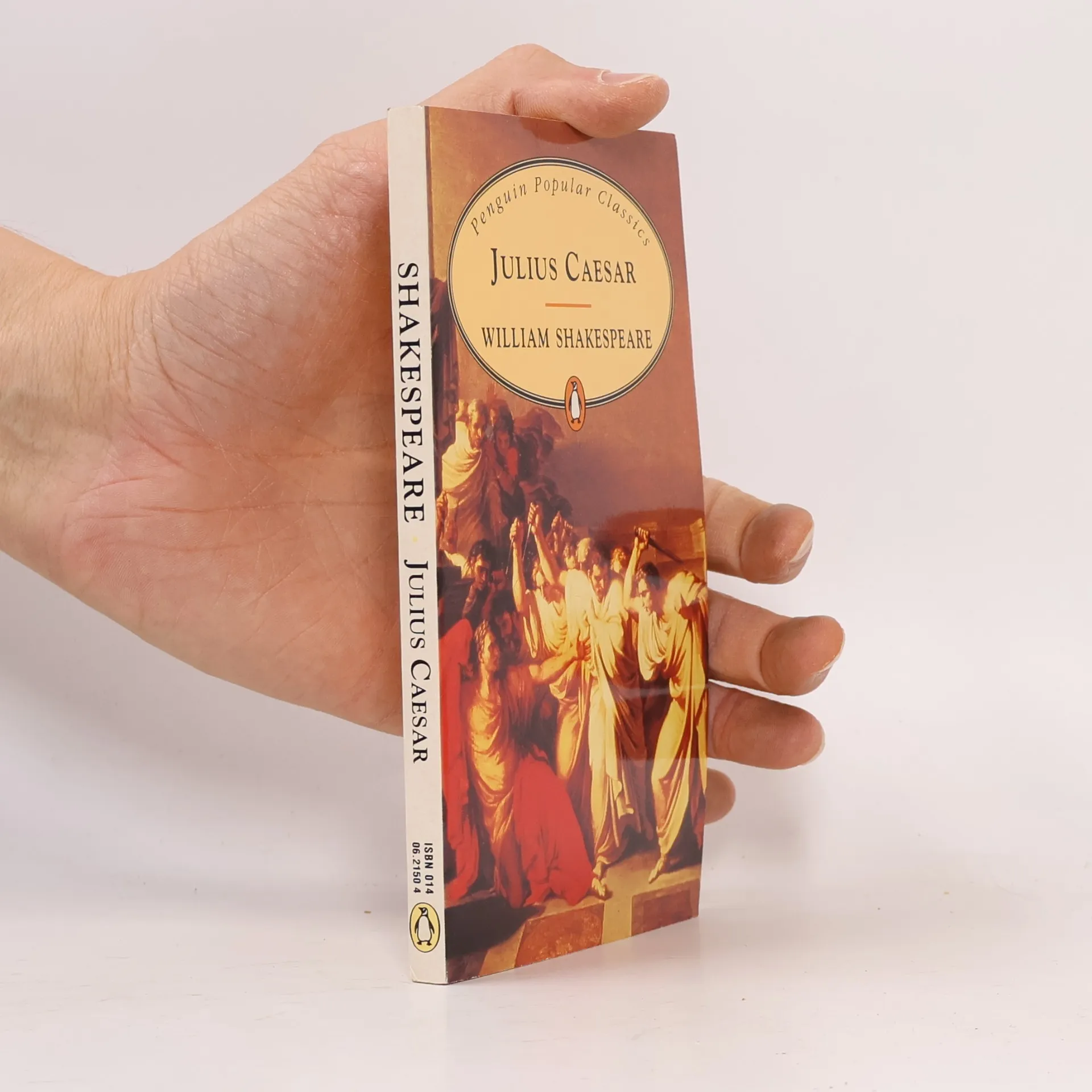
Notes on the story, language, construction, and background accompany the text of the play about the conspiracy to assassinate Caesar.
Romeo and Juliet (1597) is a tragedy by William Shakespeare, inspired by an Italian tale adapted for an English audience in the 16th century. Written between 1591 and 1595, it is one of Shakespeare's most performed plays and has influenced countless film and television adaptations. The story begins with two noble families in Verona, the Montagues and the Capulets, whose ancient feud leads to new conflicts and bloodshed. Shakespeare's genius lies in his portrayal of complex human emotions and their impact on relationships, politics, culture, and religion. In this tale, a pair of star-crossed lovers, Romeo and Juliet, defy their families' enmity to pursue their love, risking everything for one another. Their passionate romance ultimately leads to a tragic and unforgettable conclusion, illustrating the power of love against the constraints of history and fate.
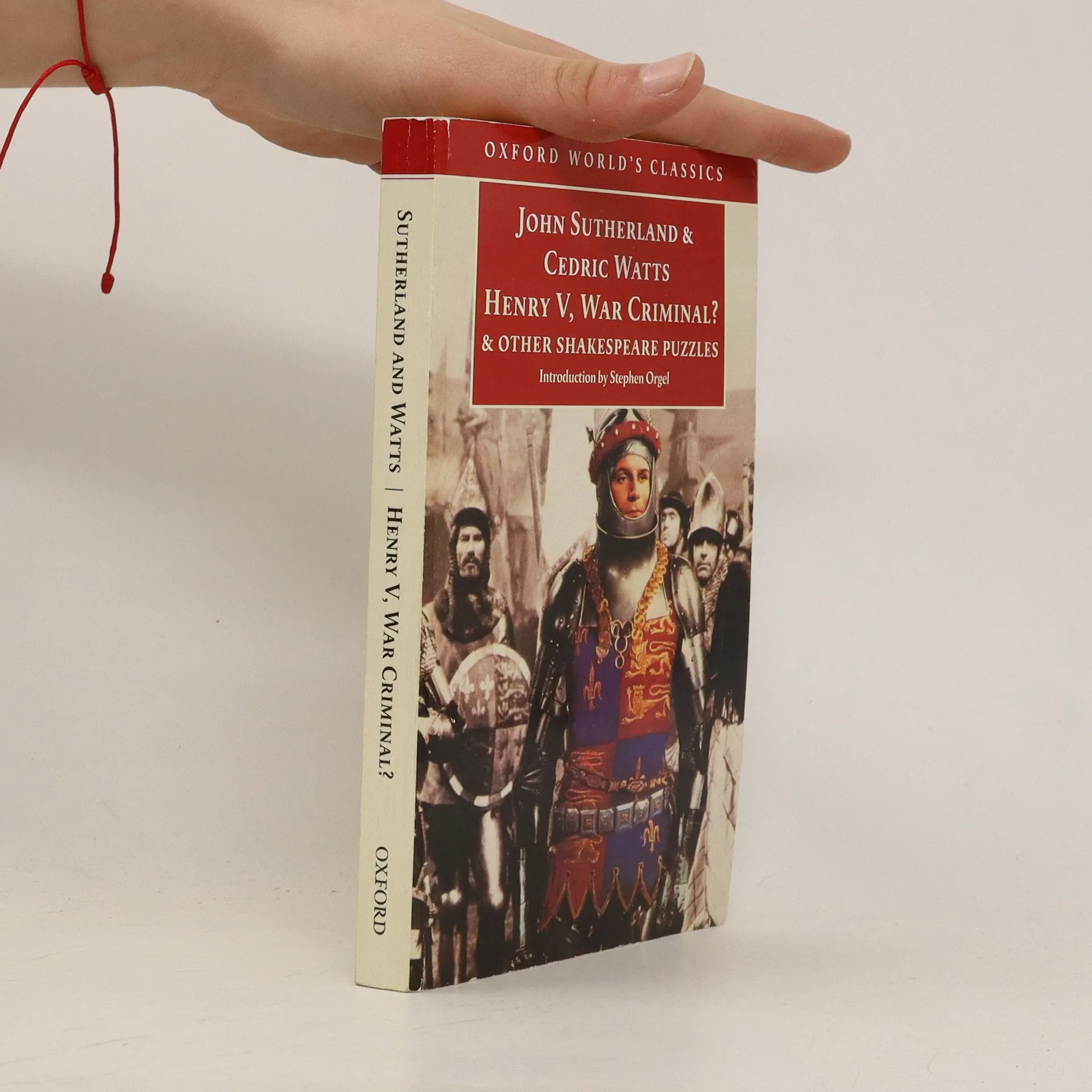
Loose ends and red herrings are the stuff of detective fiction, and under the scrutiny of master sleuths John Sutherland and Cedric Watts Shakespeare's plays reveal themselves to be as full of mysteries as any Agatha Christie novel. Is it summer or winter in Elsinore? Do Bottom and Titania make love? Does Lady Macbeth faint, or is she just pretending? How does a man putrefy within minutes of his death? Is Cleopatra a deadbeat Mum? And why doesn't Juliet ask 'O Romeo Montague, wherefore art thou Montague?' As Watts and Sutherland explore these and other puzzles Shakespeare's genuius becomes ever more apparent. Speculative, critical, good-humoured and provocative, their discussions shed light on apparent anachronisms, performance and stagecraft, linguistics, Star Trek and much else. Shrewd and entertaining, these essays add a new dimension to the pleasure of reading or watching Shakespeare.