Compra 10 libros por 10 € aquí!
Bookbot

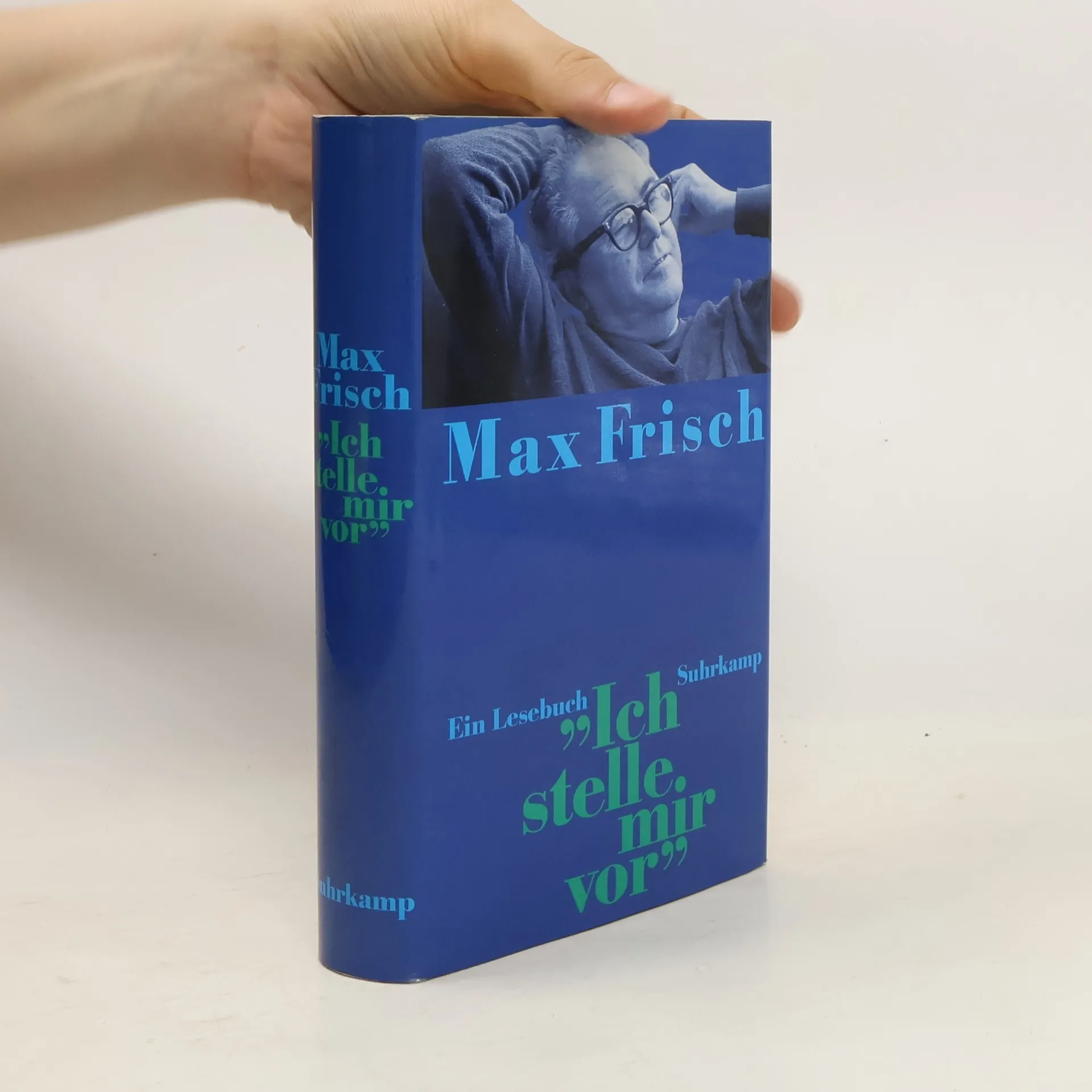
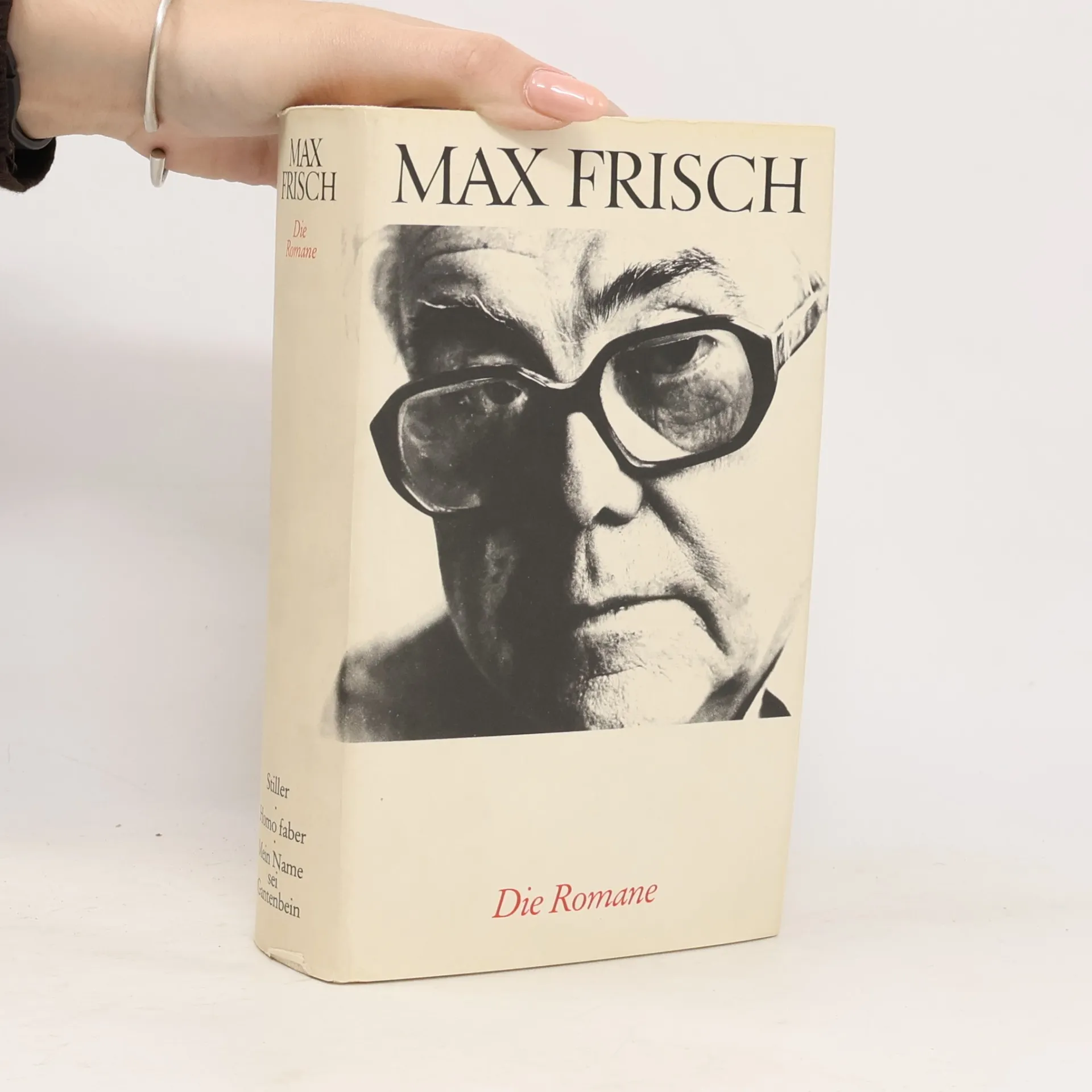
Max Frisch

    15 de mayo de 1911 – 4 de abril de 1991

    Max Frisch profundiza en las preguntas sobre la identidad y el alienación dentro de la sociedad moderna. Sus obras examinan críticamente el nacionalismo suizo y la imagen ilusoria de la democracia, destacando el miedo humano a la libertad y la obsesión por el control. Frisch combina magistralmente reflexiones personales con comentarios políticos, empleando técnicas paradójicas y un estilo fragmentado para explorar la crisis espiritual del mundo.
    Max Frisch
    Gantenbein
    Biography - A Game
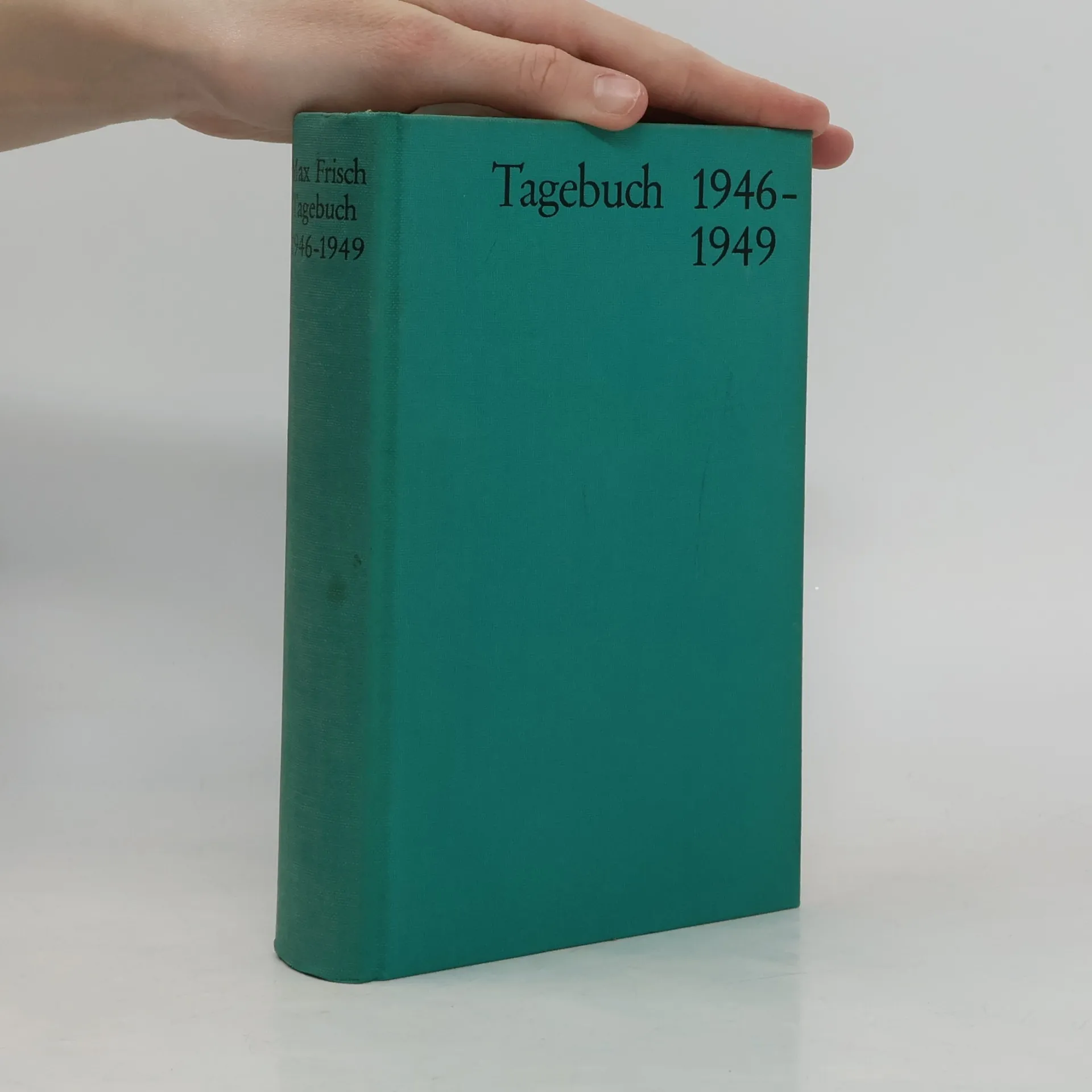
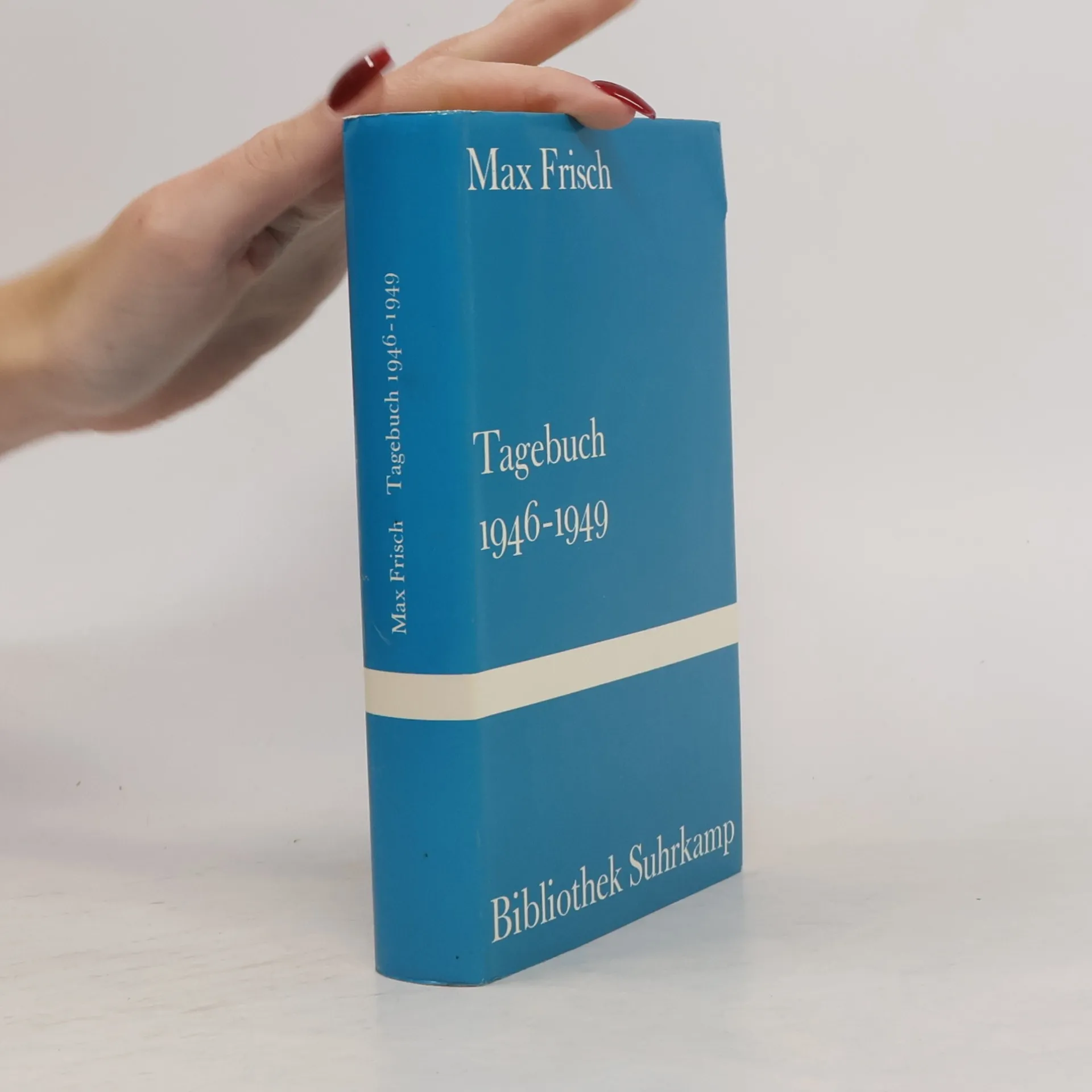
    Sketchbooks, 1946-1949
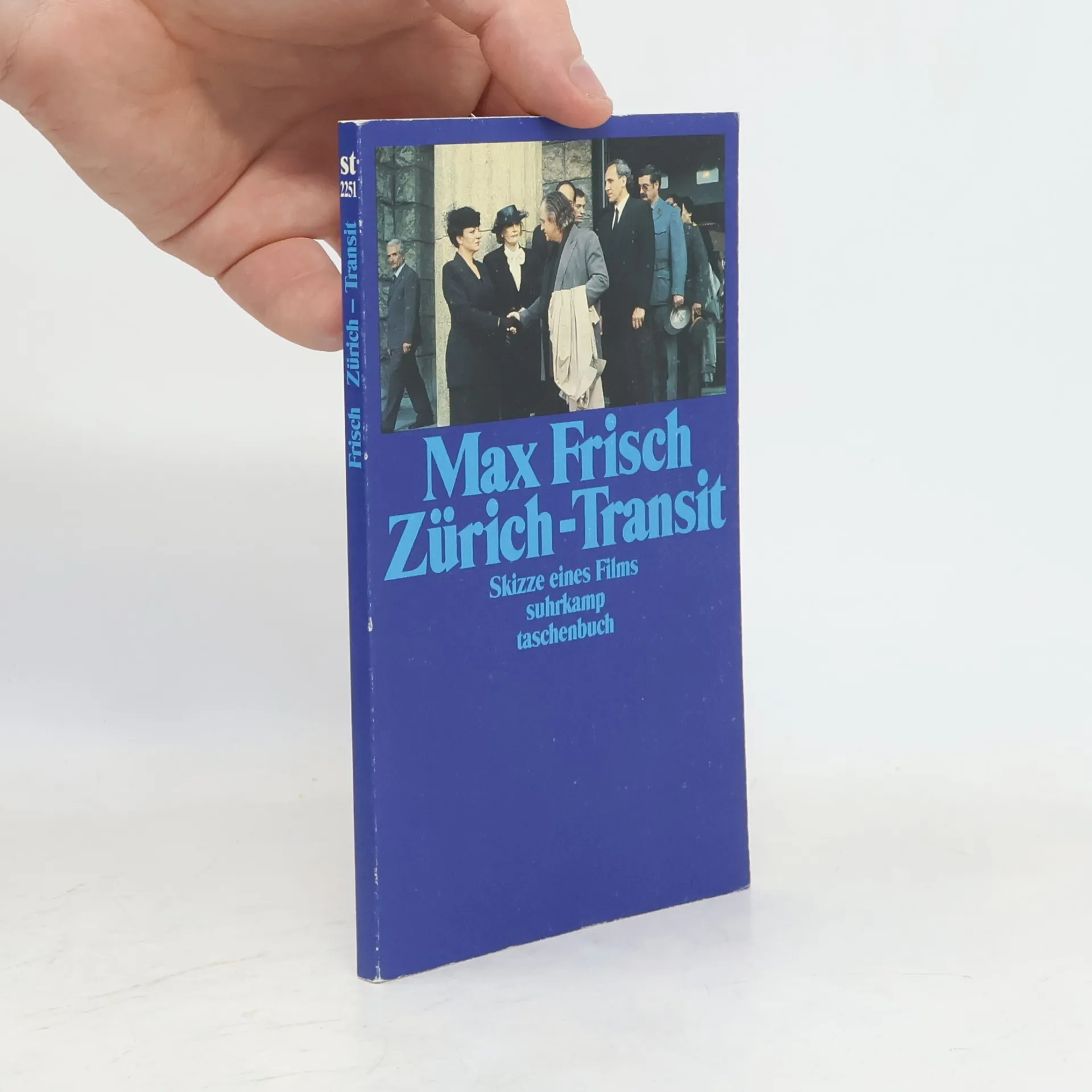
    Zurich Transit
    Homo Faber
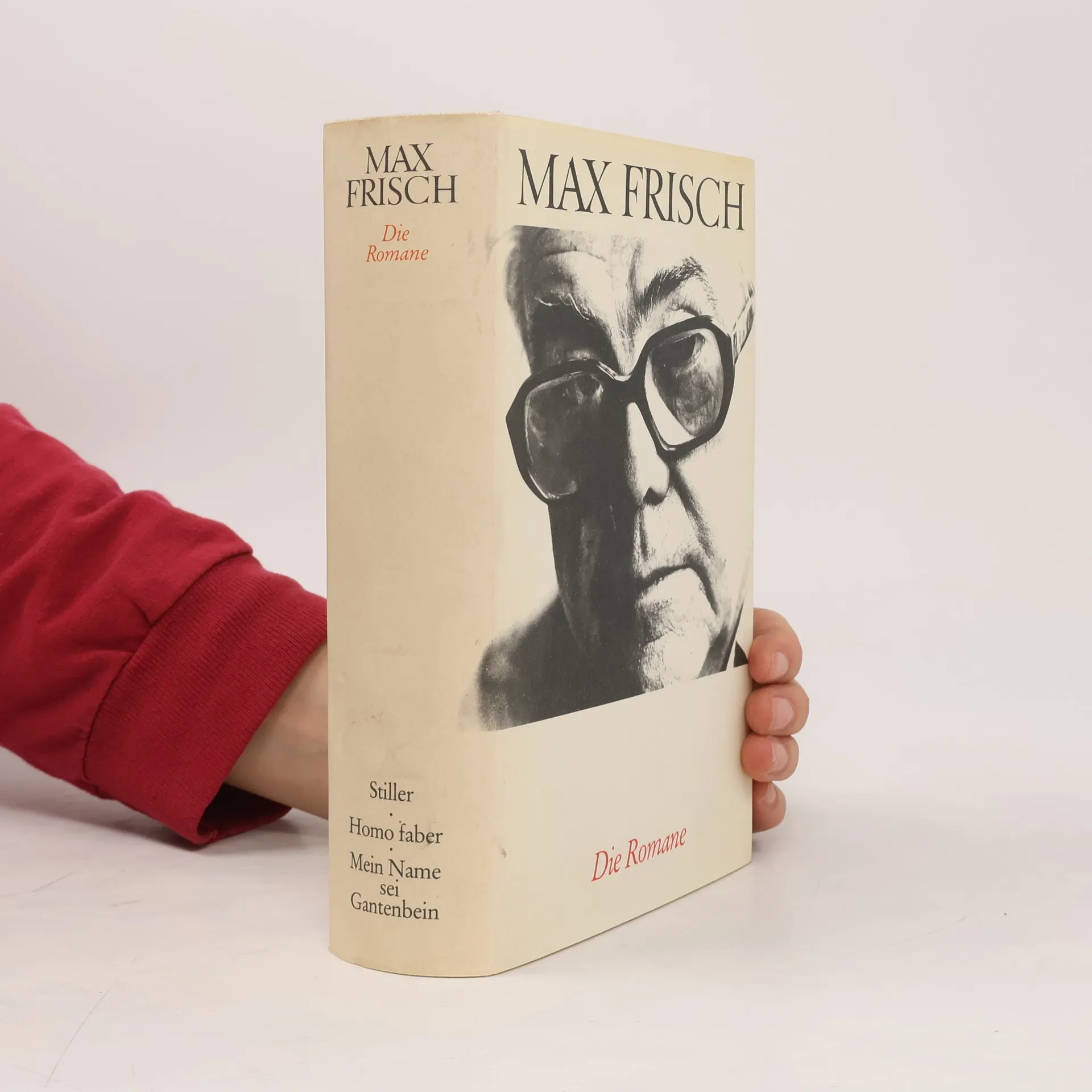
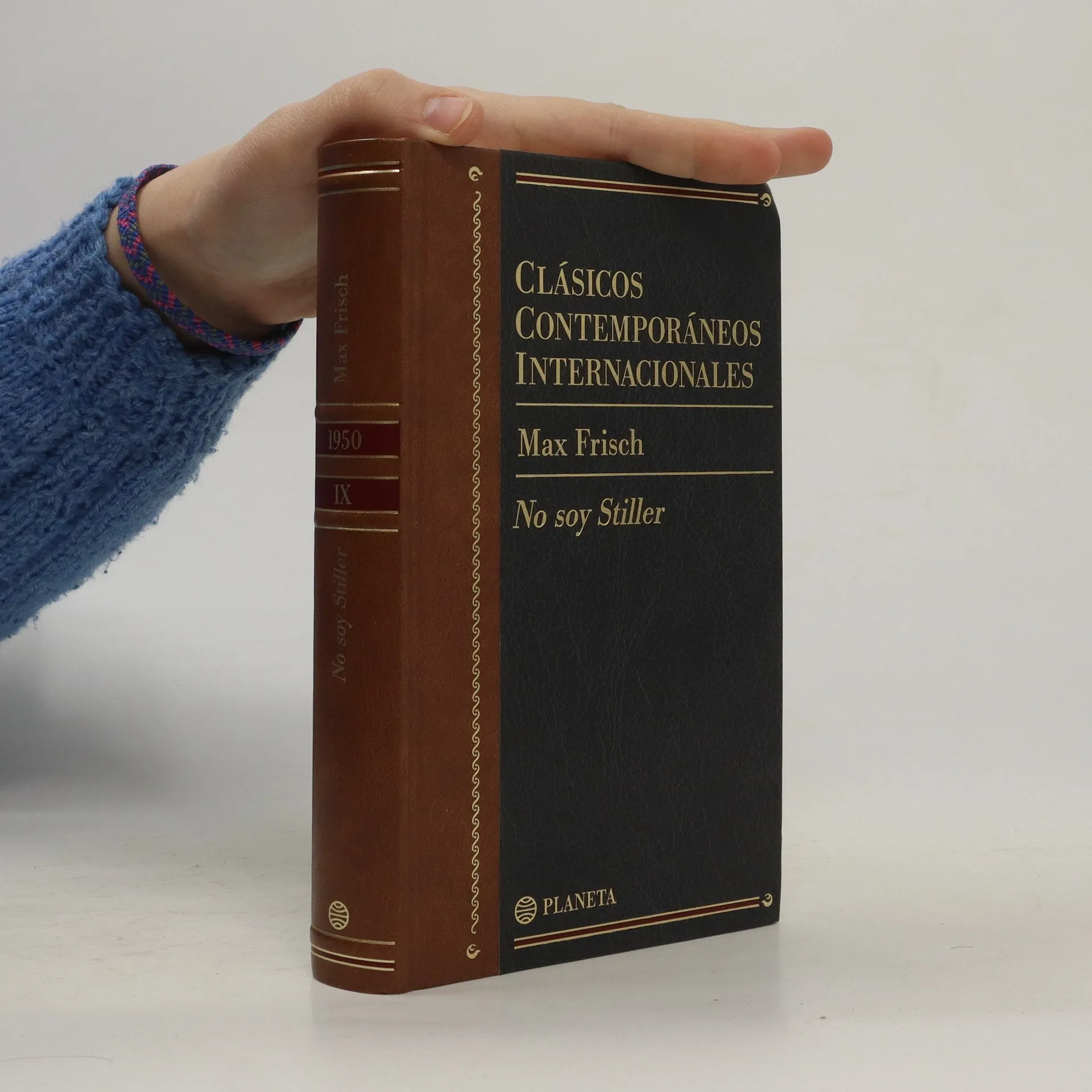
    No soy Stiller
    • Zurich Transit

      • 88 páginas
      • 4 horas de lectura

      The screenplay "Zurich Transit" was developed from an episode in the novel Gantenbein, published in 1964: 'A story for Camilla: of a man who decides several times to change his life but, of course, never succeeds ...' Yet one day he, Theo Ehrismann, returns from a trip abroad and reads in the paper his own obituary. He arrives just on time for his own funeral and observes the attending mourners, and yet he is not able to reveal himself to them, especially not to his wife: 'How does one say that he is alive?' Max Frisch counters the traditional dramaturgy based on causality with a dramaturgy of coincidence. 'Life,' Max Frisch said in 1965, 'is the sum of events that happen by chance, and it always could as well have turned out differently; there is not a single action or omission that does not allow for variables in the future.'

      Zurich Transit
    • A reissue of a comic and tragic play that asks just how much of our life we could--or would--change if we got another chance. In this play by Swiss playwright and novelist Max Frisch, a middle-aged behavioral researcher Kürmann is given the opportunity to start his life over at any point he chooses and change his decisions and actions in matters both serious and mundane--He could save his marriage, become politically active, take better care of his health, or even change the color of his living room furniture. Despite his intention to apply the wisdom he has acquired with age, Kürmann finds himself inexorably trapped in the same decisions. Ultimately proving fatal, Kürmann's life game interrogates how much of our own path is shaped by seemingly random factors and how much is in fact predetermined by our own limited, conditioned selves. The play's central idea--that our lives are nothing but a self-conscious play with imaginary identities--is brilliantly captured in Biography's dramaturgical form, setting up a theatre rehearsal as the metaphor for the endless possibilities and variables of the game of life. Frisch's own revised, dramatically heightened version of his play celebrates not only the theatre as a form of self-expression but also the human condition in all its potential and limitations as it showcases both comic and tragic outcomes that define all our lives.

      Biography - A Game
    • A playfully postmodern novel exploring questions of identify from a major Swiss writer. A man walks out of a bar and is later found dead at the wheel of his car. On the basis of a few overheard remarks and his own observations, the narrator of this novel imagines the story of this stranger, or rather two alternative stories based on two identities the narrator has invented for him, one under the name of Enderlin, the other under the name Gantenbein.

      Gantenbein
    • The daily journal of a giant of German literature, touching subjects ranging from everyday life to the political and social conditions in East Germany as viewed from West Berlin. Max Frisch (1911-91) was a giant of twentieth-century German literature. When Frisch moved into a new apartment in Berlin's Sarrazinstrasse, he began keeping a journal, which he came to call the Berlin Journal. A few years later, he emphasized in an interview that this was by no means a "scribbling book," but rather a book "fully composed." The journal is one of the great treasures of Frisch's literary estate, but the author imposed a retention period of twenty years from the date of his death because of the "private things" he noted in it. From the Berlin Journal now marks the first publication of excerpts from Frisch's journal. Here, the unmistakable Frisch is back, full of doubt, with no illusions, and with a playfully sharp eye for the world. From the Berlin Journal pulls from the years 1946-49 and 1966-71. Observations about the writer's everyday life stand alongside narrative and essayistic texts, as well as finely-drawn portraits of colleagues like Günter Grass, Uwe Johnson, Wolf Biermann, and Christa Wolf, among others. Its foremost quality, though, is the extraordinary acuity with which Frisch observed political and social conditions in East Germany while living in West Berlin.

      From the Berlin Journal
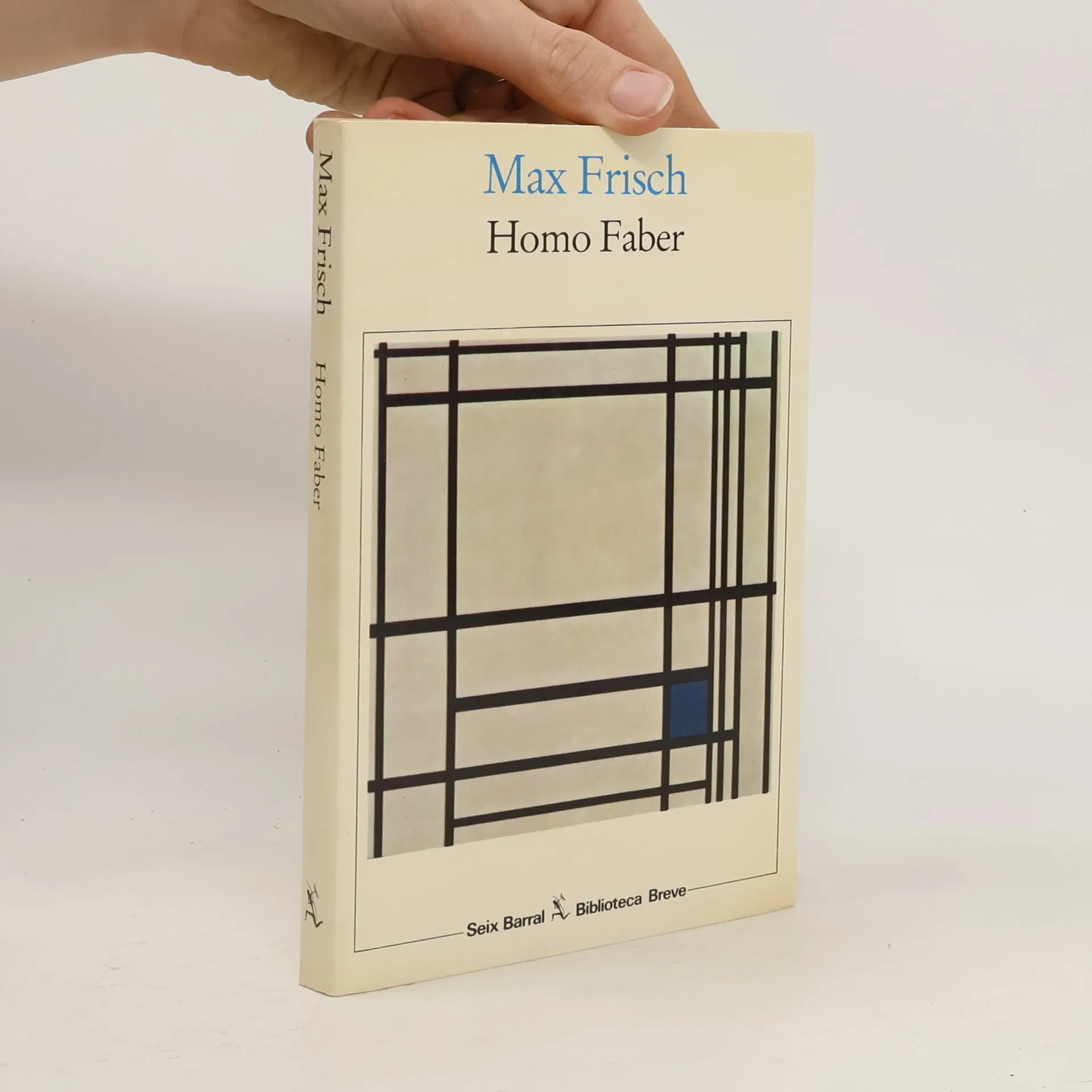
    • Homo Faber, English edition

      • 224 páginas
      • 8 horas de lectura

      Tells the story of a middle-class UNESCO engineer called Walter Faber, who believes in rational, calculated world. Strange events undermine his security - an emergency landing in a Mexican desert against all odds, his friend Joachim hangs himself in the Mexican jungle, and he falls in love with a woman who dies of a concussion.

      Homo Faber, English edition
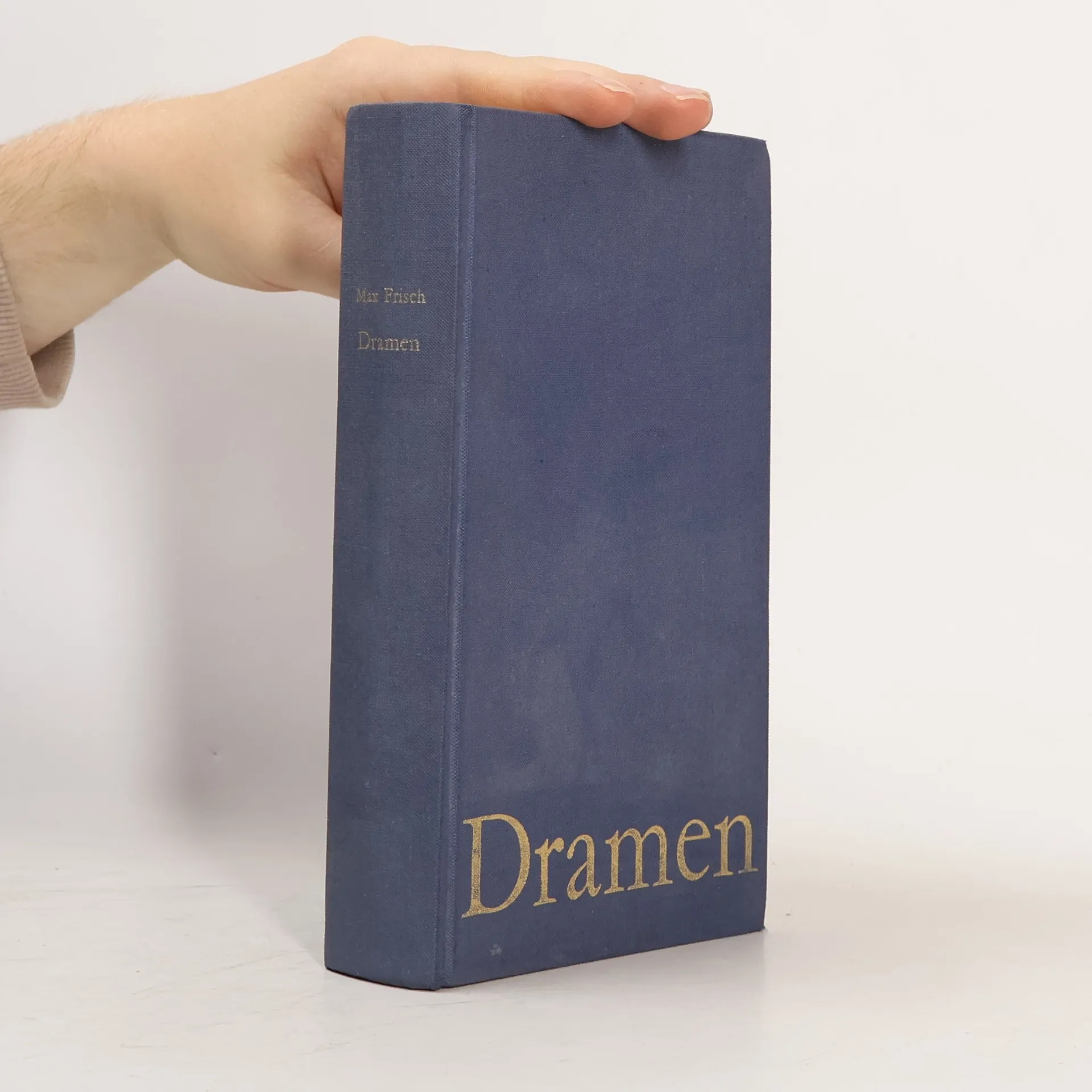
    • Sämtliche Stücke

      • 860 páginas
      • 31 horas de lectura

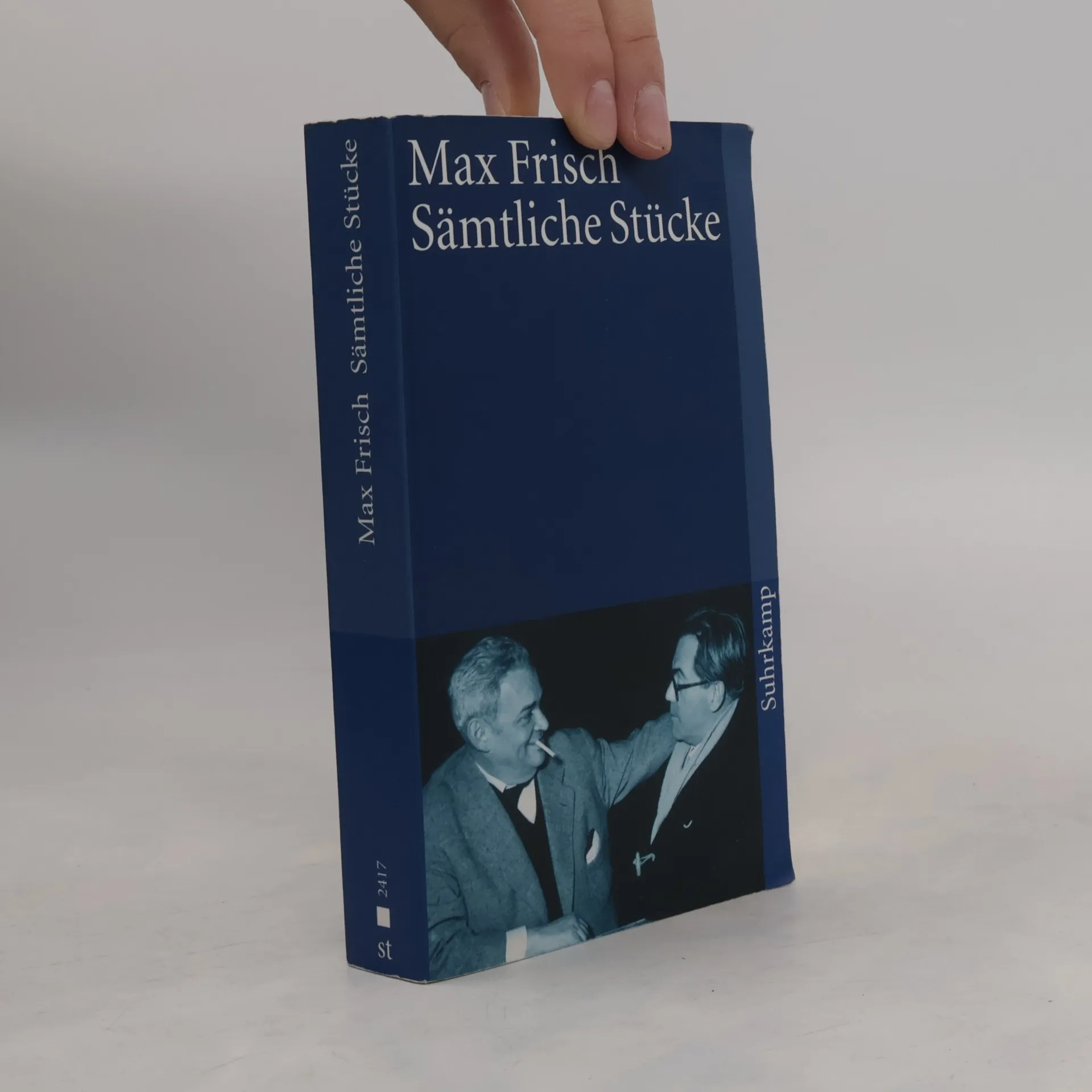
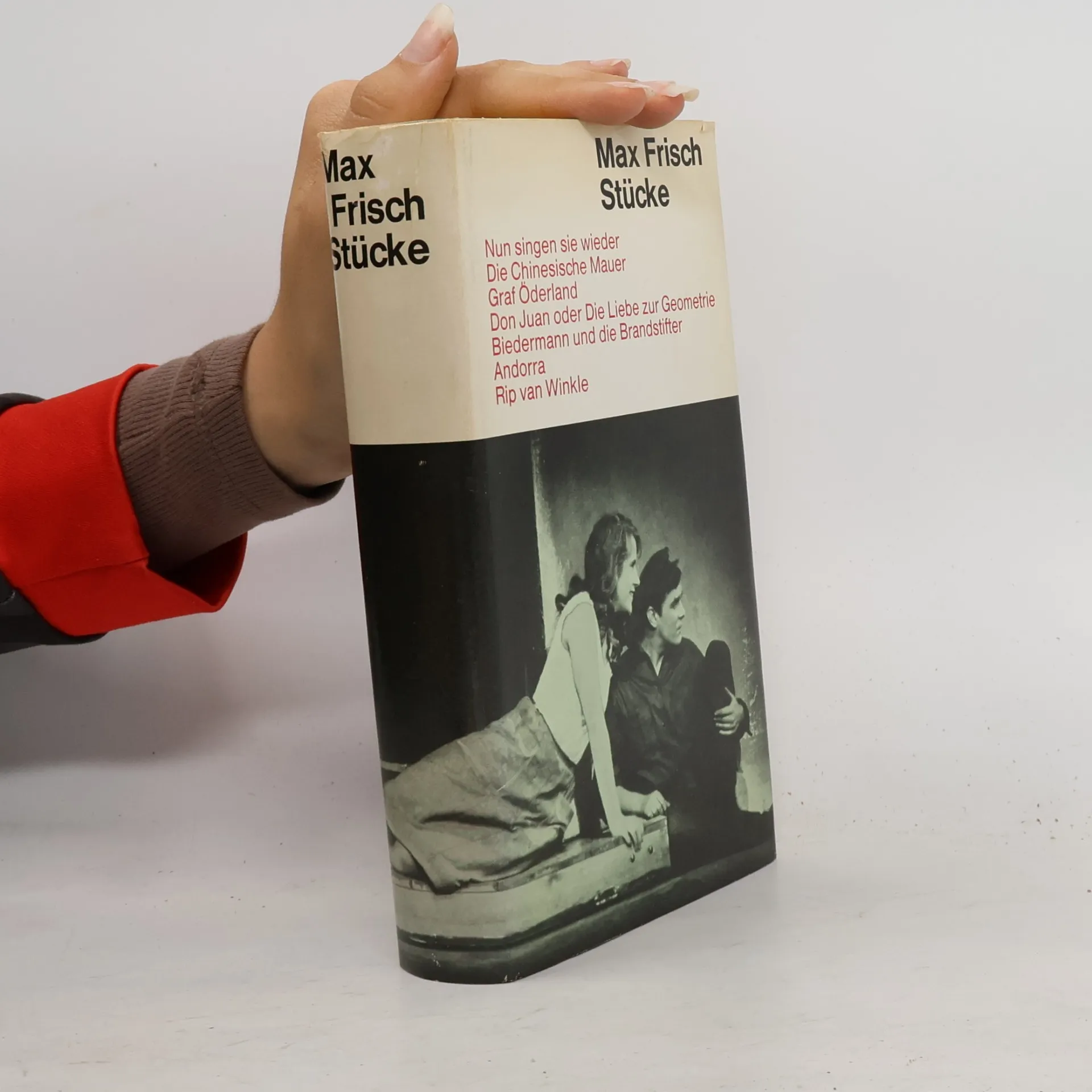
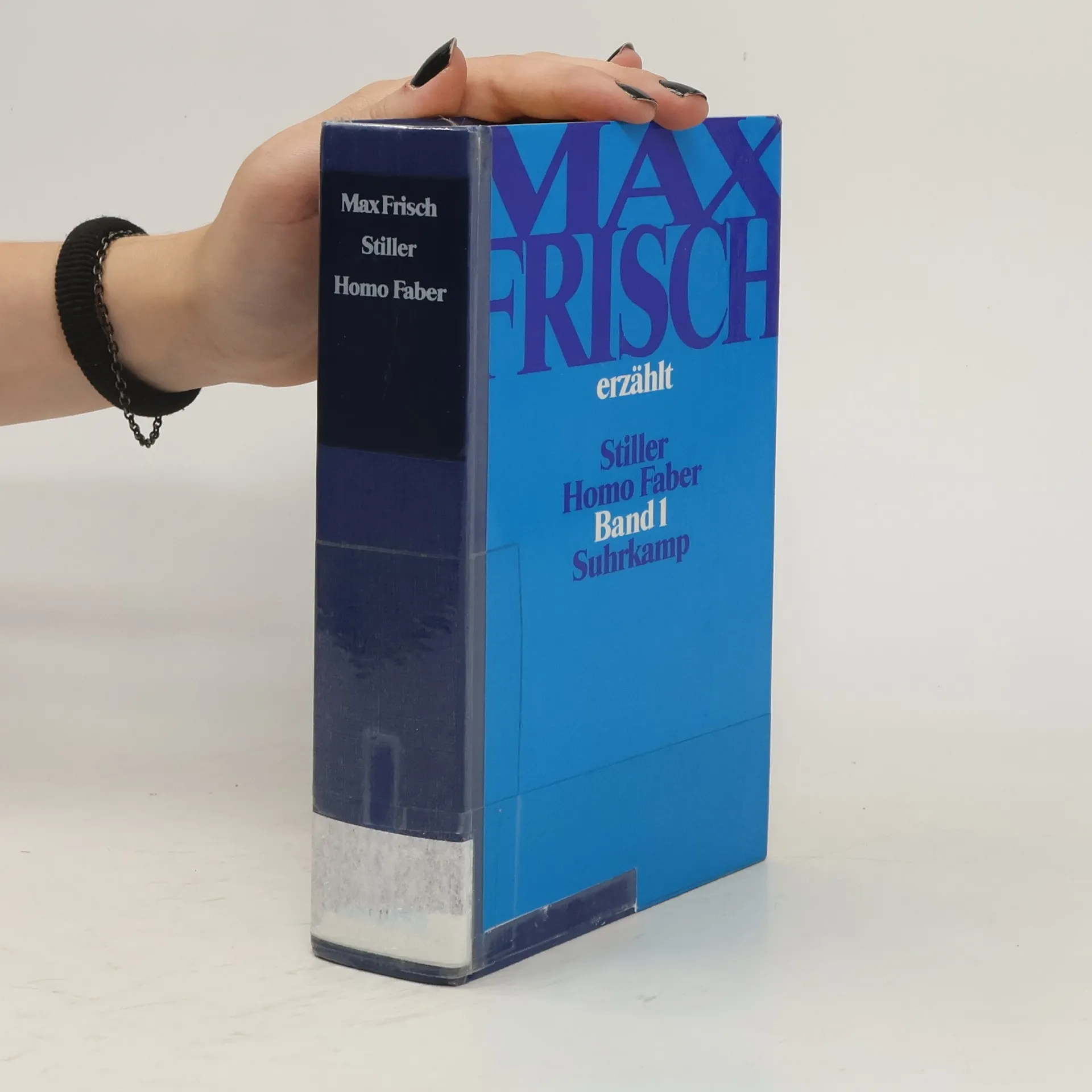
      Mit seinen Romanen Stiller und Homo faber führte Max Frisch in den fünfziger Jahren ein Thema in die deutsche Literatur ein, das bis heute von großer Aktualität ist: die Frage nach der Identität des Menschen des 20. Jahrhunderts. Auch seine Stücke sind Versuche, diese Grundfrage zu beantworten, die sein ganzes Werk bestimmt und ihm seine Einheit gibt.

      Sämtliche Stücke