
Compra 10 libros por 10 € aquí!
Bookbot

Gilles Deleuze

    18 de enero de 1925 – 4 de noviembre de 1995

    Gilles Deleuze es una figura clave de la filosofía francesa posmoderna, que se consideraba a sí mismo empirista y vitalista. Su obra, fundamentada en conceptos como la multiplicidad, el constructivismo, la diferencia y el deseo, se aparta significativamente de las corrientes principales del pensamiento continental del siglo XX. En su marco metafísico, adoptó la noción spinozista de un plano de inmanencia, postulando toda existencia como modos de una única sustancia en el mismo nivel ontológico. Esta perspectiva lo llevó a argumentar la ausencia de un bien y un mal inherentes, proponiendo en su lugar un enfoque en las relaciones beneficiosas o perjudiciales para los individuos particulares, una postura ética que influyó profundamente en su compromiso con las luchas sociales y políticas por los derechos y las libertades. Deleuze a menudo buscaba 'encuentros' filosóficos con otros pensadores y artistas, concibiendo la filosofía no como comentario, sino como un acto creativo que genera nuevos conceptos, enfatizando una realidad caracterizada por el devenir constante en lugar del ser estático.
    Gilles Deleuze
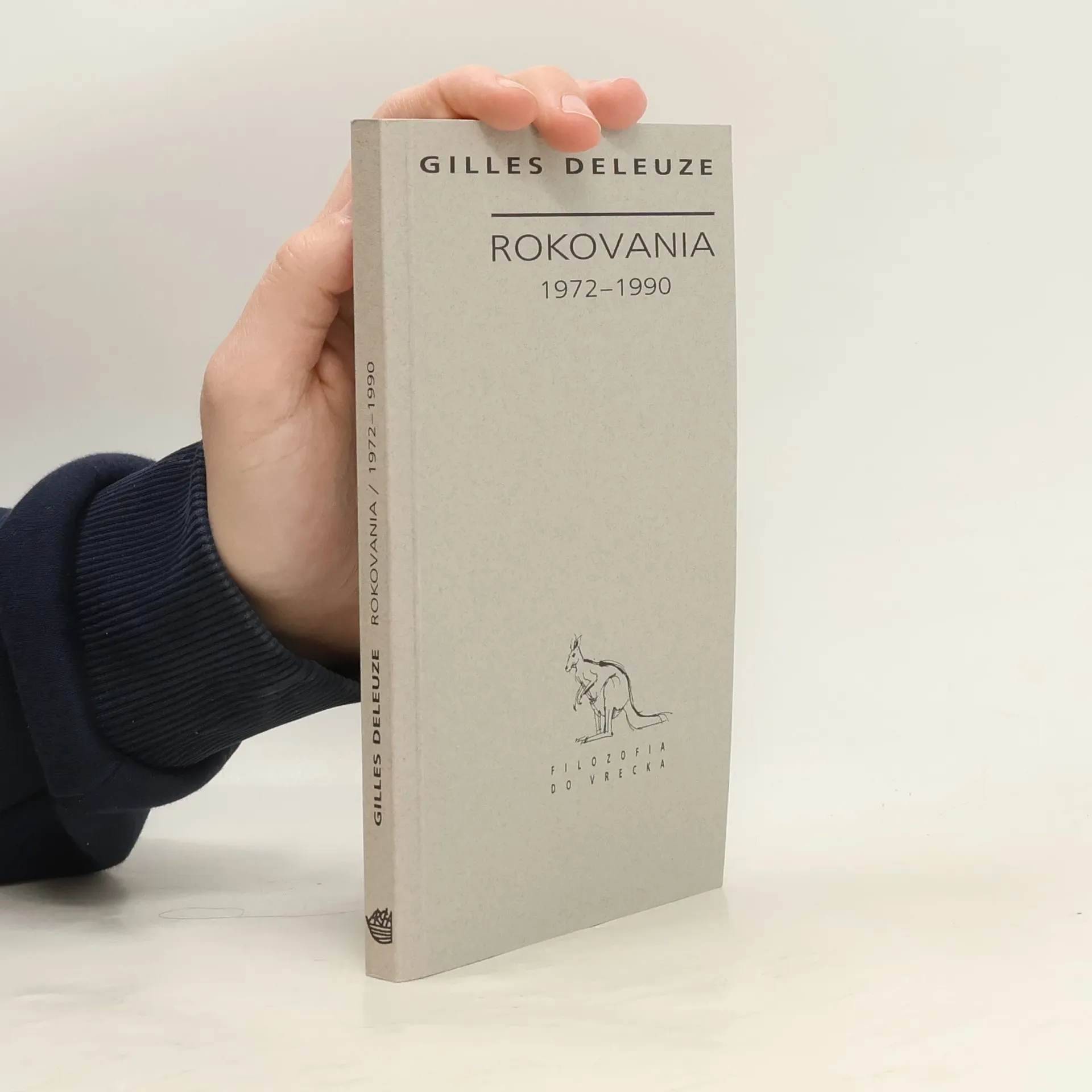
    Negotiations, 1972-1990
    Cinema. Vol.1
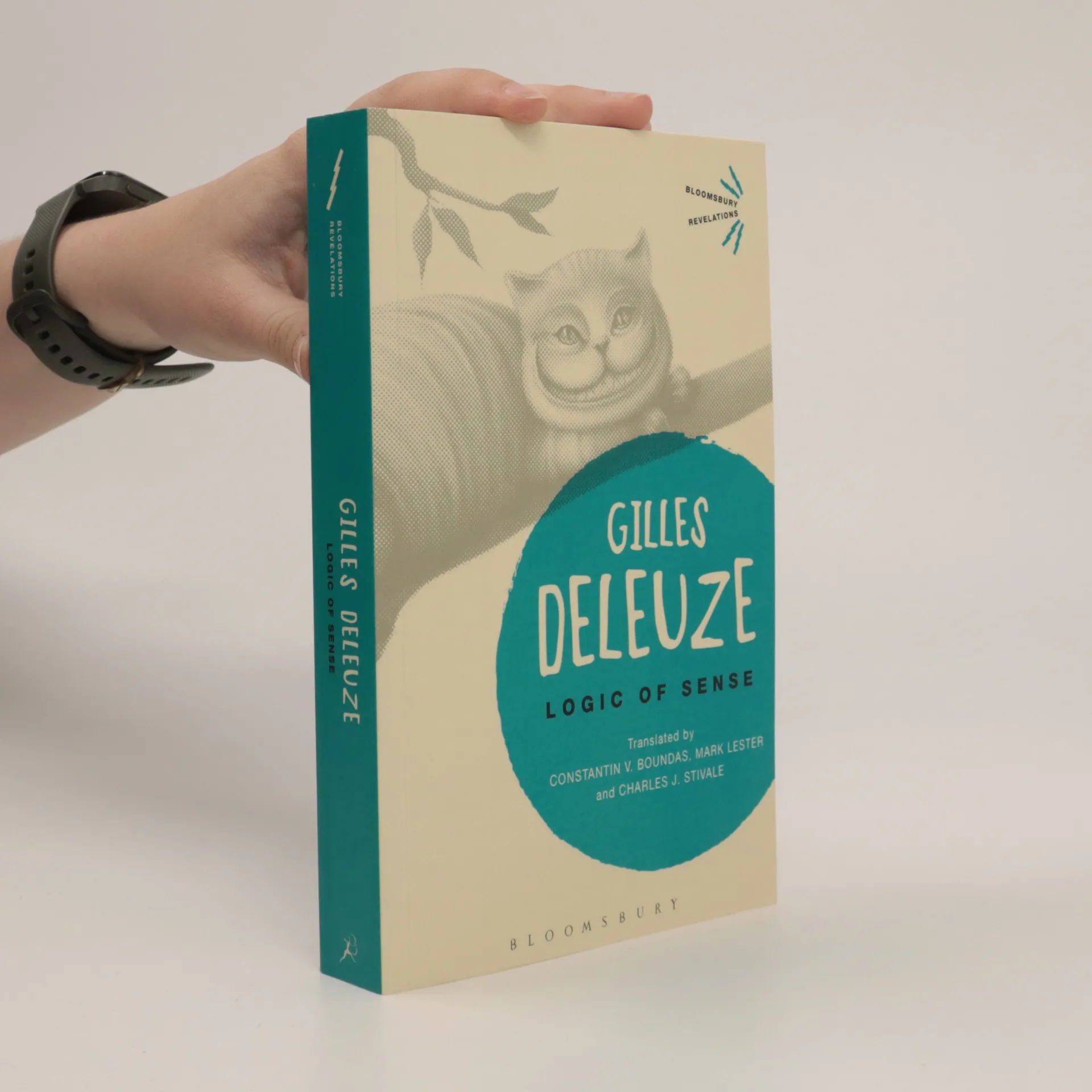
    Logic of Sense
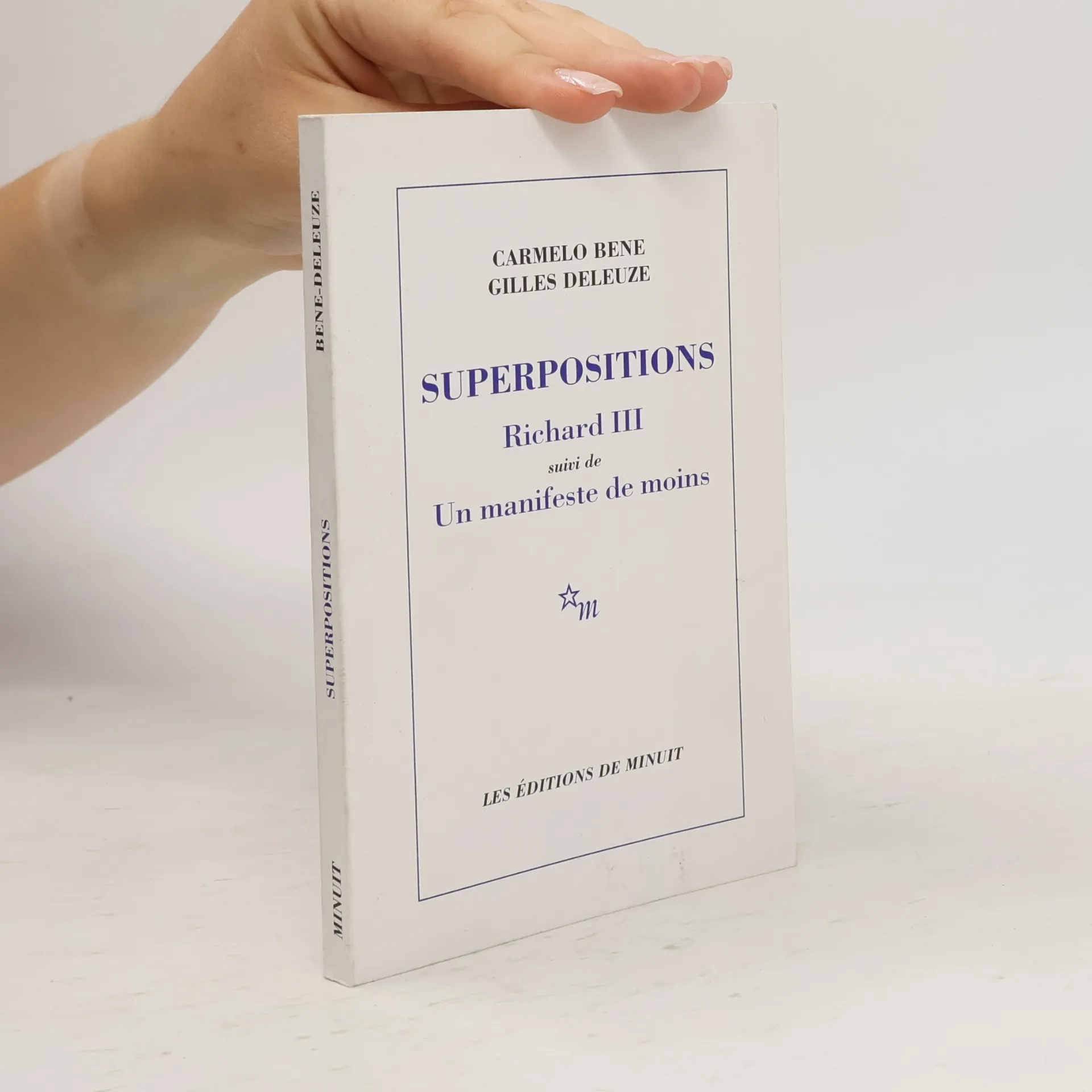
    Two Regimes of Madness
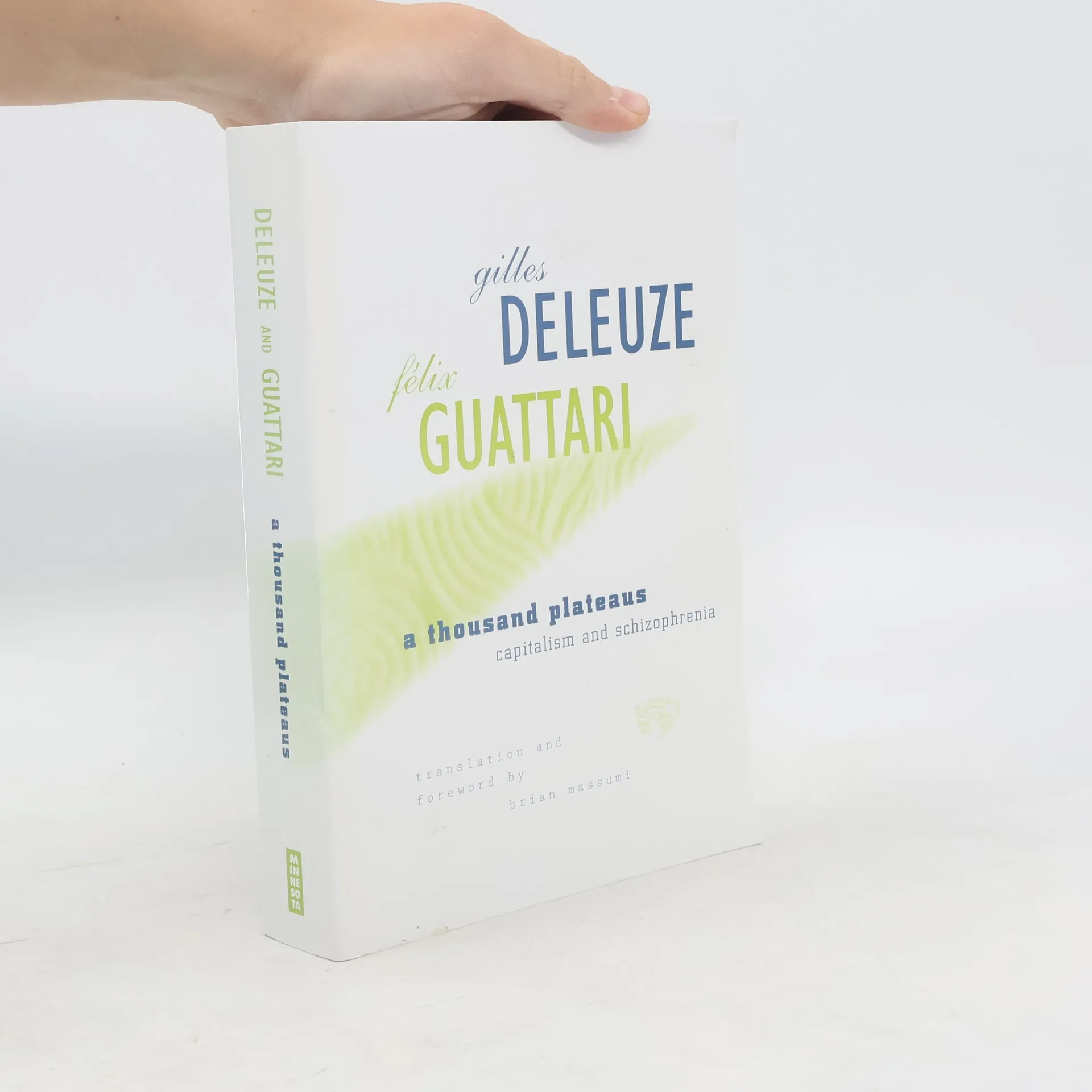
    A thousand plateaus : capitalism and schizophrenia
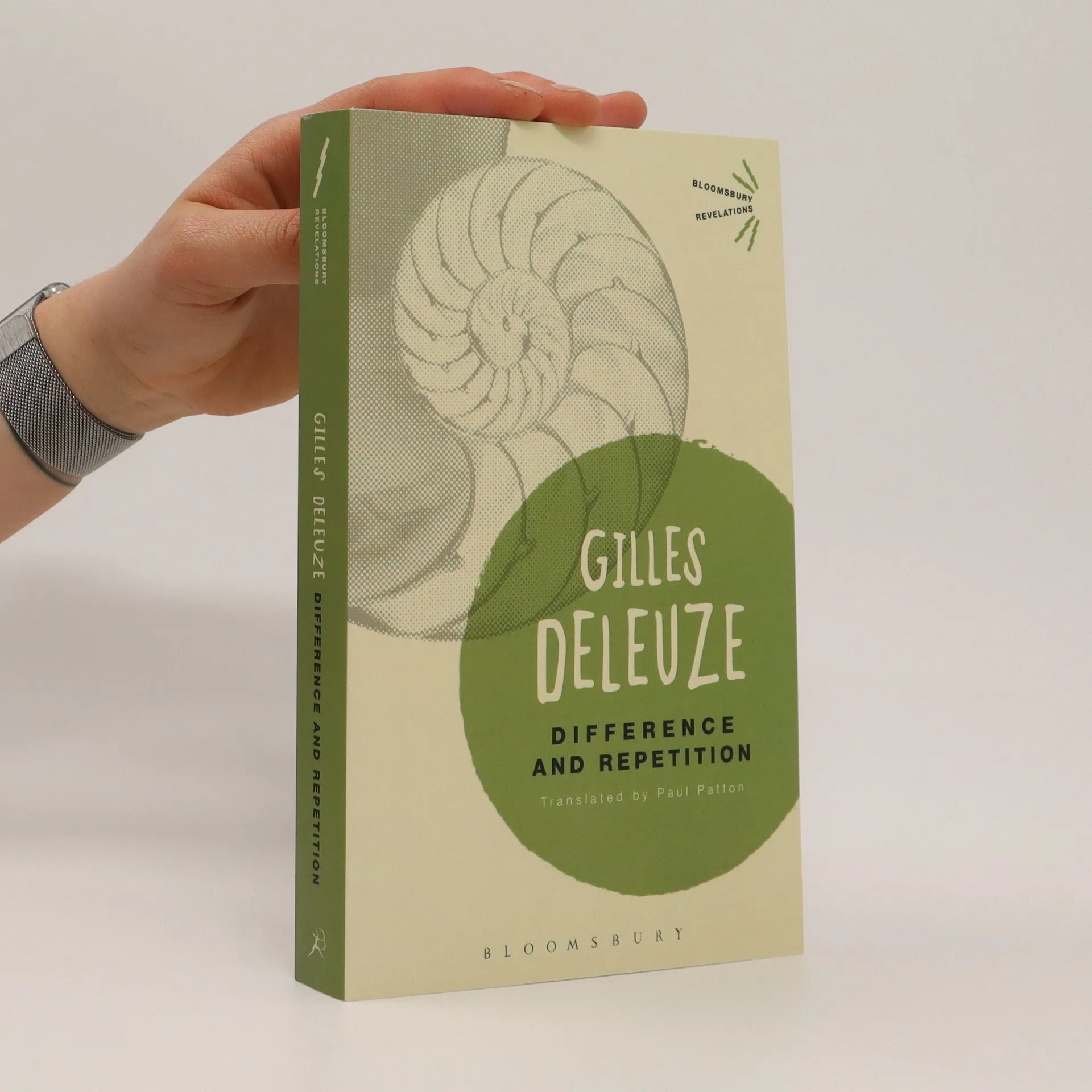
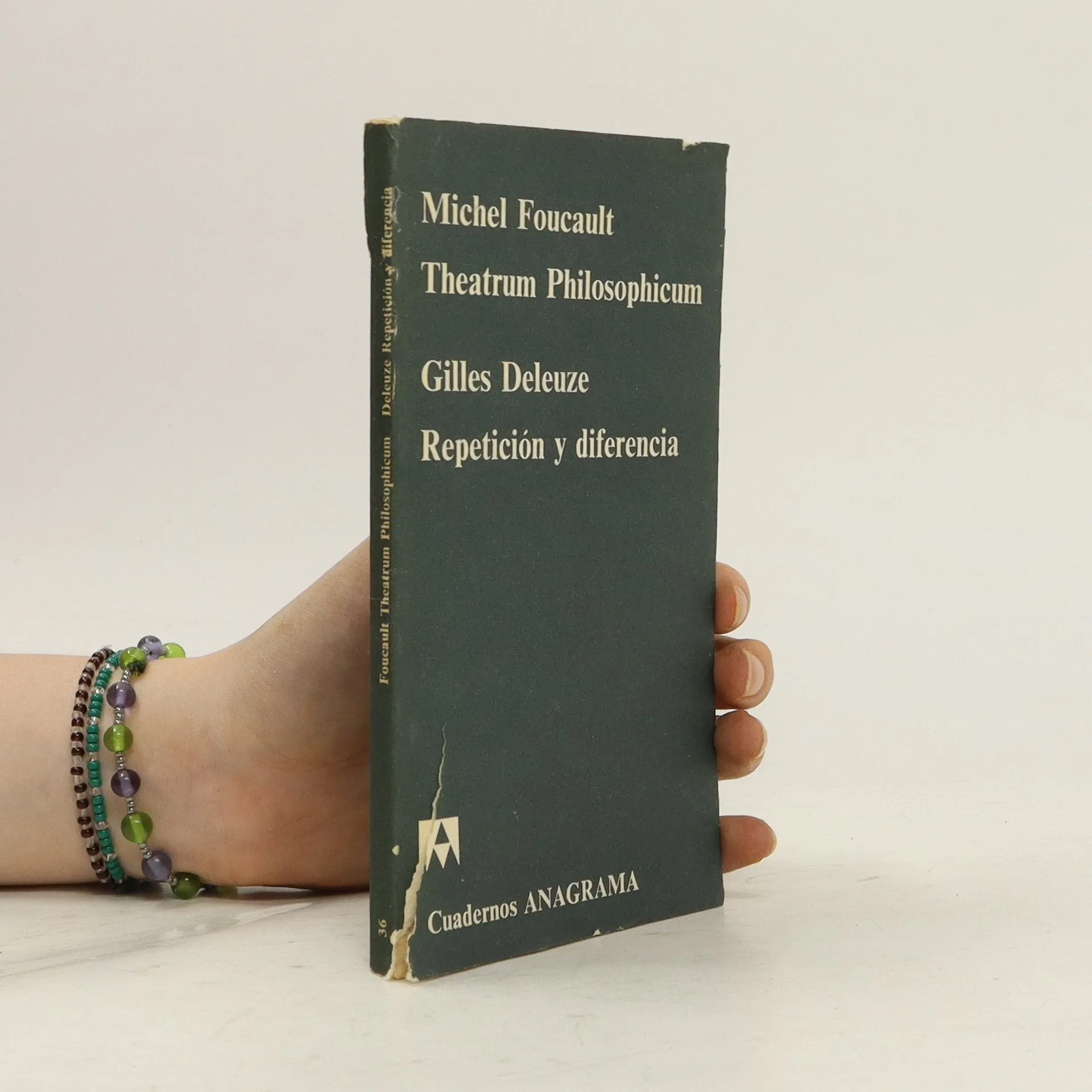
    Theatrum Philosophicum. Repetición y diferencia
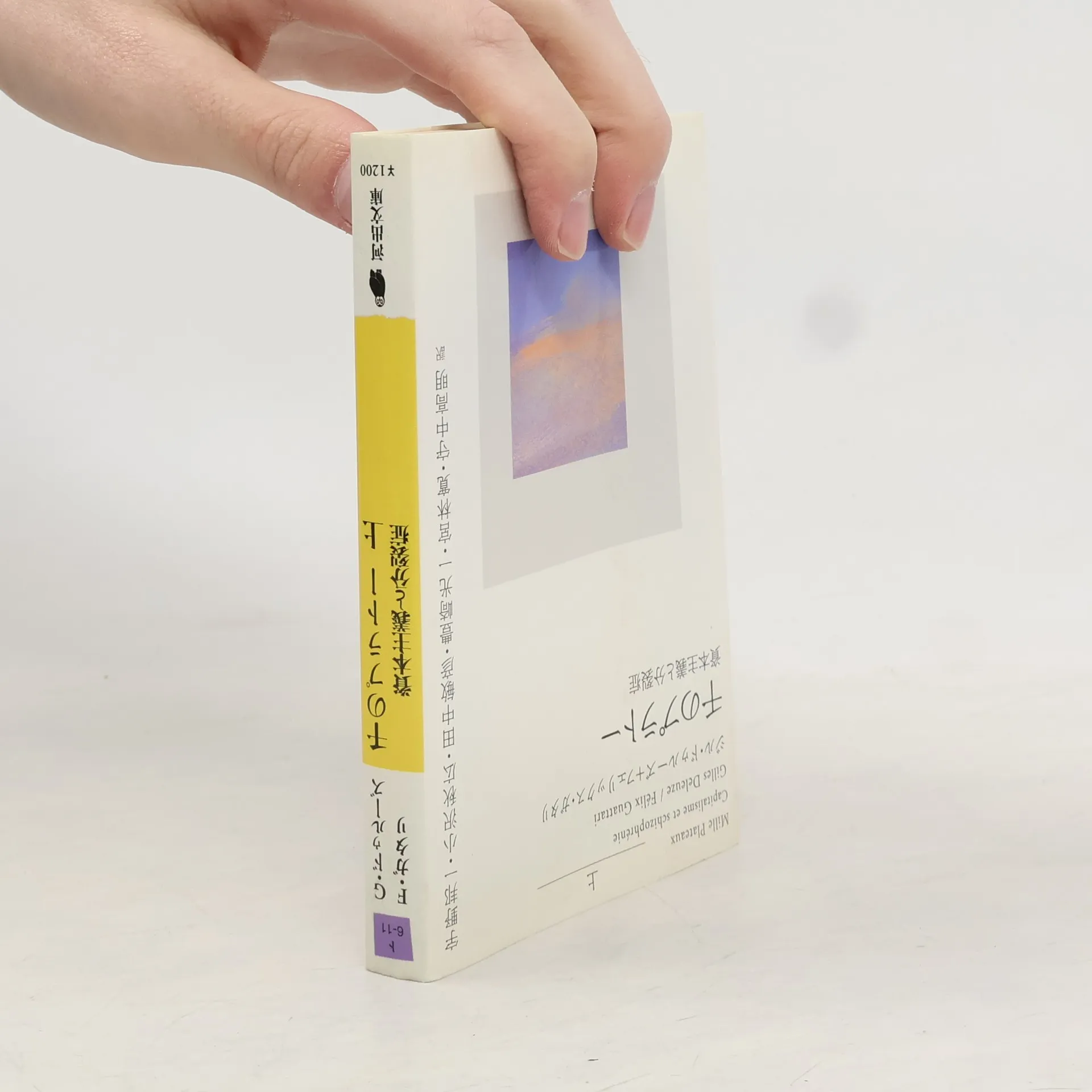
    • A Thousand Plateaus is the second part of Deleuze and Guattari's landmark philosophical project, Capitalism and Schizophrenia - a project that still sets the terms of contemporary philosophical debate. Written over a seven year period, A Thousand Plateaus provides a compelling analysis of social phenomena and offers fresh alternatives for thinking about philosophy and culture. Its radical perspective provides a toolbox for 'nomadic thought' and has had a galvanizing influence on today's anti-capitalist movement.

      A thousand plateaus : capitalism and schizophrenia
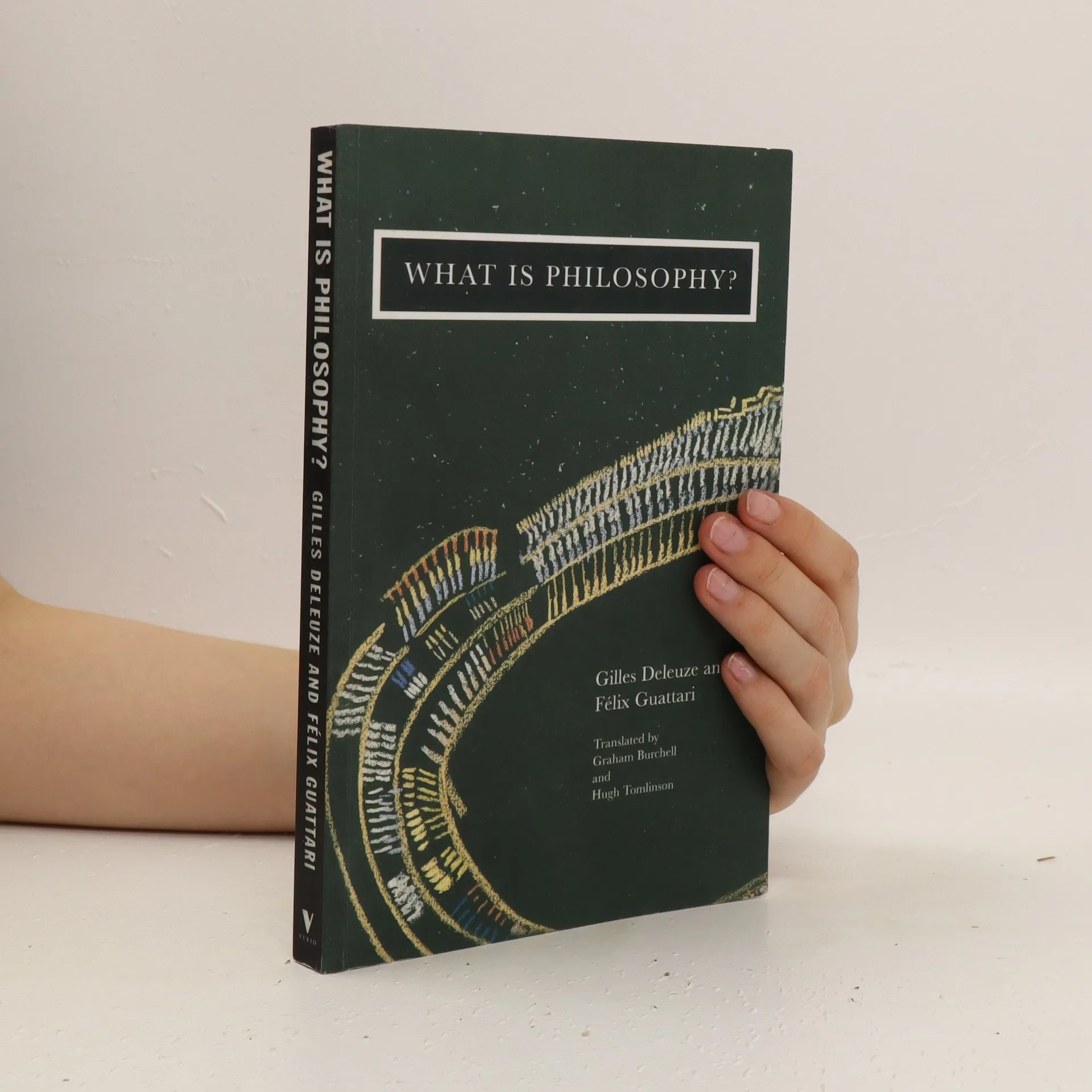
    • Logic of Sense is one of Deleuze's seminal works. First published in 1969, shortly after Difference and Repetition, it prefigures the hybrid style and methods he would use in his later writing with Felix Guattari. In an early review Michel Foucault wrote that Logic of Sense 'should be read as the boldest and most insolent of metaphysical treatises'. The book is divided into 34 'series' and five appendices covering a diverse range of topics including, sense, nonsense, event, sexuality, psychoanalysis, paradoxes, schizophrenia, literature and becoming and includes fascinating close textual readings of works by Lewis Carroll, Sigmund Freud, Seneca, Pierre Klossowski, F. Scott Fitzgerald, and Émile Zola. Logic of Sense is essential reading for anyone interested in post-war continental thought.

      Logic of Sense
    • "The first volume of Gilles Deleuze's landmark philosophical study of the art of film, now available in the Bloomsbury Revelations series"-- Provided by publisher

      Cinema. Vol.1
    • Negotiations, 1972-1990

      • 221 páginas
      • 8 horas de lectura

      A provocative guide to Deleuze by Deleuze, this collection traces the intellectual journey of one of the most important French philosophers and clarifies the key critical concepts in the work of this vital figure who has had an impact on aesthetics, film theory, psychoanalysis and cultural studies.

      Negotiations, 1972-1990
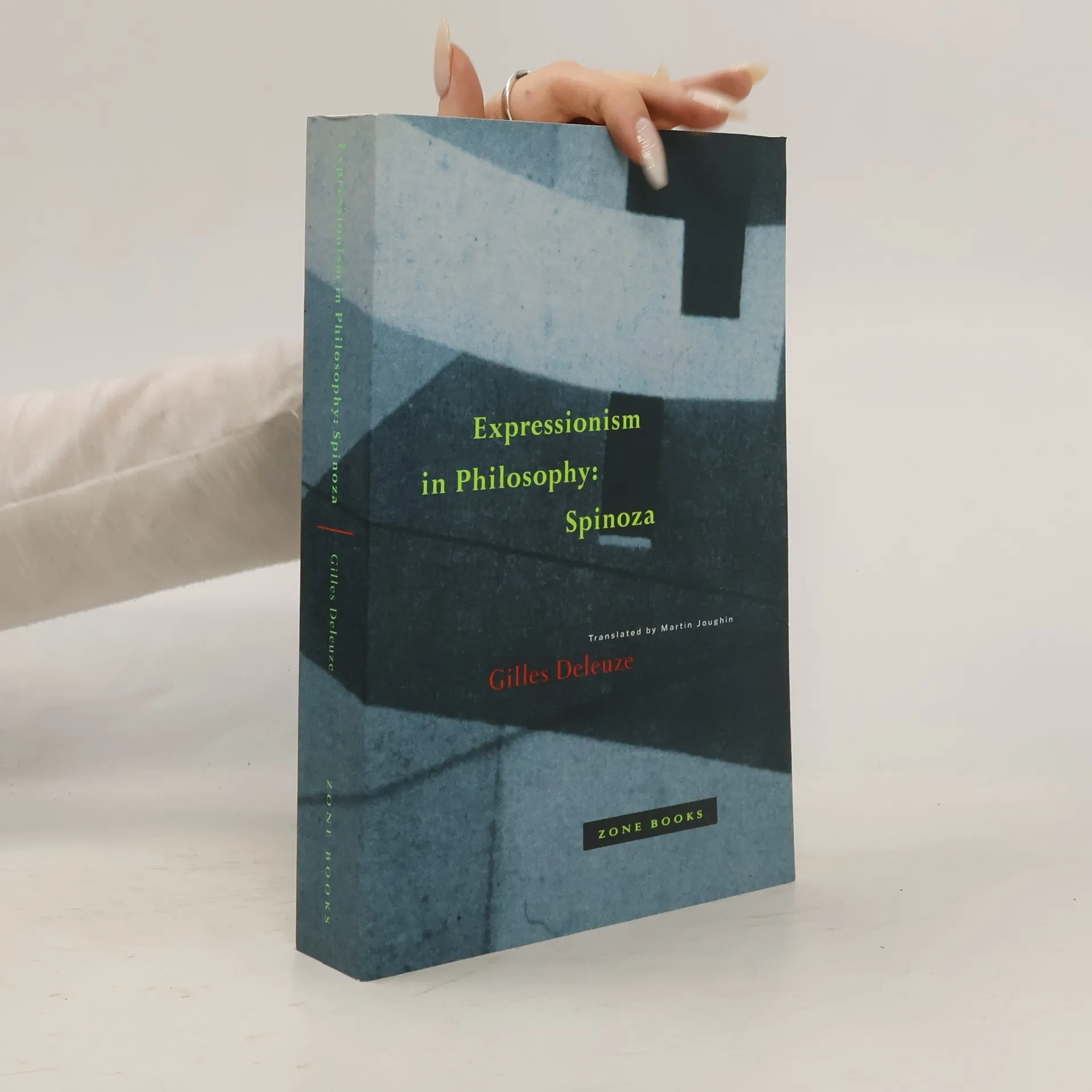
    • Expressionism in Philosophy

      • 445 páginas
      • 16 horas de lectura

      Expressionism in Philosophy is both a pivotal reading of Spinoza's work and also a crucial text within the development of Deleuze's own thought.

      Expressionism in Philosophy
    • A fascinating anthology of texts and interviews written over 20 years by renowned French philosopher Gilles Deleuze.

      Desert Islands
    • Spinoza's theoretical philosophy is one of the most radical attempts to construct a pure ontology with a single infinite substance. This book, which presents Spinoza's main ideas in dictionary form, has as its subject the opposition between ethics and morality, and the link between ethical and ontological propositions. His ethics is an ethology, rather than a moral science. Attention has been drawn to Spinoza by deep ecologists such as Arne Naess, the Norwegian philosopher; and this reading of Spinoza by Deleuze lends itself to a radical ecological ethic. As Robert Hurley says in his introduction, "Deleuze opens us to the idea that the elements of the different individuals we compose may be nonhuman within us. One wonders, finally, whether Man might be defined as a territory, a set of boundaries, a limit on existence." Gilles Deleuze, known for his inquiries into desire, language, politics, and power, finds a kinship between Spinoza and Nietzsche. He writes, ""Spinoza did not believe in hope or even in courage; he believed only in joy and in vision . . . he more than any other gave me the feeling of a gust of air from behind each time I read him, of a witch's broom that he makes one mount. Gilles Deleuze was a professor of philosophy at the University of Paris at Vincennes. Robert Hurley is the translator of Michel Foucault's History of Sexuality.

      Spinoza, philosophie pratique. English Spinoza, practical philosophy
    • Nomadology

      • 147 páginas
      • 6 horas de lectura

      Gilles Deleuze and Felix Guattari redefine the relation between the state and its war machine. Far from being a part of the state, warriers (the army) are nomads who always come from the outside and keep threatening the authority of the state.

      Nomadology