Alvise Lanzi se ha convertido en viudo por cuarta vez en solo treinta años. En el Venecia de finales del siglo XVIII, nada es lo que parece. La ciudad se asemeja a una fiesta embriagadora, y no se puede confiar en nadie. La nueva novela de Gabrielle Wittkop es una homenaje a la ciudad en decadencia de Venecia y, al mismo tiempo, un placer estético refinado.
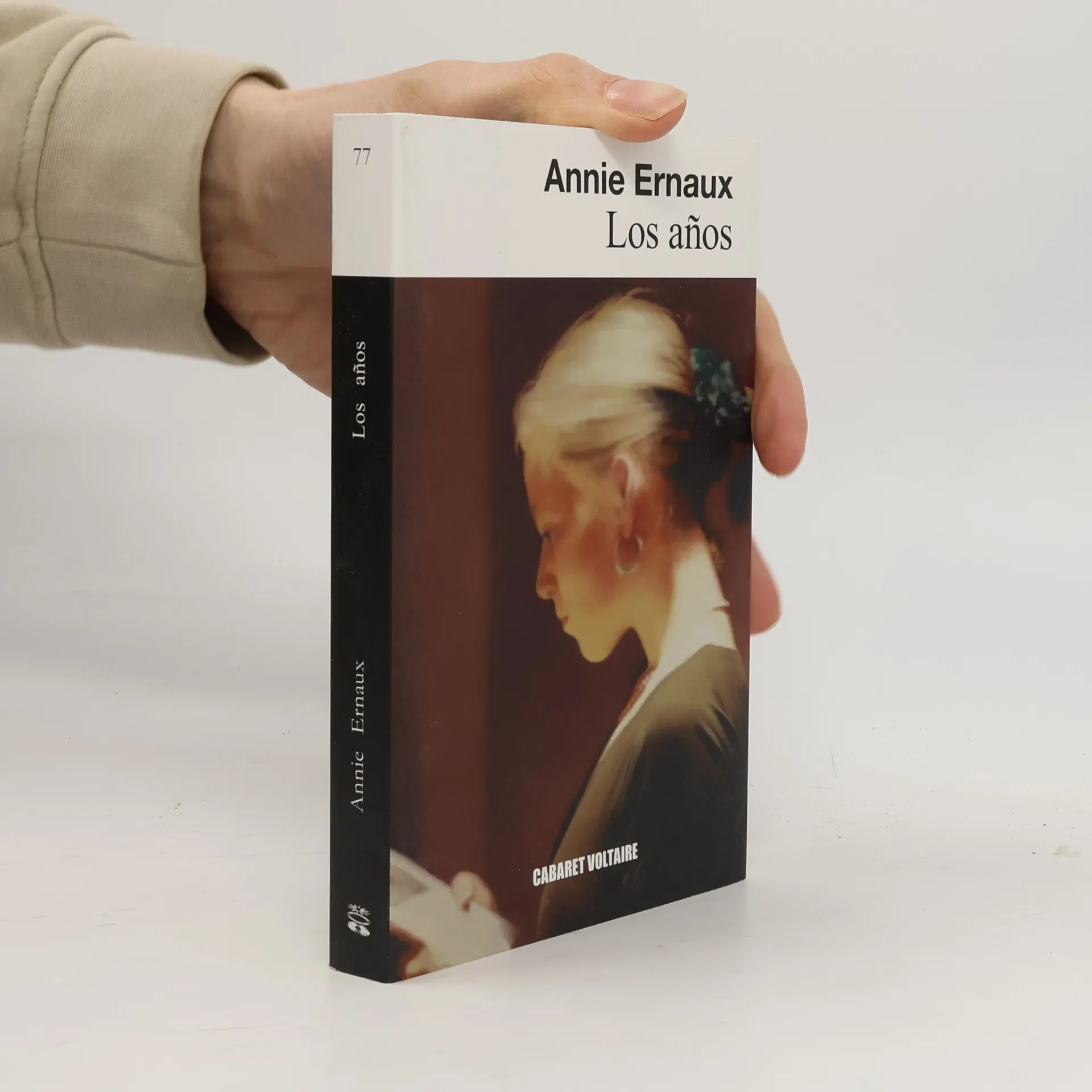
Available in English for the first time, this astonishing, bestselling, and award-winning work by Annie Ernaux presents a personal narrative spanning 1941 to 2006, viewed through memory and various cultural artifacts such as photos, books, songs, and advertisements. Ernaux captures local dialects, contemporary language, and the proliferation of objects, allowing the author's voice to dissolve and re-emerge throughout the text. The passage of time becomes a character in itself, overshadowing individual narrators and creating a new form of autobiography that is both subjective and collective. Upon its 2008 release in France, this work surprised many, as it marked a departure from Ernaux's previous style. It serves as an intimate memoir that reflects the experiences of entire generations, with the narrator opting for "we" instead of "I," emphasizing the interconnectedness of personal and collective lives. This choice mirrors the narrative voice of the previous generation, which often expressed shared experiences through impersonal pronouns, highlighting a common history shaped by hunger and fear. The work ultimately intertwines the personal with the collective, offering a profound exploration of identity and memory.
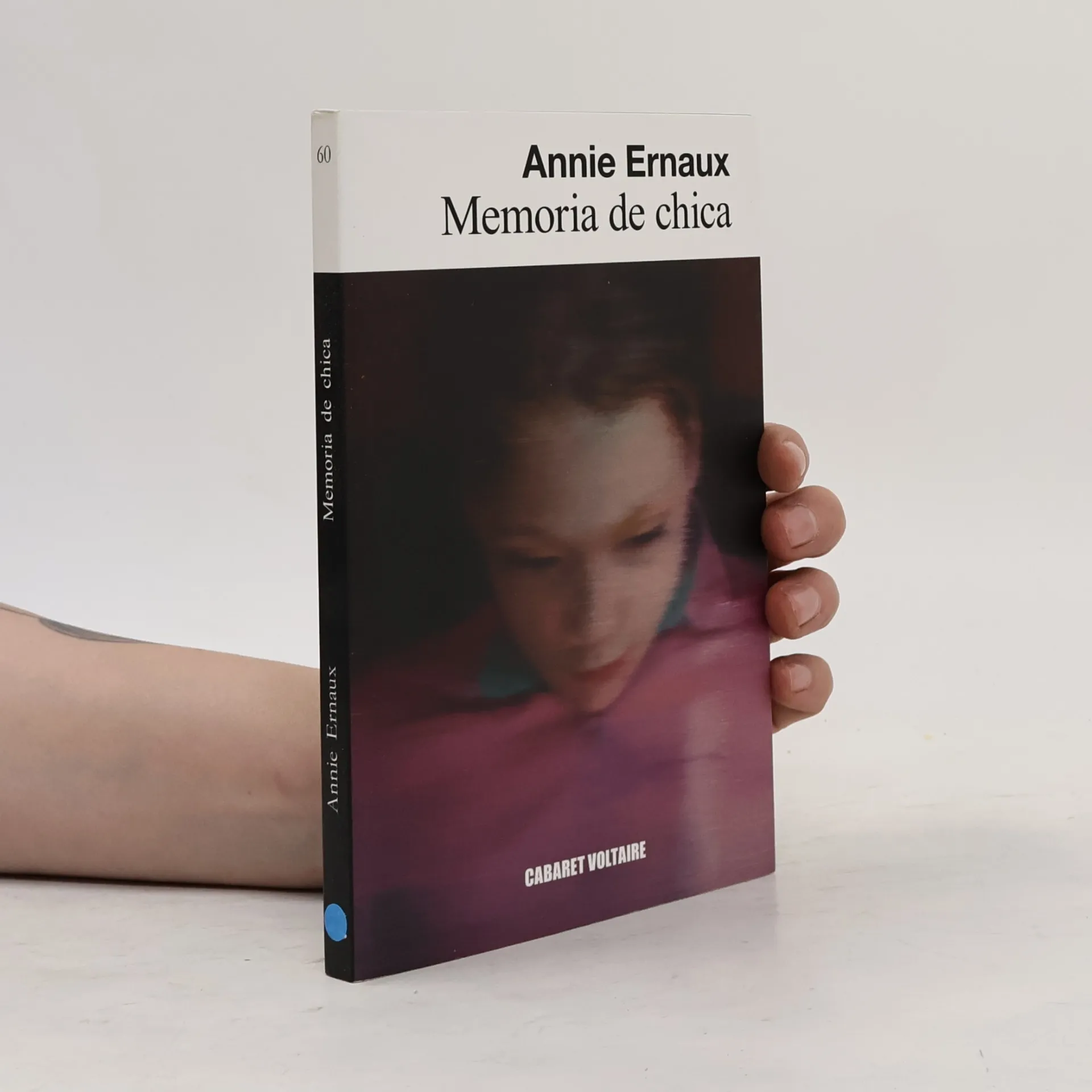
En Memoria de chica , Annie Ernaux se sumerge en el verano de 1958, el de su primera noche con un hombre, en la colonia de S, en el Orne. Una noche que le iba a le dejar una marca indeleble, que iba a perseguirla durante años. Hasta la valiente decisión de reconstruirla escribiéndola, ayudada por fotografías y cartas recuperadas, sumida en una búsqueda: la de sus antiguos amigos y amigas, la de Él, ese primer hombre, pero sobre todo la de sí misma, aquella Annie que tanto le cuesta entender a la Annie actual, en un vaivén implacable entre el ayer y el hoy.