En los años ochenta, el filósofo checo-brasileño Vilém Flusser comenzó a rodear con su escritura el núcleo de un cambio de época que no era aún advertido en la vida cotidiana con la fuerza con la que se percibiría varias décadas después. Uno de los síntomas de ese cambio era la progresiva expansión de un nuevo tipo de fenómeno visual: la imagen técnica.
Vilém Flusser Libros
12 de mayo de 1920 – 27 de noviembre de 1991
Vilém Flusser fue un filósofo cuyo trabajo temprano abordó el pensamiento de Martin Heidegger, influenciado por el existencialismo y la fenomenología. La fenomenología jugaría más tarde un papel importante en su transición a la filosofía de la comunicación y la producción artística. Flusser postuló una dicotomía en la historia entre la "adoración de imágenes" y la "adoración de textos", explorando las tendencias resultantes hacia la idolatría y la "textolatría". Sus escritos, que abarcaron múltiples idiomas, profundizan en enfoques teóricos sobre el arte y los medios.




Aquellos momentos, en los que una persona o la misma humanidad confiere un significado a sus pasiones y acciones, constituyen gestos. Un gesto lo es porque representa algo, porque con el mismo sólo se trata de dar un sentido a alguna cosa. Este gesto, cargado de movimiento simbólico, es comunicación
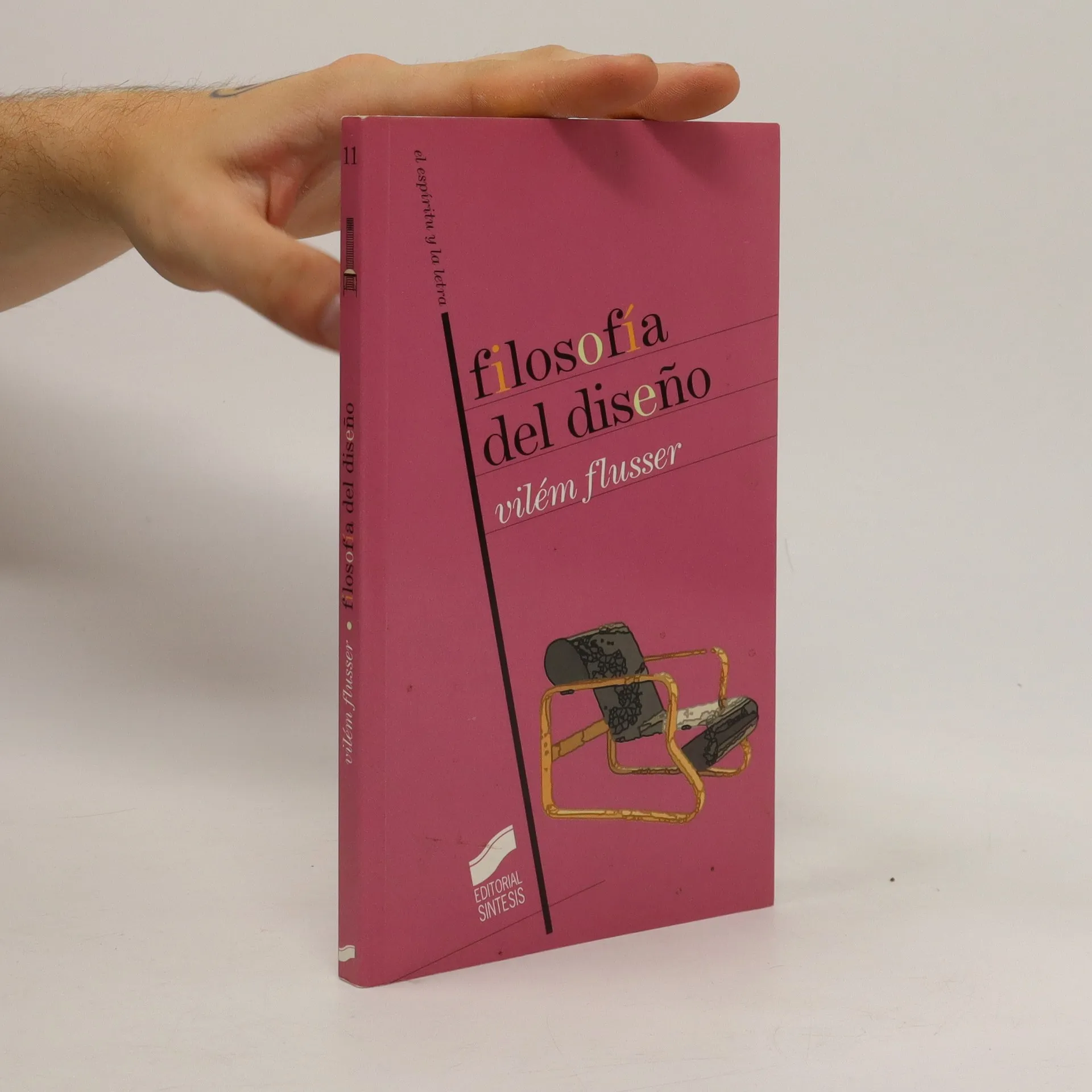
Esta obra recoge una selección de algunos de los artículos más sugerentes de Flusser. El autor propone que el futuro depende del diseño. Analizando distintos objetos cotidianos, así como temas relacionados con el diseño, desde las tiendas de campaña y los paraguas hasta la ética industrial y la arquitectura de Wittgenstein, Flusser hace hincapié en las relaciones existentes entre el arte y la ciencia, la teología y la tecnología, y la qrqueología y la arquitectura. De la misma manera en que la creatividad formal ha producido armas de destrucción a la vez que grandes obras de arte, el autor cree que la forma de las cosas representa tanto una amenaza como una oportunidad para los diseñadores del futuro.
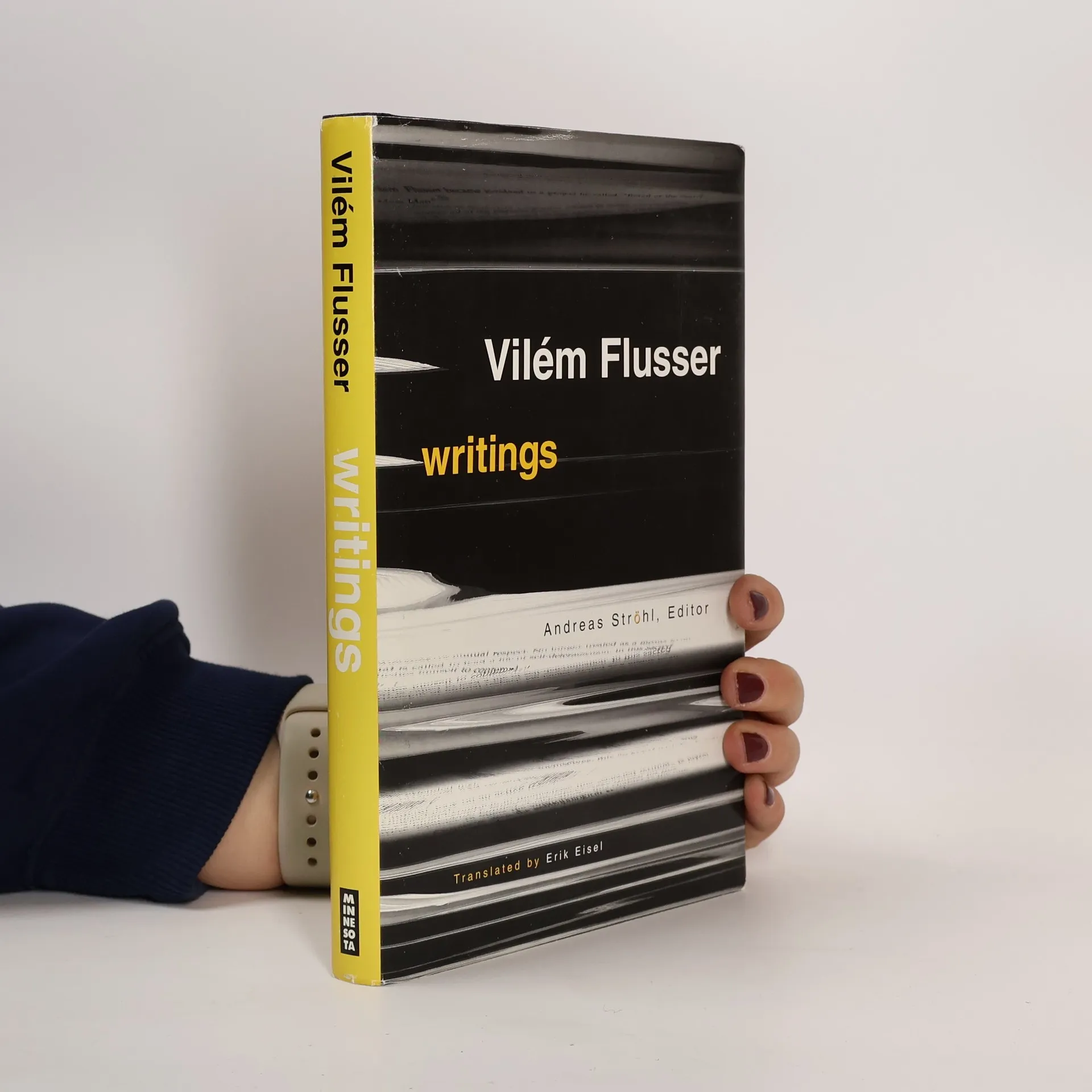
Writings
- 229 páginas
- 9 horas de lectura
Over ten years after his death, the reputation of Vilém Flusser as one of Europe's most original modern philosophers continues to grow. This is the first English-language anthology of Flusser's work.
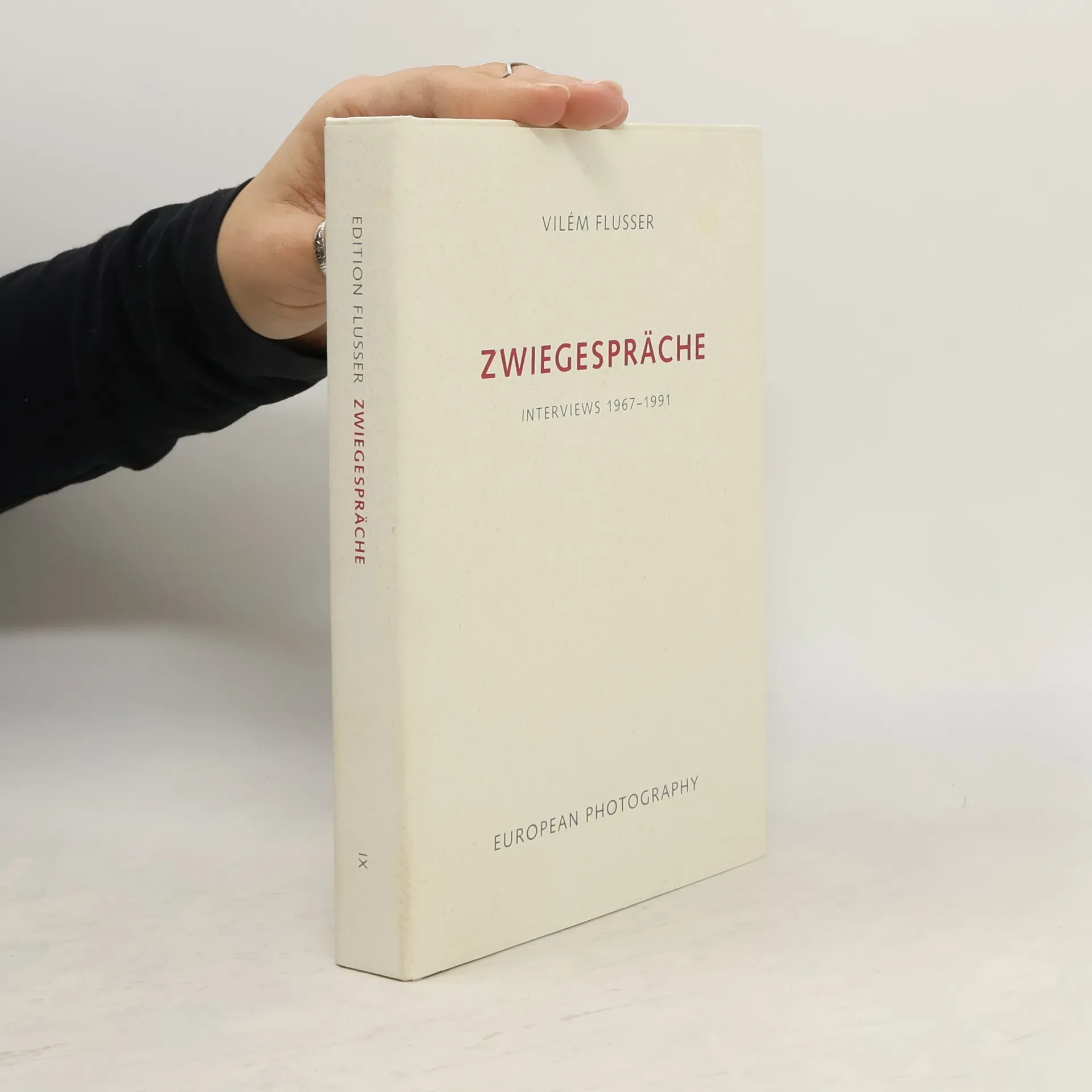
Es logierte bereits in einer Fleischerei, einer Business-Etage, in den Amtsstuben eines Finanzamts und ist derzeit in einer Schule zu Hause. Quer durch die Stadt hat das weiße Haus Ausstellungen an sechs Stationen gezeigt, mit 'studio das weiße haus' ein Artist-in-Residence-Programm sowie Ateliers für lokale Kunstschaffende entwickelt. Es war eine der ersten Institutionen Wiens, die den Austausch von Kuratoren und Kultur-Journalisten ins Programm aufgenommen hat. In Zusammenarbeit mit dem Austrian Cultural Forum New York und der Erste Group wurde der Erste Bank MehrWERT Kunstpreis etabliert, ebenso wie Kooperationen mit nationalen und internationalen Universitäten und Kulturinstitutionen. In zehn Jahren wurden in den 'weißen Häusern' Böden geschrubbt, Dächer poliert, Wände eingerissen und Positionen von rund 650 nationalen und internationalen Künstlerinnen und Künstlern gezeigt. Das weiße Haus hat sich zu einer der umtriebigsten Locations der Stadt entwickelt und ist eine Plattform für meist junge Kunstschaffende. Die Publikation fasst dies zusammen, basierend auf Themen wie Institutionalisierung, Nomadentum, ortsspezifisches Arbeiten, die Hinterfragung einer feministischen Arbeitsweise und den aktuellen Status der New Media. Die Texte sind teils bereits publiziert und größtenteils neu geschrieben von international anerkannten Autorinnen und Autoren.
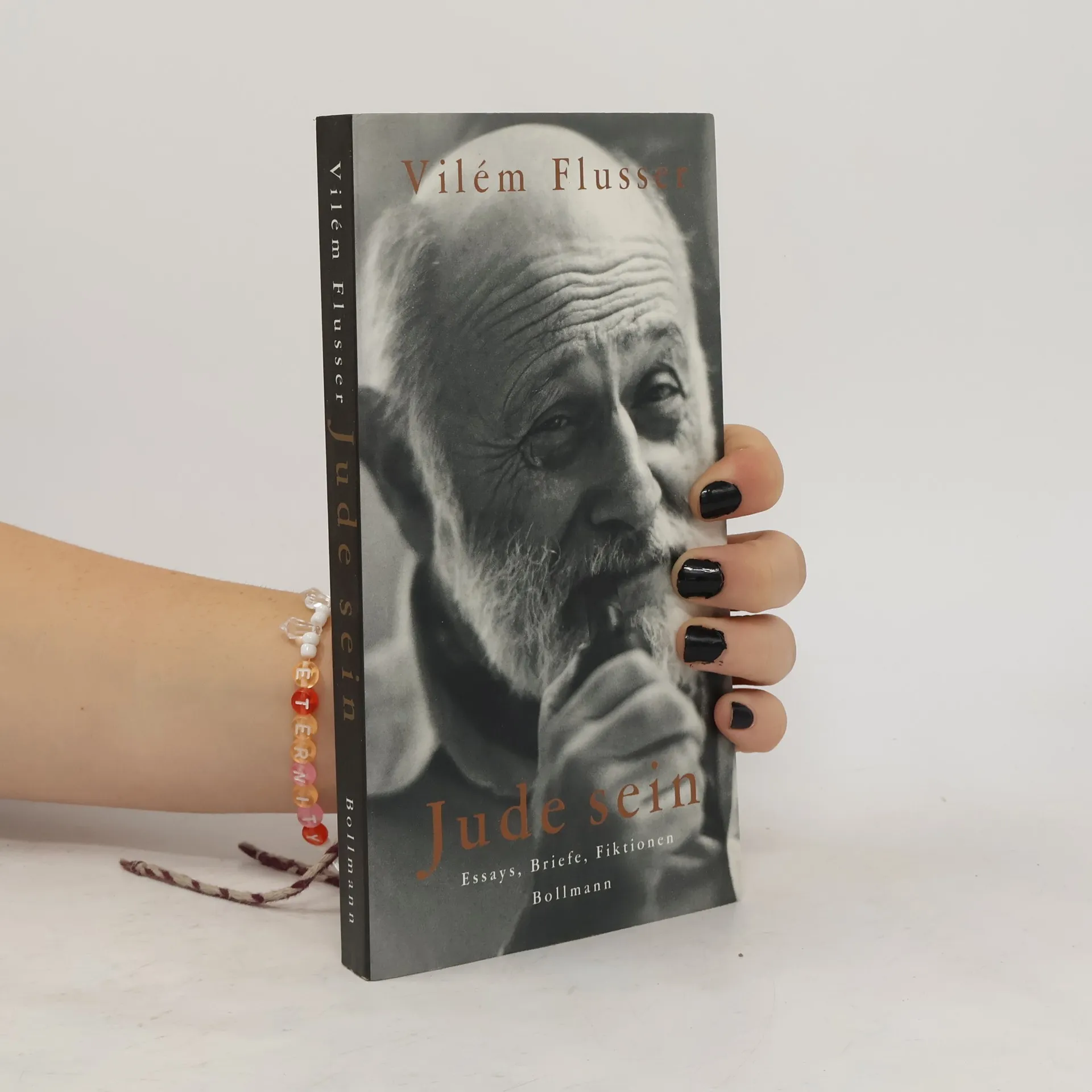
Jude sein
- 189 páginas
- 7 horas de lectura
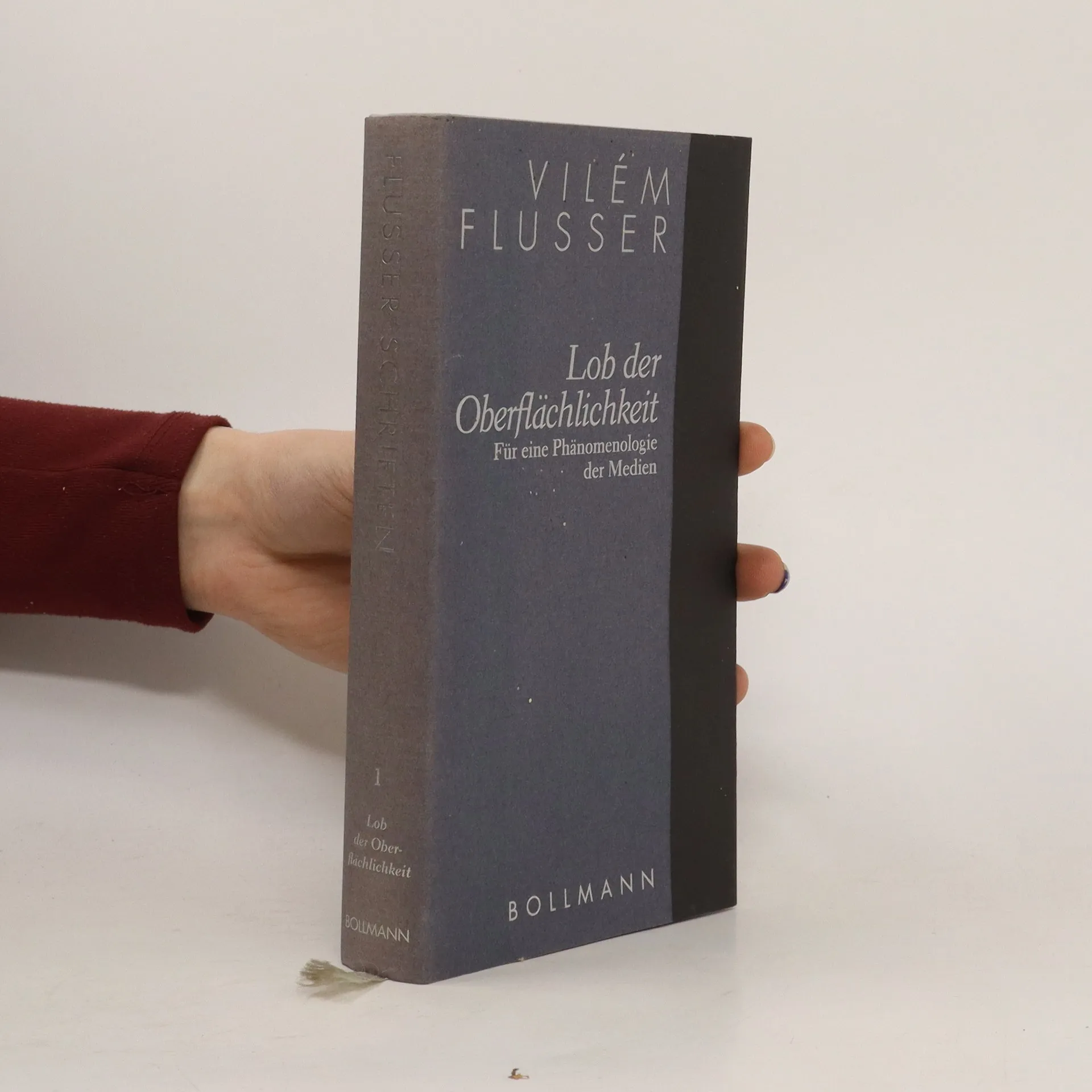
Lob der Oberflächlichkeit. Band 1
- 335 páginas
- 12 horas de lectura
Zwischen Hoffnung und Verzweiflung für eine Menschheit, die mit einer dringenden Kommunikationskrise konfrontiert ist, prognostiziert dieses Werk von Vilém Flusser entweder die erste wirklich menschliche, unendlich kreative Gesellschaft in der Geschichte oder eine Gesellschaft unerträglicher, drückender Gleichheit, gefangen in einem Muster, das sie nicht ändern kann. In das Universum der technischen Bilder skizziert die Geschichte der Kommunikationstechnologie als einen Prozess zunehmender Abstraktion. Flusser beschreibt, wie sich die Kommunikation von der direkten Interaktion mit der Welt zur Vermittlung durch verschiedene Technologien entwickelte. Die Erfindung der Schrift markierte einen bedeutenden Wandel; die Erfindung der Fotografie einen weiteren, der das gegenwärtige Zeitalter des technischen Bildes einläutete. Die Automatisierung der Verarbeitung technischer Bilder birgt sowohl Versprechen als auch Bedrohungen: das Versprechen, die Menschen zu befreien, um zu spielen und zu erfinden, und die Bedrohung, dass Netzwerke der Automatisierung unabhängig von den Menschen voranschreiten.
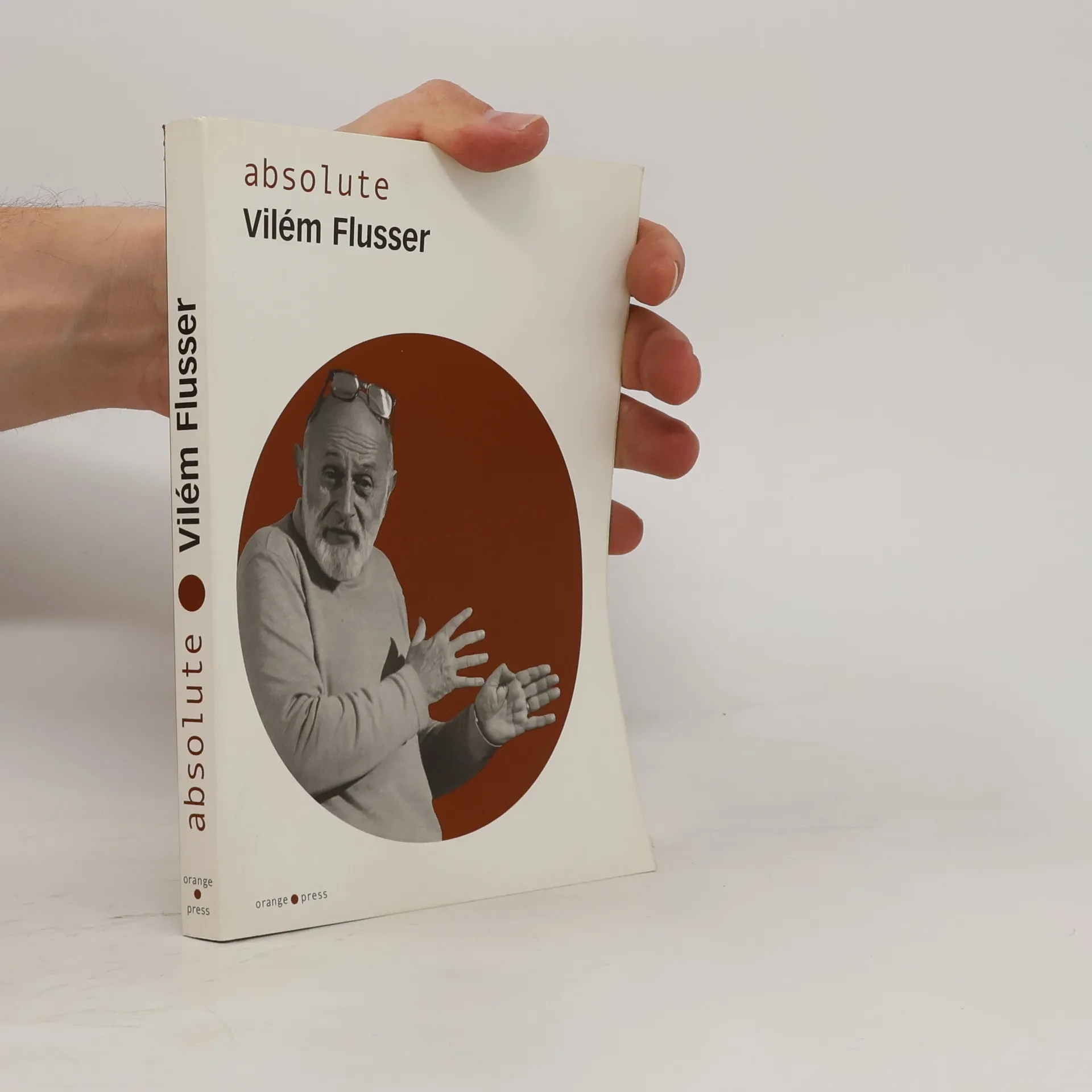
Einer der erfolgreichsten Bände aus der absolute-Reihe wird neu aufgelegt – absolute Vilém Flusser erscheint im zweifarbigen, gewohnt benutzerfreundlichen Design. Nach einem Interview aus dem Jahr seines Todes (1991) bildet die von den Herausgebern verfasste Biografie den roten Faden in diesem Kompendium der besten Texte von Vilém Flusser. Fotos, Manuskripte und großzügig typografierte Zitatseiten laden dazu ein, sich dem Inhalt auf nichlineare Weise zu nähern. Ein Zugang, wie er diesem Theoretiker der Schriftkultur gebührt. Flusser hatte viel zu sagen über die Wechselwirkung zwischen Medien und Gesellschaft im digitalen Zeitalter. Bild, Zeichen, Schrift, Design, Architektur: Alles nahm er auf in seine Interpretation unserer Wahrnehmungswelt. Als einer der wenigen Denker sah er in den neuen Kommunikationstechnologien nicht den Untergang des Abendlandes, sondern analysierte nüchtern den Übergang ins post-alphabetische Zeitalter. Die Herausgeber Dr. Nils Röller, Professor am Department Kunst und Medien der ZHdK Zürich, und Silvia Wagnermaier, langjährige Mitarbeiterin im Vilém-Flusser-Archiv Berlin, zeichnen verantwortlich für die Zusammenstellung der Texte und haben die biografischen Essays für den Band verfasst. 'Will man den Apparaten auf die Schliche kommen, muss man versuchen, ihre sture Absurdität gegen sie selbst auszuspielen.'
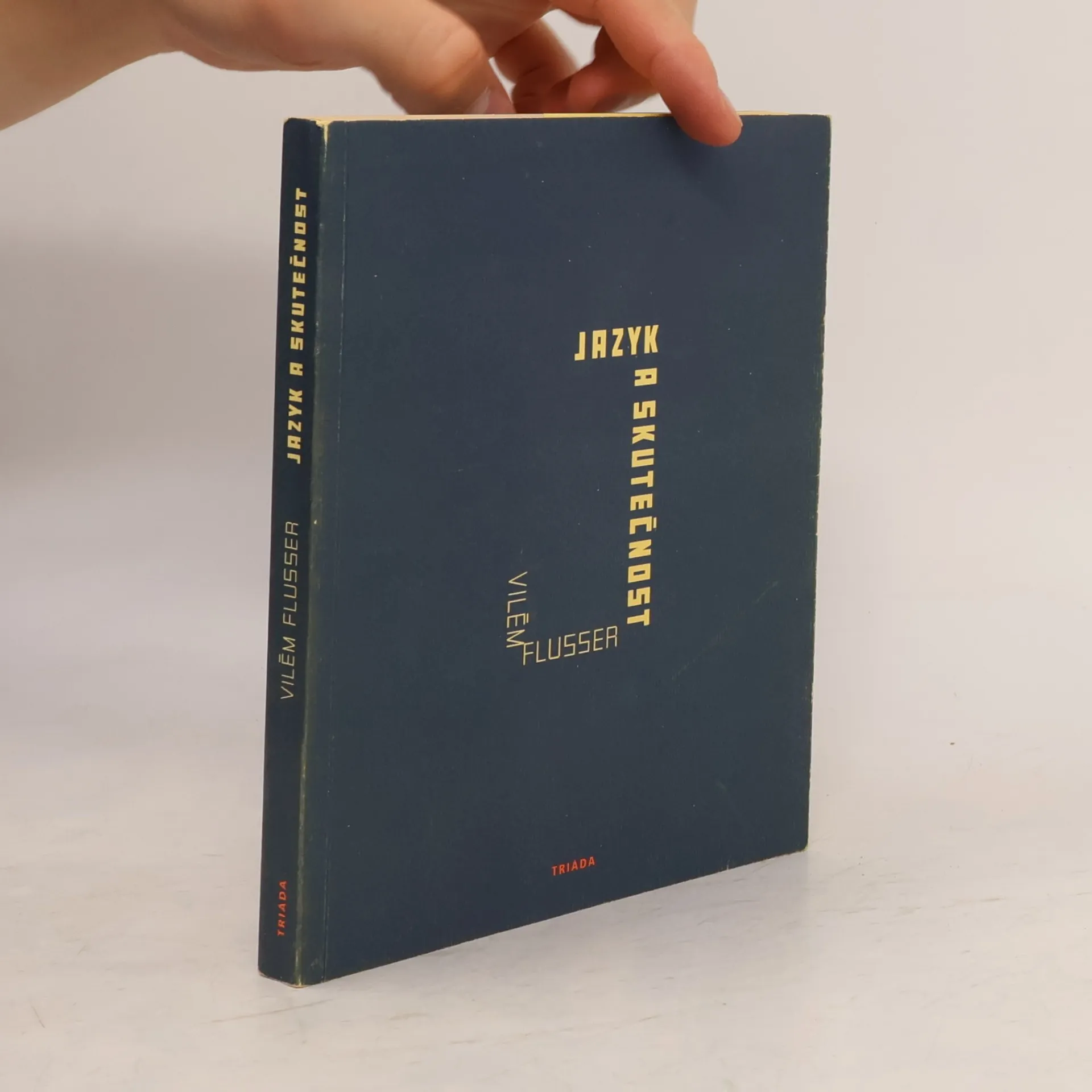
Ve své knižní prvotině (Língua e realidade, 1963) Vilém Flusser naznačuje cestu k vytvoření jakési celostné filosofie jazyka. Vychází z hypotézy o totožnosti struktury světa a struktury jazyka: skutečnost, definovaná jako souhrn všeho, co jsme s to uchopit a pochopit, je totožná s celkem jazyka, který nám toto chápání umožňuje. Jinak řečeno: není skutečnosti mimo jazyk. Právě díky jazyku a skrze jazyk se chaos „syrových dat“ – pocitů, smyslových vjemů a neartikulovaných prožitků – proměňuje v uspořádaný svět (kosmos), ve skutečnost, kterou lze poznávat, ovládat a přetvářet. Tuto hypotézu se autor snaží systematicky prošetřit a rozvinout všechny její implikace. Kniha, míněná jako příspěvek k navázání rozhovoru mezi filosofií vycházející z logické analýzy jazyka a filosofií existenciální, předznamenala celou řadu Flusserových prací věnovaných fenomenologii jazykové komunikace. České vydání představuje vůbec první pokus o její přeložení do jiného jazyka.
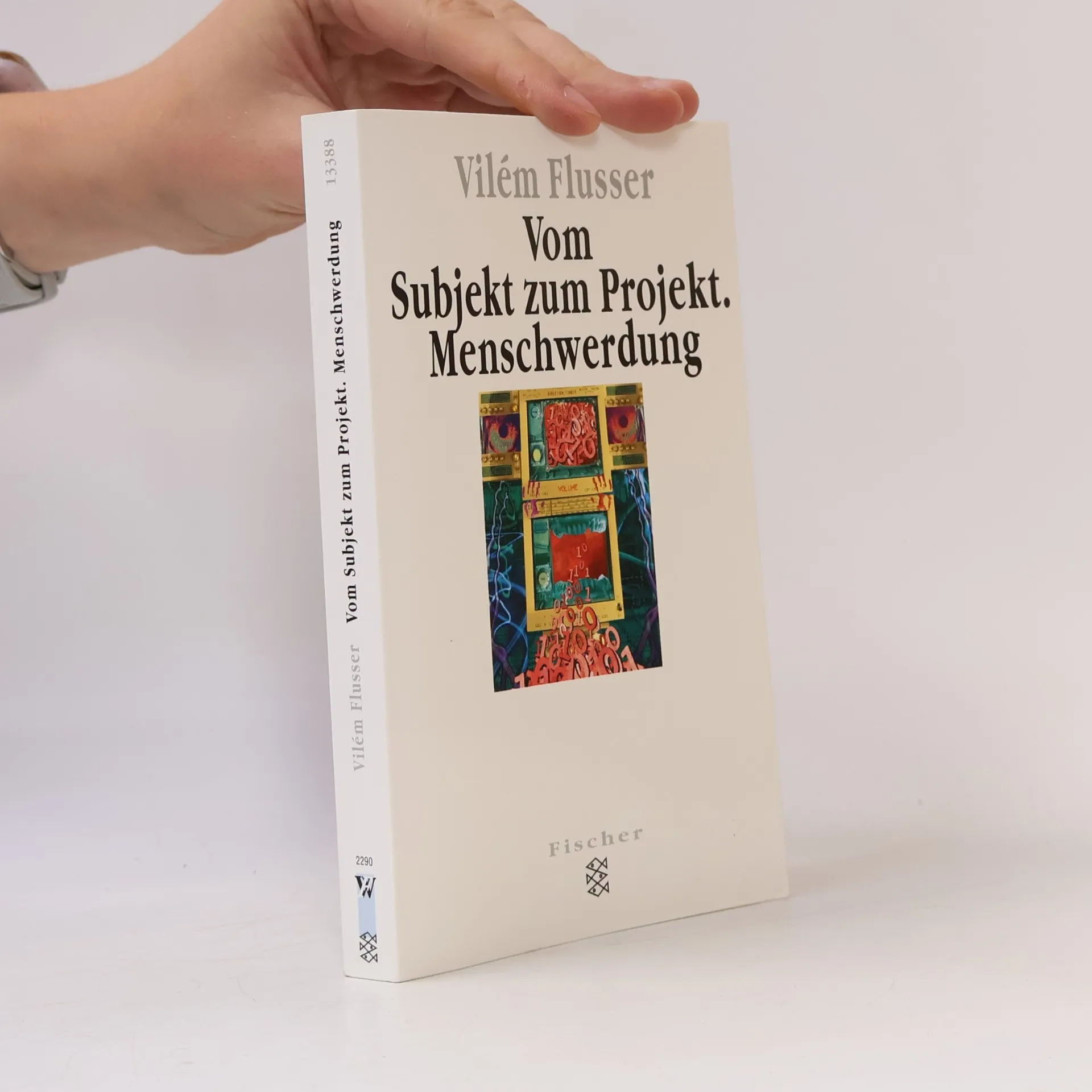
Vom Subjekt zum Projekt ist sicherlich einer der bedeutendsten Texte Flussers: Er faßt die zentralen Motive des Flusserschen Denkens zusammen, dessen Ursprünge sich hier wie in kaum einem anderen Text des Philosophen erkennen lassen. Flusser beschreibt die kulturelle Entwicklung der Menschheit als ein schrittweises Zurückweichen von der Lebenswelt, als zunehmende Entfremdung aus dem Kontext der den Menschen angehenden Dinge. Entscheidend für diese Entwicklung ist das mathematisch-technische Denken der Moderne, das Umkodieren aus Buchstaben in Zahlen: An die Stelle der buchstäblichen Gottesgesetze treten numerische Naturgesetze. Diese Diagnose steht zwar noch durchaus im Einklang mit den Analysen der phänomenologischen Schule, mit Husserl und Heidegger, aber sie führt Flusser im Gegensatz zu diesen nicht zum Kulturpessimismus oder zur Dämonisierung der Technik. Er weist vielmehr auf die neuen Möglichkeiten hin, die sich aus den wissenschaftlich-technischen Transformationen der Kultur der Moderne ergeben. In der Auflösung der sinnhaften Strukturen der Lebenswelt durch die mathematische Abstraktion steckt auch ein Moment praktischer Aufklärung: die Freiheit nämlich, alternative Sinnstrukturen zu entwerfen und uns die Welt und das menschliche Leben aus eigenen Stücken und nach unseren eigenen Gesetzen neu zusammenzustellen.
Lidská geneze
- 120 páginas
- 5 horas de lectura
Po dovršení sedmdesátého roku svého života nabyl Vilém Flusser dojmu, že dosáhl zralosti, jež ho opravňuje k tomu, aby sepsal to, co sám nazývá sumou. Tehdy ještě netušil, že tato suma se podivnou souhrou okolností stane i jeho nedokončenou filosofickou závětí. Kdo se však začte do díla Lidská geneze, byť by se jednalo o svátečního návštěvníka…
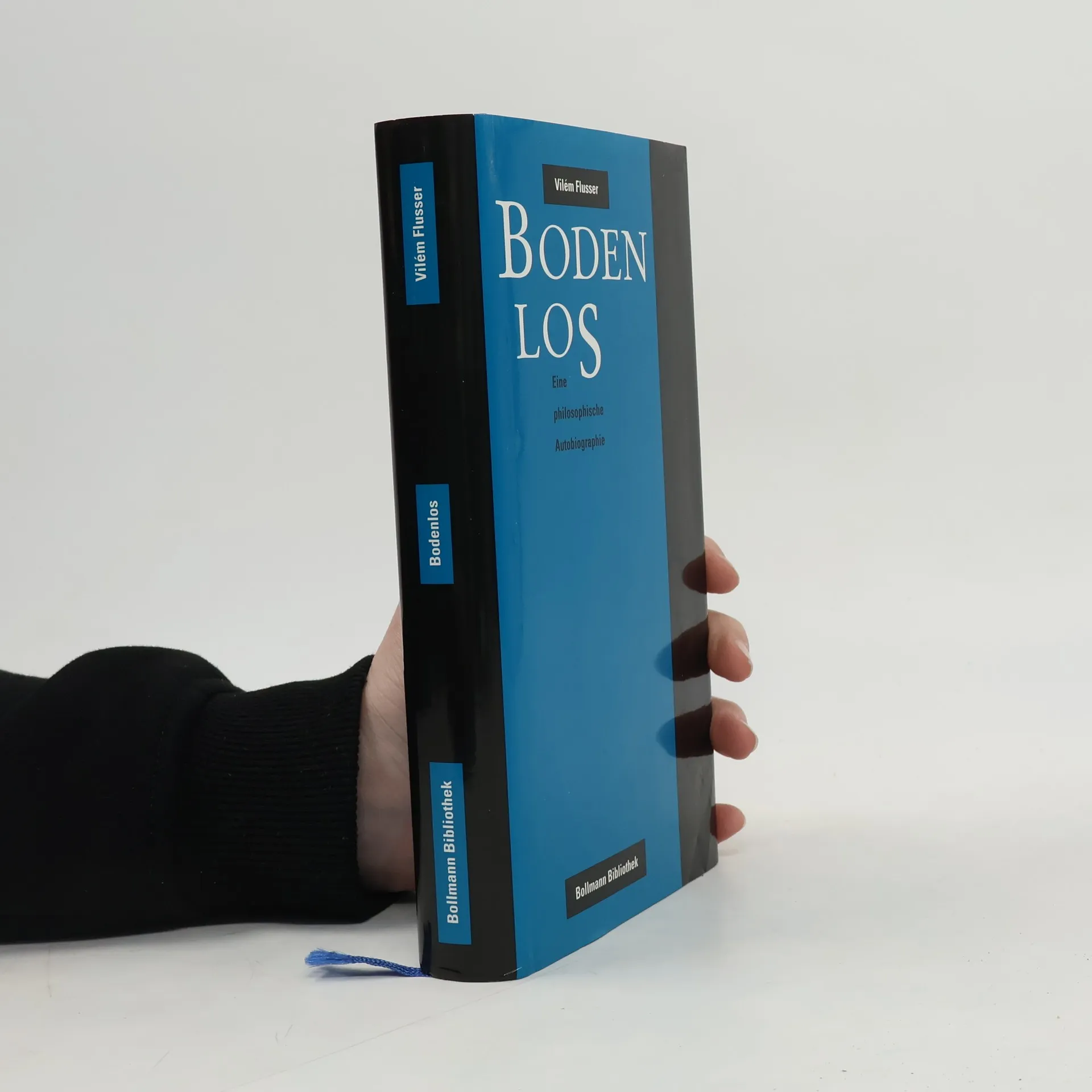
Weit ist der Bogen von Vilem Flussers Autobiographie gespannt: Vom bürgerlichen Prag vor dem 2. Weltkrieg, der Vertreibung durch die Nazis über London nach Sao Paulo bis hin zum Scheitern des brasilianischen Modells und der Rückkehr nach Europa. Die Auseinandersetzung mit Freunden, zu denen Flusser bald die hervorragendsten Geister Brasiliens zählen konnte. Der vielleicht schönste und mit "Dialoge" überschriebene Teil des Buches läßt sie lebendig werden
Ende der Geschichte, Ende der Stadt?
- 56 páginas
- 2 horas de lectura
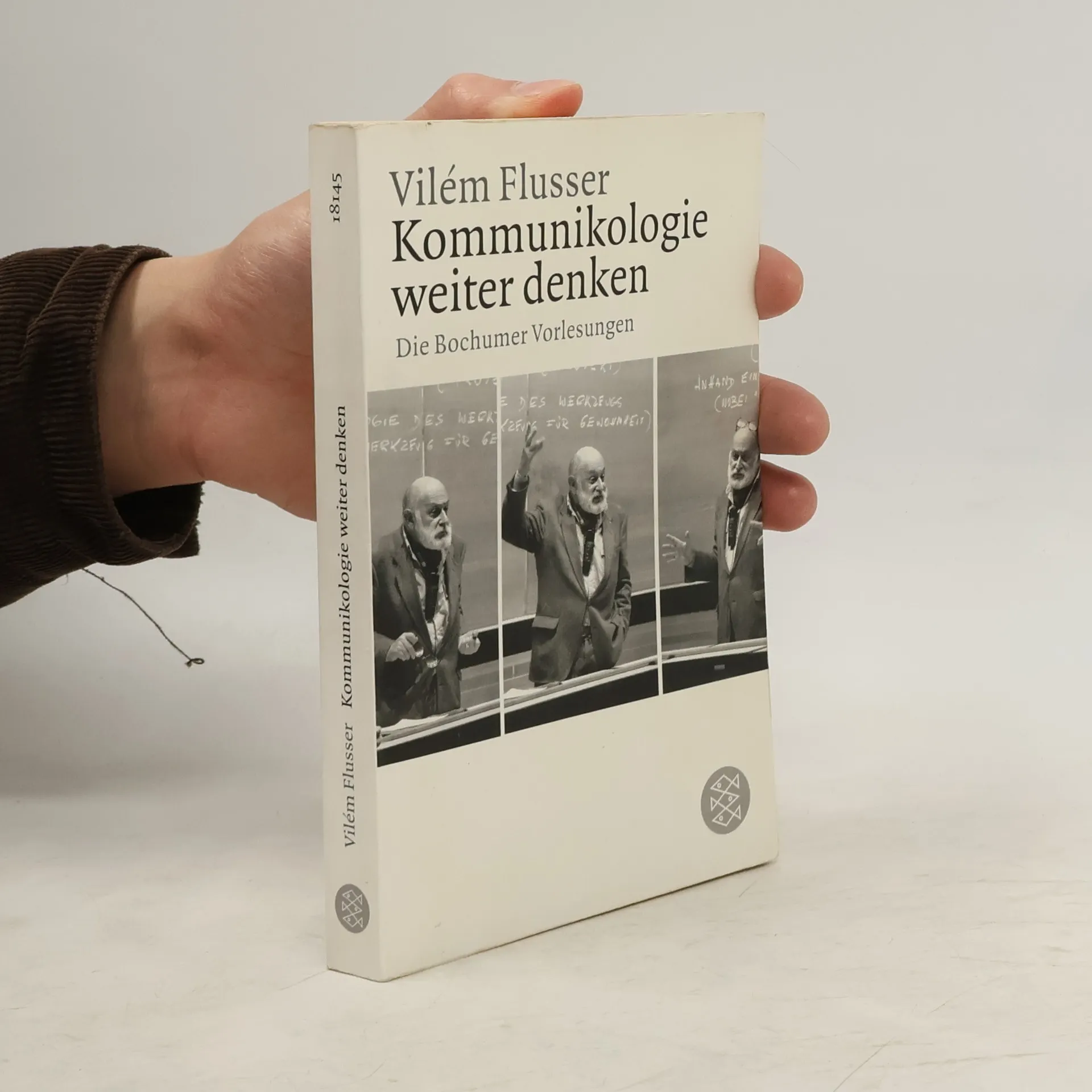
Anlässlich seiner ersten Gastprofessur in Deutschland im Jahr 1991 wollte Vilém Flusser seine Kulturkritik im Angesicht der neuen Medien noch einmal grundlegend durchdenken. Eine Neufassung seines Hauptwerks, der Lehre von der menschlichen Kommunikation, sollte daraus hervorgehen. Es musste bei den Vorlesungen bleiben. Wenige Monate später starb er bei einem Verkehrsunfall. Im Vilém-Flusser-Archiv sind die Bochumer Vorlesungen zu einem konzentrierten Text redigiert worden. Er ist das kommunikologische Vermächtnis des Prager Kulturphilosophen.
Von der Freiheit des Migranten
- 142 páginas
- 5 horas de lectura
Příběh ďábla
- 183 páginas
- 7 horas de lectura
Kde se vzala představa ďábla jako tvora ohrožujícího mravní vývoj člověka, pokušitele a zasvěceného znalce všech neproniknutelných tajemství? Zrodila se s člověkem a hříchem a tedy i s Bohem, bez něhož, a to platí i naopak, by nemohl existovat. Jedná se tedy jen o jinou dimenzi nadosobních ideálů, které vedou člověka životem a udávají mu horizont jeho existence.
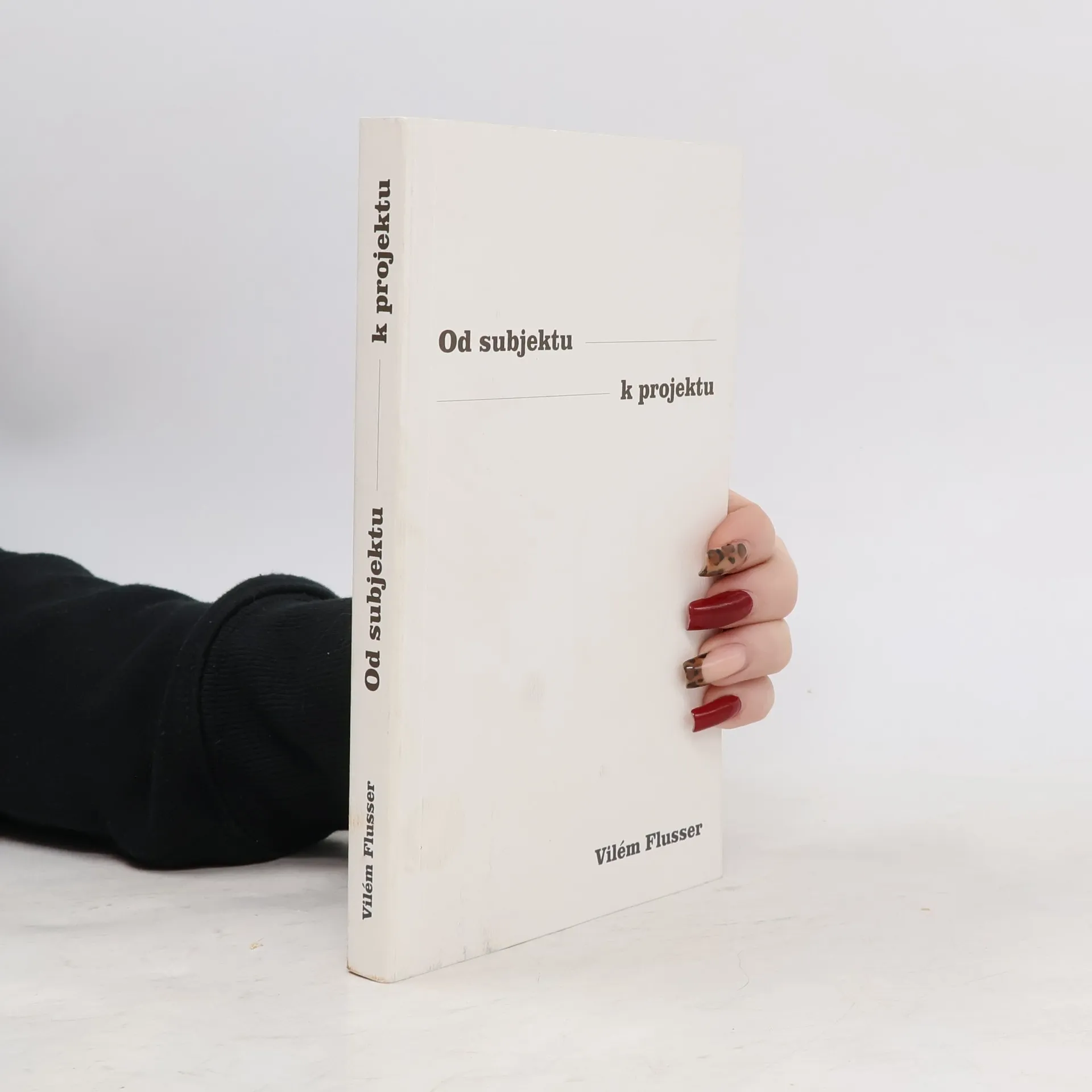
Dílo Od subjektu k projektu zachycuje Flusserovo uvažování z posledního období jeho tvorby. Také z tohoto důvodu se jedná o vrcholné formulování jeho celoživotního tématu, kterým je hledání východiska z civilizační krize. Autor z rozličných hledisek sleduje jednotlivé kroky novověkého rozpouštění subjektu i objektu. Moderní člověk ztrácí jakoukoliv oporu v něčem uchopitelném, což dle Flussera může ospravedlňovat pocit dějinné katastrofy. Proti tomuto pochopitelnému stanovisku však vykřesává jiskru naděje, kterou spojuje s projektováním. Tato naděje však nemůže zapřít svou křehkost, kterou doprovází nejednoznačnost Flusserova smyslu pro ironii.
Vilém Flusser präsentiert in kurzen Kapiteln sein Verständnis von Geschichte. Die Postgeschichte drückt einen gegenwärtigen historischen Umbruch aus, der durch den Übergang von einer traditionellen Textkultur zu einer Umgebung gekennzeichnet ist, in der technische Bilder überhandnehmen. Der Mensch befindet sich in der Gefangenschaft von Apparaten und deren Programmen, über die er zunehmend die Kontrolle verliert. Die ursprünglichen menschlichen Erwartungen verwandeln sich in ein absurdes Spiel, bei dem der Boden unter den Füßen schwindet. Der frühere Versuch, der Geschichte einen sinnvollen Fokus zu geben, scheitert offensichtlich. Der Aufstieg der posthistorischen Epoche betrifft die gesamte Struktur des gesellschaftlichen Lebens. Flusser wählt bestimmte Phänomene aus, an denen sich mit seiner eigenen Überzeugungskraft die Tiefe der Veränderung zeigt. So beschäftigt er sich nicht nur mit Verschiebungen in der Bedeutung von Arbeit oder Wissen, sondern bietet auch Einblicke in die posthistorische Anpassung von Wohnraum und Bekleidung.
Die Revolution der Bilder
- 236 páginas
- 9 horas de lectura
Wohin führen uns die Neuen Medien? Der 1991 verstorbene Kommunikations- und Medienphilosoph Vilém Flusser konnte den gegenwärtigen Boom von Multimedia und Computernetzwerken nicht mehr miterleben. Seine so provokanten wie visionären Thesen und Betrachtungen zur Medienentwicklung sind dennoch Schriften von "ständig wachsender Aktualität", betreffen sie doch die Fundamente und Perspektiven der "Kommunikationsrevolution", die sich bei genauerem Hinsehen als eine "Revolution der Bilder" erweist. Diese erfasst alle Lebensumstände; ihre Drehscheiben aber sind Medien und Design, auf die der Autor den Brennspiegel seiner sprachlichen Einbildungskraft richtet.
Vilém Flusser stellt das Schreiben schriftlich in Frage. Er macht deutlich, welche Rolle der lineare, alphanumerische Code in der westlichen Kultur einnimmt und was wir zurücklassen, wenn wir zu schreiben aufhören. „Nie zuvor ist der Forschritt der Geschicte so atemlos gewesen wie seit der Erfindung der bildermachenden Apparate. Denn endlich hat die Geschichte ein Ziel, dem entgegen sie läuft, das Ziel, ins Bild gesetzt zu werden.“
Een filosofie van de fotografie
- 144 páginas
- 6 horas de lectura
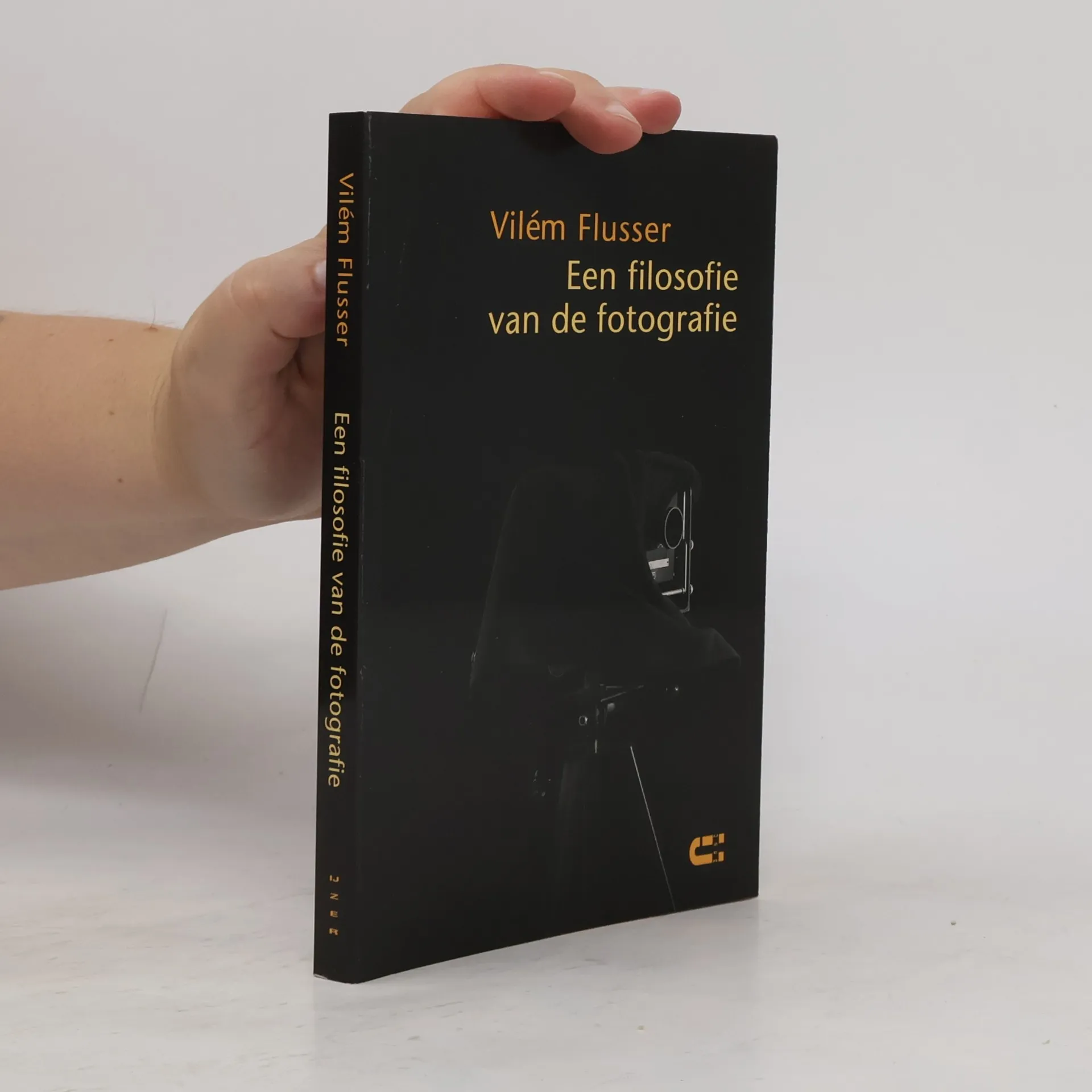
Een filosofie van de fotografie is essentieel voor iedereen die zich bezighoudt met communicatie en media, vooral fotografie. Dit essay van Vilém Flusser, zijn meest vertaalde werk, biedt een vernieuwende cultuurkritiek die verder gaat dan de fotografie-essays van Sontag, Benjamin en Barthes. Flusser combineert concepten uit thermodynamica, psychologie en communicatieleer om begrippen als apparaat, gewoonte en informatie te herdefiniëren. Hij gebruikt een uniek begrippenapparaat om vragen als wat een beeld, foto of fototoestel is, inzichtelijk te maken. Flusser bespreekt foto’s niet als documenten of in termen van representatie of kunst, maar als beelden van concepten, waarbij hij computatie, calculatie en projectie centraal stelt. Hij beschouwt de uitvinding van de fotografie als minstens zo belangrijk als die van het schrift, en benadrukt dat het technische beeld, gemaakt door apparaten, een sleutelmoment in de menselijke cultuur vertegenwoordigt. Vilém Flusser, geboren in Praag in 1920 en gevlucht voor de Nazi’s, vestigde zich in Sao Paolo en werd professor in communicatiefilosofie. Hij publiceerde diverse boeken in het Portugees en opereerde op verschillende terreinen zoals design, architectuur en mediakunst.
Vogelflüge
- 129 páginas
- 5 horas de lectura
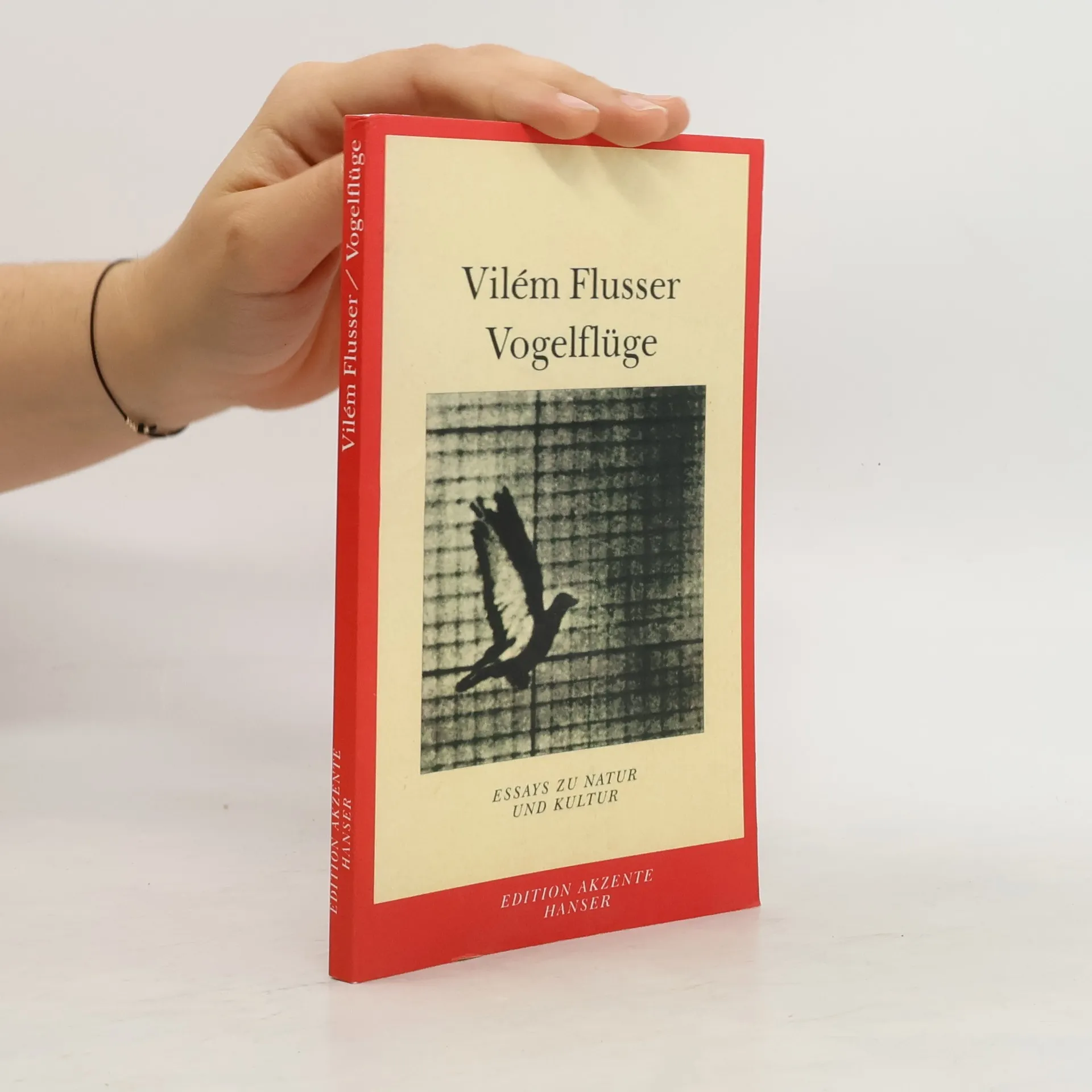
Die Essays in diesem Band zeigen anschaulich und faszinierend, wie aus der scharfsinnigen Beobachtung von Allerweltsdingen überraschende Philosophie erwächst. Der Autor betrachtet leere Sektflaschen und gelangt zur Dialektik von Theorie und Praxis. Er beschreibt einen Topf oder eine Bauernsuppe, und schlagartig werden kosmologische Probleme wie Schöpfung und Evolution klar. Er sieht ein Schachbrett oder einen Baumast, und am Ende stehen tiefe Einsichten in Wahrheit, Moral und menschliche Geschichte.
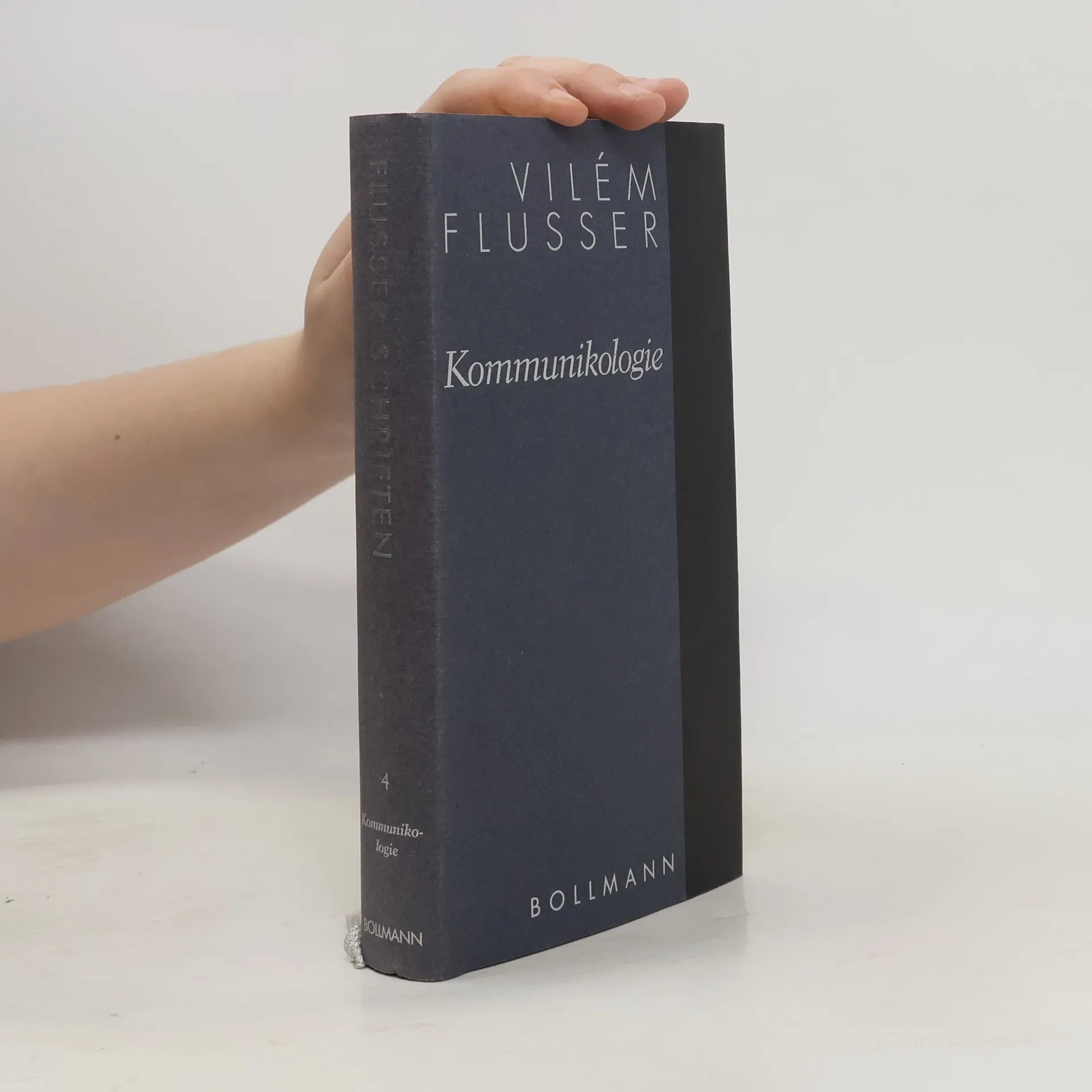
Kommunikologie, so nannte Vilém Flusser seine Theorie menschlicher Kommunikation, die im Mittelpunkt seines Werks steht. Der vorliegende Band enthält zwei grundlegende Texte Flussers zu diesem Problemgebiet: Texte, die zentrale Motive seines Denkens erschließen. Die menschliche Kommunikation ist für Flusser jener Prozeß, durch den Informationen gespeichert, verarbeitet und weitergegeben werden, aber auch stetig neue Information erzeugt wird. Die Kommunikologie beschäftigt sich dabei vor allem mit den Formen und Codes dieser Informationsvermittlungen, deren historische Wandlungen Flusser von der Höhlenmalerei bis zur Kommunikation in Computernetzen verfolgt: Mit seiner Kommunikologie hat Flusser nicht nur eine Theorie, sondern auch eine scharfsinnige Diagnose unserer Informations- und Kommunikationsgesellschaft ausgearbeitet.
Kniha, ktorá rozpráva o ľudskej komunikácii a analyzuje všetky jej podoby a spôsoby fungovania.
Medienkultur
- 238 páginas
- 9 horas de lectura
Vilém Flusser gilt als "Medienphilosoph" (taz), als "digitaler Philosoph des 20. Jahrhunderts" (FAZ). Seine Philosophie der neuen Medien, so euphorisch sie sich auch manchmal gibt, entspringt allerdings der Abrechnung mit jener Sparte von Medien, die wir gewöhnlich für die Medien schlechthin halten: den Massenmedien. Im so aufregenden wie aufgeregten Prozeß des Zusammenwachsens von Telekommunikation und digitalen Technologien sah Flusser die Chance, der Fernsehkultur zu entkommen. Die Vernetzung der Gesellschaft durch die neuen Medien bedeutet letztlich einen Umbruch im Kulturprozeß, eine "Katastrophe der bürgerlichen Kultur", die freilich auch Möglichkeiten für eine neuartige Einbildungskraft eröffnet: "Es gibt nichts Neues vor der Katastrophe, erst nach ihr."
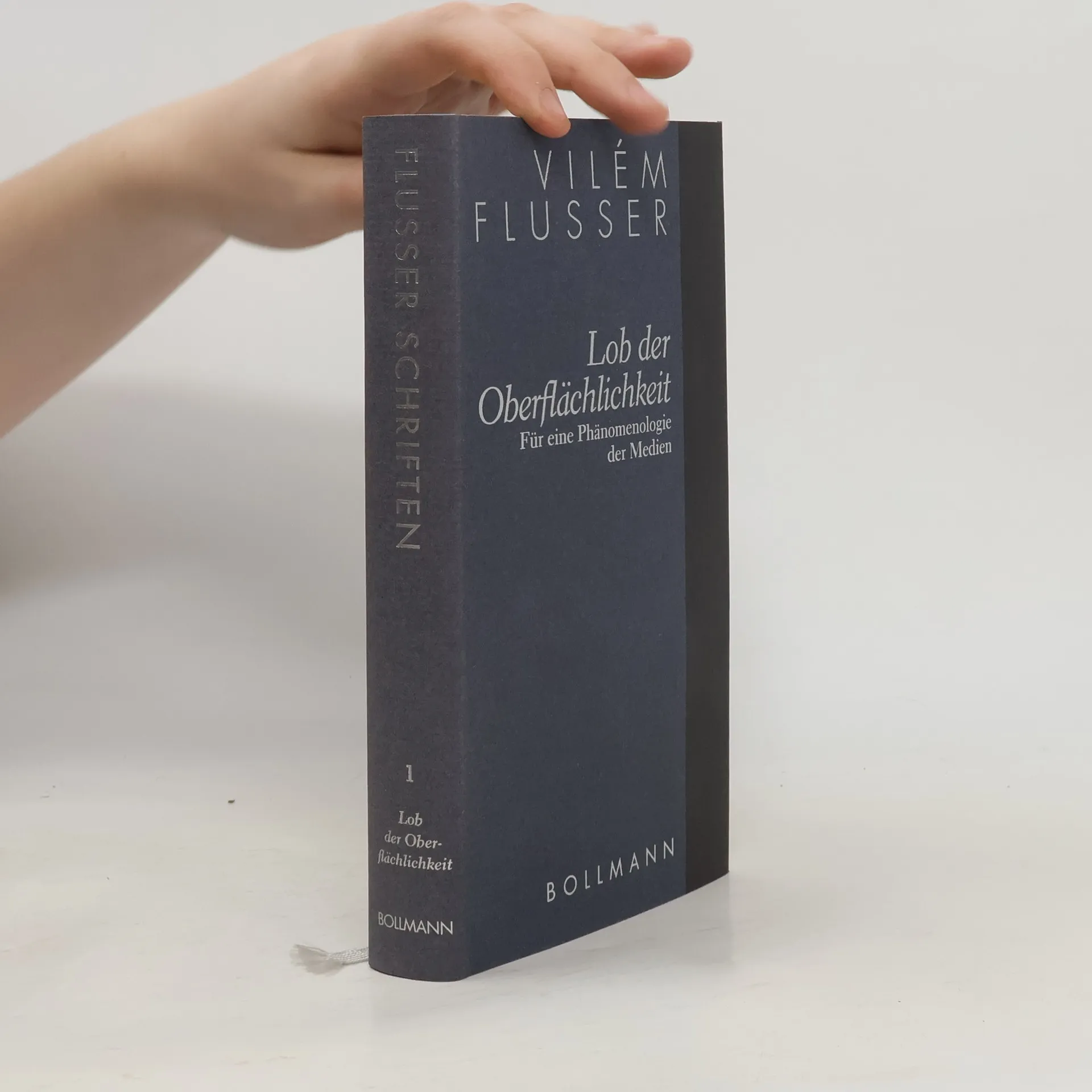
Flusser Schriften 1. Lob der Oberflächlichkeit
Für eine Phänomenologie der Medien
- 355 páginas
- 13 horas de lectura
Kommunikologie, so nannte Vilém Flusser seine Theorie menschlicher Kommunikation, die im Mittelpunkt seines Werks steht. Der vorliegende Band enthält zwei grundlegende Texte Flussers zu diesem Problemgebiet: Texte, die zentrale Motive seines Denkens erschließen. Die menschliche Kommunikation ist für Flusser jener Prozeß, durch den Informationen gespeichert, verarbeitet und weitergegeben werden, aber auch stetig neue Information erzeugt wird. Die Kommunikologie beschäftigt sich dabei vor allem mit den Formen und Codes dieser Informationsvermittlungen, deren historische Wandlungen Flusser von der Höhlenmalerei bis zur Kommunikation in Computernetzen verfolgt: Mit seiner Kommunikologie hat Flusser nicht nur eine Theorie, sondern auch eine scharfsinnige Diagnose unserer Informations- und Kommunikationsgesellschaft ausgearbeitet.
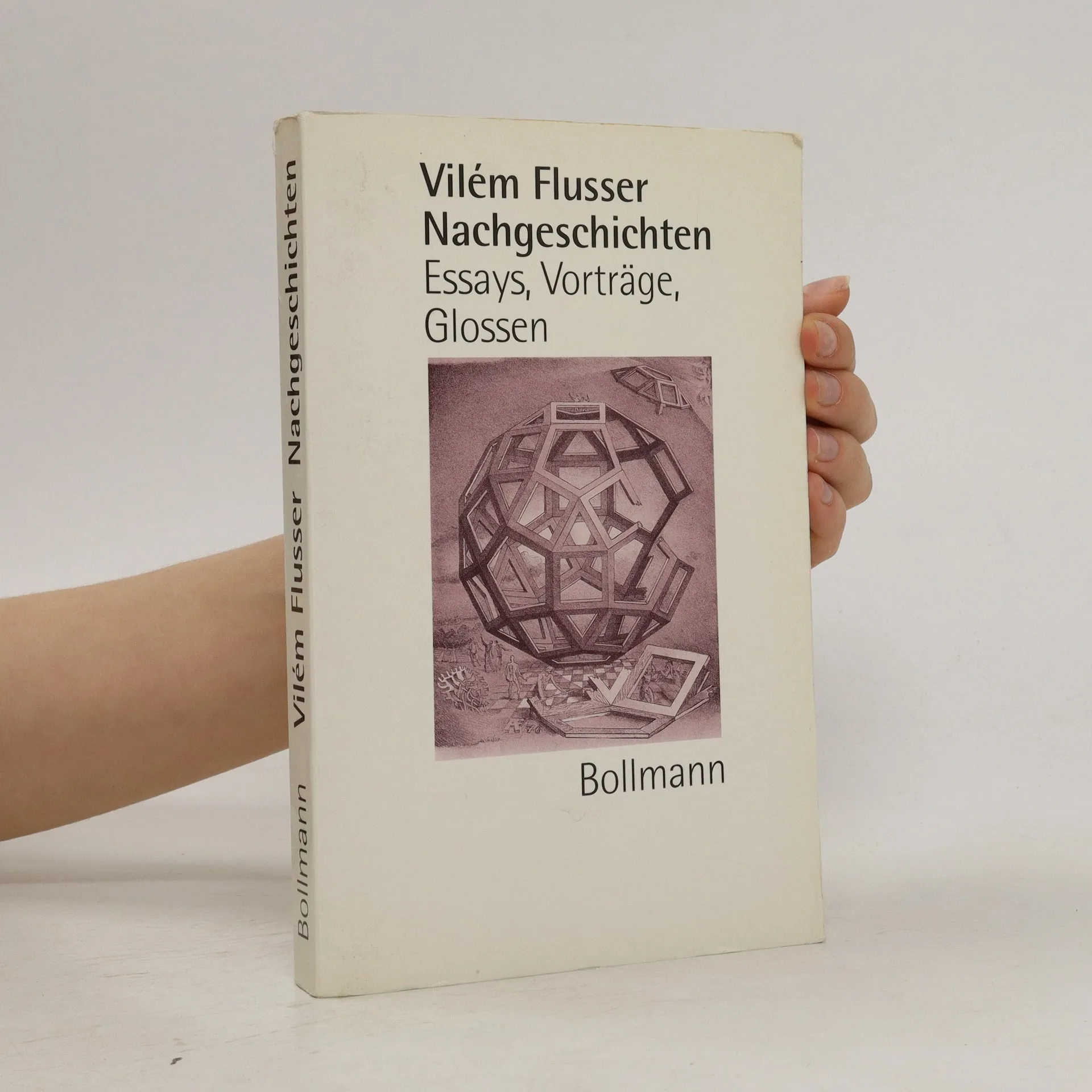
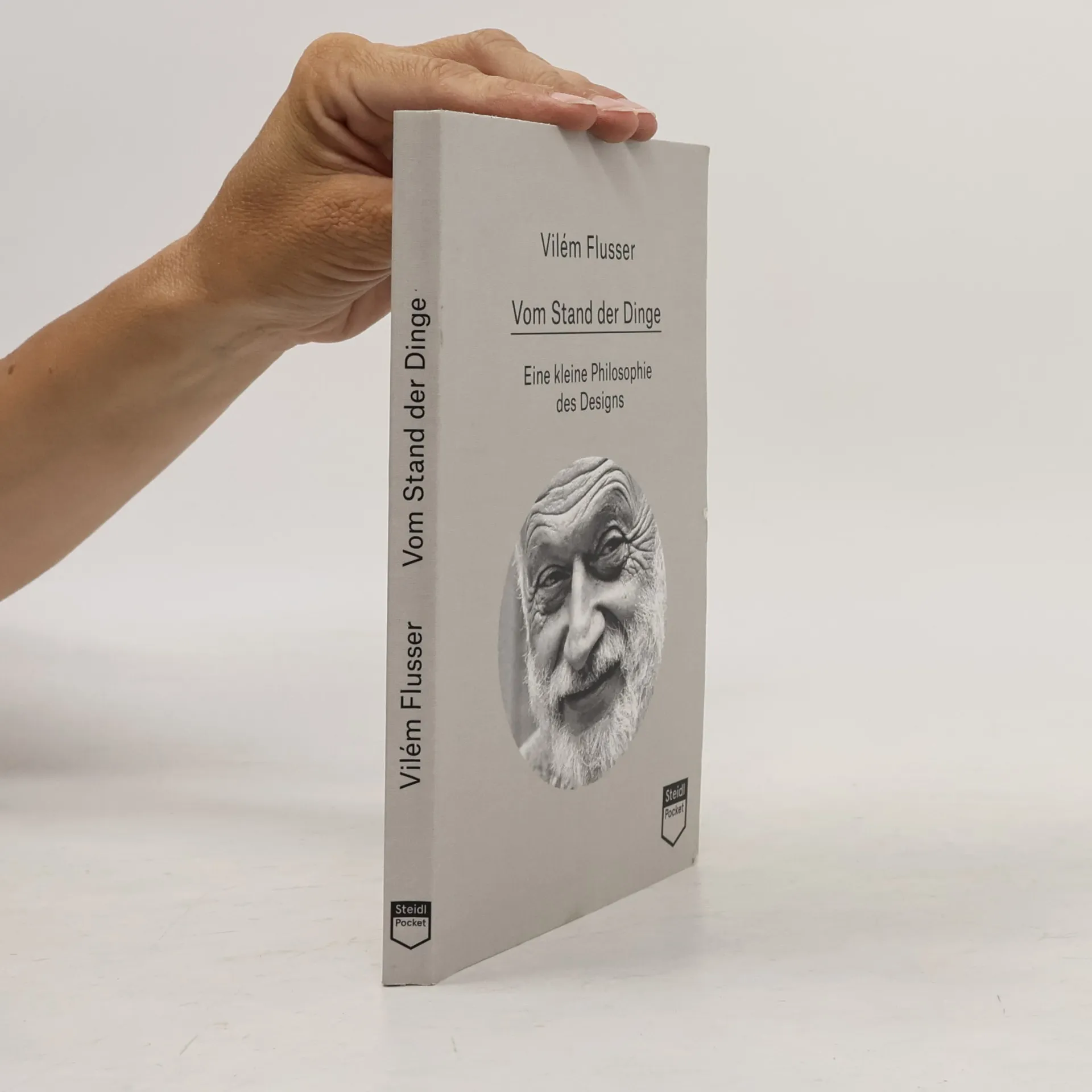
Die These ist provokant: Unsere Zukunft, schreibt Vilém Flusser, sei vor allem eine Frage des Design. Denn Design ist »Koinzidenz« von neuartigen Ideen aus Wissenschaft und Kunst, Ökonomie und Politik. Scheinbar mühelos verknüpft sich dort Disparates zu einem komplexen Netz von Beziehungen. In Essays, kurzen Prosastücken und Vorträgen erörtert Flusser den Stand der Dinge und das Design der kommenden Epoche. Das Spektrum ist groß: Der Band enthält Reflexionen über die Schaltpläne der Computer und das Ende der Städte, Anmerkungen zur Gestaltung von Raketen und Regenschirmen – phänomenologische Betrachtungen unseres designten Alltags, Glossen über Gegenstände und bitterböse Szenarien der Zukunft. 1993 erschien bei Steidl die erste, kürzere Ausgabe dieser unbotmäßigen Design-Fibel. Das Buch, das mittlerweile in alle Weltsprachen übersetzt wurde, begründete Flussers Ruf als führender Design-Theoretiker und brillanter Vordenker des multimedialen Zeitalters.
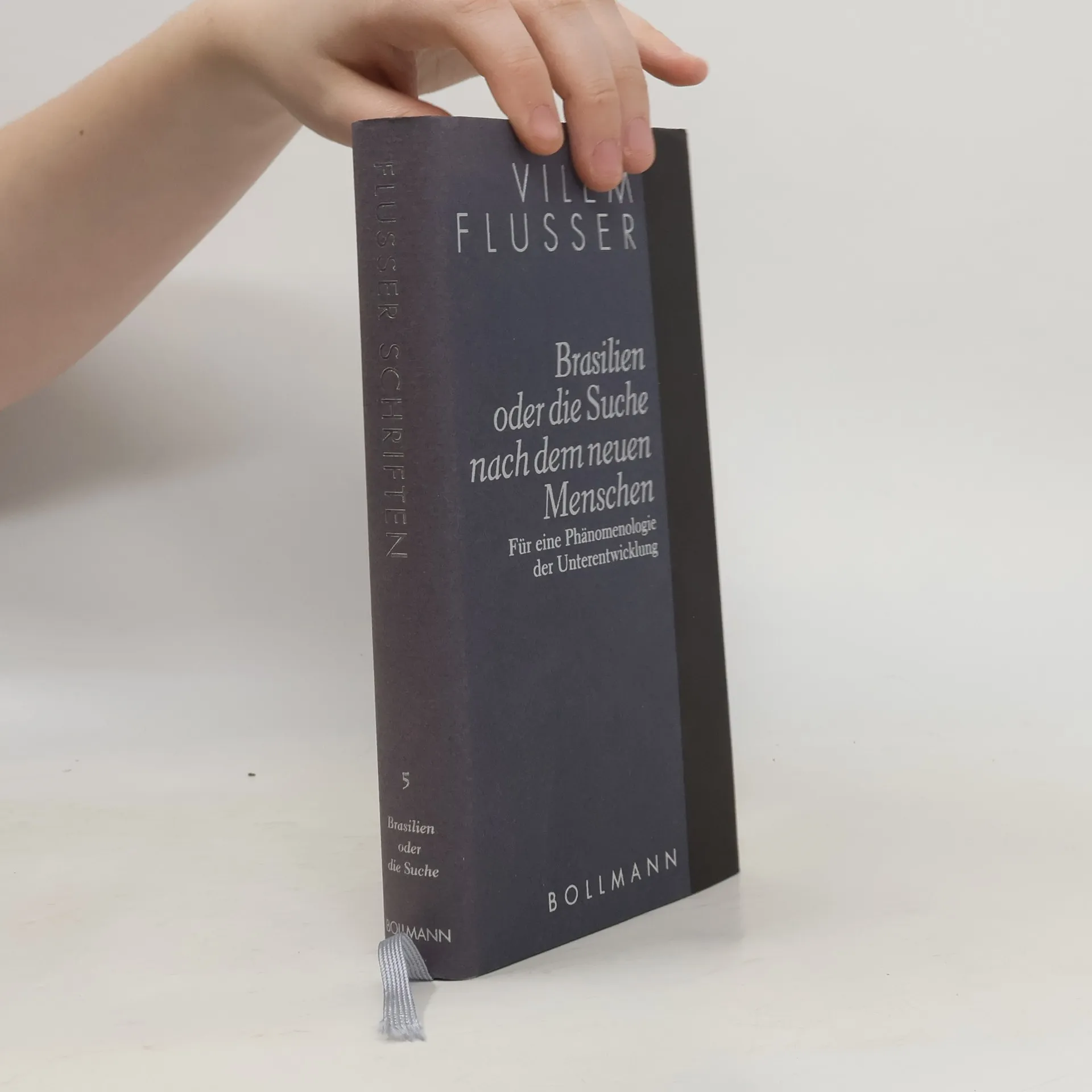
Flusser Schriften 5. Brasilien oder die Suche nach dem neuen Menschen
Für eine Phänomenologie der Unterentwicklung
- 355 páginas
- 13 horas de lectura
Kommunikologie, so nannte Vilém Flusser seine Theorie menschlicher Kommunikation, die im Mittelpunkt seines Werks steht. Der vorliegende Band enthält zwei grundlegende Texte Flussers zu diesem Problemgebiet: Texte, die zentrale Motive seines Denkens erschließen. Die menschliche Kommunikation ist für Flusser jener Prozeß, durch den Informationen gespeichert, verarbeitet und weitergegeben werden, aber auch stetig neue Information erzeugt wird. Die Kommunikologie beschäftigt sich dabei vor allem mit den Formen und Codes dieser Informationsvermittlungen, deren historische Wandlungen Flusser von der Höhlenmalerei bis zur Kommunikation in Computernetzen verfolgt: Mit seiner Kommunikologie hat Flusser nicht nur eine Theorie, sondern auch eine scharfsinnige Diagnose unserer Informations- und Kommunikationsgesellschaft ausgearbeitet.
Flusser Schriften 3. Vom Subjekt zum Projekt
Menschwerdung
Kommunikologie, so nannte Vilém Flusser seine Theorie menschlicher Kommunikation, die im Mittelpunkt seines Werks steht. Der vorliegende Band enthält zwei grundlegende Texte Flussers zu diesem Problemgebiet: Texte, die zentrale Motive seines Denkens erschließen. Die menschliche Kommunikation ist für Flusser jener Prozess, durch den Informationen gespeichert, verarbeitet und weitergegeben werden, aber auch stetig neue Informationen erzeugt werden. Die Kommunikologie beschäftigt sich dabei vor allem mit den Formen und Codes dieser Informationsvermittlungen, deren historische Wandlungen Flusser von der Höhlenmalerei bis zur Kommunikation in Computernetzen verfolgt: Mit seiner Kommunikologie hat Flusser nicht nur eine Theorie, sondern auch eine scharfsinnige Diagnose unserer Informations- und Kommunikationsgesellschaft ausgearbeitet.
Vilém Flusser Schriften - 4: Kommunikologie
- 355 páginas
- 13 horas de lectura
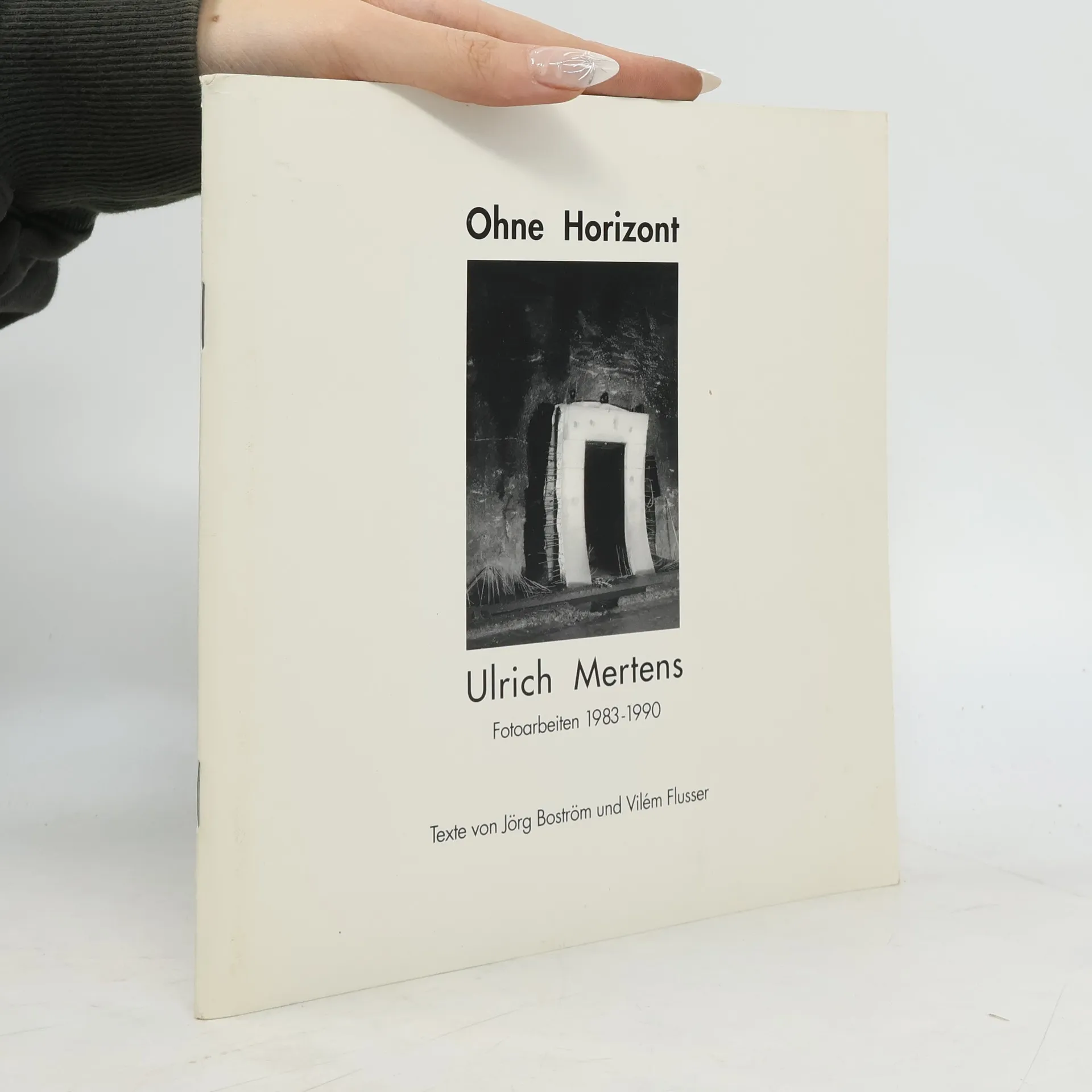
Ulrich Mertens
Ohne Horizont ; Fotoarbeiten 1983-1990