

V13
- 272 páginas
- 10 horas de lectura
Emmanuel Carrère explora en su extensa obra los temas centrales de la interrogación de la identidad, el desarrollo de la ilusión y la dirección de la realidad. Su estilo literario, que cruza con fluidez las fronteras entre la ficción y la no ficción, sumerge al lector en profundas reflexiones sobre la condición humana. Carrère entrelaza magistralmente experiencias personales con temas universales, creando así obras que son a la vez íntimas y sugerentes. Su enfoque único de la escritura lo establece como una voz distintiva en la literatura francesa contemporánea.


En cuestión de pocos meses, fui testigo de dos de los acontecimientos que más temo en la vida: la muerte de un hijo para sus padres y la muerte de una mujer joven para sus hijos y su marido. Alguien me dijo entonces: eres escritor, ¿por qué no escribes nuestra historia? Era un encargo, y lo acepté. Empecé, pues, a contar la amistad entre un hombre y una mujer, los dos supervivientes de un cáncer, los dos cojos y los dos jueces, que se ocupaban de asuntos de sobreendeudamiento en el tribunal de primera instancia de Vienne (Isère). En este libro se habla de la vida y la muerte, de la enfermedad, de la pobreza extrema, de la justicia y, sobre todo, del amor. Todo lo que se dice en él es cierto.
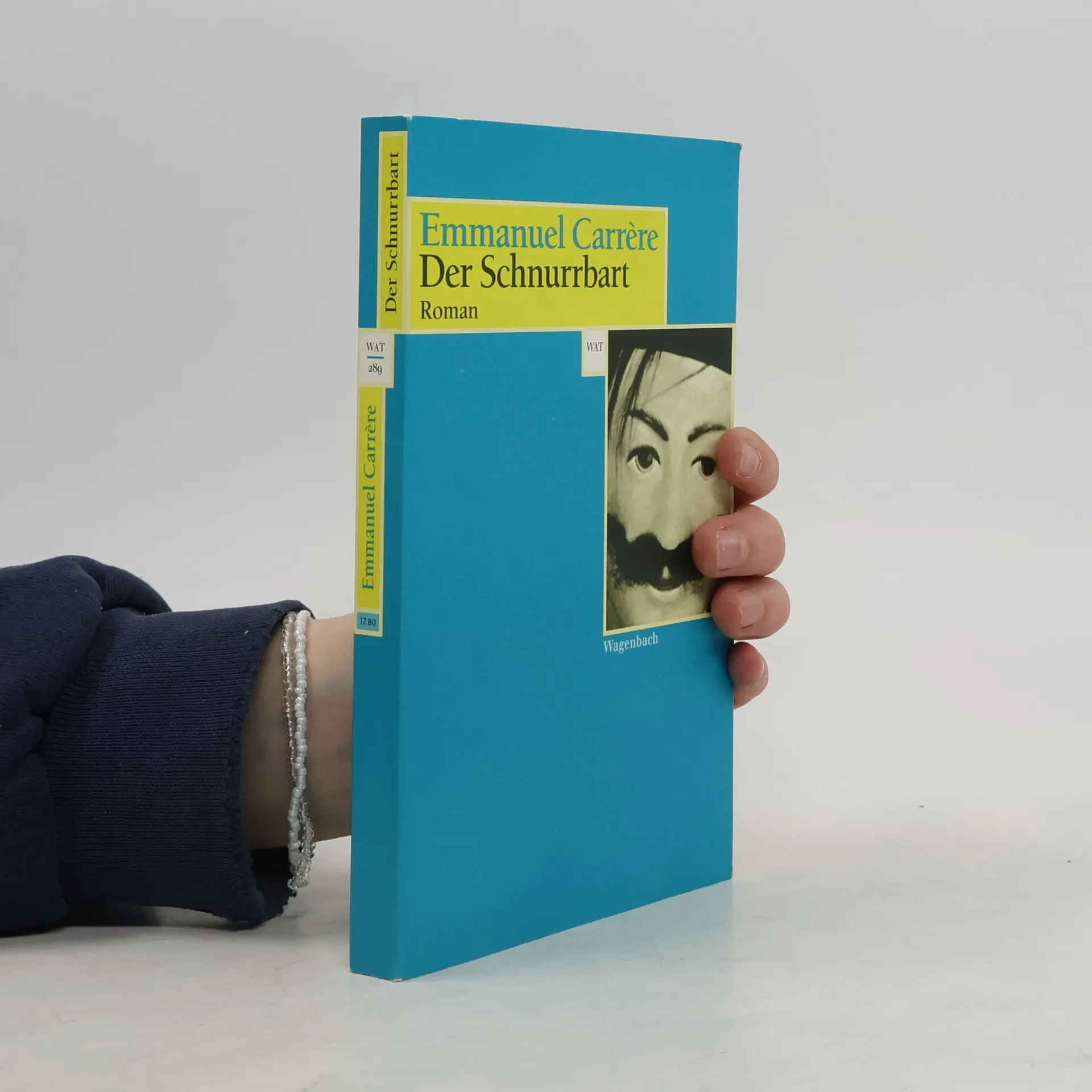
Un hombre se afeita el bigote que lleva años luciendo. Lo hace en secreto, para darle una sorpresa a su mujer. Pero cuando aparece ante ella con su nueva imagen, la esposa no reacciona. No parece ver en esa cara con que lleva años conviviendo cambio alguno. No parece percatarse de que su marido se ha afeitado. Es más, cuando éste le muestra su perplejidad ante la falta de reacción, ella le asegura que él nunca ha llevado bigote. Un gesto en principio sin mucha trascendencia –afeitarse el bigote– se convierte en el punto de partida de una pesadilla kafkiana para el protagonista de esta novela.
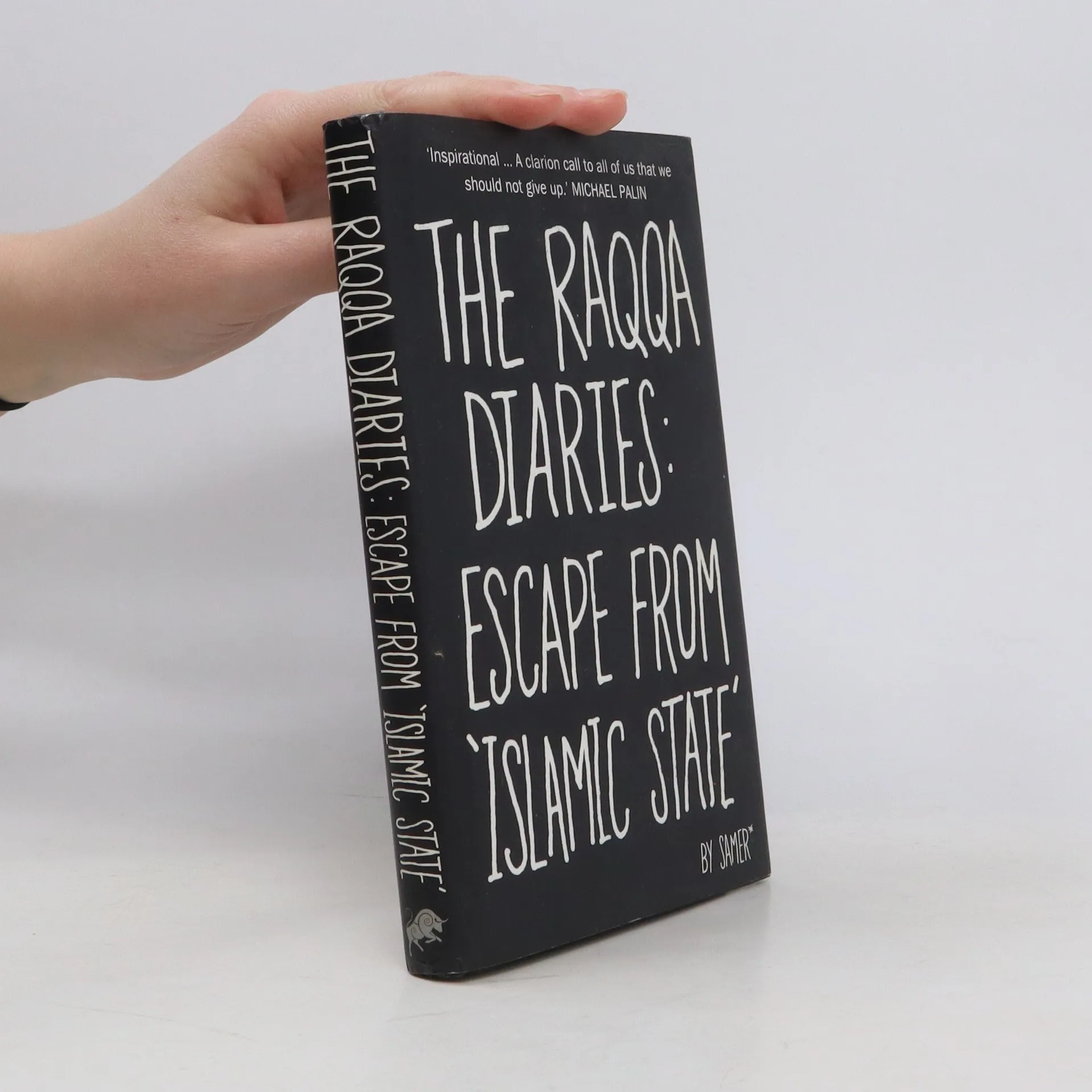
The diarist's father is killed and mother badly injured during an air strike, he is sentenced to 40 lashes for speaking out against a beheading, he sees a woman stoned to death. This book shows how every aspect of life is impacted - from the spiralling costs of food to dictating the acceptable length of trousers.
In Sri Lanka, a tsunami sweeps a child out to sea, her grandfather helpless against the onrushing water. In France, a woman dies from cancer, leaving her husband and small children bereft. What links these two catastrophes is the presence of Emmanuel Carrère, who manages to find consolation and even joy as he immerses himself in lives other than his own. The result is a heartrending narrative of endless love, a meditation on courage in the face of adversity, and an intimate look at the beauty of ordinary lives.
Read the definitive essay collection from the Sunday Times bestselling author of The Adversary, dubbed 'France's greatest writer of non-fiction' (New York Times) 'The most exciting living writer' Karl Ove Knausgaard Over the course of his career, Emmanuel Carr re has reinvented non-fiction writing. In a search for truth in all its guises, he dispenses with the rules of genre. For him, no form is out of reach- theology, historiography, reportage and memoir - among many others - are fused under the pressure of an inimitable combination of passion, curiosity and intellect that has made Carr re one of our most distinctive and important literary voices today. 97,196 Words introduces Carr re's shorter work to an English-language audience. Featuring more than thirty extraordinary texts written over an illustrious twenty-five-year period of Carr re's creative life, the book shows a remarkable mind at work. Spanning continents, histories, and personal relationships, 97,196 Words considers the divides between truth, reality and our shared humanity, exploring remarkable events and eccentric lives, including Carr re's own. * A New York Times Notable Book *
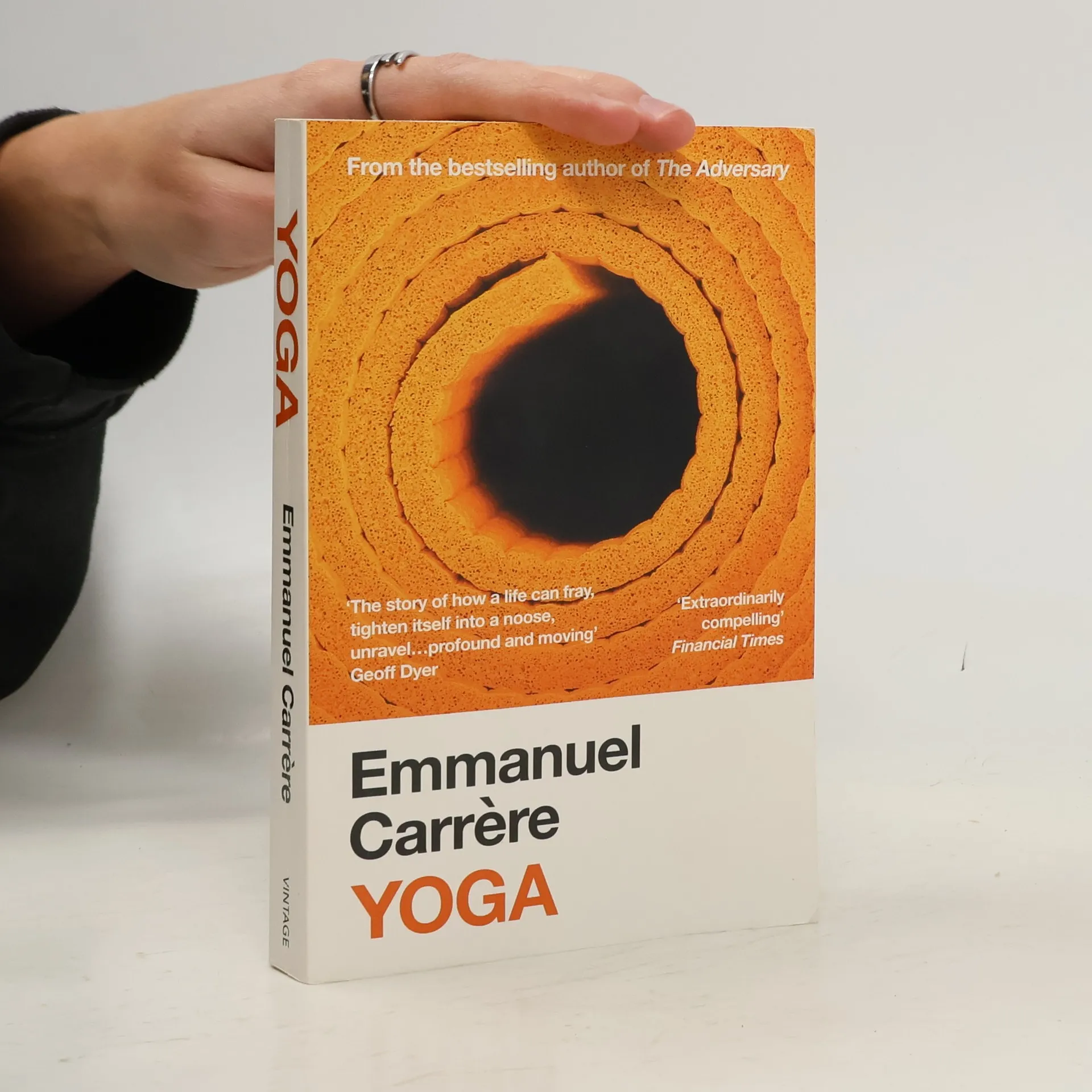
This is a book about yoga. Or at least, it was. January 2015. High on literary success and familial bliss, Emmanuel Carr re embarks on a rigorous ten-day meditative retreat in rural France in search of clarity and material for his next book, which he thinks will be a subtle, upbeat introduction to yoga. But his trip is cut short, and he is brought down to earth with a thud when he returns to a Paris in turmoil in the aftermath of the Charlie Hebdo terrorist attack. From then on, Carr re's life - along with his novel-in-progress - begins to unravel in ever more unexpected ways. 'The story of how a life can fray, tighten itself into a noose, unravel... profound and moving' Geoff Dyer 'Extraordinarily compelling' Financial Times
Based on the legendary evening at Lake Geneva that ostensibly inspired Mary Shelley's Frankenstein, Gothic Romance intertwines parallel stories of suspense set in the early 19th century and latter-day London.
Die Terroranschläge in Paris
September 2021: In Paris beginnt ein Jahrhundertprozess. Am Freitag, den 13. November 2015 (vendredi 13), hatten sich in der Konzerthalle Bataclan, auf den Terrassen mehrerer Cafés und vor dem Stade de France sieben IS-Kämpfer in die Luft gesprengt, dabei 131 Menschen in den Tod gerissen und fast 700 verletzt. Nach diesen Attentaten wurde in Frankreich der Ausnahmezustand ausgerufen – er blieb zwei Jahre lang verhängt –, und das Bild des Landes und der Gesellschaft veränderte sich von Polizeimethoden bis Parteienspektrum nachhaltig: ein nationales Trauma. Im von den Insidern »V13« genannten exemplarischen Prozess sollte dieses Trauma bearbeitet, sollten Hunderte von Perspektiven abgewogen und schließlich ein Urteil gefällt werden. Emmanuel Carrère besuchte den Prozess über neun Monate lang Tag für Tag, schrieb wöchentlich eine Kolumne aus dem Gerichtssaal, berichtete über Akteure, das Grauen, unverhoffte Menschlichkeit und die Maschine der Rechtsprechung. V13 ist das vielstimmige Porträt eines Prozesses, mit dem eine in ihren Grundfesten erschütterte Gesellschaft nach Heilung sucht. Die Bühne des eigens gebauten Gerichtssaals ließ alle Beteiligten zu Wort kommen, und so erzählt Carrère, was er gehört und erfragt hat: Wer waren die Opfer und die Täter? Wie entsteht Terrorismus? Warum ist passiert, was passiert ist? Mit V13 gelingt Carrère ein weiteres großes Buch, das durch tiefstes Dunkel geht, um genau dort Liebe, Hoffnung und Licht zu finden.
An einem kalten Februarmorgen 1993 sieht die Fotojournalistin Darcy Padilla eine Achtzehnjährige mit einem Neugeborenen im Arm in der Lobby des Ambador-Hotels in San Francisco stehen – barfuß. Sie bittet sie, ein Foto von ihr machen zu dürfen. Sie wird Julie die nächsten achtzehn Jahre bis zu deren Aids-Tod im Jahr 2010 als Chronistin ihres Lebens und Freundin fotografisch begleiten. Als Emmanuel Carrère die Fotos zum ersten Mal sieht, beschließt er, sich auf die Spuren der beiden Frauen zu begeben, und reist in die USA. Als Meister der dokumentarischen Erzählung beschreibt er Julies Lebensweg und die Freundschaft der beiden ungleichen Abhängigkeiten, familiäre Katastrophen, Beziehungen, Geburten und Abschiede, viele tragische und wenige heitere Momente in einem Milieu, aus dem es kein Entrinnen zu geben scheint. Denn Julie ist ein Fall von Padillas Bilder und Carrères Text werfen die Frage nach der sozialen Bedingtheit eines Schicksals auf, nach dem Gebot der Anteilnahme angesichts von Lebenswegen, die aussichtslos erscheinen.