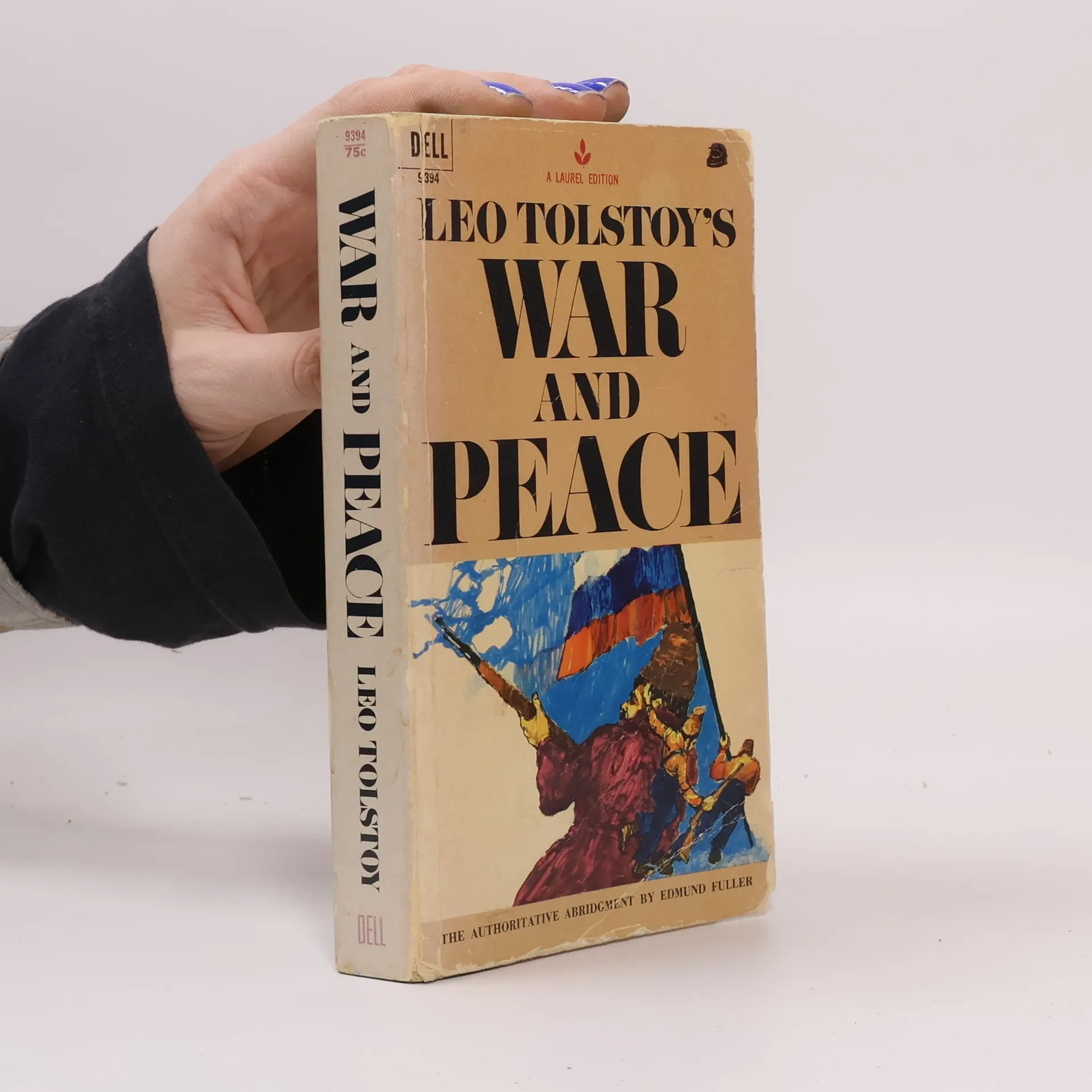
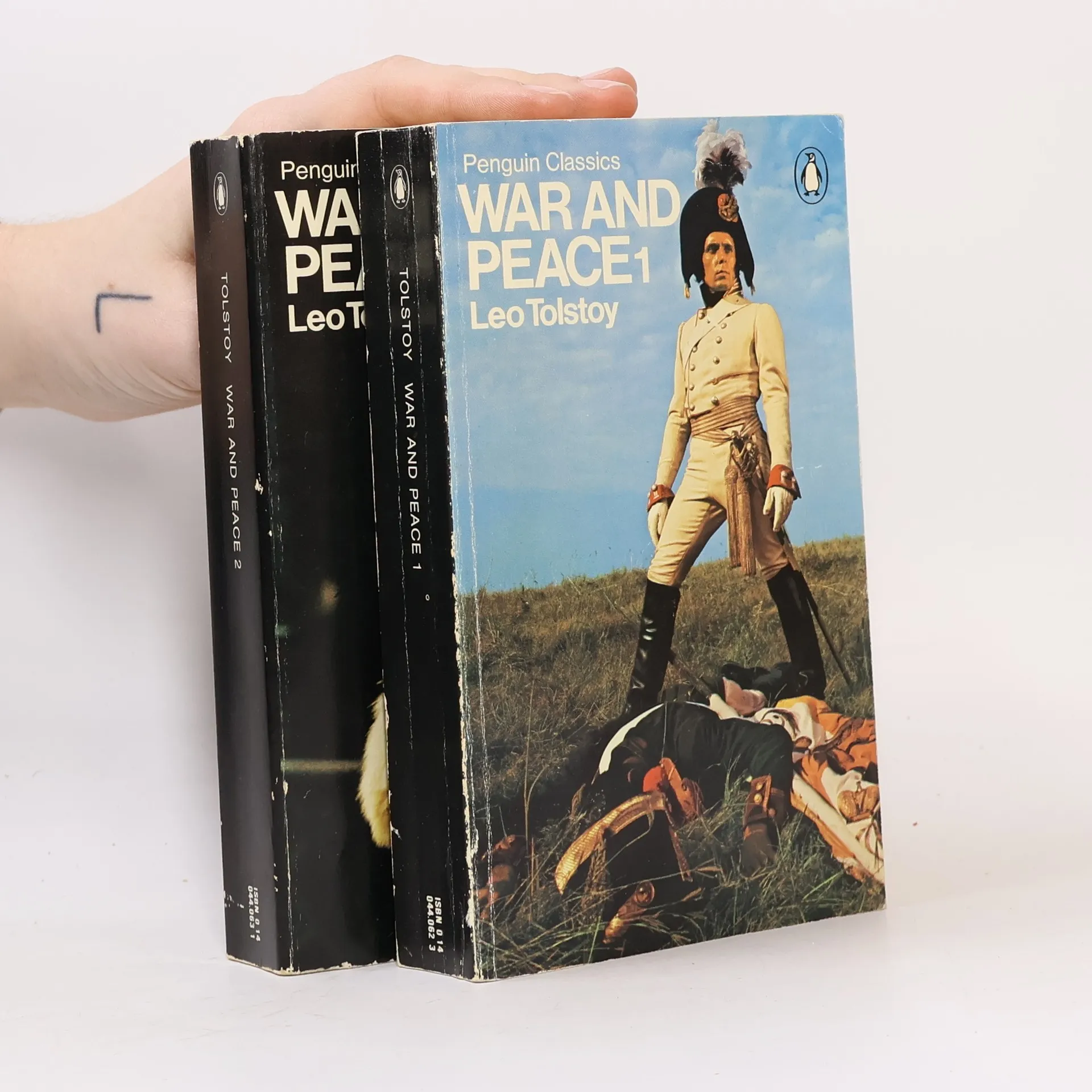
"Guerra y paz" se centra en la invasión de Rusia por Napoleón en 1812 y sigue a tres de los personajes más conocidos de la literatura: Pierre Bezukhov, el hijo ilegítimo de un conde que lucha por su herencia y anhela la realización espiritual; el príncipe Andrei Bolkonsky, quien deja atrás a su familia para combatir en la guerra contra Napoleón; y Natasha Rostov, la hermosa hija de un noble, que intriga a ambos hombres. A medida que el ejército de Napoleón invade, Tolstói sigue vívidamente a personajes de diversos orígenes—campesinos y nobles, civiles y soldados—mientras lidian con los problemas únicos de su época, su historia y su cultura. Con el avance de la novela, estos personajes trascienden su especificidad, convirtiéndose en algunas de las figuras más conmovedoras y humanas de la literatura mundial.
León Tolstói Libros
- Л. Н.
- Л. Н. Т.


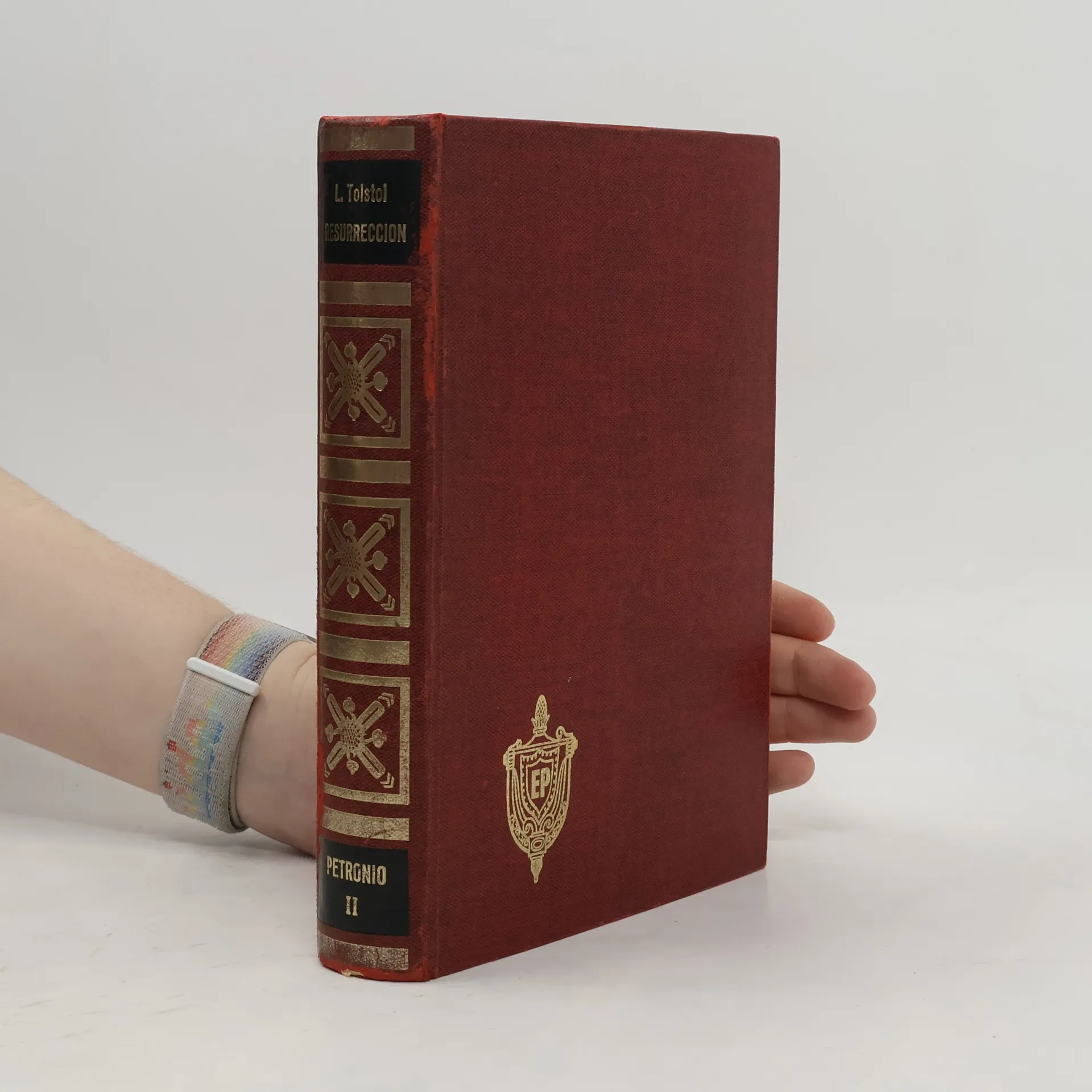
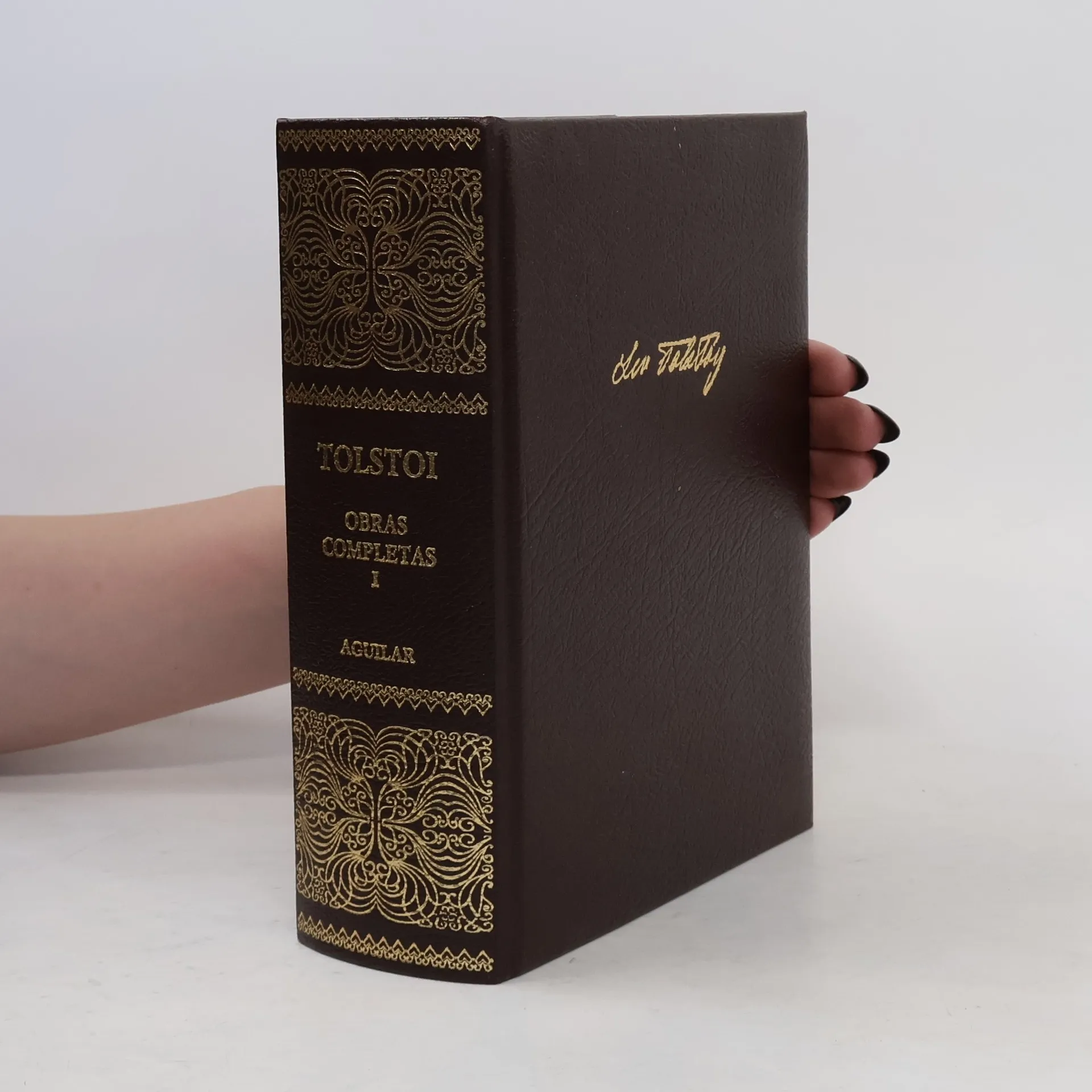

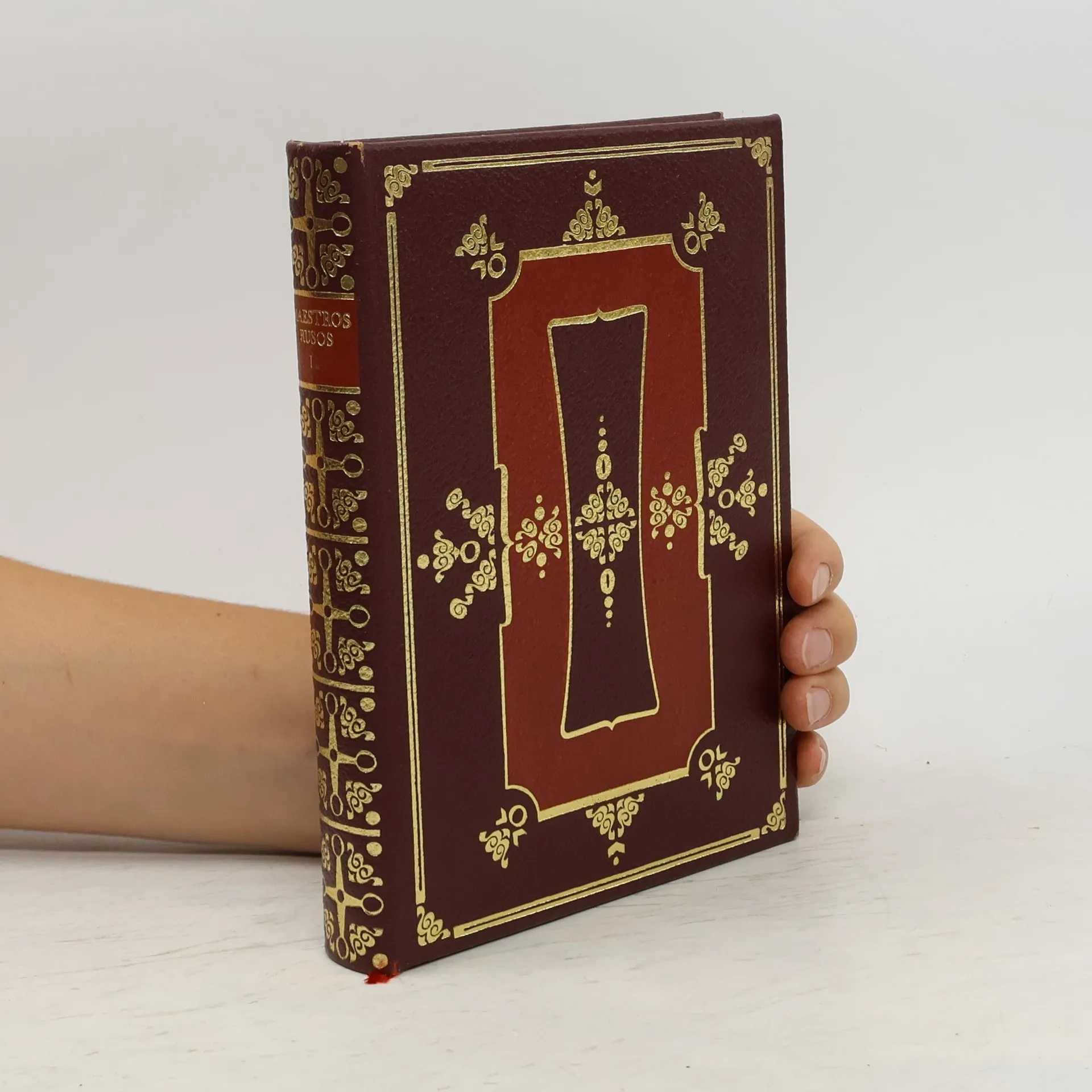
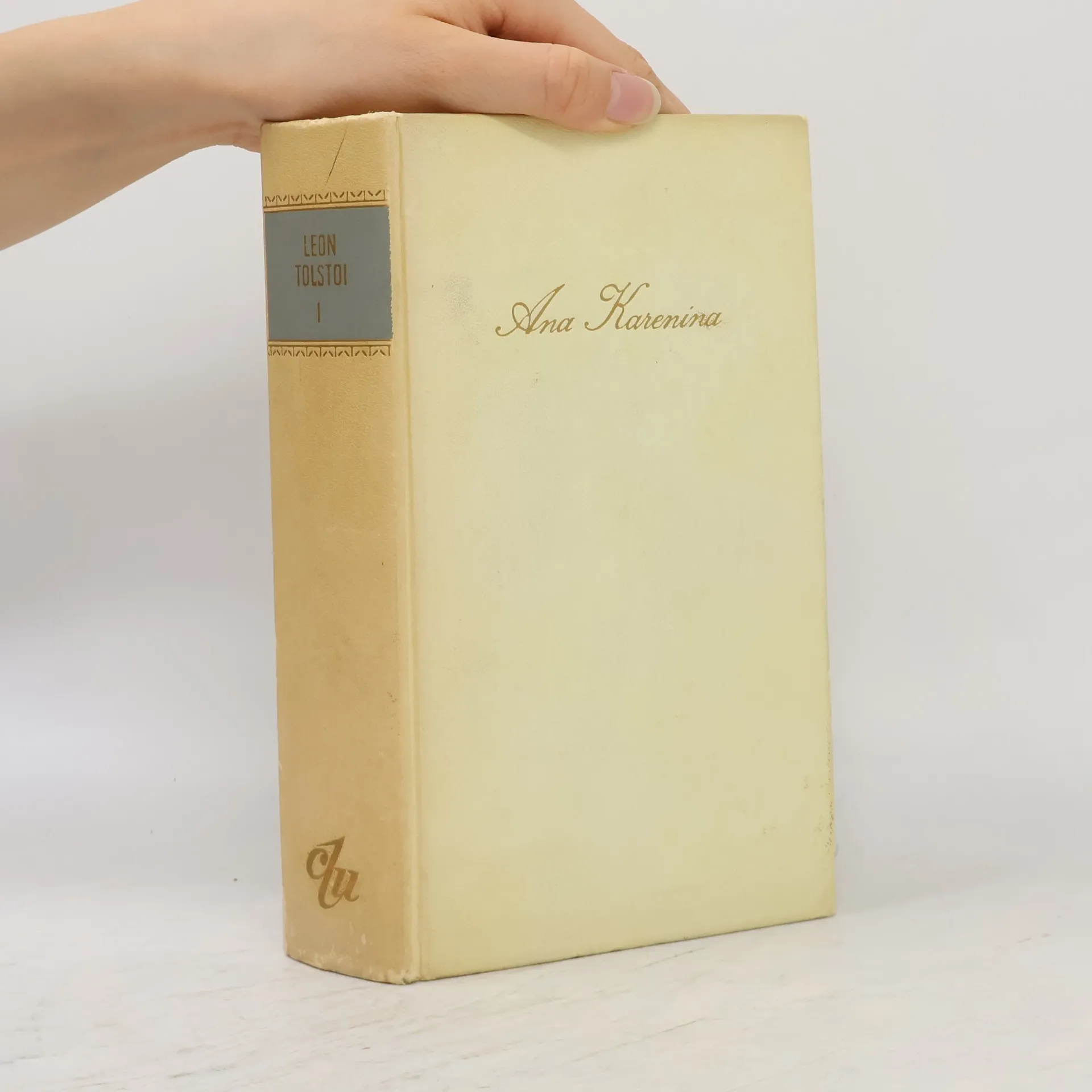
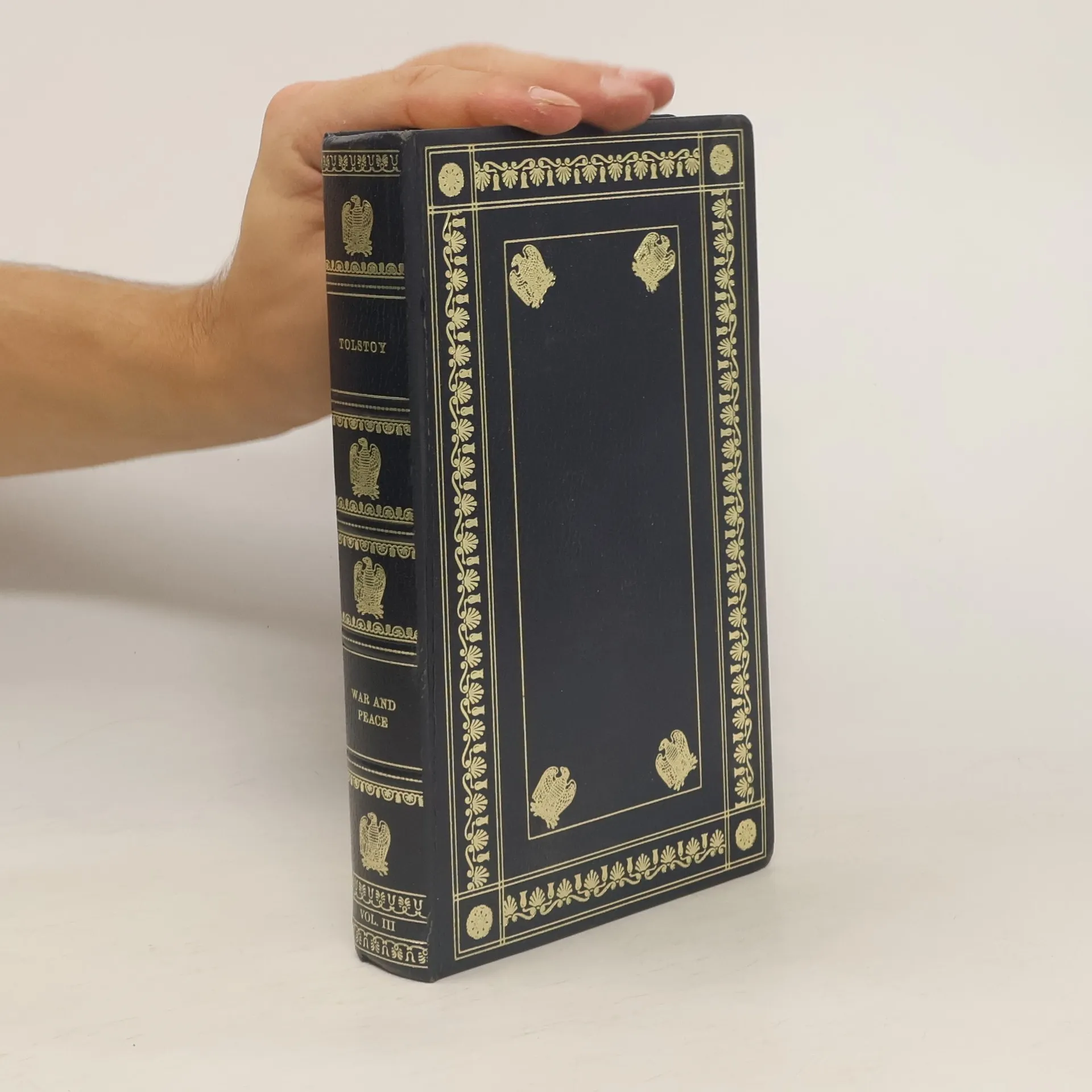
Tapa dura. En la tapa delantera en dorado firma del autor. El lomo con letras doradas y ornamentacion dorada. Encuadernación bonita para decorar. Con cinta punto de lectura encarnada. Ilustracion en las guardas. En la contraportada retrato del autor. Esta edicion contiene: * Prólogo Biográfico* Los Grafismos de Tolstoi* Guerra y Paz (1869): Parte I a XI* Guerra y Paz: Epílogo* Guerra y Paz: Apéndice1104 paginas
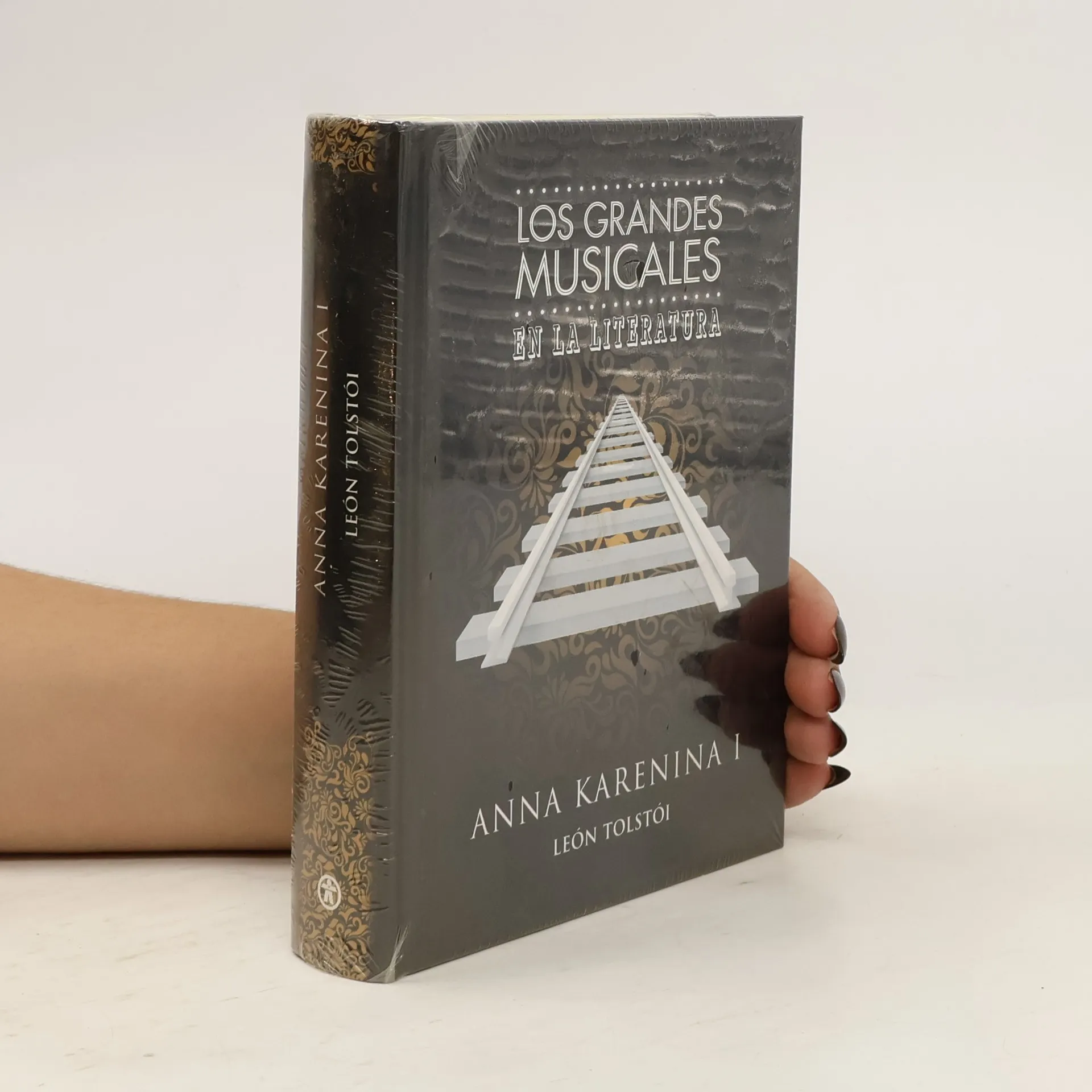
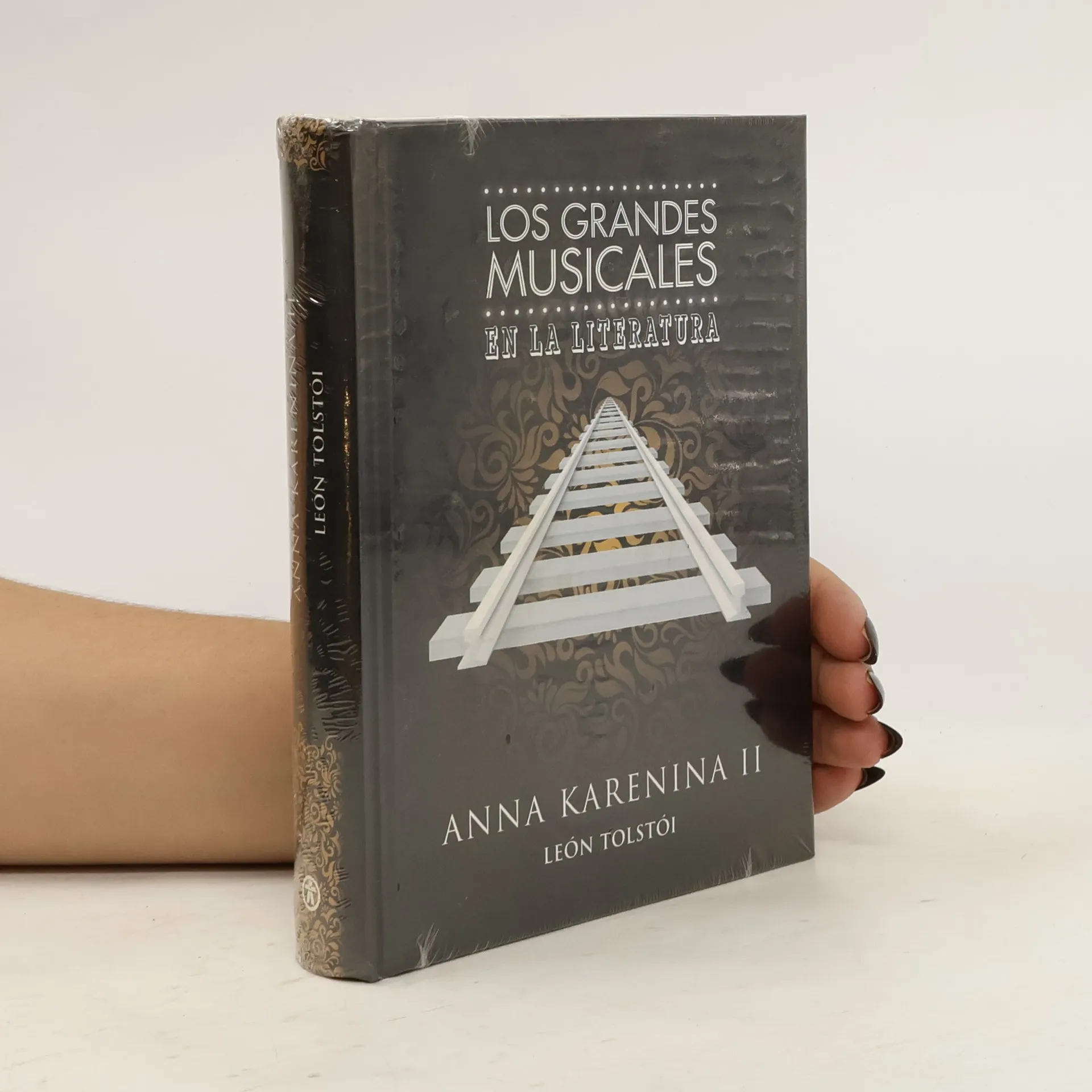
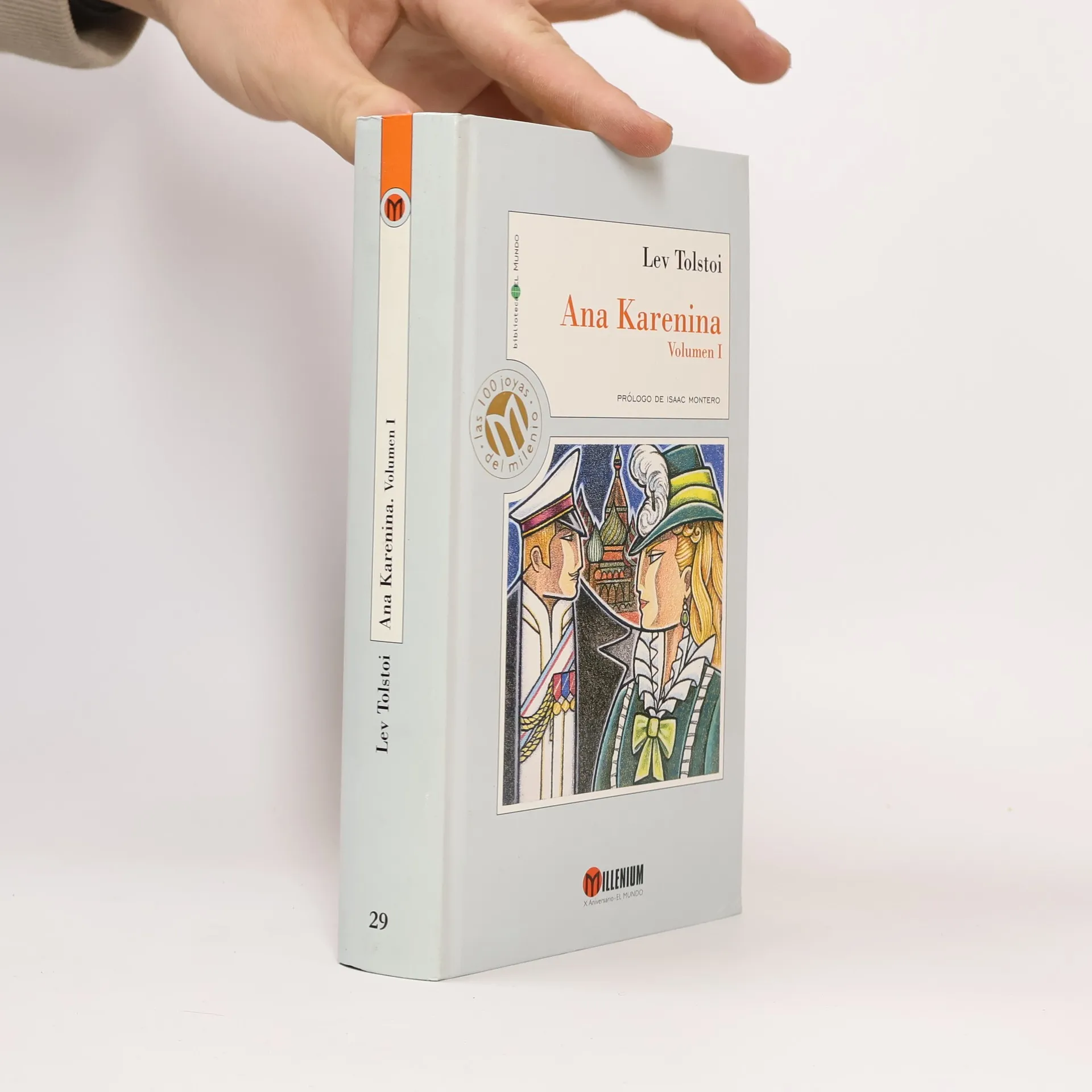
Anna Karenina es, junto con la monumental Guerra y paz, una de las obras clave Lev Tolstoi, en la que vemos todas las señas de identidad del gran realismo ruso: fina crítica social y multitud de personajes con una profundidad psicológica asombrosa. Las desventuras de Anna Karenina y su afán por integrarse en una sociedad hipócrita que la margina por adúltera, pero perdona los desmanes de su amante, nos hacen reflexionar sobre la invisibilización de la mujer a la par que nos ofrecen un fresco monumental de la Rusia decimonónica y todas sus contradicciones. Together with the monumental War and Peace, Anna Karenina is one of Leo Tolstoy's most important works and a classic of Russian realism. It contains all the hallmarks of that genre, from pointed social critique to psychologically complex characters. Anna Karenina's misadventures and eagerness to integrate into a hypocritical society that condemns her for adultery, but pardons her lover's excesses, offer a portrait of nineteenth-century Russia in all its contradictions. It also encourages us to reflect on the way women are invisibilized in society.
Hadjí Murat
- 216 páginas
- 8 horas de lectura
La novela se abre con un breve preludio en el que, al volver de un paseo, el narrador, con gran dificultad, recoge «un magnífico cardo en flor de la especie que llamamos cardo tártaro». El cardo es ya el implícito emblema de Hadjí Murat: ¡Cuánta energía y vitalidad! ¡Con qué tenacidad defendió su vida y qué cara la vendió! Hadjí Murat es la excepción más grandiosa del último Tolstoi, pues ahí el viejo chamán rivaliza con Shakespeare. La extraordinaria facultad de Shakespeare a la hora de dotar de una existencia exuberante incluso a los personajes más secundarios, a la hora de henchirlos de vida, es inteligentemente absorbida por Tolstoi. Todo el mundo en Hadjí Murat posee una vívida individualidad: Shamil, el zar Nicolás, Avdéiev, el desdichado soldado ruso muerto en una escaramuza o el príncipe Vorontsov, a quien Hadjí Murat se entrega. El catálogo parece interminable, como en las obras mayores de Shakespeare. Está también Vorontsov, jefe del ejército ruso, y su edecán, Lorís-Mélikov, que se encarga de la custodia de Hadjí Murat, así como Butler, un heroico oficial capaz de apreciar las cualidades del jefe tártaro.También resultan muy convincentes las dos mujeres más destaca das del relato: la princesa María Vasílievna, casada con el joven Vorontsov, y María Dimítrievna, la amante de un oficial de poco rango.Harold Bloom
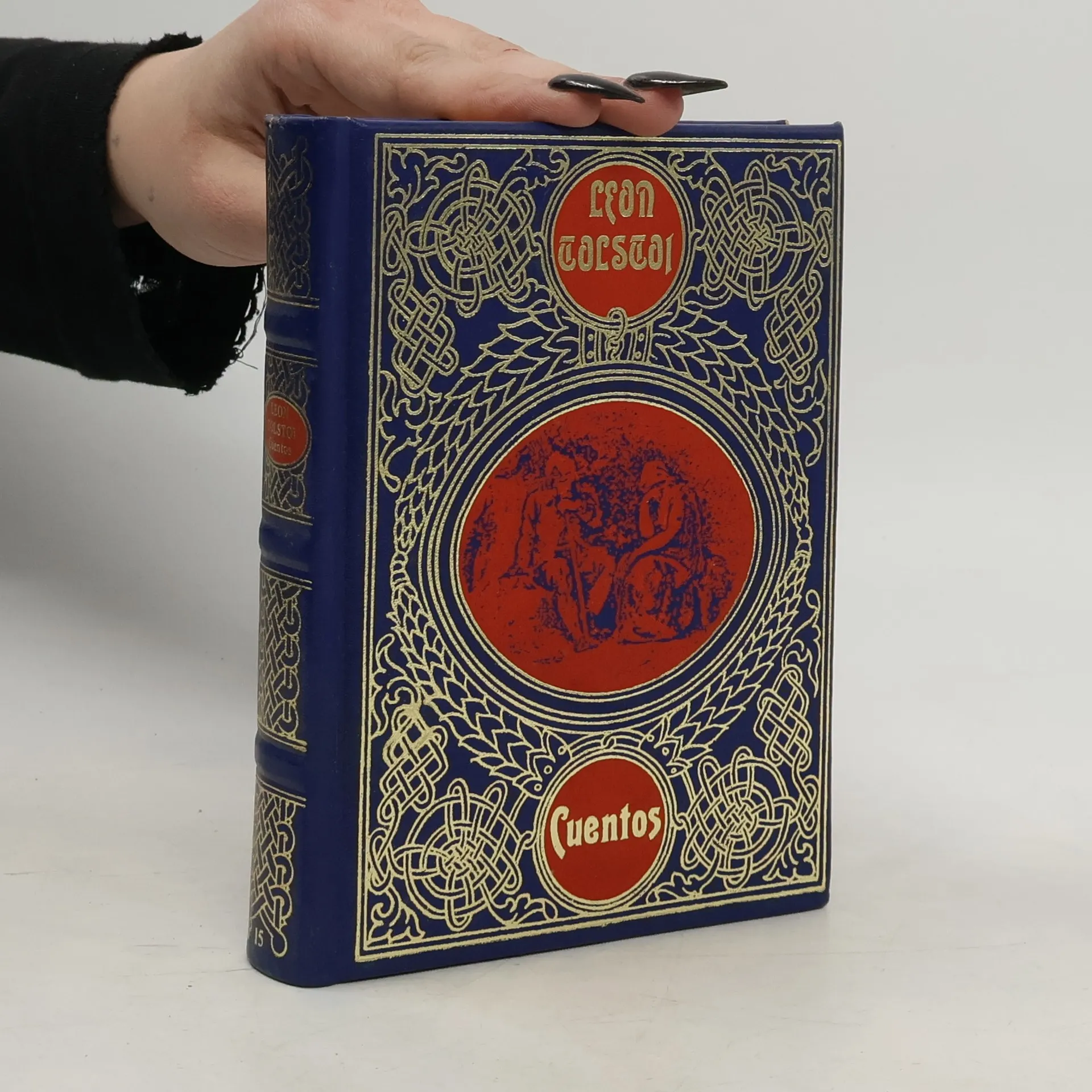
Cuentos
- 190 páginas
- 7 horas de lectura
Selección de cuentos de León Tolstoi:1. Iván el Imbécil2. Polikushka3. El mujik y el espíritu de las aguas4. El manatial5. La vida en el campo6. El Zar y la camisa7. Cambises y Psamético8. Los dos hermanos9. El músico Alberto10. Cuarenta años11. El rey de Asiria, Asarkadón12. El trabajo, la muerte y la enfermedad13. Tres preguntas14. Mil monedas de oro15. Lipunuschka16. El perro muerto17. Los melocotones
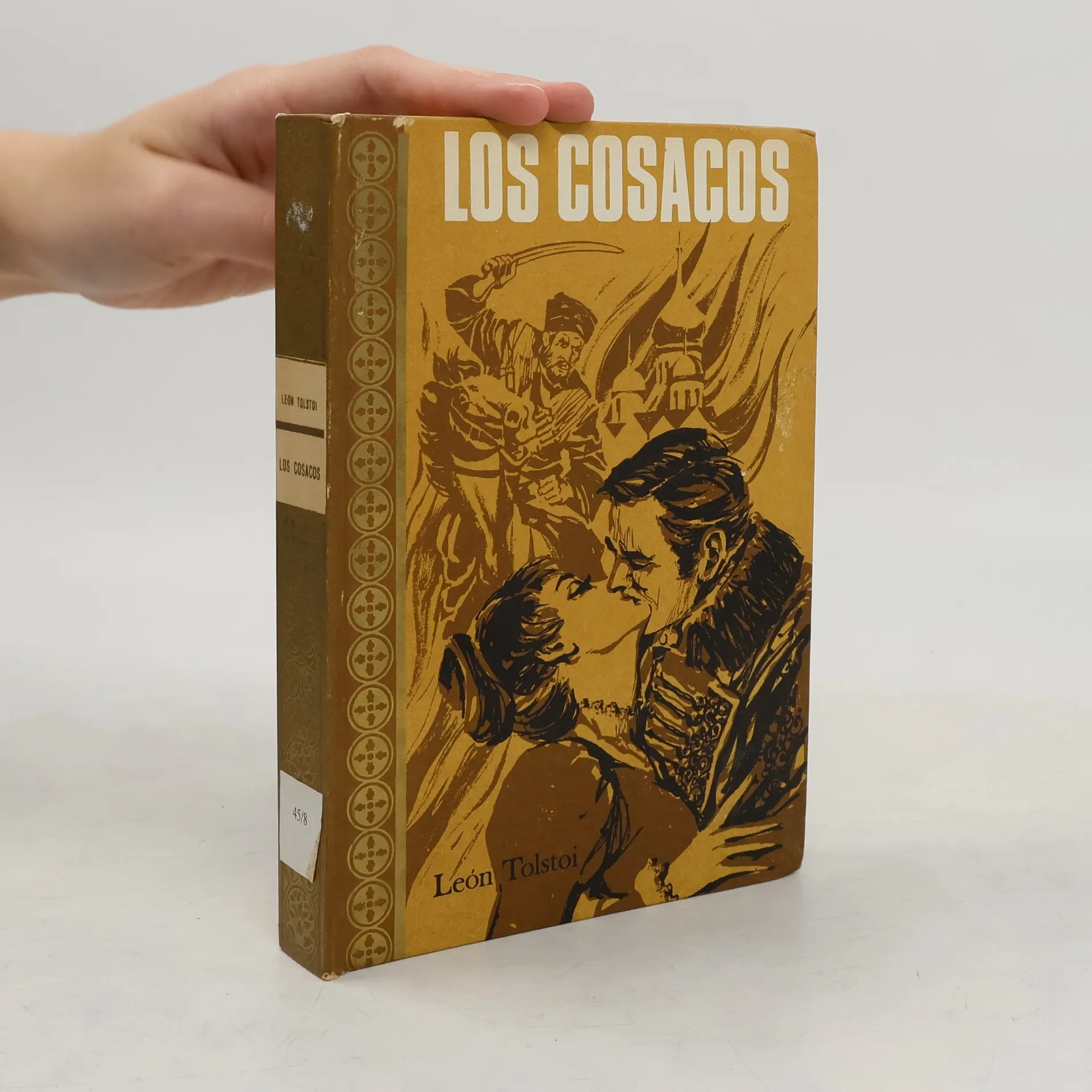
Ambientada en el Cáucaso durante las etapas finales de la Guerra del Cáucaso, esta novela corta explora temas de identidad y choque cultural a través de una lente semi-autobiográfica. Las experiencias de Tolstói en la región influyeron profundamente en la narrativa, que refleja su profundo compromiso con la vida de los cosacos. La obra recibió elogios de contemporáneos como Ivan Turgenev, quien la consideró la mejor de Tolstói. Escrita durante un período tumultuoso en la vida del autor, encarna tanto un significado personal como histórico.
«Los relatos de Sebastopol» de Lev Nikoláievich Tolstói (1828–1910) están dedicados a la heroica defensa de Sebastopol durante la Guerra de Crimea. Durante varios meses, Tolstói estuvo en la ciudad sitiada y participó en su defensa. Por su valentía, el joven oficial fue condecorado con la Orden de Santa Ana y medallas por la defensa de Sebastopol y en memoria de la guerra de 1853-1856. En los relatos, escritos bajo la fuerte impresión de los eventos de Sebastopol, el autor muestra la guerra "no en su forma correcta, hermosa y brillante, con música y redobles", sino "en su verdadera expresión: en sangre, en sufrimiento, en muerte...". Publicados entre 1855 y 1856 en la revista "Sovremennik", estos relatos consolidaron la reputación de Tolstói como un escritor brillante y talentoso, en quien, como escribió N. A. Nekrásof, se depositaban todas las esperanzas de la literatura rusa. Esta edición también incluye otros relatos tempranos de Tolstói: "La tormenta", "Tres muertes", "Polikushka".
Un conflicto literario se desarrolla entre Lev Tolstói y su esposa Sofía. Con su "Sonata a Kreutzer", Tolstói no solo impactó a sus lectores, sino también a Sofía, quien escribió su propia novela en respuesta. La historia narra la vida de un hombre desgarrado por los celos, que lo lleva a cometer un acto inimaginable, culpando a su esposa de su perdición. El libro generó un escándalo al revelar una visión perturbadora sobre el matrimonio y las mujeres, percibida como una confrontación personal con Sofía. En su respuesta literaria, Sofía retrata de manera sensible a la pareja y reinterpreta la obra de su esposo. "Una cuestión de culpa" aborda las fatalidades de la alienación entre cónyuges, las decepciones y la falta de confianza, aunque Sofía no se atrevió a publicar su novela en vida. La comparación de ambas obras revela el profundo abismo que separaba a estos dos escritores.
Los dos húsares
- 93 páginas
- 4 horas de lectura
León Tolstoi (1828-1910) es uno de los grandes narradores de la literatura rusa, autor de las monumentales novelas Guerra y Paz y Ana Karenina. Anarquista, precursor del vegetarianismo, cristiano libertario, pacifista, se adscribió a la corriente del realismo con el fin de hacer un certero y crítico retrato de la sociedad de su tiempo. 19 de abril de 1856 Un Tolstoi de 28 años escribe en su diario (“Diarios (1847-1894)”) que ha terminado su novela en curso (“Padre e Hijo”) a la que, siguiendo el consejo de su amigo y poeta Nekrasov (que por entonces era también codirector de la prestigiosa revista literaria rusa “El Contemporáneo” -primer lugar en qué se publicó esta novela corta-) cambia el título por el de “Los Dos Húsares”, nombre con el que se conocerá partir de ese momento.
Versión completa del ruso. Teatro: El Poder De Las Tinieblas, Los Frutos de la civilización, El Vagabundo, El Mujik y el obrero, El cadáver viviente. Novelas: Infancia, Adolescencia y juventud, Ana Karenina, Guerra y Paz, Felicidad conyugal, Las decembristas, Hadji Murat, Resurrección, La Sonata de Kreutzer. Cuentos: Cuentos para niños, cuentos populares, recuerdos, primeros recuerdos.
Guerra i pau. Vol. II
- 522 páginas
- 19 horas de lectura
La muerte de Iván Ilich
- 48 páginas
- 2 horas de lectura
'La muerte de Iván Ilich' de León Tolstoi es una novela introspectiva que examina la vida, la muerte y la búsqueda de significado. A través de la historia de un hombre de la alta sociedad que enfrenta su mortalidad, Tolstoi cuestiona las convenciones sociales y reflexiona sobre el sufrimiento humano.
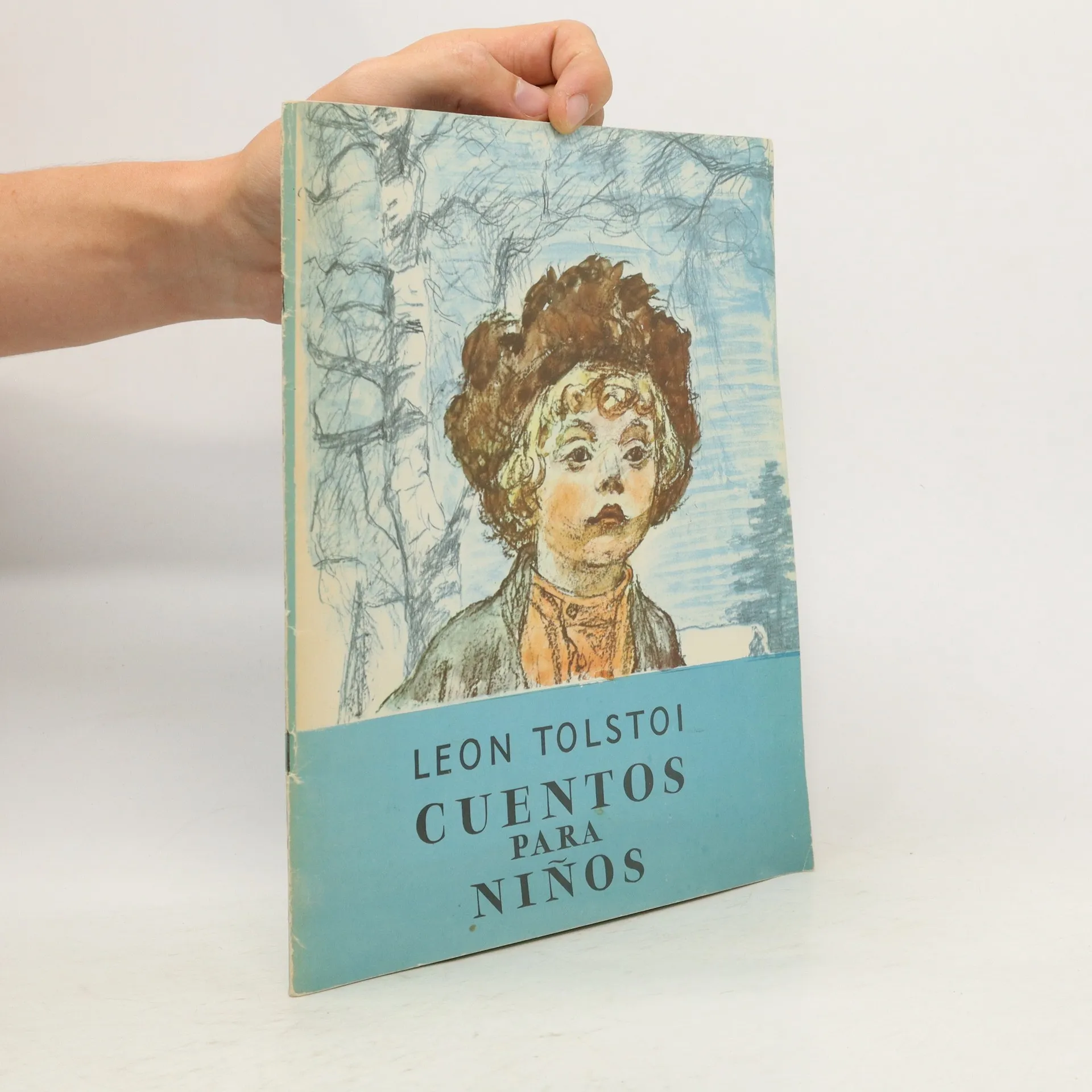
Leo Tolstói, reconocido por sus obras literarias maestras, también creó una colección de cuentos dirigidos a niños. Estos relatos reflejan su profunda comprensión de temas morales y éticos, mostrando su capacidad para atraer a los jóvenes lectores con narrativas cautivadoras. A través de una narración imaginativa, Tolstói transmite valiosas lecciones de vida, haciendo que sus historias para niños sean tanto entretenidas como educativas.
Las Tres Edades - 114: Iván el tonto y otros cuentos
- 128 páginas
- 5 horas de lectura
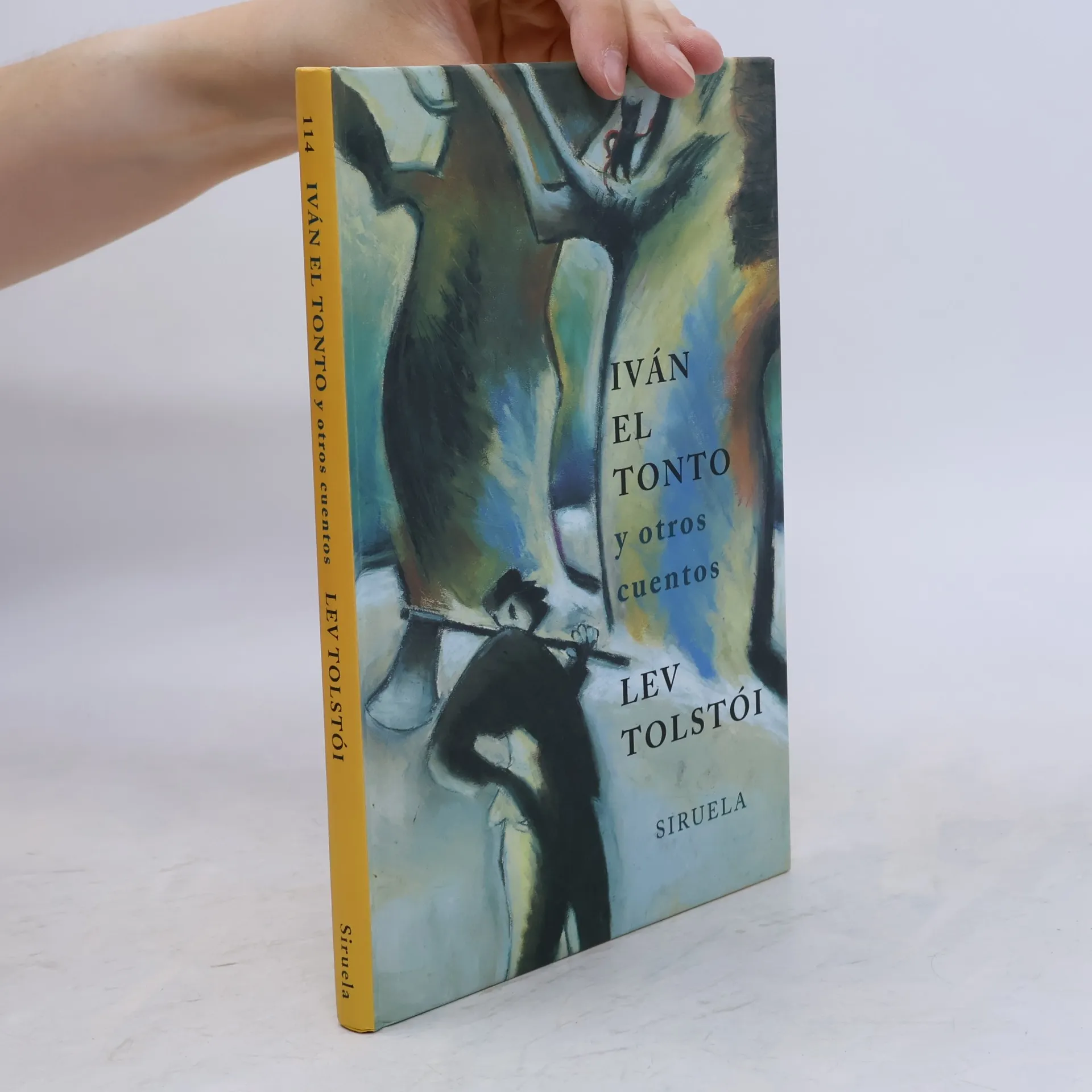
¿Qué puede hacer un diablo ante la pureza y la bondad de alguien como Iván el Tonto? Todos sus intentos por corromperlo, por provocar su codicia y su ambición con dinero y otras promesas son vanos. Sin siquiera proponérselo, Iván arruina una y otra vez con su inocencia y su tesón las tretas con las que el diablo juega a llevarlo a su terreno. De manera desinteresada, Iván hace el bien a sus vecinos sin esperar recompensa, del mismo modo que se ocupa de labrar la tierra o de recoger la cosecha. En las 27 historias recogidas en el libro, muchas de ellas inspiradas en la mitología popular rusa y en las fábulas de la tradición clásica, el conde ruso Lev Tolstói (1828-1910), una de las grandes figuras de la cultura universal, demuestra su confianza en el género humano y especialmente en los niños y jóvenes, que a través de su inocencia y grandeza representan la esperanza de la sociedad. Exaltando valores esenciales del alma humana como la nobleza, la honestidad, el amor por la justicia y la libertad, sus moralejas se ambientan tanto en una cabaña como en el palacio de un rey, y todas las situaciones sirven para poner a prueba el ingenio y demostrar que el camino del bien siempre enriquece al hombre y lo conduce más fácilmente a la felicidad.
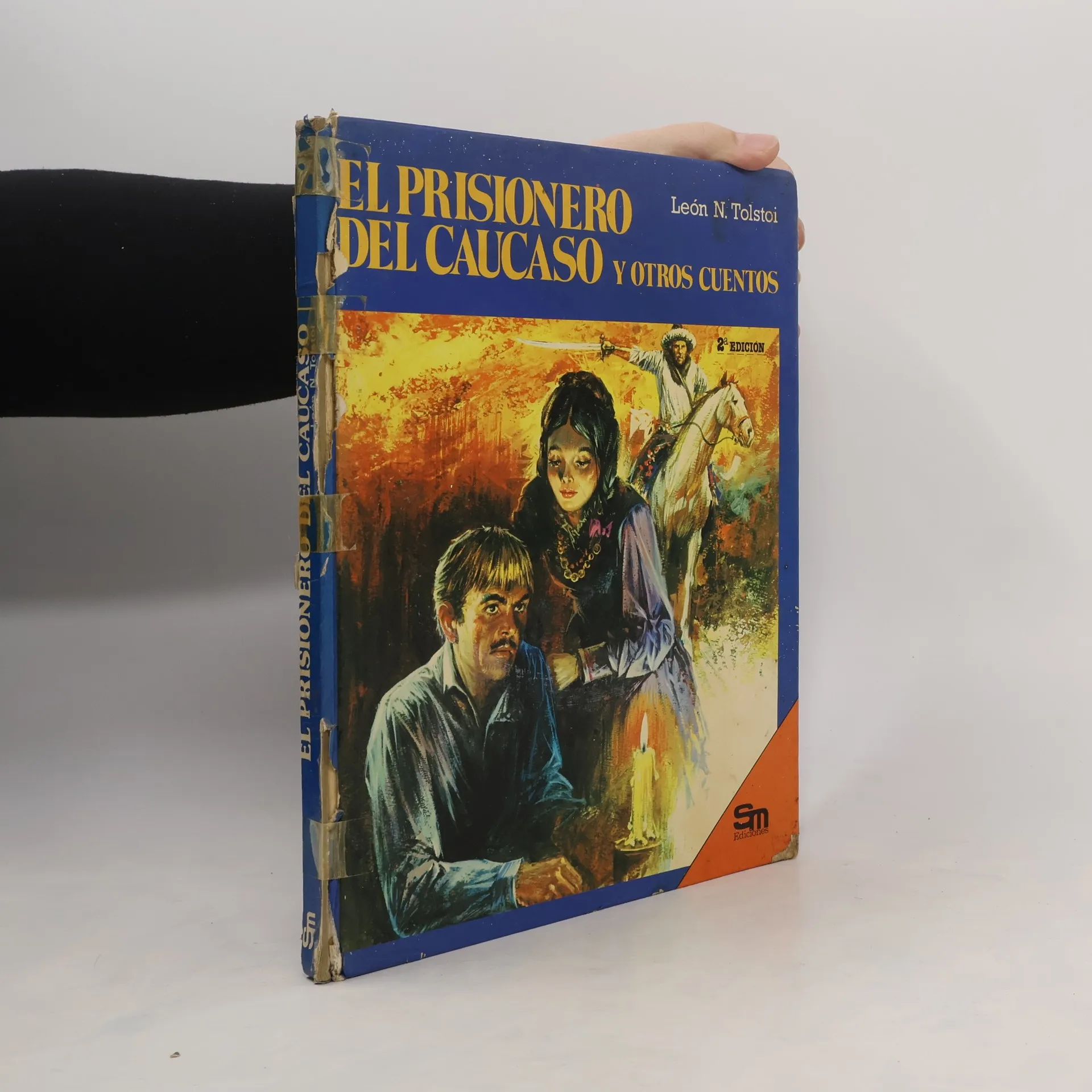
El prisionero del Cáucaso y otros cuentos - 2ª Edición
- 83 páginas
- 3 horas de lectura
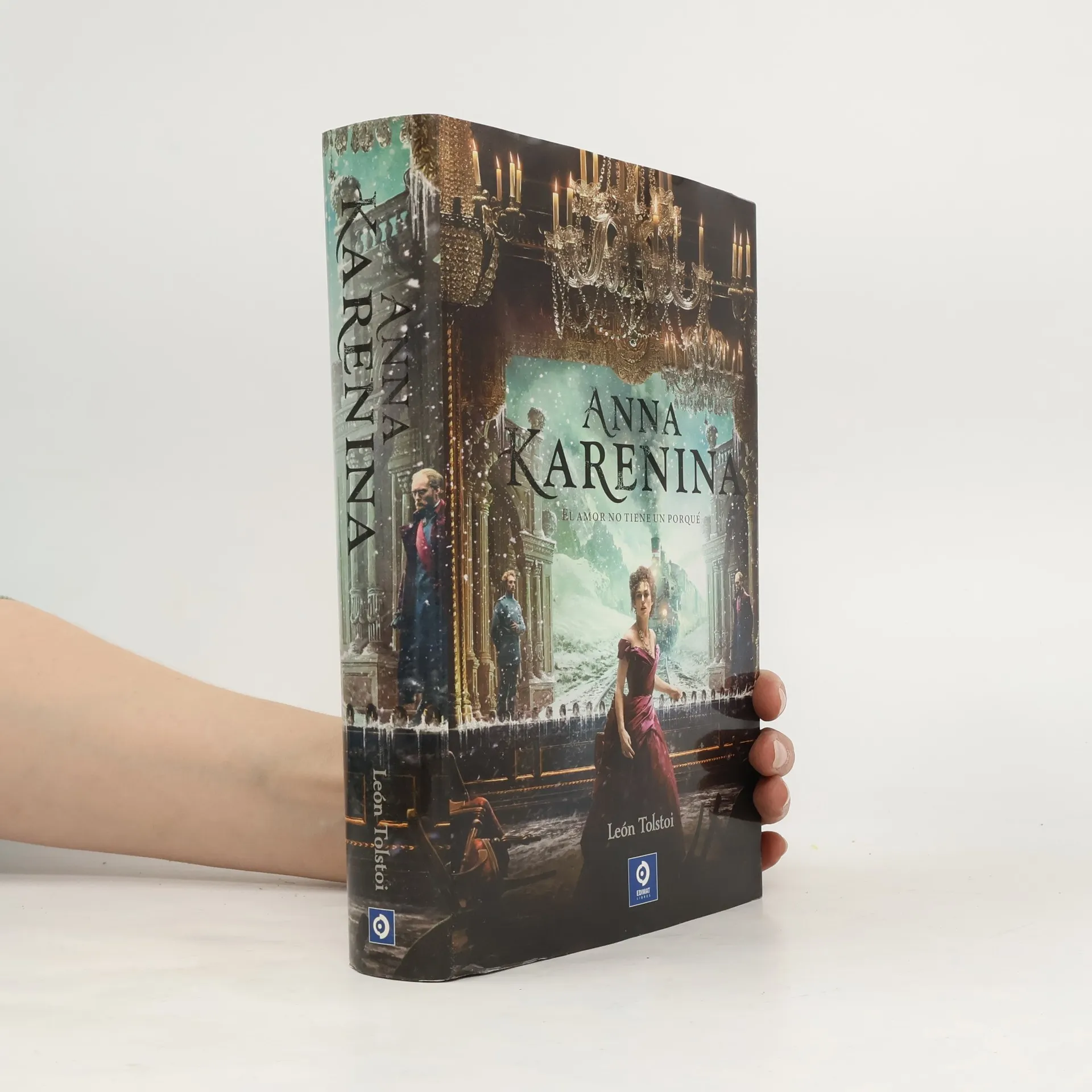
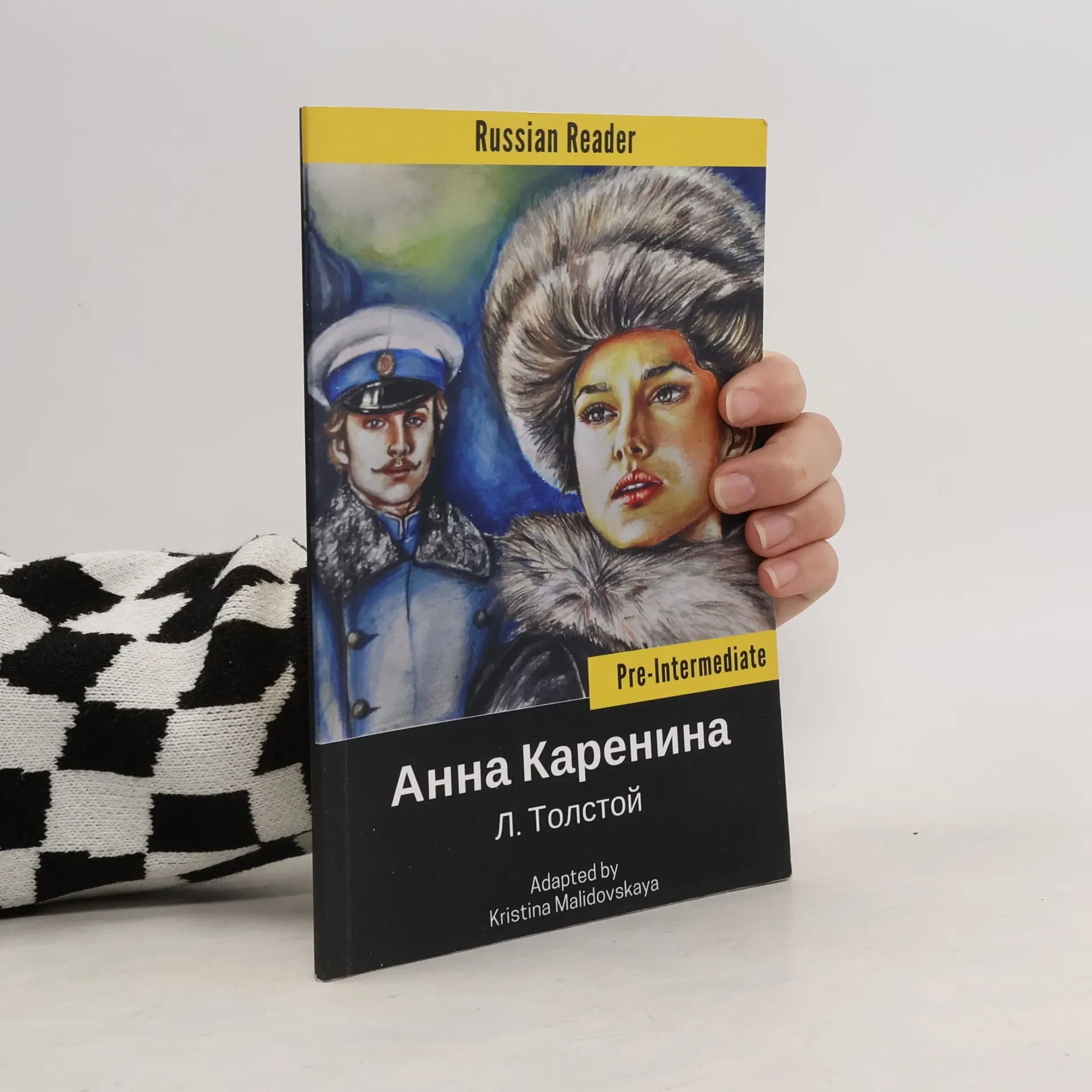
Clásicos de pelicula - 3: Anna Karenina
- 496 páginas
- 18 horas de lectura
La joven Anna, casada contra su voluntad con un funcionario, sucumbe a las solicitudes de Vronski, un guapo militar. Rechazada por la alta sociedad rusa y embarazada de él, huye con su amante a Italia. Pero su marido no accede a concederle el divorcio y no le permite ver a su hijo, lo que le crea una situación de angustia y remordimiento. Publicada en 1887, es ésta una de las novelas más importantes de Tolstoi (1828-1910). Escrita con realismo y enorme intensidad, le sirve al autor para exponer, a través de la peripecia vital de su protagonista, su idea de que el núcleo fundamental de la sociedad no es el individuo, sino la familia; a la vez, expresa su rechazo hacia una sociedad hipócrita que, aislando a la protagonista, la empuja al suicidio. Como elemento de contraste, frente a los amores ilícitos, presididos por la pasión y egoístas en el fondo, de Anna, se narra la historia de Levin y Kitty, una pareja feliz y sana que simboliza el amor conyugal creador de familia. Se introduce así en el relato un elemento ético, que será característico de la última etapa de la producción artística del autor.
The novel "War and Peace," written between 1863 and 1869, is a four-part epic and one of the greatest works of world literature. It features over 250 characters, including historical figures such as Tsar Alexander I, Emperor Napoleon, and General Kutuzov. The extensive and vivid depictions of battles, such as those at Austerlitz and Borodino, as well as the desolate, burning Moscow, are unparalleled in literature. Intimate scenes from the lives of the upper class, along with romantic entanglements and adventures, alternate with portrayals of historical events and the struggle of the Russian people against Napoleon. Tolstoy drew inspiration not only from global historical events but also from his own family's experiences. For instance, the character Natasha Rostova and her life struggles were inspired by his sister-in-law T. A. Kuzminskaya. The third part of the epic takes place in 1812 and recounts events such as the Battle of Borodino and Napoleon's presence in Moscow.
The novel intricately weaves the lives of five families against the backdrop of the Napoleonic Wars, exploring the profound impact of conflict on personal and societal levels. Tolstoy presents a vast array of characters, including historical figures, while delving into themes of love, loss, and resilience. In the epilogues, he offers a reflective philosophy on history, challenging the notion of the Great Man Theory and emphasizing the significance of small events in shaping the past. Celebrated for its depth and scope, this epic work remains a pivotal piece of world literature.
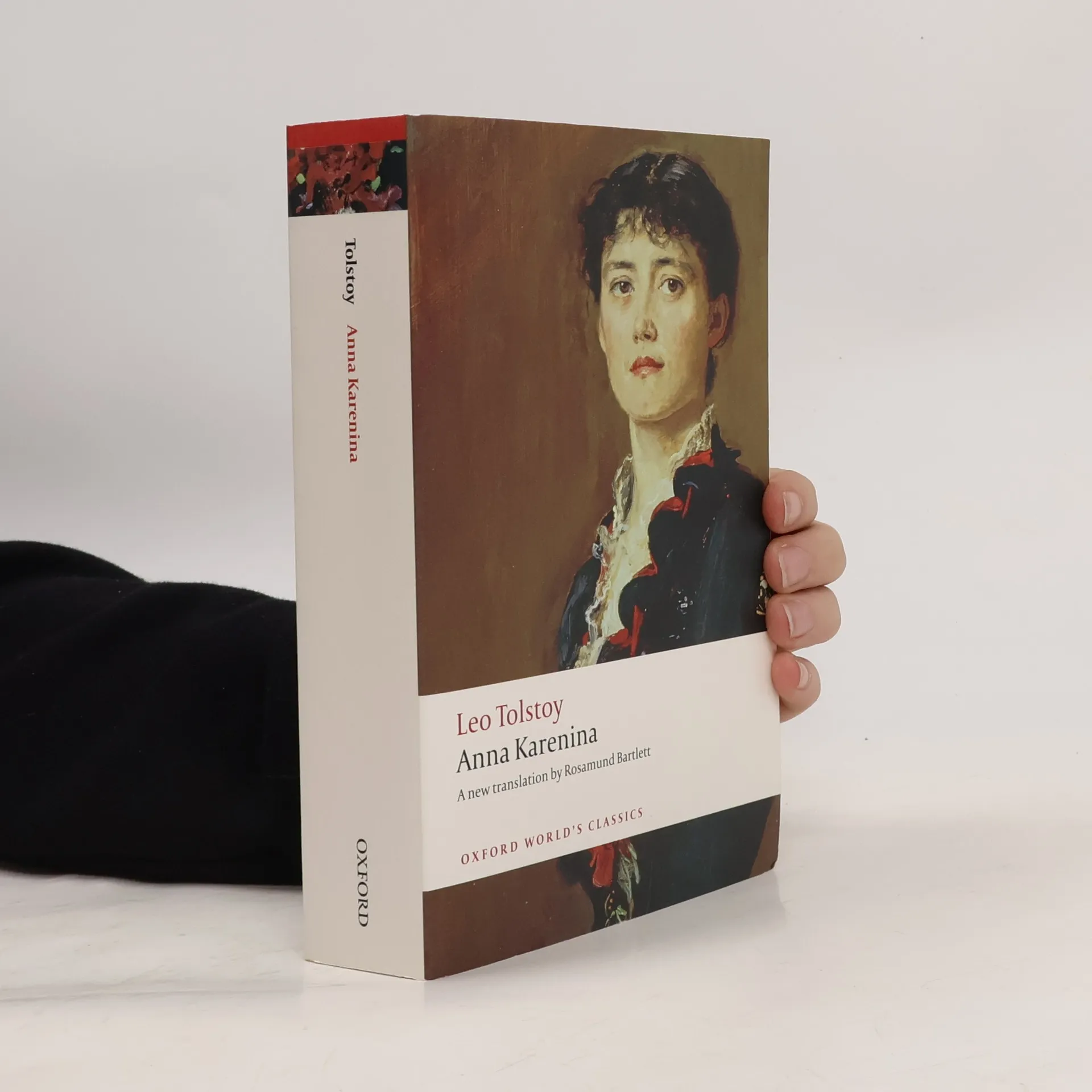
Oxford World's Classics: Anna Karenina
A New Translation by Rosamund Bartlett, English Edition
- 896 páginas
- 32 horas de lectura
One of the greatest novels ever written, Anna Karenina is the story of a beautiful woman whose passionate love for a handsome officer sweeps aside all other ties. This major translation conveys Tolstoy's precision of meaning and emotional accuracy in an English version that is highly readable and stylistically faithful.
L. N. Tolstoy wrote War and Peace between 1863 and 1869, with the complete four-volume edition published in 1869. Initially condemned by critics, the novel achieved immense popularity, leading to rapid sales of its editions. It is a classic epic novel depicting Russian society in the early decades of the 19th century. Alongside a multitude of realistically portrayed characters set against historical events, it vividly presents figures such as General Kutuzov and Napoleon. The narrative includes detailed accounts of the Napoleonic Wars between Russia and France from 1805 to 1812, notably the Battle of Austerlitz in 1805, the Battle of Borodino, and the French occupation of Moscow. The main characters are two nobles, Andrei Bolkonsky and Pierre Bezukhov, along with members of the Rostov family. Pierre Bezukhov embodies Tolstoy's philosophical ideas, often providing insightful commentary on the political and social dynamics of his time, as well as on significant historical figures. The novel has been successfully adapted into film multiple times.
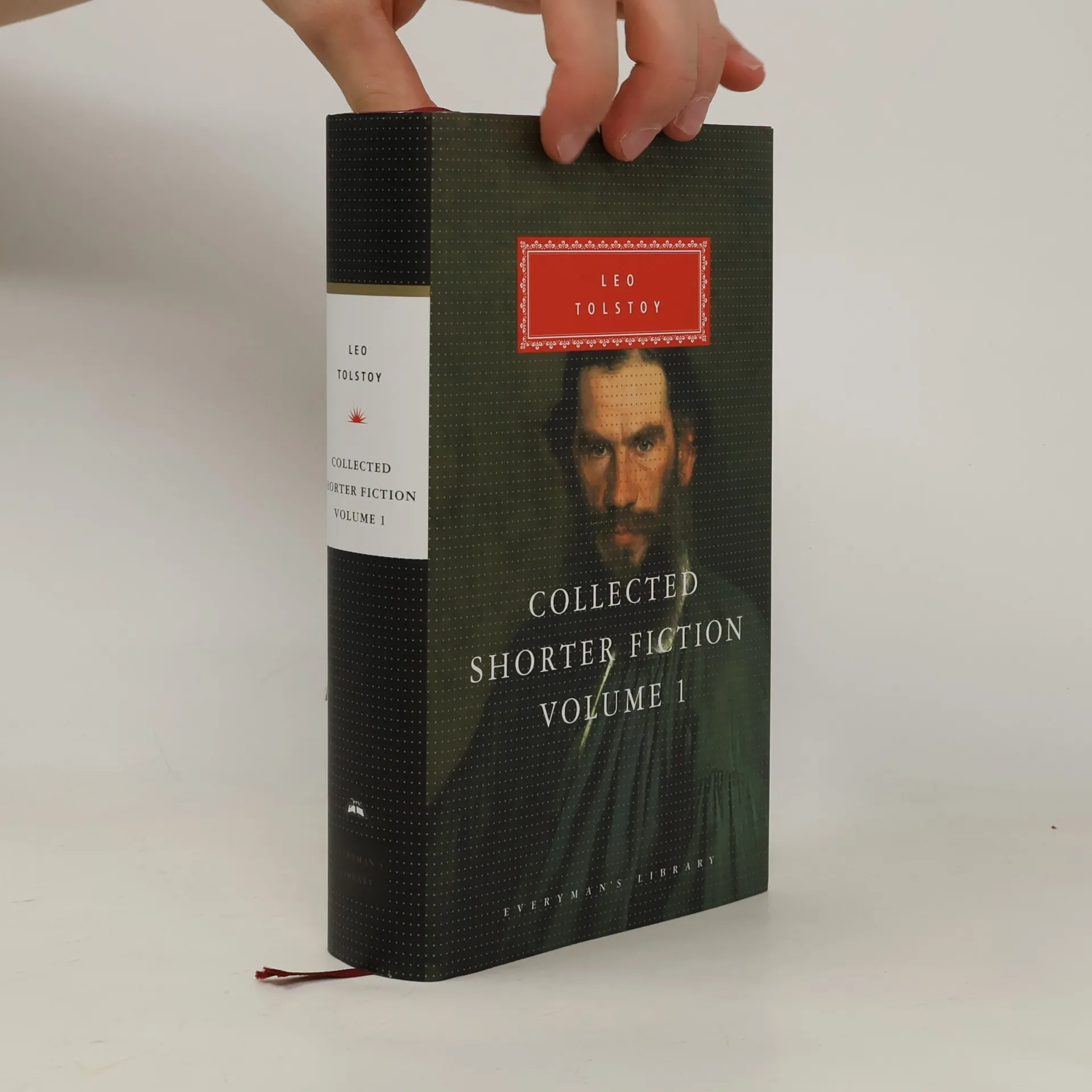
Everyman's Library: Collected Shorter Fiction Volume 1
- 848 páginas
- 30 horas de lectura
Volume 1 of the Everyman Collected Shorter Fiction is dominated by the characteristic experiences of his early life as soldier, land-owner, husband and father, the life which shaped Anna Karenina and War and Peace. schovat popis
Malashka and Akulka, two little girls, are playing together happily when they get into a disagreement... and before you know it, the entire village is involved! This adapted classic about conflict and resolution is printed with Tara Books' vintage letterpress.
War and Peace Book 4
- 80 páginas
- 3 horas de lectura
Set against the backdrop of the 1812 French invasion of Russia, the narrative intricately weaves the lives of various Russian families, highlighting the impact of the Napoleonic era on society. Beyond its historical framework, the book delves into philosophical discussions and character explorations, showcasing individuals from diverse backgrounds as they navigate the complexities of their time. It employs innovative narrative techniques reminiscent of early 19th-century literature, ultimately presenting a profound analysis of humanity's emotional and psychological evolution.
Youth
- 182 páginas
- 7 horas de lectura
Focusing on the transition from adolescence to adulthood, the novel explores Nikolenka's experiences as he navigates friendship, love, and personal growth while preparing for university. Through his relationship with Dmitri and the emotional challenges he faces, readers witness his awakening to complex feelings and moral revelations. This semi-autobiographical work captures the essence of youth, nostalgia, and the bittersweet nature of memories, showcasing Tolstoy's emerging literary prowess and philosophical depth that would characterize his later masterpieces.
Master and Man
- 48 páginas
- 2 horas de lectura
Set during a harsh Russian winter, the narrative follows the journey of Vasili Andreevich Brekhunov and his servant, Nikita. Through their interactions, the story delves into profound themes of human nature, morality, and the relentless pursuit of material wealth. Despite its short length, it offers a thought-provoking exploration of the dynamics between master and servant, highlighting the philosophical complexities of their relationship.
Great Short Works of Leo Tolstoy
- 685 páginas
- 24 horas de lectura
The brilliant shorter novels of Tolstoy, including The Death of Ivan Ilych and Family Happiness, collected and reissued with a beautiful updated design. Of all Russian writers Leo Tolstoy is probably the best known to the Western world, largely because of War and Peace, his epic in prose, and Anna Karenina, one of the most splendid novels in any language. But during his long lifetime Tolstoy also wrote enough shorter works to fill many volumes. Here reprinted in one volume are his eight finest short novels, together with "Alyosha the Pot", the little tale that Prince Mirsky described as "a masterpiece of rare perfection."
A Confession by Leo Tolstoy, Religion, Christian Theology, Philosophy
- 108 páginas
- 4 horas de lectura
Exploring profound existential questions, Tolstoy delves into his spiritual journey and the search for life's meaning. He reflects on his abandonment of Russian Orthodox faith, his achievements, and the subsequent sense of emptiness that followed. Through encounters with science, philosophy, and the insights of fellow writers, he finds no satisfactory answers. Ultimately, Tolstoy concludes that the deep religious convictions of ordinary people hold the key to understanding life's purpose. This essay offers a poignant examination of melancholia, philosophy, and faith from the esteemed author.
The Greatest Short Stories of Leo Tolstoy
- 610 páginas
- 22 horas de lectura
Recognized as one of the greatest novelists and moral philosophers, Leo Tolstoy's works delve deeply into the complexities of human nature and morality. His narratives often explore themes of love, faith, and the search for meaning in life, reflecting his profound philosophical insights. Tolstoy's ability to weave intricate character studies within sweeping historical contexts has left a lasting impact on literature, influencing countless writers and thinkers across generations. His legacy continues to resonate in discussions of ethics and the human condition.
The Death of Ivan Ilyich and Master and Man
- 160 páginas
- 6 horas de lectura
Exploring profound themes of mortality and life's meaning, this edition features two significant works by Tolstoy. "The Death of Ivan Ilyich" follows a bureaucrat reflecting on his seemingly wasted life as he faces death, while "Master and Man" depicts a landowner and his servant navigating a perilous snowstorm, forcing them to reassess their values and relationships. Both stories, newly translated by Ann Pasternak Slater, offer moving insights into the human experience of dying and the quest for spiritual redemption.
The Forged Coupon and Other Stories
- 146 páginas
- 6 horas de lectura
Featuring a variety of narratives, this collection highlights Tolstoy's profound understanding of human nature and the complexities of social issues. Each story delves into moral dilemmas, reflecting the author's philosophical inquiries and ethical reflections. Published in 1911, these tales continue to resonate with readers, offering timeless insights into the human condition.
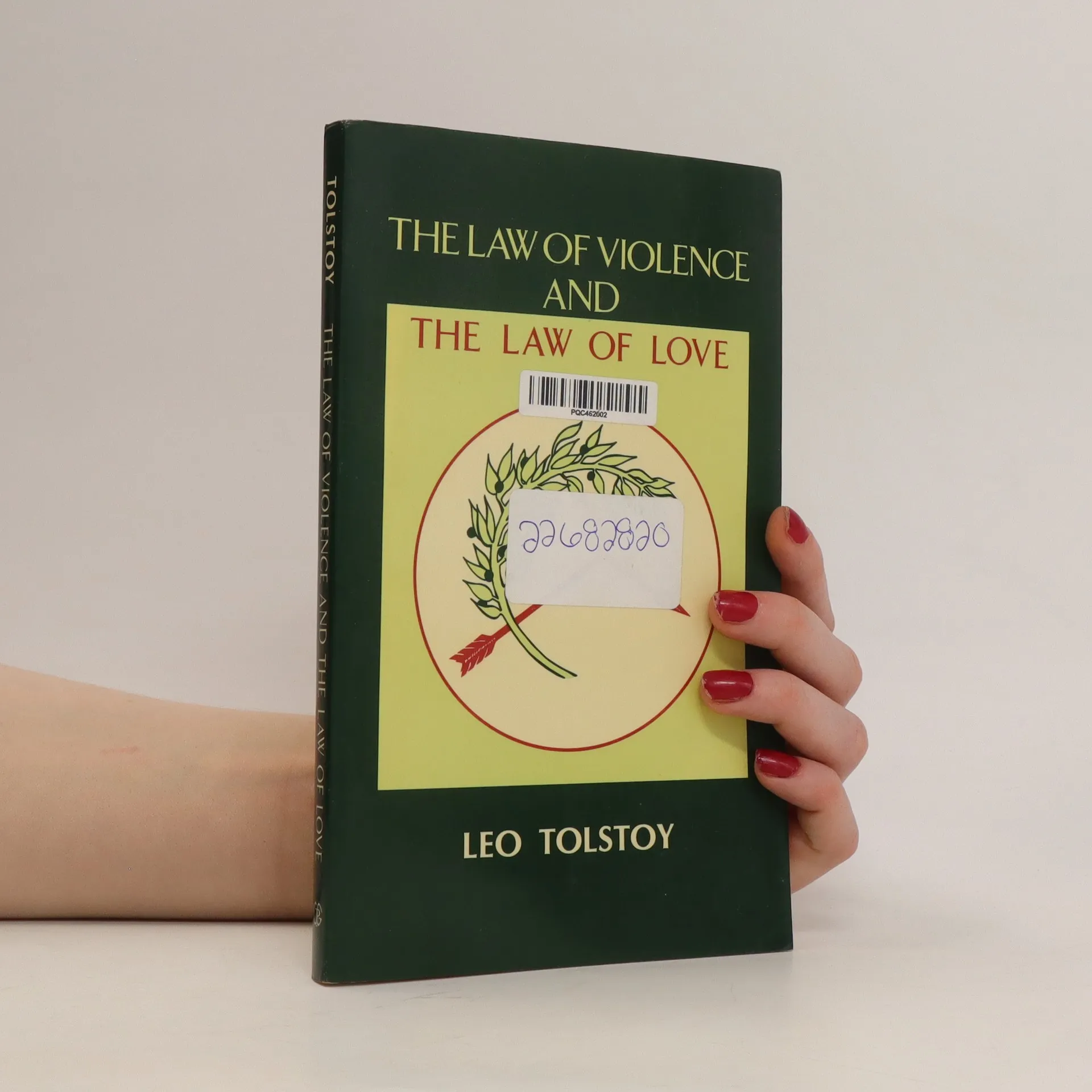
The Law of Violence and The Law of Love
- 87 páginas
- 4 horas de lectura
This treatise expresses and explores a philosophy that has inspired Gandhi, Martin Luther King, Jr., and countless others. Written just before World War I, it examines the conflicts within and among nations and articulates Tolstoy's famous dictum that it is morally superior to suffer violence than to do violence.
TOLSTOY ON SHAKESPEARE
- 136 páginas
- 5 horas de lectura
The author reflects on his profound disillusionment with Shakespeare's works, initially expecting aesthetic pleasure but instead experiencing repulsion and tedium. As he revisits the plays at seventy-five, his conviction deepens that the veneration surrounding Shakespeare distorts both aesthetic and ethical understanding. He argues that this misplaced admiration constitutes a significant cultural deception, challenging the notion of Shakespeare's genius and its impact on literary and moral perceptions.
Father Sergius
- 50 páginas
- 2 horas de lectura
The story explores Father Sergius's moral journey within a society rife with stereotypes, from the ambitious young soldier captivated by the emperor's grandeur to the idealized beauty of his fiancée, embodying innocence. As he transitions to monastic life, he encounters the abbot, a learned and aristocratic figure, representing a lineage of monks. This narrative delves into themes of identity, ambition, and the contrast between societal expectations and personal growth.
Set in the years leading up to and culminating in Napoleon's disastrous Russian invasion, this novel focuses upon an entire society torn by conflict and change. Here is humanity in all its innocence and corruption, its wisdom and folly.
The Death of Ivan Ilyich: New Translation
- 192 páginas
- 7 horas de lectura
'The Death of Ivan Ilyich - is usually regarded as an amazing narrative of the experience of dying, a search for the meaning of death. It is all that, and more: it's a great questioning of what is and what ought to be in a human life.' Nadine Gordimer
This is a reader covering Tolstoy's later beliefs after he had rejected orthodox religion. The book mainly draws on Confession (1879), What is My Faith? (1884) and other occasional pieces.
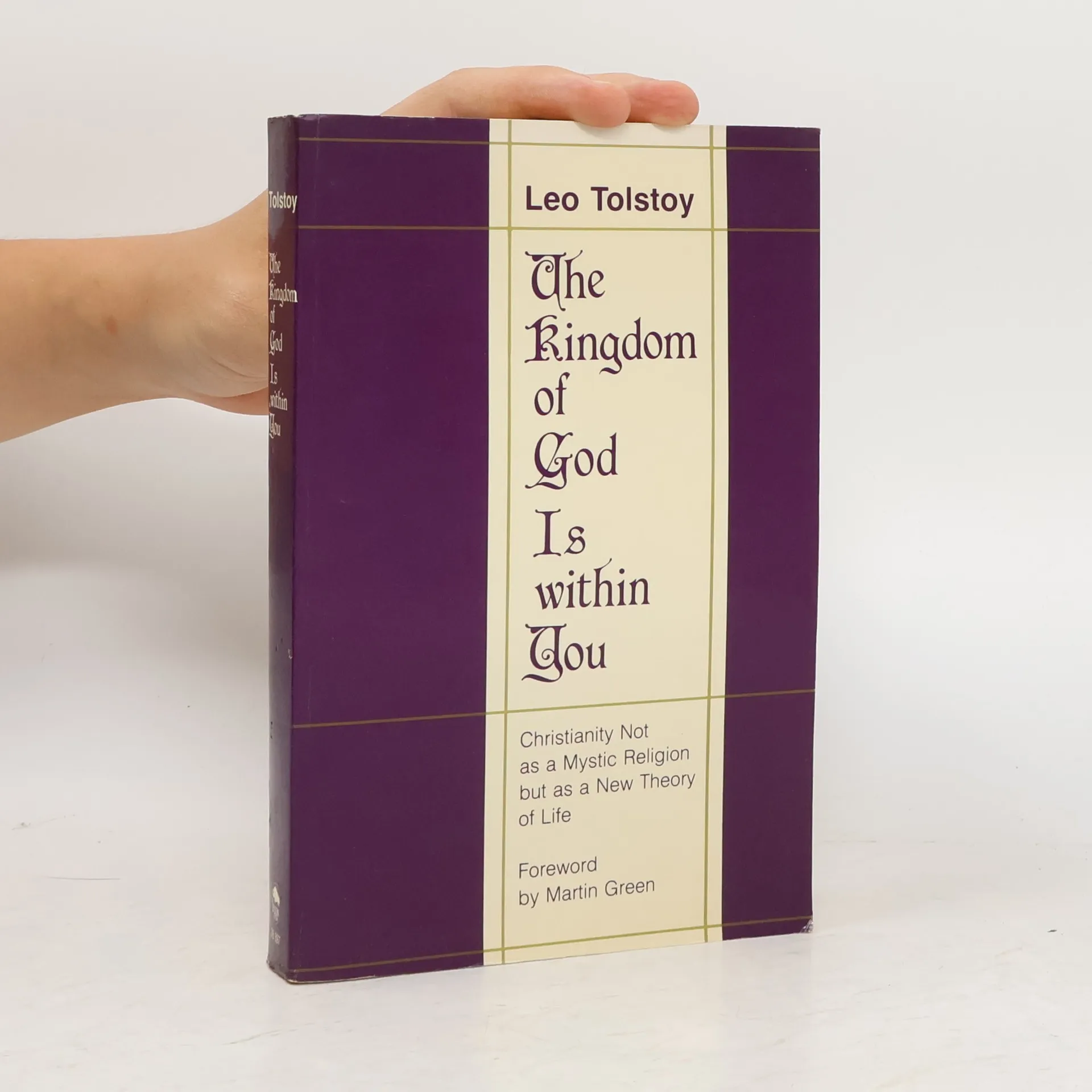
The Kingdom of God is Within You
Christianity Not as a Mystic Religion But as a New Theory of Life
- 398 páginas
- 14 horas de lectura
First published in Germany in 1894, after being banned in Russia, The Kingdom of God Is within You reveals Tolstoy’s world outlook after his conversion to Christianity. He argues that the kingdom of God is within reach of all. The core of the book deals with his nonresistance to evil, a principle Tolstoy passionately advocated. Gandhi was won over by the book. Tolstoy clearly describes the hazards that bullying governments and false beliefs produced. “The situation of the Christian part of humanity—with its prisons, forced labor, gallows, saloons, brothels, constantly increasing armaments, and millions of confused people ready like trained hounds to attack anyone against whom their masters set them—this situation would be terrible if it were the product of coercion, but it is above all the product of public opinion.” Abhorring the violence of revolution, Tolstoy calls on Christians to remember that the only guide for their actions is to be found in the divine principle dwelling within them, which in no sense can be checked or governed by anyone or anything else.
The Death of Ivan Ilyich
- 96 páginas
- 4 horas de lectura
A middle-aged judge who had never thought about his own mortality, must readjust his thinking when he learns he has a terminal illness
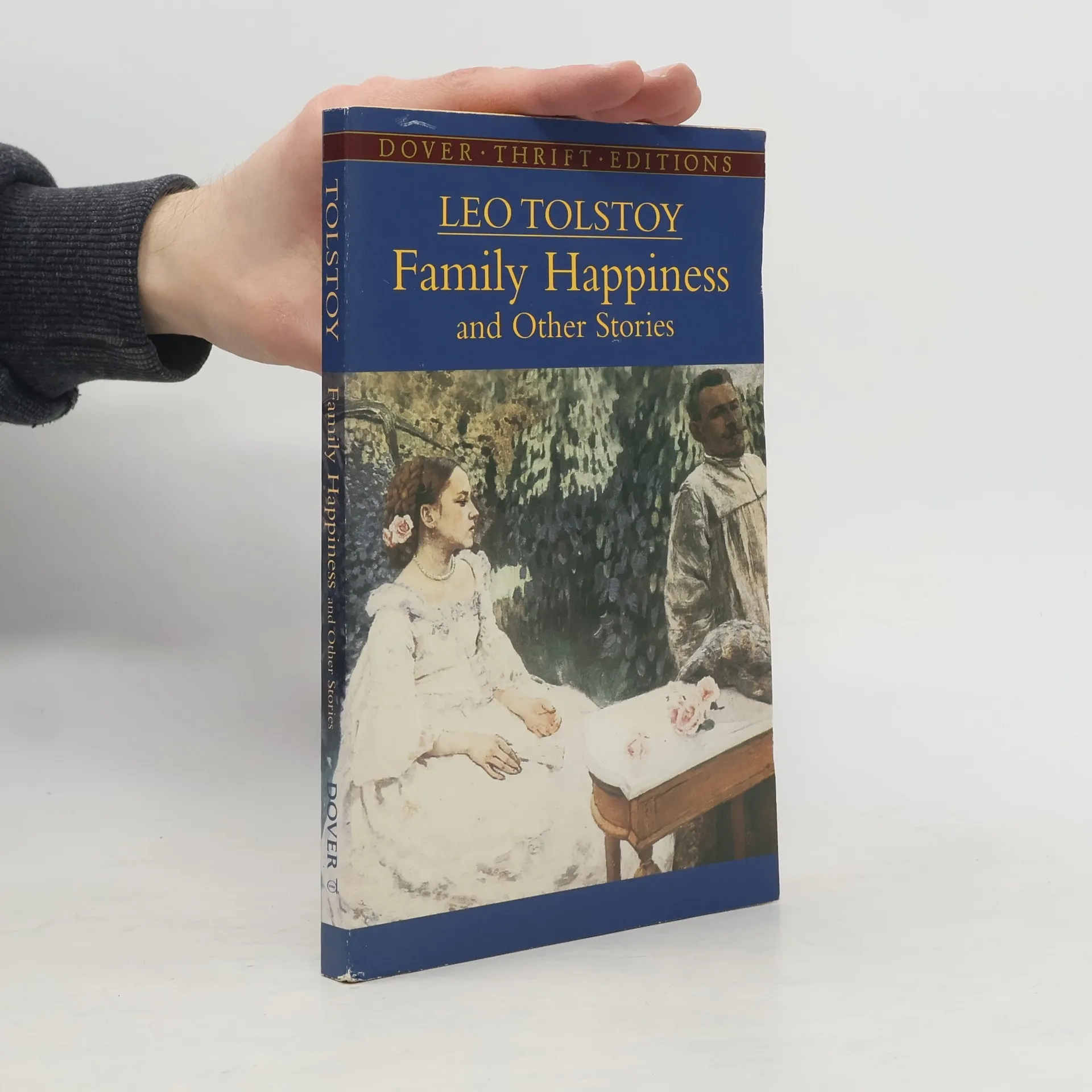
Dover Thrift Editions: Family Happiness and Other Stories
- 208 páginas
- 8 horas de lectura
Each of the 6 powerful tales in this collection exhibits the rich detail, shrewd observations, and vivid narration that characterize Tolstoy's famous novels. In addition to the title story, this compilation includes "Three Deaths," "The Three Hermits," "The Devil," "Father Sergius," and "Master and Man."
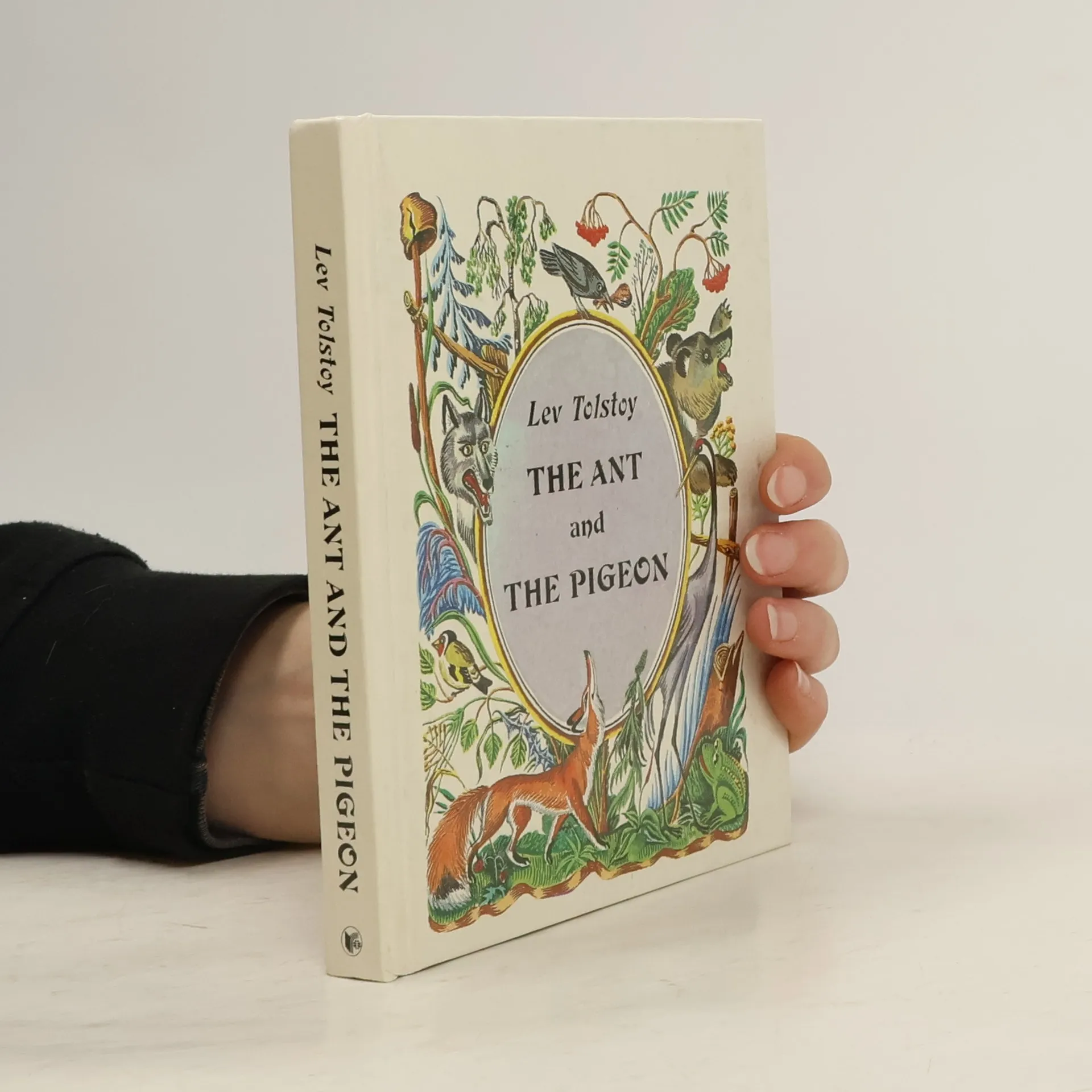
The Ant and the Pigeon
- 158 páginas
- 6 horas de lectura
THE MORAL OF THIS STORY IS"ONE GOOD TURN DESERVES ANOTHER"
My Religion
- 160 páginas
- 6 horas de lectura
"I have not always been possessed of the religious ideas set forth in this book. For thirty-five years of my life I was, in the proper acceptation of the word, a nihilist,--not a revolutionary socialist, but a man who believed in nothing. Five years ago faith came to me; I believed in the doctrine of Jesus, and my whole life underwent a sudden transformation". Leo Tolstoy
The Death of Ivan Ilyich and Confession
- 224 páginas
- 8 horas de lectura
A pairing of Tolstoy's most spiritual and existential works of fiction and nonfiction from the renowned translator of Turgenev and Chekhov.
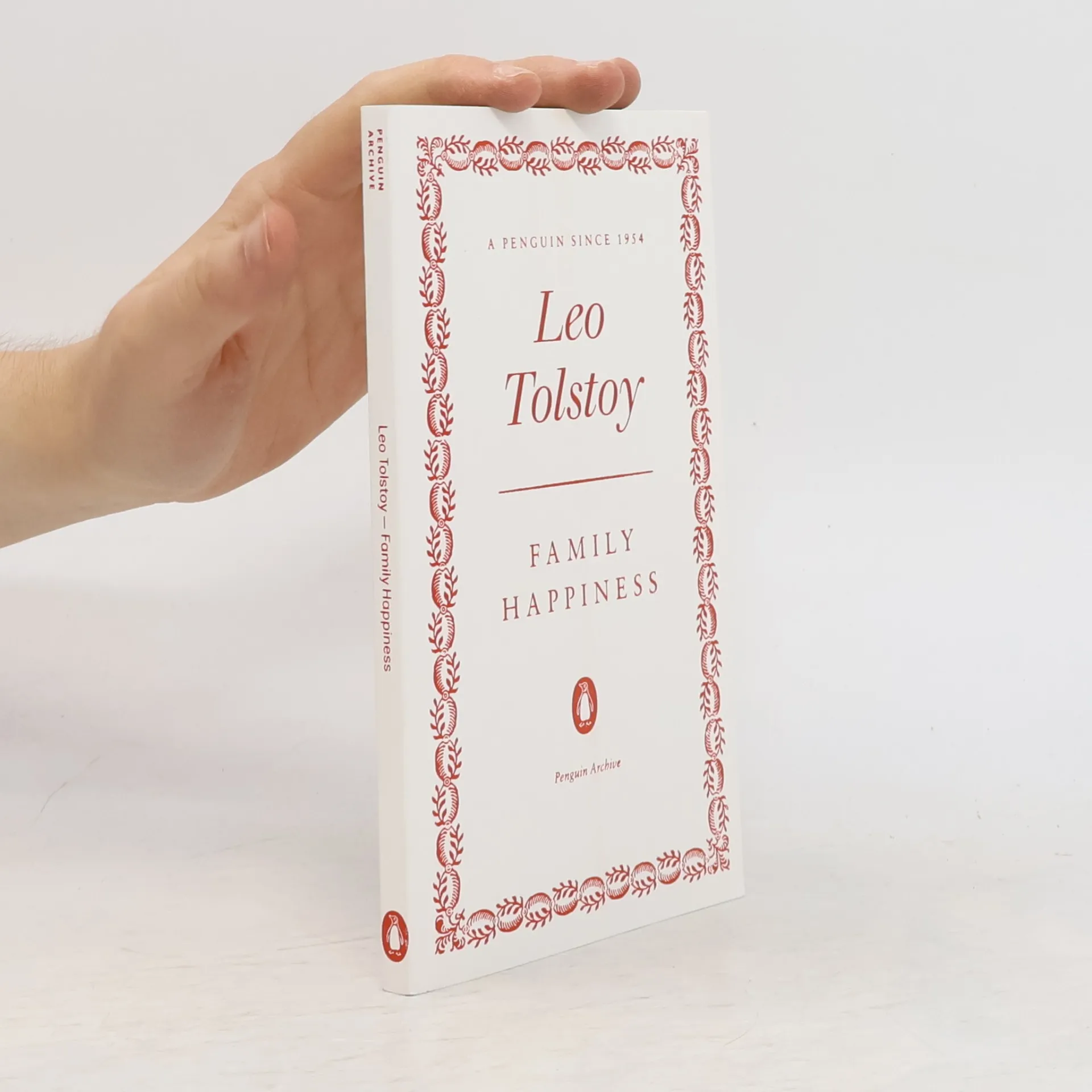
Penguin Archive: Family Happiness
- 144 páginas
- 6 horas de lectura
'I'm not the sort of husband you dream of when you're walking alone along the avenue in the evening, am I? And it would be a disaster, wouldn't it?' How does love die? This question lies at the heart of Tolstoy's desperately sad novella. It tells the story of seventeen-year-old Masha who, despite their differences, falls passionately in love with an older man, and marries him. Soon, however, the gap between them becomes unbridgeable.
A Calendar of Wisdom
- 384 páginas
- 14 horas de lectura
Over the last fifteen years of his life, Tolstoy collected and published the maxims of some of the world's greatest masters of philosophy, religion and literature, adding his own contributions to various questions that preoccupied him in old age, such as faith and existence, as well as matters of everyday life. Banned in Russia under Communism, A Calendar of Wisdom was Tolstoy's last major work, and one of his most popular both during and after his lifetime. This new translation by Roger Cockrell will offer today's generation of readers the chance to discover, day by day, these edifying and carefully selected pearls of wisdom.
How Much Land Does A Man Need?
- 64 páginas
- 3 horas de lectura
A parable of a Russian peasant's bargain with the devil - considered by James Joyce to be the world's greatest story.
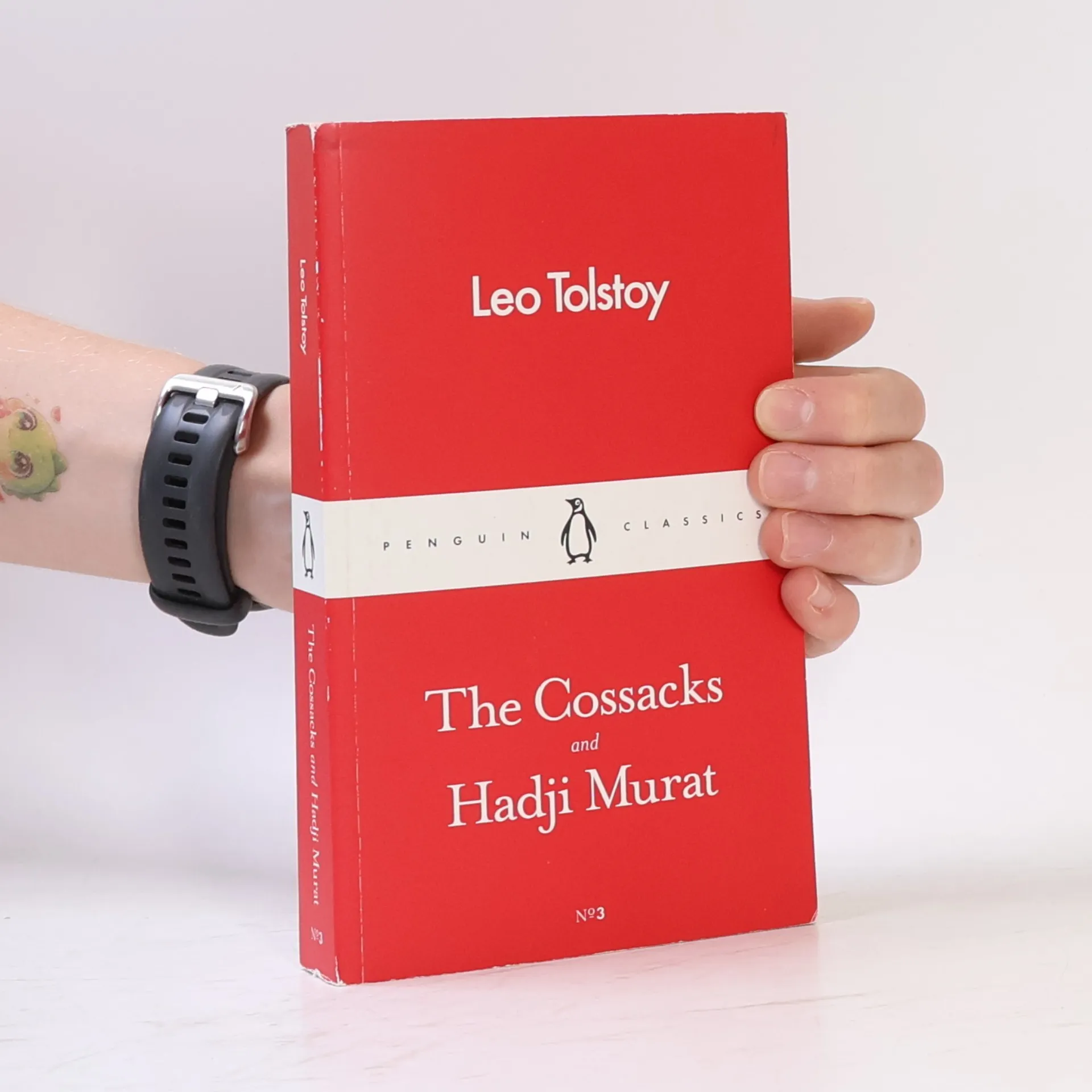
The Cossacks and Hadji Murat
- 720 páginas
- 26 horas de lectura
'He said that Shamil had ordered Hadji Murat to be taken dead or alive....' Two masterly Russian tales of freedom, fighting and great warriors in the majestic mountains of the Caucasus, inspired by Tolstoy's years as a soldier living amid the Cossack people. A new series of twenty distinctive, unforgettable Penguin Classics in a beautiful new design and pocket-sized format, with coloured jackets echoing Penguin's original covers.
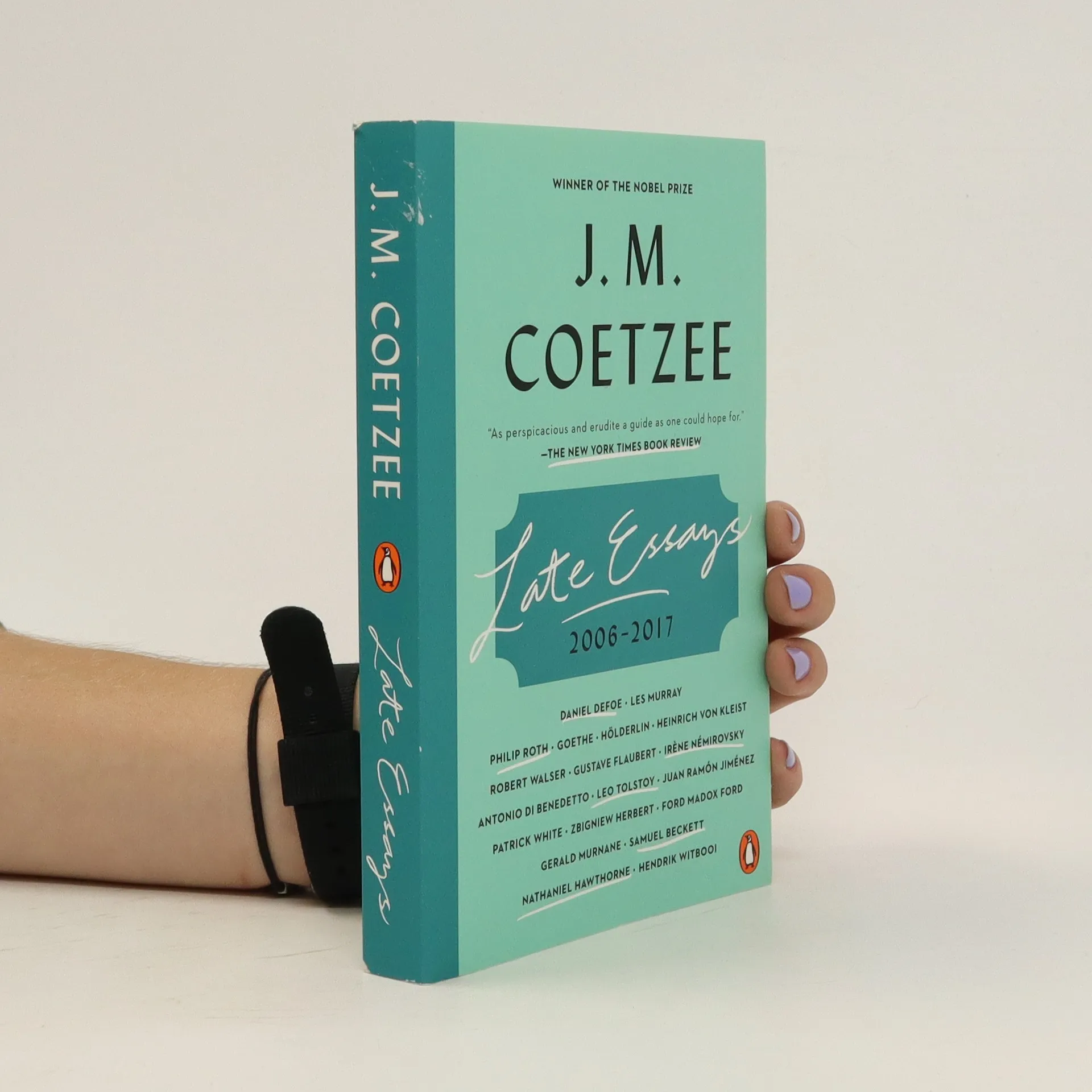
Late Essays, 2006-2017
- 304 páginas
- 11 horas de lectura
A new collection of twenty-three literary essays from the Nobel Prize–winning author. J. M. Coetzee’s latest novel, The Schooldays of Jesus, is now available from Viking. J. M. Coetzee is not only one of the most acclaimed fiction writers in the world, he is also an accomplished and insightful literary critic. In Late Essays: 2006–2016, a thought-provoking collection of twenty-three pieces, he examines the work of some of the world’s greatest writers, from Daniel Defoe in the early eighteenth century to Goethe and Irène Némirovsky to Coetzee’s contemporary Philip Roth. Challenging yet accessible, literary master Coetzee writes these essays with great clarity and precision, offering readers an illuminating and wise analysis of a remarkable list of works of international literature that span three centuries.
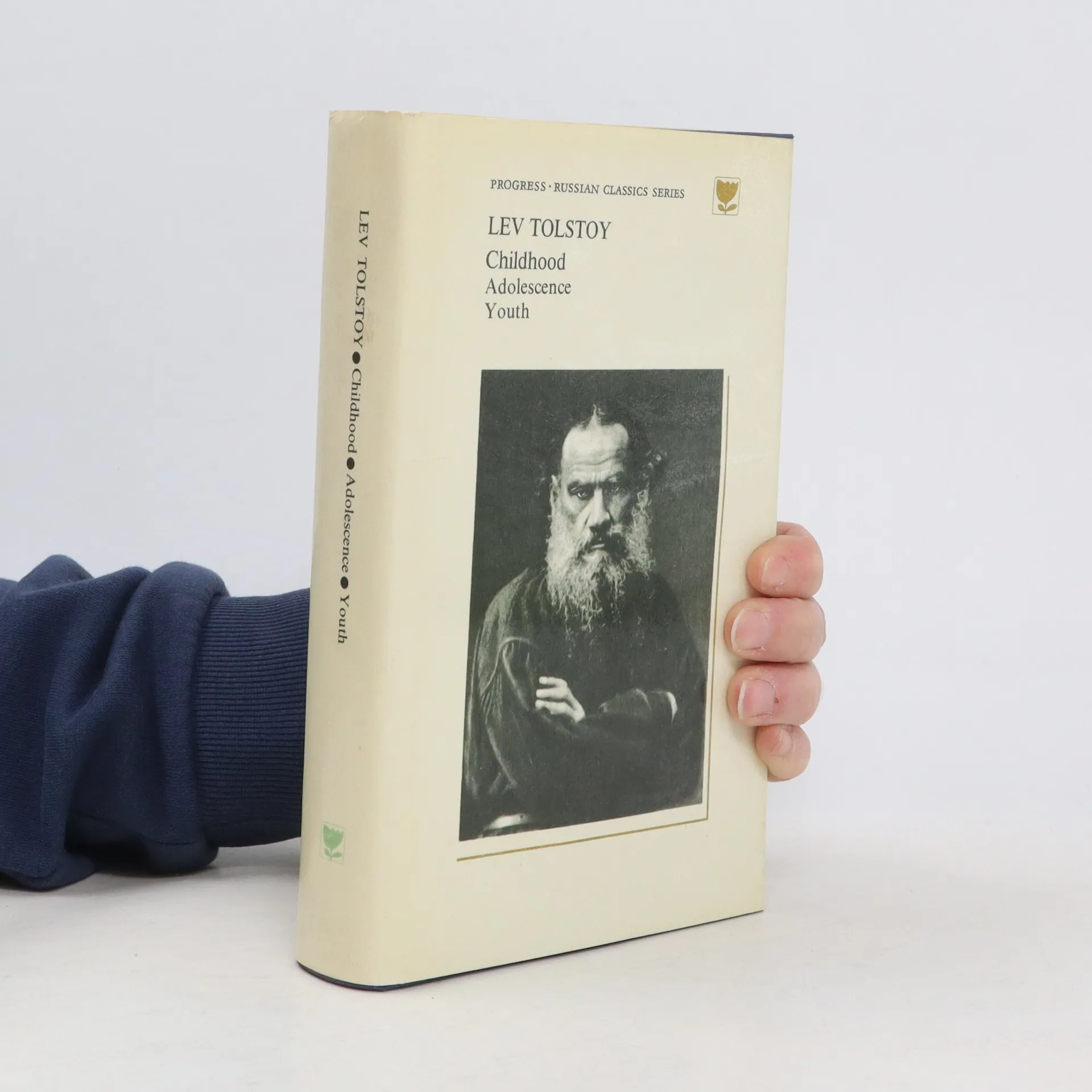
An autobiographical trilogy written during the author's military service in the Caucasus (1851–1856), it serves as a poetic reckoning with his own youthful development and the inner growth of his entire generation. Tolstoy infused the portrayal of his characters with profound knowledge of his own psyche, offering a penetrating analysis of his youth. With open self-criticism, he illustrated through his character Nikolai Irtienev how painfully and laboriously a person emerges from confusion and uncertainty. As a master realist and psychologist, he never transcended the boundaries of a child's imaginative world. In this first work, Tolstoy masterfully depicted the elusive manifestations of inner life, which alternate with extraordinary speed and inexhaustible variety. This distinctive feature of Tolstoy's psychological analysis—focusing not just on the results of psychological processes but on the processes themselves—was characterized by Chernyshevsky as the "greatest merit and inimitable originality" of Tolstoy's talent.
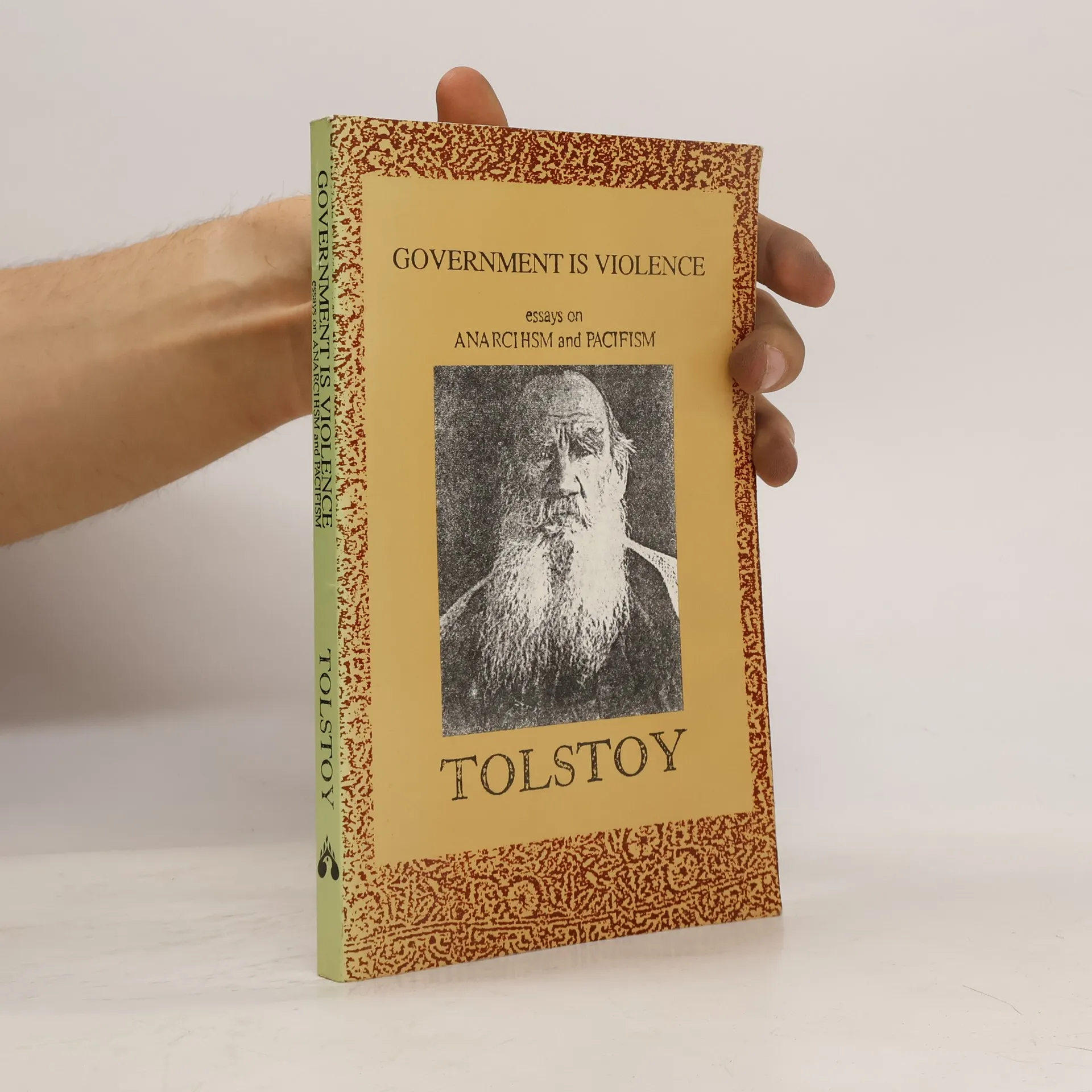
A collection of the man's writings on anarchism and pacifism.
Anna Karenina, Part 1
- 162 páginas
- 6 horas de lectura
Exploring themes of betrayal, faith, and the complexities of marriage, this novel delves into the lives of its numerous characters against the backdrop of Imperial Russian society. Spanning over 800 pages, it intricately contrasts rural and urban experiences, reflecting the social dynamics of the time. Tolstoy's narrative style marks a significant transition between realism and modernism, establishing the work as a pivotal piece in literary history. Celebrated as one of the greatest novels, it showcases the depth of human emotion and societal critique.
War and Peace Book 8
- 104 páginas
- 4 horas de lectura
Set against the backdrop of the 1812 French invasion of Russia, the narrative delves into the lives of aristocratic families and the broader societal impacts during the Napoleonic era. The book intertwines philosophical discussions with character-driven stories, showcasing individuals from various backgrounds grappling with the challenges of their time. It employs innovative narrative techniques reminiscent of early 19th-century literature, highlighting the complexity of human experience and the enduring relevance of emotional resilience and personal growth in society.
What Men Live By
- 96 páginas
- 4 horas de lectura
Remember; There is only one moment that matter, and that is now. Because it is the only one we can rule over...Lev Tolstoy, the author of masterpieces such as Anna Karenina, War and Peace, and Resurrection, spent the last thirty years of his life working on subjects such as human beings, family, religion, state, society, freedom, rebellion and aesthetics. In the works he produced during this period, he addressed human problems within a literary fiction.What Men live by? stating that the most important virtue that an individual should have is love, the great writer was inspired by holy book texts and folk tales and invited humanity to truth. Tolstoy, who left very important works in world literature, has managed to reach readers of all ages.
War and Peace Book 12
- 80 páginas
- 3 horas de lectura
Set against the backdrop of the French invasion of Russia in 1812, the narrative intricately weaves the lives of various Russian families, showcasing the effects of the Napoleonic era on Tsarist society. It delves into philosophical discussions intertwined with character development, highlighting the struggles of individuals from diverse backgrounds—aristocrats, soldiers, and commoners. The book employs innovative narrative techniques reminiscent of early 19th-century literature, ultimately presenting a profound exploration of humanity's emotional and psychological evolution.
Childhood, Boyhood, Youth
- 320 páginas
- 12 horas de lectura
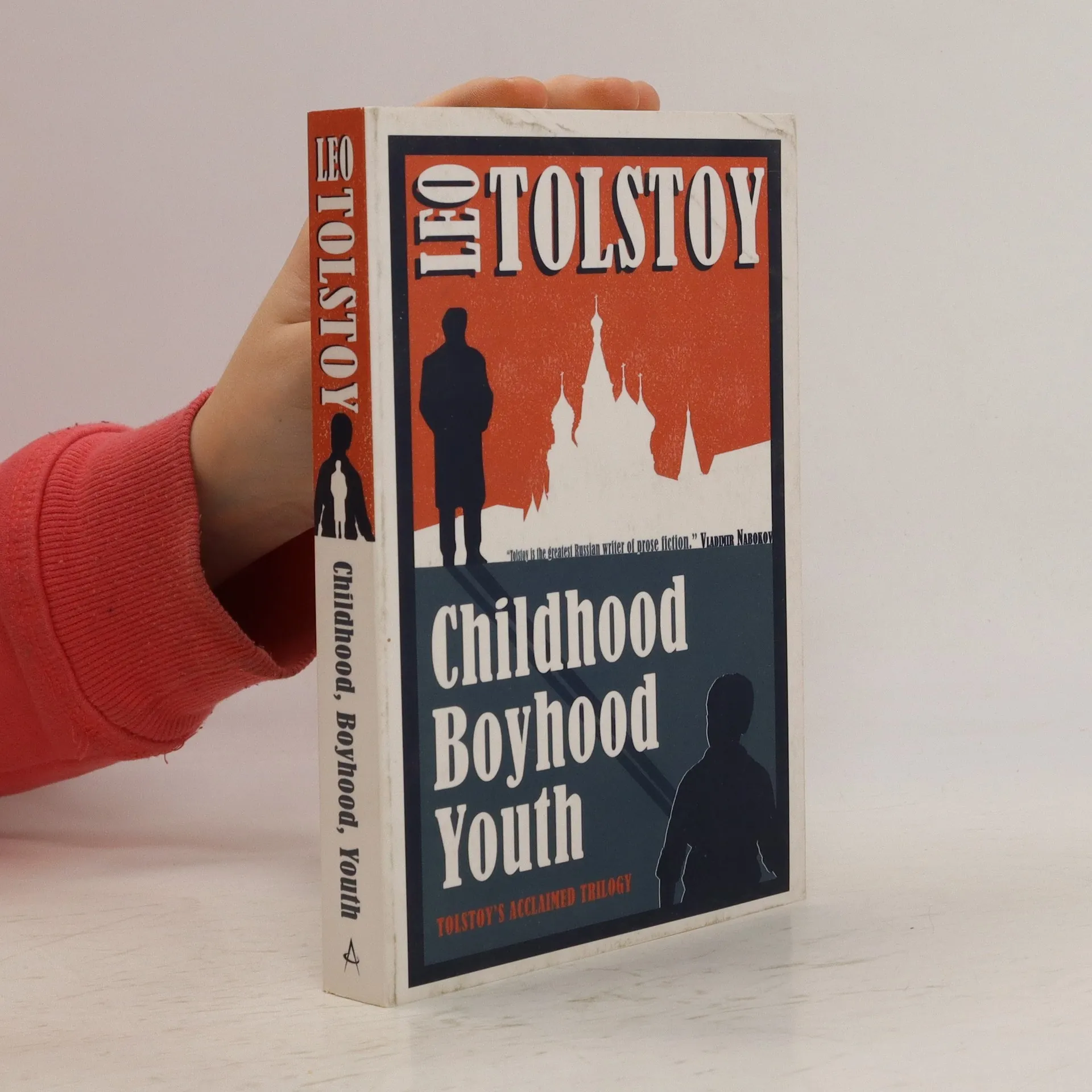
This trilogy of short novels, taken as a whole, recounts the young narrator's early life up to his university days, each episode told through the perceptions, points of view and emotions felt by the protagonist at the time. Based on Tolstoy's own life and experiences, this fictionalized account of a young man growing into the world combines anecdote with frank personal assessment and philosophical extrapolation, as the author's Stendhalian take on the confessional genre confronts and blurs the notions of reality and imagination. Tolstoy's first published work, which launched him on a successful writing career, Childhood, Boyhood, Youth - besides offering an early display of his storytelling and stylistic abilities - provides the reader with invaluable insight into the personal and literary development of one of the greatest writers of all time. Assessment and philosophical extrapolation. An early display of Tolstoy's storytelling genius, written in his classically simple yet colourful language, these chronicles provide the reader with invaluable insight into the personal and literary development of one of the greatest writers of all time.
A confession
- 112 páginas
- 4 horas de lectura
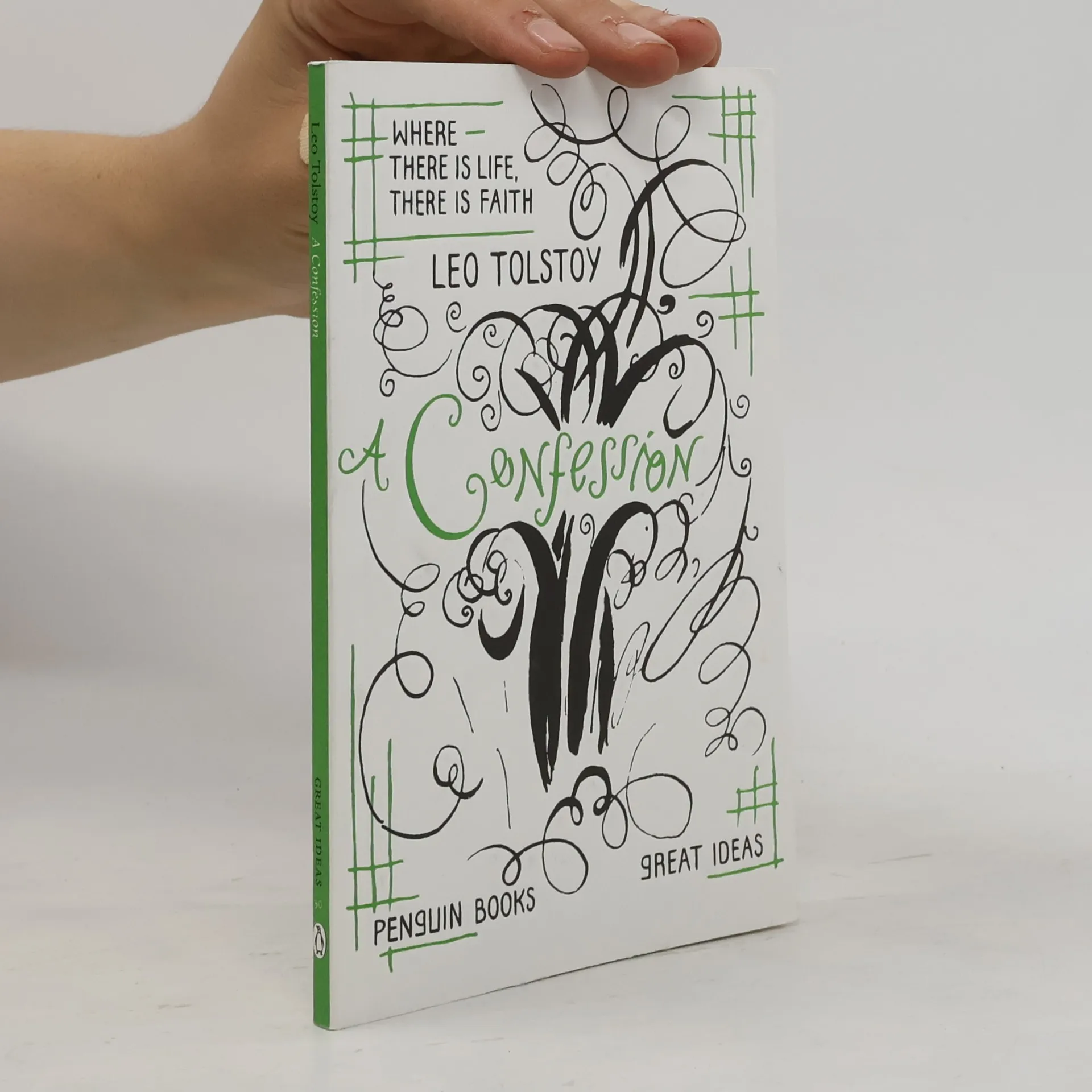
Describing Tolstoy's crisis of depression and estrangement from the world, A Confession is an autobiographical work of exceptional emotional honesty. It describes his search for 'a practical religion not promising future bliss but giving bliss on earth'. Although the Confession led to his excommunication, it also resulted in a large following of Tolstoyan Christians springing up throughout Russia and Europe. Throughout history, some books have changed the world. They have transformed the way we see ourselves – and each other. They have inspired debate, dissent, war and revolution. They have enlightened, outraged, provoked and comforted. They have enriched lives – and destroyed them. Now Penguin brings you the works of the great thinkers, pioneers, radicals and visionaries whose ideas shook civilization and helped make us who we are.
Nine stories portray the harsh realities of the Crimean War, their impact on the participants, and other moments of spiritual crisis
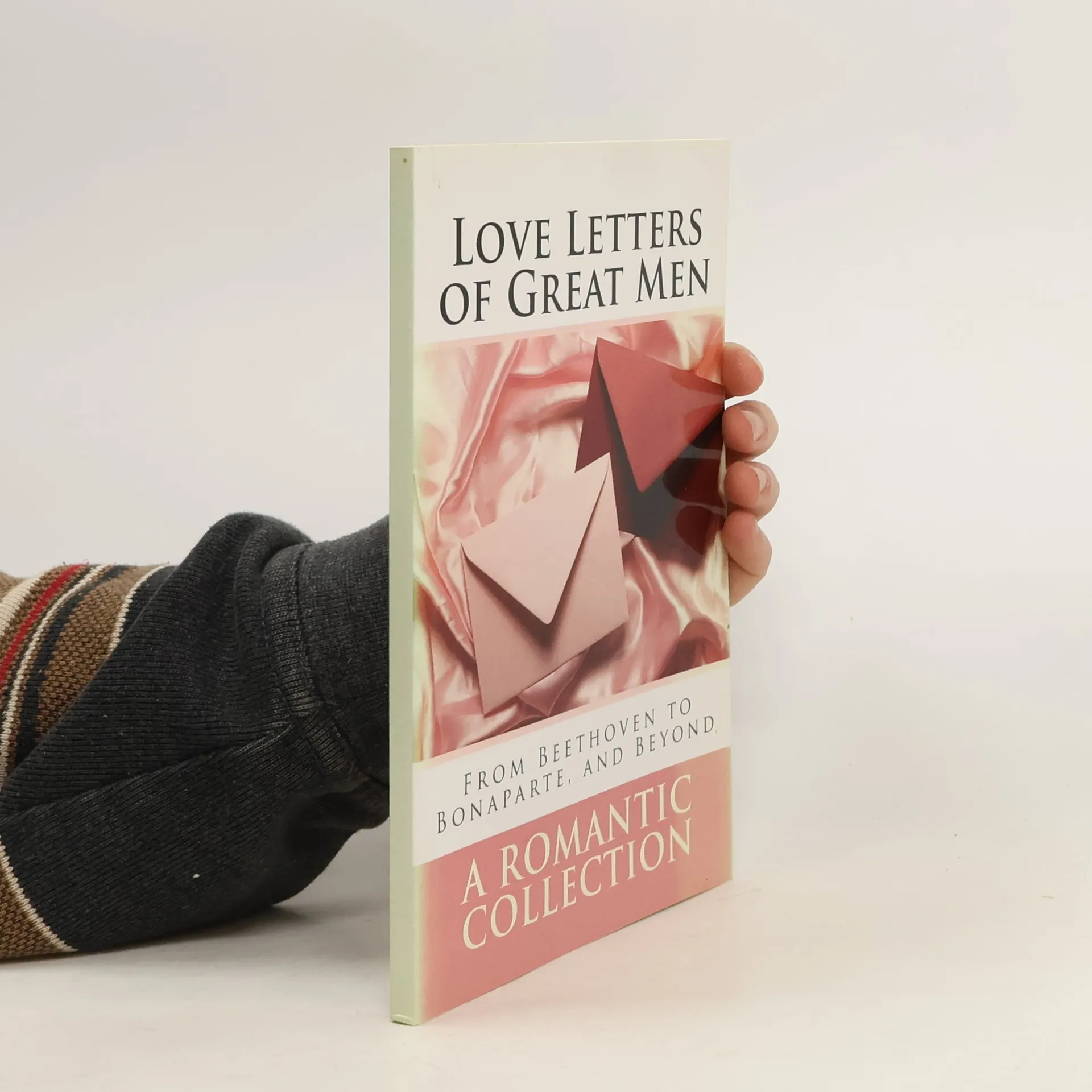
Love Letters of Great Men
- 108 páginas
- 4 horas de lectura
When Carrie Bradshaw in the "Sex and the City" movie began reading Love Letters of Great Men, millions of women wanted to get their hands on the book. Although the book Carrie was reading from was not real, the letters are-including the Beethoven one quoted by Mr. Big at their wedding ceremony. Here are the actual love letters for you to enjoy and treasure! "These letters express such heartfelt emotions and the bliss of new love... I finally realized how men experience love and it is especially beautiful!" - Rebecca of Amazon (Top 500 Reviewer) Featuring: A helpful background sketch for every writer and love letter Nearly 70 photographs of the letter authors and their lovers Most popular and best-selling Love Letters book-thousands of copies sold every year!!! Written by these Great Men: John Adams, Sullivan Ballou, Honor� de Balzac, Ludwig Van Beethoven Napoleon Bonaparte, Robert Browning, Robert Burns, Lord Byron, Winston Churchill John Constable, Alfred Duff Cooper, Pierre Curie, Scott F. Fitzgerald, Nathaniel Hawthorne Henry VI of France, Victor Hugo, James Joyce, Franz Liszt, Jack London, Mozart, Robert Peary Edgar Allen Poe, Sir Walter Raleigh, Sir Robert Schumann, Dylan Thomas, Mark Twain Vincent Van Gogh, Voltaire, Woodrow Wilson
Russian Readers are a range of contemporary and classic Russian and foreign titles specially retold for learners of Russian. Finishing a novel in another language will give you a real sense of achievement, and will motivate you to go on reading more and more. And the more you read, the more your language proficiency increases, the more confident you feel and the more motivated you are! All Russian Readers include stress accents in the Russian text, Russian-English vocabulary and understanding questions at the end of each chapter. The series is published at six levels - Starter, Elementary, Pre-intermediate, Intermediate; Upper-intermediate and Advanced. The number of words at each level: Starter (A1) - 300-600 headwords; Elementary (A2) - 600-1000 headwords; Pre-intermediate (A2-B1) - 1000-1400 headwords; Intermediate (B1) - 1400-1700 headwords; Upper-intermediate (B2) - 1700-2200 headwords; Advanced (C1) - 2200-3000 headwords.
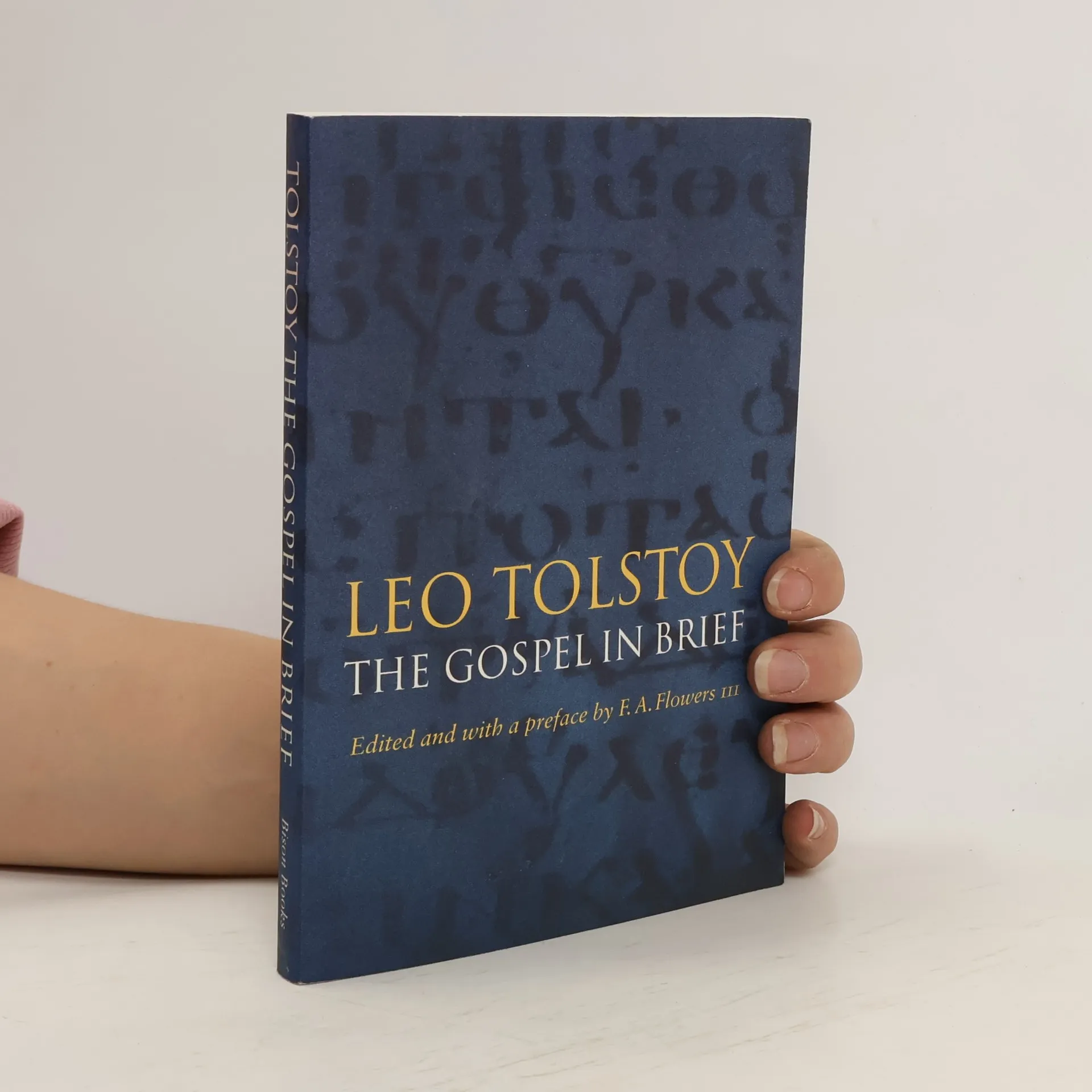
"Are you acquainted with Tolstoy's The Gospel in Brief? At its time, this book virtually kept me alive... If you are not acquainted with it, then you cannot imagine what an effect it can have upon a person." – Ludwig Wittgenstein, in a letter to Ludwig von Ficker.The Gospel in Brief is Leo Tolstoy's integration of the four biblical Gospels into a single account of the life of Jesus. Inspired in large measure by Tolstoy's meticulous study of the original Greek versions of the Bible, The Gospel in Brief is a highly original fusion of biblical texts and Tolstoy's own influential religious views. Tolstoy explains that his goal is a solution to "the problem of life," not an answer to theological or historical questions. As a result, he sets aside such issues as Jesus' genealogy and divinity, or whether Jesus in fact walked on water. Instead, he focuses on the words and teachings of Jesus, stripped of what Tolstoy regarded as the Church's distortions and focus on dogma and ritual. The result is a work that emphasizes the individual's spiritual condition in a chaotic and indifferent world. Like Tolstoy's celebrated literary achievements, The Gospel in Brief has the distinct bearing of a classic; in its urgency and directness it is remarkably current, as if it were written only yesterday rather than a century ago.
Classic / British EnglishAnna Karenina, one of world literature’s greatest novels, tells the story of a beautiful young woman who is unhappily married to a man much older than herself. When she falls in love with a handsome young soldier, life suddenly seems wonderful. But real happiness is not so easily found ...
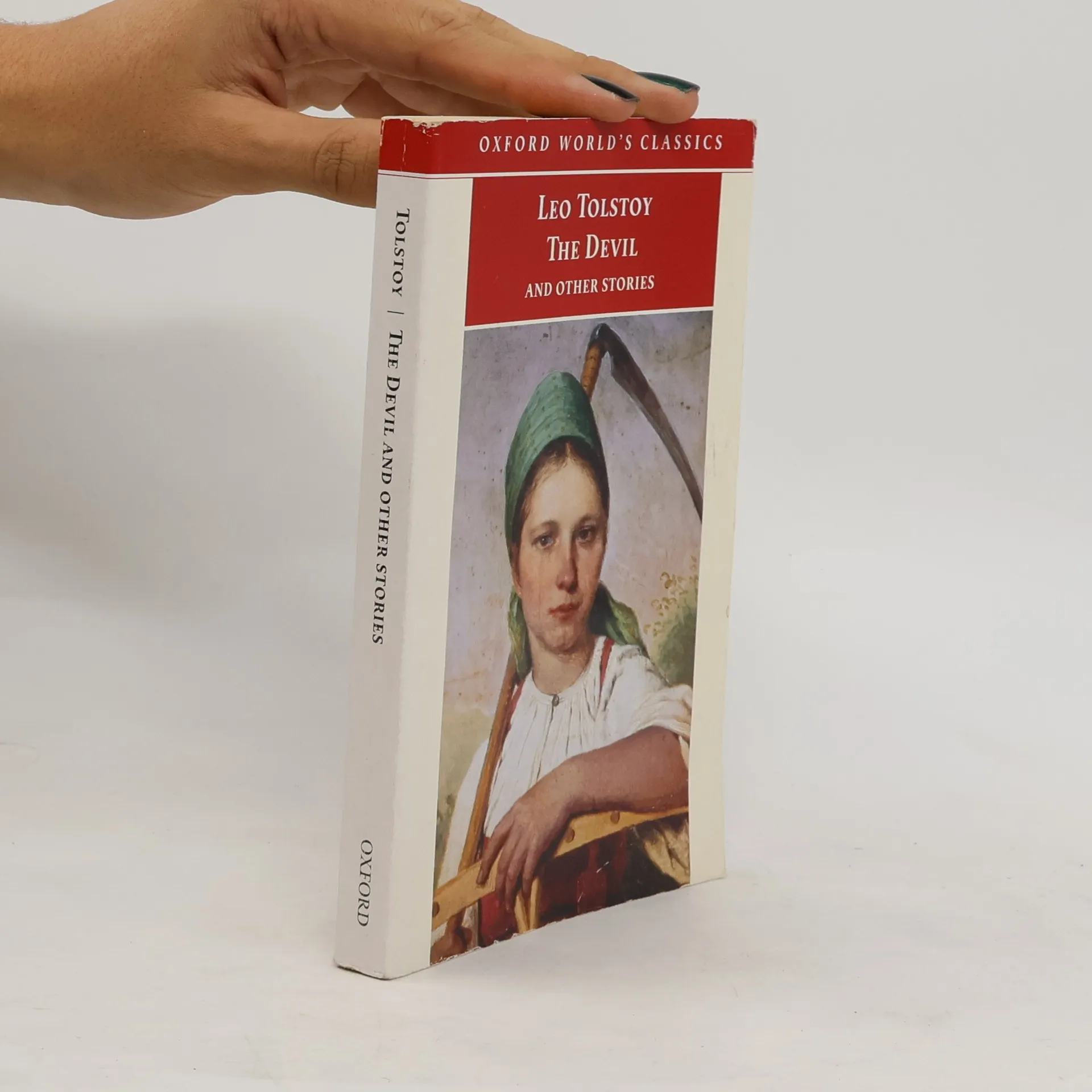
The Devil and Other Stories
- 296 páginas
- 11 horas de lectura
This collection of eleven stories spans virtually the whole of Tolstoy's creative life. While each is unique in form, as a group they are representative of his style, and touch on the central themes that surface in War and Peace and Anna Karenina. Stories as different as The Snowstorm, Lucerne, The Diary of a Madman and The Devil are grounded in autobiographical experience. They deal with journeys of self-discovery and the moral and religious thought that characterizes Tolstoy's works of criticism and philosophy. Strider and Father Sergy, as well as reflecting Tolstoy's own experiences, also reveal profound psychological insights. These stories range over much of the nineteenth-century Russian world, from the nobility to the peasantry, the military to the clergy, from merchants and cobblers to a horse and a tree. Together they present a fascinating picture of Tolstoy's skill and artistry.The snowstorm --Lucerne --Three deaths --Polikushka --Strider : the story of a horse --God sees the truth, but waits --The notes of a madman --Where love is, God is --The devil --Father Sergy --After the ball.
What is Art?
- 208 páginas
- 8 horas de lectura
Introduction -- Further Reading -- What is Art? -- Editor's Notes.
The Devil
- 100 páginas
- 4 horas de lectura
"I am acting badly," thought Yevgeny, "But what's one to do? Anyhow it is not for long." Leo Tolstoy is known for epic novels that brilliantly dissect society, but the novella The Devil may be the most personally revealing--and startling--fiction he ever wrote. He thought it so scandalous, in fact, that he hid the manuscript in the upholstery of a chair in his office so his wife wouldn't find it, and he would never allow it to be published in his lifetime. Perhaps that's because the gripping tale of an aristocratic landowner slowly overcome with unrelenting sexual desire for one of the peasants on his estate was strikingly similar to an affair Tolstoy himself had. Regardless, the tale--presented where with the two separate endings Tolstoy couldn't decide between--is a scintillating study of sexual attraction and human obsession
One of the most accomplished authors in history, Tolstoy has inspired and influenced generations of readers. While celebrated for his masterpieces Anna Karenina and War and Peace, his short stories are just as compelling. This collection includes 'The Story of Ivan the Fool', 'Ilys', and many more of Tolstoy's finest tales, and it demonstrates the raw power and emotion of his narrative genius.
Childhood
- 114 páginas
- 4 horas de lectura
The trilogy encapsulates Tolstoy's exploration of a young individual's journey towards self-awareness, reflecting on the complexities of life through vivid storytelling. Spanning his formative years, it offers a rich tapestry of experiences that foreshadow themes and techniques later developed in his masterpieces like "War and Peace" and "Anna Karenina." Despite the author's later dismissal of the work as a blend of fact and fiction, readers have long appreciated its insightful portrayal of youth against a backdrop of clarity and diversity.
Anna Karenina, Part 3
- 156 páginas
- 6 horas de lectura
Exploring themes of betrayal, faith, and the complexities of marriage, this expansive novel delves into the lives of more than a dozen characters against the backdrop of Imperial Russian society. With a rich narrative structure in eight parts, it contrasts rural and urban life, highlighting the struggles of its protagonist, Anna. Tolstoy's writing style marks a significant shift in literary tradition, bridging realism and modernism, making it a pivotal work in the landscape of literature.
Anna Karenina, Part 6
- 160 páginas
- 6 horas de lectura
Exploring themes of betrayal, faith, and the complexities of marriage, this novel intricately weaves the lives of over a dozen characters against the backdrop of Imperial Russian society. Spanning eight parts, it contrasts rural and city life, delving into the desires and moral dilemmas faced by its characters. Tolstoy's narrative style marks a significant shift in literature, bridging realism and modernism, and is celebrated as one of the greatest literary works, reflecting profound insights into human nature and societal norms.
This publication focuses on making historical works accessible by using large print, catering specifically to individuals with impaired vision. The initiative by the Megali publishing house emphasizes inclusivity in reading, ensuring that classic texts are available to a broader audience.
The book is a reproduction of a historical work, published by Megali, a company dedicated to producing large print editions for better accessibility. This initiative aims to assist readers with impaired vision, ensuring that important historical texts remain available and easy to read.