Stephen Kinzer es un aclamado corresponsal extranjero cuya cobertura abarca más de 50 países en cinco continentes. Sus artículos y libros le han valido el reconocimiento, y The Washington Post lo ha destacado "entre los mejores en la narración popular de política exterior". A través de su distintivo estilo narrativo, Kinzer ilumina eventos globales complejos y relaciones internacionales, ofreciendo a los lectores perspectivas cautivadoras.
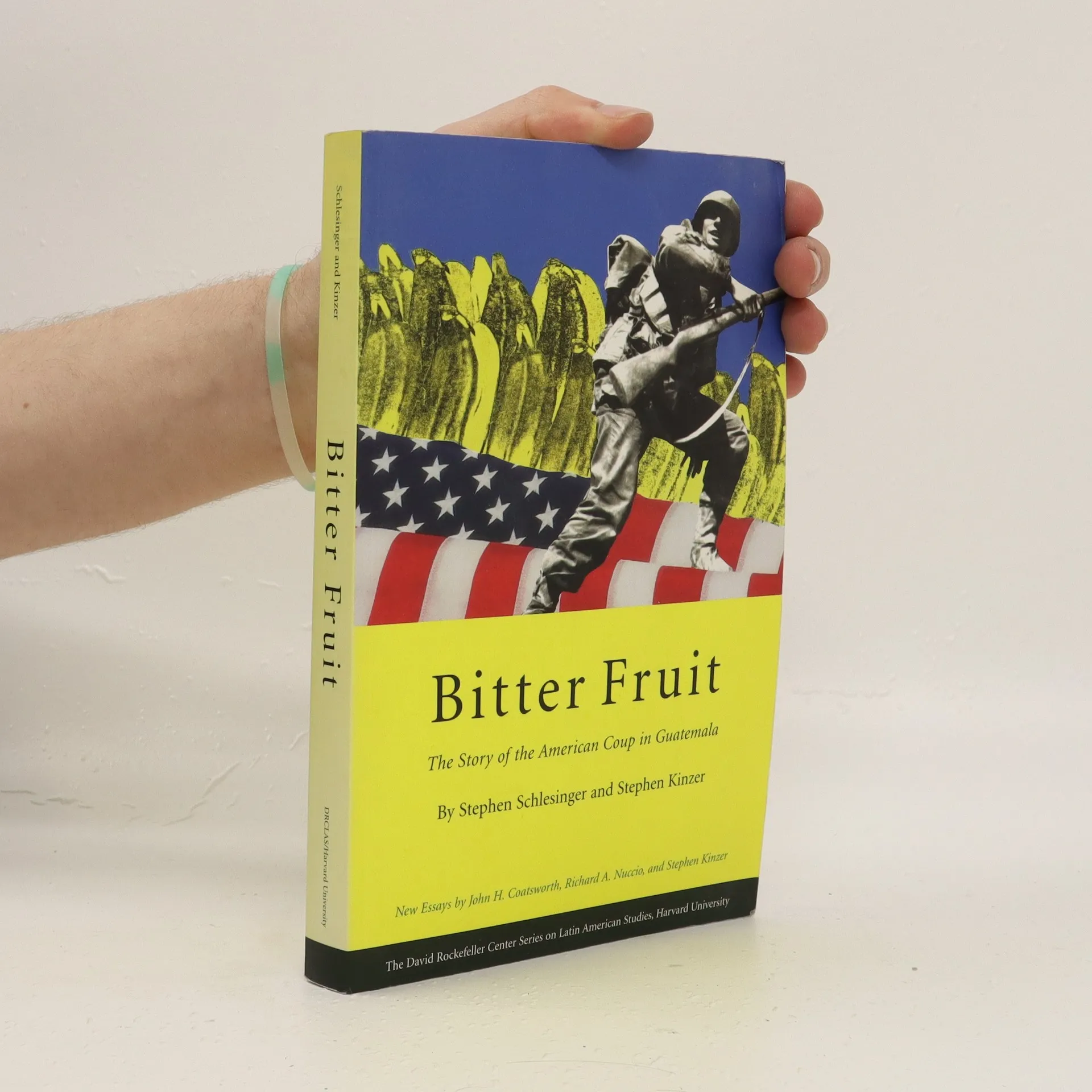
The David Rockefeller Center for Latin American Studies at Harvard University work to increase knowledge of the cultures, histories, environment, and contemporary affairs of Latin America; foster cooperation and understanding among the people of the Americas; and contribute to democracy, social progress, and sustainable development throughout the hemisphere. Book jacket
During the 1950s, when the Cold War was at its peak, two immensely powerful
brothers led the US into a series of foreign adventures whose effects are
still shaking the world. In this book, the story of John Foster Dulles and
Allen Dulles is the story of America. It illuminates and helps explain the
modern history of the US and the world.
The bestselling author of All the Shah's Men and The Brothers tells the
astonishing story of the man who oversaw the CIA's secret drug and mind-
control experiments of the 1950s and 60s.
Traces the events leading to the 1953 coup in Iran and it's consequences, discussing the covert operations under the joint authority of Eisenhower and Churchill involving prime minister Mossadegh and CIA officer Roosevelt.
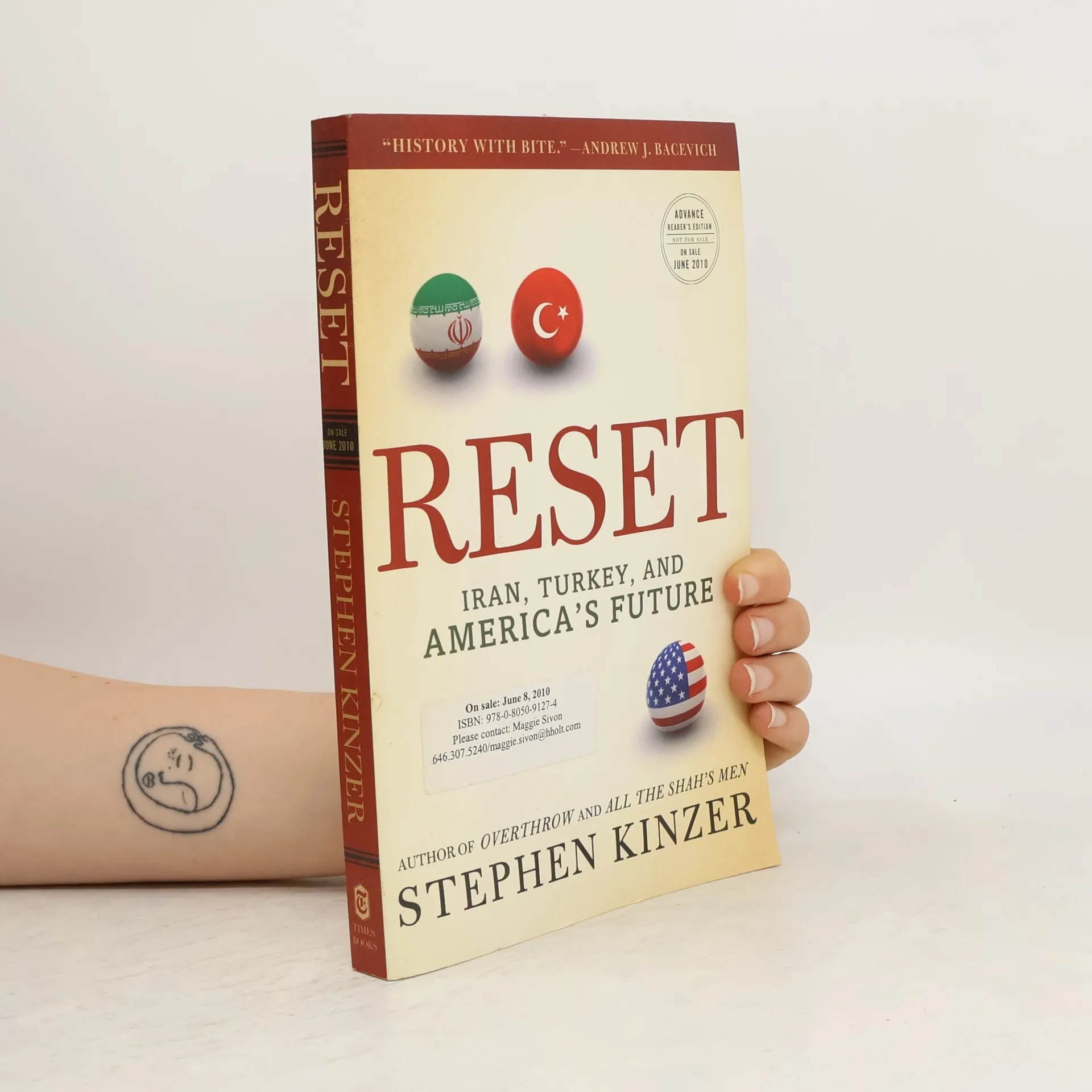
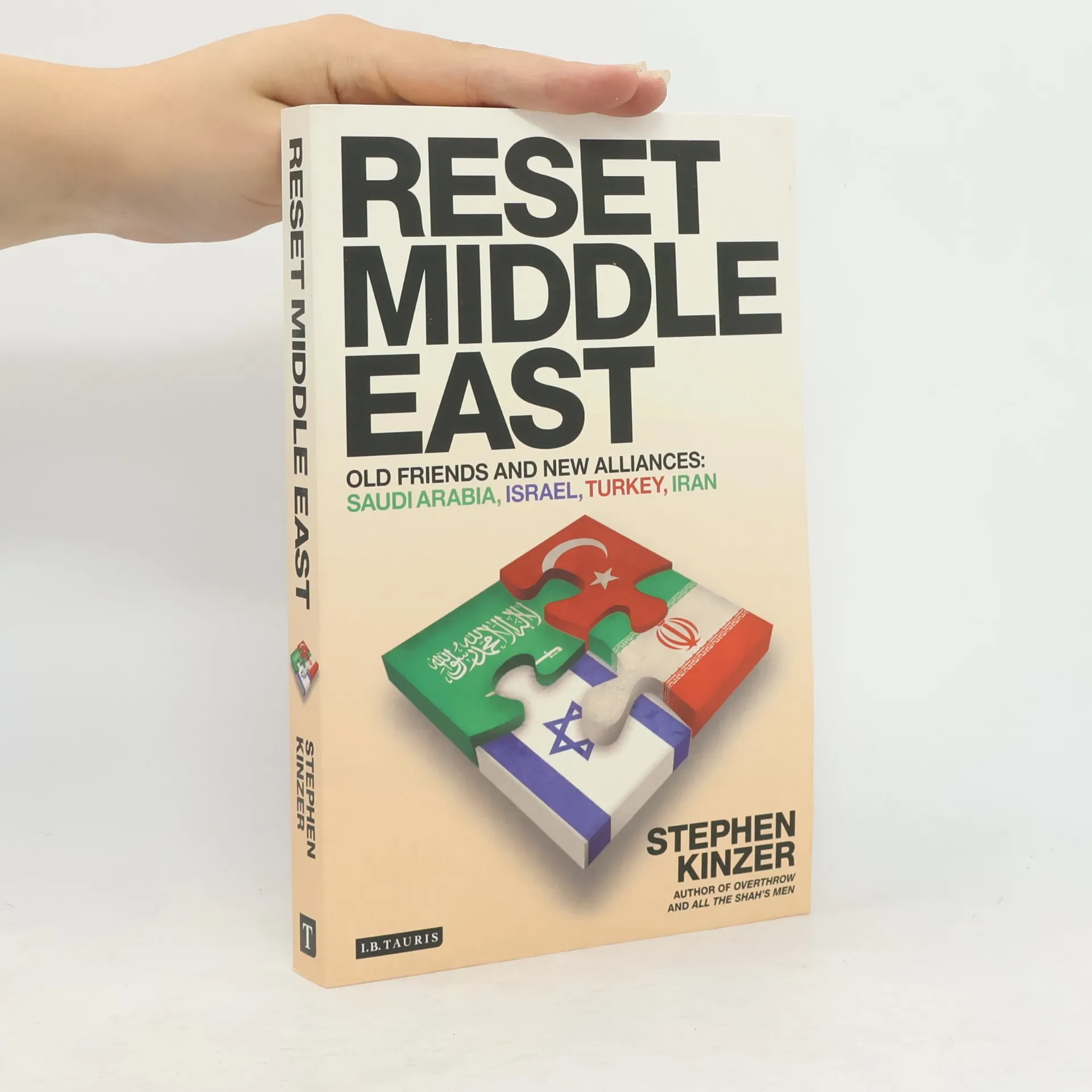
The bestselling author of Overthrow offers a new and surprising vision for rebuilding America's strategic partnerships in the Middle East What can the United States do to help realize its dream of a peaceful, democratic Middle East? Stephen Kinzer offers a surprising answer in this paradigm-shifting book. Two countries in the region, he argues, are America's logical partners in the twenty-first century: Turkey and Iran. Besides proposing this new "power triangle," Kinzer also recommends that the United States reshape relations with its two traditional Middle East allies, Israel and Saudi Arabia. This book provides a penetrating, timely critique of America's approach to the world's most volatile region, and offers a startling alternative. Kinzer is a master storyteller with an eye for grand characters and illuminating historical detail. In this book he introduces us to larger-than-life figures, like a Nebraska schoolteacher who became a martyr to democracy in Iran, a Turkish radical who transformed his country and Islam forever, and a colorful parade of princes, politicians, women of the world, spies, oppressors, liberators, and dreamers. Kinzer's provocative new view of the Middle East is the rare book that will richly entertain while moving a vital policy debate beyond the stale alternatives of the last fifty years.
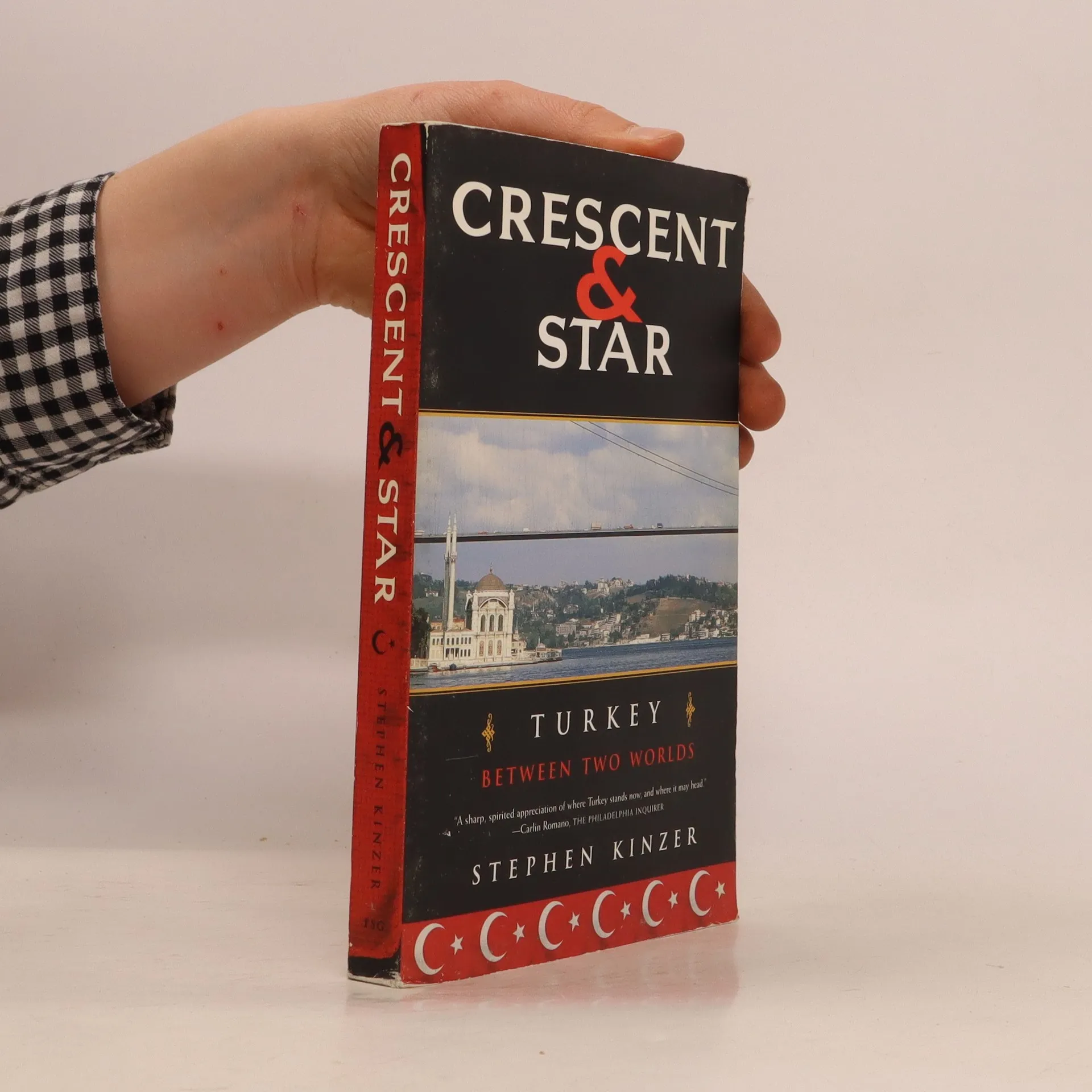
This examination is Kinzer's report on the truth about a nation of contradictions, poised between Europe and Asia, between the glories of its Ottoman past and its hopes for a democratic future. His compelling book shows why Turkey could become "the most audaciously successful nation of the twenty-first century." Index.
Old Friends and New Alliances: Saudi Arabia, Israel, Turkey, Iran
288 páginas
11 horas de lectura
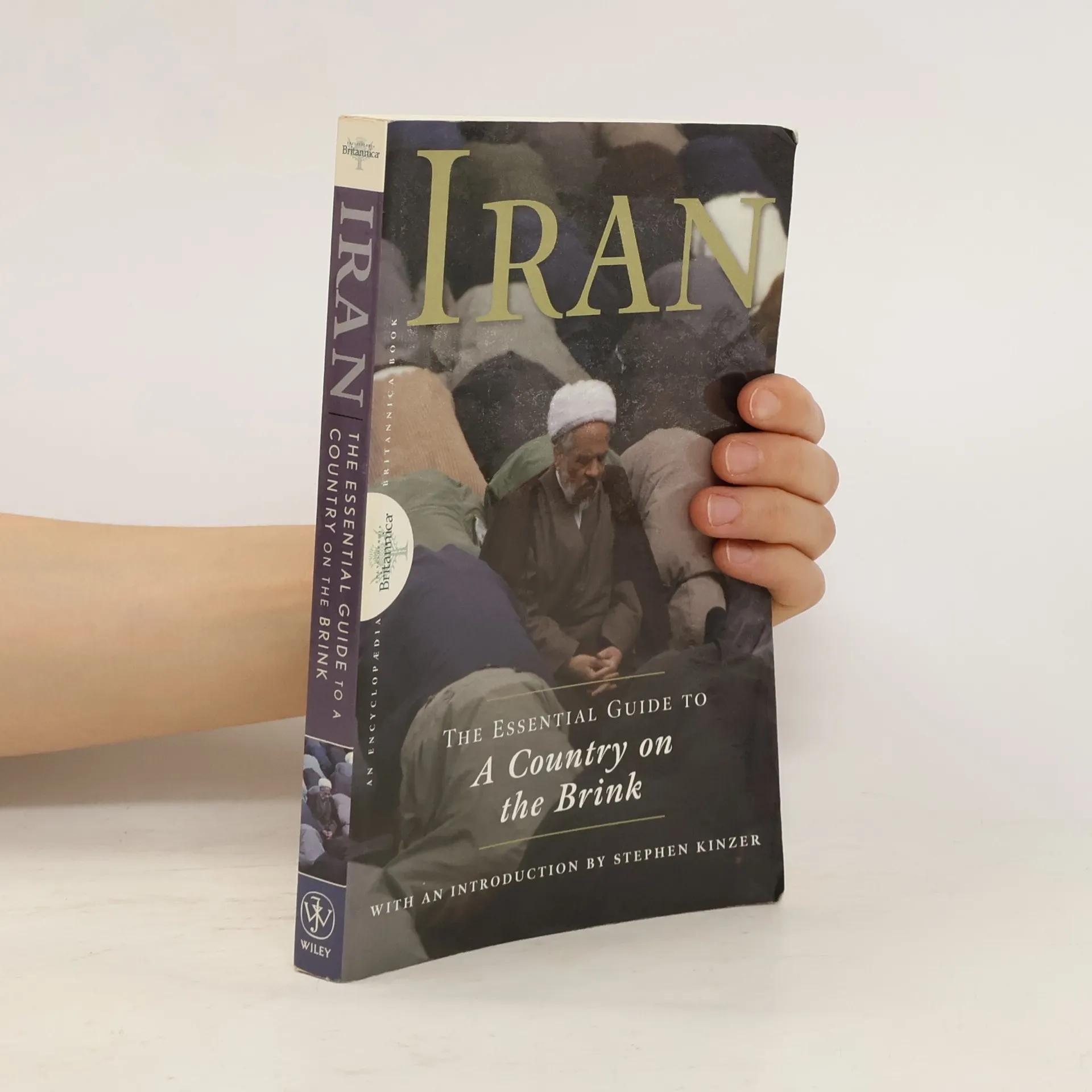
In this concise and readable book Stephen Kinzer takes the reader on a tour of modern Middle Eastern history, highlighting the errors, alliances and betrayals all acted out for what was shortsightedly seen as being in the interest of Western states.
Amerikas angebliche „demokratische Missionen“ gefährden oft die Stabilität der Welt. Die Verbreitung demokratischer Ideen führt häufig zu katastrophalen Ergebnissen. Seit 1893, als amerikanische Plantagenbesitzer mit Unterstützung der US-Regierung die hawaiianische Monarchie stürzten, haben die Vereinigten Staaten dreizehn ausländische Regierungen aus ideologischen, wirtschaftlichen oder politischen Gründen gewaltsam abgesetzt. Geheimdienste, Waffenhändler und gelegentlich auch amerikanische Streitkräfte waren dabei aktiv, um den globalen Einfluss der USA auszubauen. Das schlechte Gewissen der ältesten Republik der Welt spielte dabei stets eine Rolle. Ein Beispiel ist der Irak, wo der amerikanische Präsident versicherte, es gehe um die Beseitigung von Massenvernichtungswaffen und die Förderung demokratischer Werte in einer autoritären Region. Das Wort „Öl“ wurde jedoch nie erwähnt. In vielen Fällen widersprachen die politischen Konsequenzen den Hoffnungen Washingtons auf Demokratie; stattdessen siegte oft der Antiamerikanismus. Der langjährige Reporter der New York Times beleuchtet die skurrilen Umstände der offenen und geheimen Coups d'Etat, sei es in lateinamerikanischen Bananenrepubliken oder im Iran. Dabei zeigt sich, dass die zweifelhafte Kompetenz der CIA oft mit der außenpolitischen Kurzsichtigkeit der Entscheidungsträger im Weißen Haus einherging.