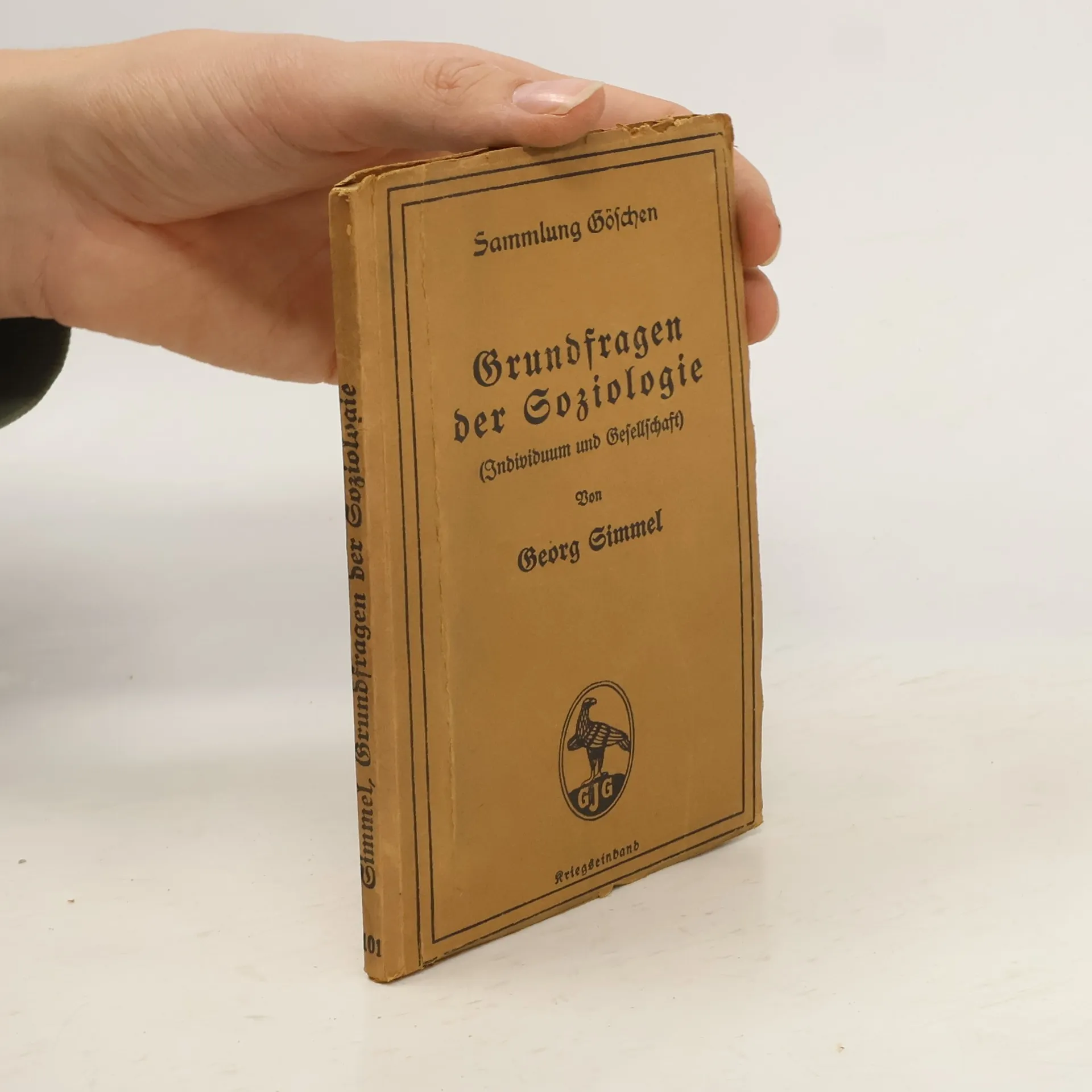
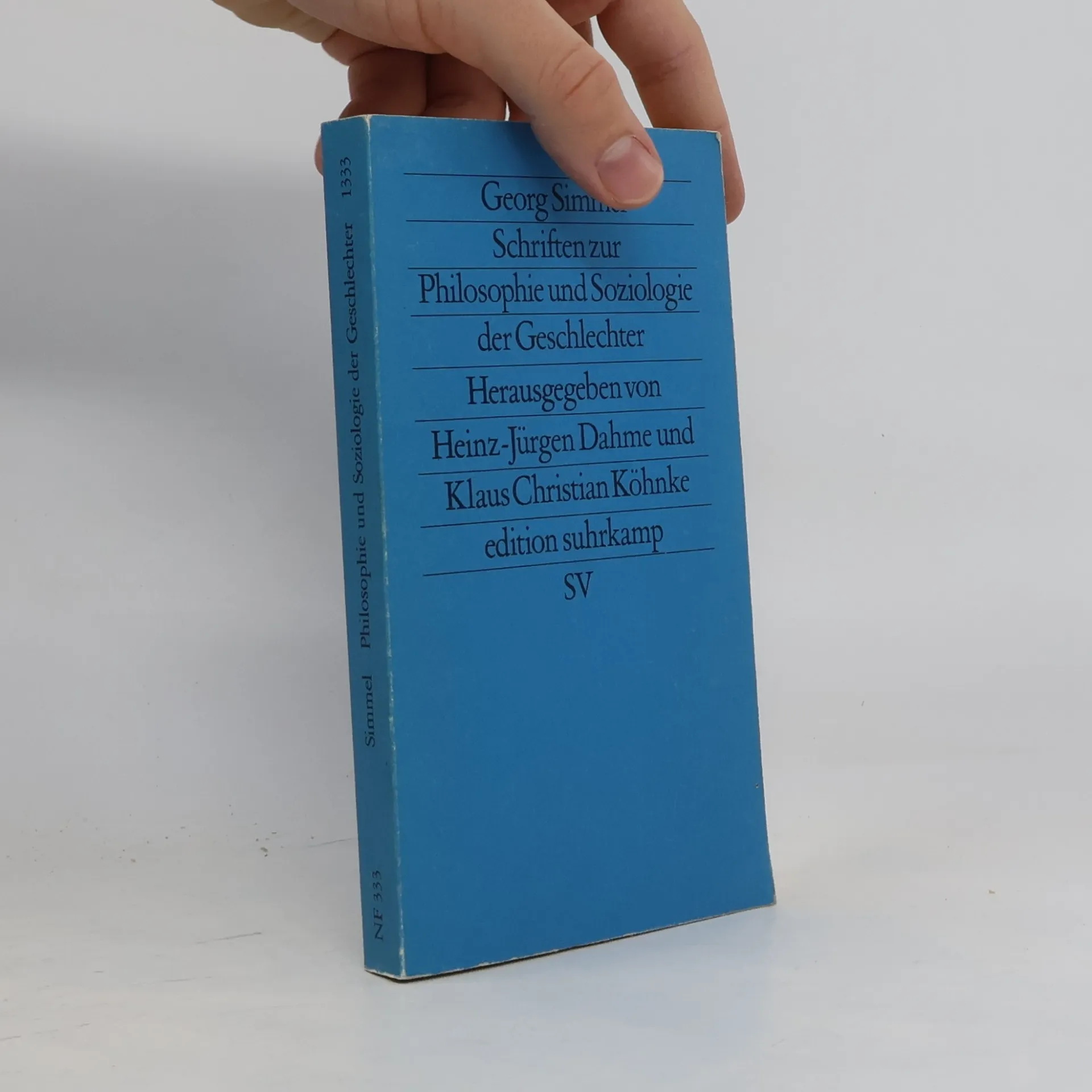
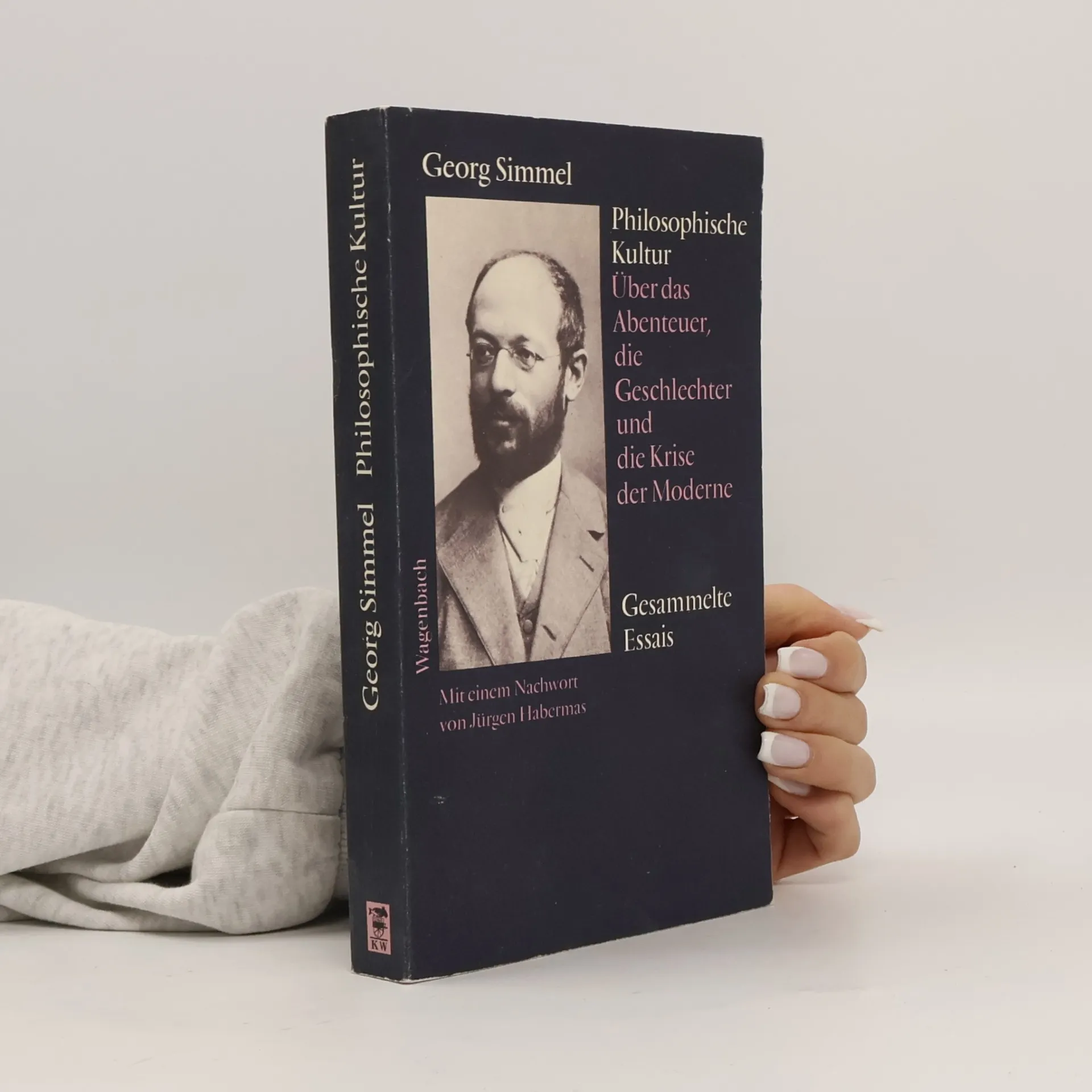
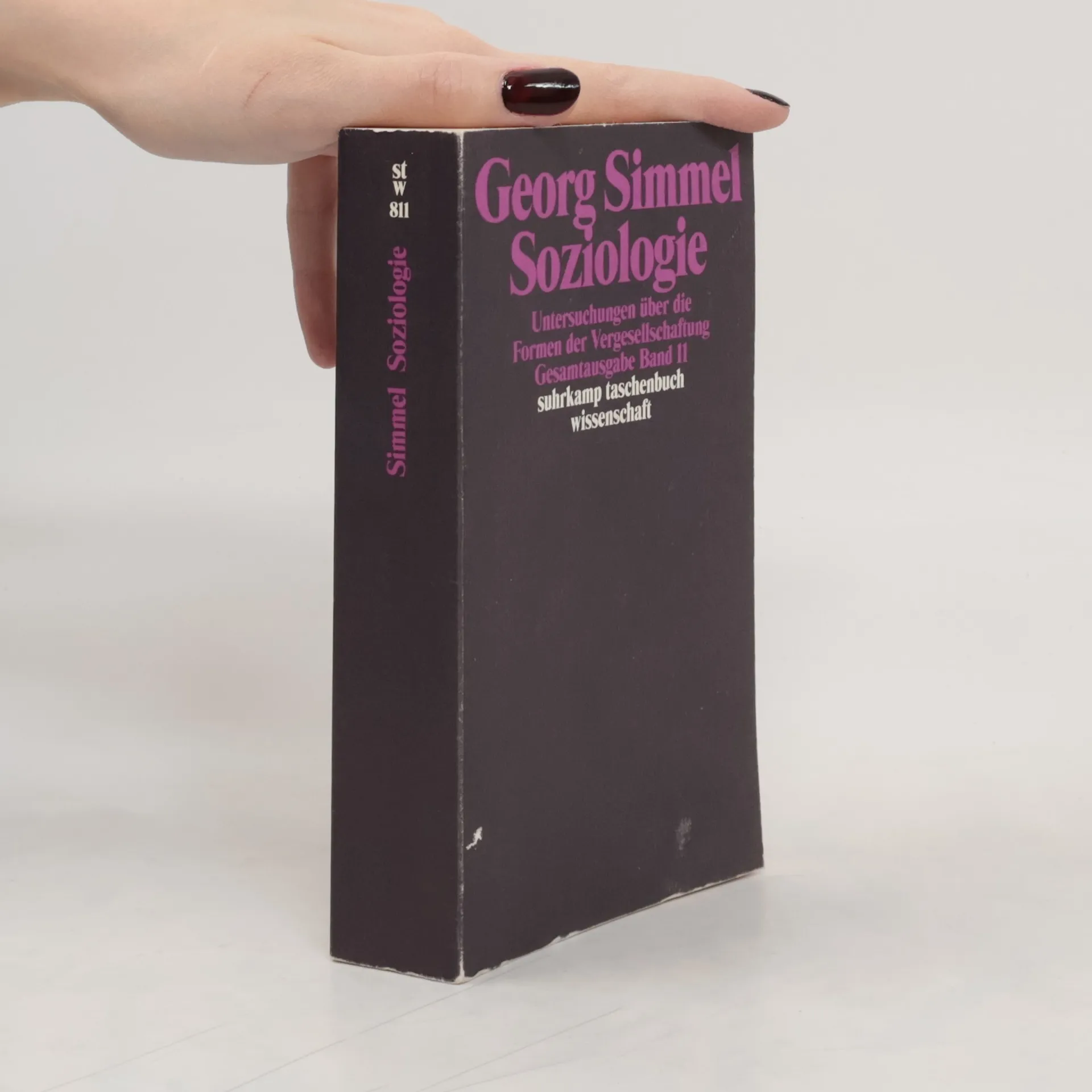
La modernidad y sus desafíos son un tema de debate constante. La complejidad de su destino contingente invita a examinar los procesos individuales y sociales que emergen de decisiones colectivas. Esta es la herencia sociológica de Simmel, quien ofrece una perspectiva enfocada en los puntos de encuentro y cruce de los diversos elementos de las sociedades modernas. Su enfoque se aleja de visiones holistas y deterministas, presentando un modelo que convierte al actor y al analista contemporáneo en testigos de lo fragmentario y de lo nuevo, lo inesperado y lo enigmático. La obra de Simmel se convierte en una ventana hacia fenómenos sociales actuales, como la aceleración, la circulación monetaria y el nerviosismo urbano, que son parte de nuestra vida diaria. En particular, su análisis del dinero resalta su carácter líquido y provisional, revelando claves sobre la metamorfosis de la modernidad tardía. Georg Simmel (1858-1918) es uno de los fundadores de la Sociología, y su obra es fundamental para entender esta disciplina. Junto a figuras como E. Durkheim, M. Weber y C. Marx, contribuyó a la expresión sociológica de la modernidad y sus contradicciones, centrándose en la cristalización formal e institucional que surge de la interacción social. Su legado incluye obras significativas como "Filosofía del dinero", "Sociología" y "El individuo y la Libertad".
Georg Simmel Libros
Georg Simmel fue un sociólogo y filósofo alemán fundamental que exploró la individualidad social y la fragmentación en la sociedad moderna. Su enfoque neokantiano investigó la naturaleza de la sociedad, introduciendo los conceptos de 'formas' y 'contenidos' para analizar fenómenos sociales y culturales. Simmel fue pionero en la sociología urbana y el análisis de redes sociales, y sus ideas influyeron en la teoría crítica. También profundizó en temas filosóficos como la emoción y el amor romántico, ofreciendo una perspectiva única sobre la experiencia humana.



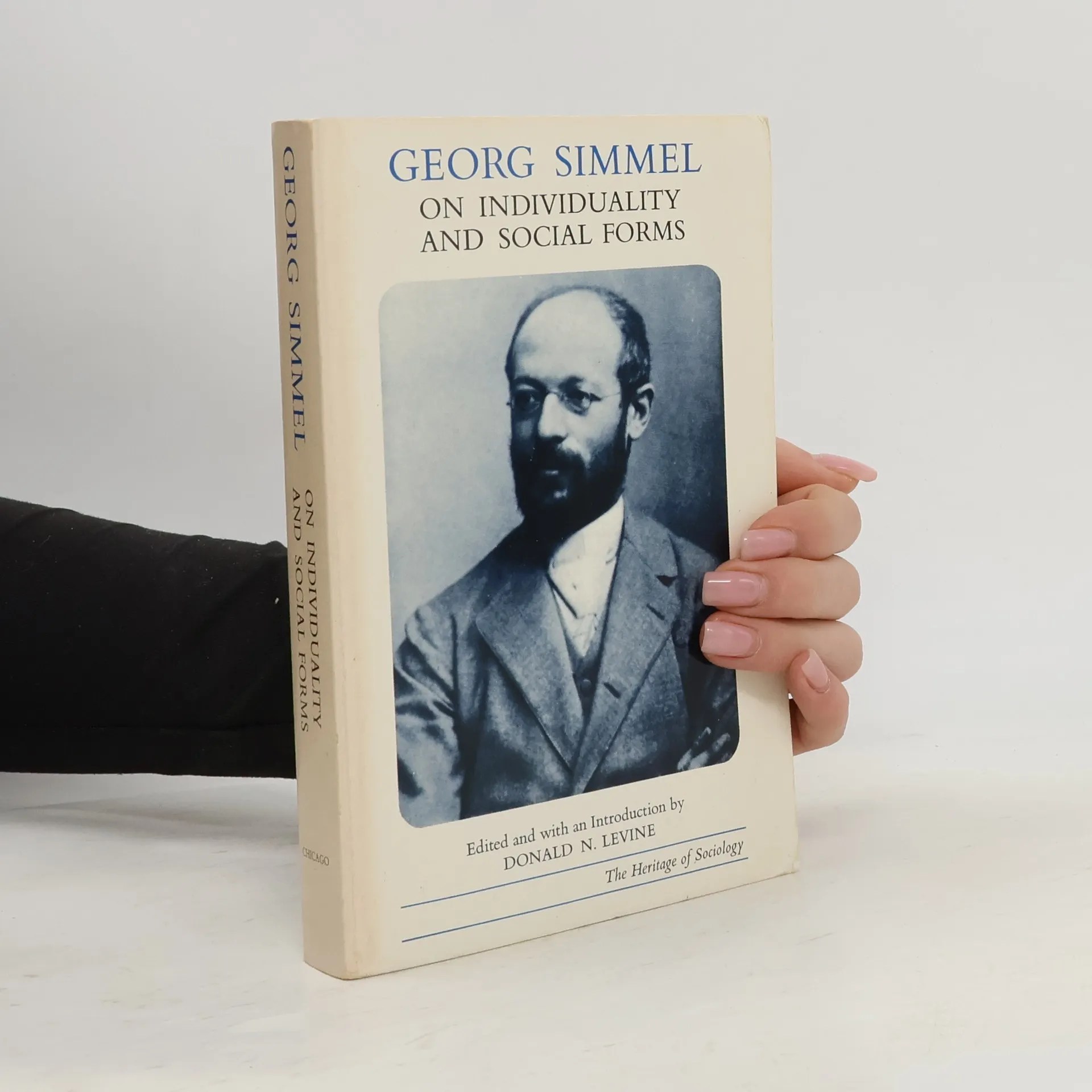

The Heritage of Sociology Series: On Individuality and Social Forms
- 412 páginas
- 15 horas de lectura
"Of those who created the intellectual capital used to launch the enterprise of professional sociology, Georg Simmel was perhaps the most original and fecund. In search of a subject matter for sociology that would distinguish it from all other social sciences and humanistic disciplines, he charted a new field for discovery and proceeded to explore a world of novel topics in works that have guided and anticipated the thinking of generations of sociologists. Such distinctive concepts of contemporary sociology as social distance, marginality, urbanism as a way of life, role-playing, social behavior as exchange, conflict as an integrating process, dyadic encounter, circular interaction, reference groups as perspectives, and sociological ambivalence embody ideas which Simmel adumbrated more than six decades ago."—Donald N. LevineHalf of the material included in this edition of Simmel's writings represents new translations. This includes Simmel's important, lengthy, and previously untranslated "Group Expansion and Development of Individuality," as well as three selections from his most neglected work, Philosophy of Money ; in addition, the introduction to Probleme der Geschichtsphilosophie , chapter one of the Lebensanschauung , and three essays are translated for the first time.
Anticipating contemporary deconstructive readings of philosophical texts, Georg Simmel pits the two German masters of philosophy of life against each other in a play of opposition and supplementation. This first English translation of Simmel's work includes an extensive introduction, providing the reader with ready access to the text by mapping its discursive strategies.
How is society possible?
- 30 páginas
- 2 horas de lectura
Georg Simmel explores the interplay between individuality and society, arguing that personal development is achieved through social interaction. However, he posits that individuals retain a core essence that remains distinct and cannot be fully assimilated into the social fabric. This essay delves into the complexities of socialization and the inherent tension between the self and societal influences.
The collection features essential writings from influential philosophers and cultural theorists of the twentieth century, exploring the foundational ideas that have shaped urban environments and architectural experiences. It delves into the theoretical frameworks that underpin contemporary architecture, offering insights into the cultural and philosophical contexts that inform our understanding of space and design. This compilation serves as a critical resource for those interested in the intersection of architecture, philosophy, and urban theory.
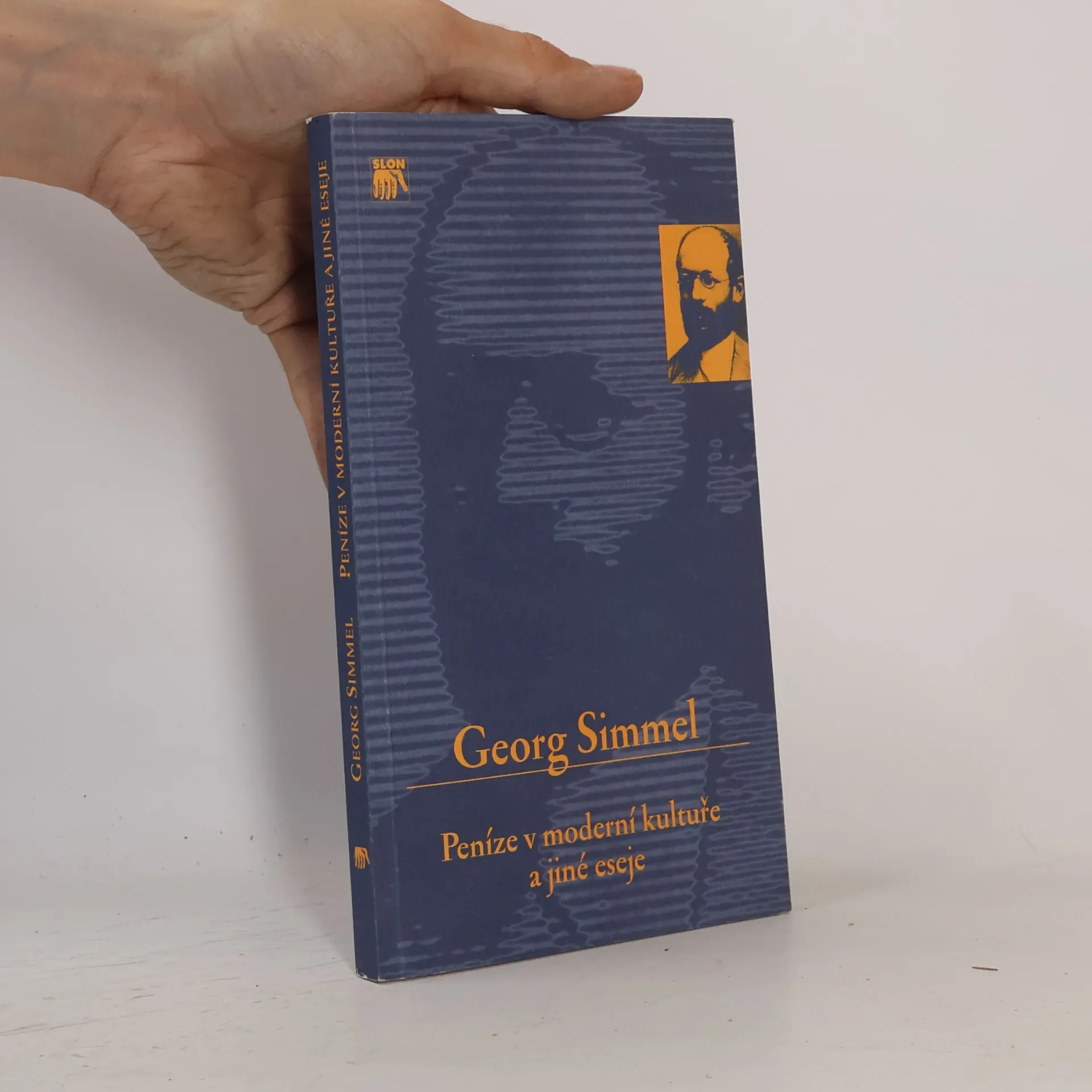
Peníze v moderní kultuře a jiné eseje
- 206 páginas
- 8 horas de lectura
Edici KLAS jsme v roce 1997 otevřeli souborem studií jednoho z nejvýznamnějších světových sociologů, Georga Simmela. Esejistickou formou psané úvahy o módě, nepřátelství, cizinci, studu, diskrétnosti, o roli peněz a konfliktu v moderní kultuře poskytují prostřednictvím neobvyklého pohledu na jevy každodenního života osobitý obraz moderní společnosti. Tento svazek byl vůbec prvním přiblížením Simmela českému čtenáři.
Die tiefsten Probleme des modernen Lebens quellen aus dem Anspruch des Individuums, die Selbständigkeit und Eigenart seines Daseins gegen die Übermächte der Gesellschaft, des geschichtlich Ererbten, der äußerlichen Kultur und Technik des Lebens zu bewahren — die letzterreichte Umgestaltung des Kampfes mit der Natur, den der primitive Mensch um seine leibliche Existenz zu führen hat.
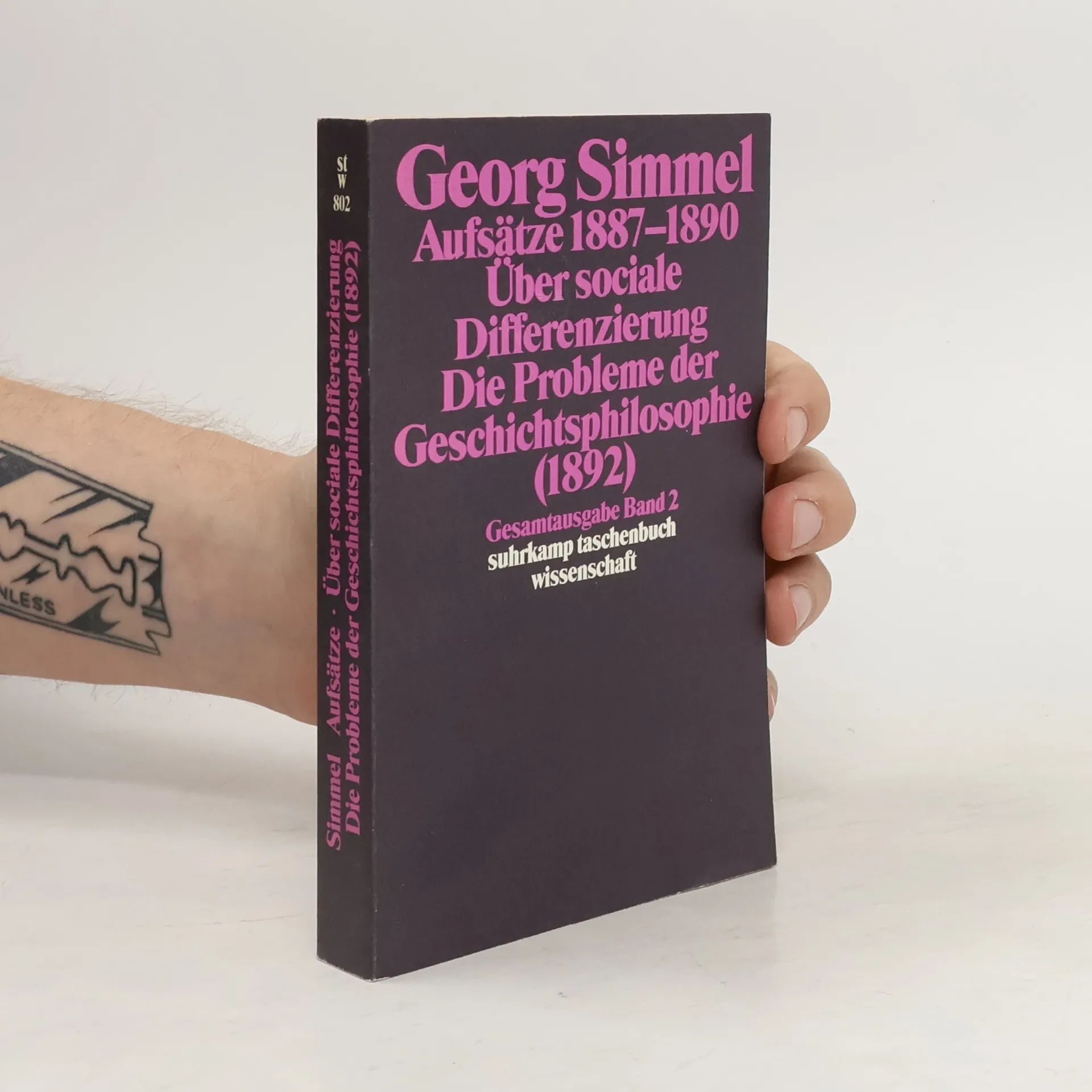
Aufsätze. Über sociale Differenzierung. Die Probleme der Geschichtsphilosophie (1892)
- 434 páginas
- 16 horas de lectura
Die Einsicht, dass der Mensch in seinem Wesen und seinen Äußerungen durch die Wechselwirkung mit anderen Menschen geprägt ist, erfordert eine neue Perspektive in den Geisteswissenschaften. Im 18. Jahrhundert wurden zentrale Aspekte des geschichtlichen Lebens wie Sprache, Religion, Staatenbildung und materielle Kultur oft auf die "Erfindung" Einzelner zurückgeführt. Wo individuelle Verstand und Interessen nicht ausreichten, blieb nur der Verweis auf transzendente Mächte. Sprache galt als Erfindung Einzelner oder als göttliches Geschenk, Religion als das Produkt schlauer Priester oder göttlichen Willens, und sittliche Gesetze wurden entweder von Helden oder von Gott gegeben. Diese Sichtweise wurde durch den Ansatz der gesellschaftlichen Produktion überwunden. Die genannten Phänomene entstehen in den Wechselbeziehungen der Menschen oder sind selbst solche Beziehungen, die nicht aus dem Individuum allein ableitbar sind. Eine dritte Möglichkeit wird sichtbar: die Produktion von Erscheinungen durch das gesellschaftliche Leben, sowohl durch interagierende Individuen als auch durch die Weitergabe von Generation zu Generation. Das Bewusstsein über diese soziale Produktionsweise führt zu einer genetischen Methode in den Geisteswissenschaften und bietet ein neues Werkzeug zur Lösung ihrer Probleme, sei es im Bereich des Staates, der Kirchenorganisation, der Sprache oder der moralischen Ordnung. Soziologie wird nicht nur als eigenständige
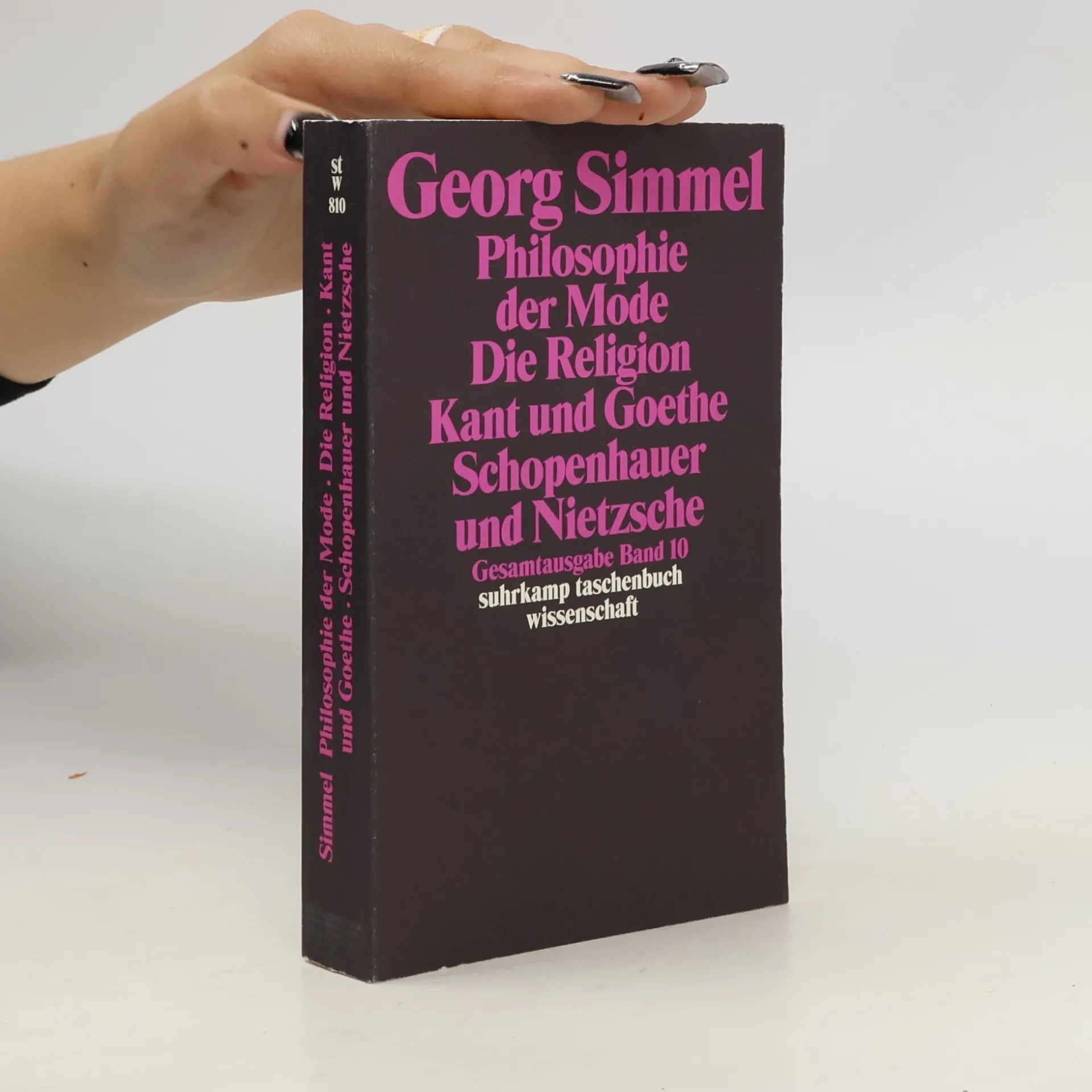
Philosophie der Mode (1905). Die Religion (1906/1912). Kant und Goethe (1906/1916); Schopenhauer und Nietzsche
- 497 páginas
- 18 horas de lectura
Georg Simmel wurde am 1. März 1858 in Berlin als jüngstes von sieben Kindern des Fabrikanten Edward Simmel und seiner Frau Flora geboren und starb am 26. September 1918 in Straßburg. Die Familie war jüdischer Herkunft, konvertierte jedoch früh zum Christentum. Simmel wurde evangelisch getauft und studierte von 1876 bis 1881 an der Berliner Universität Geschichte, Völkerpsychologie und Philosophie. Seine erste Promotionsschrift wurde abgelehnt, während seine Dissertation über Kants Ansichten über Materie anerkannt wurde. 1885 habilitierte er sich mit der Schrift Kantische Studien und wurde Privatdozent. Seine Antrittsvorlesung über das ethische Ideal fand große Resonanz. Trotz seines akademischen Erfolgs sah sich Simmel antisemitischen Ressentiments ausgesetzt. 1898 wurde sein Antrag auf ein Extraordinariat abgelehnt, und 1908 scheiterte seine Berufung auf eine Professur in Heidelberg aufgrund eines antisemitischen Gutachtens. Heute gilt Simmel als einer der bedeutendsten Vertreter der Soziologie des 20. Jahrhunderts, der maßgeblich zur Etablierung dieser Disziplin als eigenständige Wissenschaft beigetragen hat.
Philosophische Kultur
- 251 páginas
- 9 horas de lectura
Dieser Band beinhaltet die folgenden EinleitungDas AbenteuerDie ModeDas Relative und das Absolute im Geschlechter-ProblemDie KoketterieDer HenkelDie RuineDie AlpenMichelangeloRodin - mit einer Vorbemerkung über MeunierDie Persönlichkeit GottesDas Problem der religiösen LageDer Begriff und die Tragödie der KulturWeibliche Kultur
Soziologie
- 1051 páginas
- 37 horas de lectura
In seinem Hauptwerk „Soziologie“ erklärt Simmel, daß die soziale Wirklichkeit niemals in ihrer Ganzheit erfaßt werden kann, daß sie vielmehr ein ständiges, sich veränderndes Wechselspiel zwischen den Teilen der Gesellschaft sei. Simmel sah in der Soziologie eine Wissenschaft der Formen und weniger der Inhalte menschlicher Wechselwirkungen und wird damit zum Begründer einer „formalen Soziologie“:„Weder Hunger noch Liebe, weder Habgier noch Arbeit, weder Technik noch Religion sind an und für sich etwas Soziales; sie werden es, indem sie – als Ursachen oder als Zwecke – die Individuen zu Wechselwirkungen mieinander veranlassen. ... die bestehende Gesellschaft lebt in der Einheit der gesellschaftsbildenden Wechselwirkungsformen und der Inhalte – ökonomischer oder erotischer, religiöser oder intellektueller, eudämonistischer oder sachlicher Art - , die sich in den sozialen Formen von über- und Unterordnung, von Konkurrenz und Kooperation, von Parteibildung und Hierachie, von Abschluß und Anschluß und unzähligen anderen realisieren. ... So hat die Soziologie aufzusuchen, was an den realen Vergesellschaftungen wirklich und rein Gesellschaft ist, die Arten der Vergesellschaftungen, die aus der Summe von von Individuen Gesellschaft machen.“ (aus: Dokumente des Forschritts I, 1908, Heft 3, S. 220, in GSG 17)
Die Religion
- 104 páginas
- 4 horas de lectura
Georg Simmel (1858-1918) war ein Pionier der Soziologie und Mitbegründer der Deutschen Gesellschaft für Soziologie. Seine Studie zur Religion, ursprünglich 1906 veröffentlicht, wurde 1912 überarbeitet und bietet tiefgreifende Einblicke in die soziologischen Aspekte des Glaubens.
Die Großstädte und das Geistesleben
- 47 páginas
- 2 horas de lectura
Zehn schmale Bücher zu zehn großen Fragen, Beiträge zu zentralen Themen der Gegenwart. Von Adorno bis Žižek reicht das Spektrum der Autoren, das der Themen von der Lust und der Erziehung, dem Bewußtsein und dem Großstadtleben bis hin zu Tod und Religion – Essenzen . Zehn Bände in besonders schöner Ausstattung, mit einem Umfang von nicht mehr als 80 Seiten, gebunden, mattlackiert und mit Vorsatzpapier.
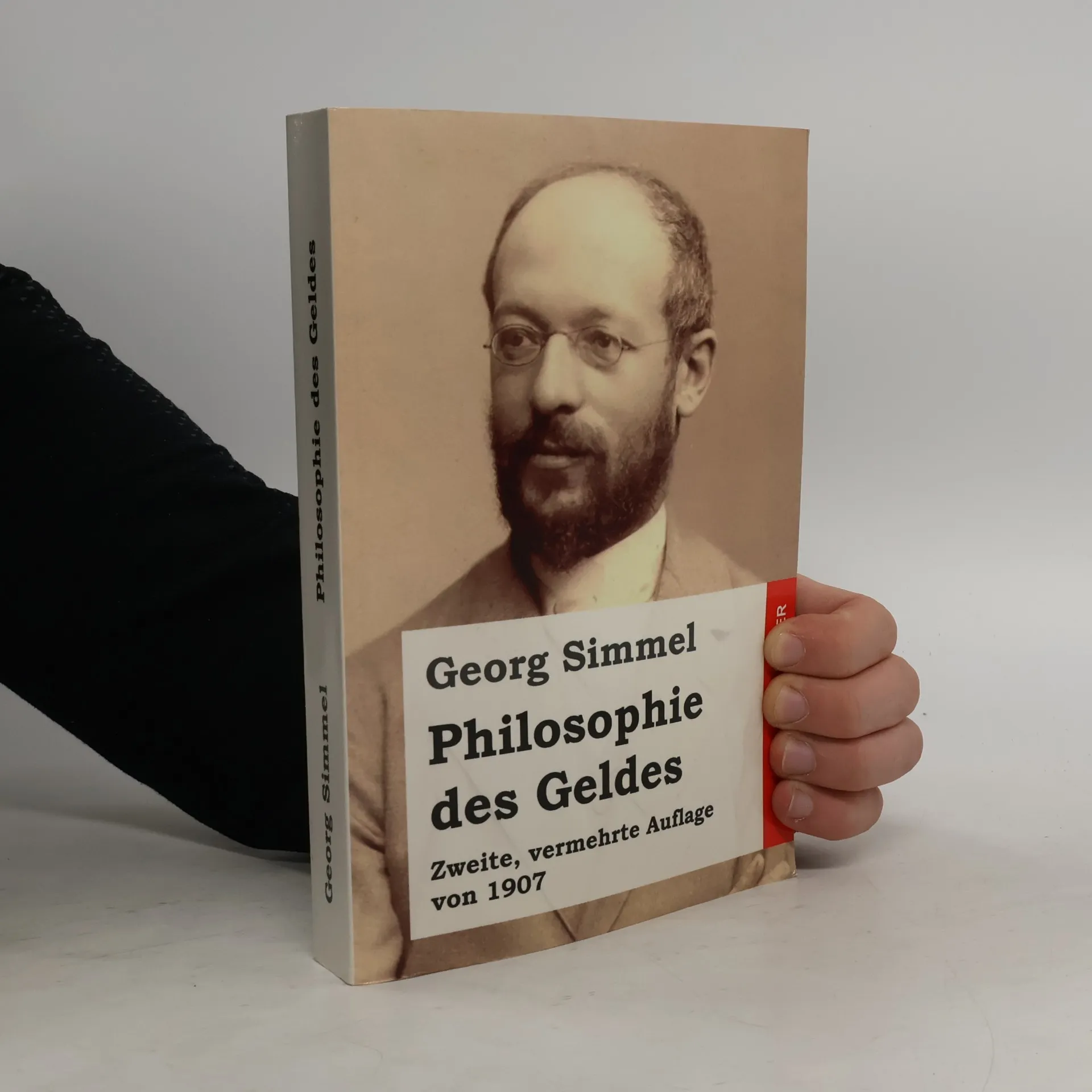
Georg Simmel: Philosophie des Geldes. Zweite, vermehrte Auflage von 1907 Edition Holzinger. Taschenbuch Berliner Ausgabe, 2016 Vollstandiger, durchgesehener Neusatz mit einer Biographie des Autors bearbeitet und eingerichtet von Michael Holzinger Erstdruck: Leipzig (Duncker & Humblot) 1900. Der Text folgt der 2., vermehrten Auflage von 1907. Das annotierte Inhaltsverzeichnis wurde aufgelost und den jeweiligen Abschnitten vorangestellt. Textgrundlage ist die Ausgabe: Georg Simmel: Philosophie des Geldes. Dritte, unveranderte Auflage, Munchen und Leipzig, Duncker & Humblot, 1920. Herausgeber der Reihe: Michael Holzinger Reihengestaltung: Viktor Harvion Gesetzt aus der Minion Pro, 11 pt.
Weltanschauung
- 508 páginas
- 18 horas de lectura
Die Sammlung von Aufsätzen thematisiert die "Weltanschauung" und versammelt Beiträge namhafter Philosophen wie Wilhelm Dilthey und Hans Driesch. Im Mittelpunkt steht das Bestreben, eine einheitliche Perspektive auf Welt und Leben zu entwickeln. Angesichts einer langen Phase der Distanzierung von metaphysischen und religiösen Fragestellungen wird der Mut gefasst, sich wieder den grundlegenden Fragen des menschlichen Daseins zu widmen, die seit jeher die Menschheit und ihre tiefsten Denker beschäftigen.
Über die Mode
Philosophische und psychologische Betrachtungen (Band 127, Klassiker in neuer Rechtschreibung)
- 52 páginas
- 2 horas de lectura
Die Reihe bietet eine moderne Aufbereitung bedeutender Werke der Weltliteratur, die in der aktuellen Rechtschreibung gemäß Duden präsentiert werden. Klara Neuhaus-Richter sorgt dafür, dass klassische Texte für ein breiteres Publikum zugänglich und lesbar sind, ohne den ursprünglichen Inhalt zu verfälschen.
Gesamtausgabe in 24 Bänden
Band 9: Kant. Die Probleme der Geschichtsphilosophie (1905/1907)
Dieses Buch verfolgt eine rein philosophische Absicht, indem es Kants Kerngedanken für ein neues Weltbild unabhängig von ergänzenden Aspekten darstellt. Zudem untersucht es, wie aus der gelebten Wirklichkeit das theoretische Konstrukt der Geschichte entsteht, und zeigt die Radikalität dieser Umformung auf.
Philosophie der Mode
- 122 páginas
- 5 horas de lectura
Georg Simmel, ein Pionier der Großstadtsoziologie, analysiert die Bedeutung der Mode und deren Einfluss auf soziale Strukturen. Er argumentiert, dass Mode aus den menschlichen Dualismen von Nachahmung und Absonderung entsteht, wobei höhere Schichten sich von den niederen abgrenzen, was neue Moden fördert.
Simmels Essays zur Kulturphilosophie diskutieren im Zeitraum zwischen 1900 und 1918 auf aktuelle Weise einen doppelten Begriff von Kultur: eine objektive Kultur mit ihren Institutionen, Regeln und Praktiken und eine subjektive Kultur, die auf einem persönlichen Wertgefühl aufbaut. Im Konflikt dieser zwei Kulturen erörtert Simmel sowohl seine philosophischen Bezugspunkte (Kant, Goethe, Schopenhauer und Nietzsche) als auch die Möglichkeiten zur Ausbildung eines persönlichen Lebensstils in einer Welt der Dinge und Waren, im Großstadtleben oder im (Gegen-) Entwurf einer weiblichen Kultur. 0Simmels Kulturphilosophie mündet in eine Stellungnahme: Wir können unser Leben nur in und durch die kulturellen Formen (Sprache, Recht, Sitte u.a.) führen, die wir selbst geschaffen haben. Kultur als zweite Natur bleibt ein gefährdetes Projekt, weil sie in unserer Haltung zum Leben und in der Art der Lebensführung gründet. Und: Wir sind vor Aufgaben gestellt, die nicht aufzulösen, aber doch von uns zu bewältigen sind
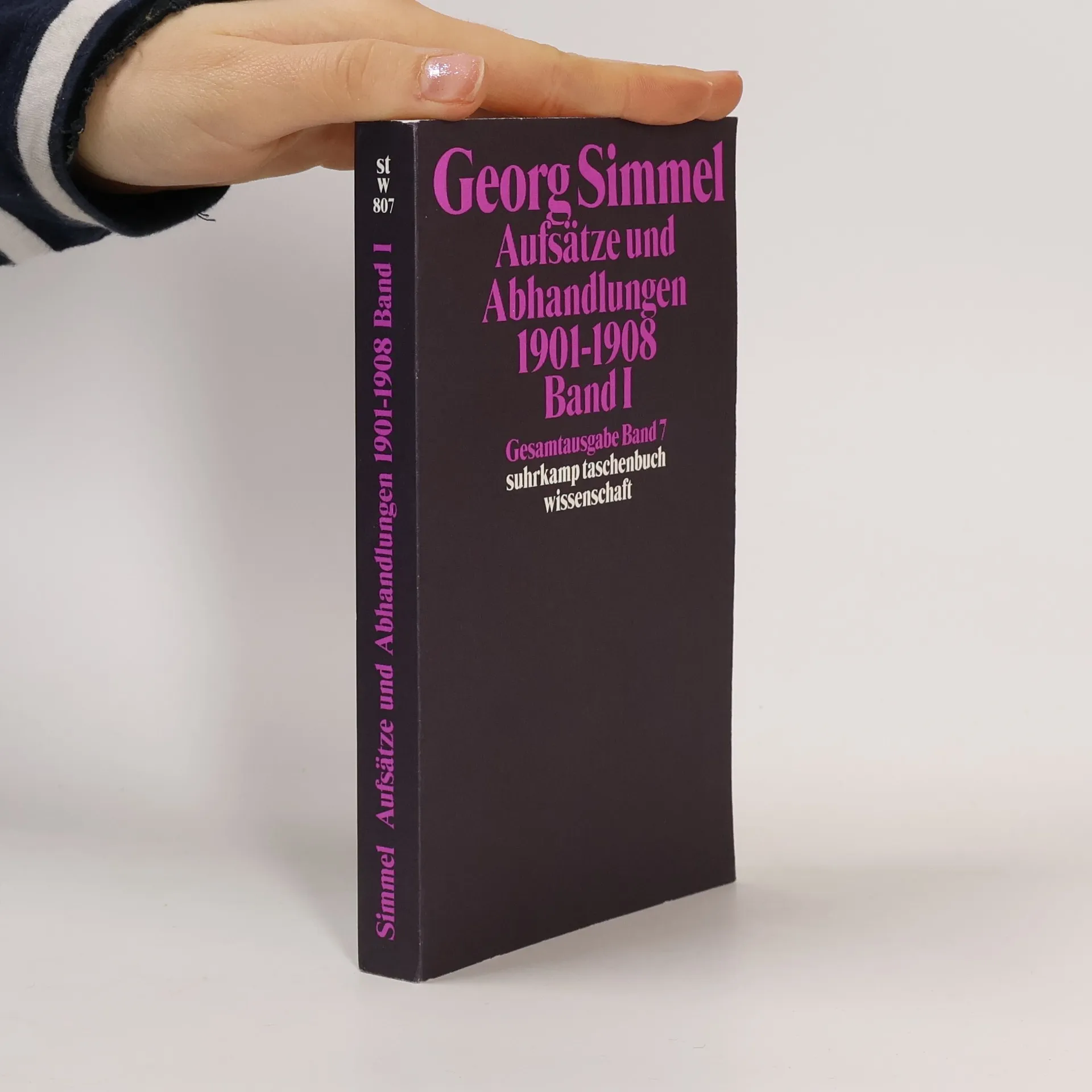
Aufsätze und Abhandlungen 1901-1908. Bd.2
- 463 páginas
- 17 horas de lectura
German
Das Wesen der Materie nach Kant's Physischer Monadologie. Abhandlungen. Rezensionen
- 527 páginas
- 19 horas de lectura
Der Inhalt umfasst eine Vielzahl von Themen, die sich mit der Philosophie, Psychologie und Ethik befassen, beginnend mit Kants Physischer Monadologie und seinen Konzepten zur Materie. Es werden Abhandlungen aus den Jahren 1882-1884 behandelt, die psychologische und ethnologische Studien über Musik sowie Fragen zum Jodeln beinhalten. Die Popularisierung von Kants Lehren wird durch verschiedene Autoren thematisiert, darunter Werke über die Sprache, Ethik und die Entwicklung des Individuums. Ein weiterer Fokus liegt auf Goethes Verhältnis zur Ethik und der Rolle der Frauenbewegung in der Gesellschaft. Die Diskussion über die Bedeutung theologischer Vorstellungen für die Ethik sowie die Aufgaben des Liberalismus in Preußen wird ebenfalls behandelt. Die Entwicklung von Konzepten wie dem Schuldbegriff und der sozialen Evolution wird analysiert, während die Methodik der Sozialwissenschaften und die Erklärung der Menschen- und Bürgerrechte thematisiert werden. Zusätzlich wird die Psychologie von Massenverhalten und -verbrechen sowie die Rolle von Scham in der menschlichen Psyche erörtert. Die Sammlung umfasst ein breites Spektrum an philosophischen und sozialen Fragestellungen, die die Entwicklung des Denkens im späten 19. Jahrhundert widerspiegeln und verschiedene Perspektiven auf Ethik, Gesellschaft und Psychologie bieten.
Hauptprobleme der Philosophie. Philosophische Kultur
- 530 páginas
- 19 horas de lectura
Simmels Hauptprobleme der Philosophie möchten deren Verständnis auch außerhalb des Kreises der Profession fördern. "Dieser Aufgabe will ich hier durch Darstellung und Erwägung einiger hauptsächlicher, historisch vorliegender Probleme und Lösungsversuche dienen, und zwar unter Zugrundelegung einer gewissen Fiktion. Ich möchte die Bilder dieser großen Philosopheme so geben, wie sie sich etwa einem Philosophen darstellen, der eine eigne Lösung ihrer Probleme sucht und zu diesem Zwecke die bereits vorliegenden Lösungen sich vergegenwärtigt und erwägt. Die Absicht eines solchen wäre keine historische, sondern eine sachliche, d. h. das Problem wäre ihm nicht wichtig, weil Plato und Hegel es behandelt haben, sondern Plato und Hegel sind ihm wichtig, weil sie das Problem behandelt haben."
Hauptprobleme der Philosophie
- 177 páginas
- 7 horas de lectura
Frontmatter -- Geleitwort -- Einleitung -- Erstes Kapitel: Vom Wesen der Philosophie -- Zweites Kapitel: Vom Sein und vom Werden -- Drittes Kapitel: Vom Subjekt und Objekt -- Viertes Kapitel: Von den idealen Forderungen
Soziologische Ästhetik
Herausgegeben und eingeleitet von Klaus Lichtblau
- 184 páginas
- 7 horas de lectura
Georg Simmel hat mit seinen kulturphilosophischen und kultursoziologischen Schriften einen wichtigen Beitrag zu einem besseren Verständnis der Moderne geleistet. Er sah dabei in einer spezifischen ästhetischen Erfahrung von Modernität die Möglichkeit gegeben, der epochalen Eigenart des modernen Lebens mit allen seinen Spannungen, Konflikten und Paradoxien auf die Spur zu kommen, ohne diese auf eine bereits vorab festgelegte begriffliche Systematik zu reduzieren. Im vorliegenden Band wird Simmels Programm einer Soziologischen Ästhetik unter anderem anhand einiger seiner kunstkritischen Schriften aus den 1890er Jahren, seinen Arbeiten über die Rolle der modernen Kunst- und Gewerbeausstellungen, die soziologische Bedeutung der Mode und des Schmucks sowie seiner Studien über die Geselligkeit und die Koketterie dokumentiert.
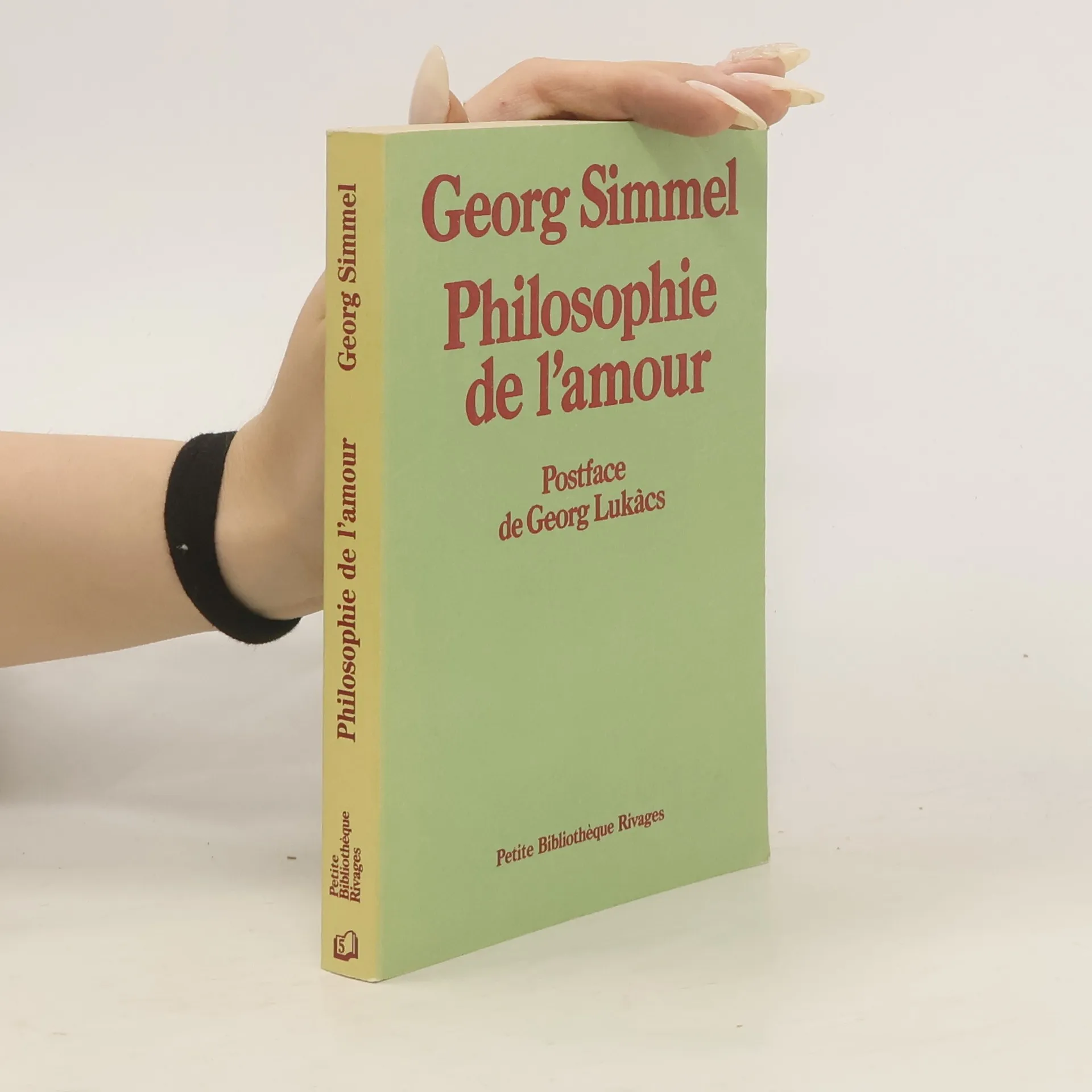
Philosophie de l'amour
- 195 páginas
- 7 horas de lectura
Du rôle de l'argent dans les rapports entre les sexes jusqu'à l'utopie d'un Éros fait de réciprocité, par exaltation (et non par effacement) des singularités qualitatives, Georg Simmel, ce classique de la sociologie moderne, parcourt ici le vaste champ des déterminations qui conditionnent le masculin et le féminin, et envisage les changements d'optique qui permettraient de les déconditionner. Sa réflexion passe aussi bien par une phénoménologie des comportements quotidiens (La Psychologie de la coquetterie) que par une série d'interrogations générales sur la culture féminine, ce lieu de toutes les convergences et toutes les bifurcations possibles. Georg Simmel offre l'exemple d'une sociologie en liberté qui, loin de s'enliser dans le positivisme, joue simultanément de toutes les ressources qu'offre l'imagination militante alliée à l'analyse exacte.
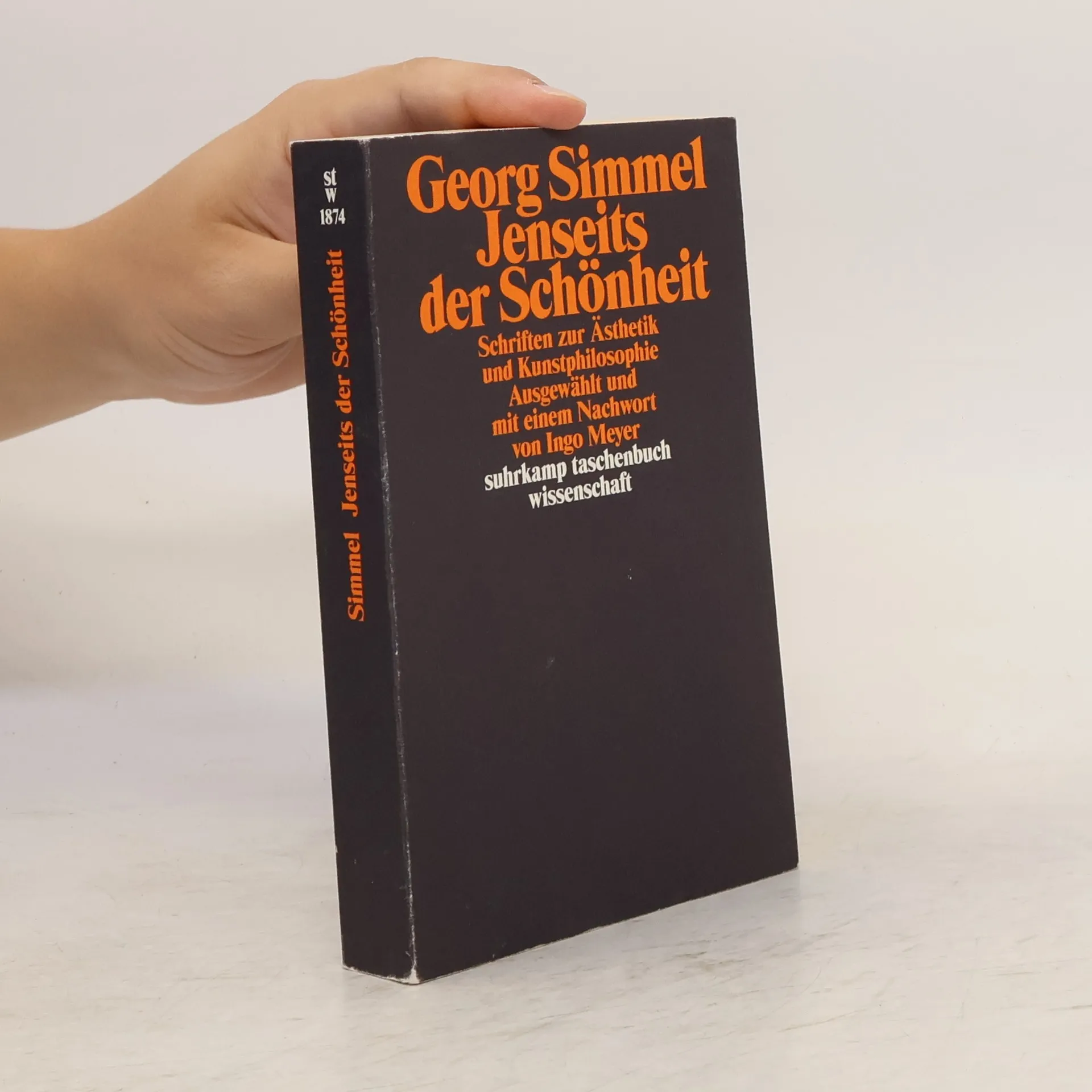
Jenseits der Schönheit
Schriften zur Ästhetik und Kunstphilosophie
Georg Simmel hat sich zeit seines Lebens mit Fragen der Kunst und der Ästhetik auseinandergesetzt. Das dokumentieren die hier versammelten Texte, die zugleich die theoretische Einheit der weitgestreuten Arbeiten Simmels zu diesen Fragen sichtbar werden lassen. Simmels Interesse – so zeigt sich – richtet sich einerseits auf die ästhetische Dimension von sozialen Interaktionen und Gebrauchsgegenständen, andererseits auf konkrete Artefakte und klassische ästhetische Positionen. Darüber hinaus geben ausgewählte Künstlerporträts und Briefe Kernpassagen der Lebensphilosophie wieder, die verdeutlichen, wie dem späten Simmel das ästhetische zur Realisation des »individuellen Gesetzes« gerät, es nunmehr als existentielle Lebensform begriffen wird. Das Nachwort von Ingo Meyer ordnet Simmels Ästhetik zwischen klassisch-idealistischen, nietzscheanischen und modernen Positionen zum »Nichtmehr-Schönen« ein.
Bei Auguste Rodin in Paris - 1905
- 51 páginas
- 2 horas de lectura
Georg Simmel (1858-1918), berühmt durch seine 'Philosophie des Geldes' (1900), ist einer der Gründerväter der modernen Soziologie. Er interessierte sich auch für die Kunst: Auguste Rodin war ihm der bedeutendste Künstler seiner Zeit. Im Nachruf, den er dem Franzosen kurz nach dessen Tod in einer Berliner Tageszeitung gewidmet hat, beschreibt er auf unnachahmlich packende Weise den Eindruck, den ein Besuch 1905 im Atelier des Bildhauers auf ihn gemacht hat. Dieser völlig vergessene Nachruf wird hier zum ersten Mal - mit einem Nachwort und einigen Fotos - als eigenständige kleine Publikation vorgelegt.
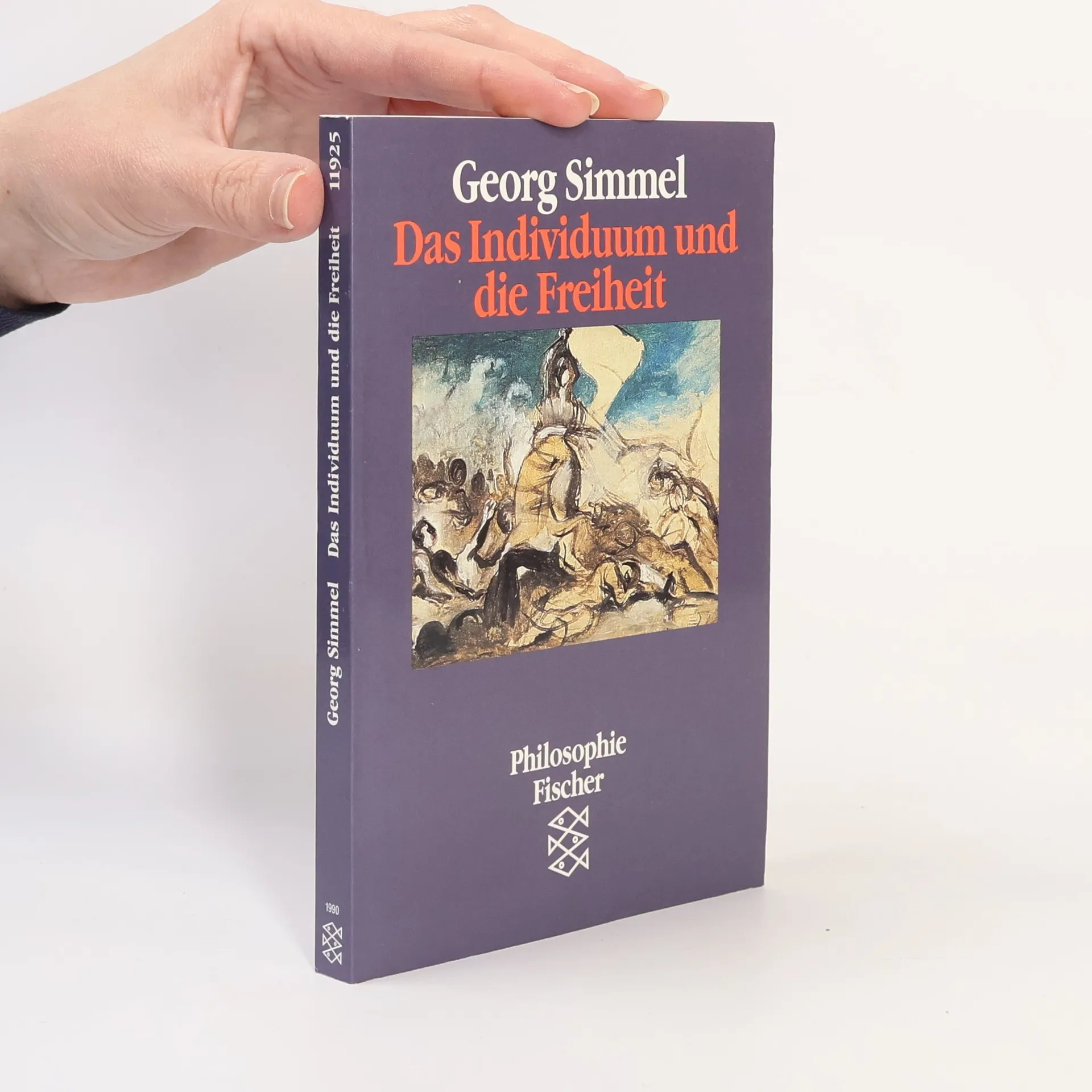
Philosophie Fischer - 11925: Das Individuum und die Freiheit
- 223 páginas
- 8 horas de lectura
O podstate kultúry
- 222 páginas
- 8 horas de lectura
Esejistické dielo významného nemeckého sociológa, filozofa, kulturológa a estetika G. Simmela (1858–1918) v poslednom období prežíva vo svete renesanciu. V prítomnom výbere z jeho esejí je zreteľné, že je to najmä vďaka jeho príklonu ku skúmaniu konkrétnych vecí a životných javov modernej spoločnosti prostredníctvom jazyka, ktorý osloví i dnešného čitateľa.
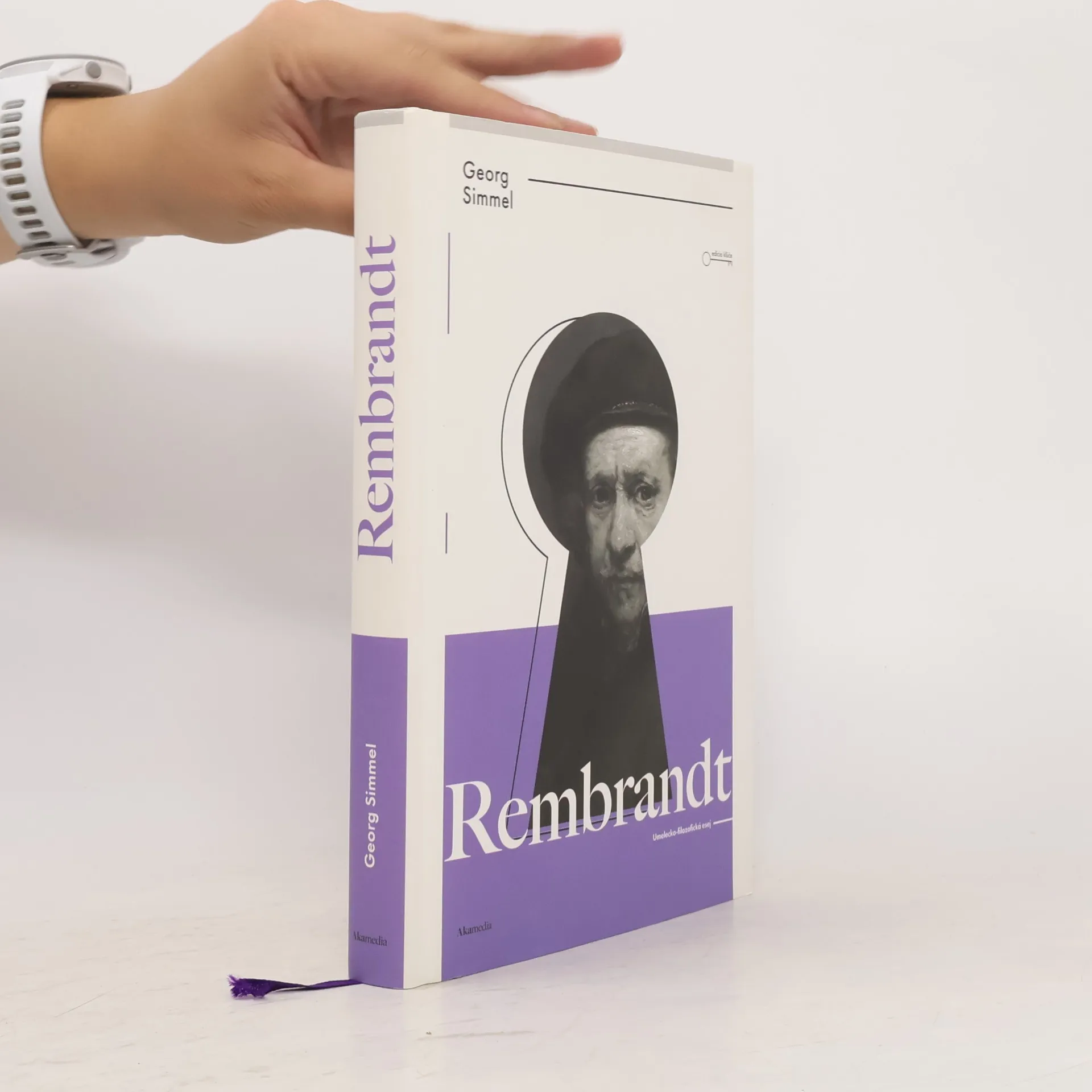
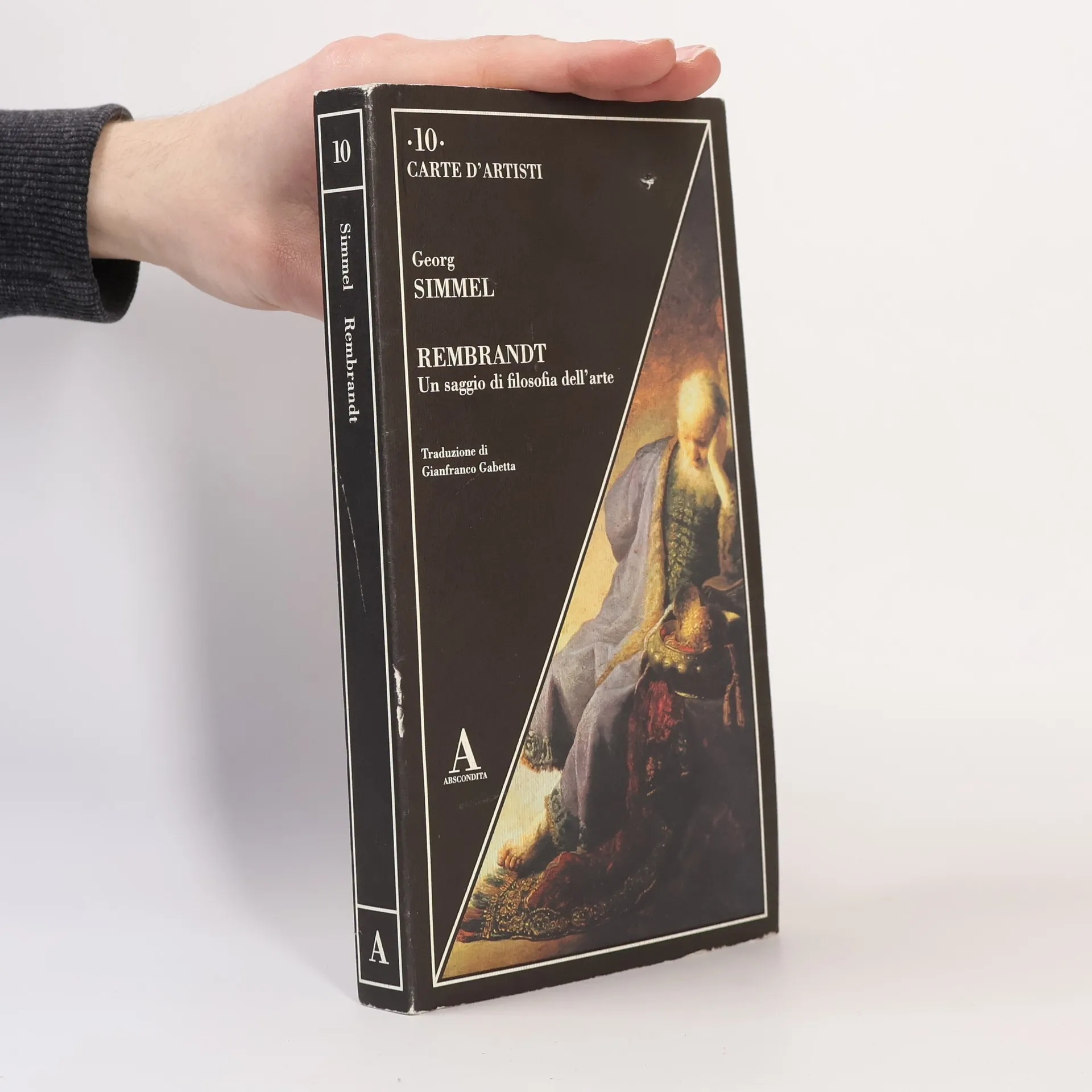
Rembrandt
- 262 páginas
- 10 horas de lectura
Georg Simmel (1858–1918) patrí medzi zakladateľské osobnosti modernej sociológie a zvlášť sociológie kultúry. Esej Rembrandt z roku 1916 vychádza v slovenčine prvýkrát. Georg Simmel si vo svojej knihe kladie zásadné otázky, ktoré sú však dnes už len v pozadí sociologických analýz, ak sa vôbec kladú. Napríklad: Čo skutočne vidíme v umeleckom diele?, Čo nám hovorí Rembrandtovo dielo o ľudskej prirodzenosti alebo podstate?, V čom spočíva jedinečnosť autorovho prínosu? Jeho brilantná interpretačná štúdia patrí k majstrovským textom filozofie a sociológie umenia.
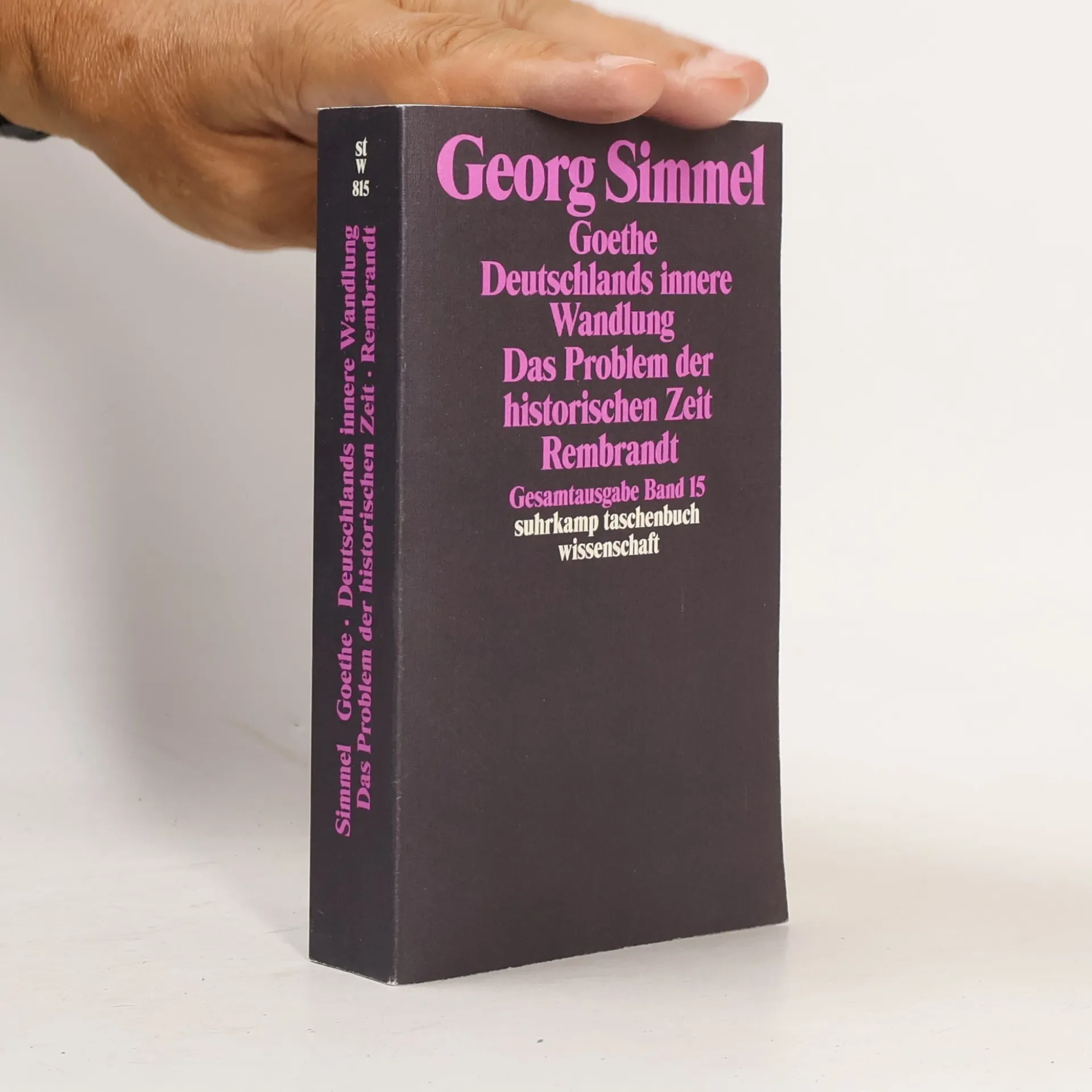
Gesamtausgabe - 15: Goethe. Deutschlands innere Wandlung. Das Problem der historischen Zeit; Rembrandt
- 678 páginas
- 24 horas de lectura
Aus dem Inhalt: Goethe / Deutschlands innere Wandlung / Das Problem der historischen Zeit / Rembrandt schovat popis
Gesamtausgabe - 17: Miszellen, Glossen, Stellungnahmen, Umfrageantworten, Leserbriefe, Diskussionsbeiträge 1889-1918, A
- 625 páginas
- 22 horas de lectura
Die zentrale Idee des Buches thematisiert das unstillbare Verlangen des Menschen nach mehr, im Gegensatz zum Tier, das mit der Sättigung zufrieden ist. Es wird untersucht, wie dieses ständige Streben nach Erfüllung und Genuss das menschliche Dasein prägt und zu einem unendlichen Hunger führt, der über das Physische hinausgeht. Der Autor reflektiert über die psychologischen und philosophischen Aspekte dieses Verlangens und regt zur Auseinandersetzung mit der eigenen Existenz und den damit verbundenen Bedürfnissen an.
Die Alpen und andere Essays
- 85 páginas
- 3 horas de lectura
„Die Alpen aber scheinen dies ihren Bildern zu versagen: keines erreicht den Eindruck der überwältigenden Masse der Alpen, und die größten Alpenmaler, Segantini und Hodler, suchen dich dieser Aufgabe durch raffinierte Stilisierung, Akzentverschiebung, Farbeneffekte mehr zu entziehen als sie zu lösen.“
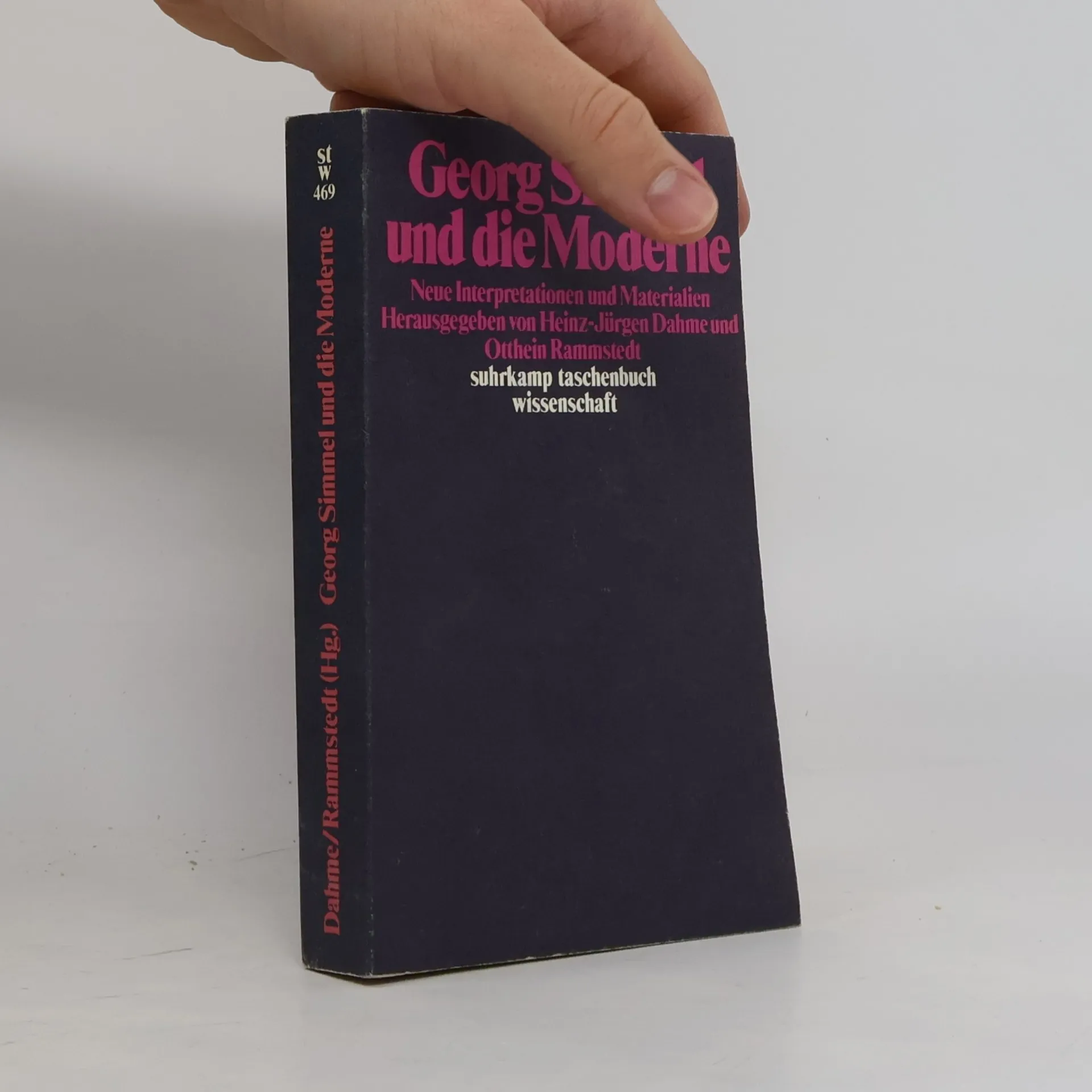
Suhrkamp Taschenbuch Wissenschaft - 469: Georg Simmel und die Moderne
Neue Interpretationen und Materialien
- 485 páginas
- 17 horas de lectura
„1982 traf sich ein Großteil renommierter Simmel-Forscher, um die Aktualität des Soziologen und Philosophen Georg Simmel zu erörtern. Im vorliegenden Band werden Ergebnisse dieser Tagung dargeboten. Zum einen wird die Bedeutung der Soziologie Georg Simmels für die gegenwärtige Theoriediskussion hervorgehoben; sodann werden neue Ansätze zur Interpretation seiner Soziologie, Kulturkritik, Philosophie und Ästhetik vorgestellt; der abschließende Teil widmet sich dem Problem, aus welchen Quellen Simmel schöpfte und auf welche Tradition er sich stützte.“
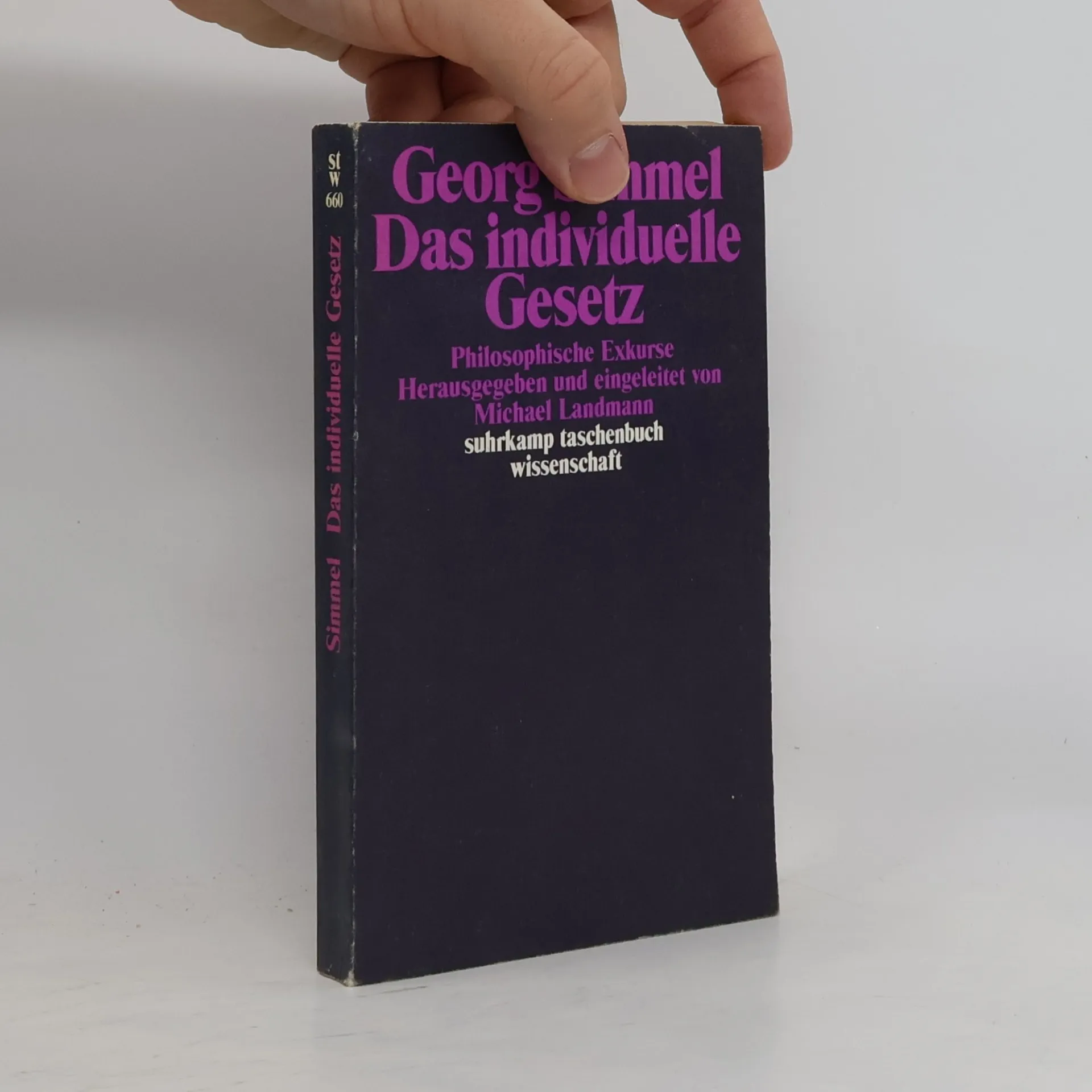
Das individuelle Gesetz
Philosophische Exkurse. Herausgegeben und eingeleitet von Michael Landmann. Neuausgabe 1987 mit einem Nachwort von Klaus Christian Köhnke
- 261 páginas
- 10 horas de lectura
Man hat Simmel, dessen Aufsätze auch in großen Tageszeitungen erschienen, gelegentlich kritisiert, weil bei ihm mehr Gedanken als ein durchgehender Grundgedanke einer originären Philosophie zu finden sind. Dennoch wachsen die verschiedenen Aspekte seiner Lebensphilosophie aus einem einheitlichen Prinzip. Ein weiteres, grundlegendes Prinzip seines Denkens, das er selbst nie vollständig formulierte, könnte man als „Dialektik ohne Versöhnung“ bezeichnen. Simmel denkt nicht von einer metaphysischen Einheit aus, die das Einzelne sekundär entfaltet und zusammenhält, sondern er nimmt das „pluralistische Universum“ ernst. Am Anfang steht das Einzelne, und höhere Ganzheiten entstehen – Leibnizisch – erst durch die Beziehungen der Einzelnen zueinander. Die Kategorien des frühen Simmel, wie die „Relativität“ im Erkenntnisbereich und die „Wechselwirkung“ im sozialen, haben hier ihren Ursprung. In der Suhrkamp Verlag sind bereits verschiedene Schriften von Georg Simmel erschienen, darunter eine Auswahl zur Soziologie und zur Philosophie und Soziologie der Geschlechter. Zudem gibt es eine Sammlung von neuen Interpretationen und Materialien über Simmel. Eine umfassende Ausgabe seiner gesammelten Schriften ist in Vorbereitung, deren erste Bände im Herbst 1988 erscheinen werden.
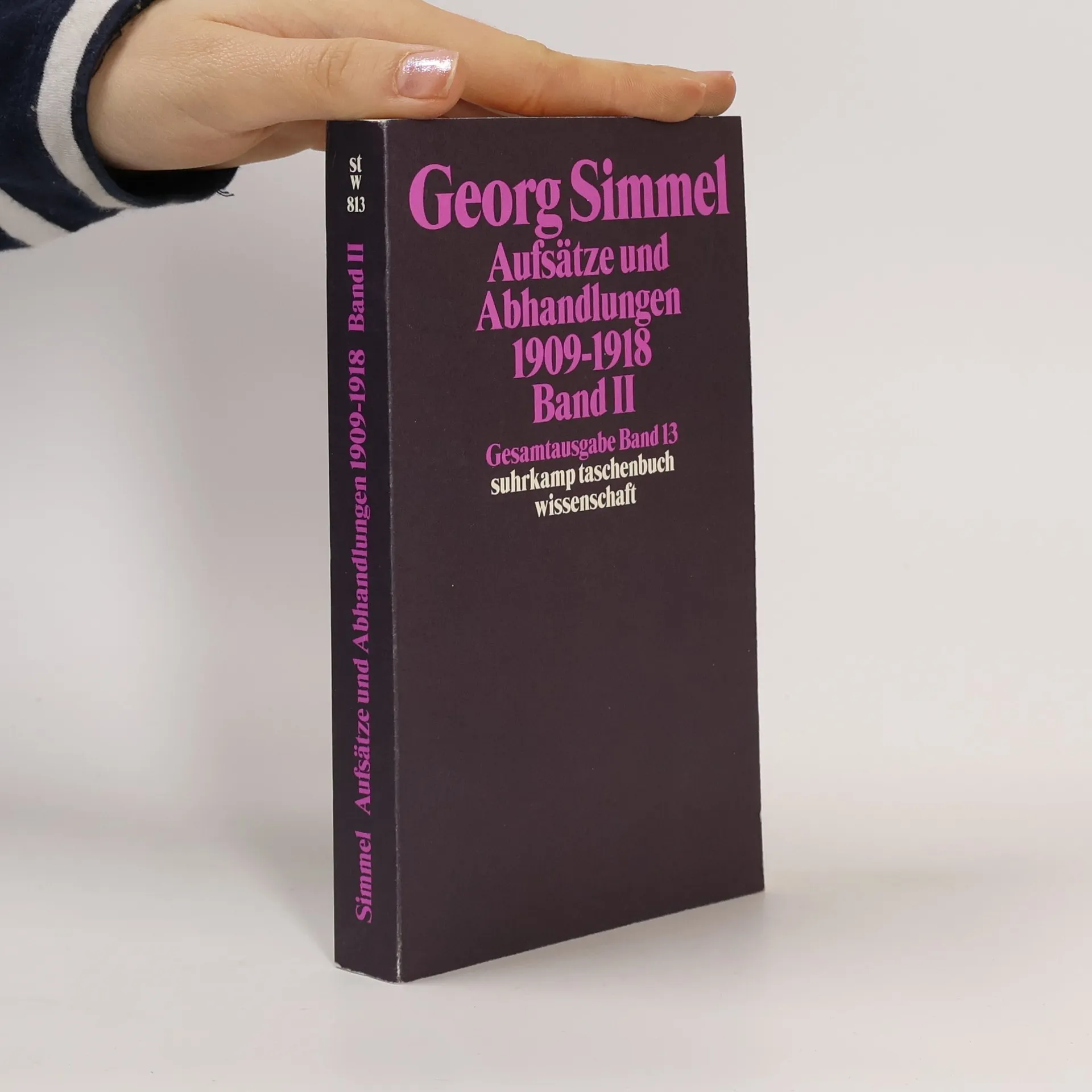
Gesamtausgabe - 13: Aufsätze und Abhandlungen 1909-1918. Bd.2
- 431 páginas
- 16 horas de lectura
Aufsätze und Abhandlungen 1909-1918. Band II L'Art pour l'art (1914) Rembrandtstudie (1914) Henri Bergson (1914) Rembrandts religiöse Kunst (1914) Goethes Gerechtigkeit (1914) Goethe und die Jugend (1914) Rembrandt und die Schönheit (1914) Die Idee Europa (1915) Geld und Nahrung (1915) Vom Tode in der Kunst. Nach einem Vortrag (1915) Werde, was Du bist (1915) Europa und Amerika. Eine weltgeschichtliche Betrachtung (1915) Studien zur Philosophie der Kunst, besonders der Rembrandtschen (1914/15) Einheit und Zwiespalt. Zeitgemäßes in Goethes Weltanschauung (1915) Bruchstücke aus einer Philosophie der Kunst (1916) Gestalter und Schöpfer (1916) Die Krisis der Kultur (1916) Der Fragmentcharakter des Lebens. Aus den Vorstudien zu einer Metaphysik (1916) Wandel der Kulturformen (1916) Die Dialektik des deutschen Geistes (1916) Das Goethebuch (1917) Über die Karikatur (1917) Vorformen der Idee. Aus den Studien zu einer Metaphysik (1916) Individualismus (1917) Erinnerung an Rodin (1917) Germanischer und klassisch-romanischer Stil (1918) Die historische Formung (1917/18) Das Problem des Porträts (1918) Gesetzmäßigkeit im Kunstwerk (1917/18) Editorischer Bericht Druckvorlagen Varianten Verzeichnis der Siglen Namenregister schovat popis
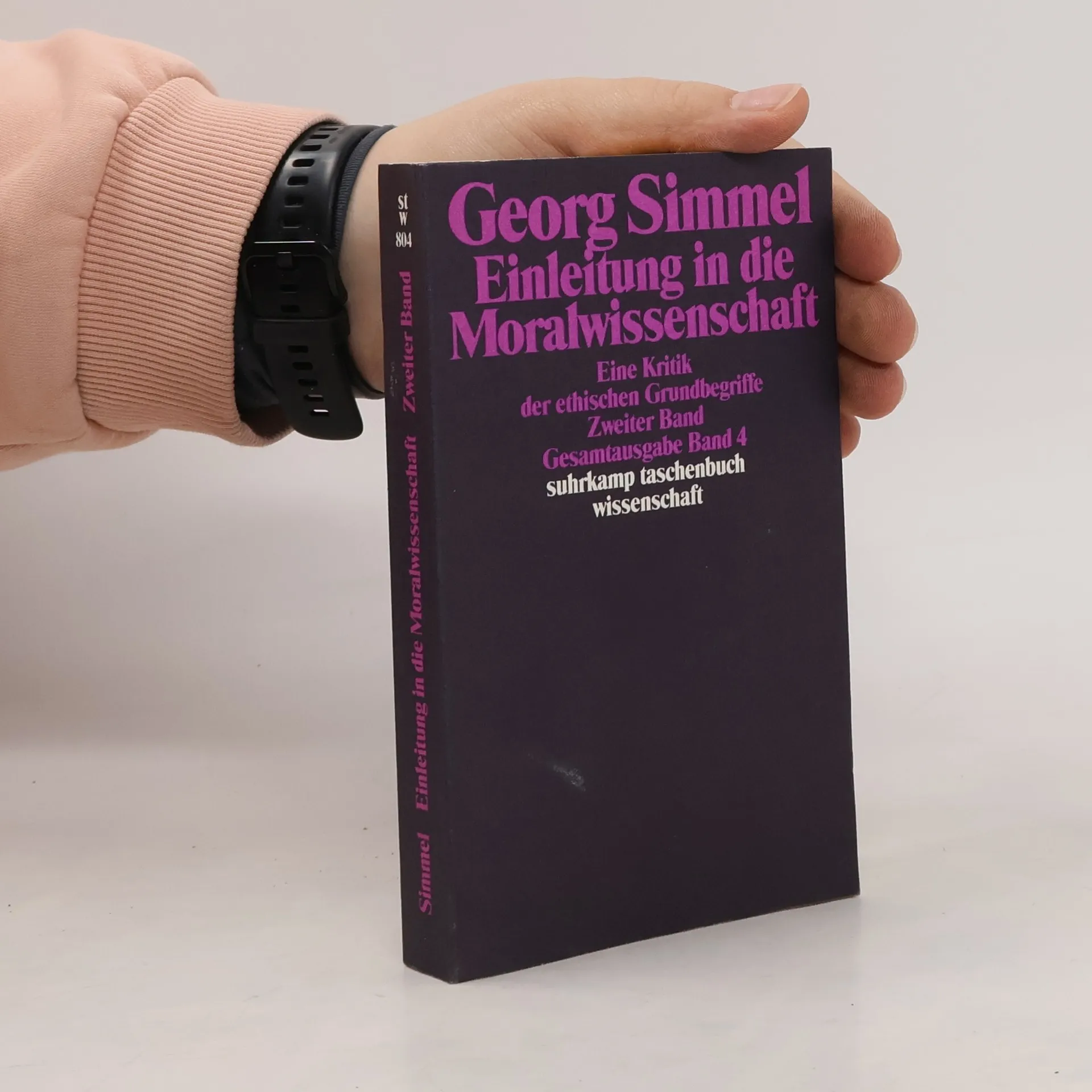
Suhrkamp Taschenbuch Wissenschaft - 2: Einleitung in die Moralwissenschaft
Eine Kritik der ethischen Grundbegriffe
- 427 páginas
- 15 horas de lectura