



Friedrich Schiller Libros


Aesthetical and Philosophical Essays
- 344 páginas
- 13 horas de lectura
The book explores the complex friendship between Johann Christoph Friedrich von Schiller and Johann Wolfgang von Goethe during the last years of Schiller's life. Their collaboration sparked significant discussions on aesthetics, contributing to the Weimar Classicism movement. Schiller's encouragement helped Goethe complete unfinished works, and together they produced "Xenien," a satirical poem collection that critiques their philosophical adversaries. This relationship not only shaped their individual legacies but also left a lasting impact on German literature.
On the Aesthetic Education of Man
- 96 páginas
- 4 horas de lectura
Friedrich Schiller's exploration of aesthetics in "On the Aesthetic Education of Man" is framed as a series of letters reflecting on the impact of art on society. Disillusioned by the violent turn of the French Revolution, Schiller critiques Kantian philosophy and examines the tension between human pleasure and rationality. He posits that a deeper understanding of aesthetics can harmonize these conflicting drives, ultimately enhancing moral character. This edition is crafted on premium acid-free paper, emphasizing its enduring value.
The Robbers and Wallenstein
- 480 páginas
- 17 horas de lectura
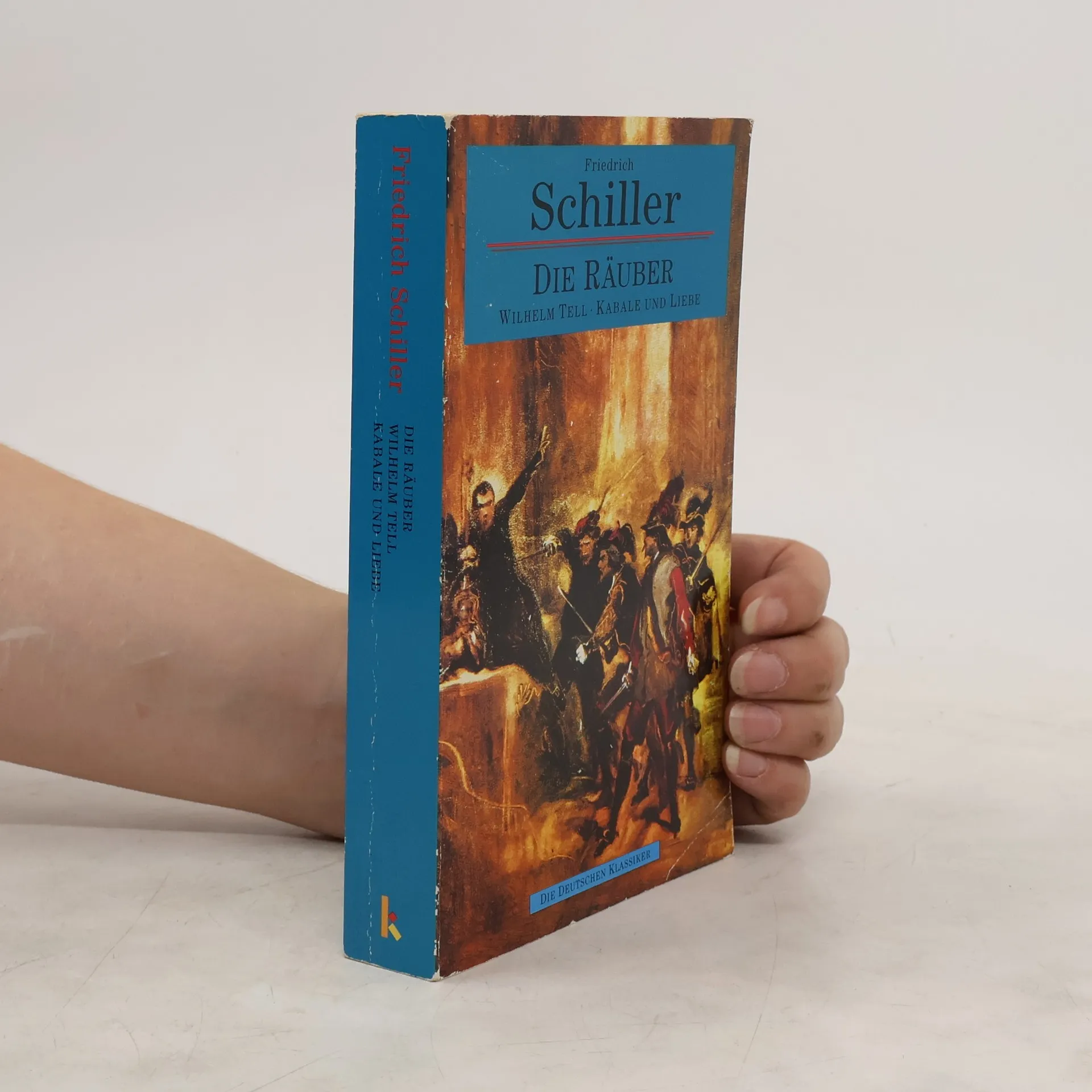
Features the play Robbers that presents a passionate consideration of liberty, fraternity and deep betrayal; and Wallenstein that explores a flawed general's struggle to bring the Thirty Years War to an end against the will of his Emperor.
William Tell
- 32 páginas
- 2 horas de lectura
[Penguin Readers Level 1]William Tell is a good man, but his country is a dangerous place. The Swiss people don’t like the Austrian emperor or his governor in Switzerland. Can William Tell help them in their fight with the Austrians? Or is he a man of peace?
Wallenstein - Der Oberbefehlshaber der kaiserlichen Armee: Dramen-Trilogie
- 296 páginas
- 11 horas de lectura
The trilogy explores the decline of the renowned general Wallenstein, who, at the height of his power as commander of the imperial army, begins to rebel against Emperor Ferdinand II. Friedrich Schiller, a prominent German poet and playwright, weaves historical events into a dramatic narrative that examines themes of ambition, power, and betrayal. The work is divided into Wallenstein I, which includes Wallenstein's Camp and The Piccolomini, and Wallenstein II, which focuses on Wallenstein's Death, showcasing Schiller's mastery in capturing the complexities of human nature and historical conflict.
Demetrius
- 52 páginas
- 2 horas de lectura
The book explores the complex friendship between Johann Christoph Friedrich von Schiller and Johann Wolfgang von Goethe during the last seventeen years of Schiller's life. Their discussions on aesthetics and philosophy significantly influenced the literary movement known as Weimar Classicism. The collaboration also led to the creation of "Xenien," a collection of satirical poems where both writers confront their philosophical adversaries. This relationship not only shaped their individual works but also left a lasting impact on German literature.
"Don Carlos" is a historical tragedy by Friedrich Schiller, written between 1783 and 1787. Set in the 16th century during King Philip II's reign, it follows Carlos, Prince of Asturias, and is inspired by real historical events. The play premiered in Hamburg in 1787.